
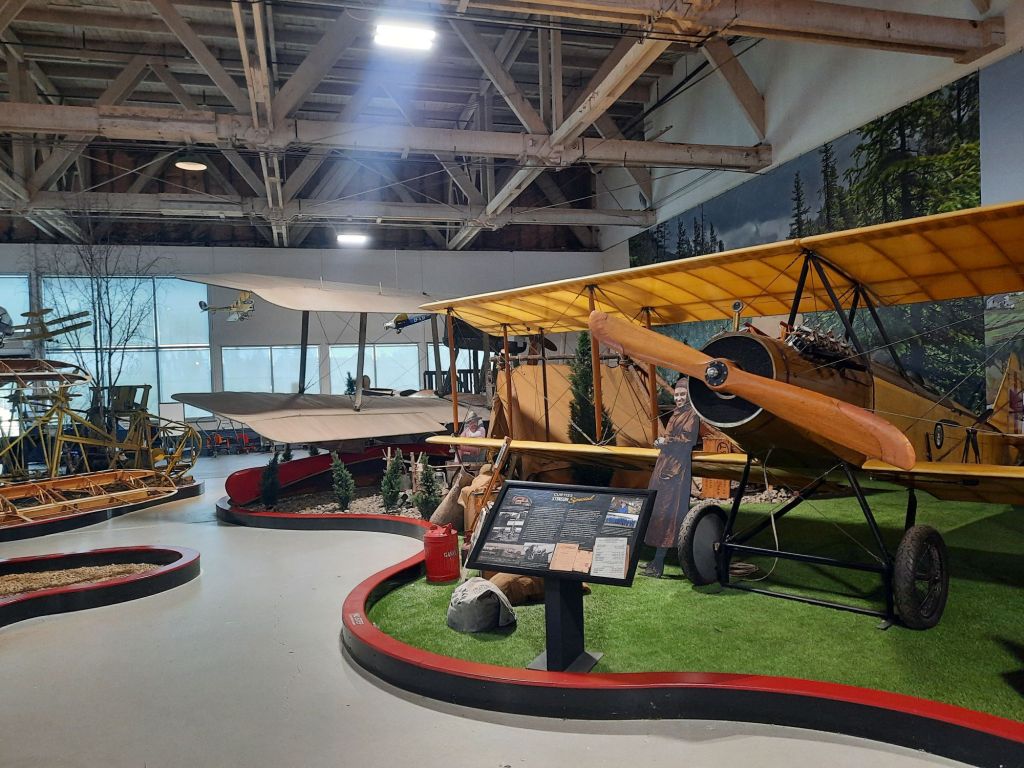
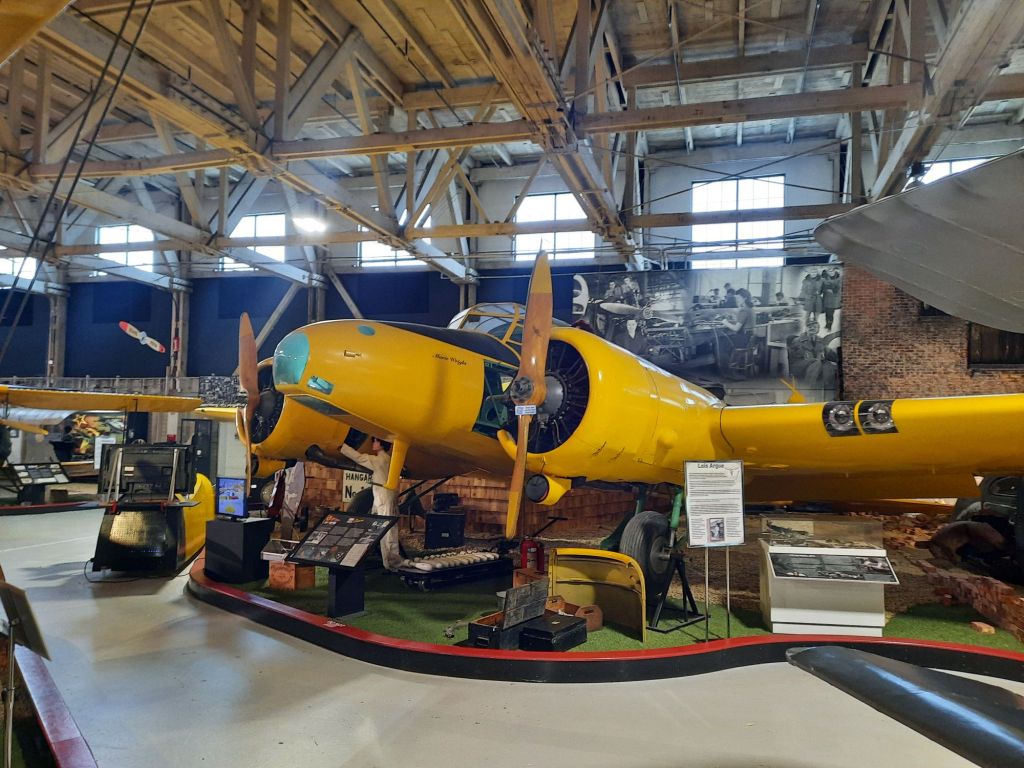
Last August, as part of my 56th birthday celebration (it does sound like I am an important person), my wife and I visited the Alberta Aviation Museum.

This museum is one of Edmonton’s prides and joys; it is housed in the historic Hangar 14, one of the last two remaining examples of a ‘double-double’ WWII British Commonwealth Air Training Plan—BCATP—hangar. These facilities, built across Canada, were made of pre-cut wooden timbers from British Columbia foresters.

The second remaining hangar is probably located in Manitoba, the one that houses the Commonwealth Air Training Plan Museum. I posted a photo article about my visit there; you can check it here.
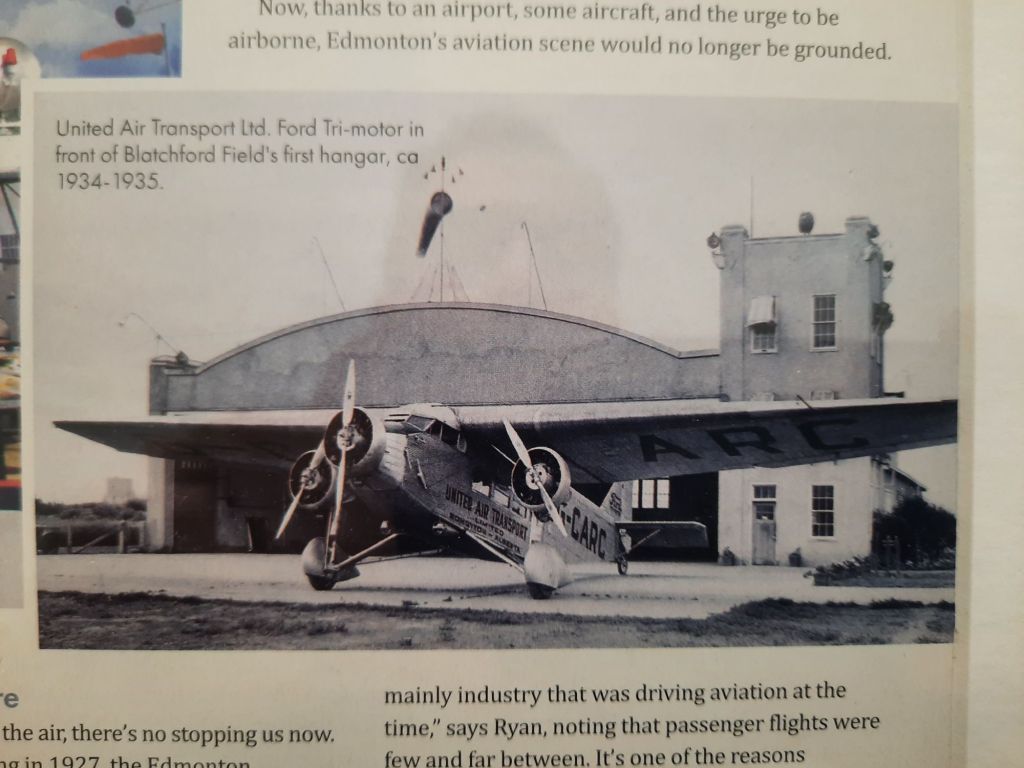

The first thing we noticed upon entering the building is how organized and clean the museum is. It looks like the volunteers dust off the planes on a daily basis.
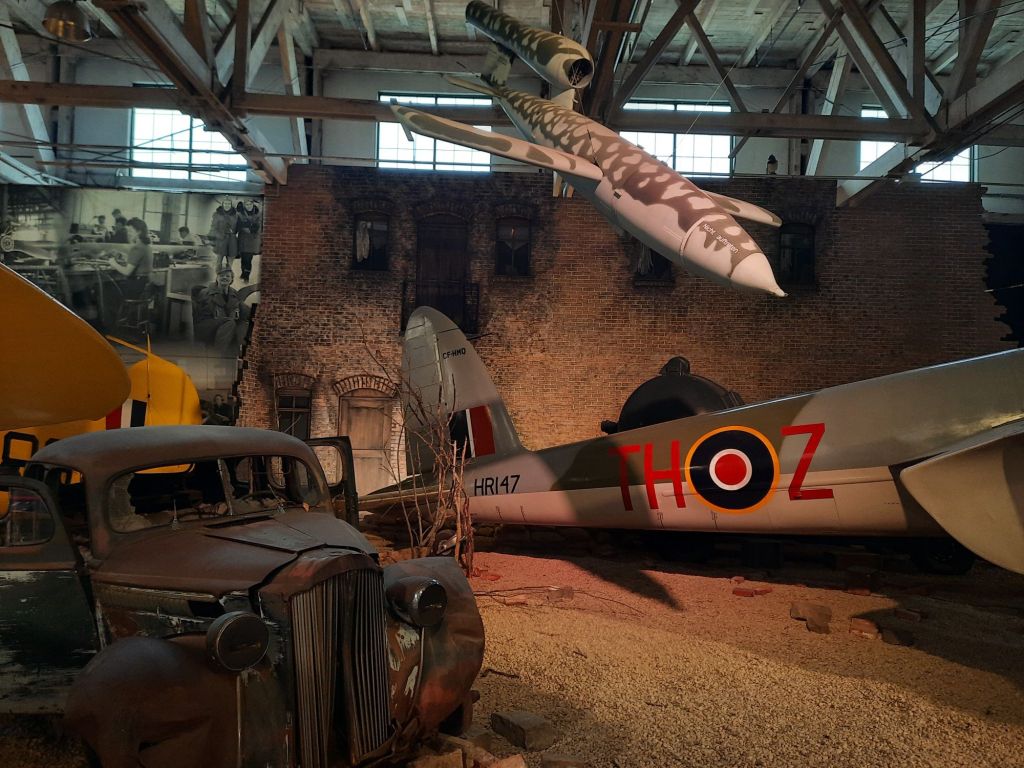
The first display is the most remarkable one. It recreates the horrors of the Nazi Bombardment against London, using the V1 flying bombs.

Above, a V1 Flying Bomb, just about to hit its target.
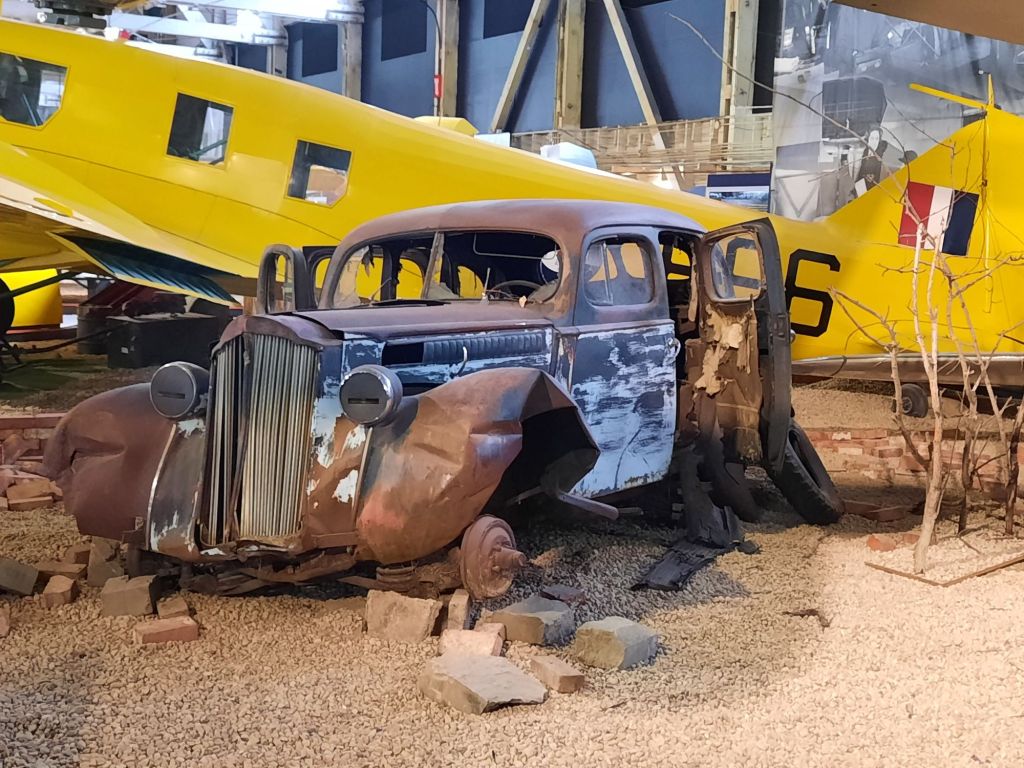
A destroyed car, a victim of the Bombardment. I could not identify year and model.
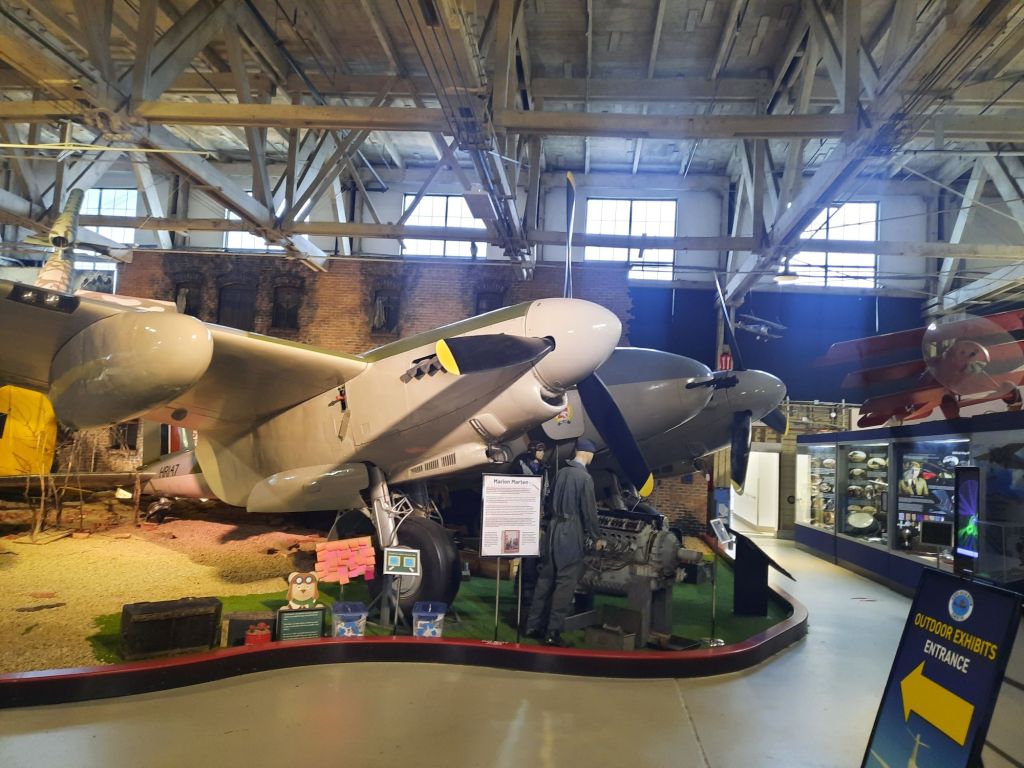
The display includes the iconic De Havilland Mosquito. The airplane is a British twin-engine, multirole combat aircraft, introduced during the Second World War. It was unusual because its airframe was primarily constructed of wood, nicknamed the “Wooden Wonder”, or “Mossie”.

In 1941, it was one of the fastest operational aircraft in the world. Due to its high performance and heavy firepower, the Mosquito became one of the RAF’s favourite machines for pursuing and destroying the V1S.
The number of swastikas painted on the airplane shows that this Mosquito had a very successful career as a flying bomb hunter.
I took a few pictures of the museum’s collection. I hope you will enjoy the trip.


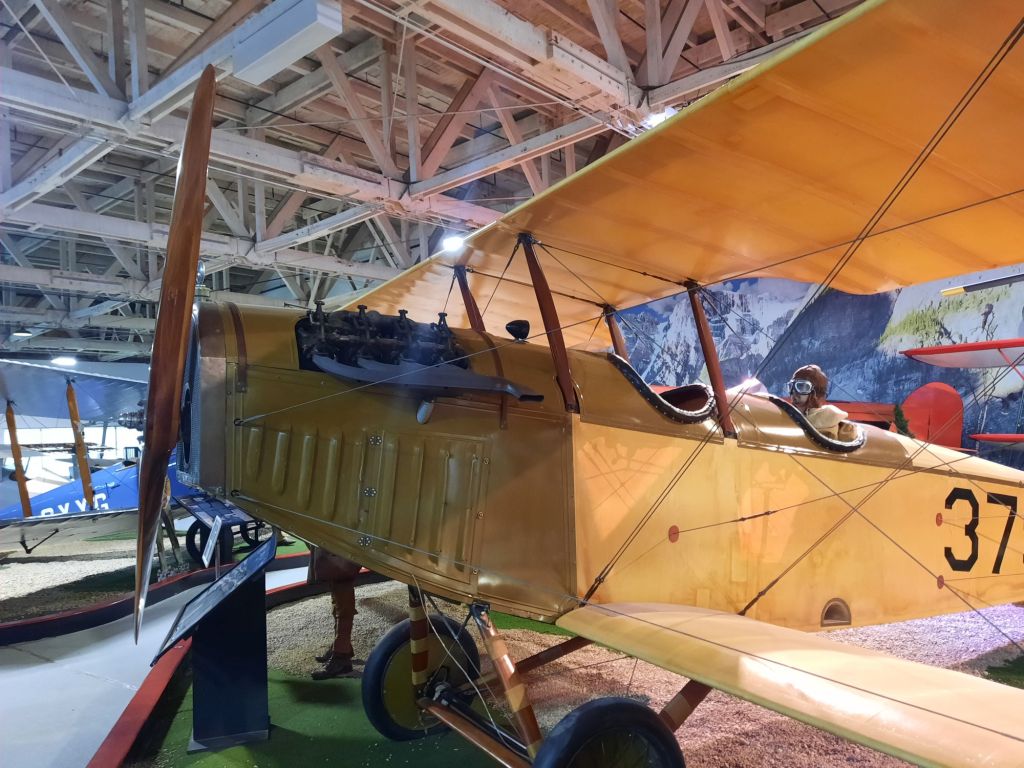


A pristine North American B-25 Mitchell. It would be nice to see this iconic warbird flying again.



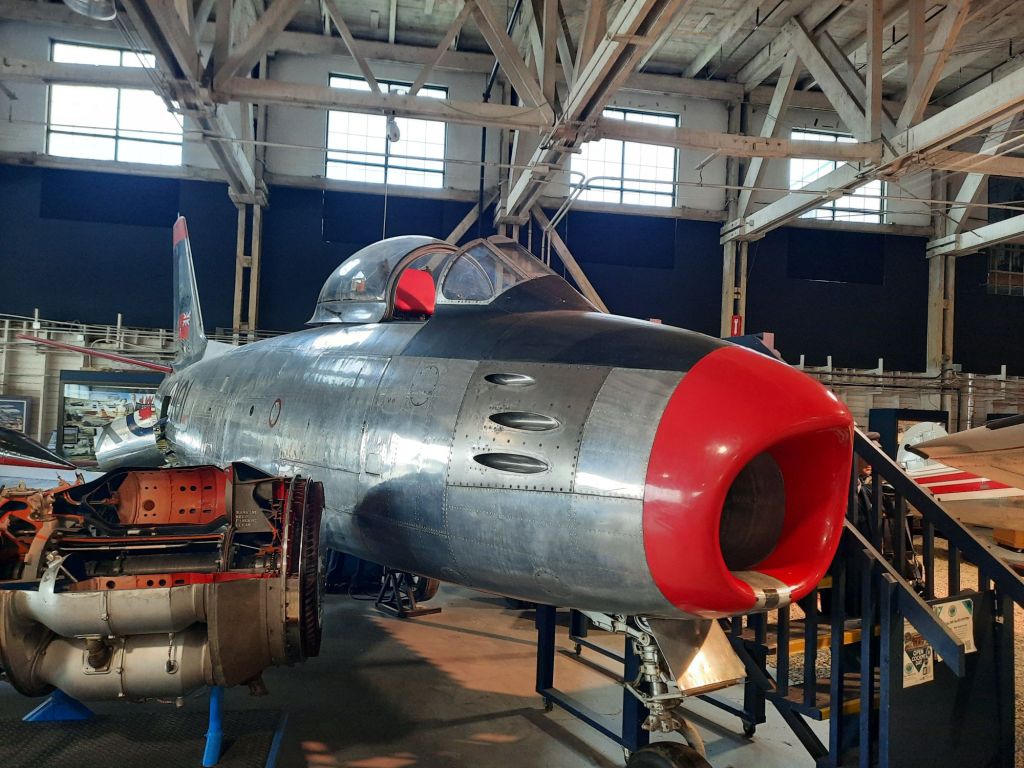
A Canadair Sabre

And its engine.

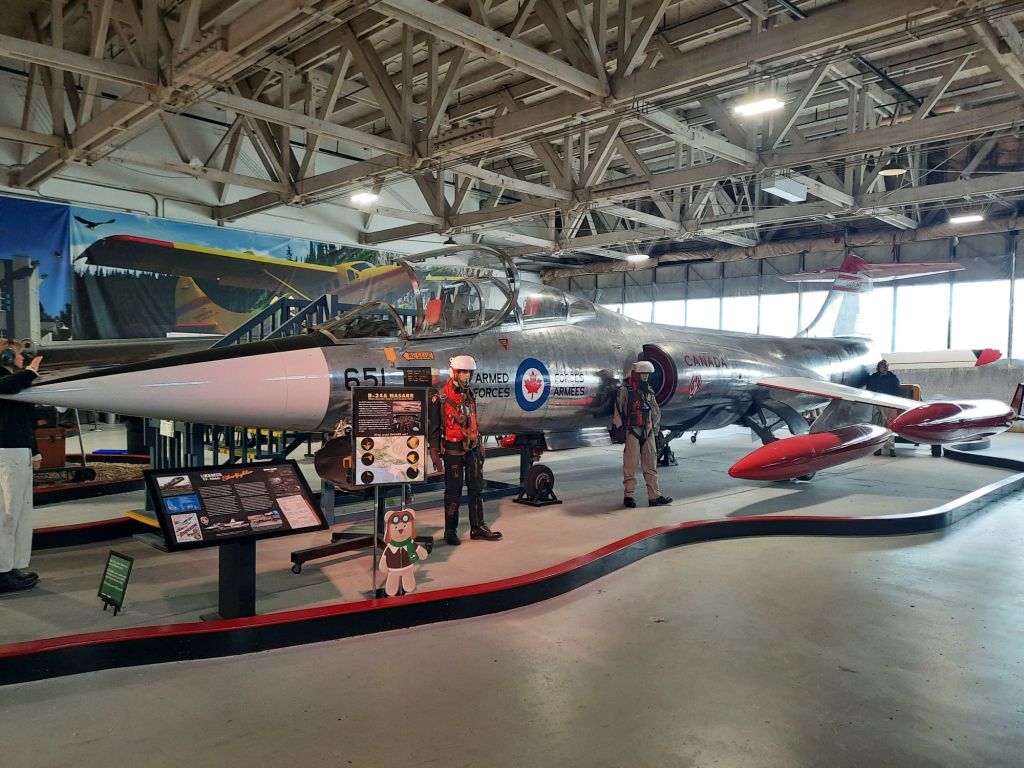
The Canadair CF-104, also know as “The Widow Maker”. I wrote a post about this fighter, you can check it here



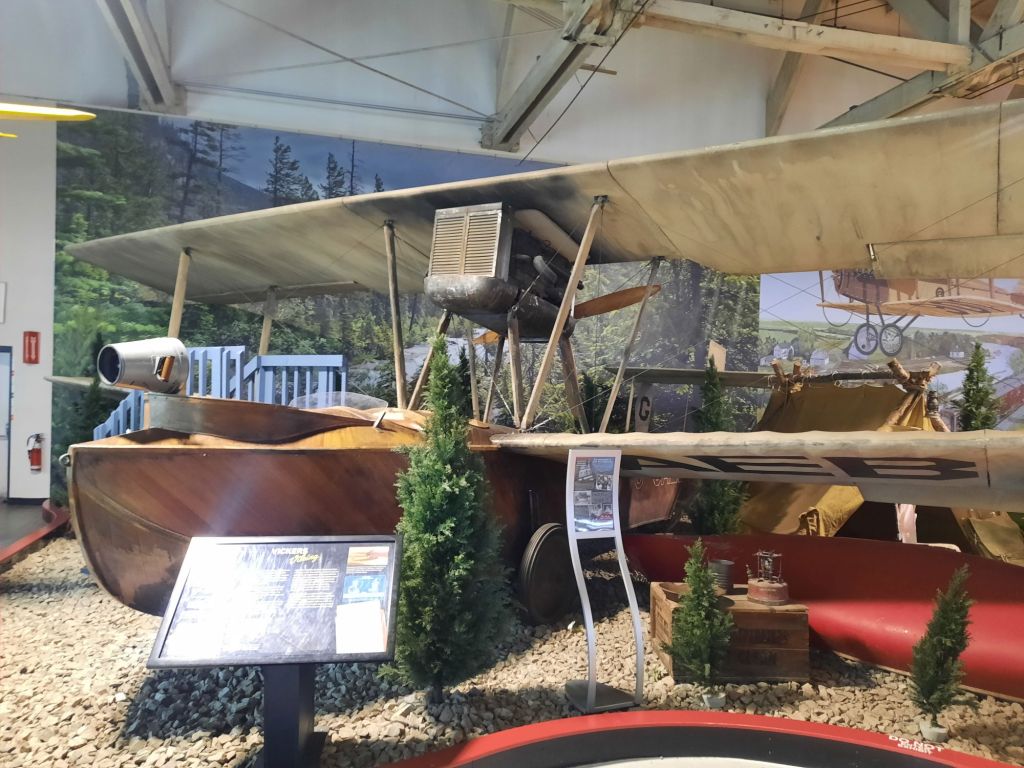
This is a beautiful replica of the 1922 flying boat Vickers Viking Mk IV.

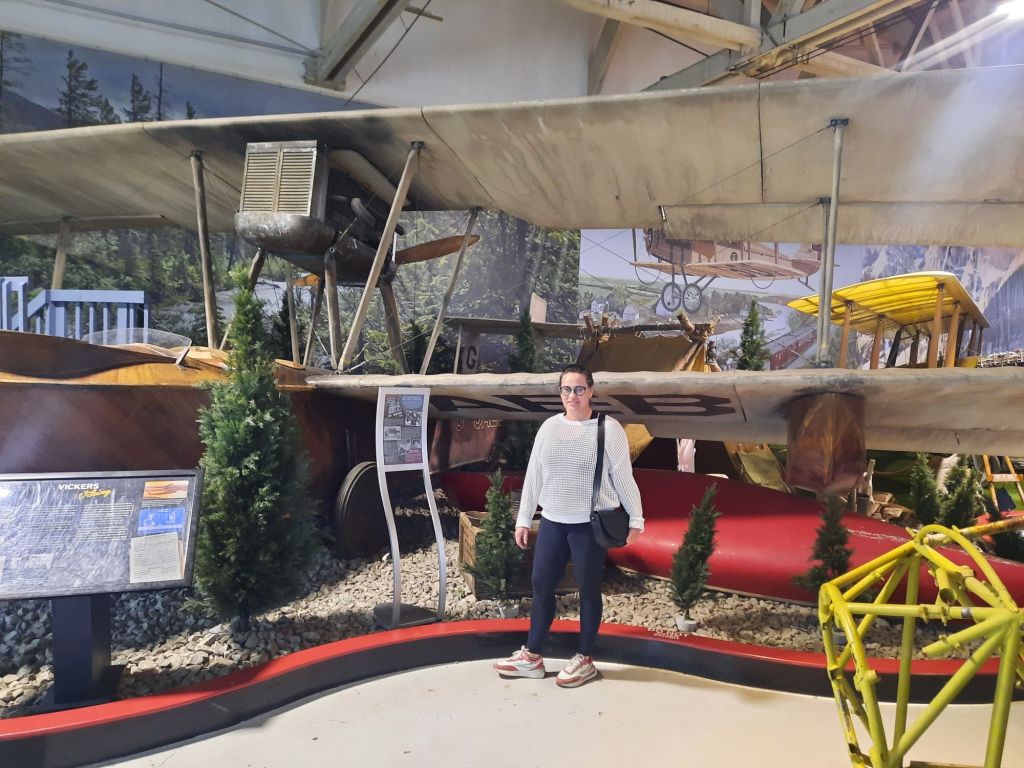
My lovely wife Estela, in front of the replica.
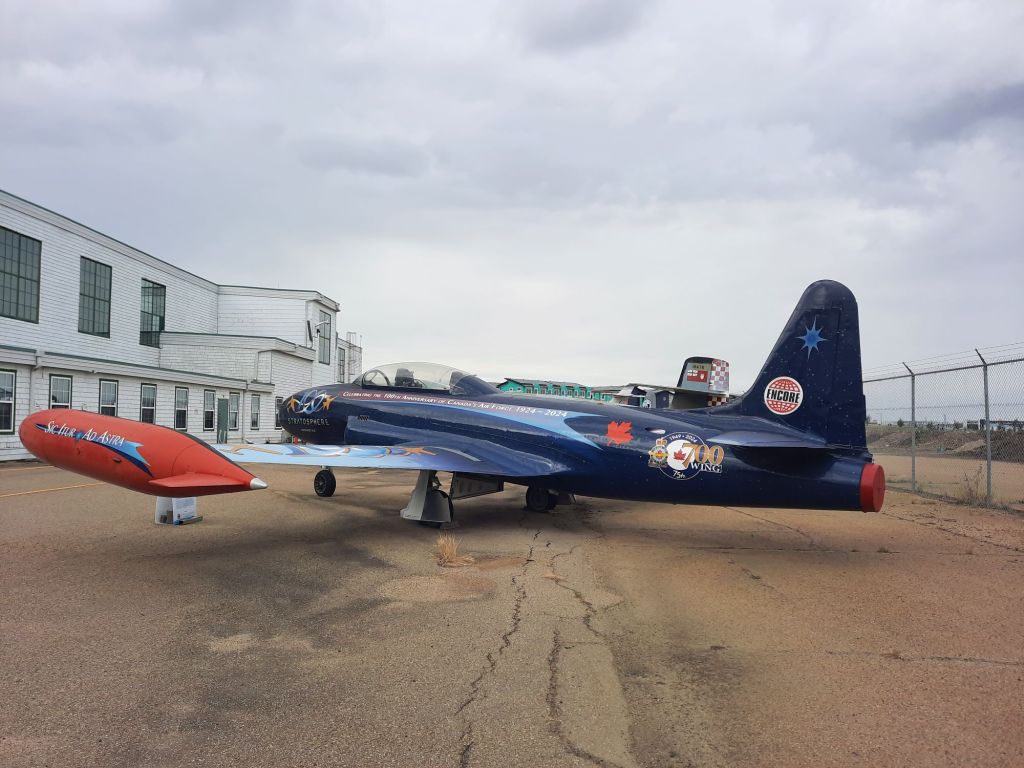
The building is pretty much full and some of the airplanes are displayed outside. This one here is a Canadair CT-133 Silver Star.
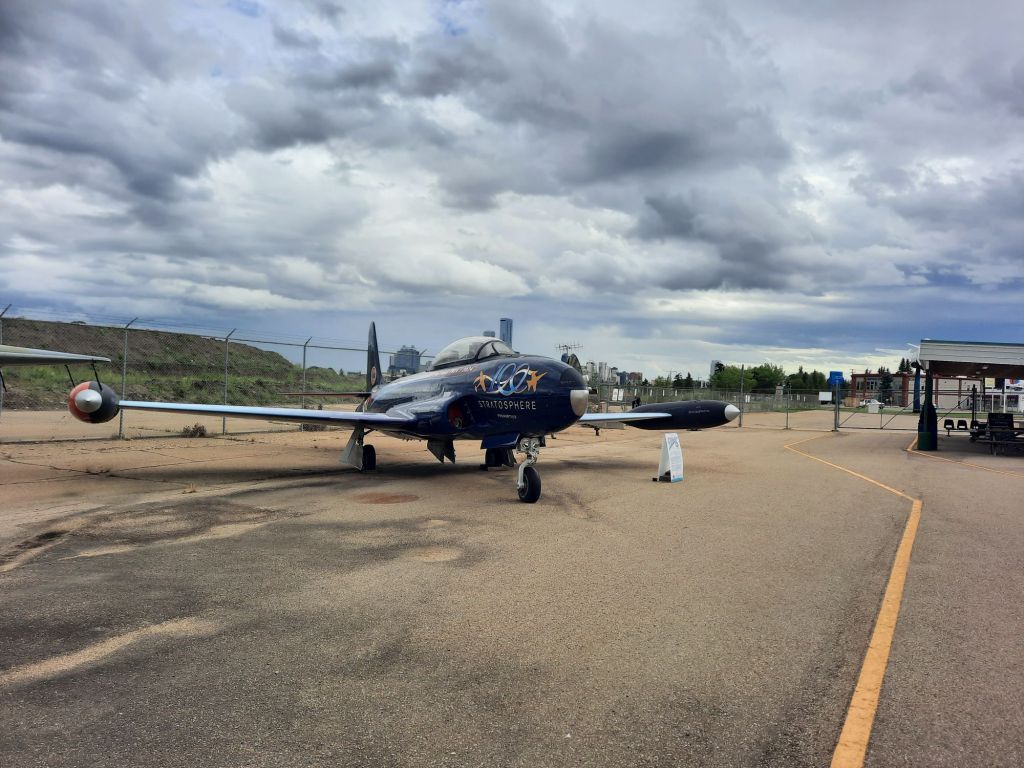


This is a Avro Canada CF-100 “Canuck”



Another “Silver Star”

Unfortunately, the future of the Alberta Aviation Museum is uncertain at this point. The building has the “historic resource” status, which granted a 25-year lease renewal in 2018, but the maintenance of historic buildings is complicated and expensive.
A recent motion put forward by City administration has revealed that the hangar requires structural upgrades and requires a minimum of forty-one million dollars for repairs by 2027. It was initially motioned by administration that the building be de-accessioned from the city’s heritage properties, which could result in the museum moving to another building, just like what happened to the Royal Aviation Museum in Winnipeg.

The Alberta Aviation Museum is working with the city to determine a plan for moving forward. In July 2022, the city began a two-year effort to sell the hangar and use the funds to build a new facility.

When the Royal Aviation Museum in Winnipeg closed its doors, I thought it would never open again. To my surprise, the hard work of the museum administration and city officials resulted in a brand new and beautiful facility, a building worthy of the honor of housing so many historical aviation artifacts. I truly hope the same will happen to the Alberta Aviation Museum.
 The Classic Machines
Awesome images, Awesome information. Awesome gift from your wife! Hopefully, they’ll be able to save or relocate this spectacular museum. 🙂
LikeLiked by 2 people
Thank you so much, I am very happy you enjoyed the article.
It was a lovely birthday gift, and I also got a t-shirt from the museum gift shop.
LikeLiked by 1 person
Wear your new t-shirt proudly. 😁
LikeLiked by 1 person