The battle of logistics
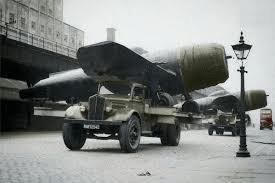
When considering World War II, our attention tends to be on its causes or key battles that determined its course. However, a closer look reveals some staggering numbers that are difficult to comprehend. Just to put it in simple terms, over 127 million personnel were mobilized globally during the 5 years of total war, with over two-thirds serving in the Allied Powers.
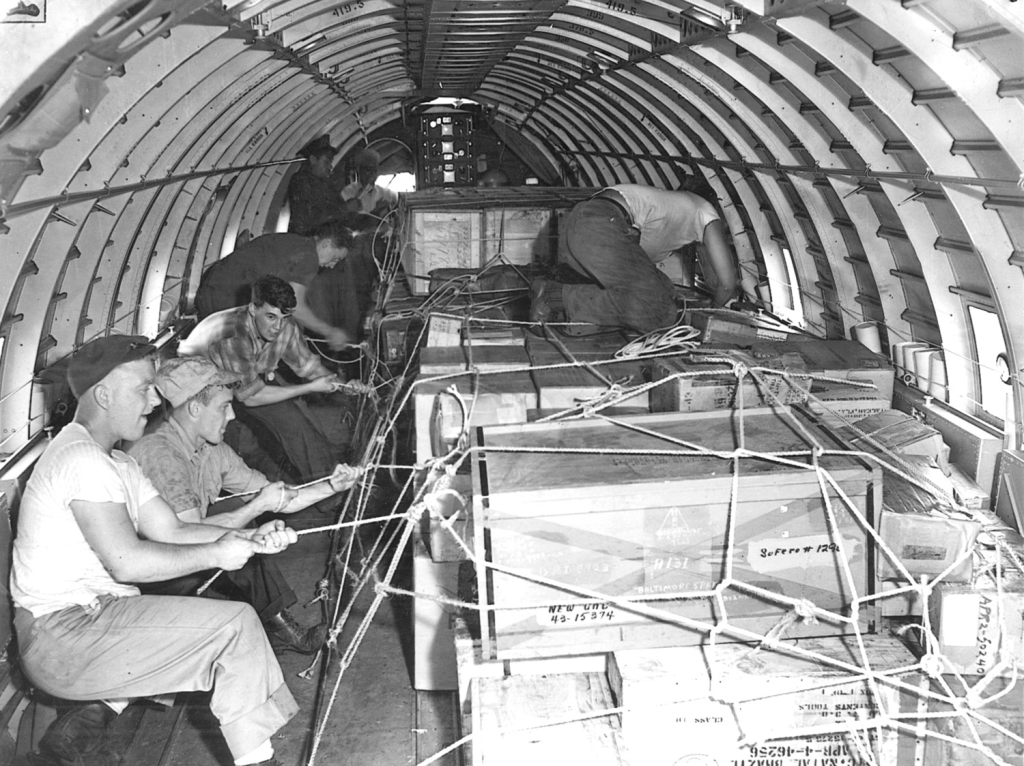
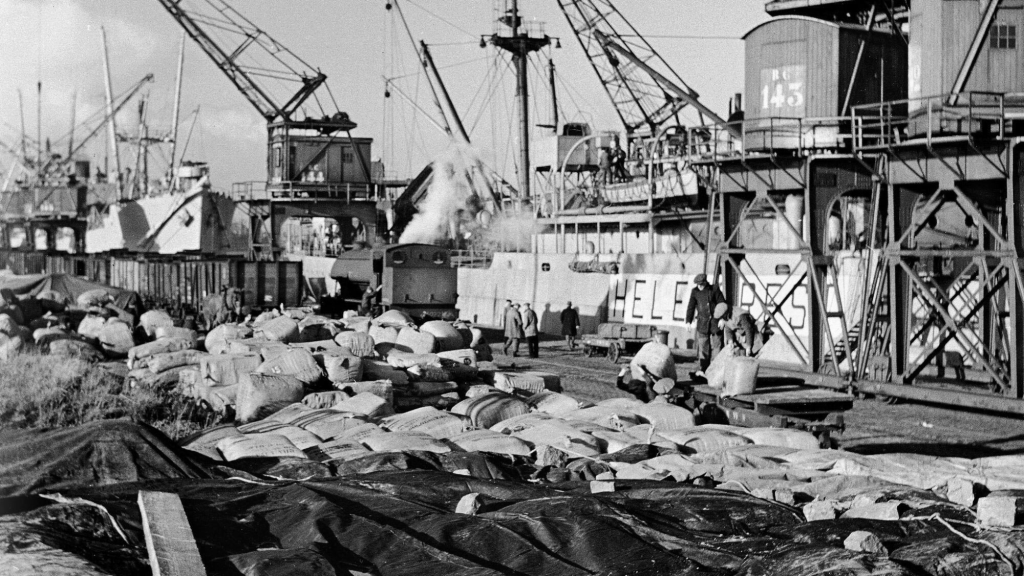
It is hard to wrap our minds around the logistical hurdles not only to transport this immense number of soldiers from point A to point B at any time around the globe, but also to keep every single one of them well fed, dressed, and properly armed on a daily basis.
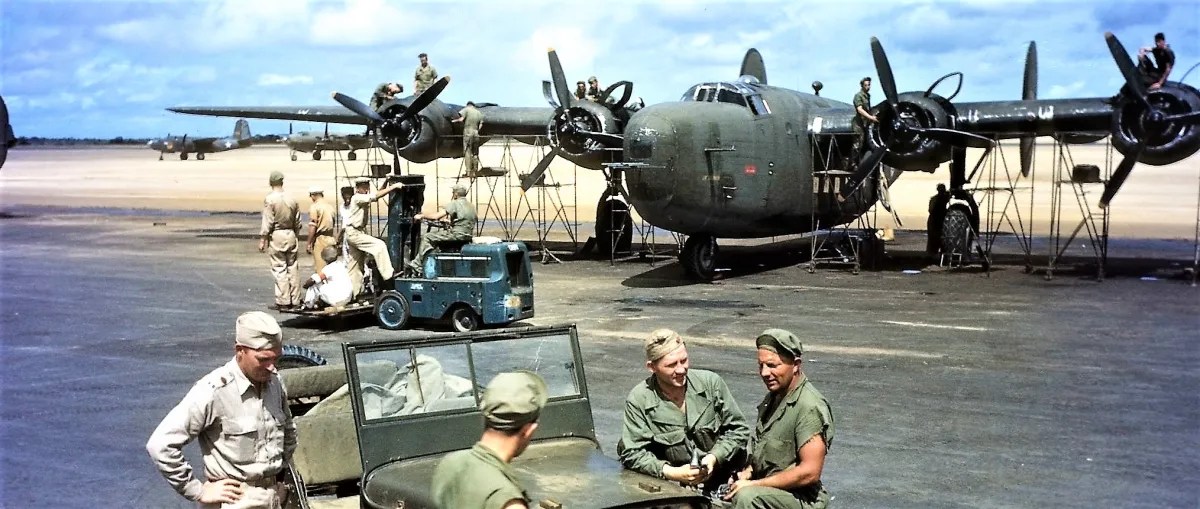
The existing complex of ports and air bases was extensively used during the war, but as operations increased, new facilities had to be built at lightning speed.
Parnamirin Air Base
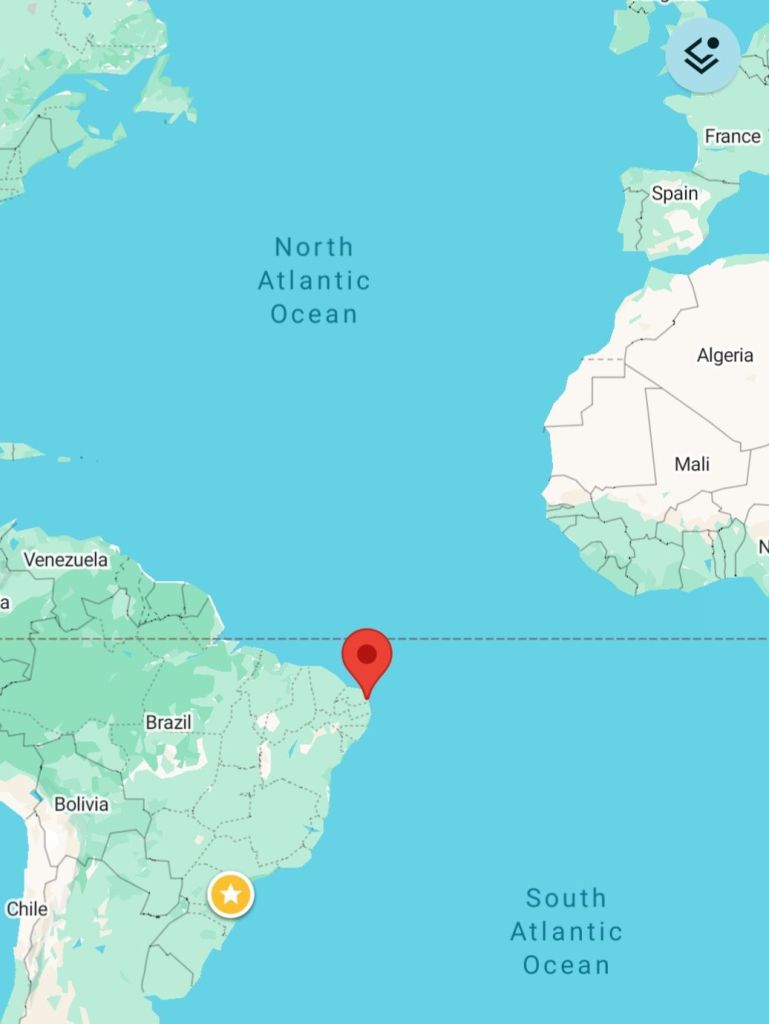
One of Brazil’s most important contributions during the war was allowing the Americans to establish a massive air base in Rio Grande do Norte on the country’s eastern coast. This location is the nearest point between South America and Africa.
The location is a 30-minute drive from the state’s capital, Natal. For this reason, the base was called Natal Air Base (BANT).
The Americans built several bases on Brazilian soil, some from scratch and others around existing infrastructure, but “BANT” was by far the most important.
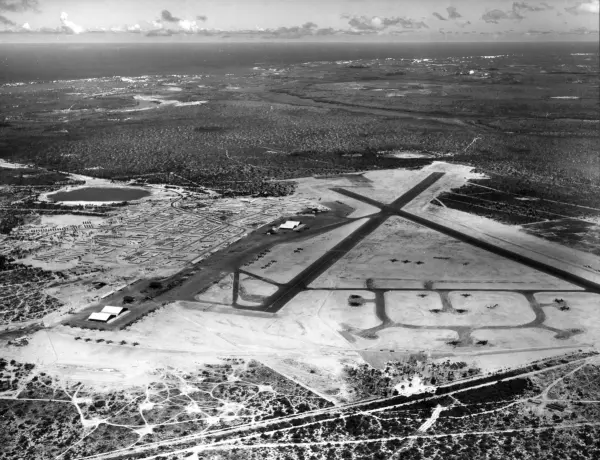
Construction began in late 1942, and by 1944, the base was fully operational.
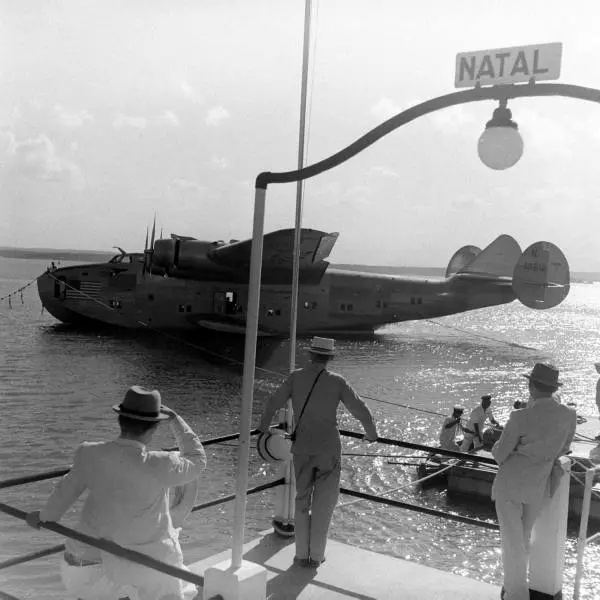
It was massive, with two runways, a small harbor, ramps for the Catalinas, piers for the Martin Mariners, repair facilities, a Transit Hotel, and huge fuel and oil storage. It was the most significant American airfield outside the USA and the busiest during the war.
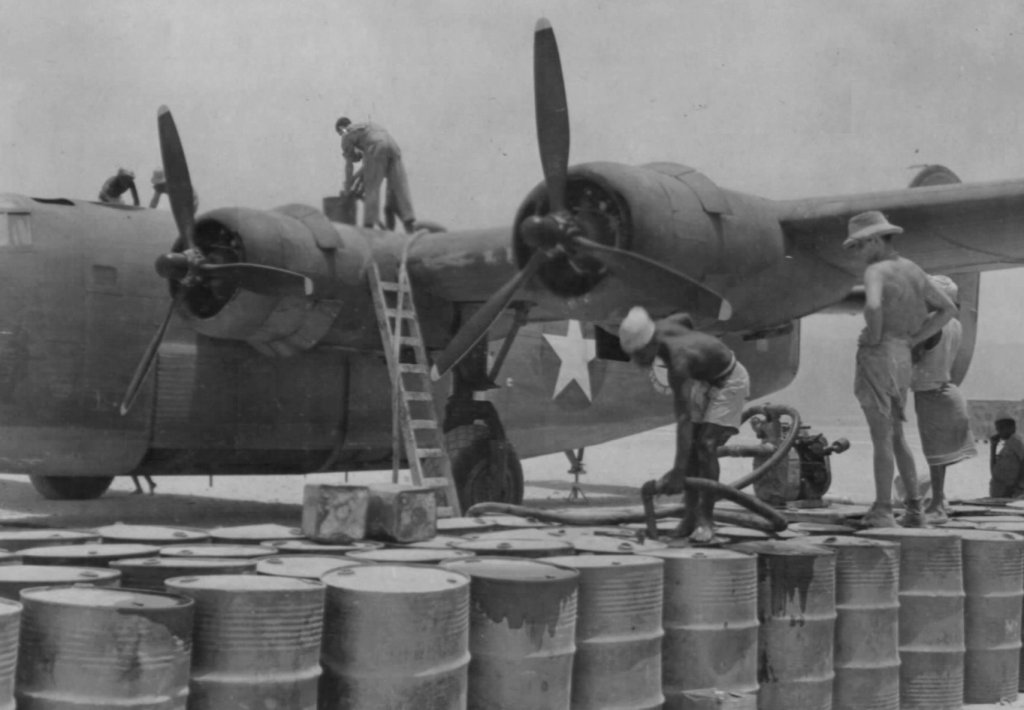
The year-round, summer-like weather in Northern Brazil also played an essential role in choosing the base’s location.
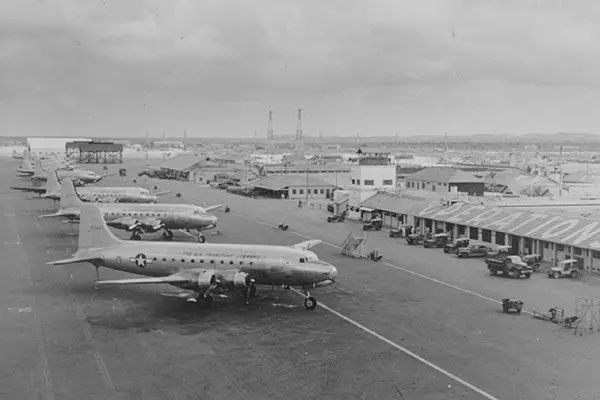
During its peak time, BANT handled an aircraft landing and taking off every 3 minutes. Basically, every cargo plane transporting troops or goods en route to Africa, Russia, Italy, and Burma had to stop there.
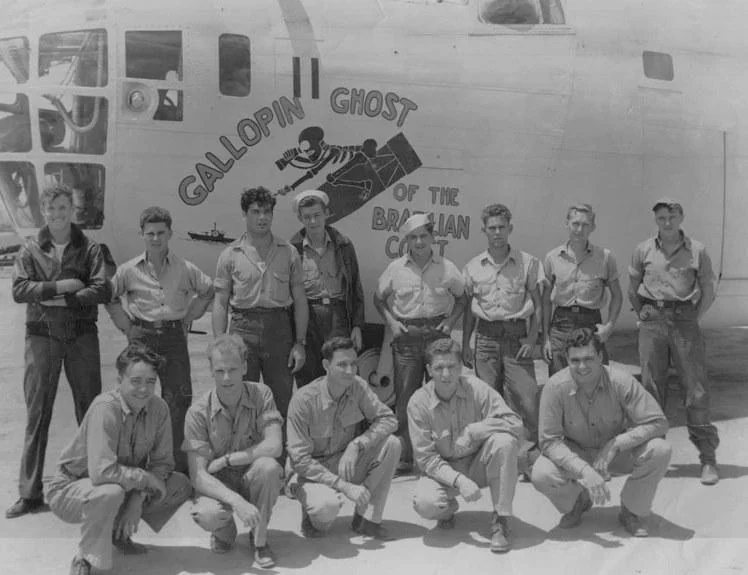
Parnamirin was also the base for most anti-submarine warfare in the South Atlantic.
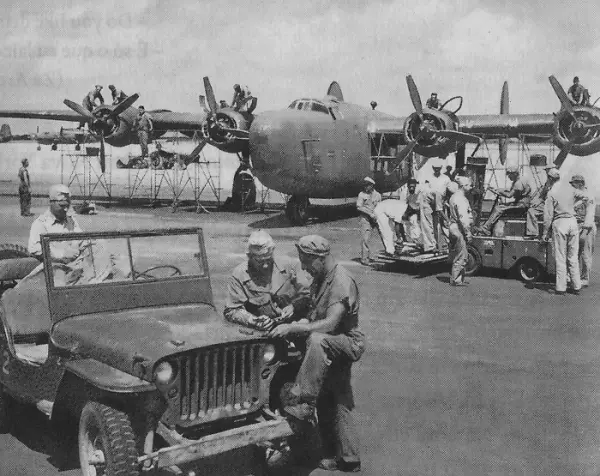
President Roosevelt called it: “The Trampoline to Victory”.
For All
Between 1943 and 1945, BANT accommodated approximately 2,500 to 3,000 American military personnel. It quickly became evident that they brought a touch of American culture to the local population of around 40,000.
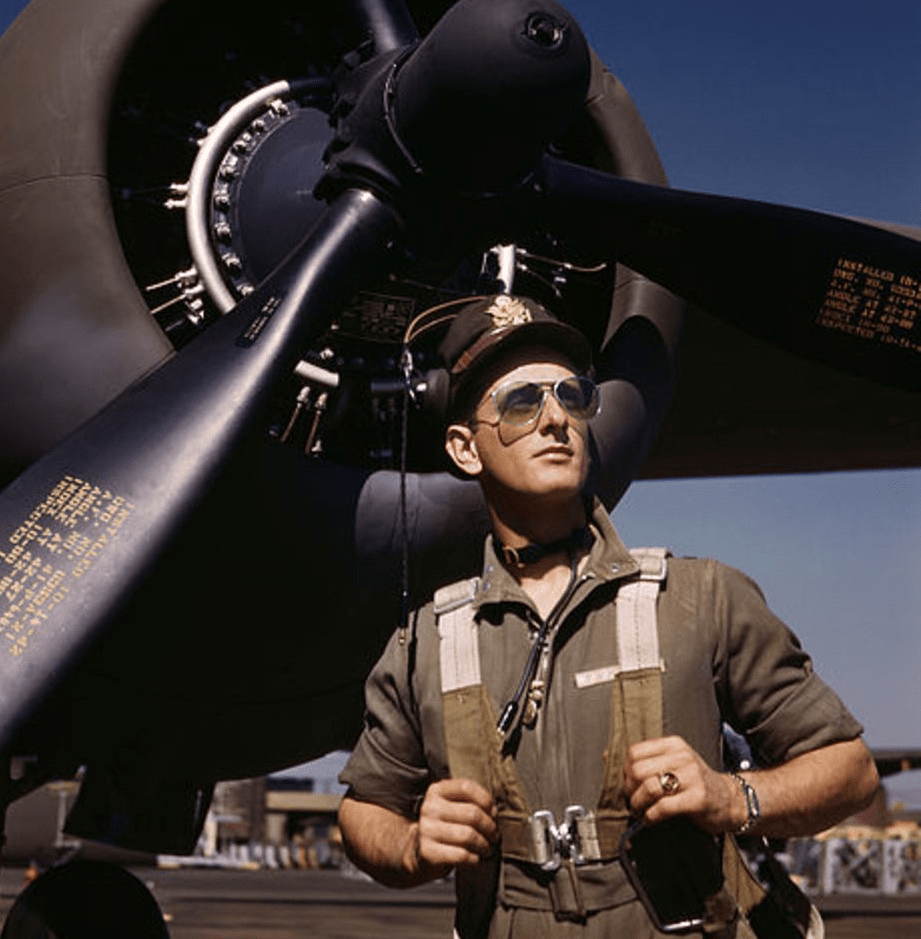
As a Brazilian officer recollects: “For the first time we had contact with the kind of stuff we only saw in movies. Things like: bubblegum, Ray Ban sunglasses, greasy hair, and swing dancing. You bet we loved it all”.
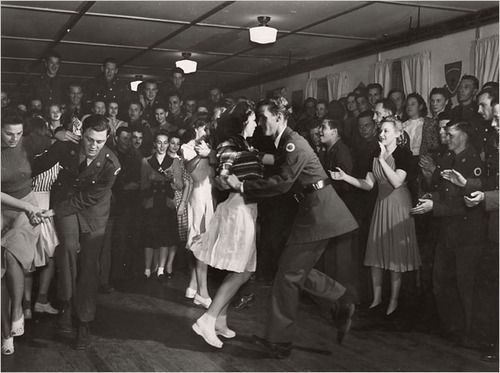
To improve interaction with the local population, the base commander became famous for hosting open-gate parties with snacks, refreshments, and live music.
The Americans called the event “For All,” and, needless to say, it became a massive success in the city and the villages around it.
The war ended, but the base kept going.
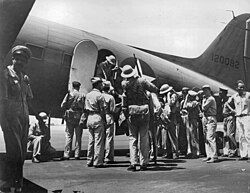
After years of service in a foreign land, the Americans were terribly homesick. When the war finally ended, the Americans began leaving BANT at a rate of 700 soldiers a day.
Even decades later, locals still had fond memories of the “Gringos” as jolly, kind, and generous people.
BANT today.
All the infrastructure, as part of the original agreement between the two governments, was left to the Brazilian Air Force.
Today, the massive installation houses several aviation groups of the FAB (Brazilian Air Force).
Among them is the 1st/8th Falcon Squadron.
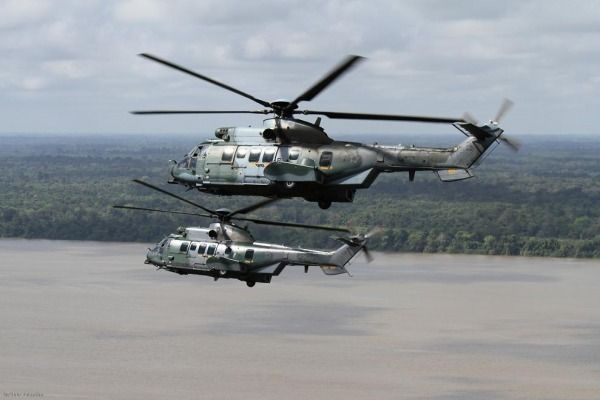
The squadron has been flying rescue missions and providing support to riverside communities in the Amazon Jungle for over 50 years now.
I hope you have enjoyed this episode on Brazil’s participation in WWII. In the third and final chapter, I will discuss the battles our Air Force fought in Italy.
 The Classic Machines
Really good part II
LikeLiked by 1 person
Thank you so much.
LikeLike
Thanks for shedding light on the US bases in Brazil during WWII. It sounds like BANT fostered close connections between the two countries because of their war efforts. Interesting story! 🙂
LikeLiked by 1 person
Thank you, Nancy.
It is a shame my home country doesn’t care much about its own history. Our participation in WWII is barely mentioned in school.
I am happy you enjoyed the article.
LikeLiked by 1 person