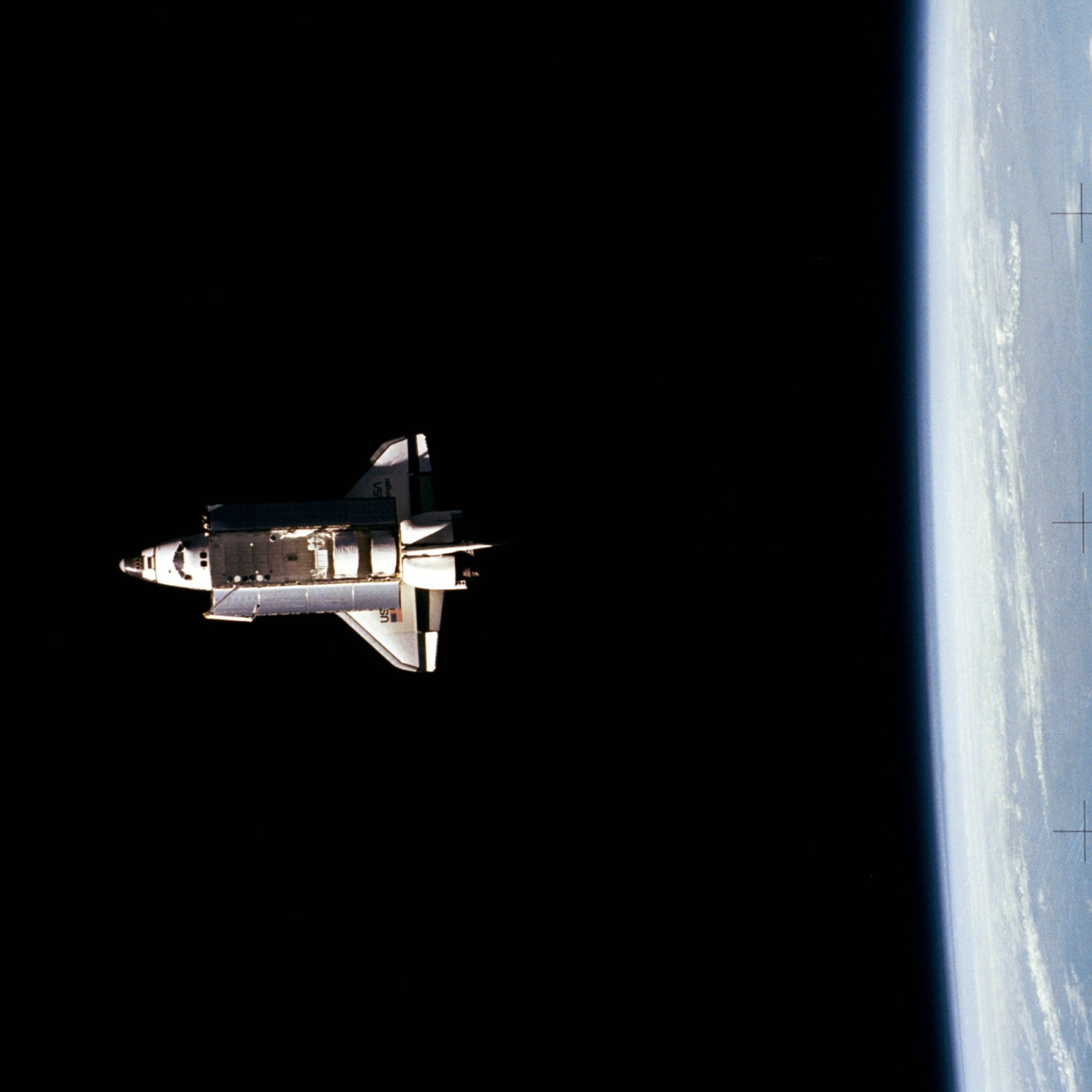

On the 12th of July, 1985, on the launch pad of the Kennedy Space Center, Florida, the orbiter Challenger was getting ready for STS-51-F, the 19th mission of the program. Besides the constant flight delays and cancelations, NASA had secured government funding and it seemed like Americans were back in love with space exploration.

Challenger was the third orbiter built by Rockwell for the STS program, and after seven successful missions, it had proved to be a reliable one.
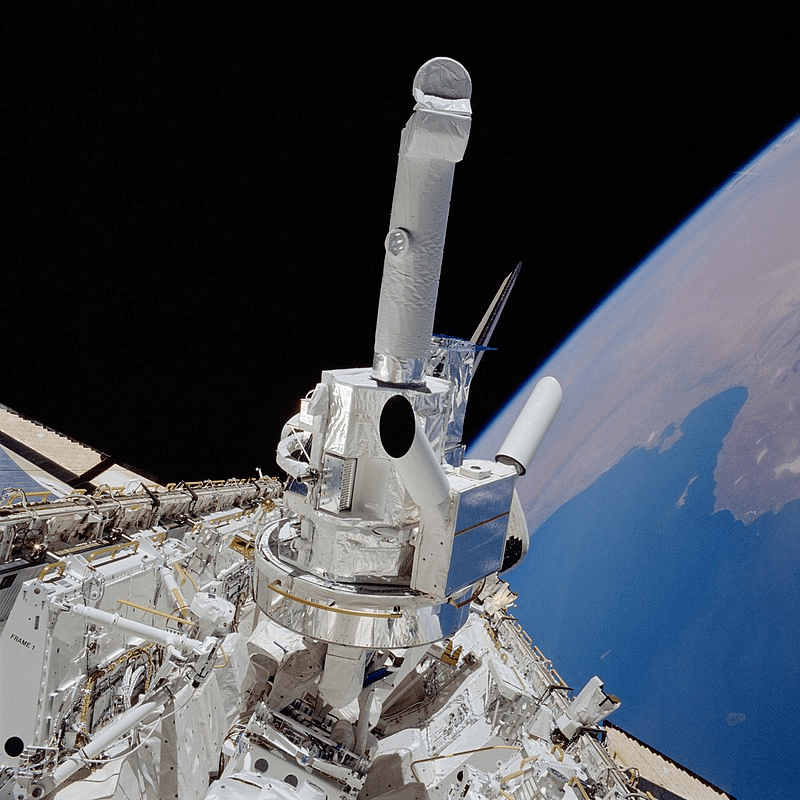
The purpose of the STS-51-F mission was to put in orbit the Spacelab 2, a reusable laboratory developed by European Space Agency (ESA) and used on certain spaceflights flown by Space Shuttle program. However it was a far less import assignment that really caught the public attention: the Carbonated Beverage Dispenser Evaluation, which was an experiment in which both Coca-Cola and Pepsi provided specially designed soda cans for the astronauts to enjoy while in space.
With all systems showing green, the countdown started but at T-3 seconds the launch was aborted, the computers detected a malfunction in the coolant valve of the #2 main engine. The launch was postponed to July 29, the closest day with favorable weather conditions.

On the scheduled date for its second launch attempt, (after a delay of 1 hour 37 minutes, thanks to a software glitch), Challenger ignited its engines and started the journey, roaring towards the final frontier at full throttle. However, the ship was not out of the woods just yet.
At 3 minutes 31 seconds into the ascent, the temperature sensor on the high-pressure fuel pump failed. A few minutes later, the supplementary sensor also failed, causing the system to shut down the center engine. Around 8 minutes into the flight, the same sensor on the right side engine also gave up, and the supplementary sensor was showing temperatures near red line.
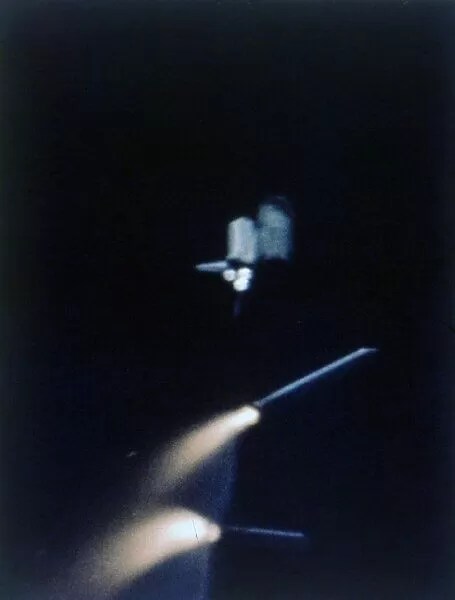
At this point, the solid rocket boosters had already been jettisoned but Challenger was still attached to the external fuel tank. The loss of a second engine would have been catastrophic since the orbiter couldn’t be able to keep its ascending with only one engine. A worst case scenario would have prompted the crew to disconnect the external fuel tank much sooner then planned, causing it to fall over a populated area instead of the ocean. Ground control immediately ordered the commander to disable the automatic shutoff, keep the pedal to the metal, and pray for the two engines to hold.

The two remaining RS-25 engines carried out their obligation and put Challenger into orbit, although at a much lower altitude. NASA instructed the crew not to push their luck and bring the ship to a lower-than-planned orbit of 265 km when the original flight plan was 385 km.
The mission came very close to a total disaster, but thank God it didn’t happen. The Spacelab 2 task was considered successful, but the space soda cans received mixed reviews from the astronauts and the project was canceled.
 The Classic Machines
Those flights always seemed to be on the edge one way or another but maybe that’s typical of space flight.
LikeLiked by 1 person