
Our Brazilian correspondent, my cousin and good friend, Sérgio Devens Florentino, visited a very traditional classic car gathering in Brazil, Opalapa.

The Opalapa is dedicated to the most beloved car produced in the country, the Chevrolet Opala. The 2025 event, the 12th edition, occurred on November 22-23, drawing hundreds of these iconic Brazilian classic cars for a weekend of “Opala Therapy.” The event takes place in the city of Lapa, in my home state of Paraná.

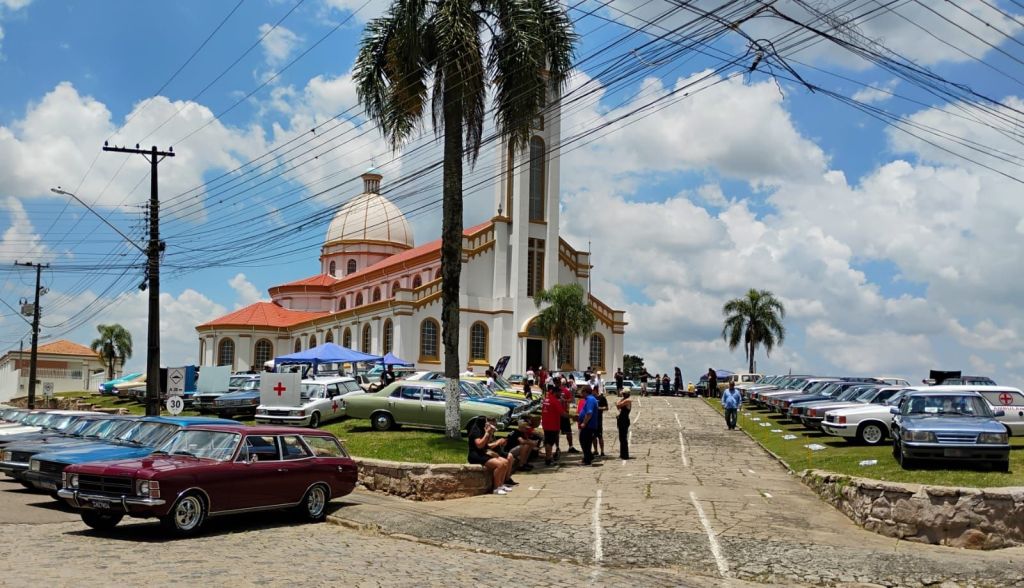
The cars were beautifully displayed on the church’s grounds and in the surrounding streets.
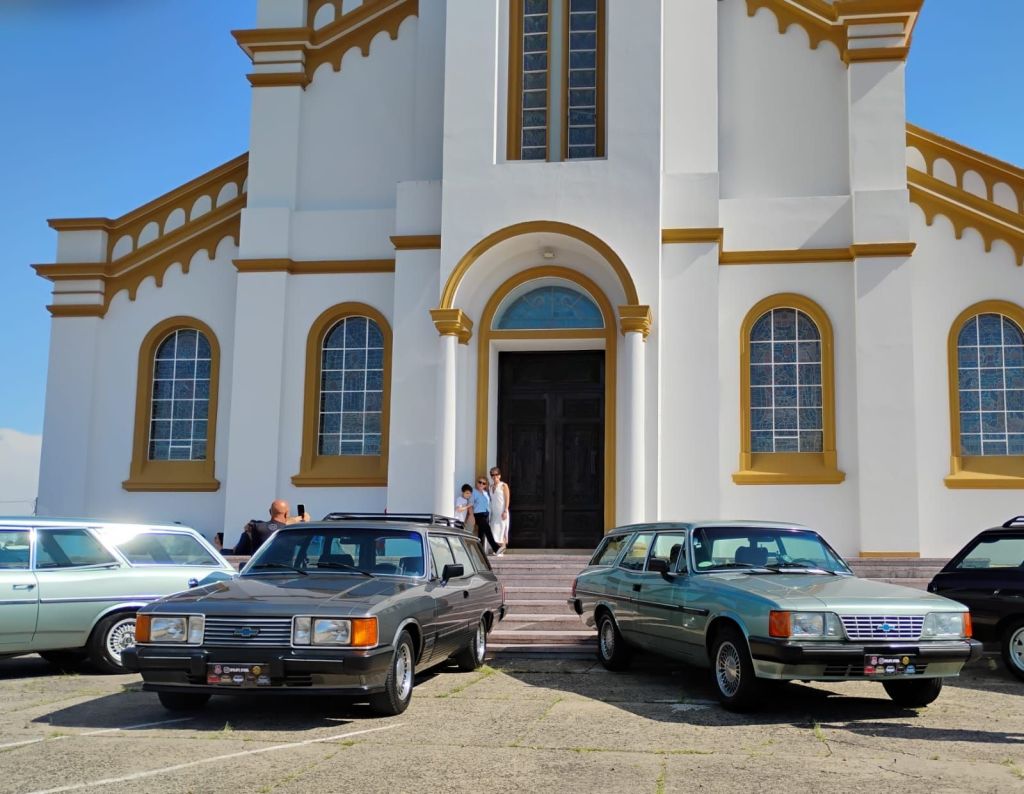
The event’s name, Opalapa, is a mash-up of the names Opala and Lapa.

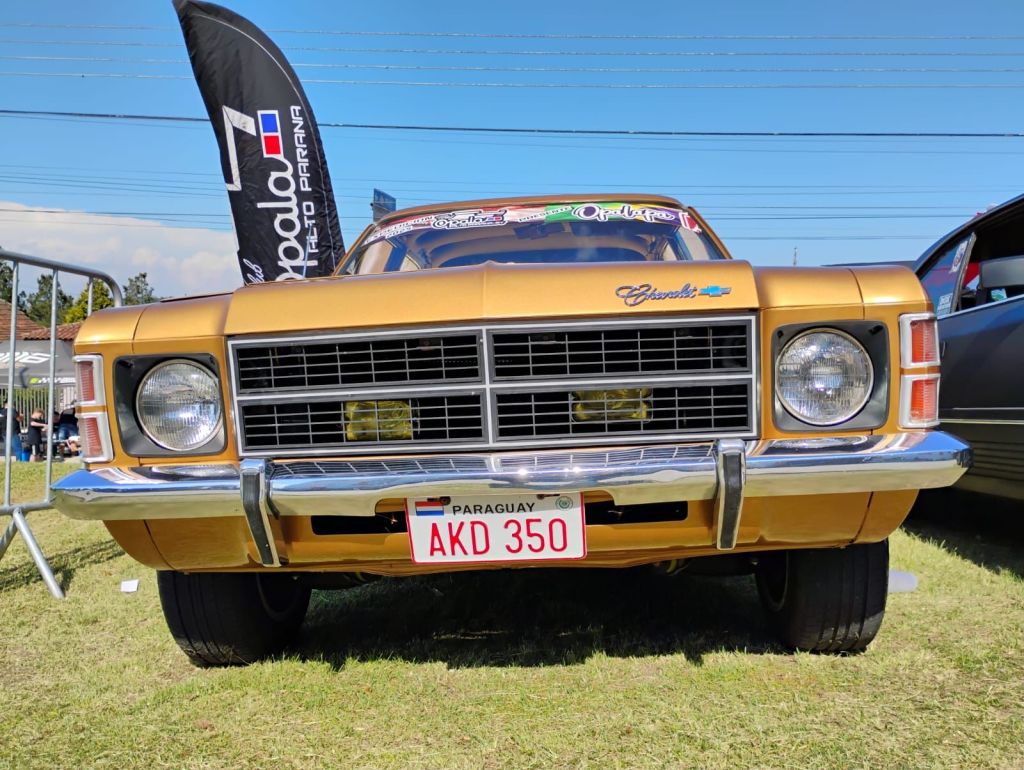
Representatives of neighboring countries were also there.
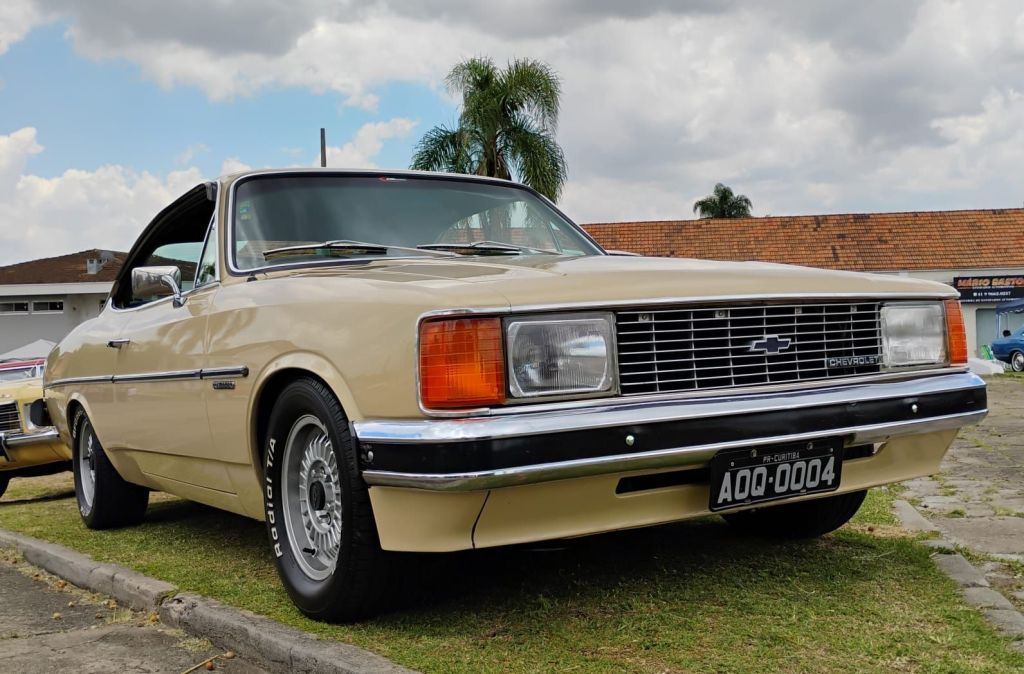
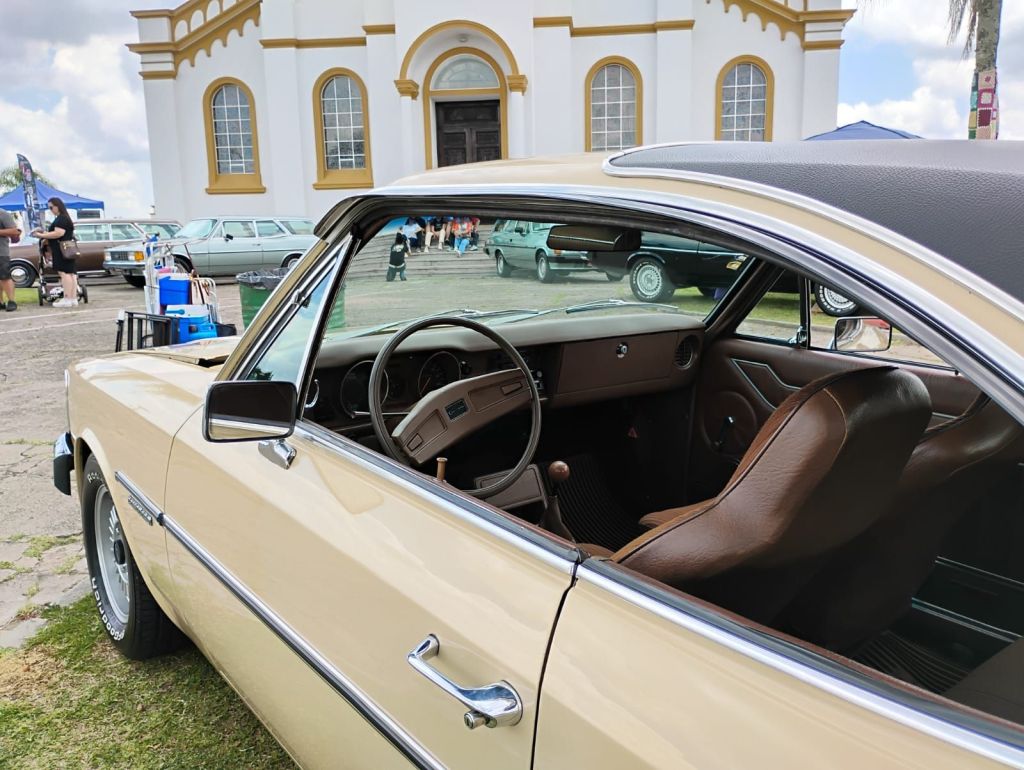
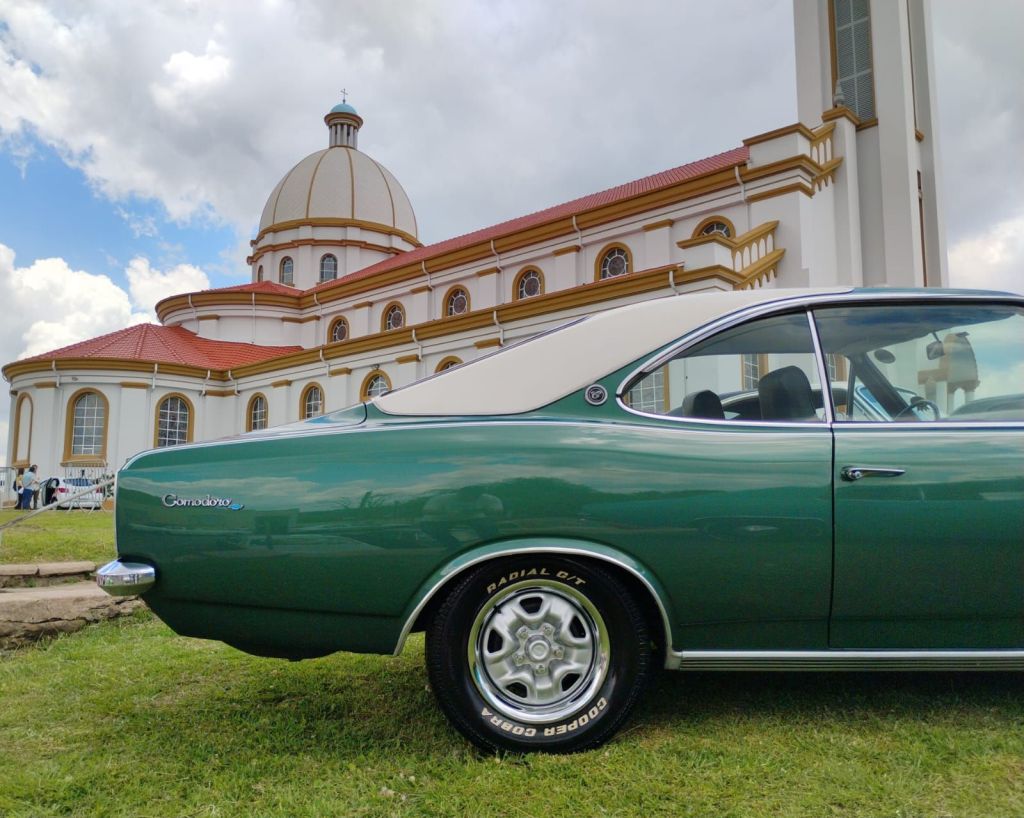
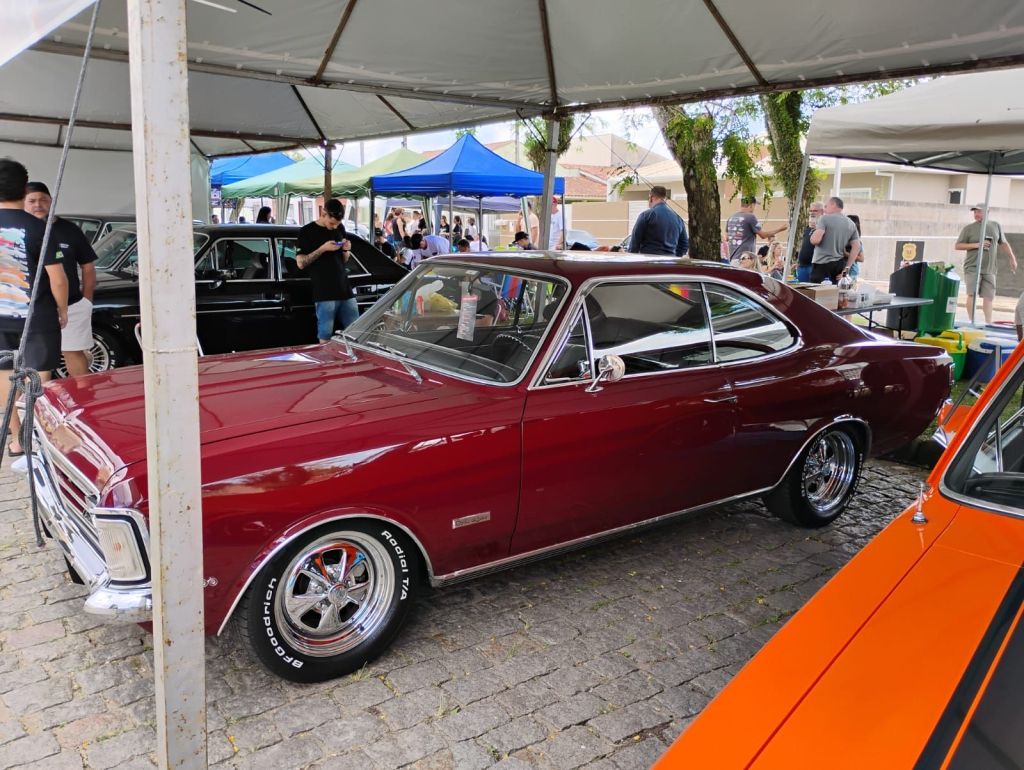
The 1980 Comodoro version features the stylish half-roof vinyl top.

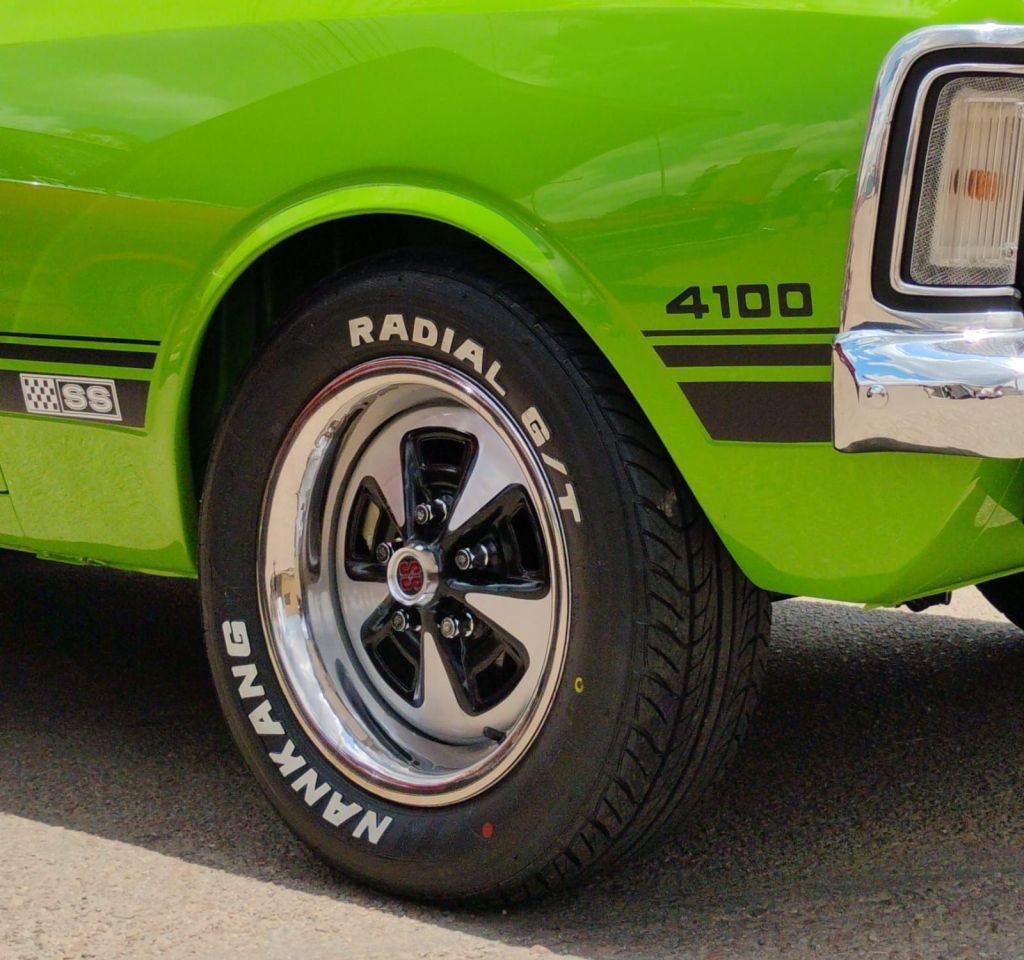
A SS Opala, equipped with the 4100cc (250 CID) in-line 6 engine.
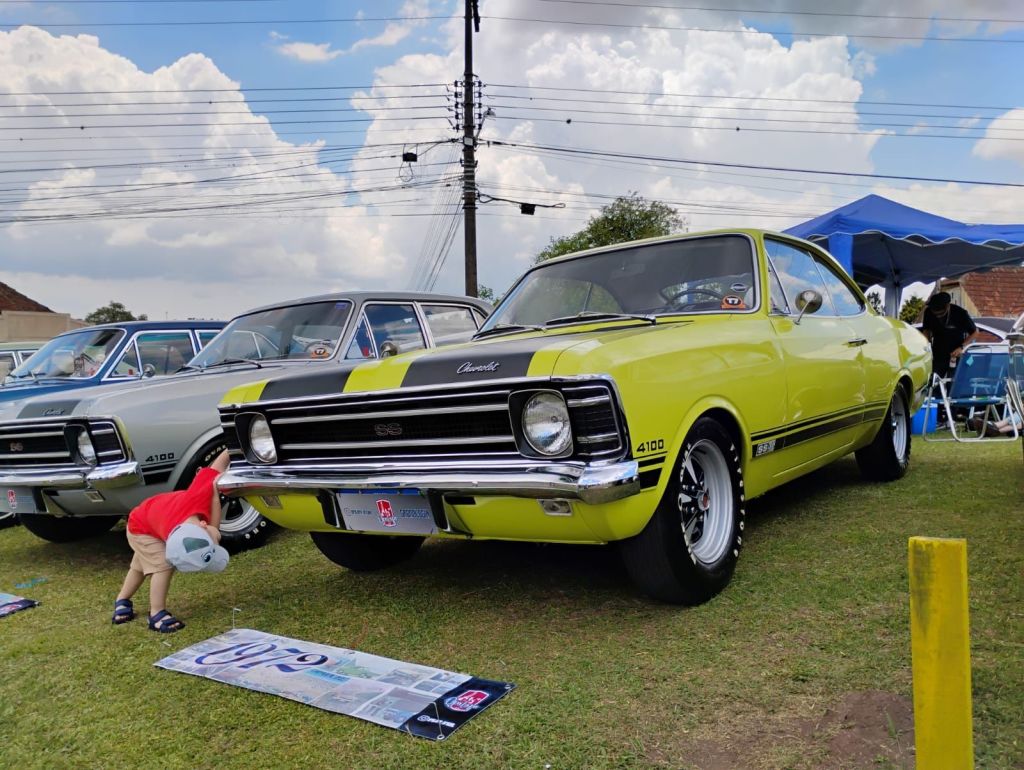
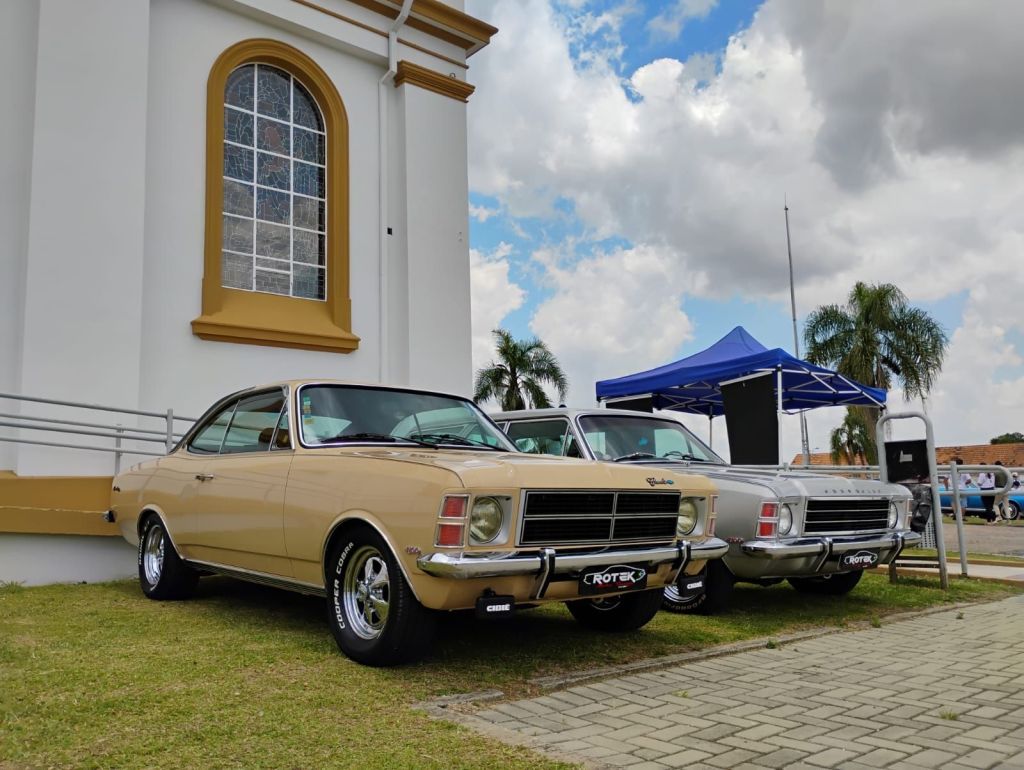

The Chevy Opala was produced from 1969 to 1992, in three versions: 4-door sedan.

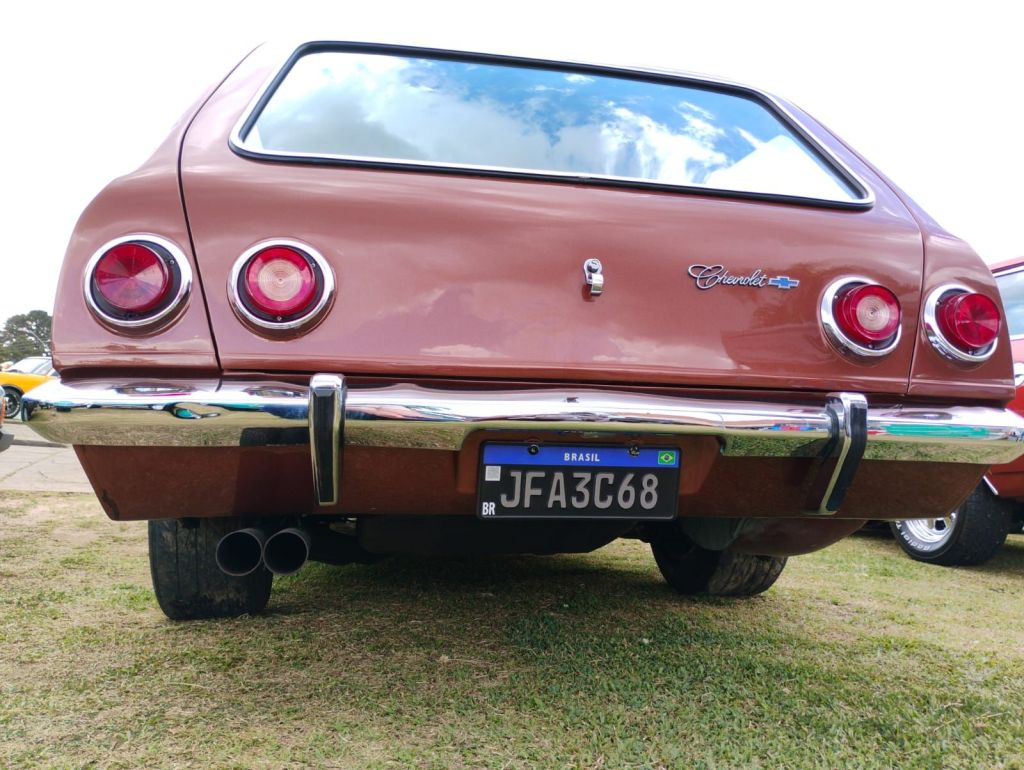
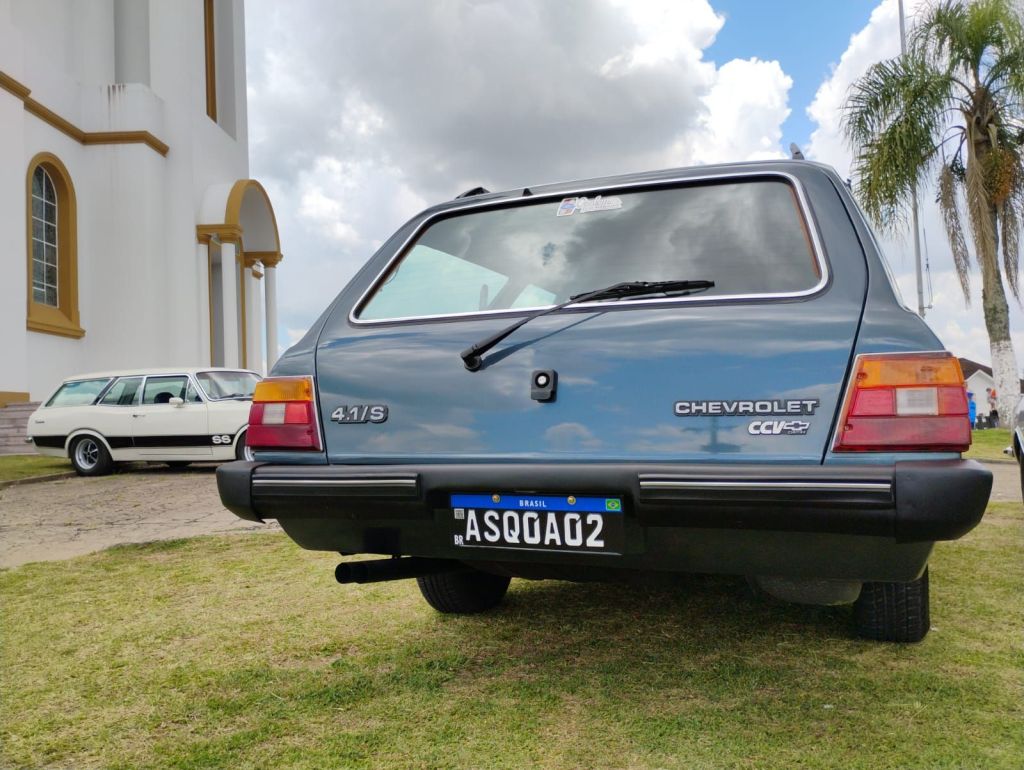
The two-door station wagon, called Caravan.

And the coupe fastback.


The SS version is the most desired among collectors.

All the beautiful colors from the 1970s.

In the 1980s, the dull colors dominated the scene.

Chevy never built the UTE version of the Opala, but someone did.
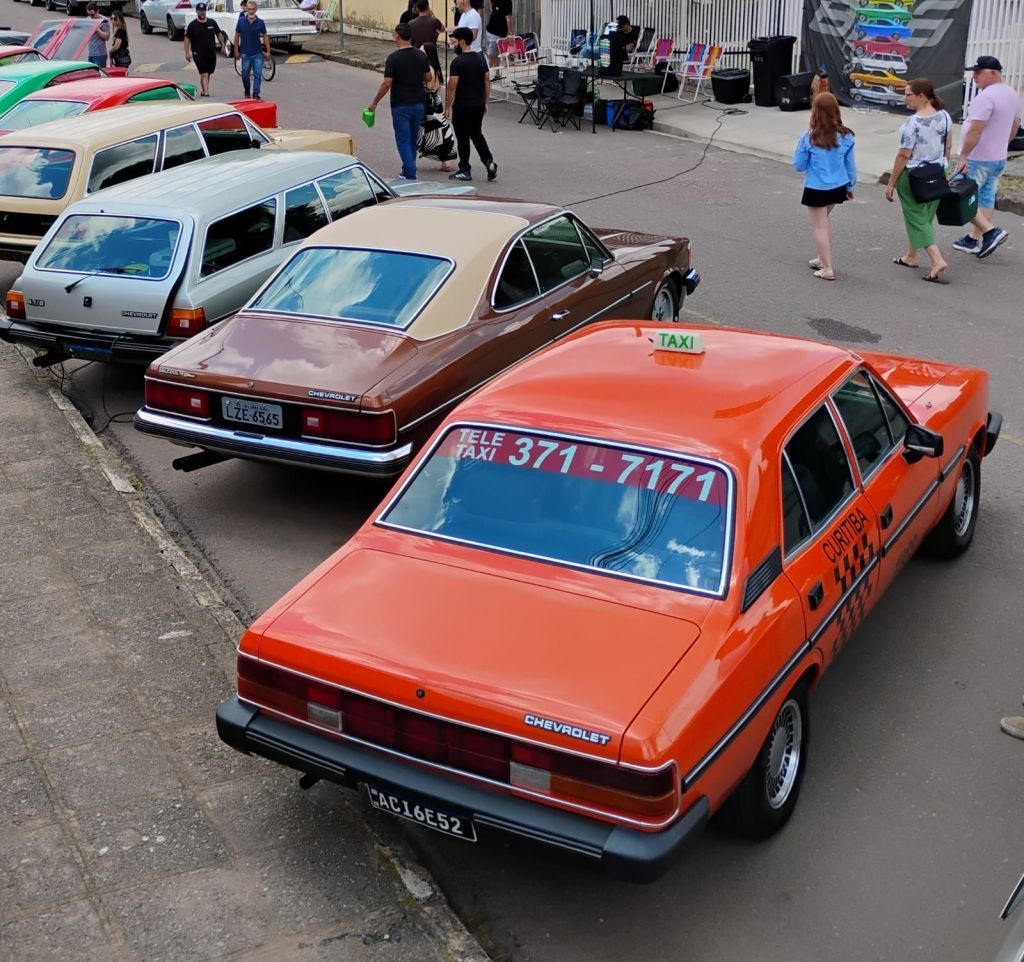
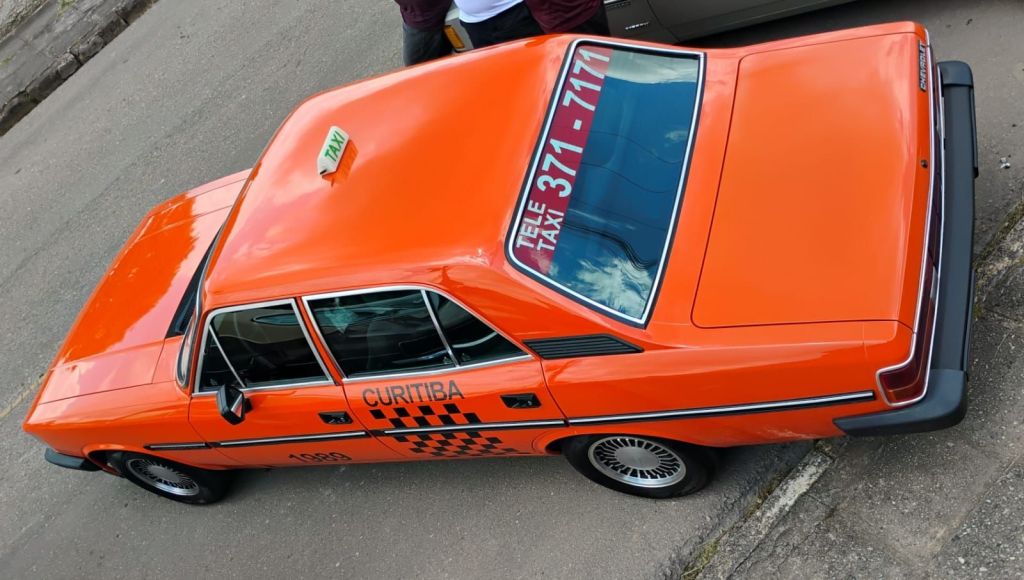
The official livery of taxi cabs in the City of Curitiba – PR

If I am not mistaken, this is the Paraguay’s flag.
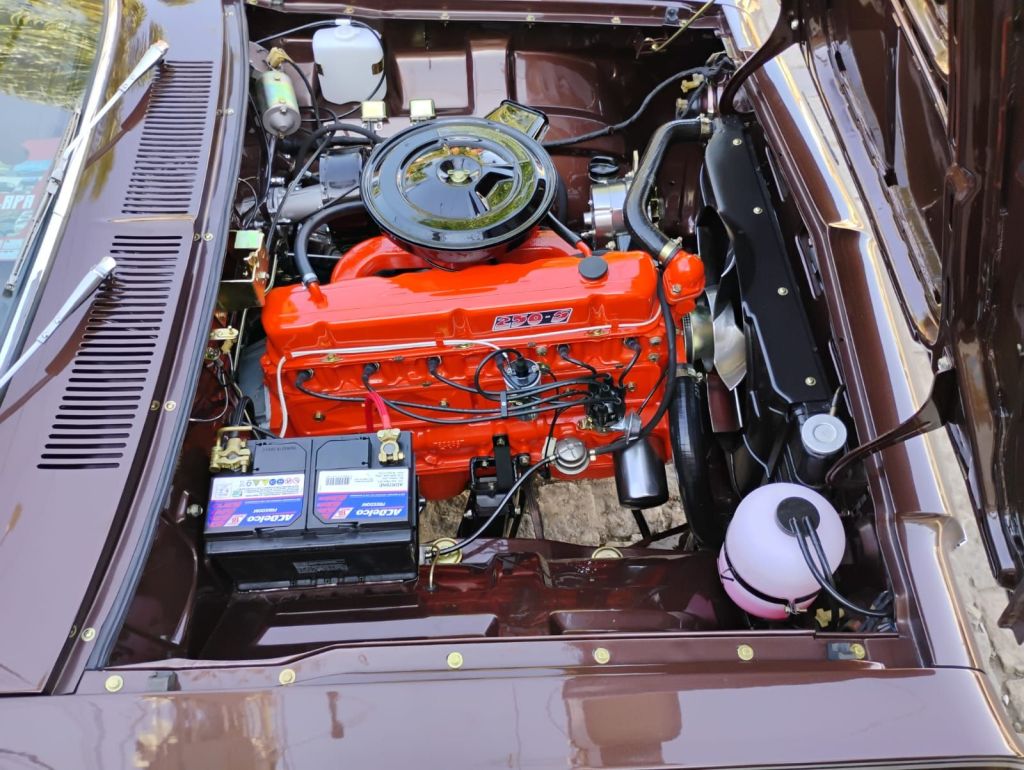
The Opala was based on the Opel Rekord. The original German car was equipped with some not very inspiring engines, 1.5L, 1.9L four cylinder and 2.2 in line-six.
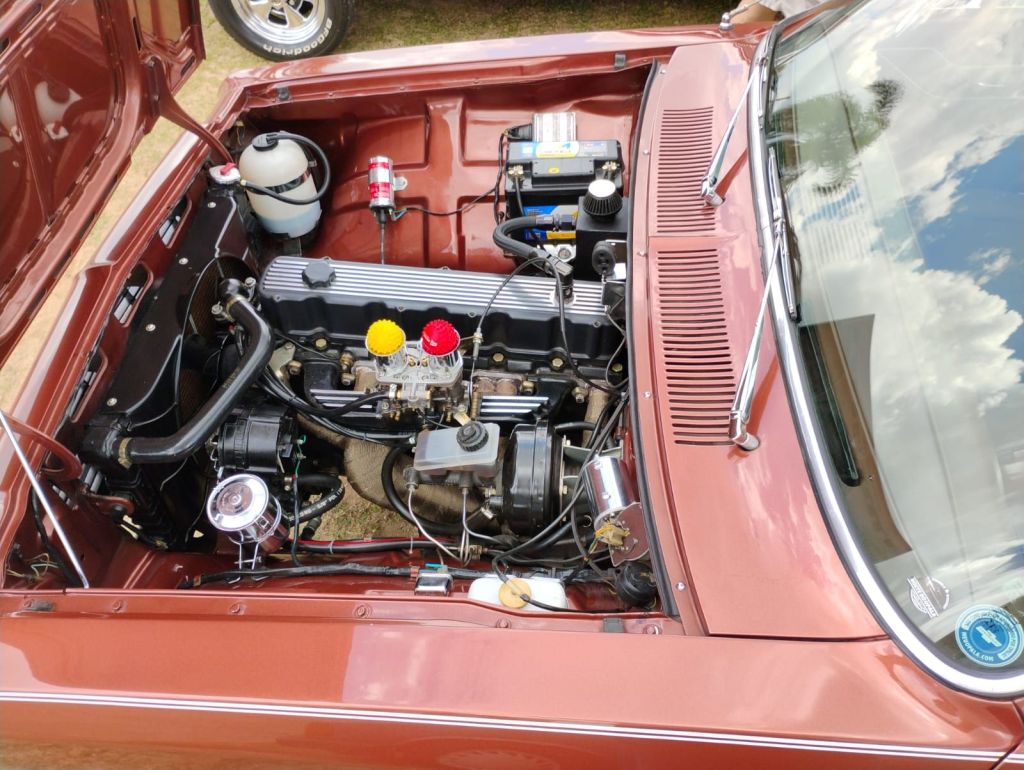
Brazilian Chevy followed the mantra: “There is no replacement for displacement” by the letter. The German engines were dumped, and the Opala received the much more powerful American engines: the 2.5L Iron Duck 4 cylinder and the 4.1L inline-six.
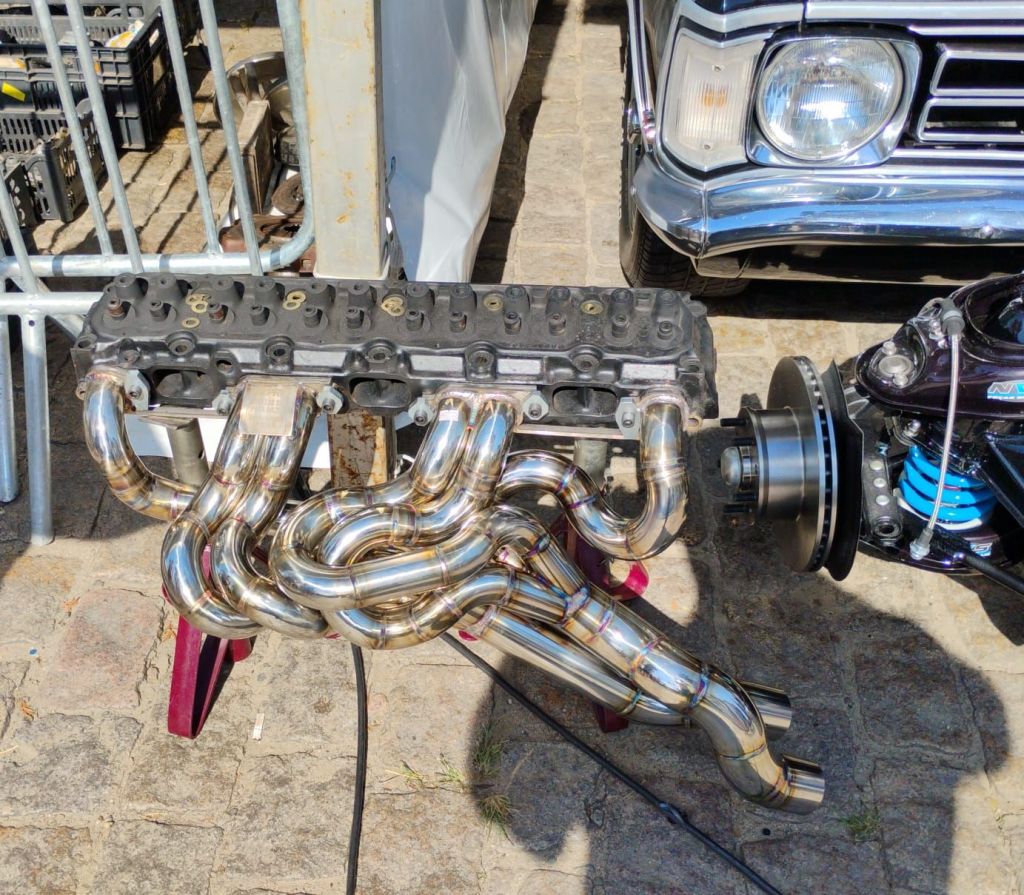
Those engines gave the Opala a zesty performance. The car had (and still has) a brilliant racing career in Brazil, prompting aftermarket companies to produce a wide variety of high-performance parts, like this beautiful stainless steel header.

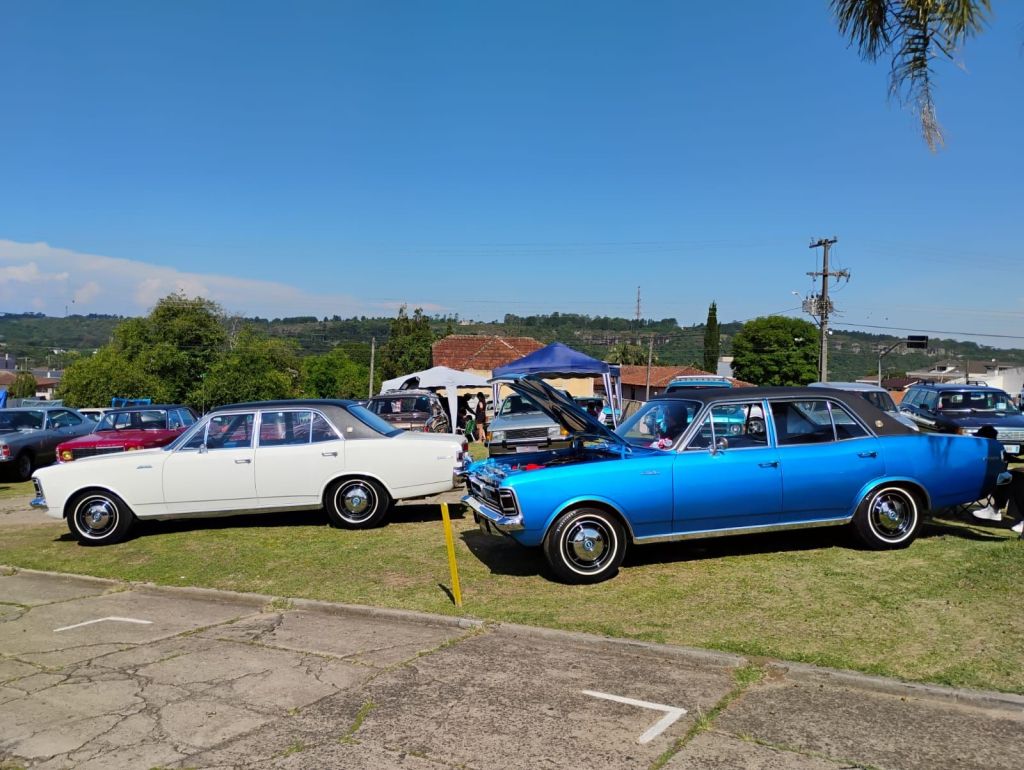
The top of the line -Gran Luxo–


The organizers displayed one example of each year of the Opala’s production, side by side. You can check it out in the video below.
Every time Sergio sends me pictures of the classic car events in Brazil, it helps me to easy how much I miss my home country. I hope you have enjoyed it as much as I did.


Thank you for sharing Sergio’s pics. I enjoyed seeing the colorful array of classic cars. Back in the day they used a wide variety of paint hues for cars. Now it seems that the car market is overwhelmed with different shades of unimaginative gray. 🙂
LikeLiked by 1 person
Interesting fact: Most of those colorful cars from the 1970s were repainted in dull shades of gray in the 1980s and 1990s because it was considered trendy. However, now those same cars are undergoing proper restoration and being returned to the beautiful colours they were originally painted.
LikeLiked by 1 person
Great post!
LikeLike
Thank you so much.
LikeLiked by 1 person
I’m happy to hear that owners of classic cars are bringing them back to their original vibrant colors. They’ll then be historically correct. 🙂
LikeLiked by 1 person