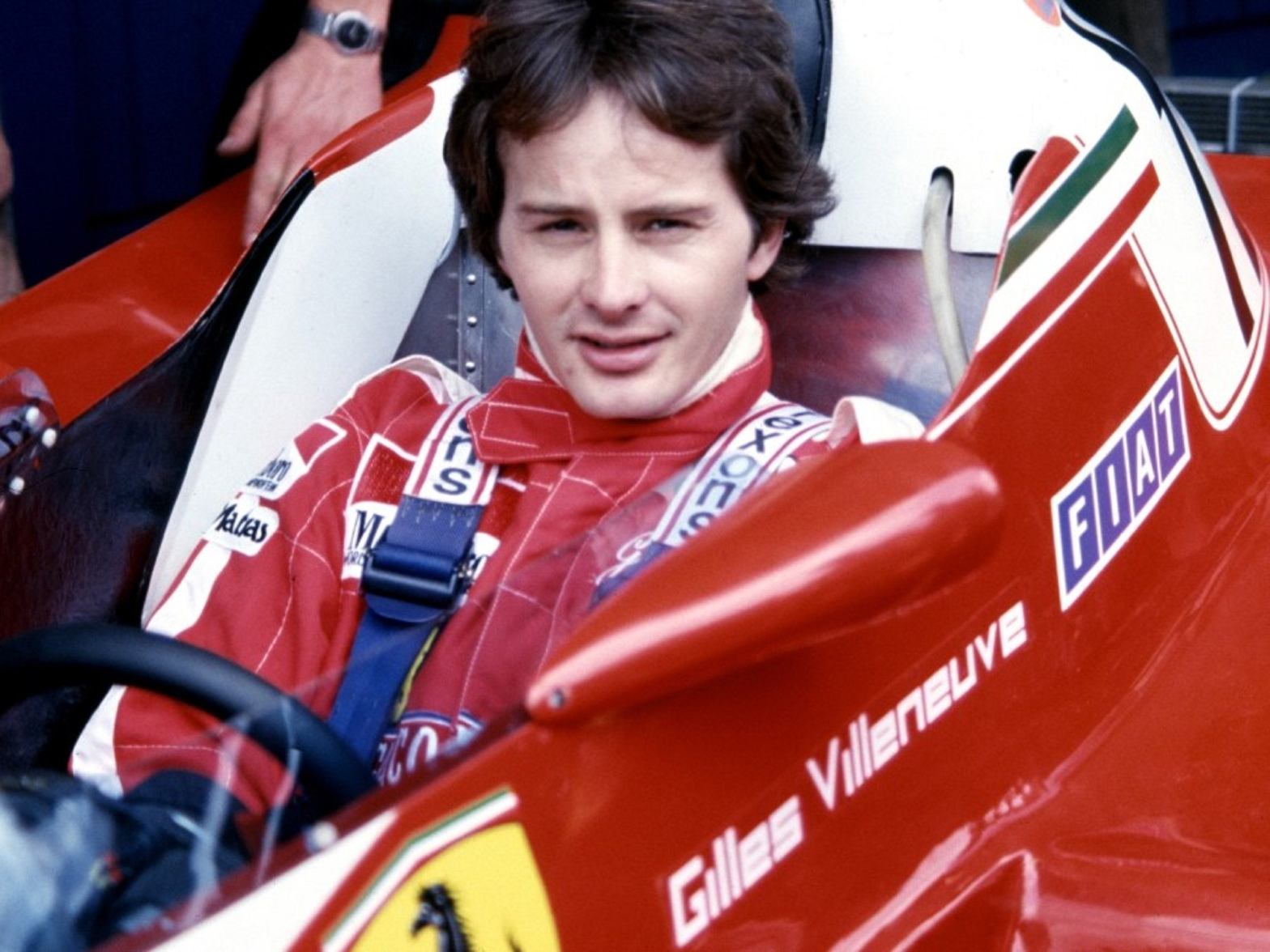
“Why do we even bother? He is different from the rest of us. On a separate level” – Jacques Laffite, talking about Gilles Villeneuve.-
A few years ago, I was chatting with some friends, we were casually listing a few great Formula One drivers when I said: – Gilles Villeneuve -, while most of the guys nodded their heads agreeing with me, one friend said: I don’t understand all the fuss about Villeneuve, he didn’t win a single World Championship.
Even if my pal was being superficial in his comment, he wasn’t wrong. Villeneuve achieved only 6 victories during his 6 years in Formula One. With such a modest career, why do the fans still remember him as one of the greatest?
Joseph Gilles Henri Villeneuve was born in Saint-Jean-sur-Richelieu, in the French-Canadian province of Quebec, on January 18, 1950. While most Formula One drivers started their careers racing go-karts, Villeneuve’s first love affair with speed was riding snowmobiles.

At 19, he was already a professional racer, and in 1974, he won the World Snowmobile Derby. It doesn’t get any more Canadian than that.

The skills he learned racing snowmobiles set him apart from the other drivers when he decided to try racing cars. This is the kind of machine you have to “dive” the nose into the turn and power-slide the rear. This “drifting” style became his trademark throughout his career.
Villeneuve himself explains this experience:
“Every winter, you would reckon on three or four big spills — and I’m talking about being thrown onto the ice at 100 miles per hour. Those things used to slide a lot, which taught me a great deal about control. And the visibility was terrible! Unless you were leading, you could see nothing, with all the snow blowing about. Good for the reactions — and it stopped me from having any worries about racing in the rain”.

Villeneuve was also involved in drag racing, competing at local tournaments, which is also very unusual among F-One driver wannabes. He modified and raced the very first car he owned, a 1967 Ford Mustang coupe.

The Mustang still belongs to the Villeneuve family, but it was abandoned in their backyard for decades.

The last information I have is that the car was brought indoors in 2016 for a well-deserved restoration. Gilles was a Mustang guy; he owned quite a few of them.
Towards Formula-One

In 1973, with the little money he made racing snowmobiles, Villeneuve bought a second-hand Magnum Formula-Ford and started competing right away at the local Quebec F-Ford championship. He dominated the season, winning 7 out of 10 races, and also clinched “The Rookie of the Year” title.
Formula Atlantic
Villeneuve’s dominance of the season and his aggressive driving style certainly caught the attention of other teams. In 1974, with a little financial help from the soft drink company Schweppes, he bought a Formula Atlantic car and began competing. In the same year, he won the World Championship Snowmobile Derby.

The Formula Atlantic was, at that time, the most prestigious category in Canadian motorsports. The regulations are similar to those of European Formula 3/2, and for that reason, there were plenty of manufacturers supplying cars, like Brabham, Lotus, March, and Chevron. The machines were powered by 250HP, 1600cc production-based twin-cam engines, mostly Ford-Cosworth; other engines, such as Alfa Romeo, were also eligible.
The 1975 season was a real challenge; Gilles didn’t have the financial means to hire a mechanic, so he performed all the maintenance on his car himself. He won his first Atlantic race in 1975 at Gimli Motosport Park, racing in heavy rain.
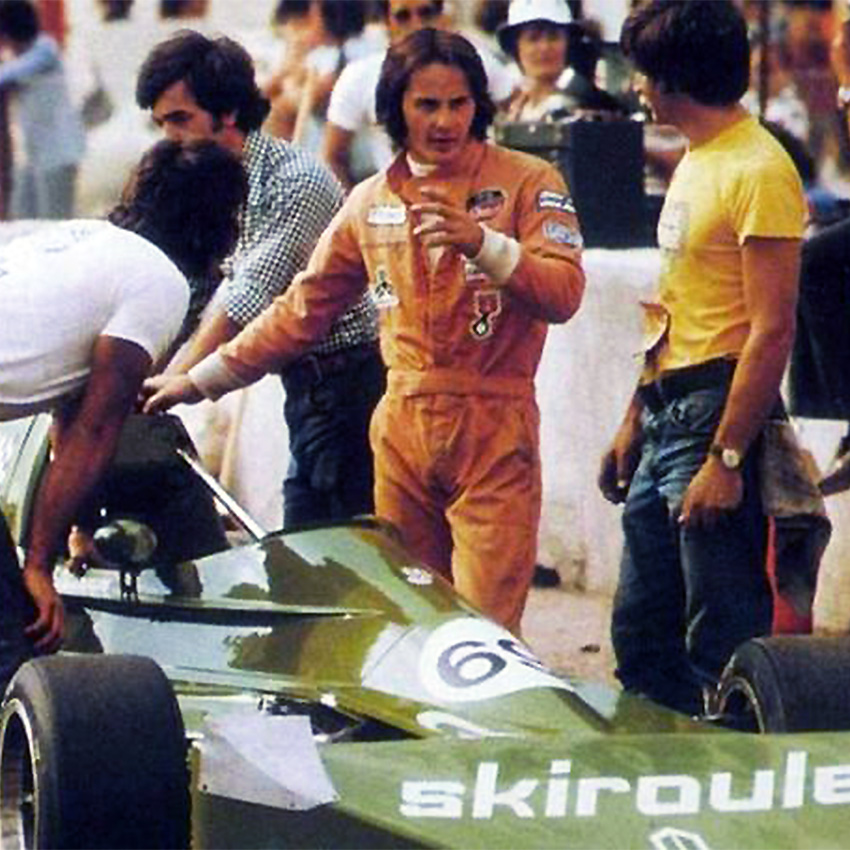
In 1976, Gilles joined Chris Harrison’s Ecurie Canada race team and, with the help of factory March engineer Ray Wardell, dominated the season, winning all but one race and taking the US and Canadian titles.
Gilles also won a special F-Atlantic race in Trois-Rivières on September 5, 1976, where he competed against some of the top Formula One drivers, including James Hunt and Alan Jones. He not only won the race but also set the best lap time of the weekend.
Impressed by Villeneuve’s performance, James Hunt used his influence within McLaren (he won the 1976 World Championship driving for the team) to strongly recommend the Canadian as one of their drivers for the 1977 season.

Gilles finished his Formula Atlantic years by winning the Canadian championship in 1977, and that same year, McLaren offered him a position as its third driver. Villeneuve lied about his age; at 27 years, he was considered a bit too old for a rookie in F-One, so he told them he was 25.
Formula-One
Villeneuve made his debut at the 1977 British Grand Prix, starting the race in 9th, driving the old McLaren M23, while James Hunt and Jochen Mass drove the newer M26S. He finished the race in the 11th position after being delayed for two laps by a faulty temperature gauge.

Judging by the numbers, it wasn’t a phenomenal debut race, but the media and the drivers knew there was something special about Gilles; the Canadian had what it takes to be a future champion.
Right after the British GP, Villeneuve was told by team manager Teddy Mayer that McLaren had decided not to renew his contract for 1978, citing that the Canadian could become a bit expensive. They hired Patrick Tambay instead. Gilles still has 7 races left before the end of the season, and after that, he would be jobless.
Luckily, Villeneuve had been on Ferrari’s radar for a while, and in August 1977, he flew to Maranello to meet Enzo Ferrari. The meeting was a success. Enzo pretty much fell in love with Gilles; his diminutive stature and his outspokenness immediately reminded the “Commendatore” of Tazio Nuvolari, a very popular Italian champion from the 1930s. Here is how the big boss Enzo Ferrari describes the meeting:
“When they presented me with this ‘piccolo Canadese’ (little Canadian), this minuscule bundle of nerves, I immediately recognized in him the physique of Nuvolari and said to myself, let’s give him a try.”
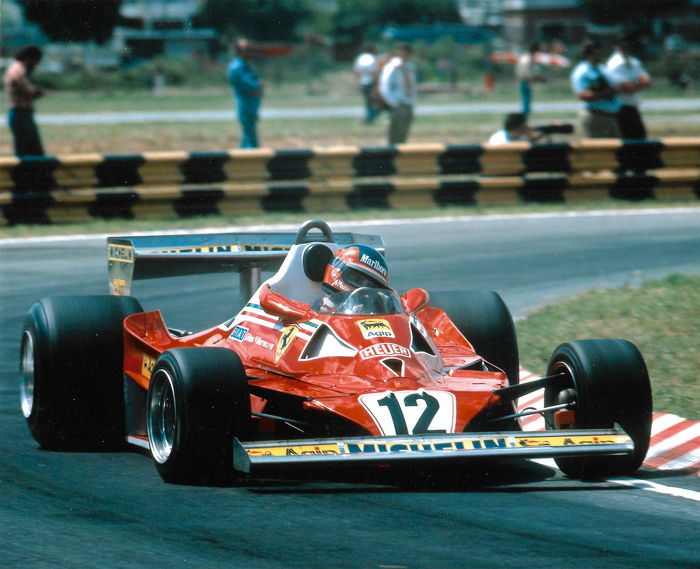
Things were moving fast, Villeneuve signed the contract, and for the last two races of 1977 (Canada and Japan), he was already driving the gorgeous Ferrari 312T. (photo above).
For Gilles, it was like a dream come true, as he described: “If someone said to me that you can have three wishes, my first would have been to get into racing, my second to be in Formula 1, my third to drive for Ferrari…”
1978 season.
The first full season driving for Ferrari was a period of adaptation for Villeneuve; his best results were a third place at the Austrian GP and a memorable first victory at the Canadian GP, which was enough to elevate him to “hero” status in his home country. Some die-hard Ferrari fans in Italy asked the team to replace Gilles with a more seasoned driver, but Enzo stood by his choice.
1979 season.
The next season proved to be a very competitive one indeed. Mario Andretti and the Lotus Team lost the dominance they had enjoyed the previous year, but they were still among the favourites. Other strong contenders were Williams, Ligier, Renault, and, of course, Ferrari.

In 1979, Gilles Villeneuve consolidated his reputation as a daredevil driver; his “take no prisoners” driving style made him popular, and he would drive every lap as if it were his last, even if it sometimes cost him the chance to finish the race.
Villeneuve was one of the pioneers of the “power shift”; he mastered the art of shifting gears while keeping his right foot at full throttle and using the clutch to control the oversteering Once, he wrote a telegram to Enzo Ferrari saying: “Ingegnere, yesterday I tried very hard to break one of the drive axles of the car, and I just couldn’t. Congratulations. “

Gilles even used to turn off the rev limiter on the car and make the engine spin past 14,000 RPM during the power slides. To the mechanics, he was a butcher; to the fans, he was an artist.

1979 was the best season of Villeneuve’s career; he won in South Africa, Long Beach, and Watkins Glenn, and finished in second in France, Austria, and Italy. He collected enough points to end the season in second, behind his teammate Jody Scheckter. Ferrari won the constructors’ world championship, closing a very successful decade for the Maranello boys. Ferrari wouldn’t see another driver’s world title until 1994 when Schumacher started his winning streak.
Here are some of the highlights of the season:
Dutch GP
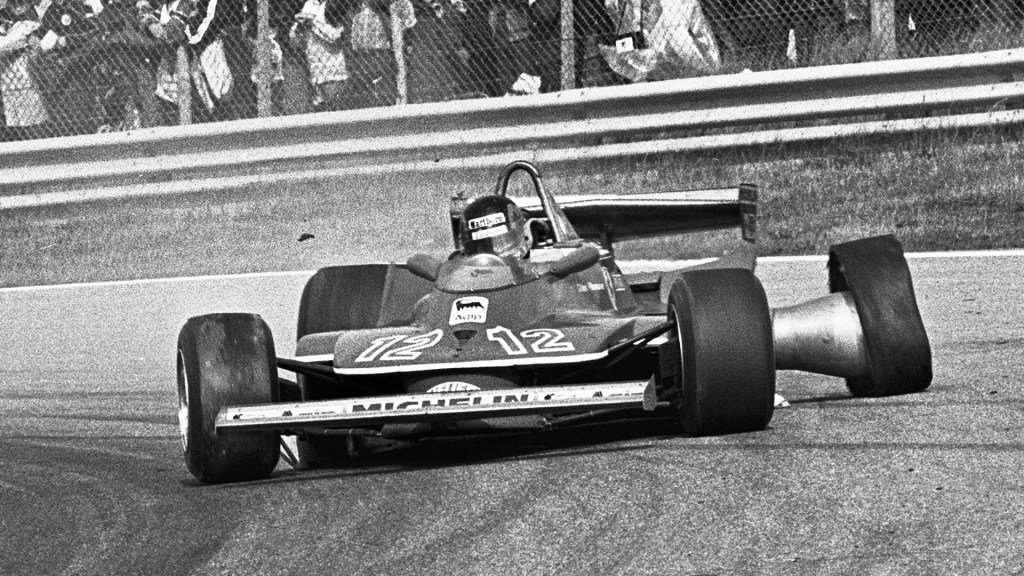
Villeneuve fiercely battled Alan Jones from the start for P1, and he finally got the lead at lap 10. The Canadian was managing to keep Jones at bay, and it seemed he would win the race, but on lap 51, just after passing the pits, his left rear tire exploded, and he spun the Ferrari. He regained control of the car and just kept going. He drove an entire lap with only two tires touching the pavement. The right front was in the air, and the left rear was shredding rubber and sparking with the pavement. Halfway through the lap, the rear wheel, still attached to the hub, just fell off the car. When Gilles pulled into the pits, he tried to convince the mechanics to replace the wheel and tire so he could get back out and continue the fight for the lead. For this stunt, Villeneuve was equally praised as a warrior who never gives up and criticized as an irresponsible driver who unnecessarily puts lives at risk.
French GP
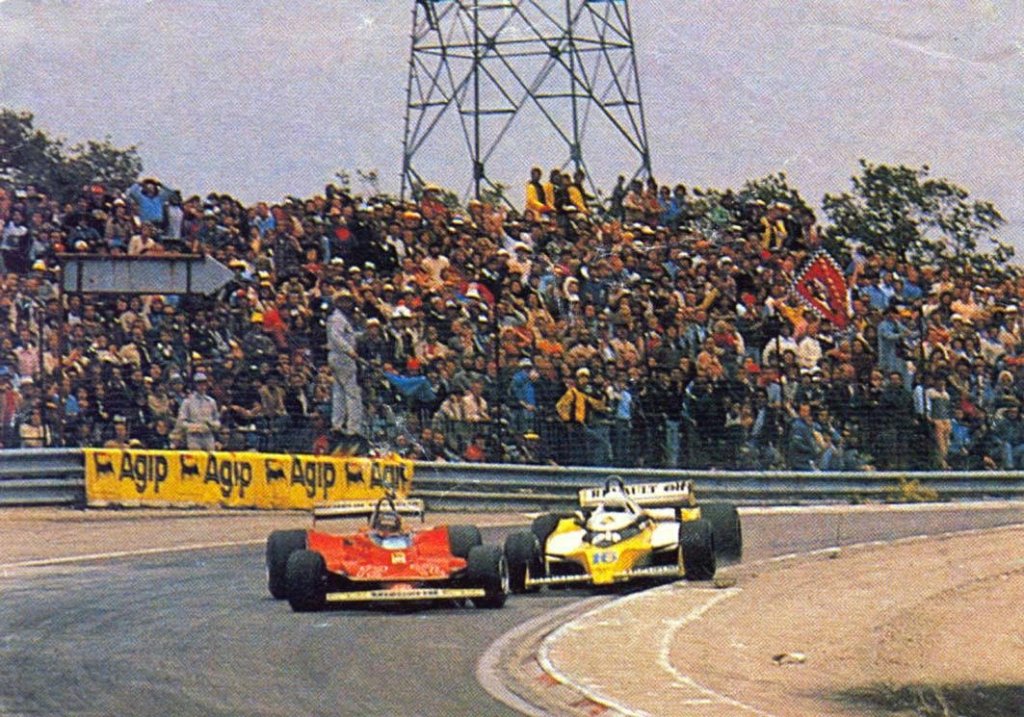
If there is one race that sums up Villeneuve’s career, it is certainly the French GP, 1979. During the final 4 laps of the race, Gilles Villeneuve (Ferrari) and René Arnoux (Renault) fought one of the most intense battles in the history of Formula One.
The turbocharged Renault had been plagued with reliability issues since the beginning of the season, but the team was working hard to improve the car. By the time of the French GP, most of the problems had been fixed, and the whole team was focused on winning the race in their home country. Jean Pierre Jabouille took pole position, but Villeneuve jumped from P1 at the start and led the race until lap 46, when Jabouille passed him.
The Renault cars were performing superbly that day. On lap 76, Rene Arnoux passed Villeneuve, and the French crowd went wild. That would be the most complete French victory ever: 2 Renaults, driven by two French drivers, riding on French tires (Michelin), and burning French fuel (Elf) were about to finish the French GP in 1-2.
But Villeneuve was willing to rain on the French parade; the Canadian knew he had no chance to fight for the lead, but he was determined to hold his ground on P2. Better than reading about the duel is watching it.
The fight is remembered by fans as one of the most memorable moments in Formula One. Villeneuve, who crossed the finish line less than a quarter of a second ahead of Arnoux, later described the occasion as “my best memory of Grand Prix racing”.
The battle didn’t change their friendship.
Italian GP
The Renault cars were fast enough to qualify in the front row, but not fast enough to break away from the Ferraris. Throughout the race, both teams exchanged positions until Arnoux and Jabouille retired with mechanical problems, leaving Scheckter in first and Villeneuve in second.
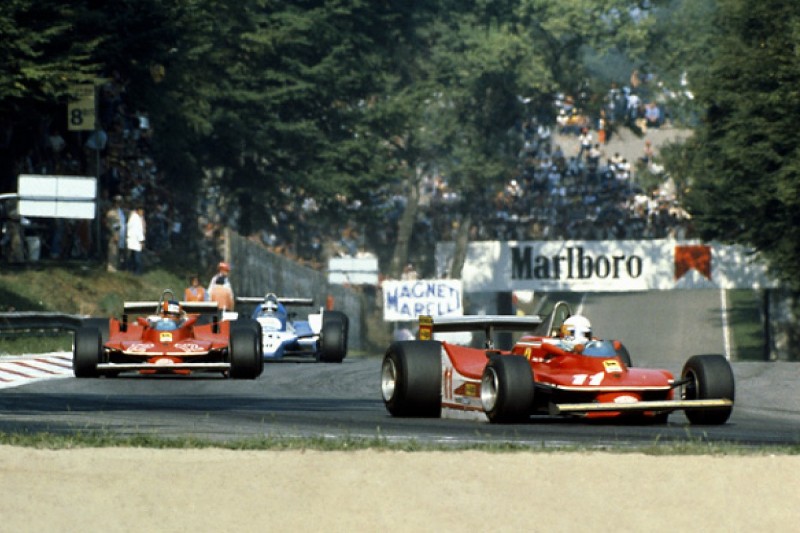
Before the start of the race, the Ferrari’s team manager told Gilles to disregard Scheckter’s status as the #1 driver and fight him for a better position, after all, both drivers had a good chance to win the championship.
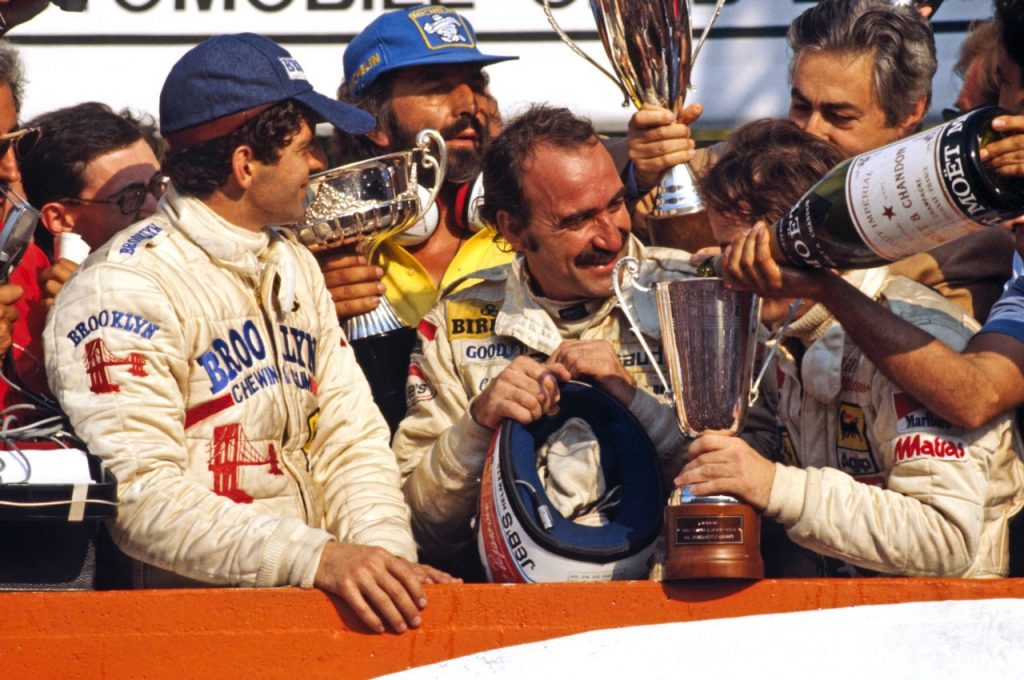
Villeneuve chose to respect the hierarchy and didn’t challenge his teammate. Scheckter won the race and the driver’s title; Villeneuve finished second. That was a smashing victory for the Maranello team, on their home turf, but the race was also the only chance Villeneuve ever had to win an F-One championship.
1980 season
Villeneuve was the favourite to win the championship that year but the engineers at Maranello faced a very complicated situation: for 1980, the “ground effect” cars were allowed back to the grid and most of the teams developed new chassis for the season.
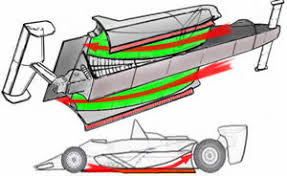
A “ground effect” car requires a big “air venturis” or air tunnels, on both sides of the car, all the way to the rear, and around the engine. For the teams running the narrow Ford-Cosworth V8, it was a relatively simple task to develop new chassis, but for Ferrari, running the extra-wide flat-12 engine, was impossible.
Ferrari was working on a much smaller 1.5 litre, turbocharged engine but it wasn’t ready yet, and the engineers had to deal with whatever they had available.
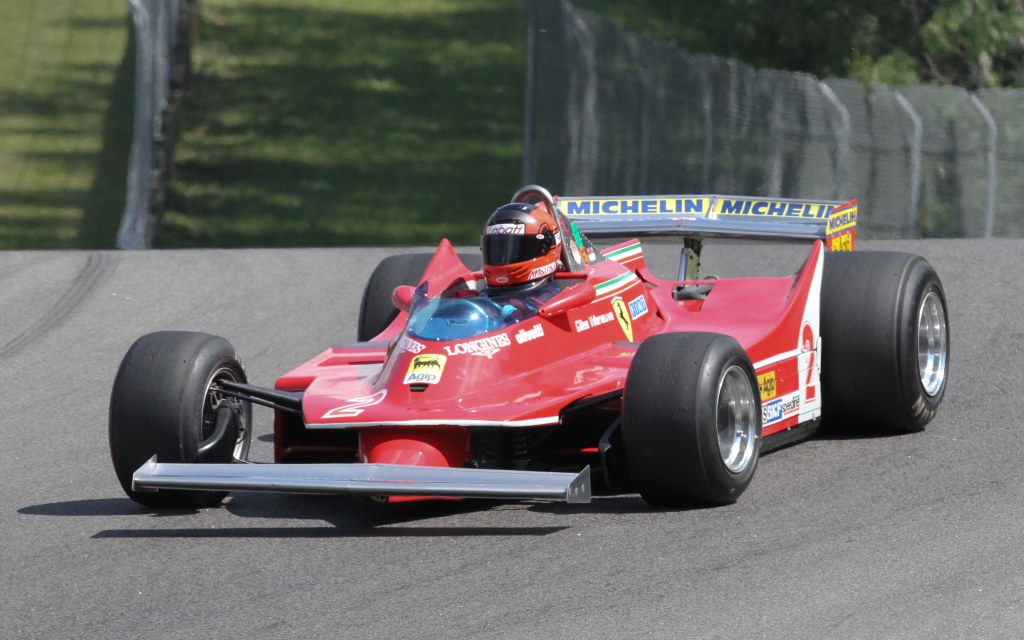
They came up with the T5, a semi-ground effect car with an overall performance way below the competitors. The season was a total disappointment for Ferrari, Gilles finished it in 14th and Scheckter in 19th.
1981 season
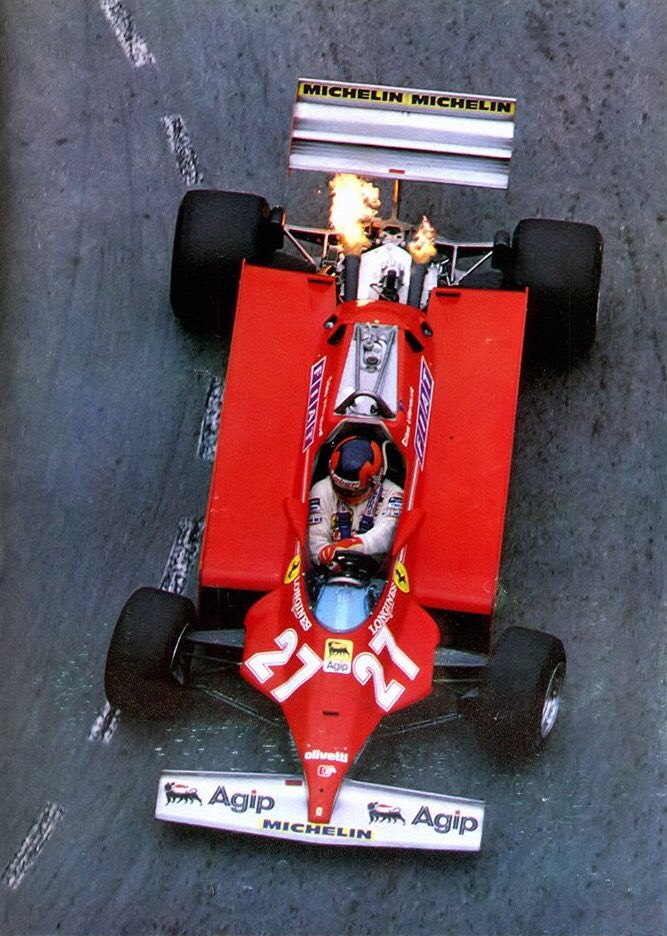
Jody Scheckter retired from professional racing at the end of the 1980 season, he was replaced by Didie Pirroni, a promising French driver, coming from Tyrrel.
Villeneuve was such an easy-going person, always nice with fans and reporters. He became the cool guy that everybody wanted to be around in the paddock. When Pirroni joined the team, Gilles was very welcoming: “(Villeneuve) had a little family at Ferrari but he made me welcome and made me feel at home overnight. He treated me as an equal in every way” – Didier Pirroni –

Now Ferrari has two very different drivers, Villeneuve was more talented and faster than Pirroni but he was also too impulsive and sometimes erratic on track, on the other hand, Pirroni was calmer and more consistent.
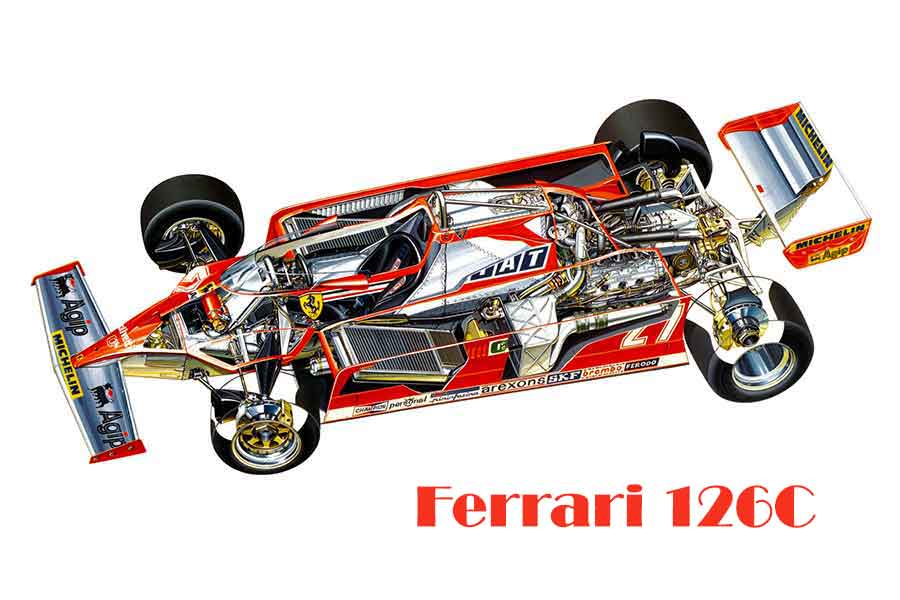
Once again Ferrari let its drivers down, the new 126C wasn’t exactly new, most of the chassis design was a carryover from the year before. The new 1.5 litre, V6 turbocharged engine was able to produce almost 700 HP, making the car as fast as a rocket on a straight line, but very awkward on turns. This is how Villeneuve described the new Ferrari: “A hopeless fast red Cadillac”. “You put on new tires, and it is OK for four laps,” after that, forget it.”
This new Ferrari was a very difficult car to drive, to say the least, and the sheer talent of Villeneuve alone wouldn’t be enough to bring good results for the team. The Canadian only finished 6 out of 15 races of the season, closing the championship in 7th place; a better position than the previous year but still very disappointing.
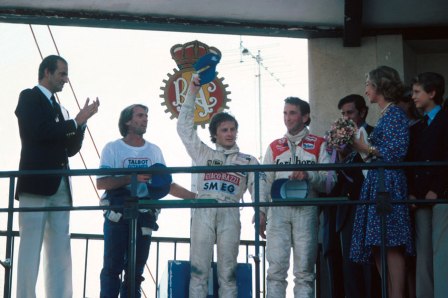
Against all odds, Gilles brilliantly won two races in 1981: Monaco and Spain.
The 1981 season showed a much more seasoned Villeneuve. He proved able to maintain his cool, even under the tremendous pressure of driving an inferior machine. In several situations, he kept his impetuosity under control and drove like a master.

Villeneuve was ready to become a world champion; all he needed was a better car.
Still a stunt driver
Even if Villeneuve was more aware as a driver in 1981, one incident showed it was a work in progress. During that year’s Canadian GP, the world witnessed another classic Villeneuve move: the weather was cold and wet, and throughout the race, there were many minor collisions.

Close to the end of the race, Villeneuve clipped the rear of Andretti’s Alfa Romeo, and the front wing of his Ferrari flipped and got stuck right in front of the cockpit, obscuring his vision. Doing the opposite of what any sensible driver would do, Gilles carried on, using his peripheral vision and knowledge of the circuit. The track Marshals didn’t black-flag Villeneuve, perhaps waiting for him to pull into the pits, which obviously didn’t happen. At some point, the damaged part fell off the car, and Gilles kept going, without the front wing, in the rain, finishing the race in the third position.
1982, the tragic year.
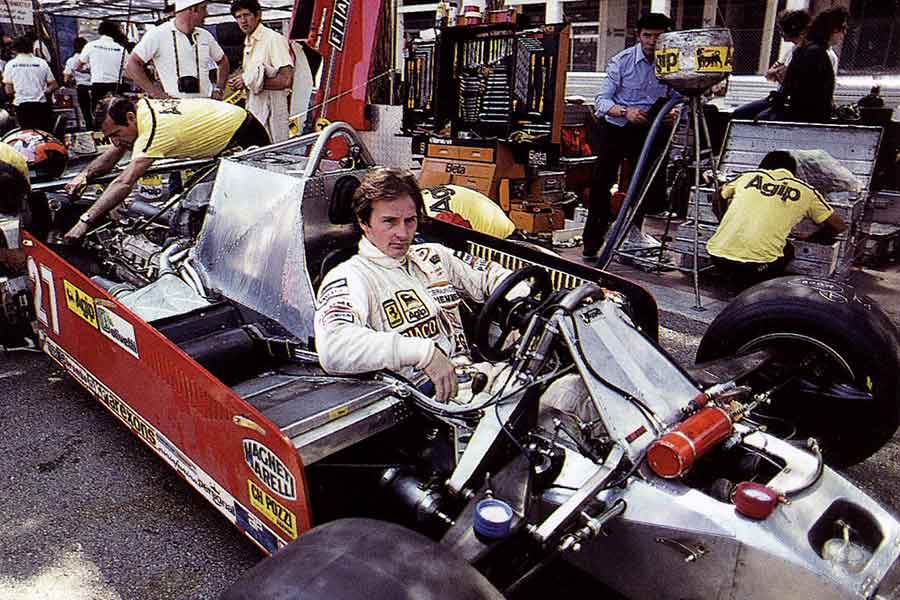
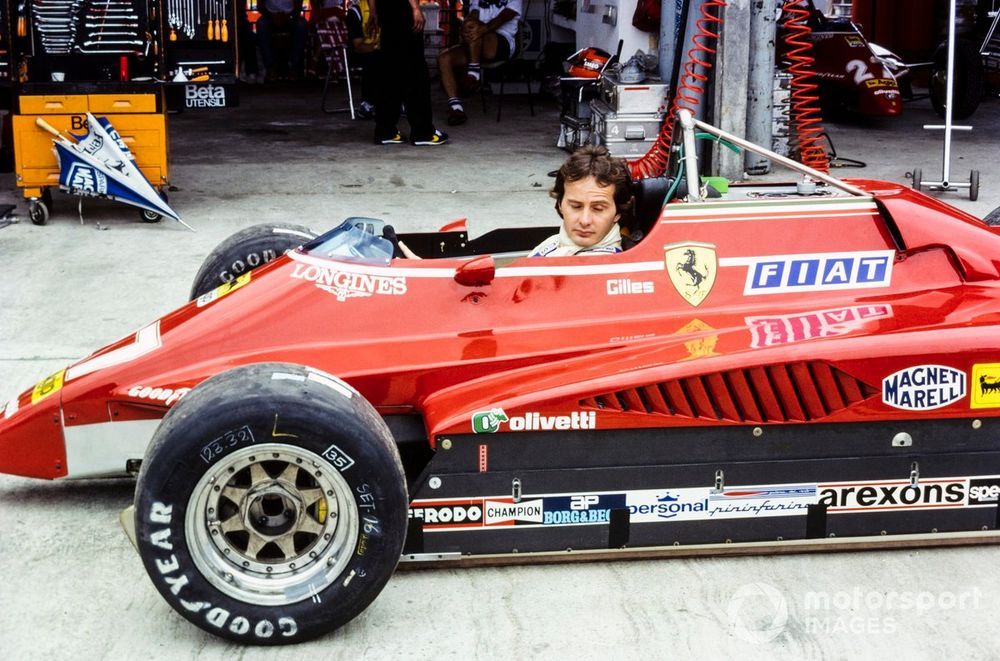
Hopes were high at Ferrari for the next season. The team had hired Harvey Postlethwaite, a very experienced British engineer, who had been working on a new chassis since early 1981, and the car was ready for the 1982 season. The new 126C2 had a more reliable turbo-engine and much-improved handling. Harvey made some remarks about the predecessor car, the 126C, and Villeneuve’s performance in 1981:
“That car…had literally one-quarter of the downforce that, say Williams or Brabham had. It had a power advantage over the Cosworths for sure, but it also had massive throttle lag at that time. In terms of sheer ability, I think Gilles was on a different plane to the other drivers. To win those races, the 1981 GPs at Monaco and Jarama — on tight circuits — was quite out of this world. I know how bad that car was.”
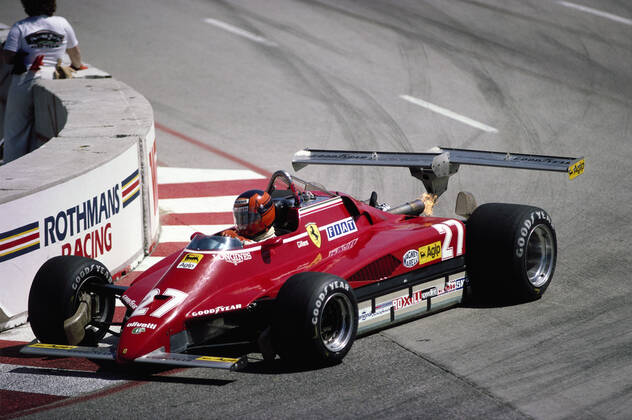
1982 proved to be a dark year from the beginning. In Brazil, Villeneuve was leading the race when he lost control and spun on lap 30. In the USA, he finished third but was later disqualified after Ferrari equipped the cars with a “double” rear wing, which was considered a technical infringement.
There were rumors at the time that the once enchanting relationship with Ferrari had begun to deteriorate due to a lack of good results and Villeneuve’s unrelenting punishment of the team’s cars. To Enzo, his cars were much more than just machines, and Gilles had no finesse behind the wheel.
The Villeneuve-Pirroni feud.
The fast Imola circuit was the perfect environment for the turbo cars, Ferrari and Renault were the favorite teams to win the race. At the start, Rene Arnoux (Renault) jumped into P1, with Villeneuve and Pirroni following. At lap 44, Arnoux retired with a blown engine, leaving the two Ferraris leading the race.

It seemed the Maranello guys had the race in their pockets. The crew manager ordered to hold out “slow” signs from the pit wall to save fuel. Villeneuve, who was leading the race, understood that both drivers should slow down to avoid any fighting for the lead, but Pironi saw it as an opportunity. On lap 46, completely disregarding the orders, the Frenchman hit the gas and overtook Gilles. The battle for the lead, the very situation the team was trying to avoid, was now at full throttle, 3 laps later, Villeneuve passed his teammate, taking the P1 once again. They changed position a few more times; as Villeneuve slowed down each time he took the lead, Pironi would overtake him again. Eventually, Pironi won the race, and for Villeneuve, that was nothing less than betrayal. After the race, still enraged with the situation, he spoke to a reporter:
“I’ve declared war. Absolute war. Finishing second is one thing – I’d have been mad at myself for not being quick enough if he’d beaten me. But finishing second because the bastard steals it…”
Gilles vowed never to speak with Pirroni again. This animosity didn’t make things any better for either of them or for the team.
The end of a very short career.
Two weeks later, Villeneuve was blasting through the Zolder circuit during the last minutes of the qualifying session for the Belgian GP. He had already worn out his second set of super-sticky qualifying tires; he knew there was no time to go back to the pits for a fresh set. On his last flying lap, he failed to beat Pironi’s time, but instead of calling it quits and heading back to the pits, Gilles kept going flat out. After all, it was “total war” against his teammate, and he couldn’t accept this partial defeat.
Halfway through the lap, Villeneuve exited a chicane (that nowadays bears his name) into a fast left-hand turn. As he left it, he saw a much slower car ahead of him, right in the middle of the track. That car was Jochen Mass’s March.
In a split-second decision, Gilles chose to pass the car to the right, but at the same time, Mass veered his March to the same side, hoping to clear the left side of the track for the incoming Ferrari.
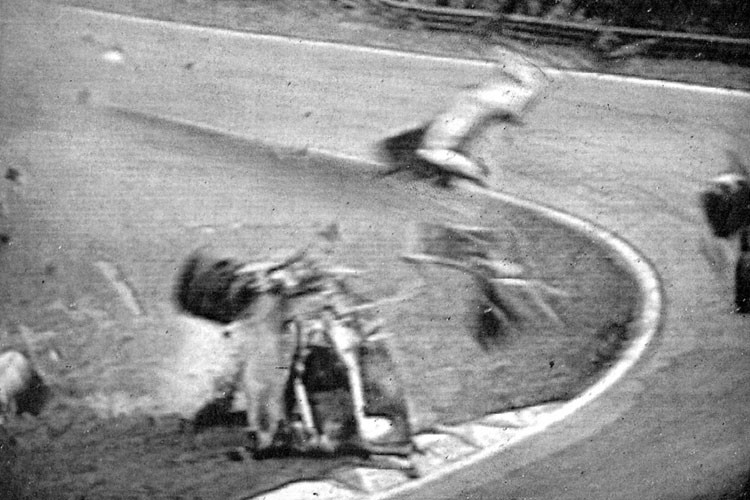
Villeneuve rear-ended Mass’s car at 200 km/h; his disintegrating Ferrari flipped over several times, throwing his body into the air and against the fence on the other side of the track. Watching the terrifying video, it seems like he was shot from a catapult.
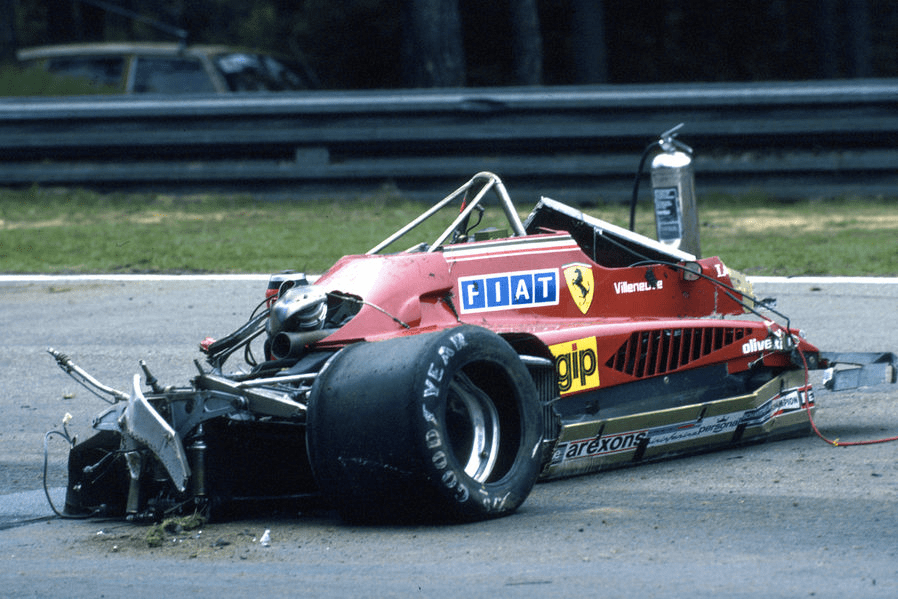
Jochen Mass left his car and ran as fast as he could in a desperate attempt to do something. Arnoux and Warwick did the same. They removed the body from the fence and waited for the medical team to arrive. There was nothing else they could do. Pirroni was also there; he grabbed the badly damaged Villeneuve’s helmet and walked back to the pits.
Gilles was taken to the nearby hospital by helicopter. Once there, the doctors kept him alive until his wife, Joann, arrived and authorized the medical team to turn off the life support system.
It was the evening of Saturday, May 8, 1982, Enzo Ferrari told the team to pack the equipment and go back home.
The tragedies didn’t end at Zolder that year. Riccardo Paletti also lost his life in an accident at the start of the Canadian GP, and Didier Pirroni survived a horrible crash during the qualifying session for the German GP. Still, his injuries ended his Formula One career.
The Legend
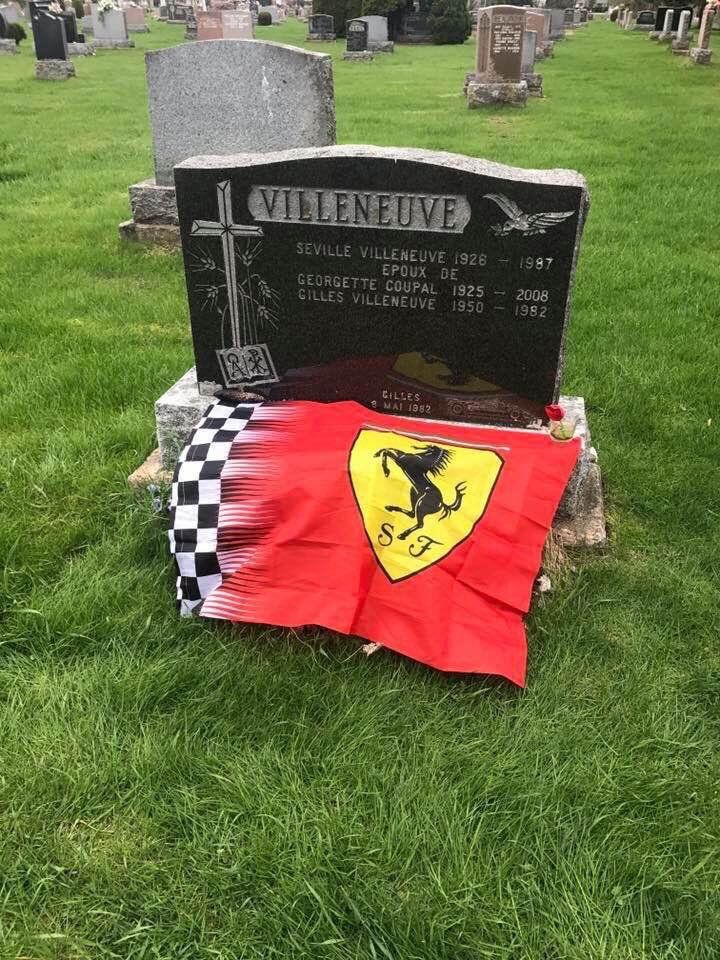
Villeneuve’s meager numbers never prevented the fans from idolizing him; for the Tifosi, he is as much a hero as if he had won a world championship.
The three-times world champion Niki Lauda, said during an interview in 2001, that Villeneuve was “the craziest devil I ever came across in Formula-One”.
The drivers, at the time, had mixed feelings about the Canadian; some considered him just an inconsequential daredevil, while others saw him as a champion in the making.
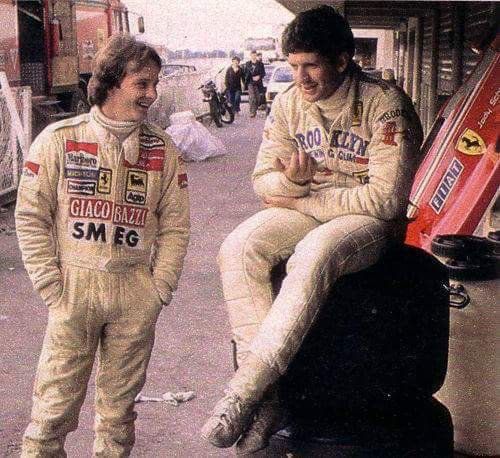
Perhaps Jody Scheckter has better words to define Gilles: “I always worked very well with Gilles. We had an honest and open relationship, which was part of our success. There was no bullshit: if he made an adjustment and went quicker, he’d tell me and I would tell him. That’s what kept us in such a good relationship and was part of us winning the championship“. Jody thinks Villeneuve was honest to the point of being naive, perhaps that is the reason Villeneuve was so disappointed with Pirroni. Sheckter also thinks the crazy driver persona was staged: “I don’t think he tried to do things that put him in uncalculated danger. I think from that point of view he was a responsible driver. He always had this image of being crazy, and he wasn’t really. He was only crazy when he wanted to be, it was his image”.
We like to think that had the tragedy not struck that day, Gilles would have inevitably become World Champion, driving a Ferrari or any other car.
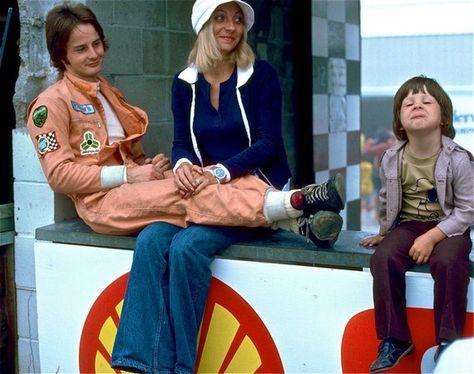
It was Gilles’s greatest fan, his son Jacques, who carried on the family’s racing legacy. The little kid who so often accompanied his father to the racetracks became a very talented and accomplished driver.
He understood that fast laps and crazy stunts don’t win championships; points do. He won the 1995 Indianapolis 500 and the 1995 PPG Indy Car World Series, and in 1997, he became the first (and only to date) Canadian to win the Formula One driver’s world championship.
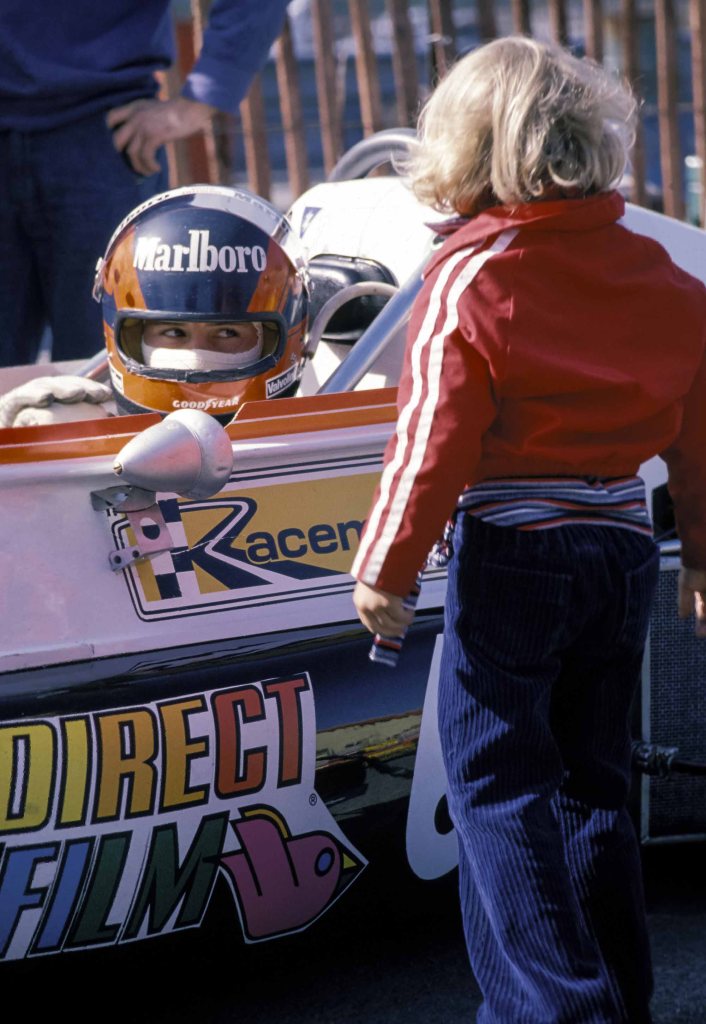
Despite his brilliant career, F-One fans just don’t remember Jacques as one of the greatest, like we remember Gilles. Perhaps, for us, fast laps and crazy stunts can be even more important than winning world titles.
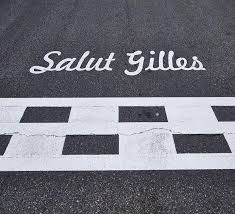
Gilles Villeneuve was a one-of-a-kind race driver; he can’t be compared with anyone else. His legacy still lives on; the Circuit Notre Dame Island in Montreal, the home of the Canadian Grand Prix, was renamed Circuit de Gilles Villeneuve, right after his death. Generations of drivers have been paying their respects to Canada’s greatest race driver whenever they see the message painted at the starting line: “Salut Gilles.”
 The Classic Machines
Rubens,
This was a lovely piece you made about my all time favorite race car driver. I was fortunate to be there in person, during his early days competing on many of the race tracks across Canada. To me, he was the greatest and a joy to watch compete.
Thanks for your contribution.
Ian
LikeLiked by 2 people
Thanks, Ian. I am very happy you liked the post, especially you, who had the privilege to see Gilles in action up close.
LikeLike
I loved reading this. I learned so much. Back in the 70s I didn’t pay much attention to F1. Like Gilles and his Mustang I was into drag racing.
Such a tragic ending, and one that seems like it needed several unlikely things to occur. Seems like it could have easily not happened.
Rubens, I really enjoy your writing. “To the mechanics he was a butcher, to the fans he was an artist.” That’s fantastic.
LikeLiked by 1 person
Thanks a lot, Glenn. It is such a good feeling when I receive compliments about my writing. For me, it was the other way around, I used to closely follow Formula One until the death of Ayrton Senna, in 1994, then I started to get more involved with Muscle Cars and drag racing.
LikeLike
And that French GP video was insane!
LikeLike
I have seen my fair share of GPs in my life but the 1979 French GP is the one that I will never forget.
LikeLike
Amazing writing and pics thanks!!!!
LikeLiked by 1 person
Thanks for stopping by. I am glad you liked the post.
LikeLike