I must confess that this series of posts has become quite enjoyable to write. It allows me to dig deep into my endless collection of digital photos and revisit the stories behind each one.
These pictures I took in 2016, when I was working as a detailer at the Birchwood Collision Center in Winnipeg.

It was my first job in Canada. The shop was the largest within the group’s two collision centers, handling most of the body and paint work from 14 Birchwood dealerships around town.
This job gave me the chance to drive a huge variety of machines, from the ordinary Chevy Cruze and Honda Civic to a convertible Aston Martin. It was the best part of the job, even if most of the time it was just a quick drive around the parking lot.
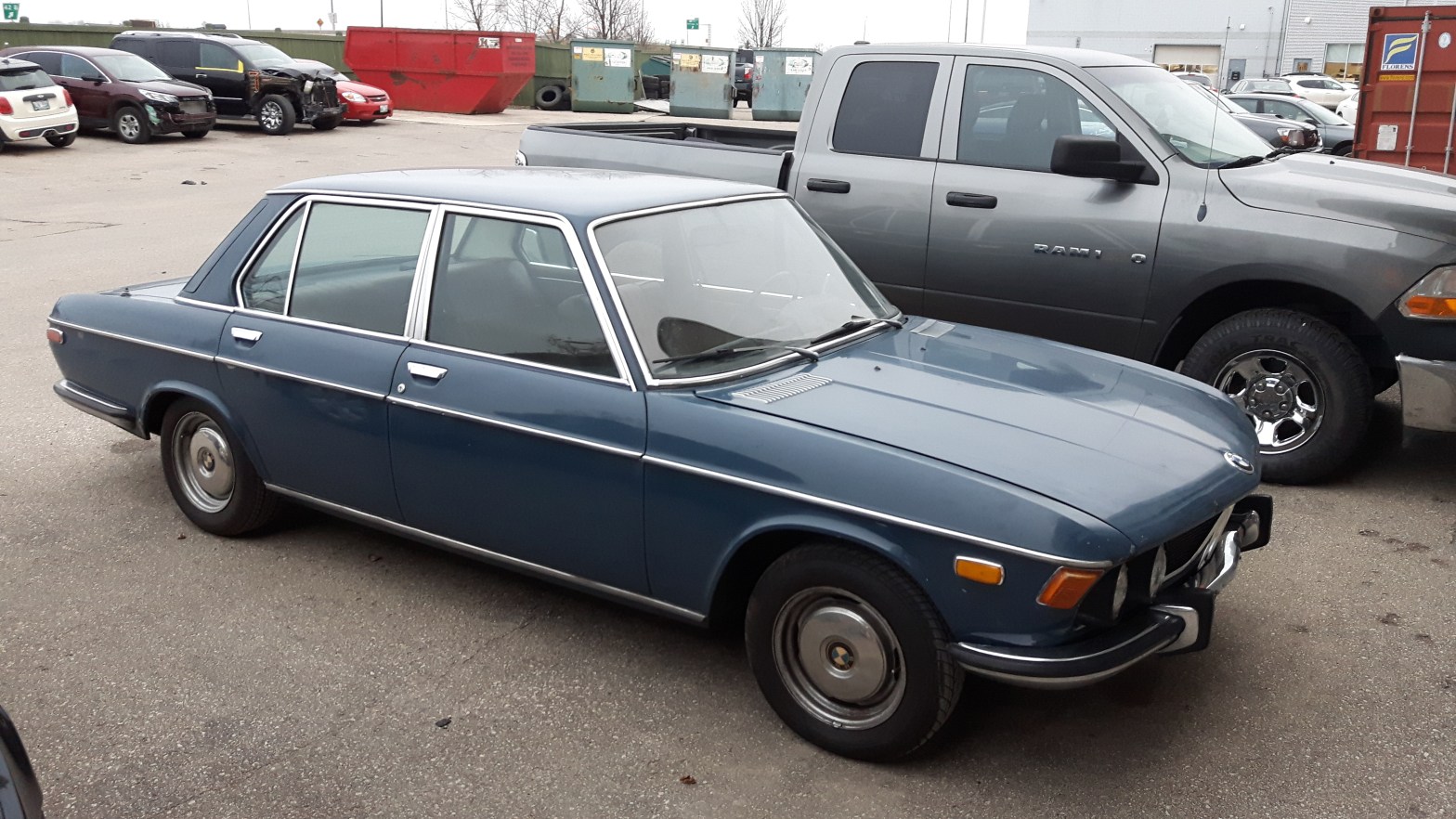
Now and then, a classic would pop up, and this is the case with this 1972 BMW Bavaria.
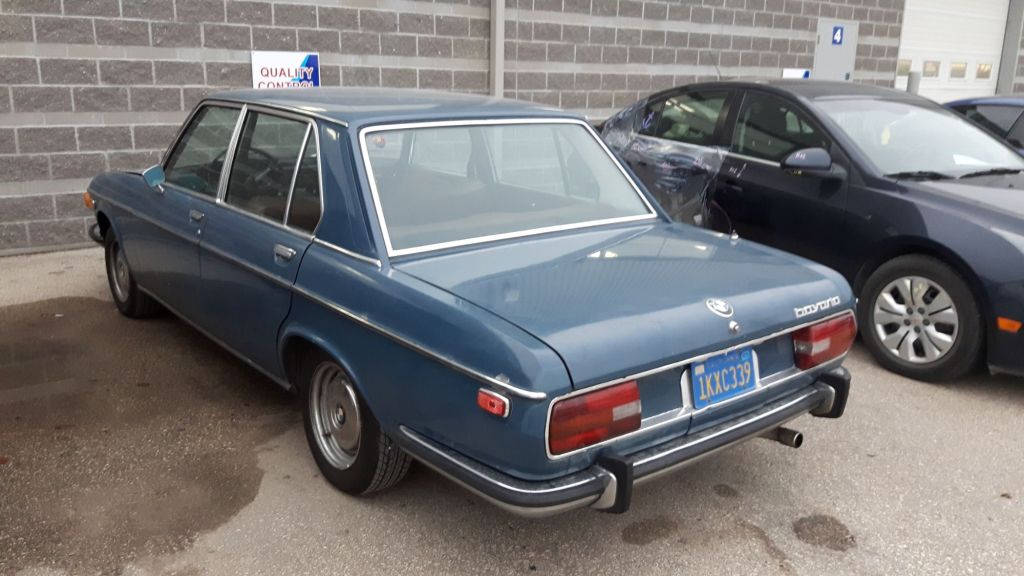
This car came to the body shop for a small paint repair, and after the job was done, it was supposed to be taken to the BMW dealership for brake inspection. The BMW’s valet guy came and said he wouldn’t drive the car because it has no brakes, and to make things worse, he flooded the carb while trying to start it.
I asked the service advisor to hand me the keys, and I was willing to give it a try. Maybe my years dealing with old cars had taught me something. I used the old trick of starting the car while pressing the gas pedal to the floor, letting a lot of air into the chamber to deal with all the unburned gas, and it worked. The EFI generation doesn’t know this trick. Why? Because they don’t need to.
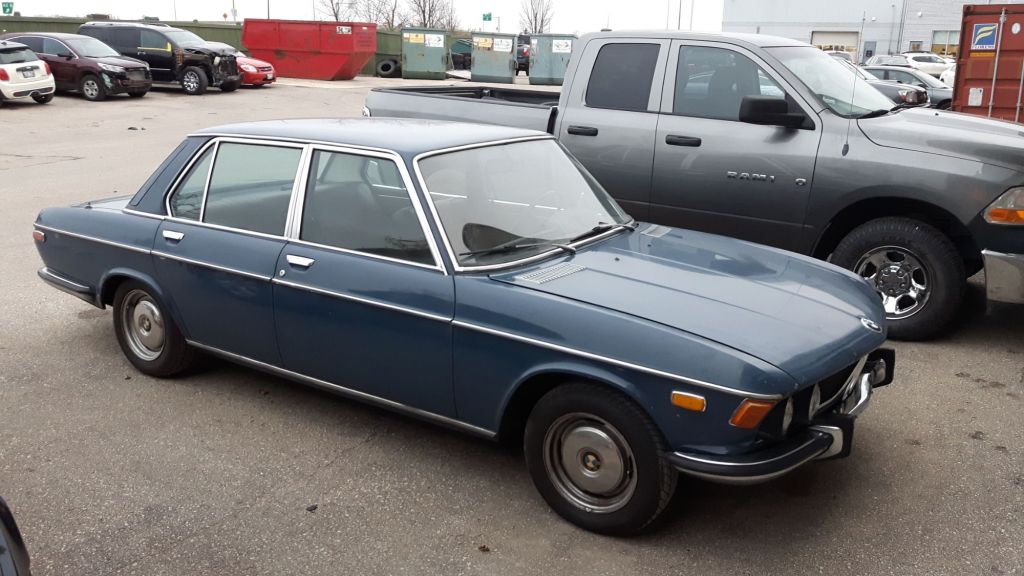
I tried the brakes, and yes, the pedal was very low, but it was enough to stop the car at low speed.
I drove the Bimmer to the dealer, which was 200 meters away. No sweat. On my walk back, I had this good feeling that old guys like me are sometimes useful.
At the time, I thought there was nothing special about this BMW, but I was wrong.
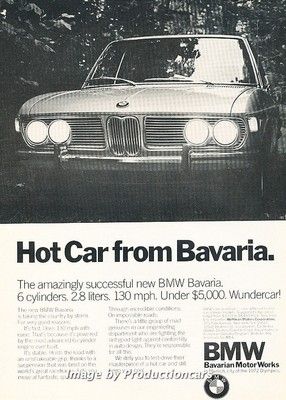
The BMW Bavaria was only available in the United States from 1968 to 1977. It is also known as the “New Six” or E3. The aim was to provide customers with a more affordable option in the high-performance European sedan segment, which was booming at the time and was mostly dominated by Mercedes-Benz. In 1972, it featured a 197 HP, 3.0-litre M30 inline-six engine, replacing the earlier 2.8-litre.
“Mine” was a stick shift, as it should.
I hope you have enjoyed this Catch of the Day, and I will see you soon.

