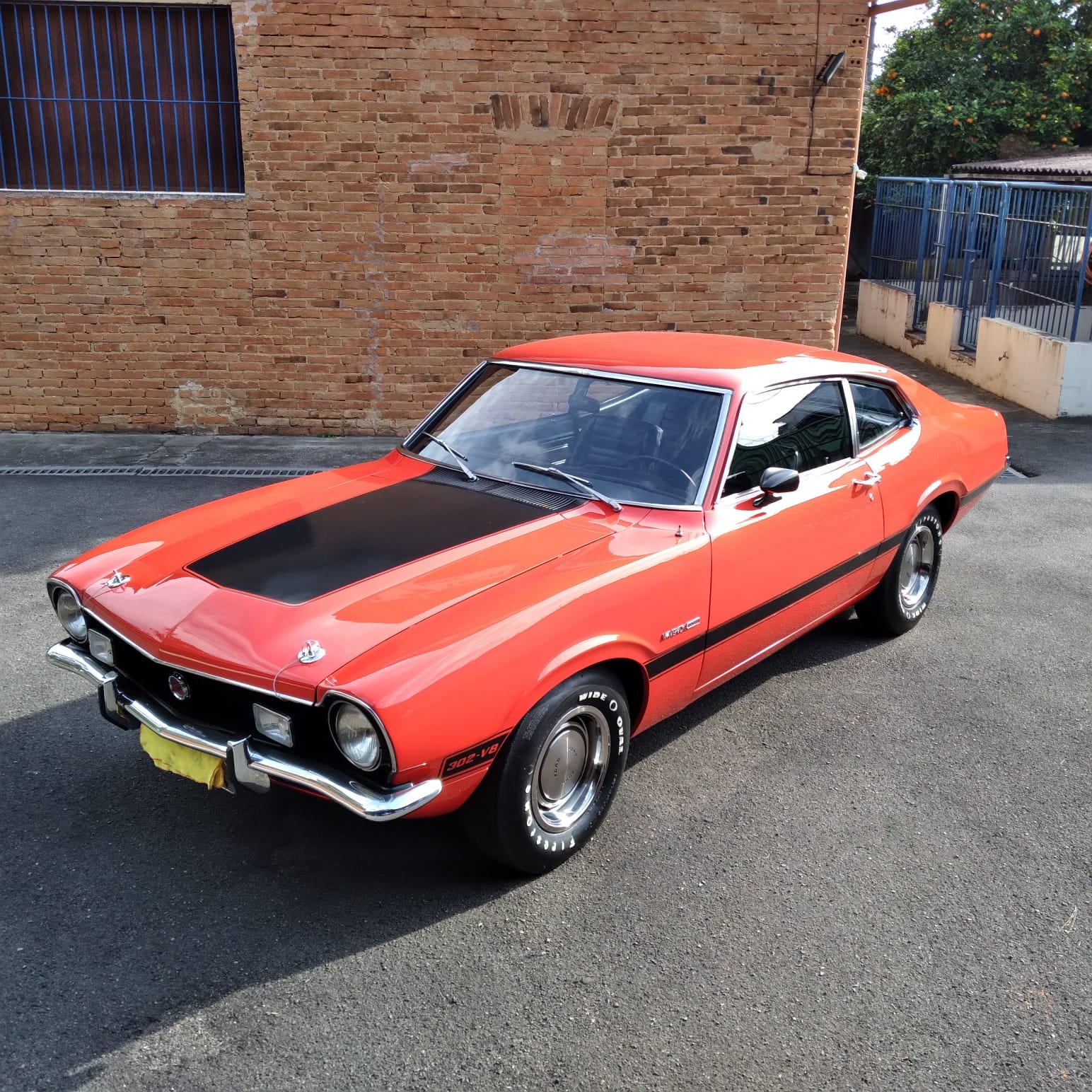
In 1973, Ford Brazil introduced the locally built Maverick. At that time, most of our domestic auto industry’s offerings were based on European cars, and consumers were eager for an option 100% rooted in an authentic American vehicle. The gearhead community was excited about the car, which was expected to be a close relative of the Mustang.
After the first units left the dealerships, most of this excitement vanished. The limited interior room and the poor performance of the entry-level models were the main complaints from the customers.
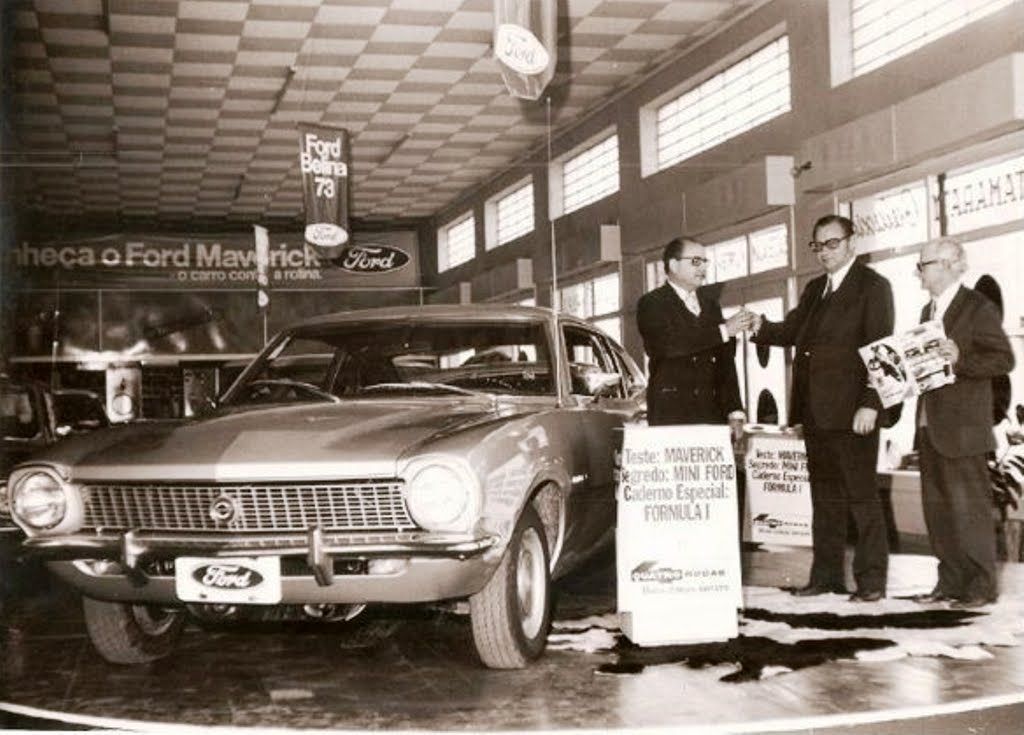
Even if Ford did improve the car throughout its 6 years in production, the meager sales numbers forced the company to shut it down in 1979. In total, only 106,108 Mavericks were produced in Brazil.
But the same car that consumers hated in the late 1970s later became one of the favorites among collectors. It took nearly fifty years, but the Maverick’s status has shifted from shameful to desirable.
This is the story of the Brazilian Maverick. A story filled with more misses than hits, about a car that could have been just a footnote in our automotive history but was saved by the passion of car enthusiasts.
The Maverick in Latin America
The “Global Car” concept it is a term that became part of the automotive jargon in the 1980s, but the idea of automobile platforms being sold in different parts of the world is much older. Some cars were so well engineered that they naturally thrived in different corners of the planet.
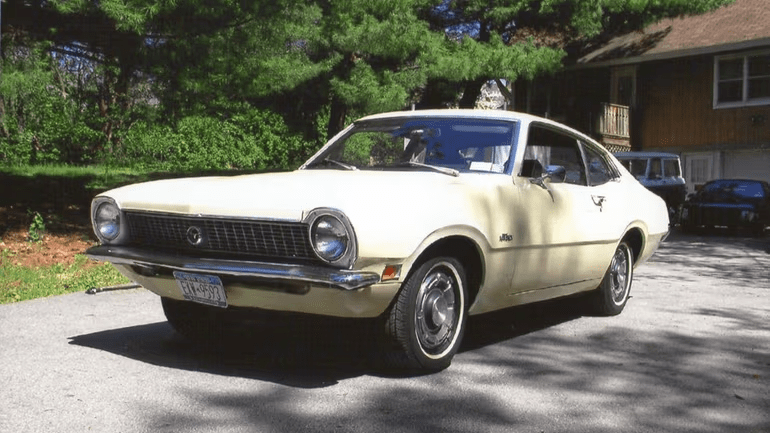
The Ford Maverick is a good example of this practice. The car was released in the USA in 1969 as a replacement for the Ford Falcon. Following the same philosophy of its predecessor, the Maverick was marketed as an affordable and reliable entry-level vehicle. Ford’s guru, Lee Iaccoca, call it “The Simple Machine.” Easy to buy and easy to maintain. Ford believed so much in the car that assembly lines were quickly established in Mexico and Venezuela.
The Ford Maverick originally debuted as a sporty two-door coupe featuring classic pony car proportions like a long hood and a short rear deck. Ford later expanded the lineup to include a more practical four-door sedan version.
There were 3 different in-line 6 engine options:
- 170 CID (2.8 liter)
- 200 CID (3.3 liter)
- 250 CID (4.1 liter)
And the optional 302 CID (4.9 liter) small block V8.
Ford wasn’t wrong about the Maverick; in its first year, nearly 579,000 units were sold in the USA, close to the record-setting first-year Mustang sales of nearly 619,000.
The car was also a big success in Venezuela. The demand was actually higher than the production capacity of the Ford assembly line in Valencia, forcing them to import cars from Mexico and the USA.
The company was ready to extend this success to another country in South America, Brazil.
The Brazilian Ford
In the late 1960s, Ford Brazil had established itself as a strong supplier of commercial trucks and was expanding its lineup into passenger cars. They launched the luxurious Galaxie in 1967, followed by the economical Corcel in 1969. The Corcel was originally developed by Willys-Overland, which Ford had acquired in 1967.
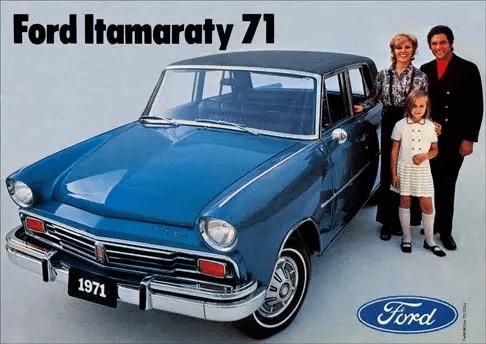
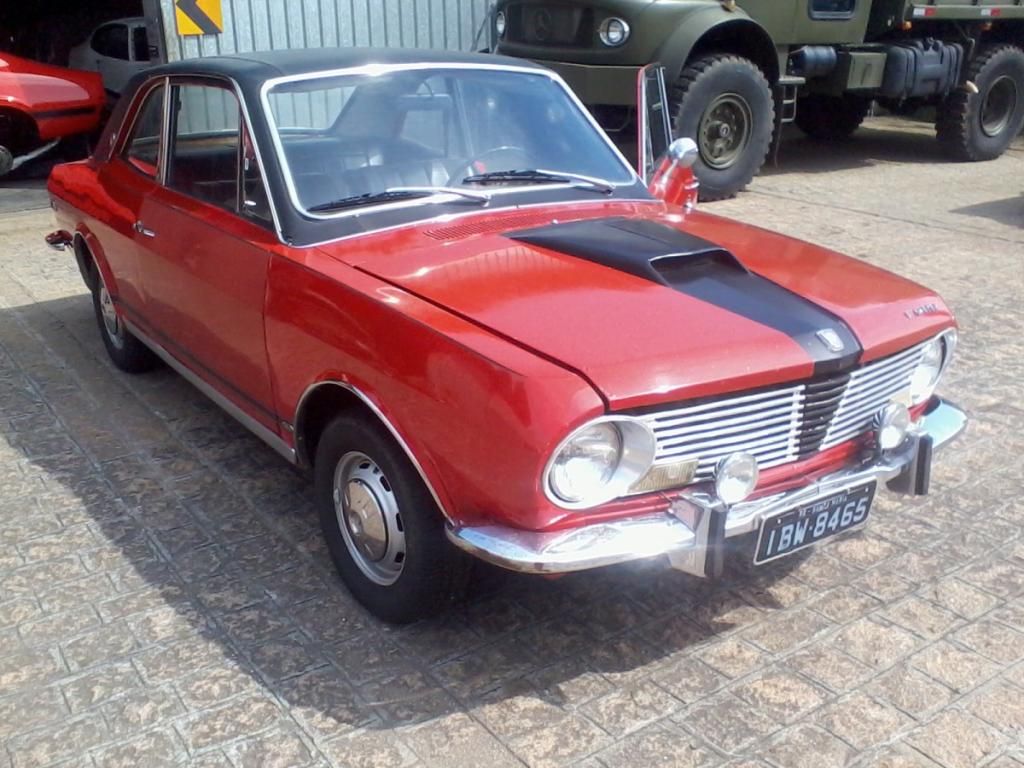
The Corcel wasn’t the only car that came in the Willys package, Ford also kept producing the Jeep CJ, the Jeep Station Wagon, and the Itamaraty (pictured above) which was a fancy version of the Willys Aero.
Interesting fact: During the military dictatorship, it was common practice for automakers to “please” the government by naming their cars after related things. Itamaraty is the name of the Federal Government’s palace.
All the company needed at that point was a modern product to replace the ancient Itamaraty to compete in the medium car segment, which was dominated by Chevrolet Opala.
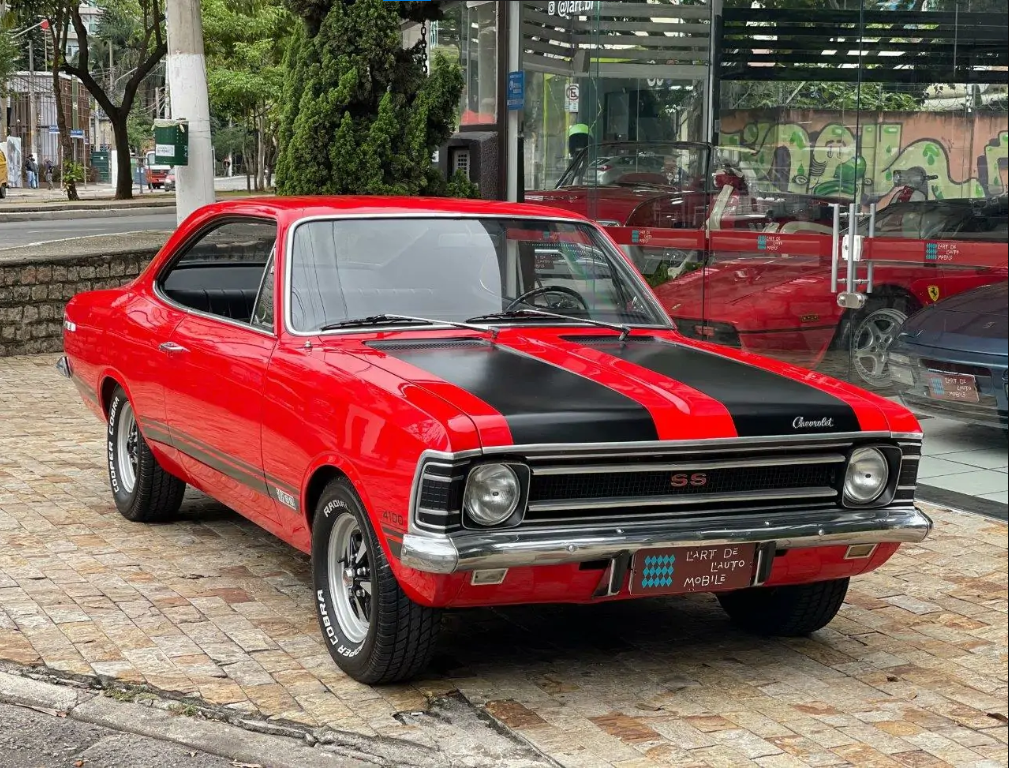
This new Ford will have to face a formidable opponent. The Chevy Opala successfully paired a superb German platform (Opel Rekord) with a couple of trustworthy American engines (the Iron Duck 2.5-liter 4-cylinder and the 250 CID inline-six). On top of all that, the car was simply beautiful, a brilliant job done by the Brazilian designers, who brought the original Opel Rekord to a more American style.
The Simple Machine
The top CEOs in Dearborn were certain the Maverick was the right car at the right moment for the Brazilian market, but the local Ford guys were not so sure about it.
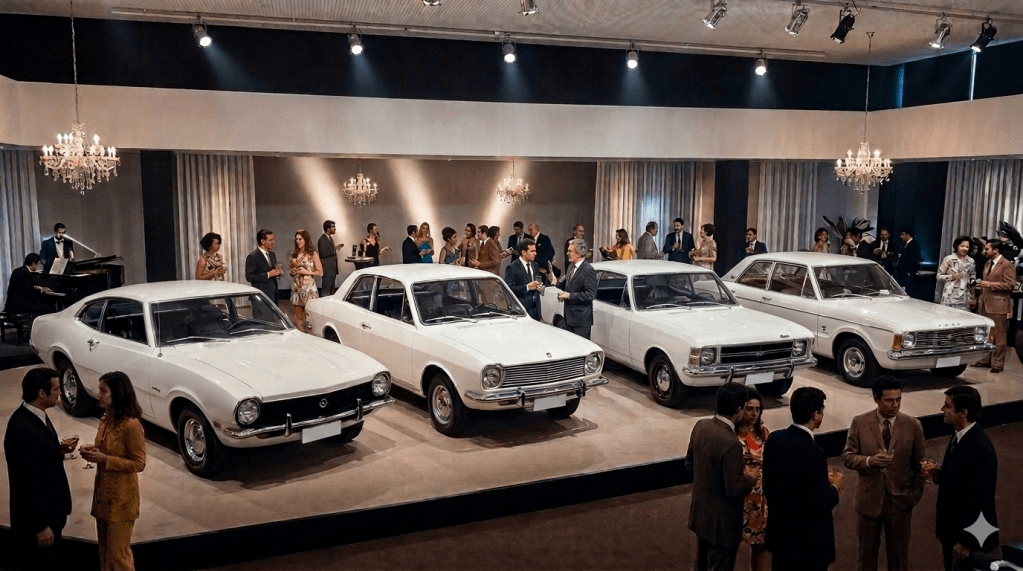
In 1972, Ford threw a cocktail party and invited some random people from the Brazilian society, mostly journalists. In the room there were four cars, all in white, with no badges and no name plates. Two of them were very well-known from the streets, a Ford Corcel and a Chevy Opala. The other two cars were an American Ford Maverick and a German Ford Taunus.
While people were happily drinking and eating, they were asked to vote on the car they liked best. The winner was the Taunus.
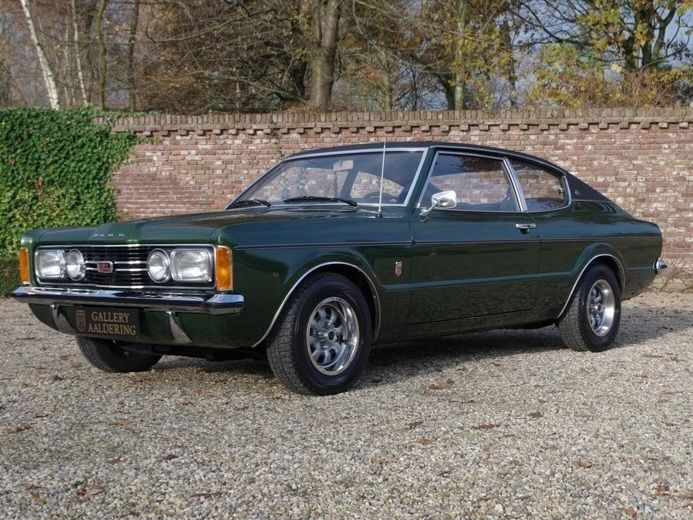
Of course, the people who attended this party were just a tiny little fraction of the market, but among them, there were some of the most influential automobile journalists of the time. The Taunus should have been the obvious and logical choice for Ford. It was already the competitor of the Opel Rekord in Germany, the very car that was the basis for the Chevy Opala.
However, things were not as simple as they appeared. While the Maverick was, as Lee Iacocca called it, “The Simple Machine“, the Taunus was a more refined vehicle featuring a more sophisticated engine, transmission, and suspension system. Initial assessments showed that building a Taunus assembly line in Brazil would cost Ford around $14 million, whereas a Maverick line would cost only half that amount.
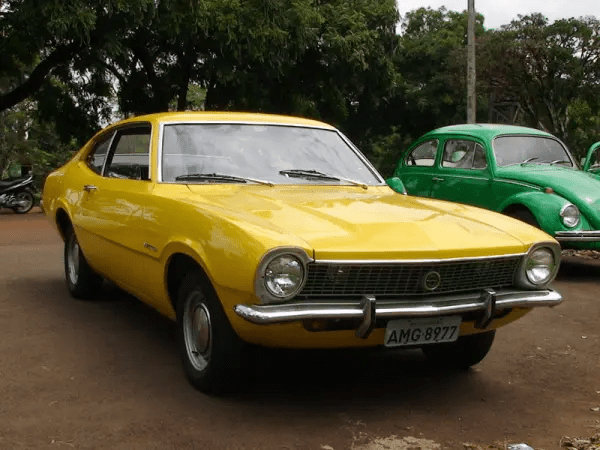
It was decided that the Maverick would be the newest Ford introduced to the Brazilian auto market. If the car was a success in Venezuela, why not in Brazil? Well, the reality between the two countries was a bit different during those years. Venezuela in the early 1970s was a stable and prosperous democracy, with plenty of cheap oil, while Brazil was under a military dictatorship and heavily depended on imported oil.
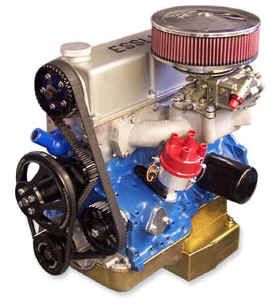
The Brazilian Ford wanted to ditch the inline-six engine options and equip the car with a modern, fuel-efficient unit: the 2.3 OHC “Lima” engine. The 302 V8, imported (mainly from Mexico) would be the option for performance-oriented customers.
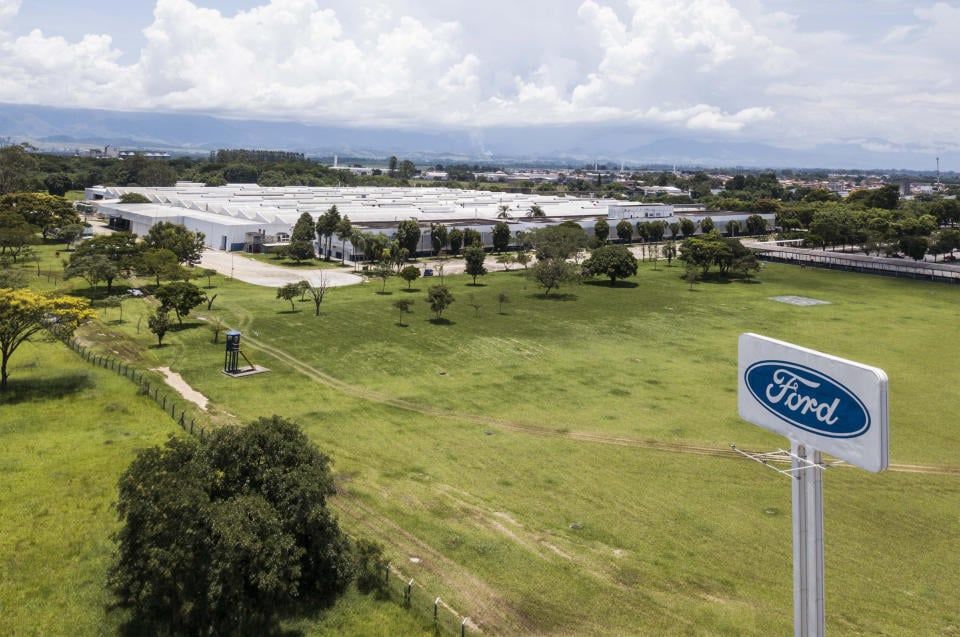
Part of a massive investment to produce the new car was already underway: Ford was building a brand-new engine assembly plant specifically for the new 2.3 engine (picture above), and that’s when things started to go sour. This new industrial complex was set to be fully operational by mid-1975, and time was definitely not on Ford’s side.
The year 1973/74 marked a pivotal moment in the Brazilian auto industry. All domestic companies had significant products to launch: cars that would transform the market and the way consumers were accustomed to purchasing vehicles.
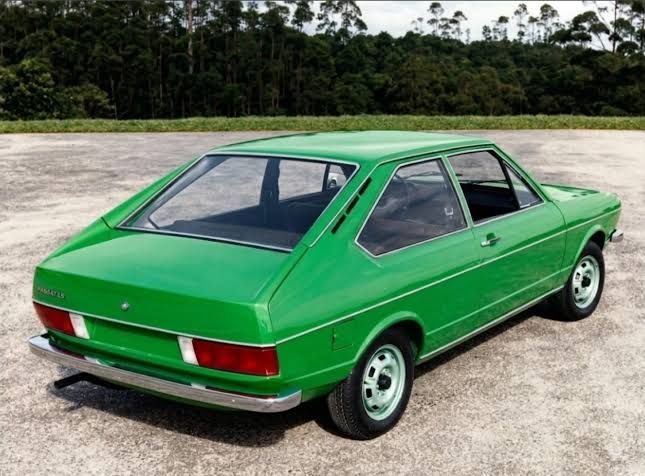
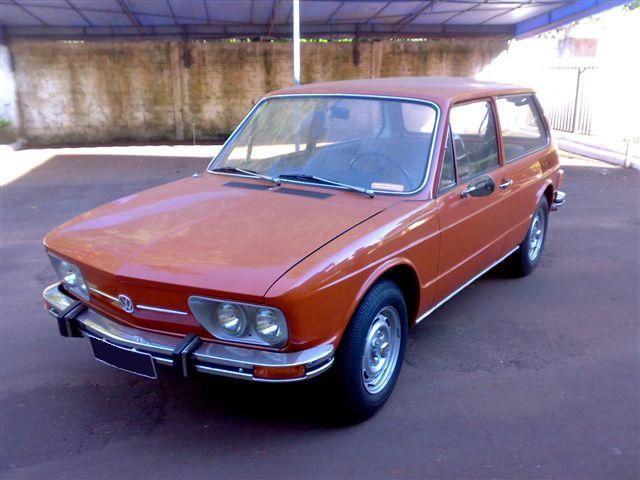
Volkswagen, as the market leader, was about to launch the Passat and the Brasilia.
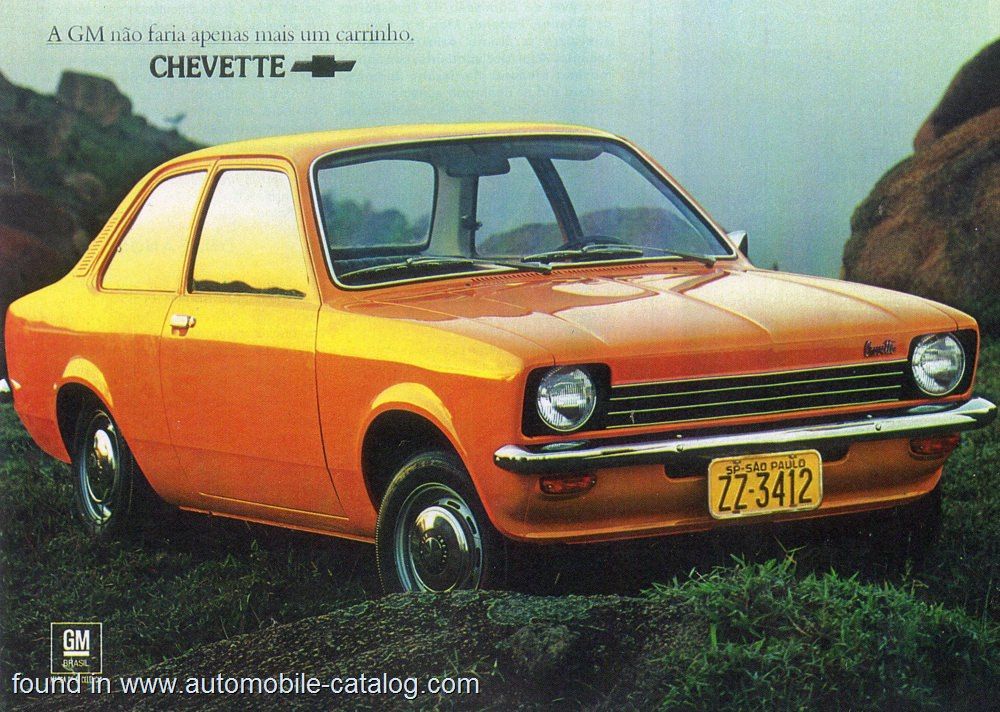
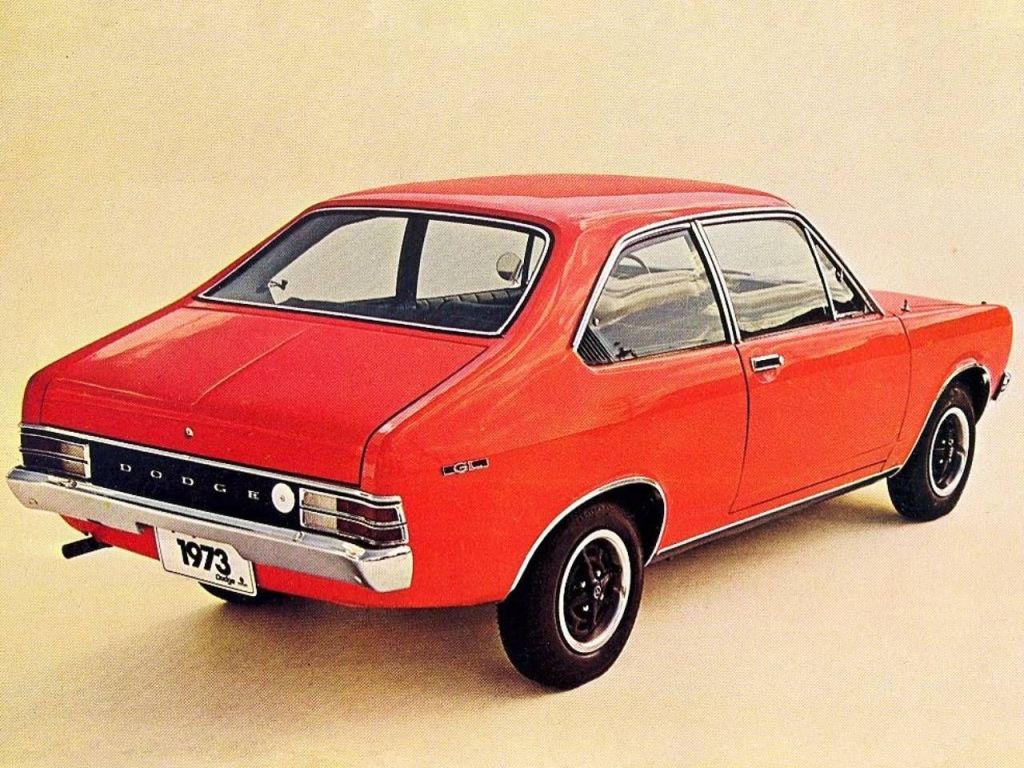
Chevrolet would release the Chevette and Dodge the “1800.” Ford faced significant pressure to release the Maverick around the same time.
The company had a few options on the table; the first and most reasonable was to delay the Maverick’s release until the 2.3 engine was available. The other option was to import the engine from the USA for a couple of years, but that would have made the car too expensive.
And once again, Ford took the easiest path. The CEOs and the engineering department thought it would be a good idea to equip the car with the readily available Aero Willys/Itamaraty engine.
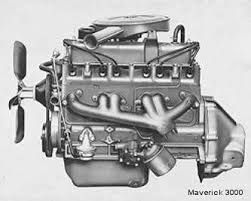
The 2.6 L (161 CI) Willys inline six dated back to 1950, when the even older Willys flathead six received an F-head conversion (overhead intake valves, side exhaust valves in the block). It was outdated by the mid-60s, even by South American standards.
Willys Brasil did some work to improve it, increasing displacement from 2.6 to 3.0 liters, adding a better-flowing exhaust header, and even offering an optional dual-carb version. They were able to squeeze a few extra horses out of the engine, but it wasn’t enough. Reliability was another concern, as the engine was known as a “six-burner stove”. The last cylinder, the one closest to the firewall, would overheat at higher RPMs to the point of melting the piston.
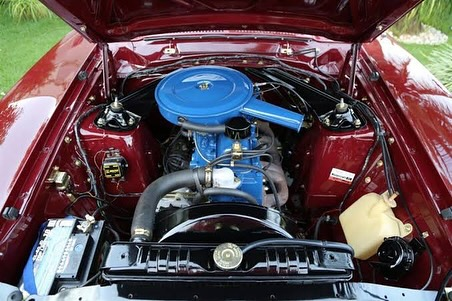
Ford did some improvements as well, things like new pistons and connecting rods able to use better rings and journals, redesigned head, intake and exhaust manifold, and they even installed a bypass coolant hose out side of the engine to cool down the last cylinder.
A “stillborn” car.
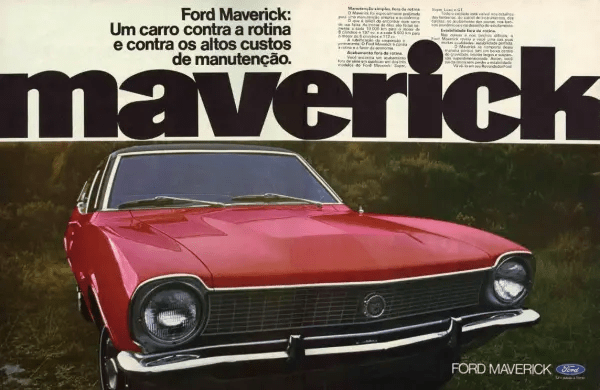
The Willys-powered Maverick allowed Ford to release the car in 1973 without missing the winds of change in the market.
Obviously, the car received mixed reviews upon its release.
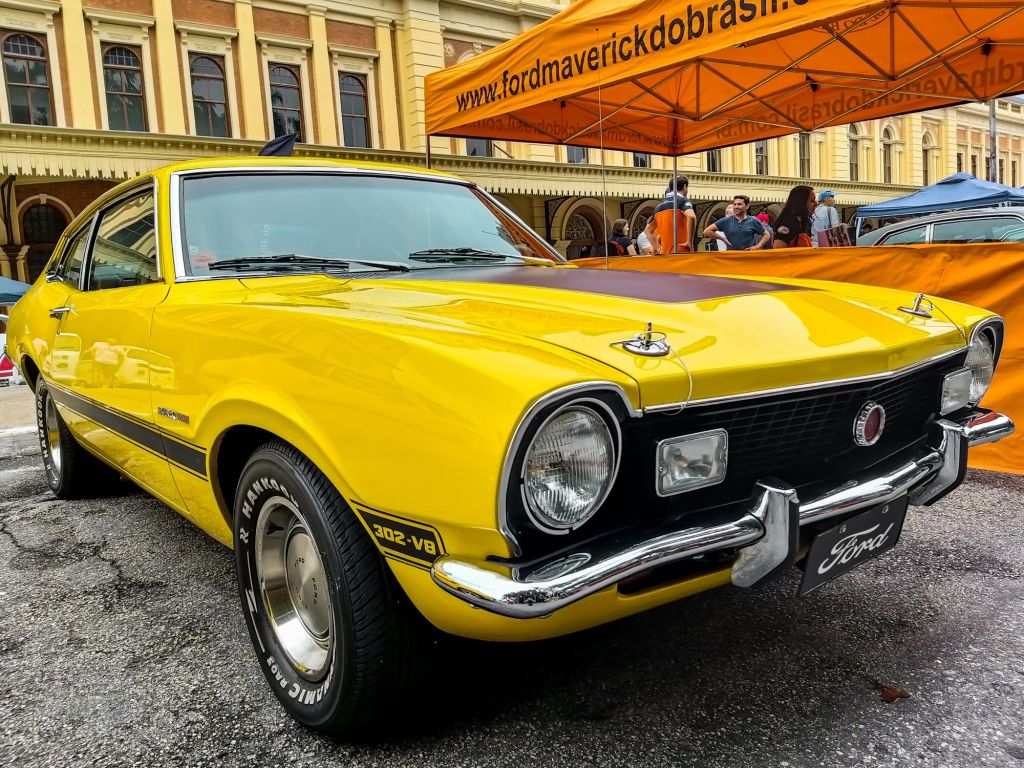
The most desirable Maverick was the GT, a model that Americans never had. The car had an aggressive visual, painted in bright colors with cool graphics, wider wheels and tires, and front disc brakes. Equipped exclusively with rev-loving 302 V8 and paired with a 4-speed manual transmission, the GT was the street-fighter that Blue Oval fans had been eagerly awaiting.
But the entry-level models were a disappointment.
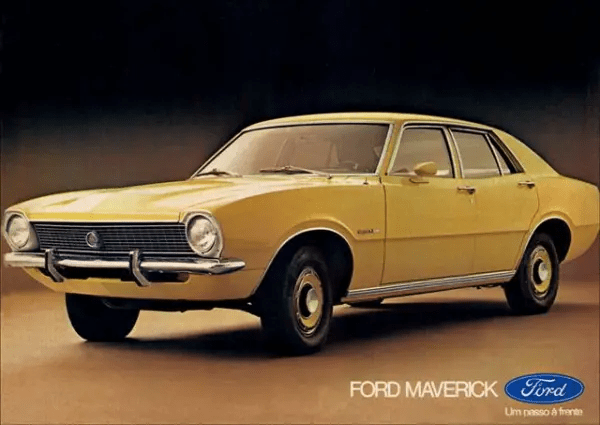
Besides the GT, the Maverick was offered in two trim levels, Super and Super Luxo. In 1973, only the 2-door coupe was available (the preferred version among Brazilian customers). The 4-door sedan came in 1974.
Customers expressed dissatisfaction with the coupe’s limited rear-seat space and poor rear visibility from the fastback design. However, the most notable issue was the powertrain. The Willys inline 6 was underpowered and fuel-inefficient, and the weird 4-speed transmission with the shifter on the column didn’t help much either. The 2.5-liter Chevy Opala consistently outperformed the 6-cylinder Maverick in every scenario. Although both trims offered optional V8 engines and automatic transmissions, these upgrades significantly increased the vehicle’s cost.
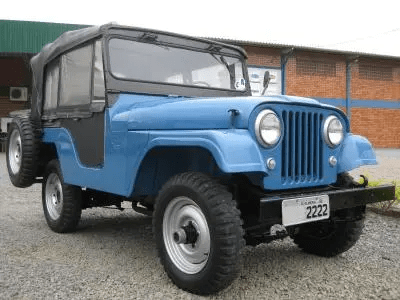
In 1975, the 2.3-liter engine finally arrived, powering not only the Maverick but also all the company’s light utilitarian vehicles, like the Jeep lineup.
The new engine was a breath of fresh air to the Maverick, but unfortunately, the damage was already done.
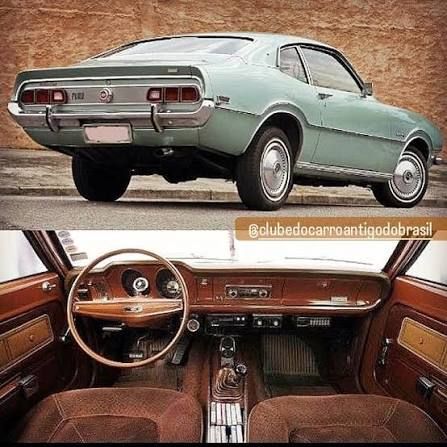
In 1977, the Maverick received a light cosmetic update, a new grille, fake hood air scoops (GT only), and tri-segment taillamps, inspired by the Mustang.
The 2.3-liter engine combined with a four-speed manual transmission was the standard setup for the Maverick at this point. Although the powertrain improvements made it a fairly competitive vehicle for the Brazilian market, its disastrous initial release hurt the car’s prospects for a bright future.
V8 was still available, but the outrageous gas prices made it not a very popular option.
The end of a very short career.
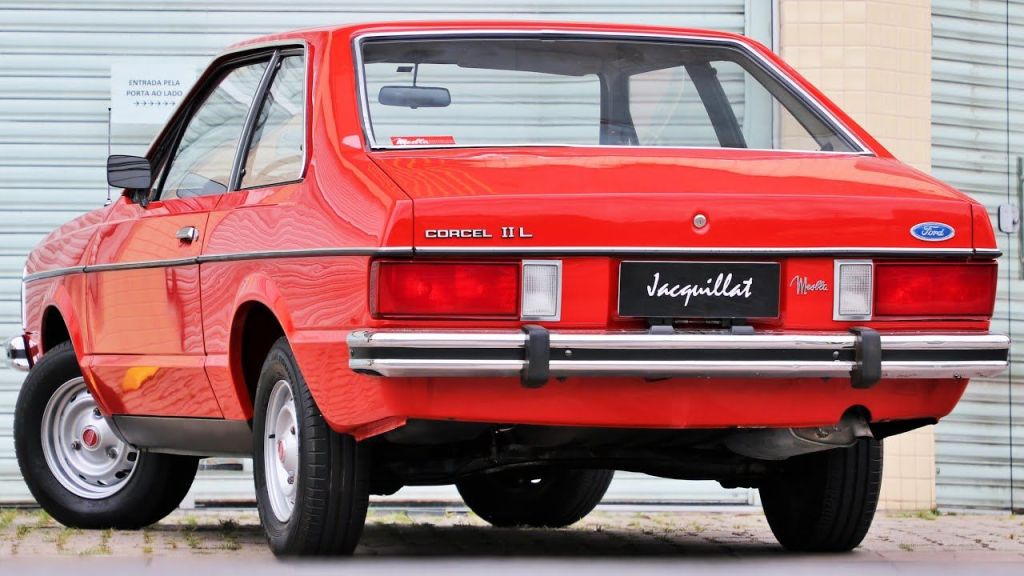
In 1978, Ford completely redesigned the successful Corcel (pictured above), giving it a modern “1980s” style. The car was bigger and roomier, with a comfortable ride. The new Corcel had put one foot into the midsize car market, further hurting the already shameful Maverick sales.
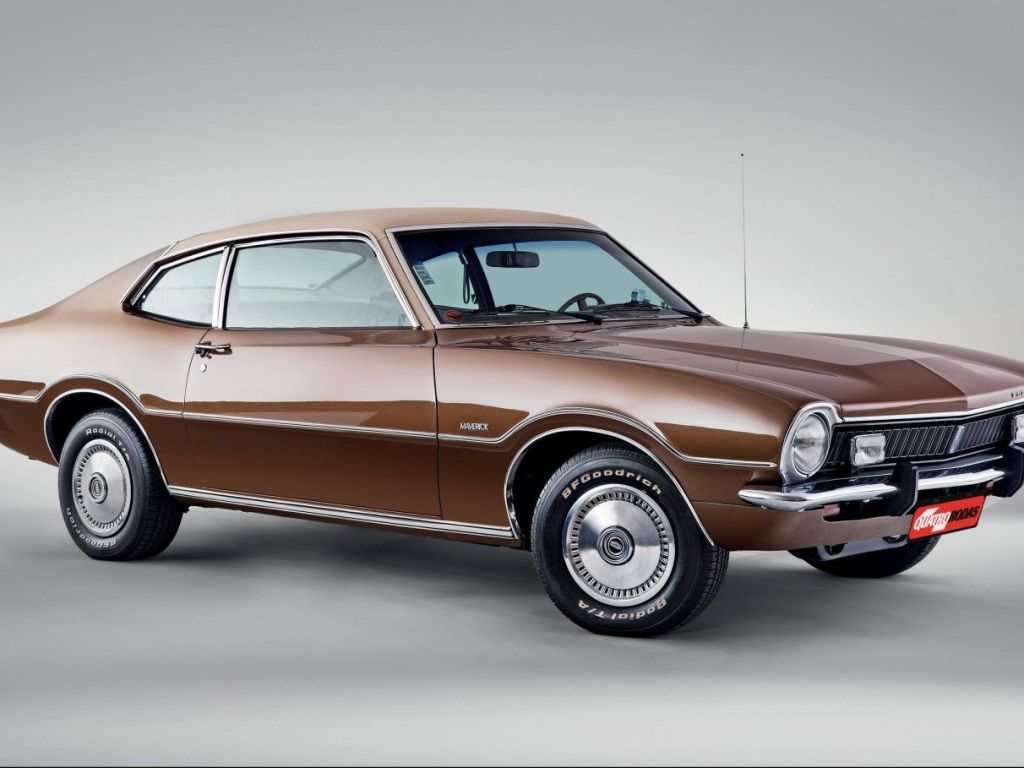
1979 was the Mavericks’ final year. Exactly 106,108 units were produced in Brazil. An embarrassing number, even for South American standards.
On the other hand, Chevrolet sold around 1 million Opalas during its 24 years in production between 1968 and 1992.
Competition
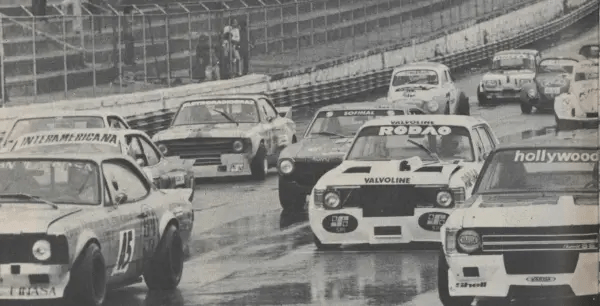
It would be a shame not to talk a little about the racing career of the Brazilian Maverick. If the car had failed to beat the Opala on the market, at least it did for a while on the tracks.
By the early 70s, the most prestigious race in Brazil was the “Division 3” for the domestic touring cars in a very unrestricted rules environment. Until 1973, Chevy Opala was the king of the class.
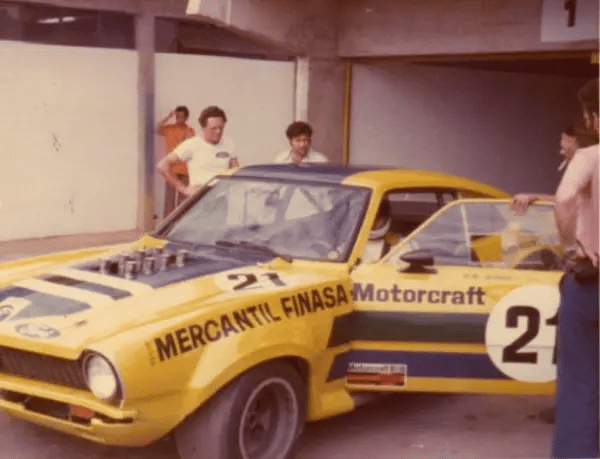
Ford was really committed to making the Maverick a champion, following the motto “Win on Sunday, sell on Monday “. The company provided the teams with financial and technical support and access to a wide range of performance parts for the 302 small block.
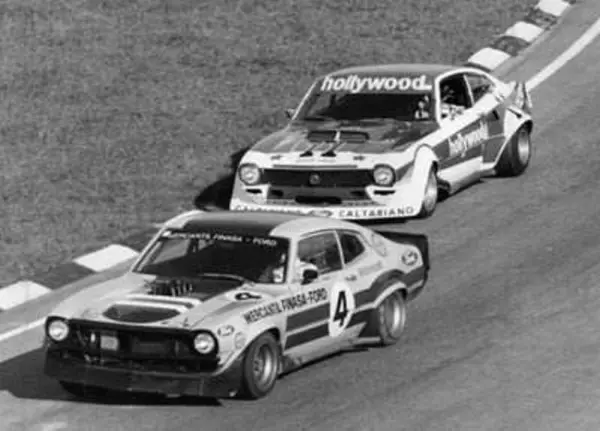
The Mavericks dominated the Division 3 for a few years, but in 1976, Ford decided to cut the money flow to the class. It was too expensive and was failing to attract more cars to the grid.
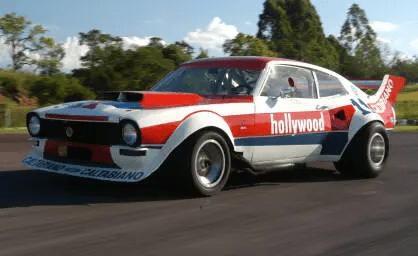
If there is a car that symbolizes the peak of the Maverick era in Division 3, it is the Hollywood-Berta Maverick. Hollywood was the most popular cigarette brand in Brazil in the 70s and 80s, and it had a very strong appeal among the youngsters.
The team, in partnership with the Argentinian race car builder, Orestes “The Wizard” Berta, built the ultimate racing machine, taking full advantage of the lack of restrictions the class offered.
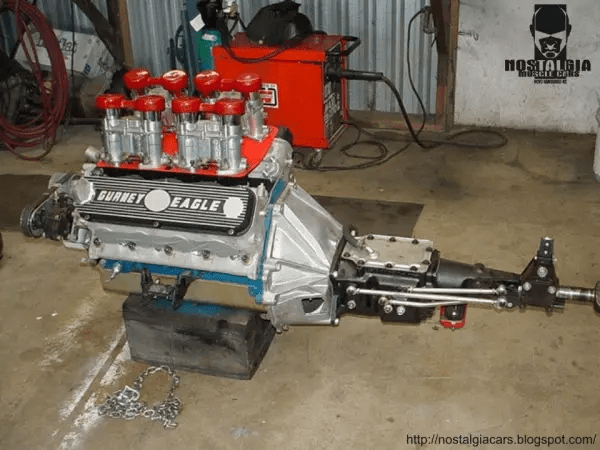
The small block received a very aggressive camshaft, a pair of Gurney Eagle aluminum heads topped with 4 Weber 48 IDA carbs. The sloppy front suspension was replaced with a tubular “Mustang II” control arms setup. The powertrain was moved a few inches backward to improve weight distribution. All the aerodynamic stuff around the car was said to be effective. To complete the combo, massive wheels and tires were installed.
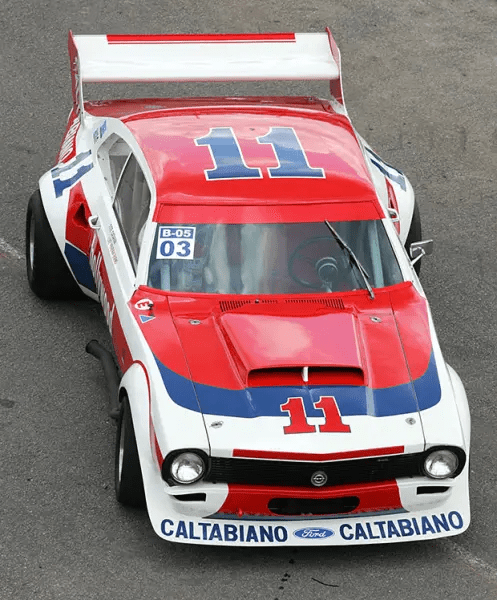
This Maverick was an unbeatable machine for a couple of years, but it was also a symbol of “money can make you a champion”.
After Hollywood ended its racing team in 1976, the Maverick was sold to private drivers until it was retired and kept in storage for decades, until it was found by a classic car collector and restored to its original glory.
In 1976, Divisão 3 was discontinued, and the Brazilian Stock Car took its place. The new class used the Chevy Opala and competed under much more restricted, budget-friendly rules.
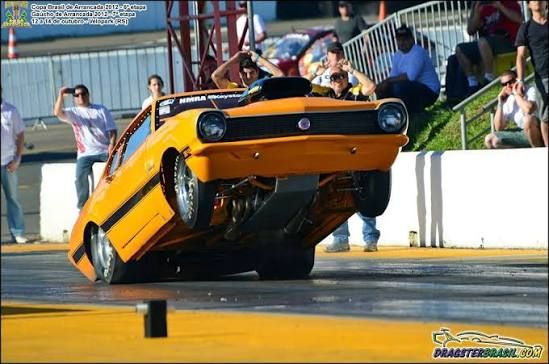
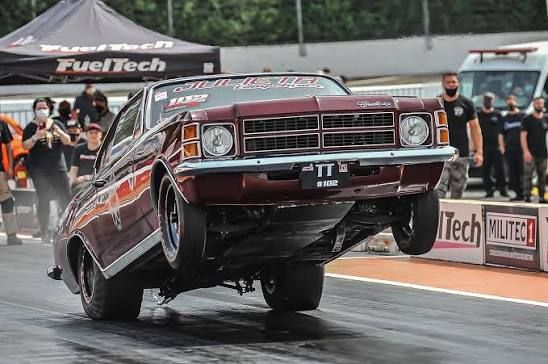
But the Maverick never left the race tracks. The car is still a favorite in the drag-racing universe, and the old rivalry with the Chevy Opala remains strong, with no signs it will ever cool down.
From neglected to beloved.
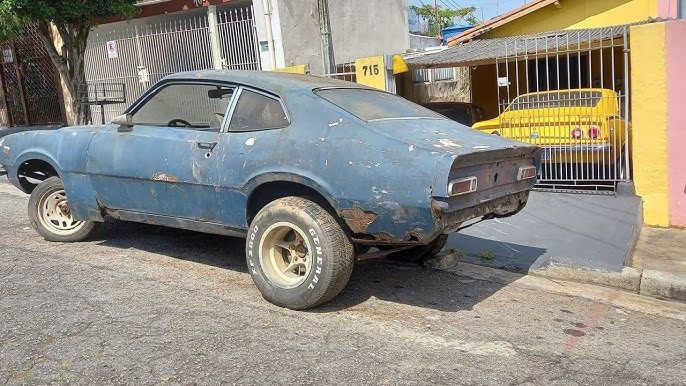
When Maverick production ended in 1979, the world was in the midst of a recession. Brazil started the 1980s in deep financial trouble, with high inflation and limited job opportunities. As a result, the Maverick became a dime a dozen in the used car market. Many of them ended up in junk yards. I remember, as a teenager, desperately saving my allowance to buy a V8 Maverick. Every time I had enough money, my dad, wisely, convinced me to abandon the idea and spend it on slot cars or something else more useful.
The fate of the Brazilian Maverick started to turn around by the early 2000s. At this time, the prices of the usual 1960s classic American pony cars like the Mustang and Camaro reached stratospheric levels, and Brazilian collectors began to shift their attention to more affordable options.
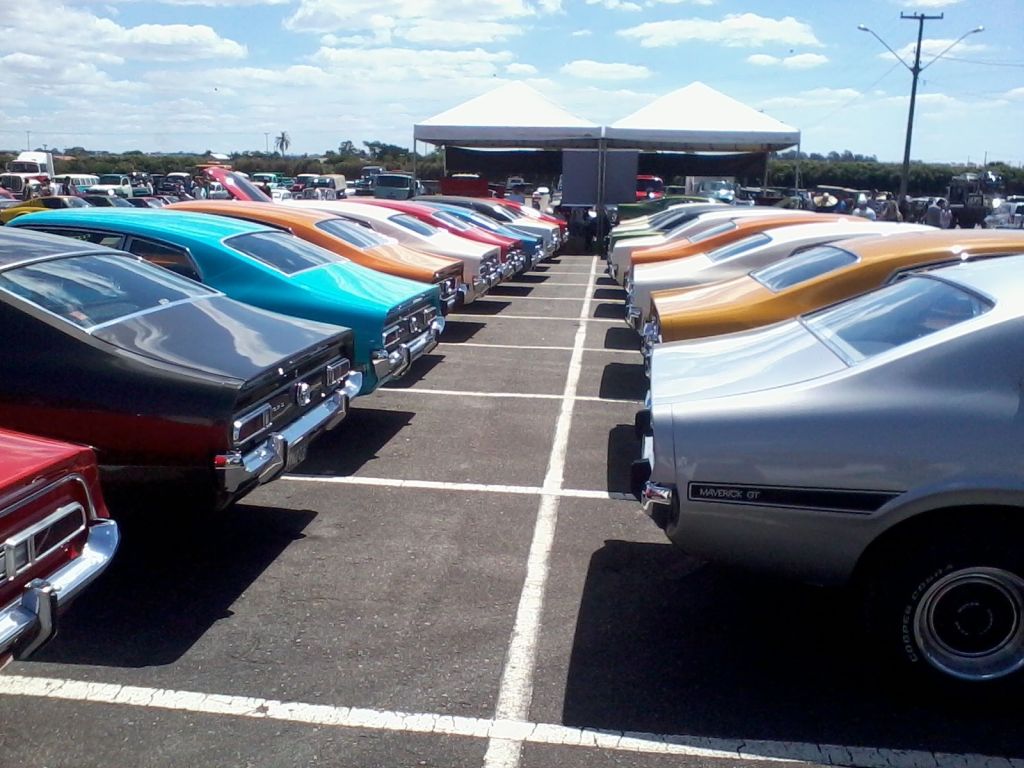
Slowly, the Brazilian V8s (Ford and MOPAR) began to receive the love they deserved, and as the demand increased, the value of the survivors’ Maverick began to climb. Obviously, the most sought-after models are the V8 ones.
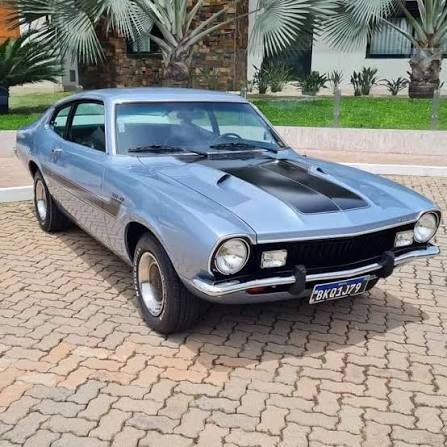
The V8 models accounted for roughly 20% of Maverick’s total sales in Brazil. Ford expected low demand, which was why it imported the 302 rather than producing it there. We believed those V8 engines were all coming from Canada, and soon, on the streets, the unofficial name of the 302 became “The Canadian “. Years later, we learned they actually came mostly from Mexico, but the name stuck to this day.
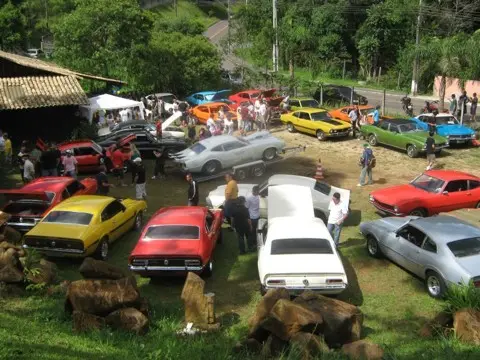
For American standards, our small block was pretty tame: 7.8:1 comp ratio, bijet carb on top, single exhaust. Nothing special. Ford officially declared the power just a bit under the 200 hp limit in order to make insurance cost more affordable. On the title of the V8 Mavericks you can read “198 hp”.
Now a days, a decently restored Maverick GT V8 can easily fetch prices around $60,000 in the Brazilian auto classic market. Just to give an idea, I found a 1966 convertible Mustang at Smokey Mountain Traders for $55,000. https://www.hemmings.com/classifieds/dealer/ford/mustang/2557416.html
In the family
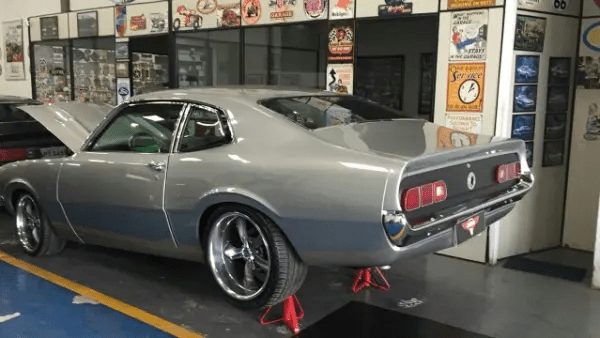
Rodrigo, my brother-in-law, is the perfect example of how passionate a car enthusiast can be about the Maverick. A couple of years ago, he completed a full restoration of his 1975 Maverick (pictured above).
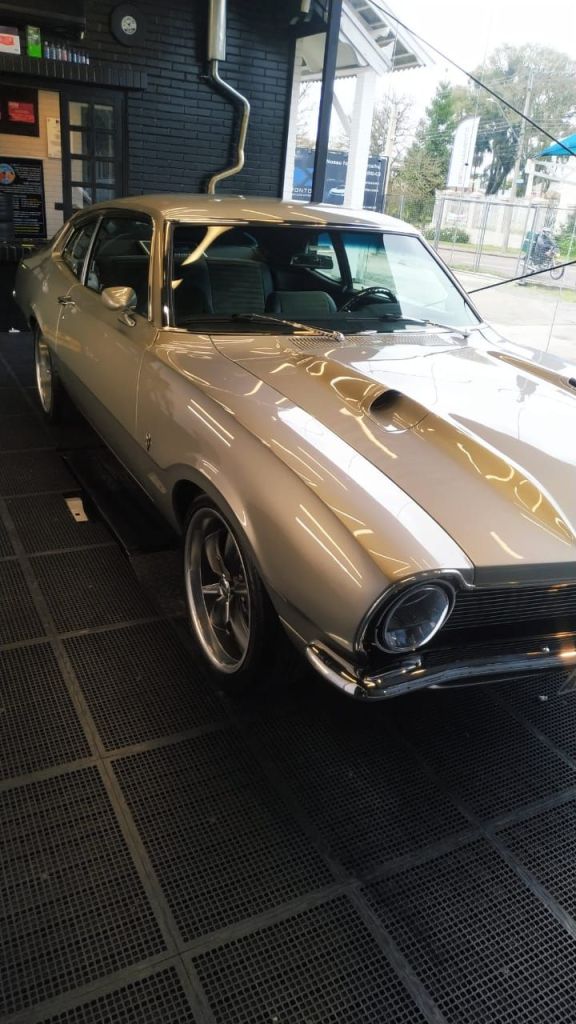
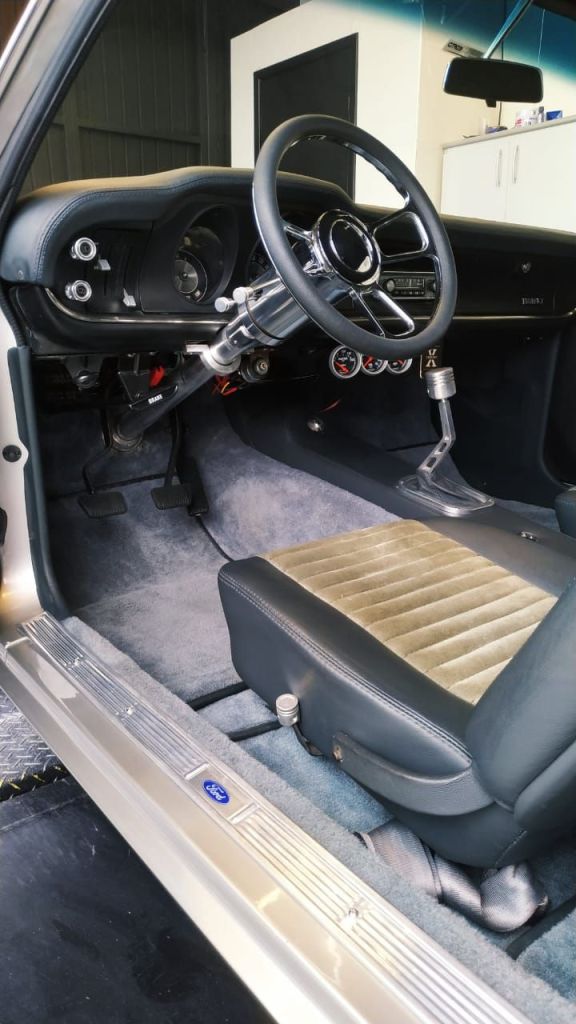
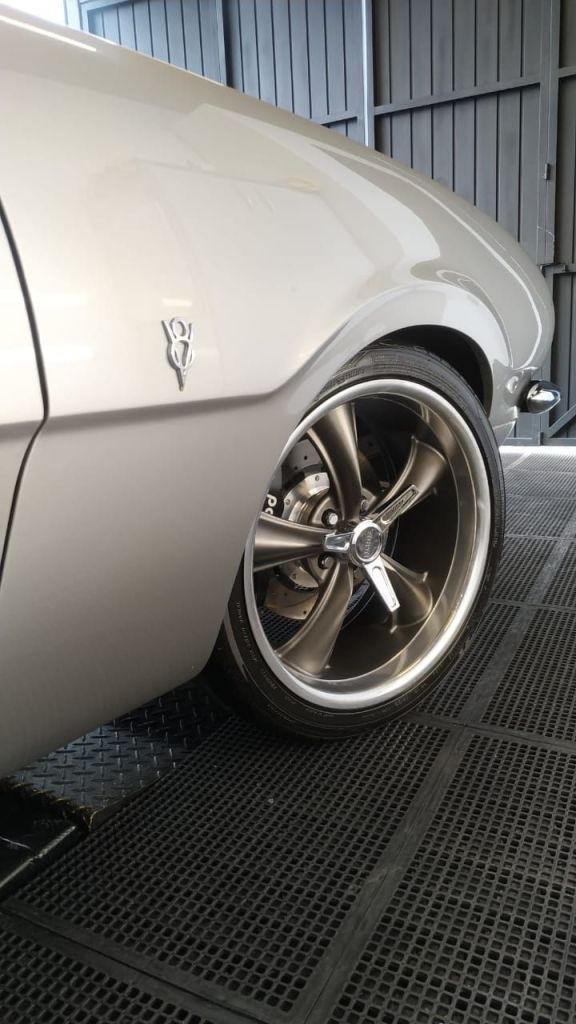
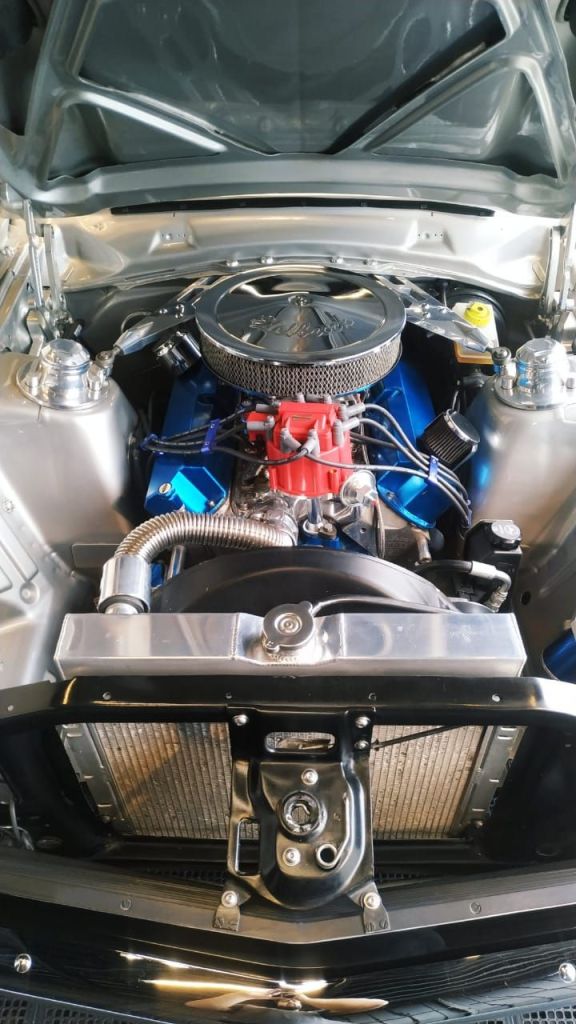
The car has an interesting story: it was a junkyard rescue and was originally a 6-cylinder. Now it has a 347 stroker with aluminum heads, Crower camshaft, and a 650 CFM Edelbrock carb on top. The engine is paired with a 5-speed Tremec, and the car features disc brakes on all four corners and a nice set of American Racing wheels.
But his passion for the Maverick has no limits. A year ago, he dismantled the whole car, and now he is going through the laborious process of installing a supercharger V8 engine and transmission removed from a Jaguar F-Pace.
At work
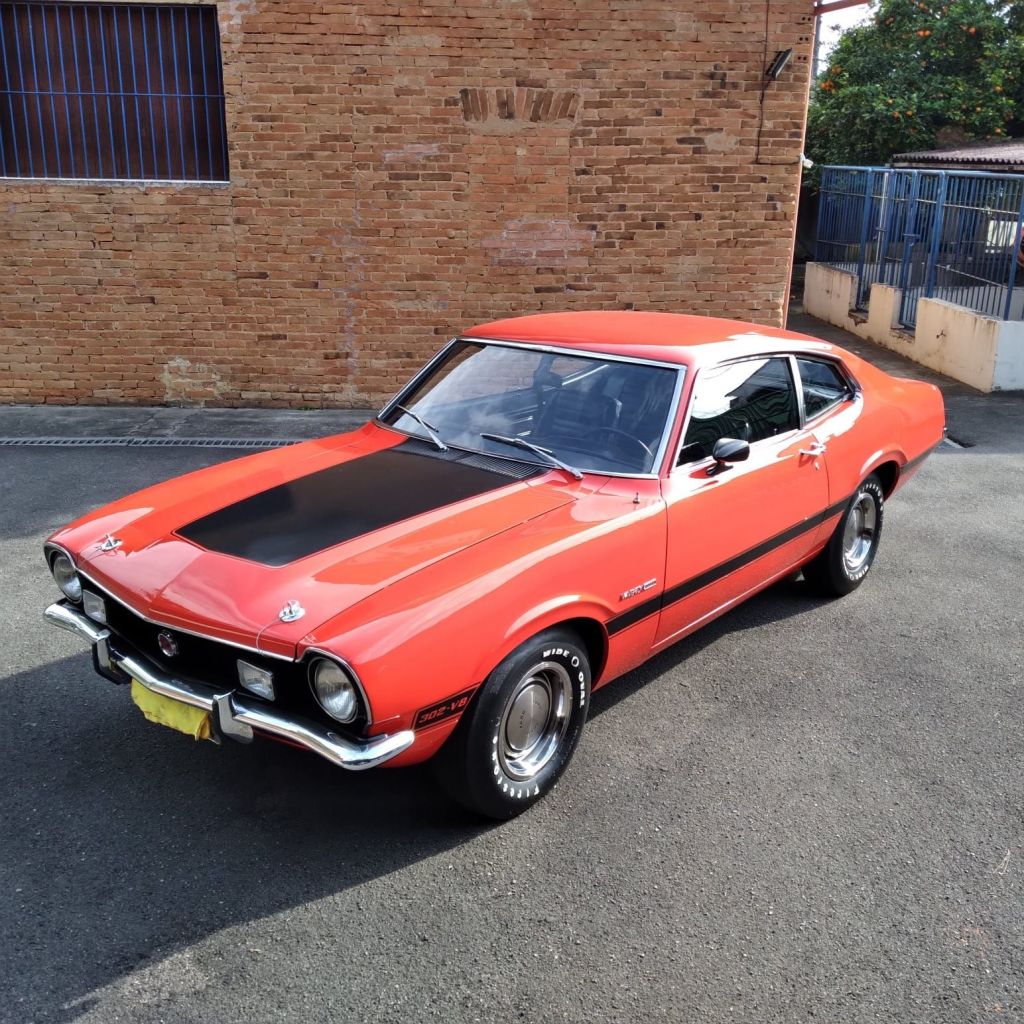
When I came to work for Powertech in 2008, this Maverick was already there. At the time, it was just a body shell, no powertrain, no interior, nothing, but the body was straight and rust-free, and the best part was that the car was an original V8 GT.
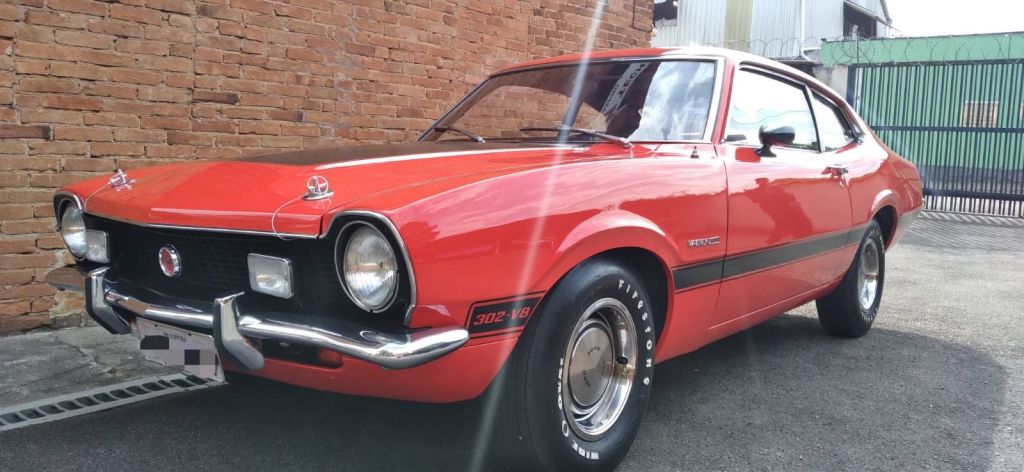
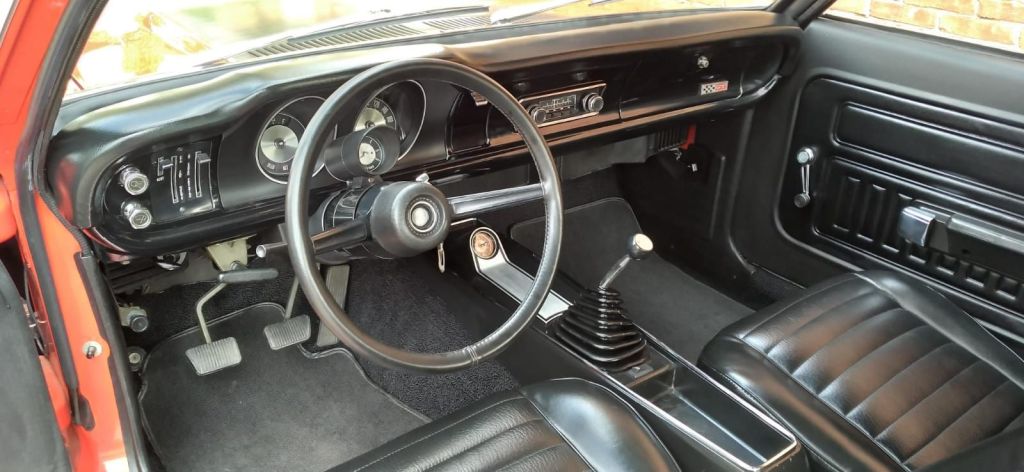
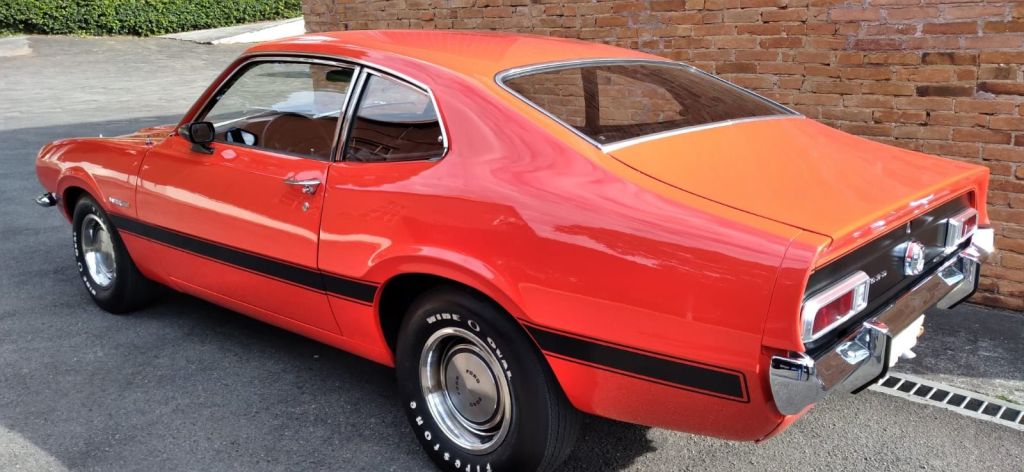
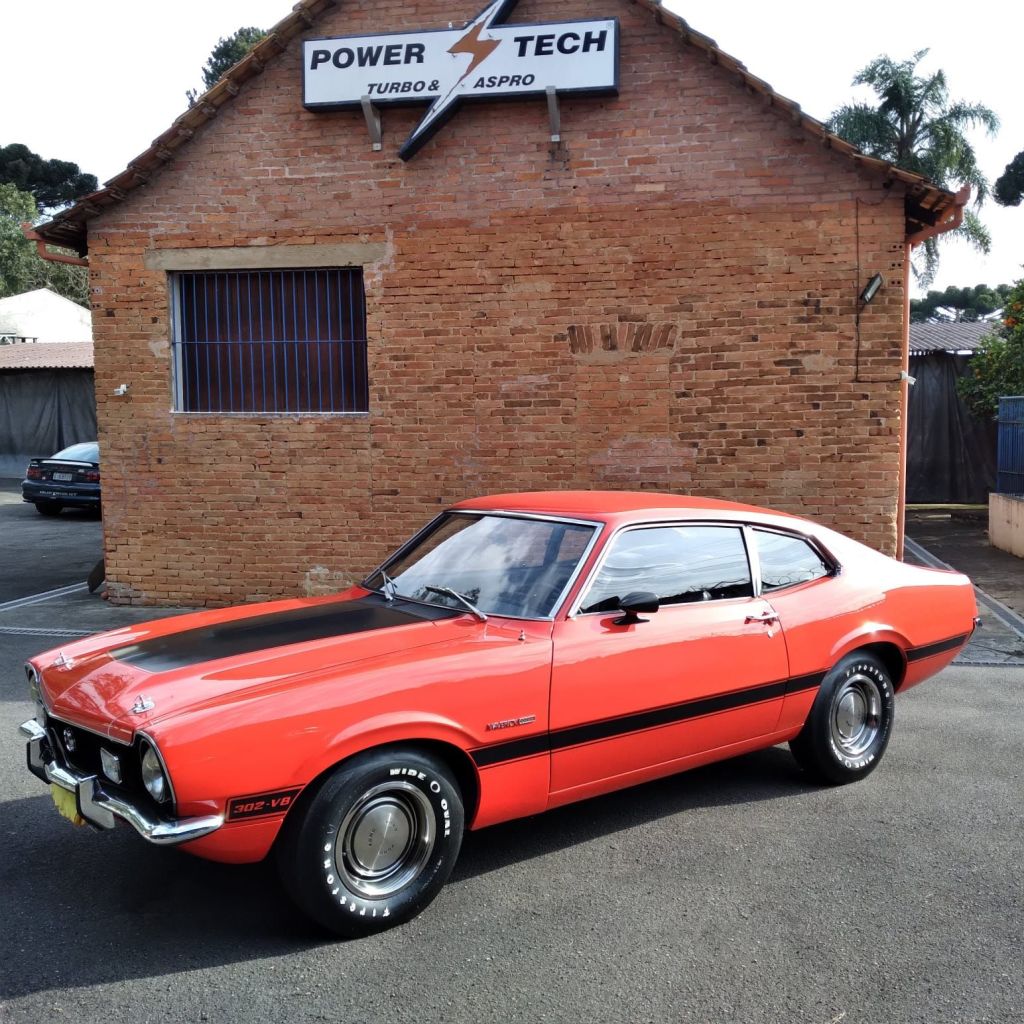
The restoration began in 2013, and it took two years to be completed. My contribution was to find a few parts for the car.
Unfortunately, I left Brazil before the job was finished, but when a friend sent me the pictures, I felt so happy knowing a small part of my work was there. It’s a very rewarding feeling.
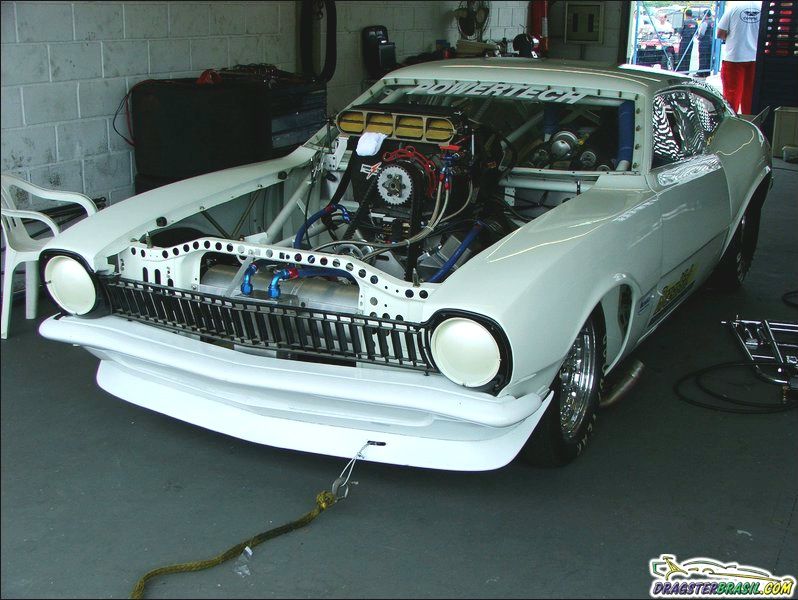
My boss at Powertech is a Ford enthusiast and a big fan of the Maverick. Back in the 1990s, he built the very first Pro Mod in the country, the Maverick “White Shark” (pictured above).
The car became legendary on tracks across Brazil and a symbol of the early years of professional drag racing in the country.
Conclusion
Around the world, the Ford Maverick fulfilled its mission as a simple, reliable machine aimed at customers with not-so-deep pockets—a worthy replacement for the Ford Falcon.
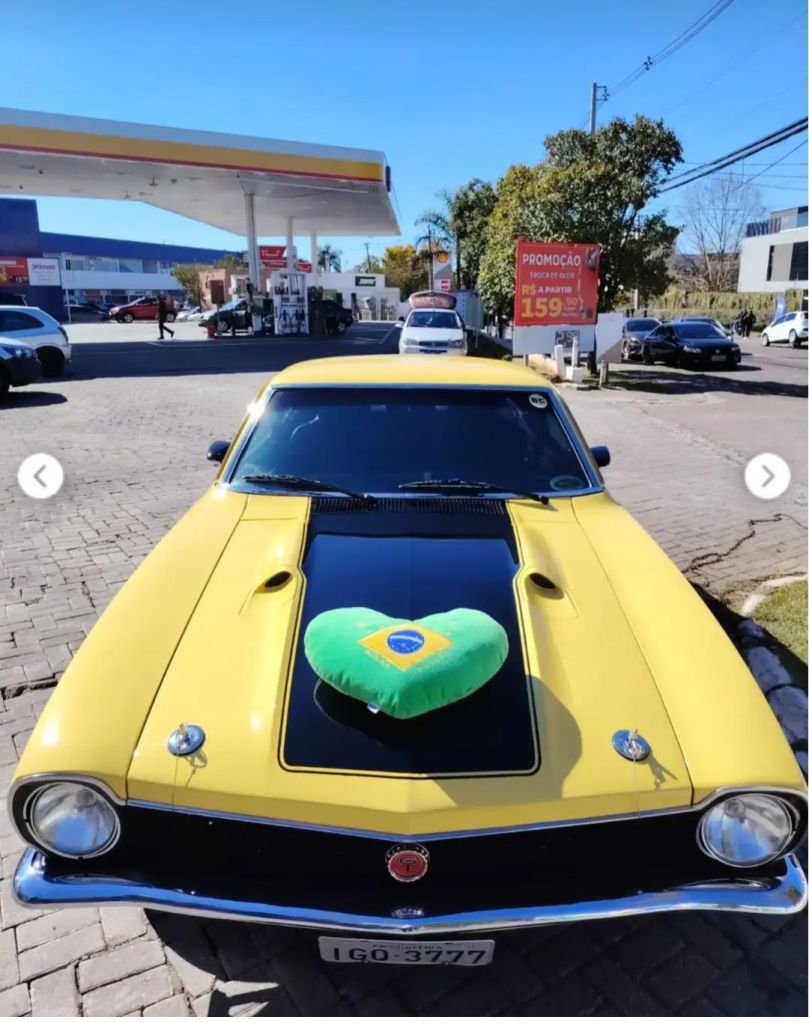
But its history in Brazil is unique. The car went from a shameful sales failure to one of the most beloved classic cars in the country.
A love that can’t be found in any other country the car was built.


Great report! Fun to read and outstanding photos. I always liked the Ford Maverick. There were a lot of them on the streets in the USA throughout the 1970s. You should check out its relationship to the Mercury Comet of the ’70s. Thinking back to the ’70s, I realize I spent most of my time in Fords – first it was 1963 Thunderbird, then a 1969 Galaxie 500. But first… in my girlfriend;s 1972 Camaro; then a sensible, economical 1971 Austin America; then a highly practical 1968 Dodge van. But we bought the Thunderbird in 1975 and the Galaxie in 1976. Didn’t get another car until 1981 (a Datsun B-210). Anyway! Great report!
LikeLiked by 4 people
Thank you so much. I am happy you have enjoyed the post. Wow, quite a collection of Fords you had. My family was also deeply involved with the “Blue Oval”; my grandfather had a repair shop specializing in Ford V8 Flatheads back in the 1950s.
Thanks for stopping by.
LikeLiked by 2 people
Very interesting! I had a 1970 blue Grabber in the states. 302 V8, 3 speed on the floor, three shock absorbers (it’s a long story) and four wheel drum brakes that would fade if you looked at them. But I loved it. Thanks for the great Brazilian story.
LikeLiked by 2 people
Thanks for stopping by, I am happy you liked the post.
I remember some of the 6 cylinder Maverick in Brazil came with drum brakes all around. They were terrible. Do you have pics of your Grabber?
LikeLiked by 1 person
Fascinating history of the Maverick! Your brother-in-law’s love of the car appears to have inspired him to create an amazing work of art. I had a friend who owned a dark blue Maverick back in the 1970s. It was a 6-cylinder automatic. That’s all I remember about it because she only had it for a short time. Someone stole it right out of her driveway. 🙂
LikeLiked by 2 people
The Maverick was quite popular in the USA during the 1970s. I feel bad knowing your friend had her car stolen. This is such a frustrating experience.
Yes, Rodrigo’s Maverick will be a “mechanical” work of art. I can hardly wait to see it done.
LikeLiked by 2 people
🚗😁
LikeLike