We are living in strange and perilous times. The usual balance of power between Eastern and Western civilizations has changed, and the line dividing the bad guys from the good guys is becoming blurry.
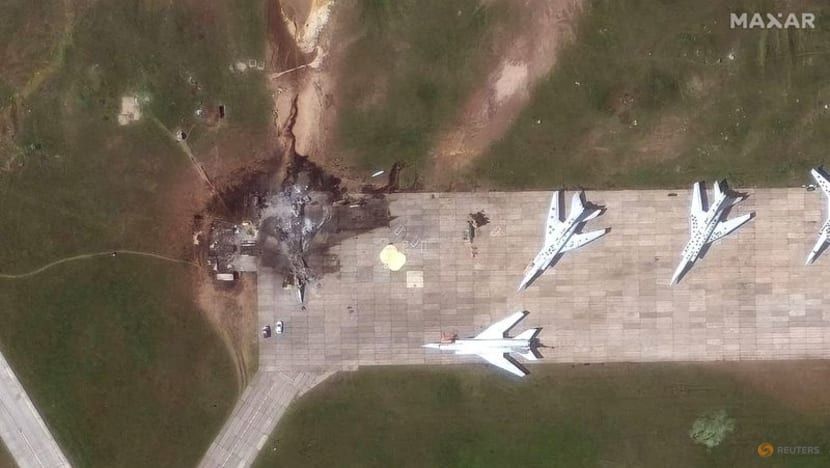
Mr. Putin launched Russia into a bloody war when he cowardly invaded Ukraine four years ago, demonstrating to the world that the bad guys are getting even worse. Meanwhile, the USA, under the Trump administration, became an unreliable partner that leverages its economic and military power to bully both allies and non-allies around the globe.
In this scenario, the middle and small powers have no choice but to arm themselves.
Canada is in a very delicate political and geographic situation. Russia is a stone’s throw away. The country has been our “enemy” since the early stages of the Cold War, and after the aggression against Ukraine, we don’t know which country Putin will try to invade next. Although Russia’s military capabilities are at their limit, we should remain vigilant at all times.
Down south, the situation continues to worsen. Donald J. Trump keeps threatening to annex Canada and turn it into the 51st U.S. state. The American government says they will break Canada’s resistance, weakening our financial system. When asked if a military invasion is an option, they refused to rule it out.
In this critical situation, the newly elected prime minister, Mark Carney, announced a significant increase in military spending. He assured the country would finally meet NATO’s spending requirement of 2% of the nation’s GDP.
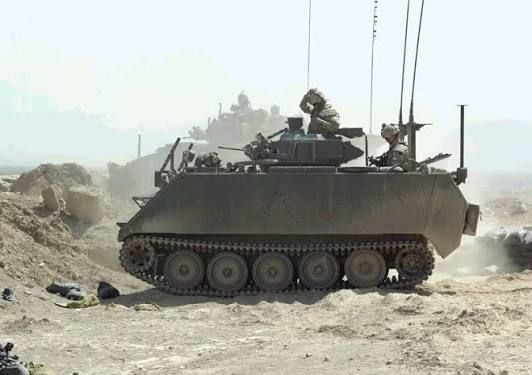
It is a bold enterprise that will modernize our decaying military arsenal. Nearly 50 major capital projects are underway to replace and upgrade Cold War-era hardware. This includes acquiring new modular assault rifles, long-range precision strike systems, advanced drone capabilities, reintroducing ground-based air defenses, new jet trainers and fighters, and a new fleet of warships.
An unimaginable gap
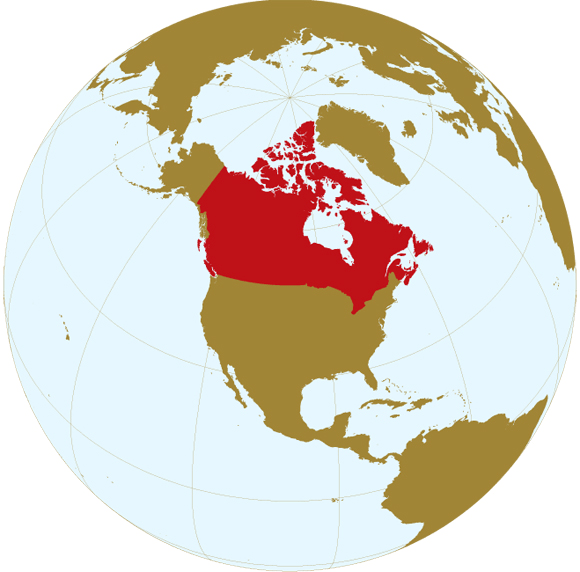
Canada has the world’s longest coastline, measuring 243,042 km. This massive shoreline encompasses both the mainland and over 52,000 offshore islands. It is bordered by three oceans: the Pacific to the west, the Arctic to the north, and the Atlantic to the east. One can only imagine the Royal Canadian Navy’s arsenal should be huge, but it is not.
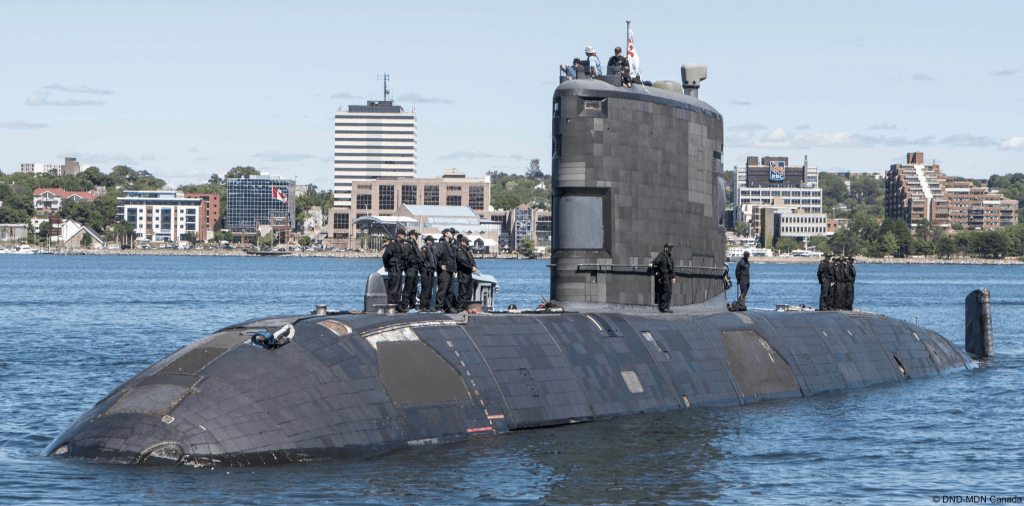
One of the most crucial ships in any military navy is the submarine. The capability of sailing underwater, performing attack or defense missions, is vital to protect the country. In 1998, the Canadian government purchased four second-hand subs from UK. The diesel-electric powered ships, originally called Upholder-class were acquired for roughly $750 million, and subsequently renamed them the Victoria-class. The vessels—named HMCS Victoria, HMCS Windsor, HMCS Corner Brook, and HMCS Chicoutimi—were delivered to the Canadian Forces Maritime Command (renamed to Royal Canadian Navy in 2011) between 2000 and 2004.
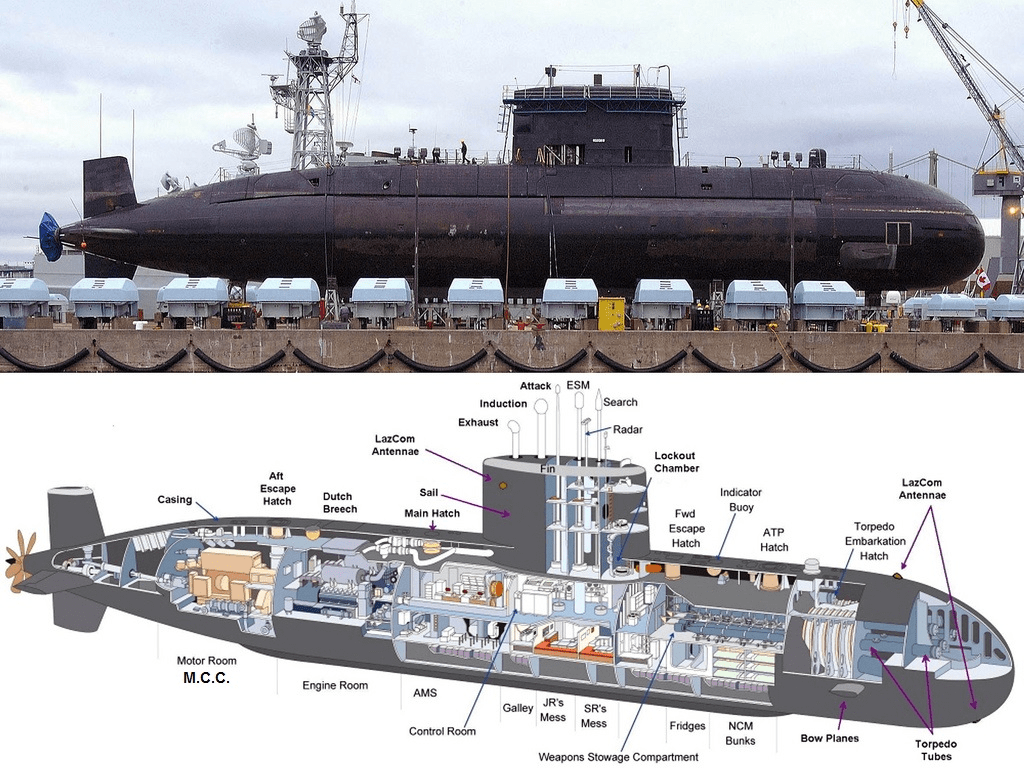
The ships had a short career in the Royal Navy, around 14 years, with the vessels being decommissioned in 1994. After an unsuccessful bid to transfer these submarines to the Pakistan Navy in 1993–1994, the Canadian government eventually purchased the submarines and a suite of trainers.
The Victoria-class subs are the perfect example of how unprepared the Canadian military has been. Even if the boats could be considered modern equipment at the time of purchase, four subs were not nearly enough for our coast’s size. The vessels underwent a modernization process in 2014, which should extend their lifespan until 2030. But the truth is, the boats are extremely worn out, and only one, the HMCS Corner Brook, is currently operational.
Canada faced sharp criticism, especially from Americans, for its lack of commitment to defense spending, and they weren’t wrong. For decades, we depended on our neighbors to the south for protection, but this can’t continue.
In July 2024, days before the annual NATO meeting, Defense Minister Bill Blair announced that Canada “is taking the first step towards the procurement of up to 12 conventionally-powered, under-ice capable submarines.”
The competition
In late August 2025, the Liberal government announced it had narrowed down its choices to two submarine builders:
The first one is the German/Norwegian ThyssenKrupp Marine Systems (TKMS), one of the world’s leading naval defense companies and a global market leader in non-nuclear submarines. Headquartered in Germany, the company designs and builds state-of-the-art submarines, surface vessels, and integrated naval electronics.
The second contender is Hanwha Ocean, a South Korean defense firm.
Hanwha Ocean Co., Ltd., formerly known as Daewoo Shipbuilding & Marine Engineering, is one of the “Big Three” shipbuilders of South Korea, along with Hyundai and Samsung.
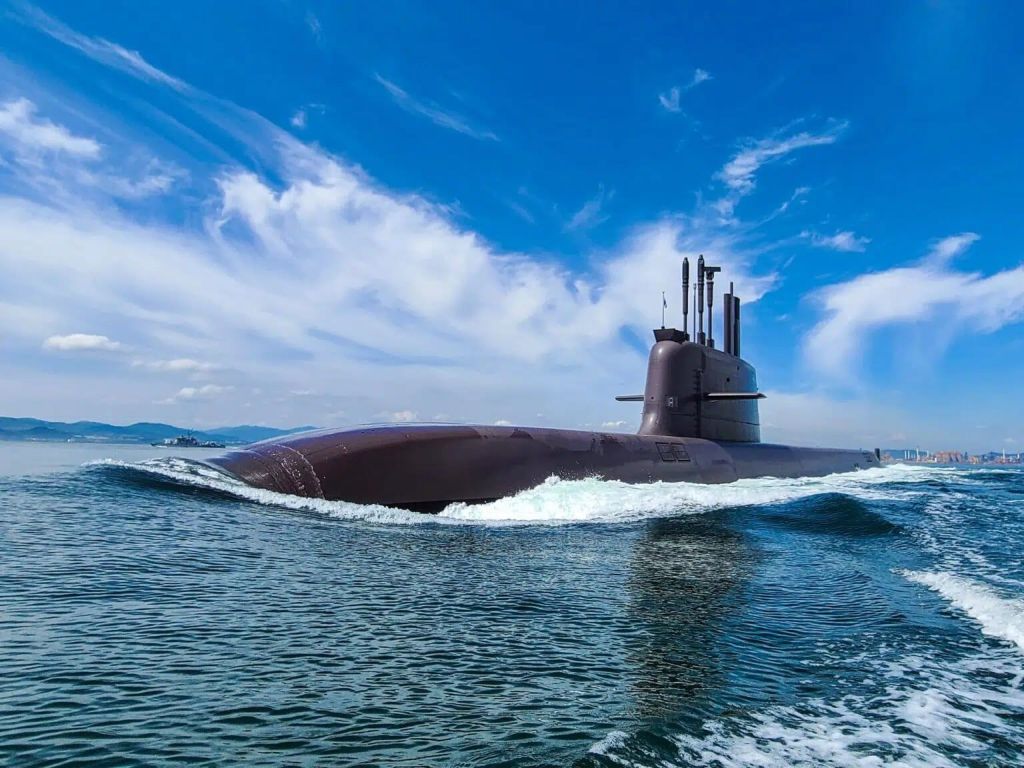
The Koreans were serious about winning this contract. On March 25, 2026, the Republic of Korea Navy submarine ROKS Dosan Ahn Chang-ho (SS-083) set sail from Jinhae Naval Base on a two-month, 14,000 km voyage to Canada. The sub is a KSS-III, built by Hanwha, with a displacement of 3,600 tons, and it can be armed with torpedoes, ballistic, and/or anti-ship missiles
The Korean sub made logistical stops in Guam and Hawaii along the way. In Hawaii, two RCN submariners embarked and joined the ROK Navy crew for the voyage onward to Victoria, highlighting the operational integration and partnership between the two navies and, obviously, taking notes on the Korean sub’s performance.
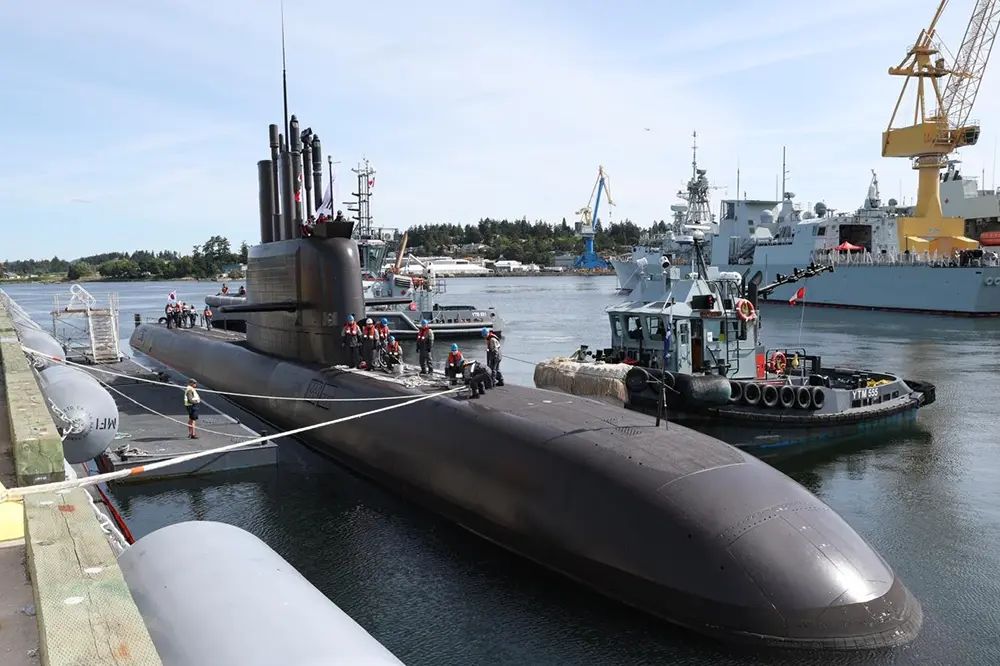
On May 23, 2026, the sub arrived at CFB Esquimalt in Victoria, B.C. (pictured above). This historic voyage marks the longest trans-Pacific transit in South Korean submarine history.
South Korean officials said the journey demonstrated that the Dosan Ahn Chang-ho had the operational range, endurance, and self-sufficiency that Canada required for its Canadian Patrol Submarine Project, and by far, the KSS-III has the fastest delivery schedule and the best economic package for Canada.
The final decision
The competition to build the 12 Canadian submarines provoked a commotion in the arms industry, and the world was following its development closely.
Both bids — from South Korea with Hanwha Ocean and Germany and Norway with TKMS — made offers that extended well beyond just a submarine procurement, each pledging to make serious investments and contributions to Canada’s economy.
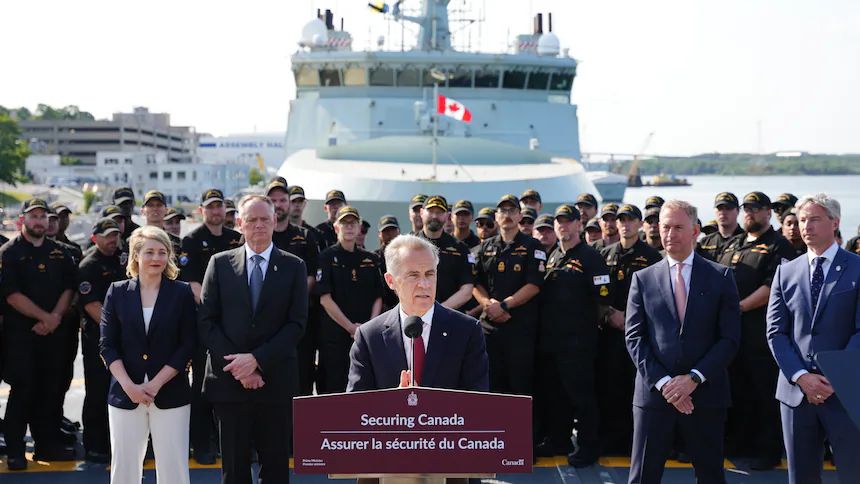
On July 06, Prime Minister Mark Carney, at the dockside in Halifax, announced the ThyssenKrupp Marine Systems is Canada’s preferred choice to build the navy’s new fleet of submarines — a multibillion-dollar defence program that is expected to be the largest in the country’s history.
He confirmed it was a close race: “This was a difficult, close decision between two highly qualified suppliers. Both the TKMS and Hanwha platforms met the capabilities of the Royal Canadian Navy, and both put forward strong proposals to maximize benefits for Canadian workers and businesses.”
Choosing a shipbuilder doesn’t mean the deal is done. Now, both sides will sit down and start the bargain phase of the process. The Canadian government didn’t give the reasons why they picked the Germans, which is normal at this stage of the negotiations.
The German/Norwegian submarine.
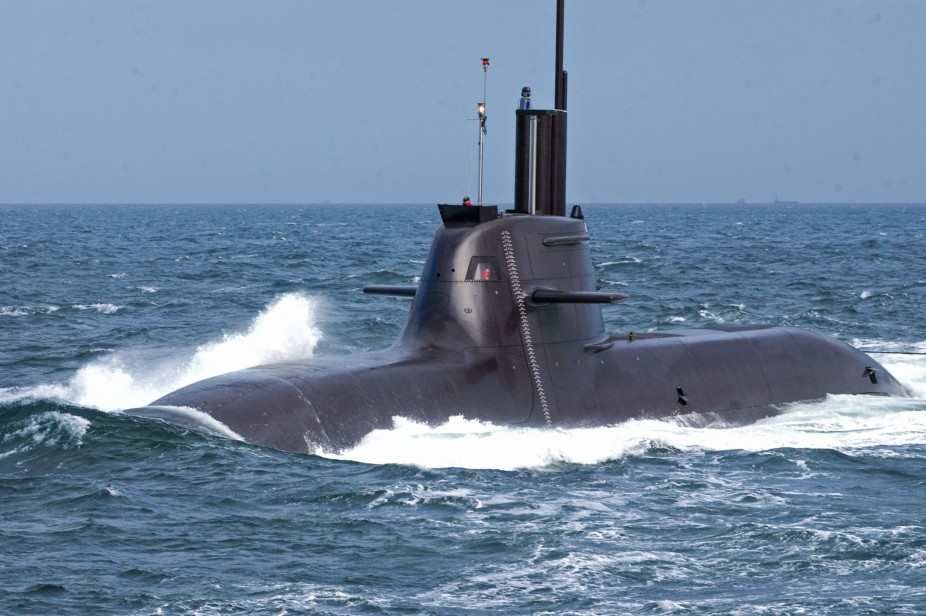
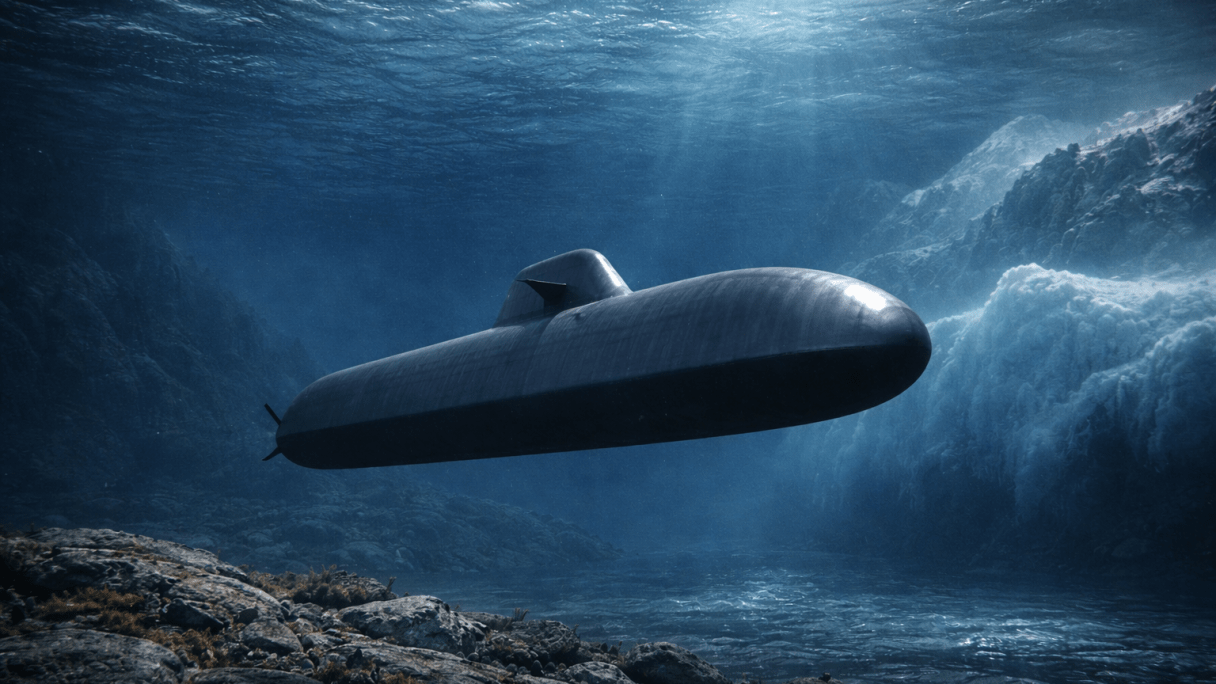
If everything goes smooth sailing, the sub Canadians will be receiving is the Type 212CD.
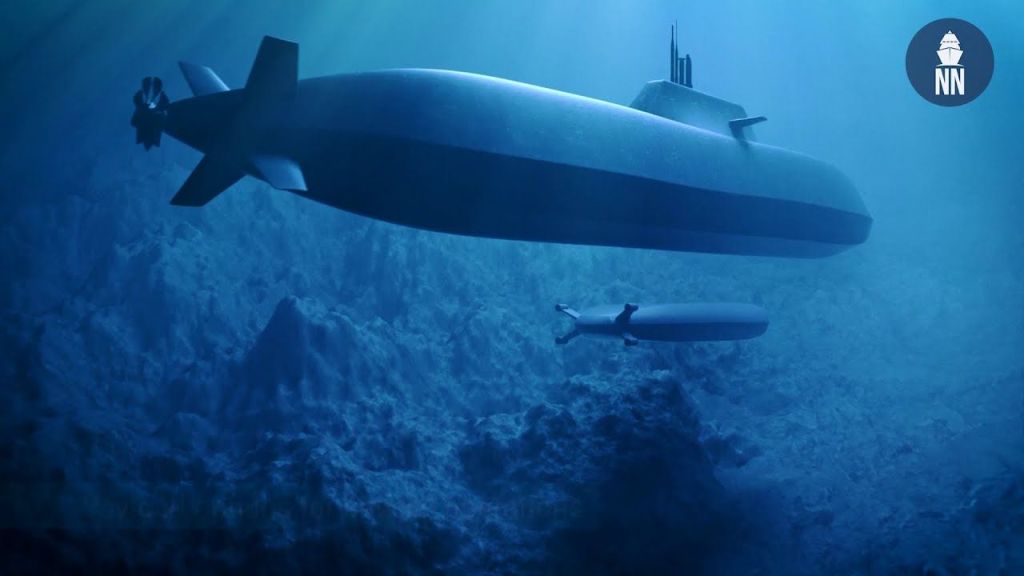
The machine is a redesigned version of the 212A, diesel-electric powered, with a displacement of 2,500 tons. It is smaller than the Korean counterpart but has a diamond shaped hull that improves its stealth capabilities. It is armed with up to 14 torpedoes, distributed in 6 tubes of 533mm in diameter.
It can receive a combination of ballistic and anti-ship missiles. An underwater drone, “Blue Whale,” is still in development, and it will be part of the sub’s arsenal in the near future.
Although the boats will be built entirely at the TKMS Shipyard in Kiel, Germany, all the high-tech components, specialized software, and training simulators will be built domestically by Canadian tech firms.
The government expects to create thousands of direct and indirect jobs through this deal. All long-term maintenance, mechanical overhauls, and localized engineering support will take place at coastal naval hubs in Halifax, Nova Scotia, and Esquimalt, BC.
In a perfect scenario, 100 percent of the value of the federal government’s investment would be matched by TKMS and the German government in economic benefits to Canada.
Conclusion.
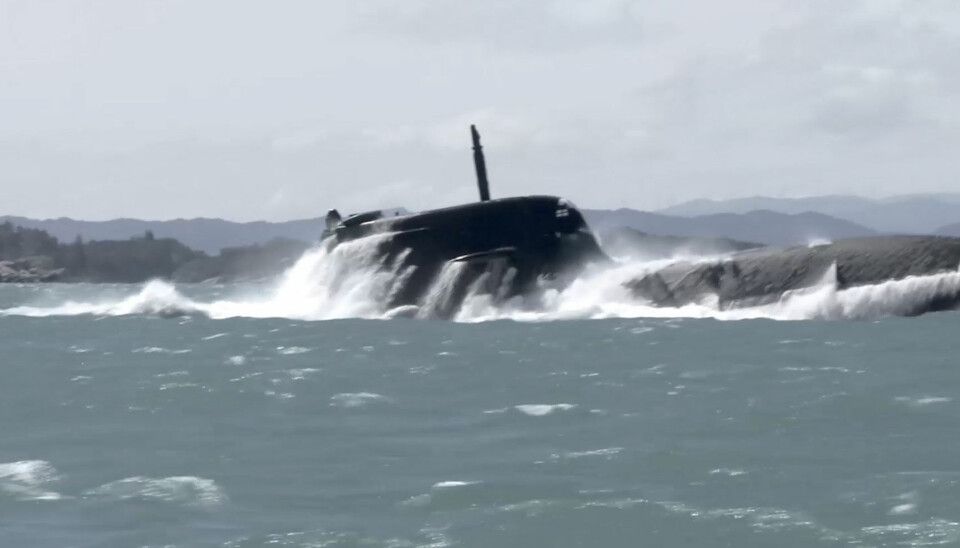
The first four vessels are targeted for delivery by 2034, and the remaining eight are scheduled to follow at roughly one per year, with the final sub arriving around 2042. But we all know that establishing delivery dates in such a massive enterprise like this can be tricky.
Some experts say Canada’s choice of TKMS was a missed opportunity to expand its business into Asia and increase its influence beyond Europe. Analysts also suggest that it is very likely that Germany will elect a far-right government in the next election, making it more difficult to align the interests of both countries in the future.
“In the event that negotiations with TKMS are unsuccessful, Canada retains the right to designate Hanwha’s KSS-III, currently the reserve supplier, as the preferred supplier and enter negotiations with them,” Carney said in his speech.
My wife and I were following the entire process of buying the new Canadian subs, and she was the one who broke the news to me, saying the German sub was the chosen one.
She asked me: “What do you think about it?
I said: “Well, the Germans know a thing or two about submarines.”
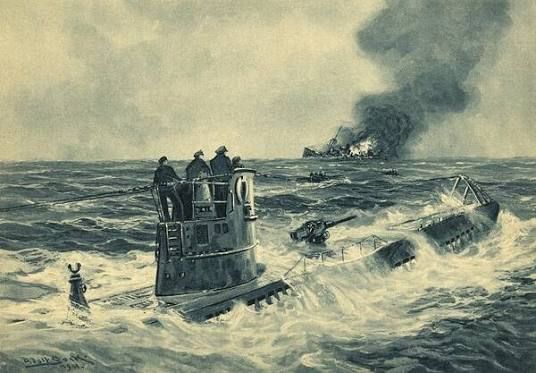
- Note of the editor: The modern Deutsche Marine, the successor to the infamous Kriegsmarine (War Navy) and communist Volksmarine (People’s Navy), is part of the German military today. The German Navy still possesses advanced submarines, but it has only a few. According to public records, Germany has just six U-boats today, all of them the 212 Class. They are still called U-boats, and they still use the Spartan naming scheme of putting a U in front of a number. In German, the designation is U-Boote (short for Unterseeboot, or undersea boat).