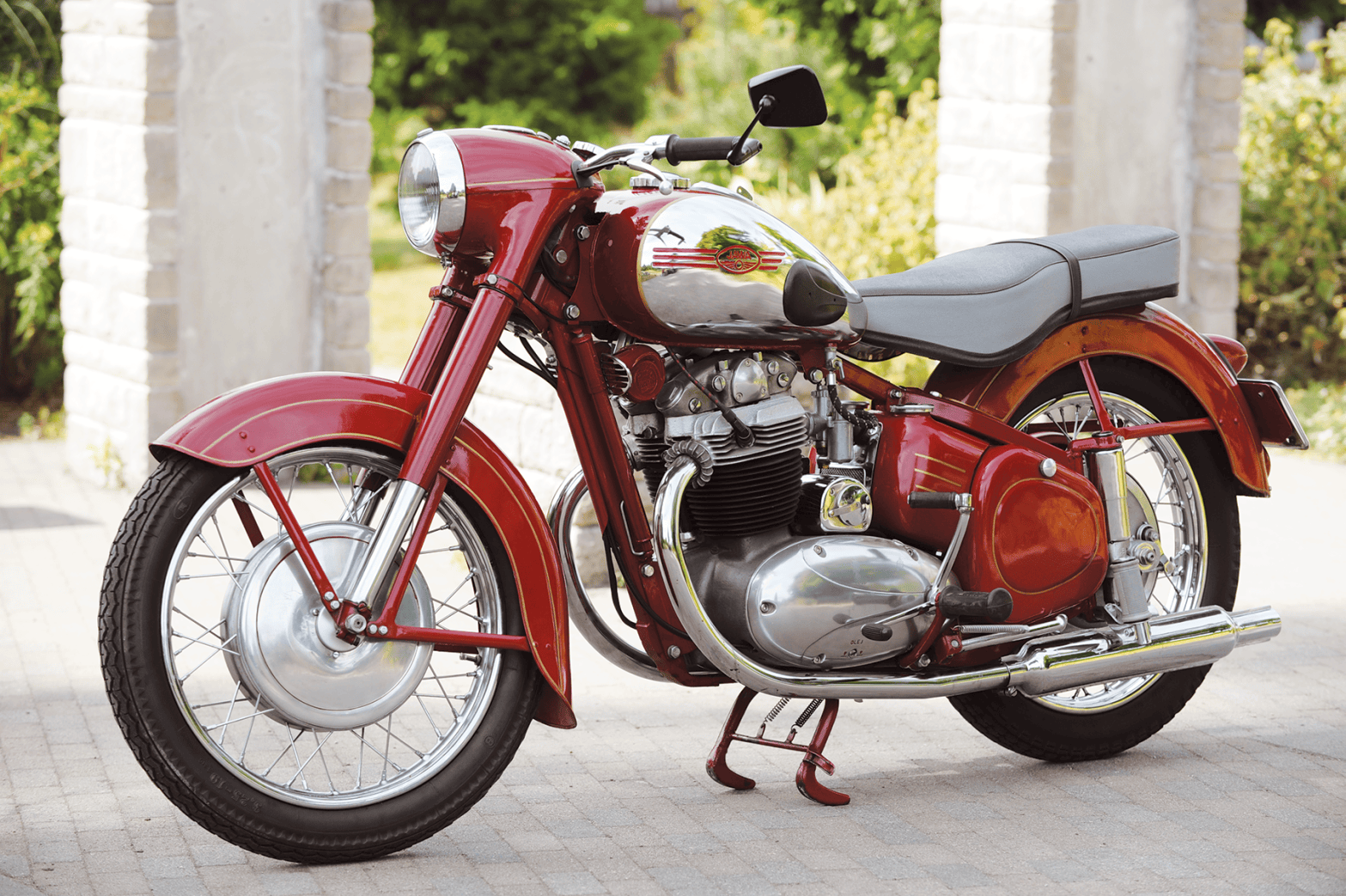
In my last post, I wrote a bit about the joy of visiting junkyards with my dad during my early teens. That post also brought back memories of a family that moved into our neighborhood during those years. A family that owned a motorcycle junkyard.
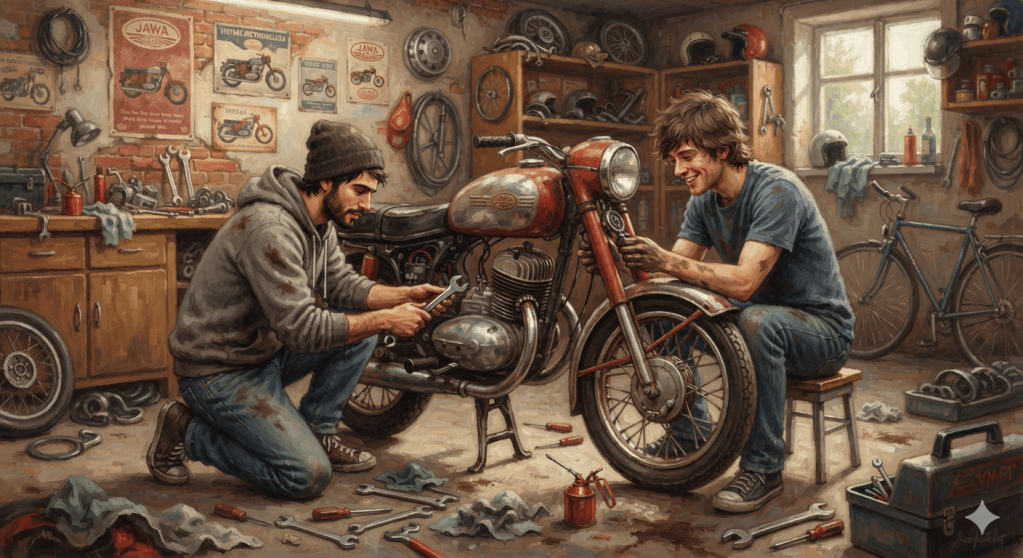
The boys often brought home old bikes they thought they could repair, mostly JAWAs. Their success was rare, but occasionally, we’d hear the sound of a 2-stroke engine roaring to life. One of the boys would then storm out of the garage, speed down the street like a maniac, and eventually return pushing the bike.
That’s how the name JAWA stuck in my mind. I never knew much about the brand until I decided to write about it.
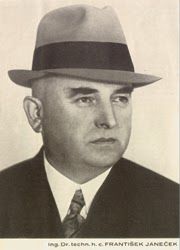
The company was formed from an uncommon mix of factors. It was established in late 1920 in Prague, Czechoslovakia, by Mr. František Janeček, a talented engineer and businessman. He had built his fortune in the armaments industry, producing hand grenades for the Czech army during WWI. When the war ended in 1918, the need for weapons dropped sharply, and Janeček needed another product to keep his factory doors open.
After the German defeat in WWI, the country’s industry was pretty much up for grabs. Mr. Janeček took full advantage of this when he approached the German motorcycle manufacturer Wanderer and acquired not only the license to build their bikes but also all the machinery needed to produce them, which he then transported to Prague.
The company’s name is not about geography or coffee. “Jawa” is a derivative of the name Janeček, and the first two letters of the Wanderer.
Although Mr. Janeček had no experience building bikes, he was familiar with production techniques. JAWA seems to be just one more motorcycle manufacturer deeply connected to armaments; other brands that come to mind are the British BSA and Royal Enfield.
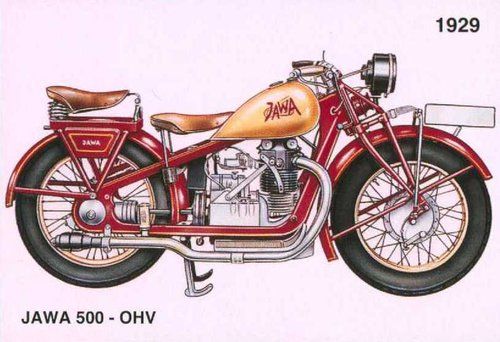
The first JAWA motorcycle was the 500 OHV, introduced in October 1929. It was essentially a rebadged Wanderer 500, but it was still a superb bike. The engine was cutting-edge for its time: air-cooled, single-cylinder with 498.7 cc. Here’s the catch: it’s a 4-stroke with overhead valves, an unusual technology in the late 1920s.
The 500 OHV is equipped with a 3-speed transmission, and a shaft delivers torque to the rear wheels.
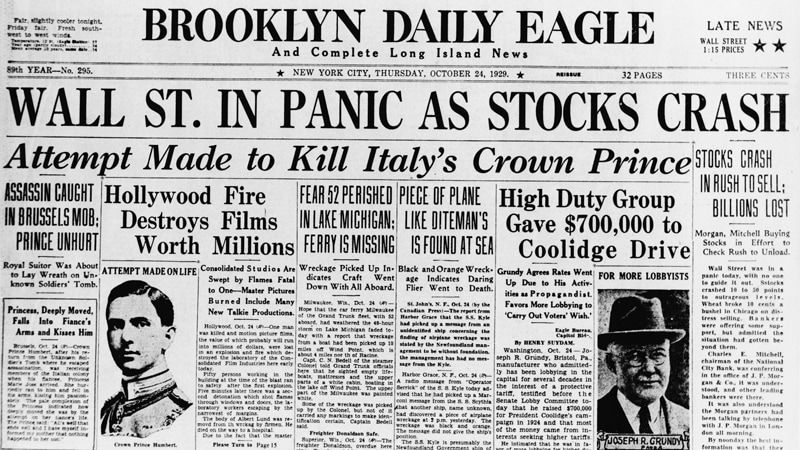
Unfortunately, its release timing was extremely unfortunate. Europe was still recovering from the economic hardships of WWI when the American stock market crashed in 1929, sending the whole world into a deep recession. In this dire scenario, the last thing the European customers needed was an expensive motorcycle like the JAWA 500 OHV.
JAWA’s first bike was a sales flop; it only sold 1016 units during its 3-year production run. With no other option, Mr. Janeček shut down the 500 OHV assembly line in 1931.
The failure wasn’t enough to bring the company down; Mr. Janeček still had plenty of money in the bank, and the weapon production was still bringing home the bacon. That same year, he hired George Patchett, an engineer and race biker from Great Britain who had previously worked for Brought Superior and McEvoy.
Together, they figured out the obvious: JAWA needed a simple, affordable machine as soon as possible. George Patchett didn’t waste any time and quickly designed a lightweight frame that was efficient and easy to produce. With no time to create a new engine from scratch, JAWA outsourced it from Villiers. This company was already supplying reliable 2-stroke engines to pretty much all the British motorcycle makers at the time.
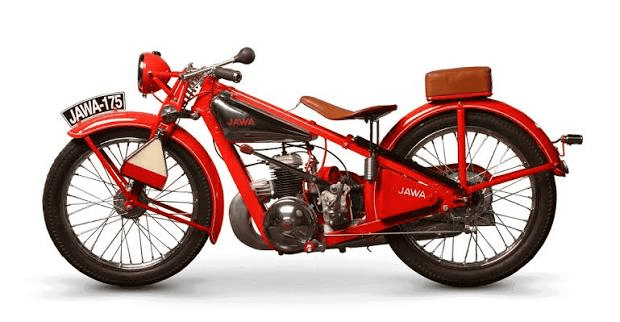
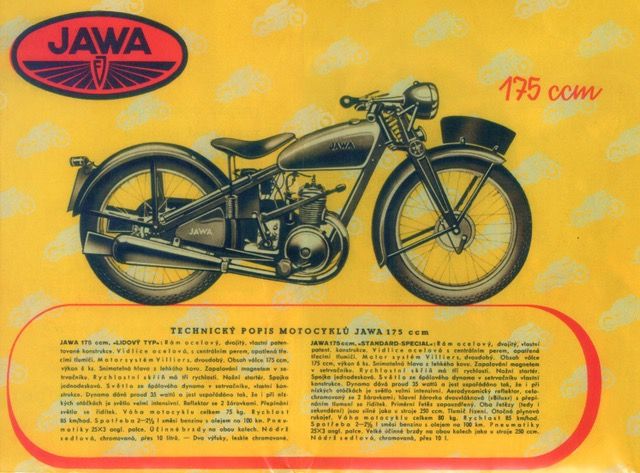
In 1932, the company introduced the “175,” a simple, affordable, and efficient little machine. Pattchett had created a lightweight engineering marvel; the entire bike weighs only 70 kg. The 175cc, 2-stroke Villiers engine is mounted to a three-speed Albion gearbox (also British), and even with a modest power output of 5 HP, the combination provides the machine with lively performance, reaching a top speed of up to 80 km/h and consuming 3.5 L/100 km.
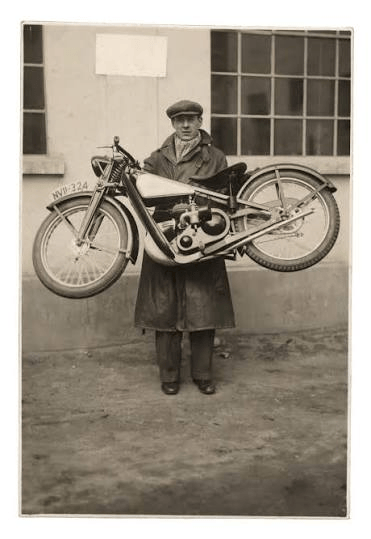
The 175 was an instant success. In the first year of production, JAWA sold more than 3000 units, almost three times the number of the 500-cc model over three years of production.
The success of the 175 motivated JAWA to begin manufacturing some parts that were previously imported. The 1933 model already featured an engine, transmission, and brakes built in-house.
That same year, motorcycle income exceeded arms sales, showing the path the company would follow.
JAWA never stopped innovating, it was the first motorcycle company to offer test rides during exhibition shows. This test motorcycle was a custom 175 equipped with dual handlebars, a second pair in the back for the instructor.
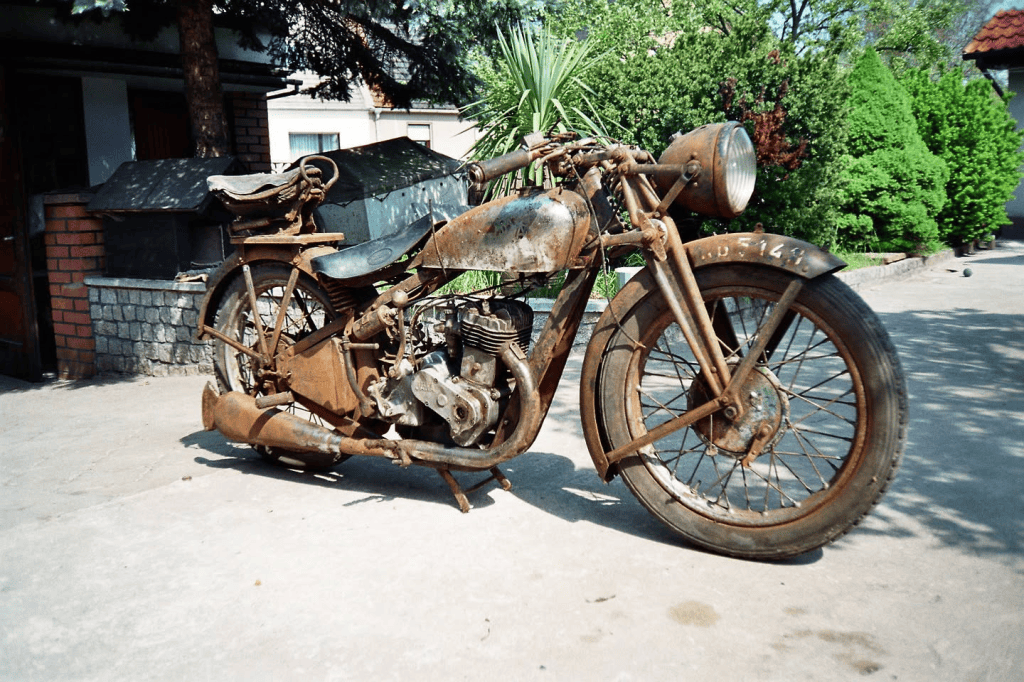
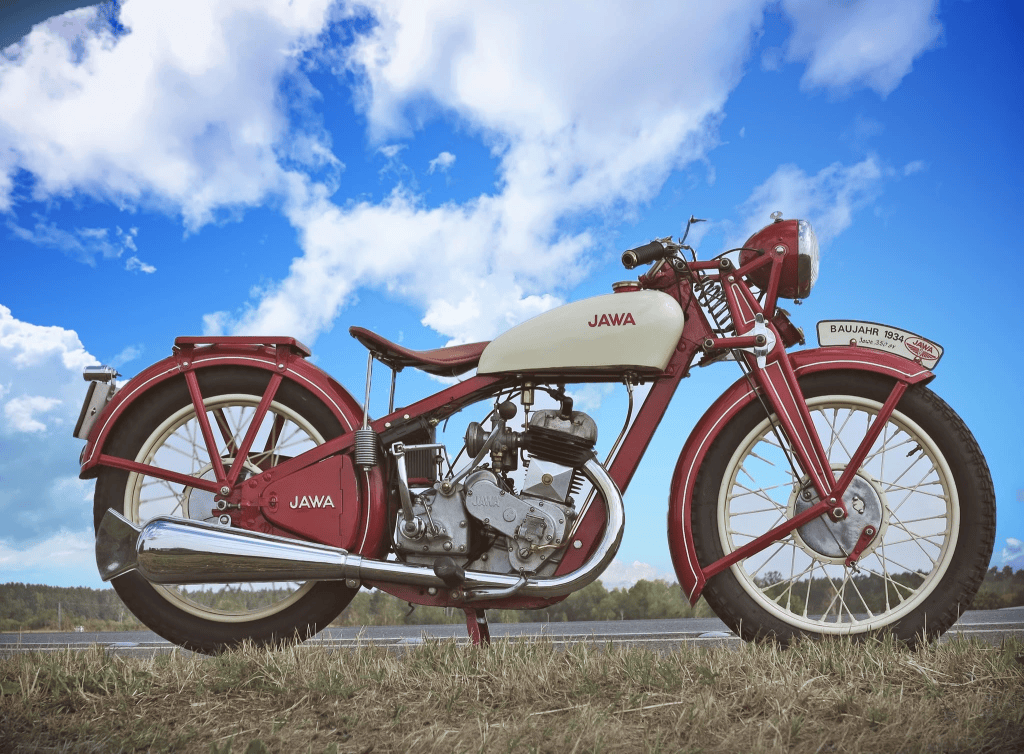
The income generated by the 175 allowed the company to introduce several other models into production. In 1934, the 175 was joined by two larger models, the JAWA 250 and the 350, both equipped with 2-stroke parallel-twin engines.
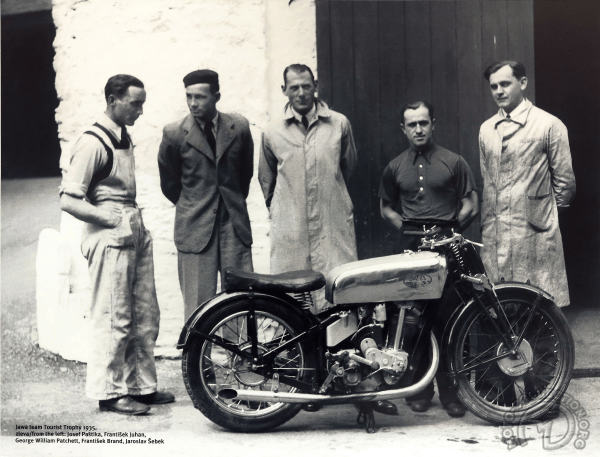
The steady flow of money also allowed JAWA to delve deeper into competition. George Patchett led the team of engineers (pictured above) who developed a series of 250cc and 350cc monocylinder, four-stroke engines, equipped with overhead valves, which was cutting-edge technology at the time. These engines produced between 15 and 20 HP, a respectable amount, and powered the bikes the JAWA works team used to compete in the Isle of Man in the 1930s.
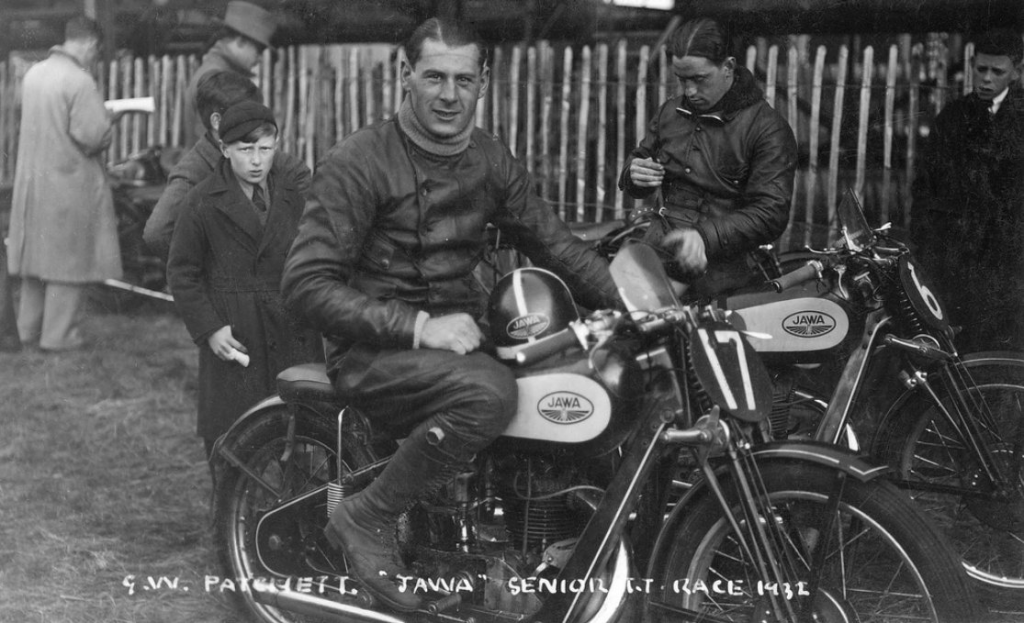
Patchett (pictured above) was not only a competent engineer but also a talented race rider. He was part of the factory team that competed in the famed Isle of Man TT races in 1932, ’33, and ’35. Their best performances were eighth and twelfth place in the 1933 Senior class.
The OHV race engines eventually made their way into production, powering the top-of-the-line JAWA road bikes. Still, they were complicated to manufacture, and bike prices became prohibitive.
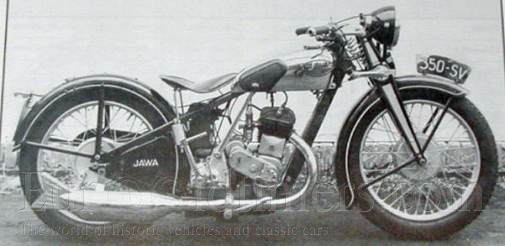
More affordable versions were available for “four-stroke lovers”: the 250/350 SV (side valve), a technology similar to the “Flathead” engines in the auto industry.
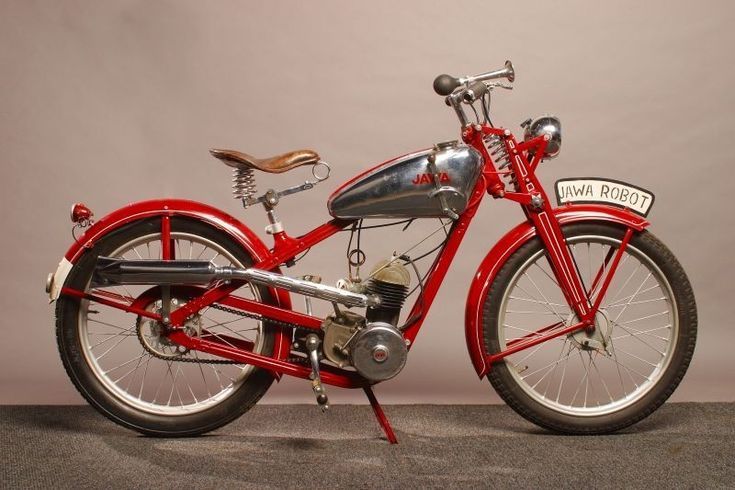
In 1937, the company moved deeper into the affordable bike segment with the release of the 100cc “Robot” model. The new JAWA featured a two-stroke, 2.7 hp engine that was mounted in a pressed-steel frame. It also fitted a set of pedals for starting and assistance on steep hills. This bike was priced so cheaply that it became a direct competitor in Czechoslovakia’s bicycle market.
By the end of the decade, JAWA Moto was already a solid company in the Czechoslovakian industry universe, producing and selling thousands of motorcycles every month. Although the company was founded on foreign technology, by then, JAWA bikes already featured in-house-developed engines and transmissions.
JAWA changed Czech customers’ perception, as they were so used to imported bikes. Now, they had an affordable and reliable national product they could be proud of.
Under the Nazi occupation.
The company was ready to expand into neighboring countries when the dark cloud of WWII loomed on the horizon.
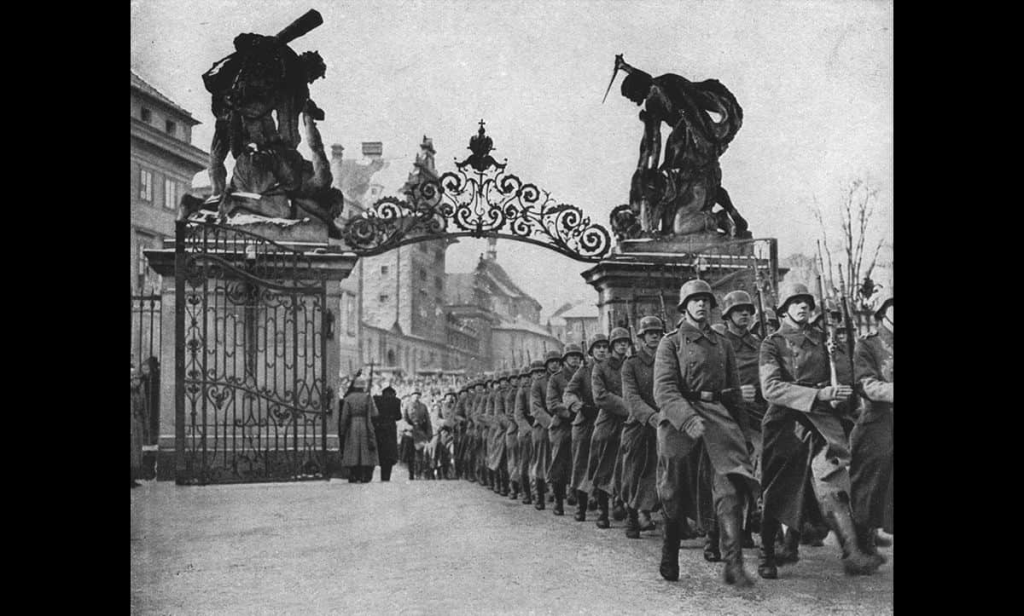
In October 1938, Nazi Germany launched the invasion of Czechoslovakia and began the systematic dismantling of the country.
France and the UK decided to look the other way, missing the opportunity to crush the Nazis right there. They hoped Hitler would be happy with Czechoslovakia and not go on to invade other European countries. Little did they know it was the first chapter of the deadliest conflict in human history.
The JAWA company was forced to shut down its motorcycle production, and the assembly line was adapted to produce armaments and spare parts for the Wehrmacht.
The company’s engineers and workers never believed the Nazis would stay forever. They believed the Allies would eventually come, defeat the Germans, and return the country to its citizens. In secret, they kept designing new bikes and building prototypes, working under the cover of the late-night hours.
It was still under Nazi occupation that JAWA lost its founder. On June 4th, 1941, Mr. František Janeček succumbed to long-term illness. Janeček’s son, Karel, took over the business and continued working on his father’s designs.
The after war years.
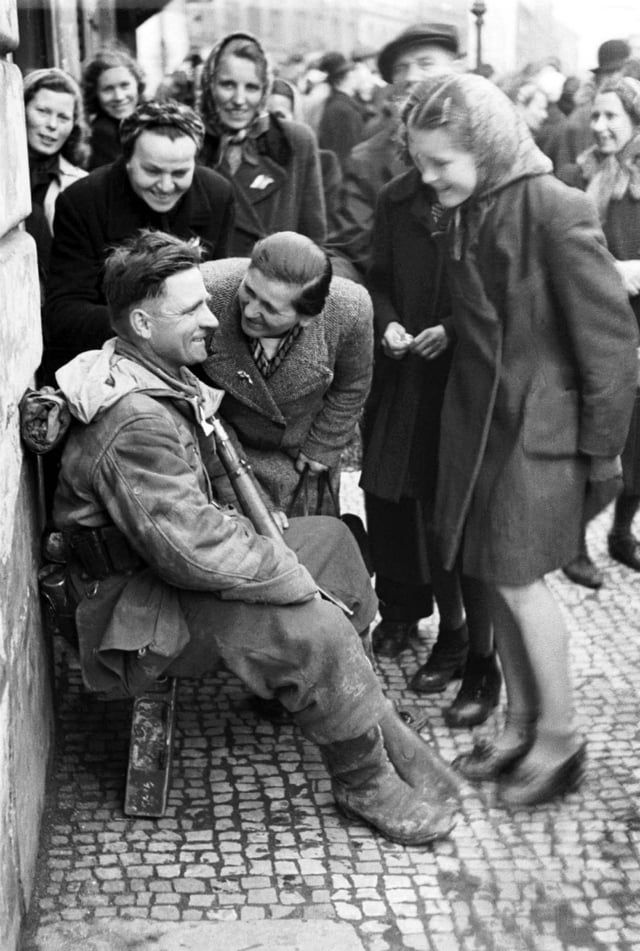
The liberation of Czechoslovakia was long and painful. It took over 8 months to sweep the country clear of the Germans. It was only on May 09, 1945, that the Soviet Red Army troops entered Prague, marking the effective end of major military control and occupation by Nazi Germany.
Slowly, JAWA Moto returned to normalcy, and soon Karel Janeček was able to put into production the bike they were working on during the occupation.
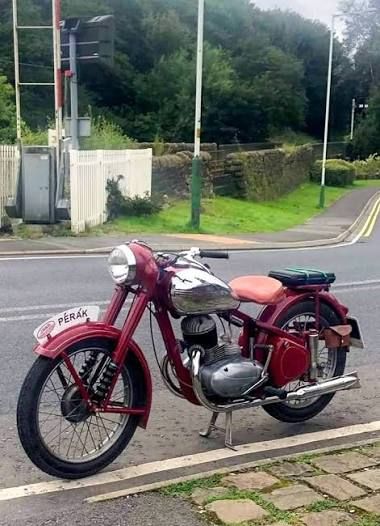
In 1946, the company released the revolutionary JAWA 250 Perak (spring). The bike marked a watershed for the company, adopting several new technologies. The Perak featured plunger rear suspension, telescopic front forks, a square-section steel tube frame, and a now-legendary multi-disc wet clutch integrated into the gearbox, allowing clutchless gear shifts. Even Honda copied this clutch technology.
Designed by J. Josíf and J. Krivka, the Perak was built around a new 249cc two-stroke single-cylinder engine and a revolutionary engine/gearbox assembly, sharing a single-case construction.
The Perak was officially unveiled in the spring of 1946 at the Paris show. The auto media were immediately in love with it, saying the bike was at least 5 years ahead of the competition.
Perak got a bigger sister the next year: the 350cc Ogar. These new bikes were modern, stylish, and dependable; JAWA was now sure that they would open the door to new markets in Europe and the Americas.
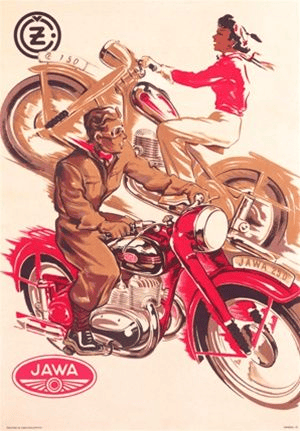
But once again, the company’s future remained uncertain. The Soviet Union quickly pulled Czechoslovakia into its grasp, transforming it from a liberated democratic republic into a tightly controlled Soviet satellite state. The liberators became the new invaders.
In 1948, the new communist government nationalized JAWA Moto. Karel Janeček left the company and fled the country. Fortunately, the company continued pursuing new designs and technology, at least for a while.
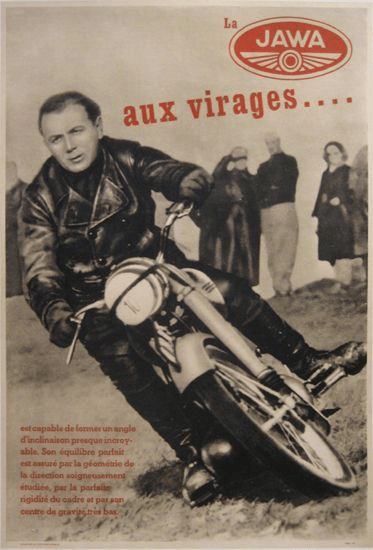
In the 1950s, in the thick of the Cold War, JAWA was exporting bikes to 120 countries. The reputation they had built over the years was enough to persuade customers around the world to buy bikes made behind the Iron Curtain.
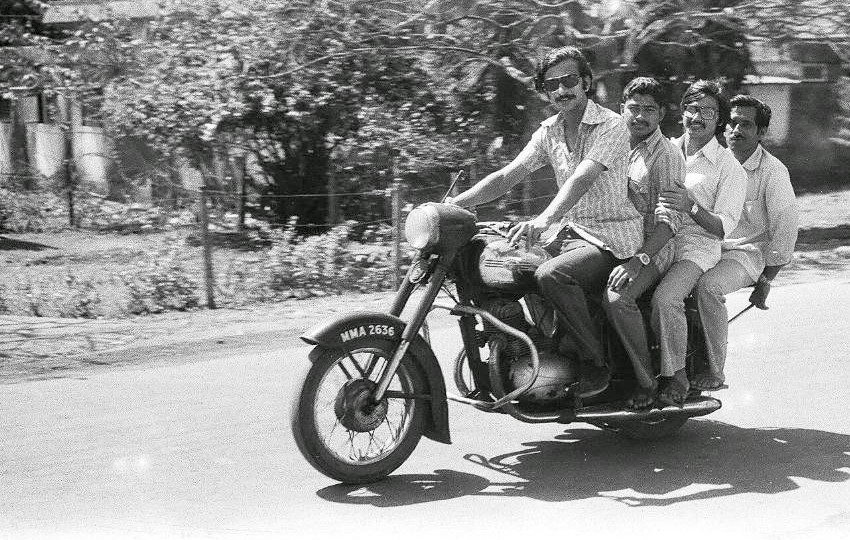
The strongest markets in the 1950s were India, South America, Russia, and the Soviet empire’s satellite states.
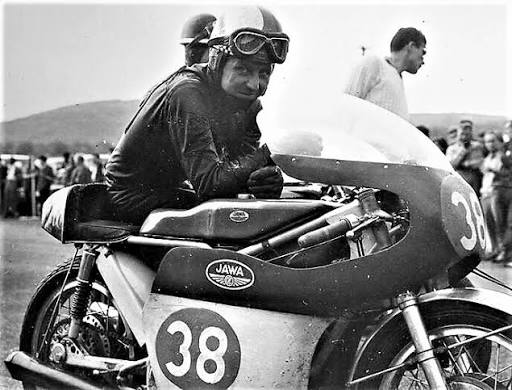
Amazingly, the Communist administration never obstructed JAWA from participating in races, which could be seen as a bourgeois activity. The picture above shows Franta Stastny on his works JAWA 350cc DOHC Twin, circa late 1950s. Stastny won several Czech championships and also raced all over Europe. His best achievement was fourth place in the 1957 World Moto GP.
The first factory outside Czechoslovakia
The increasing demand in India led to the creation of Ideal Jawa Ltd. in 1960. The company began producing JAWA motorcycles under license in Mysore, in the southern state of Karnataka. In 1971, the company changed its name to Yezdi.
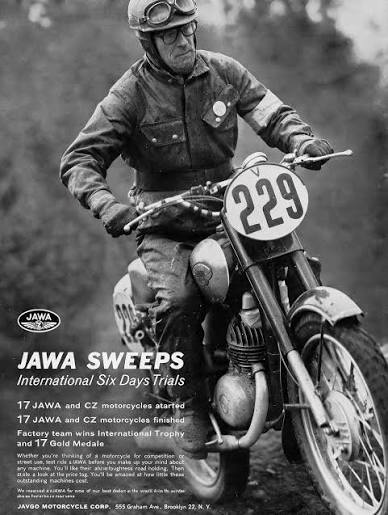
The 60s and 70s JAWA continued to shine in competition. The company won six world motocross titles and secured eight first-place finishes in the Six-Day Trials.
Still, the biggest market on the planet remained unconquered: the USA. In 1967, JAWA released the “Californian,” a series of 250cc and 350cc bikes aimed at earning the respect of American customers with a bike named after their coolest state.
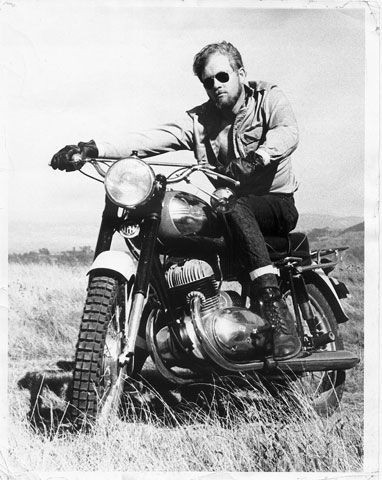
The cool-looking guy above is Brooks Towenes and is his 1967 Jawa 350 Californian. He shared some interesting memories of his bike in this post; check it out.
Modern years
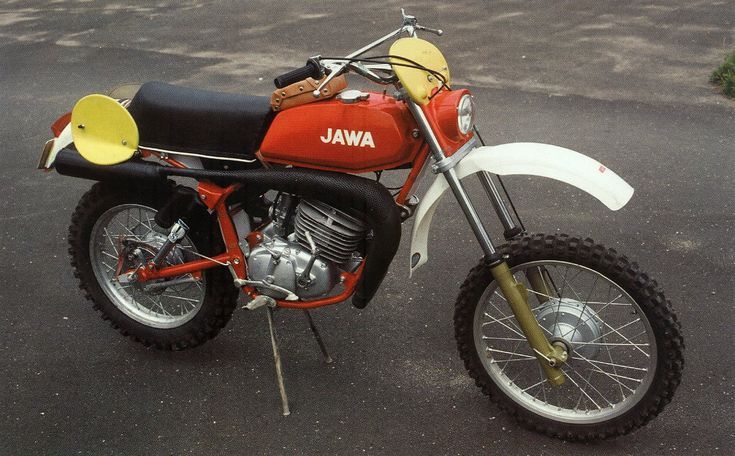
The 1970s would mark the beginning of hard times for JAWA. The company suffered from Soviet lethargy, as the communist administration lacked the will to invest in new technologies and designs. Most bikes in the JAWA lineup still ran on 2-stroke engines developed 20 years earlier, and new anti-pollution laws in North America, Europe, and Asia were about to phase them out.
Like any other European motorcycle company, the company wasn’t ready for the Japanese bikes that flooded markets worldwide in the 1960s and 70s with stylish, reliable, affordable machines.
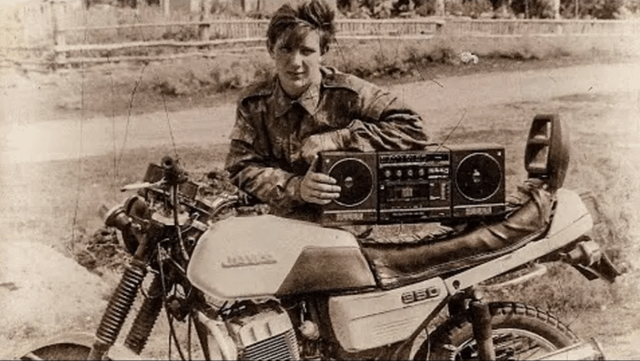
Still, markets in the Soviet countries and India kept JAWA alive, but only for a short time.
The communist regime was eager to export JAWA products worldwide but kept its own markets protected from foreign companies. After the fall of the Iron Curtain in the late 1980s, JAWA lost its main export market in the Soviet Union, which was then open to foreign bikes, mainly from Japan. This caused a significant drop in production during the early 1990s.
In India, JAWA faced a similar fate. Although the country was always an open-market economy, the influx of Japanese bikes choked Yezdi sales, and in 1996, the company closed its doors.
The rebirth in Europe.
JAWA never completely disappeared. The company went through a major reorganization and was officially re-established as JAWA Moto in 1997 to save the historic Czech brand and continue manufacturing motorcycles
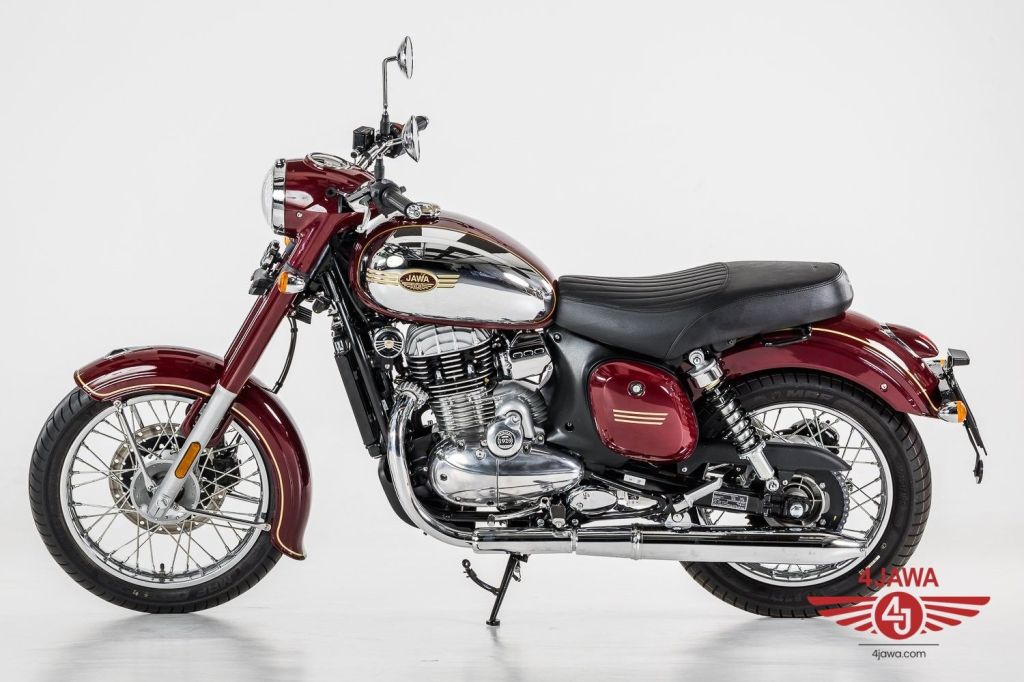
JAWA is now shamelessly capitalizing on the reputation it built over decades and enjoying the retro fever that has taken over motorcycle markets worldwide. The company focuses on retro-styled, classic motorcycles like the JAWA 350 OHC (pictured above). It is easy to see that the bike proudly carries the JAWA DNA.
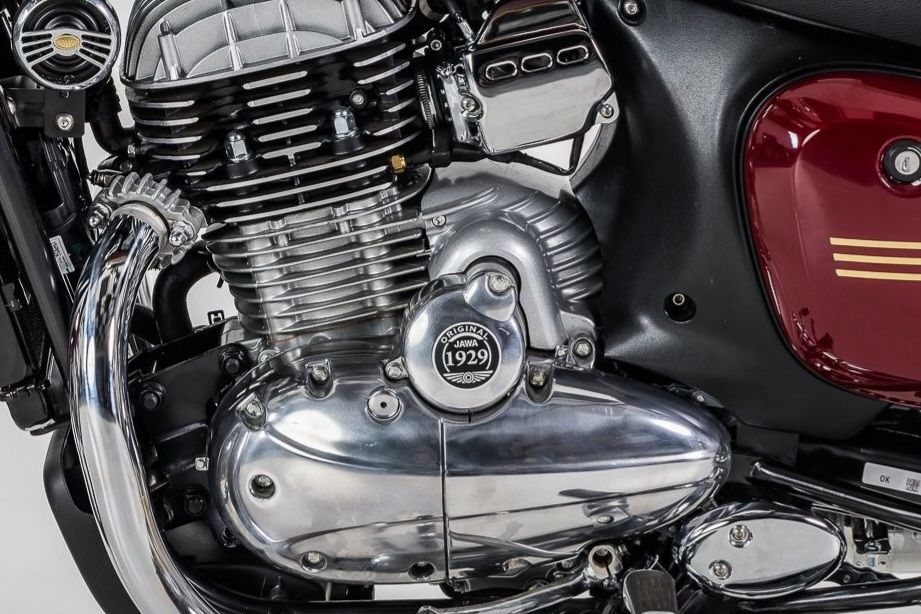
Long gone are the days of 2-stroke engines. This bike runs on a single-cylinder, 4-stroke, air-cooled engine that produces 27 HP at 6500 rpm.
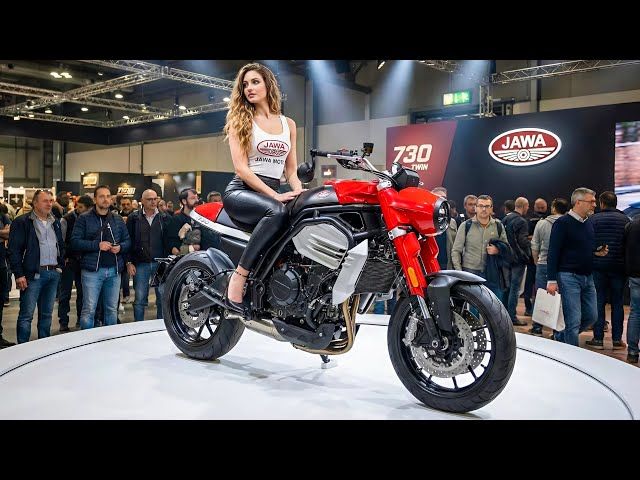
JAWA recently unveiled the 730 Twin. A modern bike all around that still carries some vintage styling cues.
The machine is powered by a 730 cm³ liquid-cooled parallel twin, developed in partnership with Swiss firm Suter and Chinese manufacturer Jedi. The unit produces a respectable 75 horsepower at 8,200 RPM, enough to push the bike to a max speed of 210 km/h.
The rebirth in India.
Sure, the Czechs are immensely proud of the JAWA heritage, but the Indians are not far behind.
The industrial powerhouse Mahindra saw a niche market opportunity in the country’s unconditional love for the brand and decided to revive it by resuming JAWA bike production in India.
In 2018, through Mahindra’s subsidiary Classic Legends, JAWA Motorcycles, officially returned to business, 22 years after the last product was rolled out by Ideal Jawa/Yezdi.
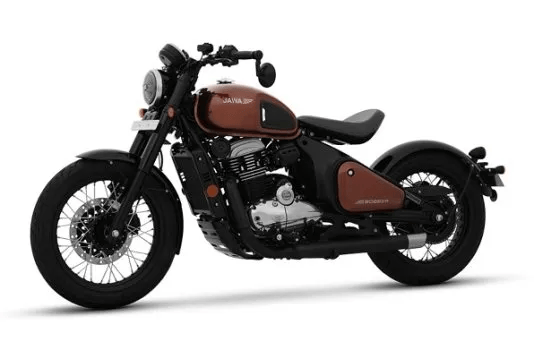
The Indian JAWA produces modern, retro-classic motorcycles—such as the “42”, “350”, and the Perak/Bobber lineup—that blend vintage 1950s aesthetics with contemporary liquid-cooled engines and modern safety features.
JAWA is in good company there, since Classic Legends also owns Bertone and BSA.
For me, having fun as a kid, watching my neighbors fix and ride JAWAs, was enough to have the brand tattooed in my mind forever. Only after researching for this post did I realize how rich the brand’s legacy is. I am very happy to see that, despite all the difficulties and hard times, JAWA Moto is alive, fulfilling the passion of loyal fans around the world.


The restoration of the 1934 Jawa 250 is a work of art. The 1929 JAWA is a handsome bike, more so than the 2026, in my opinion. Thanks, Rubens! 🙂
LikeLike