Our Brazilian correspondent, my cousin and good friend Sérgio D. Florentino, visited one of the most traditional classic car shows in southern Brazil, the “Encontro de Veiculos Antigos de São Bento do Sul,” which celebrates its 20th edition this year.
July means winter time in the Southern Hemisphere and the fact this event holds most of the cars indoors, is a plus.
Once again, Sérgio has done a fantastic job with extensive photo coverage of the show.
We hope you will enjoy the trip.
Here they are, the whole gang. Sérgio is the guy in the middle.
The show’s security officer welcomes all visitors.
A spiced up in-line 6, 250 CID Chevy engine.
Brazil is a vast country, and since our government never cared much about railroads, trucks have always played a pivotal part in the country’s development. That is why we love them so much.
A 1985 Escort XR3 convertible
The beloved MOPAR 318 small block.
A 1980 Ford Corcel
This is a 1971 Ford Itamaraty. This model, only built in Brazil, was an evolution of the American Willys “Aero”. When Ford acquired Willys in South America in the late 1960s, the company kept the car in production until 1971.
This is how motorsport was born in South America, with cars like this one, called “Carretera.” The preferred models were the two-door coupe versions of Fords and Chevys from the 1930s and 1940s, stripped of all unnecessary stuff. Amazingly, some of them survived after all these years.
This is a very welcome improvement, aluminum radiator for classic CJ.
1993 VW Gol GTI
1975 “Brazilian” Charger R/T
1968 Willys Aero.
VW Saveiro in a beautiful shade of green.
Probably a Brazilian immigrant who came from Canada with enough money to buy an SRT Chally.
Chevy “500”. A Brazilian UTE based on the Chevy/Opel Chevette
This event is getting better year after year, and so is the Sérgio’s dedication to cover it.
Now that the summer is approaching, the number of classic car events will increase dramatically, and I am already excited to see what my cousin will bring next.
The 2025 WEC season is in full swing, and the fifth race of the calendar took place in Brazil on July 13, 2025. The race track could not be any other than the iconic Interlagos, in the city of São Paulo, the place which we Brazilians call “our sacred temple of speed.”
The race will be weeks in the books as I write these lines. I am not writing to spread the news, but mainly as a historic record. No, historic record sounds too fancy; maybe I am writing this for a personal record.
The WEC (World Endurance Championship) has never been so coveted. I believe we are witnessing the peak of its popularity. But its path wasn’t always easy. From the glory days of the 1960s to the incredible lows of the 1980s, when it was hard to find a major brand willing to enroll a couple of cars in the class, the sports-prototype universe has seen its fair share of ups and downs.
The year started with 9 major brands competing in the top prototype class Hipercar, Alpine, Aston Martin, BMW, Cadillac, Ferrari, Peugeot, Porsche, and Toyota. There are rumors that Ford will be joining the party in 2027, so it will be “Ford vs. Ferrari” all over again. Yes, I am excited.
The 6 Hours of Sao Paulo coincided with the Formula E race in Berlin, and a few drivers who do double shifts, racing for both classes, decided to go to Germany instead, opening positions for drivers who were waiting for this opportunity.
Celebrating Brazil
The Bend Team WRT honoured the host country and their Brazilian driver, Augusto Farfus, with a striking yellow, green, and blue livery for its LMGT3 BMW.
Qualifying
Eduardo Barrichello
But the star of the weekend, at least in the eyes of the 84,741 fans that packed the stands, was Eduardo Barrichello, the son of national hero Rubens Barrichello.
Rubens Barrichello and his son, Eduardo.
He has been hired for the 2025 season by the Racing Spirit of Le Mans to drive the team’s #10 Aston Martin Vantage LMGT3. Eduardo started the race leading the LMGT3 pack as he scored the best time during qualifying.
In the top-tier WEC Hypercar class, Toyota Gazoo still is the team to beat. The Japanese clinched seven manufacturers’ world titles—2014, 2018, 2019, 2021, 2022, 2023, and 2024—but as the grid becomes flooded with more factory-backed teams, Toyota no longer holds the absolute dominance of the years past.
As the Toyota Gazoo seems to be losing traction, other teams are consistently improving their performance. Cadillac Hertz Team JOTA qualified their two cars in P1 and P2, repeating the same achievement in Le Mans.
Team Cadillac pit crew watch in disbelief the car #38 being penalized.
But the team’s happiness didn’t last long. The #38 Cadillac, driven by Sébastien Bourdais, received a one-position grid penalty for impeding the #93 Peugeot during qualifying. This penalty demoted the #38 Cadillac from second to third place on the starting grid, while the #5 Penske Porsche moved up to the front row. The incident occurred at Turn 12 when the #38 Cadillac was deemed to have impeded the #93 Peugeot during a fast lap.
The race.
According to the WEC standards, every 6-hour race is classified as a “short race,” allowing the Hipercar teams to designate only 2 drivers per car if they wish to do so. But their job this year wouldn’t be so easy. Interlagos recently received a new coat of asphalt. The resurfaced track led to significant tire wear, forcing the teams to replace tires more often.
Since the first lap, it was clear the race would be a battle between Porsche vs. Cadillac.
The #38 Cadillac passes by the houses in the Interlagos neighbourhood. The city of São Paulo grew too close to the race track.
The Porsche Penske #5 (Andlauer/ Christensen) jumped in P1 on the first lap and bravely kept the position for the first 2 hours of the race, when they gave up the lead position to the #38 Cadillac JOTA (Bamber / Bourdais / Button). Meanwhile, Ferrari and Toyota were struggling even to stay among the top 10.
In the GT3 class, the fight was among the #10 Aston Martin (Macintosh / Barrichello / Hasse), the #85 Iron Dames Porsche (Martin / Frey / Gatting) (pictured above), and the two Lexus Akkodis ASP.
Results Hipercar
In the end, the #12 Cadillac (Lynn / Nato / Stevens) received the checkered flag, followed by the sister #38 car, scoring a historic 1-2 victory, the first for the American brand at WEC.
#93 TotalEnergies Peugeot at the pits, Interlagos.
The two Porsche Penske cars finished in third and fourth place, followed by the #20 BMW. The #94 and #93 Peugeot secured sixth and seventh positions, respectively, highlighting the strong performance of the French Lion team.
The only Ferrari in the top 10 was the privateer #83 AF Corse, which finished the race in 8th place.
For the first time in their history in the WEC, the Toyota Gazoo team failed to score a single point.
Results LMGT3
The WEC fans witnessed another breakthrough that day. Like Cadillac, Lexus has been poised to make a significant impact all year. At Interlagos, the Japanese brand did just that, as José María López, Clemens Schmid, and Petru Umbrărescu secured the first victory in Akkodis ASP Team’s #87 Lexus LMGT3.
The #81 TF Sport Corvette scored second place.
Perhaps one of the most thrilling moments of the race was when, at the final lap, the home hero Eduardo Barrichello battled his way past the Iron Dames Porsche almost within sight of the chequered flag (picture above). Clintching a hugely popular podium finish in third place for Racing Spirit of Léman.
No doubt it was heartbreaking for the all-female team Iron Dames to miss a podium finish in the final minutes of the race, but their fourth-place result at the 6 Hours of São Paulo marked their most competitive performance of the season. This near-podium result at Interlagos might be a turning point in their campaign.
The Rolex – 6 Hours of São Paulo is the second most important race in Brazil, only behind the Brazilian Formula One Grand Prix. This year’s race will forever be remembered for the surprise results and for bringing the Barrichello name once again to the podium in an international race.
Following the traditional summer break, the 2025 FIA WEC campaign will continue with round six – the Lone Star Le Mans at Texas’ Circuit of The Americas – on 5-7 September.
Wow, this picture was taken on February 2015, in Brazil. Time really flies, even when you’re not having fun.
The car is a 1990s Mazda MX3; I can’t tell the exact year. Even if it is not a common sight in Brazil, it is not the kind of car I would take time to photograph. One reason made me pull out my cell and register it.
The owner removed all the original nameplates and logos and replaced them with Ferrari ones. It is funny that the trunk lock cylinder prevents the horse from going full prancing.
I didn’t take a picture of the front of this Mazda, but I do remember seeing the yellow prancing horse Ferrari logo on the hood.
I noticed the Mazda parked at a Shell gas station on my way to and from work every day. I assumed it belonged to the station’s manager. As a regular customer there, I regret never taking the time to find out who owned the car to strike up a conversation about this interesting “Ferrari.”
The car.
During the 1980s and 1990s, Japanese automakers offered some interesting sports compact options for enthusiasts with not-so-deep pockets. It was a time of Honda CRX, Toyota Passeo, Nissan Pulsar, and so on. Mazda was committed to standing out from the competition, and in 1991, the company released the MX3. Besides the bold design, the MX3 offered a 1.8-litre V6 engine. The smallest V6 to ever power a production car.
Despite being a pretty good option then, the MX3 was overshadowed by the Miata, and in 1998, it quietly went into retirement.
The gas station
Writing about this interesting Japanese Ferrari brought me some sweet memories—memories of something as ordinary as fuelling up my car. After so many years away from home, I can help but smile when I remember something like this.
Look at this truck. Such a clean machine.
These are a few pictures of the gas station where I found that MX3. Since it was close to my home and on my way to work, I was a regular customer there.
Shell has been changing the image of its stations worldwide for the last decades, but in Brazil, they brought it one notch above the average “gas and convenience” we are used to. There, you can find state-of-the-art pumps, a competent deli inside with delicious sandwiches and snacks baked in-store, clean washrooms, and even a decent selection of wine and beer.
They also fully take advantage of Shell and Ferrari’s partnership. Customers can have a loyalty card, collect points, and redeem them for Ferrari merchandise, such as hats, T-shirts, and die-cast miniatures. Perhaps this link inspired the owner of the MX3.
Another thing I miss about Brazilian gas stations is the digital tire pressure machines; they are easy to operate and free of charge.
“Lives who boldly live.”
This phrase was written on the wall of the men’s washroom at that Shell gas station, and I hope it’s still there. I had to take a picture of it because it’s such an unusual place to display a powerful statement like this.
Sometimes, I wonder if I have truly followed it. When I reflect on the many different places my wife and I have called home, it becomes clear that we have, in some way, been living boldly.
Even if you are not interested in military history, chances are that you have heard something about a soldier or a civilian who, miraculously, escaped from the chains of a communist regime and started a much better life in the Western hemisphere. History records numerous accounts like this, especially during the Cold War. Although every single defector had many reasons which led to such a perilous decision to escape, one reason is undoubtedly at the top of any list: life in a communist country during those days was terrible, and one could easily be lured by the prospect of an abundant life in Western Europe or in the USA. Every story has its fair share of disillusionment and courage, but some stand out for the bold actions of the defectors.
The Latvian ballet dancer Mikhail Baryshnikov became one of the most celebrated Soviet defectors in History. In 1974, while on a world tour with the Bolshoi Ballet, he requested political asylum in Canada, which was promptly granted.
Free countries on the other side of the Iron Curtain were more than happy to receive deserters and help them start a new life. In exchange, the governments used them as propaganda, showcasing the world how our system was significantly better than theirs.
Although all “traitors,” soldiers, civilians, and diplomats were received with open arms, military personnel were the favorite of the bunch. They could provide valuable information about operations, technologies, equipment, and other relevant details about the enemy. But every now and then, a defector would bring something much more interesting than just information.
The defector
Viktor Ivanovich Belenko could have been a poster child for the perfect Soviet youth. He was born in Nalchik, the capital of Kabardino-Balkaria, USSR, on February 15, 1947. Born into proletarian poverty, he had worked himself up through the Air Force and party ranks. At the age of 29, Lieutenant Belenko was already a respected pilot in the Air Defence Forces, a branch separate from the Soviet Air Force and arguably more prestigious. He was stationed at Chuguyevka Air Base in the Soviet Far East, close to Vladivostok.
Chuguyevka Air Base. – Satellite picture by NASA.
A fighter pilot in any Western country would likely have enjoyed a decent and fulfilling life; however, that was not the case behind the Iron Curtain. At that time, conditions at the airbase were grim, characterized by inadequate facilities and low morale. Belenko tried to address these issues with his superiors, but he was essentially ignored and ridiculed. To make matters worse, his wife had grown weary of life as a military spouse and filed for divorce. Disillusioned with his circumstances, Belenko decided it was time to leave.
The machine
Fueled more by fear than common sense, allied countries usually grossly overestimated the Soviet Union’s capabilities. From the number of soldiers ready to invade Europe to access to aerospace technologies, everything behind the curtain looked scarier than reality.
When the Soviets put the new Mikoyan-Gurevich MiG-25 supersonic interceptor into service in 1969, Western analysts went crazy. The plane quickly established world records in speed and altitude and was immediately considered the most dangerous threat to NATO aircraft. The Secretary of the Air Force, Robert Seamans, had said the MiG-25 was “probably the best interceptor in production in the world today.”
The MiG-25 was code-named “Foxbat” by NATO. It is equipped with two Soyuz TumanskyR-15BD turbojet engines, capable of producing 8,790 kg of dry thrust and 11,190 kg of thrust in afterburner. The only armament was four R-40 air-to-air missiles. The Foxbat was capable of reaching a maximum speed of Mach 3.2, and a ceiling of 27 km (89,000 ft). Although the maximum speed was exceptional, the plane was unable to sustain it during combat. A limit of Mach 2.83 had to be imposed as the engines tended to overspeed and overheat at higher airspeeds, possibly damaging them beyond repair.
The scape
Lieutenant Belenko was learning to fly the new Mikoyan-Gurevich MiG-25 at the time. He knew the jet fighter was a mystery to NATO, and he could use one of them as a bargaining chip in exchange for asylum. The opportunity to put his plan into action came on Sept. 6, 1976. The weather was clear, and his squadron was ready to take off on a training sortie.
The Foxbat was a voracious fuel consumer, and Belenko wouldn’t be able to fly to an American or Canadian air base. Still, he could try reaching a much closer allied country, Japan.
But it would not be an easy escape. The squadron that day would fire rockets; so, too, would a group of MiG-23s from other bases. They could easily shoot him down if his intention were evident. Another factor to consider was that clouds were starting to move in around Japan. During the pre-flight medical examination, Belenko was visibly nervous, and his blood pressure was slightly elevated. He lied to the doctor, claiming he was doing physical exercises, and the doctor believed him.
He took off on a perfect, cloudless day and joined his squadron in formation. He followed the mission instructions perfectly; however, at the far edge of the route, he didn’t circle back as per the flight plan. Instead, he continued onward, allowing the plane to gradually descend to 19,000 feet. Suddenly, the Lieutenant threw the Foxbat into a steep dive, plummeting down to just 100 feet, and kept the jet at low altitude, staying beneath radar detection.
The other pilots in his squadron chased after him, but Belenko had a good lead. He flew low and fast, at one point pulling up to avoid being hit by waves, as he invaded the Japanese airspace.
A perfect shot of Belenko approaching the runaway at Hakodate airport.
He hoped to reach Chitose Air Base, but his plane was dangerously low in fuel. At 1:10PM, Japanese radar detected Belenko’s plane, and at around 1:20PM, two F-4EJ fighters from Chitose Air Base took off to intercept the intruder.
As Belenko would admit, years later, that day was his lucky day. It was very cloudy in Hakodate, making it difficult for the F4 pilots (picture above) to spot the MiG.
Miraculously, he found the Hakodate airport, and as he started to approach, a civilian Boeing 727 was taking off, straight towards the Foxbat. Here is an excerpt from the book “MiG Pilot” by John Baron:
“He jerked the MiG into the tightest turn of which it was capable, allowed the 727 to clear, dived at a dangerously sharp angle, and touched the runway at 220 knots. As he deployed the drag chute and repeatedly slammed down the brake pedal, the MiG bucked, bridled, and vibrated, as if it were going to come apart. Tires burning, it screeched and skidded down the runway, slowing but not stopping. It ran off the north end of the field, knocked down a pole, plowed over a second and finally stopped a few feet from a large antenna 800 feet off the runway. The front tire had blown, but that was all.“
This picture clearly shows how far off the tarmac the MiG ran before it stopped.
When the MiG finally stopped, over the grass, Lieutenant Belenko jumped out of the cockpit, fired his pistol into the air and shouted to the emergency crew that had just arrived: “I want to defect”. Even if the Japanese personnel didn’t understand what he was saying, they understood what was happening.
In the end, Belenko’s plan worked, with a few hiccups here and there. He outmaneuvered his fellow pilots, evaded the Japanese air defences, avoided crashing into the 727, and managed not to destroy his precious MiG during landing. Mission Accomplished.
The aftermath
Lieutenant Belenko, in disguise, is being escorted by Japanese officials to an undisclosed location.
The Soviet government created a fictitious story, saying Belenko got lost and had to land in Japan. There, the Japanese officials drugged the pilot and kept him incarcerated.
The Soviets demanded the return of the jet fighter and the rebel pilot immediately. The Japanese government wanted to comply, avoiding unnecessary attrition with such dangerous neighbours. Still, the Americans pressured them to keep both for the time being, and the request was ignored.
The Japanese government was afraid the Soviets would forcefully attempt to retrieve the MiG. In the days following the landing, 200 troops were deployed to guard the airport. Tanks and anti-aircraft artillery were placed around the perimeter, and the maritime defences were also strengthened.
The Americans were allowed to inspect the jet at the airport, and on September 25, it was partially dismantled, loaded into a USAF C5 Galaxy cargo plane, and brought to Hyakuri Air Base, north of Tokyo. A banner on the plane read: “Goodbye people of Hakodate, sorry for the trouble.”
After a thorough inspection, the Americans realized the Foxbat was “too much barking for too little biting.” It was fast but fuel-guzzling, and the engines were prone to overheating. Its radar was powerful, Belenko said it could kill rabbits in the fields if turned on during taxing, but it was outdated.
Due to a lack of funds and expertise, the Soviets didn’t utilize advanced materials like carbon fiber or titanium, and the plane was primarily constructed from steel, resulting in excessive weight and poor maneuverability.
Belenko’s Foxbat was eventually packed into 40 boxes, and on November 15, it was shipped to the Soviet Union. The Soviets complained that around 20 pieces were missing.
After the incident, the relationship between Japan and the Soviet Union went sour. The Soviets sent a $10 million bill for the missing/damaged parts, and Japan charged the Soviets $40,000 for the damage to Hakodate Airport and shipping costs. Neither bill was ever paid.
Lieutenant Belenko was sent to prison for breaking into the Japanese airspace, but his request for asylum in the USA was granted by President Gerald Ford. Later on, President Jimmy Carter signed his American citizenship.
Balenko poses in front of an unknown aircraft, wearing a USAF flight suit.
Viktor Belenko moved to the US, was debriefed extensively by the CIA and US military, learned English, and gradually adapted to life in the US. For a while, he was afraid that the KGB would send agents to kill him. For a few years, he kept himself quiet, living under the radar. The story of his life in the Soviet Union, his defection, and his early time in the US was written by John Barron in the book MiG Pilot: The Final Escape of Lieutenant Belenko, published in 1980. Belenko later became a consultant to the US military and aerospace industry, a public speaker, and a businessman. He also married an American woman and had two children.
All the data collected by the American military, including the MiG-25 pilot’s manual that Belenko brought with him, helped the development of the McDonnell Douglas F-15, which became the best fighter interceptor of the Cold War. (Pictured above).
The MiG-25 had a short career. The Soviets retired the plane in 1984. It still holds the absolute world record for altitude achieved by a production jet aircraft. In 1977, a MiG-25 reached an altitude of 37,650 meters (123,523 feet).
A Soviet committee later visited Chuguyevka Air Base and was shocked by what they found there. They immediately decided to improve conditions and built a five-story government building, a school, a kindergarten, and other facilities. Treatment of pilots in the Russian Far East region improved significantly. Were the commies concerned with the well-being of their personnel or just afraid that Belenko’s daring escape could inspire other pilots? Perhaps both, who knows?
Belenko’s military ID.
The luckiest man alive.
Part of the info I wrote here came from a write-up by the investigative journalist Susan Katz Keating, published on the Soldier of Fortune website. There, she describes an encounter with Belenko at the Reno Air Races. Here is how she finished the article:
– That day when Belenko and I met at the Reno Air Races, he was jovial, happy, and full of jokes. I asked him if he was glad he defected.
“Of course!” he grinned. “I have a good life here in our country, the United States of America.”
We sat watching the race planes whiz through the sky. The pilots pulled tight corners, rounding far pylons as they flew the course, battling to outrun one another. Even from the ground, it was thrilling.
I asked Belenko if he planned to do any gambling while he was in Reno.
“I should,” he laughed. He waved at the lead plane, urging him onward. “I am the luckiest man alive!” –
Viktor Belenko quietly passed away on September 24, 2023, following a brief illness. His sons Tom and Paul were at his side.
On Father’s Day 2025, my wife and I attended our first classic car meeting in Edmonton, our new Canadian hometown.
It was a wonderful sunny Sunday, and the place was packed.
Go Infiniti South Edmonton, the dealership where I work, was one of the show’s main sponsors, which was another good reason for me to attend the event.
As usual, the meeting starts before we arrive at the location, with some interesting cars parked around the streets. Like this 1968 Big Block Chevy Nova.
And this 1966 Mustang hard top.
The first car we saw inside the gates was this Ford Falcon. If you compare it with the picture above, it is easy to see that the first-generation Mustang was essentially a Falcon in trendy clothing.
1940 Ford Coupe.
A beautiful 1958 Jaguar.
And its interior.
A brief video to give you an overview of the meeting.
1948 Ford F-1. The very first Ford “F” truck.
Powered by the legendary Ford Flathead V8.
A cool 1973 Plymouth Road Runner
Such a sexy derrière.
A blown Chevy Nova. I’m not sure if I like the scoop.
That is a wicked Nissan Silvia S14 with a Rocket Bunny body kit.
Under the hood, a Nissan V8 engine is installed.
A modern classic, the Chevy SSR.
1970 AMC Rebel
The German sector
This Porsche 911 Targa belongs to Daniel Varty, the general manager of Infiniti South Edmonton.
This is a VW SP2, a sports car developed by the Brazilian Volkswagen. You can learn more about it here.
Say what you will, but the Chevette is a true classic nowadays.
Not enough torque on a 426 HEMI? Turbocharge it.
Have you ever heard about Diamond trucks? Neither have I. After a quick Google search, I concluded that this one might be a 1939 model.
The legendary “Stovebolt” in-line six.
It took us 2 hours to walk around and take all these pictures. We left the place tired, with a light sunburn, but happy because it was a super cool event.
In my first post of this series, I praised the pictures that we, car enthusiasts, take of classic cars we discover on the streets and in parking lots—essentially, in the wild. Yet, here I am, breaking my own rule in this second post. However, I believe this car truly deserves the exception.
Today’s catch is a Brazilian-built VW SP2, which I saw during the Father’s Day Classic Car Meeting 2025 in Edmonton, Canada. It is a rare car to spot, even in its native country, let alone in North America.
A little Introduction
From its foundation in 1959 to 2010, the Brazilian VW was the undisputed market leader in the country and all of South America. Being such a powerhouse (and the first VW factory outside Germany) granted the company relative independence from the German headquarters. Brazilian engineers developed some interesting cars that became sales champions throughout the years, like the Brasilia and Gol.
In the late 1960s, they developed an interesting sports car, the VW SP1, based on a stretched Beetle platform. Production started in July 1972, in very small numbers. The German technology magazine Hobby, in its issue of June, 1973, called the SP the “most beautiful Volkswagen in the world.”
The SP had a brief production run, ending in December 1975. Its demise was due to a common issue faced by many sports cars before and after it: a high price tag. Ultimately, the SP was viewed as little more than an expensive toy.
The model we see here is the improved SP2, an evolution of the original car. It is equipped with front disc brakes, a revised gearbox, and a 1.7-liter VW boxer engine, the largest of its kind produced in Brazil.
As a nice touch, the owner kept the Brazilian “black plate,” showing that the car was acquired in the state of Santa Catarina.
Black plates are intended for collectible/classic vehicles, and there are some requirements for getting them: The car must be at least 30 years old and receive a certificate from a classic car institution attesting that it retains a minimum of 80% of its original characteristics.
I hope you enjoyed this Catch of the Day, and I will see you next time.
The history of racism in the United States is full of unimaginable pain and suffering. The journey that minorities had to endure to achieve fundamental human rights was long and fraught with deception.
Now that 77,302,580 Americans have voted for a certified white supremacist, all those hard-fought rights are at risk. I do not intend to write a political post or vent my frustration. Still, this situation reminded me of a fascinating account in Rock ‘n’ Roll history that is deeply related to the American civil rights movement of the 1960s.
Neil Young
“That keep me searching For a heart of gold And I’m getting old Keep me searching For a heart of gold”
Neil Young’sHeart of Gold.–1972.
Neil Young, in the 1970s. He is also known as “The Father of Grunge.”
If there is a good cause to be fought in this world, chances are Neil Young is involved in it at some level.
Neil Percival Young was born in Toronto, Canada, on November 12, 1945. He started his musical career in Winnipeg, and in the early 1960s, he moved to Los Angeles, where he joined Buffalo Springfield (1966-1968).
Neil Young quickly established himself as a prominent figure in the folk-rock scene of the 1960s and 1970s. He performed with various bands, including Crazy Horse and Crosby, Stills, Nash & Young, but primarily toured North America as a solo artist.
Young in concert, USA 1969.
Neil became popular not only because of his music but also for his activism. Throughout his career, he got deeply involved in social, political, and environmental causes. As no surprise, many of his songs are filled with social themes.
Southern Man
Neil Young’s work with Crosby, Still and Nash helped to catapult his popularity in the USA. During this time he became American citizen and bought a ranch in California. In September 1970, Young released the album After the Gold Rush, which was his first commercial success.
Among the songs of the album, there is Southern Man, a tune that would soon become one of the most controversial songs in Young’s career.
The lyrics of Southern Man describe, in a poetic way, the racism towards black people in the southern United States and how the prosperity of the region was built on the suffering of the slaves. The song also mention the practice of cross burning, in a clear reference to the Ku Klux Klan.
Southern Man – Lyrics
Southern man, better keep your head Don’t forget what your good book said Southern change’s gonna come at last Now your crosses are burning fast
Southern man
I saw cotton and I saw black Tall white mansions and little shacks Southern man, when will you pay them back? I heard screamin’ and bullwhips crackin’ How long? How long?
Southern man, better keep your head Don’t forget what your good book said Southern change’s gonna come at last Now your crosses are burning fast
Southern man
Lily Belle, your hair is golden brown I’ve seen your black man comin’ round Swear by God, I’m gonna cut him down I heard screamin’ and bullwhips crackin’ How long? How long?
Southern Man was not the only time Young poked the wounds of racial discrimination in the Southern United States; in February 1972, he released the song Alabama as part of the album Harvest. In this song, he tells us about the same issues found in Southern Man. Bothsongs became anthems of the civil rights movement during the 1970s, and Young often played them in his concerts.
But not everybody was happy about it.
Southern Rock
Lynyrd Skynyrd
During the magical years of the 1960s and 1970s, rock’n roll exploded into a myriad of subgenres. Bands started to experiment with new sounds and adapt elements from different cultures into their music.
One of the most interesting new genres of that time was Southern Rock, which peaked in the mid-1970s. This genre represented a refreshing departure from the psychedelic influences of the 1960s, returning to the foundational elements of original rock ‘n’ roll. Southern Rock drew heavily from the musical traditions of the Southern United States, including blues, country, and gospel. It blended these influences with a strong, rhythmic pulse, often characterized by a prominent bassline and dynamic drumming.
The Allman Brothers Band
However, Southern Rock’s most peculiar characteristic is its passionate regional pride. The musicians often wrote lyrics telling stories of deep South America. Tales about their love for the land and its traditions, praising the rebel spirit of its people.
It was only natural that Neil Young’s songs about racism would not be well received by some of those musicians and audiences.
Lynyrd Skynyrd
Key bands associated with this genre include The Allman Brothers Band, Charlie Daniel’s Band, and perhaps the most popular of them all, Lynyrd Skynyrd.
In one way or another, the members of Lynyrd Skynyrd were on the road, pursuing fame and glory since 1964. The band was comprised initially by Ronnie Van Zant (vocals), Gary Rossington (guitar), Allen Collins (guitar), Larry Junstrom (bass), and Bob Burns (drums).
The origin of the name
I might be drifting away from the theme of this post, but if you like rock history as much as I do, you will enjoy it.
After four years of playing in small venues, under many different names, they settled for the name that would make them legendary.
Lynyrd Skynyrd is a playful tribute to Leonard Skinner, a physical education teacher at Robert E. Lee High School in Jacksonville, Florida, who was known for enforcing the school’s strict rules regarding long hair for male students. The band members, who were also students at the school and had long hair, frequently clashed with Skinner over this policy.
The band members, notably Bob Burns, came up with the name “Leonard Skinnerd” as a way to poke fun at the teacher and his strict rules. The spelling was later modified to “Lynyrd Skynyrd” to avoid potential legal issues.
Over time, the band and Skinner became acquainted, and Skinner even appeared to embrace his connection to the band’s fame. The band also used a photo of a sign from Skinner’s real estate business on the inside of their “Nuthin’ Fancy” album cover, further solidifying their unique bond.
The band released their first studio album, “Pronounced ‘Lĕh-‘nérd ‘Skin-‘nérd,” in 1973. The album featured most of the songs they used to play in concerts. It was well received by fans and critics, which led to their second album, “Second Helping,” released on April 15, 1974. According to critics, this album shows consistency, keeping all the strengths of their first album, but SecondHelping will be forever known for one song in particular.
Sweet Home Alabama
Van Zant
The late Ronnie Van Zant, the frontman of Lynyrd Skynyrd, was a big fan of Neil Young. He was not shy in expressing his admiration for the Canadian and often wore a Neil Young T-shirt during concerts. However, this affection was somewhat shaken after Young publicly shared his negative views about the Southern United States.
After the success of their first album, the band felt comfortable writing a song that would answer Young’s views. They felt this answer was necessary for themselves and mainly for their fans in the South.
“Sweet Home Alabama” was born with a broad mission. The song should be more than just an answer; it should be an ode of love to Alabama, even if none of the three writers were from the state. Van Zant and Gary Rossington were born in Jacksonville, Florida, and Ed King was from Glendale, California.
The Lyrics
“They got loose to you Here it comes Oh, whoa-whoa
Big wheels keep on turnin’ Carry me home to see my kin Singin’ songs about the Southland I miss Alabamy once again, and I think it’s a sin, I said
Well, I heard Mr. Young sing about her Well, I heard old Neil put her down Well, I hope Neil Young will remember A Southern man don’t need him around, anyhow
Sweet home Alabama Where the skies are so blue Sweet home Alabama Lord, I’m comin’ home to you
One thing I wanna tell you
In Birmingham, they love the governor (boo, boo, boo!) Now we all did what we could do Now Watergate does not bother me, uh-uh Does your conscience bother you? Tell the truth
Sweet home Alabama Where the skies are so blue Sweet home Alabama (oh, my baby) Lord, I’m comin’ home to you (here I come, Alabama) Speak your mind
Now Muscle Shoals has got the Swampers And they’ve been known to pick a song or two (yes, they do) Lord, they get me off so much They pick me up when I’m feelin’ blue, now how ’bout you?
Sweet home Alabama (oh) Where the skies are so blue Sweet home Alabama Lord, I’m comin’ home to you
Sweet home Alabama (home, sweet home, baby) Where the skies are so blue (and the governor’s, too) Sweet home Alabama (Lord, yeah) Lord, I’m comin’ home to you (whoo, whoa, yeah, oh) Alright, brother, now
Wait one minute Oh-oh, sweet Alabama Thank you“
The cover of the single, released in Spain.
The feud
The song was an instant success, it reached number eight on the Billboard Hot 100 chart in 1974, becoming the band’s highest-charting single. Since his name was clearly stated in the song, Neil Young had to defend his creations. He said he never meant to specifically target the state of Alabama, and the name was used metaphorically, meaning the the Civil Rights Movement as a whole.
Although Young’s words in both songs, Alabama and Southern Man, are far from being fictional, they can be easily interpreted as a gross generalization, and a cheap stereotyping of the Southern “red neck”.
In a interview to the Rolling Stones magazine, Van Zan said: – “We thought Neil was shooting all the ducks in order to kill one or two. We are Southern rebels, but more than that, we know the difference between right and wrong.”
In conclusion, “Sweet Home Alabama”, had a profound impact in the way Young perceived the people from the Southern USA. He publicly accept the blame for not creating with a wiser way to spread his message. He and the members of Lynyrd Skynyrd reconciled soon after the release of the song and they remained good friends to the end. Young once said: “They play like they mean it. I am proud to have my name in a song like theirs.”
In Young’s 2012 autobiography Waging Heavy Peace – A Hippie Dream, he was preety hard on himself: “My own song ‘Alabama’ richly deserved the shot Lynyrd Skynyrd gave me with their great record. I don’t like my words when I listen to it. They are accusatory and condescending, not fully thought out, and too easy to misconstrue.”
The Canadian even included Sweet Home Alabama in some of his concerts, and Van Zan kept wearing Neil Young T-shirts.
The accident
A rescue crew member at the crash site.
It is impossible to write about Lynyrd Skynyrd and not talk about the tragic airplane accident that abruptly ended the original band.
Following a concert in Greenville, South Carolina, on October 20, 1977, Lynyrd Skynyrd boarded a chartered flight bound for Baton Rouge, Louisiana, where they were scheduled to play on the following night. After running out of fuel, the pilots attempted an emergency landing before crashing in a heavily forested area five miles northeast of Gillsburg , Mississippi. Killed on impact were Ronnie Van Zant and Steve Gaines, along with backup singer Cassie Gaines (Steve’s older sister), assistant road manager Dean Kilpatrick, pilot Walter McCreary and co-pilot John Gray. Other band members (Collins, Rossington, Wilkeson, Powell, Pyle, and Hawkins), tour manager Ron Eckerman, and several road crew members suffered serious injuries.
The accident came just three days after the release of the group’s fifth studio album Street Survivors. It became the band’s second platinum album and reached No. 5 on the Billboard 200. The single “What’s Your Name” reached No. 13 on the single charts in 1978. The original cover sleeve for Street Survivors had featured a photograph of the band amid flames, with Steve Gaines nearly obscured by fire. Out of respect for the deceased (and at the request of Teresa Gaines, Steve’s widow), MCA Records withdrew the original cover and replaced it with the album’s back photo, a similar image of the band against a simple black background.
The surviving member disbanded after the tragedy, but the name Lynyrd Skynyrd never died. Throughout the following decades, the band got together several times, with different members every time.
After so many years on the road, Lynyrd Skynyrd decided it was time to retire. The band embarked on their “Last of the Street Survivors Farewell Tour,” which began in 2018 and continued through 2022. (picture above).
And, what about Neil Young?
At 79 years old, the good old Neil remains unstoppable. He can still be found on the streets, fighting bad guys wherever they are.
As I write these lines, in late June 2025, Neil Young and his band Chrome Heart are traveling Europe, in his world tour LoveEarth. Then they will cross the pond to finish the adventure in September, playing in the US and Canada.
Capturing photos of interesting cars is irresistible for any automotive enthusiast. I have hundreds of pictures taken at numerous car shows and races. After all, the vehicles at these events are well-presented, in most cases perfectly parked, and ready to be photographed, much to the delight of their owners. The only challenge is to wait for the other gearheads to get out of the way.
But taking pictures of cool cars in the wild is a different story. For the trained eyes of a car guy, it is not hard to spot interesting machinery on the streets, but taking pics of them requires more effort. Sometimes, you have to ask permission from the owner, and sometimes, you have to take the shot while driving, which is not recommended at all (but we do it anyway).
This is my first “photo” post, showing some pictures that I have been taking over the years in three different countries.
I hope you will enjoy it.
1973 Dodge Dart Sport
We found this car sitting in an apartment building parking lot on the south side of Edmonton, Canada, in June 2025. It looks pretty good, with no rust spots, at least not visible.
With those Center Line rims and the hood scoop, this Dart looks like it came straight from the pages of a 1980 Hot Rod magazine.
A quick Google search reveals that the 1973 Dart Sport inherited its body from the 1972 Dodge Demon. Other options were 2-door hardtop and 4-door sedan.
The Dart 340 Sport, kept its 340 four-barrel V8 from the Demon, which was still a hot option for a mid 1970s car, with 240 net horsepower and light weight. The 198 slant six was still available (except in California), along with the 225 slant six. The omnipresent 318 V8 was optional to all models except on Dart 340 Sport, for obvious reasons.
My dear cousin Sérgio never misses a classic car gathering, and he often sends me pictures he takes there.
City of Lapa, Paraná.
This time, the meeting took place in a picturesque little town called Lapa, located 70 kilometers southwest of Curitiba, my hometown in Brazil.
Lapa is one of the oldest cities in Brazil; in the downtown area, you can find several perfectly preserved houses built in the XVIII and XIX centuries.
The city holds an emotional connection for us because my wife, Estela, attended a Catholic boarding school there when she was a kid.
The Meeting
A beautiful 1980s Ford Bronco is on its way to the meeting.
Not yet a classic, but the new Suzuki looks good.
A 1969 German-built VW Transporter.
A 1990s Lada Laika. A symbol of the Perestroika, when Russia was more interested in selling cars than invading sovereign countries.
The white VW Beetle is a 1966 model, the same year as my first car, which was a dark blue Beetle.
Lapa’s Off-Road Club is very active.
The meeting was also an opportunity to advertise new cars.
1974 Chevrolet Opala
A well-preserved, unrestored 1960s Willys pick-up.
The air-cooled gang.
This is a ratty 1946 International KB1 Metro van. I have a soft spot for vans; I wish Sérgio had taken more pictures of this car.
Two distinct GM products: the iconic 1959 Cadillac (tastefully lowered) and a 1980s Brazilian Chevy Opala.
A pair of Brazilian-built Puma. You can read more about this car here
The VW Brasília was a huge success in the 1970s and 1980s. It was developed and produced in Brazil from 1973 until 1982. The car was exported to the Philippines, countries in South America, and Africa.
It was also produced in Mexico from 1974 and 1981.
1951 Chevy sedan 4 doors.
The license plate gives it away. It is a 1972 Chevy Camaro.
A 1972 Brazilian-built VW TL (touring luxury).
The Model Ts rolled in with undeniable charm. Always the crowd’s favorite.
Once again, I thank my dear cousin Sérgio for graciously sending his pictures.
That was a fantastic event, and I wish I could have been there with my wife, not only to see the cars but also to reminisce about the time she spent in that city.
Recently, I shared my intention to write a series of articles about the machines that fought under the Canadian flag against fascism. In this second installment, I will focus on a museum located in Brandon, Manitoba: the Commonwealth Air Training Plan Museum.
This museum was born with a noble mission to preserve the memory of the British Commonwealth Air Training Plan (BCATP) and honour the airmen, airwomen, and personnel of all the Commonwealth Air Forces for their bravery and commitment during the dark years of WWII.
British Commonwealth Air Training Plan.
Since WWI, the United Kingdom has sought volunteers from all over the empire to fill the positions of pilots and ground crew members for the Royal Air Force. In a clever arrangement, these personnel should receive training in their home country, far away from the battlefields of Europe.
Air cadets checking a map in front of a Bristol Bolingbroke. This is a staged photo designed to lure youngsters to join the Royal Canadian Air Force.
On December 17, 1939, the RAF announced the creation of the British Commonwealth Air Training Program in Brandon, Manitoba. The facility was very successful during its existence; the Canadian Prairies offered wide open, flat fields, a perfect combination for training new pilots.
Between 1939 and 1945, the program recruited thousands of conscripts and volunteers from across the United Kingdom and the Commonwealth countries. A total of 50,000 pilots and 80,000 crew members and ground staff graduated, making it one of Canada’s most significant contributions to the war effort.
After the war ended, the program was shut down, and the installations were decommissioned. Gradually, the airplanes and equipment that had once served as training tools were either sold or scrapped.
In the early 1980s, a dedicated group of individuals in Brandon, Manitoba, recognized that there was still time to save most of the program’s material and organize it in a museum preserving the memory of the British Commonwealth Air Training Plan and honoring the men and women who generously contributed to the World War II effort.
The Museum officially opened on July 3, 1982, in Hangar No. 1 at the Brandon Airport, located one mile (1.6 km) north of the city. The airfield was the site of No. 12 Service Flying Training School (SFTS) operated by the BCATP during World War II.
The museum has an impressive collection of aircraft (some of them airworthy), motor transport vehicles, artifacts, and archival items.
Restoration
The Bristol Bolingbroke, ready for its trip back to the base.
The museum performs all the restoration projects in the facility with the invaluable help of volunteers. Down below are a couple of examples of airplanes that were restored at the museum:
The Faithful Annie
When the Avro Anson Mk IV came to the BCATP museum, it was literally in pieces.
And here, the plane after the restoration. During the war, the Avro Anson was effectively called “Faithful Annie” by the airmen who flew it.
The Cornell
The picture above shows the Fairchild Cornell PT-26 arriving at the museum.
Here, an enthusiastic bunch of volunteers are dropping the Ranger 6-cylinder engine into Cornell’s airframe.
After a thorough restoration, the airplane became one of the airworthy machines in the museum’s collection. The Cornell PT-26 was a key aircraft in the Canadian training fleet. It was the first plane that WWII pilots flew before progressing to more advanced trainers or single-seat fighters and bombers. Primarily constructed from wood, veneer, and fabric, the PT-26 was mainly used by Canadian forces for training in colder climates. Pilots appreciated having the option of an enclosed cockpit while being able to slide it back for an open-air experience.
The Visit
We visited the museum in May 2019. From Winnipeg to Brandon, it is an easy 214 km trip.
Upon arrival, we were greeted by a Canadair CT-133 Silver Star, the museum’s gate guardian. This airplane is the Canadian license-built version of the Lockheed T-33 jet trainer/fighter. The CT-133 was so common in the RCAF that I believe there must be at least one on display in every Canadian city.
On that day, the museum was a bit dark inside, and the sun shone through the windows, making it challenging to get good shots. Most of the pictures you see here are not mine.
Motor transport
That is me admiring a perfectly restored staff car that served at the base during the war. I didn’t make any notes, and I don’t remember the car’s brand, but it looks like a 1940 Dodge sedan. If you know it, please help me out with the information.
Photo credit: Victor Chávez, Google Images.
A 1940s-era Willys Jeep
1942 International Harvester K8 Fire truck
Above, a 1941 Ford fuel tender truck.
Marmon-Herrington supplied axles and transfer cases to the American auto industry.
For the war effort, the company teamed up with Ford to build military trucks with some serious off-road capabilities, like this 1942 Crash Tender 6×6 Ford truck.
1942 Ford Truck
Airplanes
The museum’s airplane collection is divided into static displays and airworthy machines.
Bristol/Fairchild Bolingbroke
Another take of the Bolingbroke.
A nice shot of the museum. Photo credit: Miles Sun
Above, a beautiful shot of the Stinson 105 Voyager.
Between July and September 1940, the Royal Canadian Air Force (RCAF) acquired 26 Voyagers for approximately $10,000 each in American dollars. At that time, American neutrality laws prevented U.S. manufacturers from selling to countries involved in the war, so the Voyagers were purchased as commercial aircraft. Each plane was assigned a Canadian civilian registration number and flown to Canada. Once they arrived on Canadian soil, the aircraft were transferred to the RCAF and given military serial numbers.
Note of the Editor: – Our reader James H. Gray made an important correction about this airplane: “The 75 hp Stinson 105 produced in 1939 and the 80 hp Model 10 (an updated 105) released in 1940 were not called “Voyagers”. That is a common misconception. Only the Franklin-powered 90 hp Model 10A introduced in 1941and some of the postwar 108 series airplanes were designated Voyager by Stinson. In vintage photos of these planes bearing factory livery, the 10A Voyager can be easily differentiated by its 2-tone paint and distinctive circular badge on the cowling. The plane pictured is clearly a 105.
The museum has two Tiger Moths in its collection. One is a Canadian version (pictured above), and the other is a UK version. Both are airworthy. The difference between them is that the Canadian one is equipped with a canopy covering the cockpit; yes, it gets cold in Canada. The Tiger Moth was one of the most popular trainers in WWII. The Canadian version was built by de Havilland Canada, in Downsview, Ontario. An estimate of 7,800 units were built around the world.
Another notable piece of WWII aviation history is a 1940 North American Aviation Harvard Mark II. The Harvard is the “British” version of the T6 Texan, purposely built for the Commonwealth air forces. For the cadets, this plane was the last step on the ladder towards becoming a combat fighter pilot.
The Texan/Harvard was extensively used by many air forces around the world as a combat and gunnery/bombing trainer from the 1940s until the 1970s. Thanks for its impressive maneuverability. The plane is a favorite among acrobatic groups, and therefore, it is a common sight at any air show.
The airworthy machines of the BCATP Museum have an active life. Visitors can purchase 20-minute flights on most airplanes. They are also frequently seen at major air shows throughout the country.
The Memorial Wall
This museum is not just a collection of vintage machines but a place to reflect on and honor the ultimate sacrifice made by thousands of young men and women who fought against tyranny.
On September 10, 2014, the 75th anniversary of Canada’s entry into WWII, a memorial wall was unveiled to the public. The wall holds the names of 18,039 airmen and airwomen from all over the Commonwealth countries who died in the Second World War.
This 300-foot airfoil-shaped granite wall is watched over by a bronze airman. The names and ages of these young men and women have been etched on this wall as a permanent tribute to the ultimate sacrifice they made for our freedom.
As an enthusiast of old war machinery, my visit to the CATP Museum was a blast, but walking by the Memorial Wall made me think that we usually take our freedom for granted. Most of my generation (and the generations that followed) don’t know how painful it is to fight against fascism.
As I write these lines, all I can think is the world is going through a dark path. We might have to fight against tyranny once again, and this fight might come sooner than we think.
The title of this post might be misleading. After all, the VW Beetle has reached the status of a classic, collectible car in Brazil, and therefore, it rarely ends up in a junkyard nowadays.
The story of this car started when my Dad received as a gift, the race Beetle that belonged to his brother, (you can check this story clicking here).
Since the #12 was a race car, my uncle never paid much attention to its documents, and after sitting in storage for nearly 30 years, whatever left of its docs were lost. Dad’s idea was to restore the #12 and make it street legal once again. The easiest way was to find a “donor” car with a clean and documented chassis, then just swap the bodies.
Even if dad wasn’t actually defrauding anybody, it might be considered a shady operation, but he decided to go ahead anyway.
It didn’t take long to find a perfect candidate for a donor car. Dad found a 1968 Beetle with good documents and in a decent driving conditions. The car was altered to look like a modern Beetle, which was a fairly common practice during the 1980s. To be fair, this played a part in deciding to buy this car, after all it would be heartbreaking to dismantle an all original Beetle.
But it turns out that the #12 body, which is a 1972 year model, wont fit the 1968 chassis. This came as a surprise since the Brazilian Beetle received minimal modifications during its time in production.
The wheelbase and suspension width are the same, but the bolts attaching the body to the chassis do not align.
Unable to continue with his original plan, Dad took the obvious path: restore the 68 Beetle. He dismantled the whole car, fixing the body, patching rust spots, and painting it in its original color.
He also refurbished the 1300cc engine, transmission, suspension, and brakes.
This was the ideal time to restore the Beetle to its original condition, but doing so would require purchasing all four fenders, the hood, the engine compartment lid, headlights, taillights, and rims. This would involve a significant expense, and since Dad was working on a very tight budget, the best option was to leave the car as it was.
After several months of hard work, the restoration was completed in 2020. The car was not in “showroom condition” because it has experienced its fair share of use and wear. Dad mentioned that the Beetle was likely involved in an accident, and the body wasn’t completely straight. He did his best to fix it, but working at home made the process challenging.
The yellow Beetle became a nice and reliable car, Dad even used it as his daily driver for a while.
But he lives in a beach city in South Brazil, and the salty Atlantic air can be quite unfriendly to older cars. Five years after the restoration, a few little rust dots started to pop up.
A couple months ago, Dad decided to repaint the whole car. The pictures you see here are the result of the second paint job.
This video shows the Beetle in the final stage of the painting
Since the car is now finished, he has decided to sell it. Dad owns four vintage Beetles and is struggling to find enough space to store them all, so selling this one seems like a good idea.
He is asking for R$15,000.00 (US$ 2,600.00), which is pretty reasonable. He will use the money to restore the fourth Beetle in his collection.
All I can say is that I am very happy that Dad is having fun with his hobby. He is doing what he loves, and he might even be making a few bucks out of it.
In 1966, the most popular rock and roll band in history, The Beatles, chose to step away from the pressures of live concerts to focus on creating music and recording albums. At that time, music artists could afford this luxury and still make tons of money by doing so.
Back then, we had the delightful experience of visiting a record store to buy our music. Browsing through the records, selecting the right one, opening the package at home, and placing it on the turntable was almost a mystical experience.
Led Zeppelin in concert – 1975.
Although records were not cheap. The final price should reflect many details, such as the cost of the production, advertising, distribution, and, of course, a significant share of the pie, enough to make your favorite rock band filthy rich.
Thankfully, there was a more affordable option for the less fortunate music lovers of the 1970s and 1980s: the cassette tape.
In the early 1980s, Dad bought a “3 in 1” CCE (turntable, cassette recorder/player, and AM/FM radio), just like this one. I have probably recorded dozens of tapes using that equipment.
Recording cassette tapes at home was cheaper than buying LPs, but it could also be laborious. First, you need to find someone who owns the LP you are looking for and then convince the person to lend you his precious possession. Good luck with that.
My very first record: The Autobiography of Supertramp. I got it as a birthday gift from my lovely high school sweetheart (today, she is my wife).
The other option was to form a cooperative of friends with similar musical tastes and then buy the record, which would be shared by the members to record their tapes.
No matter what the situation was, cassette tapes were as much a part of our lives back in those days as LPs. Making a tape with your personal selection of songs was as enjoyable as listening to the songs.
Obviously, we all had our favorite tape brands. In Brazil, the most popular was the German BASF, but we loved the Japanese stuff as well, like TDK, Sony, and Maxell.
The blown-away guy
To win customers’ hearts and minds, cassette brands spend a lot of money on visually appealing TV commercials. Although most of the ads were cool, one easily tops them all: the “Maxell blow-away guy.”
The ad campaign, which was run worldwide, instantly made Maxell synonymous with high quality and made the brand look cool to customers.
Maxell, short for “Maximum Capacity Dry Cell,” was founded in Japan in 1960 as a Nitto Electric Industrial Co., Ltd division. The company initially focused on manufacturing dry-cell batteries, which is reflected in its brand name. Maxell gained a reputation in this area but became globally recognized after introducing its first magnetic audio tape, designed for high-fidelity playback, in 1962.
“A picture is worth a thousand words,”
In the history of advertisements, there are a few campaigns that actually achieved the intent of this statement. Certainly, the Maxell’ “Blownaway guy” is one of them.
The advertisement debuted in 1979, and remains one of the most memorable symbols of the cassette era. It’s hard to imagine anyone reading this who isn’t familiar with the poster, and most self-respecting music enthusiasts from that time likely had it hanging in their music rooms. The campaign was initially designed for print but later expanded into television commercials, further increasing its international fame.
The iconic photo was taken by photographer Steve Steigman, who had a background in fine art photography. It’s no surprise that the identity of the “blown away” guy is somewhat controversial; the most accepted theory is that the model used for the campaign was a makeup artist named Jac Colello, who had previously worked for David Bowie.
Peter Murphy is one of my faves from the 1980s underground.
An intriguing version of the story suggests that the man being blown away was Peter Murphy, the former lead singer of the British rock band Bauhaus. However, I doubt this claim is true.
Interestingly, the effect of the man being blown away was created in the print ads without any actual wind. Instead, Steigman and his team strategically arranged the man’s scarf and other props, along with using a generous amount of hair product, to create the illusion that he was being swept away by the sound.
My family was a huge fan of the TKR cassette player.
This is the end Beautiful friend This is the end My only friend, the end
(The End- Song by The Doors – 1967)
The cassette dominated the market from the 1970s until the 1990s as the most popular form of musical media. It was portable and durable, able to withstand the punishment of being carelessly stored in backpacks and glove compartments. The cassette also helped create a whole universe of electronic equipment.
The advent of digital formats, led by the CD, drove the music industry to gradually phase out the use of cassettes and our beloved vinyl. CDs offered superior sound quality and durability. The rise of MP3 players, downloading/ripping, and streaming services in the early 2000s—even in lieu of their inferior sound quality—further sealed the fate of the cassette’s status as a mainstream format.
It was only when movies and TV shows of the 2010s/2020s embraced the 1980s as the coolest era in recent history that the cassette saw a tiny resurgence.
A good example is “Stranger Things,” a highly popular Netflix series that follows a group of teenagers battling supernatural monsters in the 1980s. In its fourth season, the iconic Sony Walkman, the ultimate portable cassette player,alongwith Kate Bush’s song “Running Up That Hill,” plays a crucial role in their fight.
My old T-shirt. The old-timers will understand.
The cassette is still alive and kicking (the 1980s references are endless), thanks to dedicated groups of collectors, DJs, and underground music scenes that continue to use them. And also thanks to old timers that insist on being connected to the stuff of their youth.
And yes, you still can buy a brand new Maxell tape and a Sony Walkman.
If you have been following the news lately, you know that Canada is facing an unprecedented threat against its own existence. The country that once was our strongest ally is swiftly becoming the aggressor.
In this new scenario, Canadian patriotism is on the rise. I plan to embrace this trend by publishing a few articles about the machinery that contributed to building Canada’s reputation as a strong and free country—a beacon of democracy and tolerance in the world, always ready to stand against fascism. In this first article, I will tell the story of the most heroic ship in the records of the Canadian Navy, the HMCS Haida
A Monument Ship
Photo credit – The Bay Observer. – 2024
One thing that excited me when we moved from Manitoba to Ontario in 2019 was the abundance of military museums throughout the province. The first place I chose to visit isn’t a museum in the traditional sense; it’s a monument dedicated to the Tribal-class destroyer HMCS Haida, located in Hamilton, ON.
In the course of two wars, Haida destroyed more enemy equipment than any other Canadian vessel, earning it the nickname “The fightingest ship in the Royal Canadian Navy.”
Our Fighting Lady
-“Come, cheer up, my lads, ’tis to glory we steer, To add something more to this wonderful year, To honour we call you, as freemen not slaves, For who are so free as the sons of the waves?“-
The first verse of “Heart of Oak”, the official march of the Royal Navy, and adopted by the navies of the Commonwealth.
By the mid-1930s, it was clear that another war against Germany was looming on the horizon. In response, the British began preparations by developing the Tribal class, also known as the Afridi class. This class of destroyers was designed in 1938 to provide modern weaponry for the Commonwealth Navies in anticipation of the impending fight against German U-boats.
The Tribals evolved into fast, powerful destroyers that emphasized guns over torpedoes in response to new designs by Japan, Italy, and Germany. They were well admired by their crews and the public while in service, known for their strength, and often regarded as symbols of prestige.
Photo credit Alex Parmar – Google Photos.
HMCS (Her Majesty’s Canadian Ship) Haida was built by Vikers-Armstrong Shipyard, in Newcastle – England, on September 29, 1941. The ship was commissioned on August 30, 1943. She was named to honor the seafaring Haida Nation, the Indigenous people of the Pacific Northwest Coast of North America.
Haida began its service during World War II, escorting supply convoys to Murmansk, Russia. These convoys traveled throughout the winter, always above the Arctic Circle, taking advantage of the constant darkness. This made it more difficult for the Luftwaffe to spot them and direct submarine wolf packs to attack.
One can only imagine the hardships of the crew during those exhausting escorting missions. The unbearable frigid temperatures, the terror of the constant darkness, and always on the lookout for enemy submarines.
The sinking of Scharnhorst. Paint by C.E. Turner. Royal Museum Greenwich.
On Christmas Day, 1943, a German task force of a few destroyers and the Battle cruiser Scharnhorst was sent to intercept the convoy RA55A, which left the Kola inlet in northern Russia for Britain. The heavy weather made it impossible for the German destroyers to keep up with the pace of the battle cruiser, and at 9:21 a.m., Boxing Day, the Scharnhorst was spotted by the Brits. The German captain knew his ship was heavily outnumbered, but instead of retreating, he attacked the convoy at full speed.
Haida’s main forward guns. And my lovely wife, Estela.
The British cruisers ‘Sheffield‘, ‘Belfast‘ and ‘Norfolk‘ immediately engaged the single German ship. Shortly after, the battleship ‘Duke of York’ and the cruiser ‘Jamaica‘ joined the battle. After 3 hours of exchange fire, the Scharnhorst was sent to the bottom of the ocean. While the HMCS Haida didn’t participate directly in this battle, the ship helped to shepherd the convoy, keeping it safe and in formation.
HMCS Haida and the ship’s men earned their first battle honor, an honorary distinction recognizing active participation in the battle for this Arctic service, during which the German battlecruiser Scharnhorst was sunk.
Anti-aircraft gun. Photo by The Classic Machines.
Operations along the French coast
On 10 January 1944, she was reassigned to the 10th Destroyer Flotilla at Plymouth and took part in Operation Tunnel and Operation Hostile, patrolling the Bay of Biscay and along the French coast of the English Channel.
Photo taken on 22 May, 1944 – England. Courtesy Naval Museum of Halifax.
The first victory
HMCS Haida, escorting a convoy, 1943
“ There are no roses on a sailor’s grave,
No lilies on an oceanwave,
The only tribute is the seagulls’ sweeps
And the tears hissweetheartweeps “
An old German Navy song.
During the night of 25 April 1944, Haida, with Black Prince and the destroyers Ashanti, Athabaskan, and Huron engaged the German 4th Torpedo Boat Flotilla comprising the ships T29, T24, and T27.
Haida‘s crew skillfully sank the T29 and heavily damaged the T24. The limping German boat managed to scape ro St. Malo, in the company of T27.
Communication room.
On the night of 28 April, T24 and T27 attempted to move from St. Malo to Brest. They encountered the destroyers Athabaskan and Haida off St. Brieux, which were performing a covering sweep as part of Operation Hostile. The Athabaskan was torpedoed and sunk in the engagement, and T24 is credited with sinking it.
Haida ran T27 aground and set the vessel on fire with shelling. Of the Athabaskan’s crew, 128 were lost, 44 survivors were recovered by the Haida, and 83 survivors became prisoners of war of the Germans in France.
Operation Overlord
HMCS Haida. Painting, by W. Bewick.
During the weeks leading up the invasion of Normandy, Haida and its sister ship Huron continued to operate as part of the 10th Destroyer Flotilla, patrolling the western entrance of the English Channel.
Perhaps the ship’s most important mission was to be part of the attacking force of the Operation Overlord. On 8–9 June, Haida was part of Task Force 26, which engaged the German 8th Destroyer Flotilla, comprising Z32, Z24, ZH1, and T24 northwest of the Île de Bas.
Haida and Huron, once again working as a deadly team, sunk the Z32 in the Battle of Ushant. Following the fall of Cherbourg to the Allies, the German E-boats were transferred to Le Havre, freeing up the 10th Flotilla (The “E” in “E-boat” is derived from the German word “Eilboot,” which translates to “fast boat” or “speedboat.”). The flotilla was then given the dual role of covering Allied motor torpedo boat flotillas and search and sink missions against German shipping along the French coast.
The captain quarter. Photo credit Alex Gerashchenko. Google Photos.
On 24 June, while on patrol in the English Channel off Land’s End, Haida and the Britsh destroyer Eskimo were called to engage in a U-boat hunt, started by a squadron of B-24 Liberators. After the American bombers dropped their depth charges on the target, the two ships began their onslaught. After several attacks, the submarine surfaced and attempted to run. Haida and Eskimo fired all their guns, and in a matter of minutes, the U-971 started to sink. Not a lot of German sailors had the chance to escape. Haida rescued only six survivors.
The never-ending fight.
Torpedo tubes. Photo by The Classic Machines.
On July 14, 1944, Haida and the Polish ship ORP Błyskawica intercepted a group of German ships in the Île de Groix area near Lorient. The battle saw two submarine chasers, UJ 1420 and UJ 1421 destroyed, one German merchant ship sunk, and two others set afire.
Besides the fancy name of “submarine chaser,” the UJ 1420 and UJ 1421 were basically captured French trawlers, converted by the German Navy as submarine chasers. They were equipped with sonars, microphones, depth charges, and some light armaments
In November 2002, Pierre-Adrien Fourny from Boulogne-France brought to light some interesting details about the ship that became the UJ 420, the Eylau.
“My grandfather, Eugène Fourny, managed the family fishing company owning the trawler Eylau, which was taken by the Germans and converted to a warship. It was sunk by Haida and other destroyer near Groix Island in South Britanny. I will always be very proud of the Eylau; the little French trawler needed two Allied destroyers to be sunk. I am also very happy because, after the war, the French government gave a new motor trawler to my grandfather. “
Based on its size, this must be the officer’s kitchen. Photo credit- Jordon Slaght. Google Photos
On August 5–6, Haida participated in Operation Kinetic, a mission focused on patrolling waters near the French coast. The force attacked a German convoy north of Île de Yeu, resulting in the sinking of the minesweepers M 263 and M 486, the patrol boat V 414, and the coastal launch Otto. During the battle, a shell exploded in one of Haida’s turrets, causing a fire that killed two crew members and injured eight others, ultimately rendering the turret inoperable. The Allies then attempted to engage a second convoy; however, they were repelled by shore batteries and had to withdraw without inflicting significant damage on the German merchant vessels.
The last missions of the war.
Canadian Navy personnel, taking possession of a German U-boat under the watchful eyes of a PBY Catalina.
Thanks to its versatility, destroyers could be employed in various missions. The HMCS Haida and its crew were kept pretty busy during the last Allied push against nazi Germany. In September 1944, the ship sailed to Halifax, Nova Scotia, for well-deserved repairs and a new radar. The ship was sent back into action in Scapa Flow in January 1945.
Haida’s crew saw their fair share of combat during those last months of war, either escorting convoys or hunting U-boats.
The ship participated in one of the last Royal Canadian Navy engagements of the Second World War when she escorted convoy RA66 from Vaenga from 29 April to 2 May.
Officers mess room. Picture by The Classic Machines.
Long gone were the days when the U-boats were the predators. At this point of the war, they were more likely to be the prey, but even though a “wolf pack” led by an experienced captain could still inflict some damage. The convoy RA66 was attacked in transit, and Haida and Huron were targeted by torpedoes fired by U-boats, which narrowly missed. In the skirmish, two German U-boats and the British frigate Goodall were sunk. The convoy safely escaped in a snowstorm.
On May 07, 1945, Germany surrendered, ending the conflict in Europe. Haida was then assigned to relief operations at Trondheimsfjord, Norway. From 29 to 31 May, Haida and Huron, as part of the 5th Escort Group, were sent to Trondheim to take over custody of surrendered U-boats.
The war in Europe had ended, but American forces were still engaged in combat against Japan in the Pacific. The destroyers Haida, Huron, and Iroquois arrived in Halifax on June 10, 1945, to receive the necessary tropicalization refit to prepare them for deployment to the Pacific. However, the Japanese Empire surrendered later that summer before the refit was completed.
Captain, my Captain.
Commander H.G. DeWolf, on the bridge of HMCS HAIDA, England, 18 September 1943. (photo by Lt Herbert J. Nott, Canada. Dept. of National Defense, courtesy Library and Archives Canada / PA-141695)
Commander Henry G. DeWolf was the captain of HMCS Haida between 1943 and 1944, during the thick of the war. He became one of Canada’s most decorated naval heroes. DeWolf served more than 40 years in the Royal Canadian Navy and was eventually promoted to vice-admiral.
Ironically, DeWolf suffered from seasickness throughout his naval career and said he could only sleep while sitting up.
The Cold War
HMCS Haida, being refueled during her first Korean War tour.
The cannons of World War II had barely cooled when, on March 5, 1946, at Westminster College in Fulton, USA, Winston Churchill warned the world about the next threat to democracy:
-“From Stettin in the Baltic to Trieste in the Adriatic, an iron curtain has descended across the continent.” – His speech officially marks the beginning of the Cold War.
Haida was in inactive reserve for approximately one year but in 1947 the ship underwent a refit for updated armament and sensors.
The ship received modern radars, sonars, and a state-of-the-art electronic gun-fire control unit.
She returned to the fleet, still carrying the pennant number G63, in May 1947.
Officers mess room. Photo by The Classic Machines.
When the Korean War started on 25 June 1950, Haida was once again activated for war duty. The ship received another refit in July 1950, with various new armaments, sensors, and communications systems. She was recommissioned on 15 March 1952 and carried the pennant DDE 215. She departed from Halifax on 27 September for Sasebo, Japan, arriving there on 6 November after passing through the Panama Canal.
USS BUCK transferring four-inch ammunition to HMCS HAIDA during her patrol off the east coast of Korea, 9 June 1953. (photo by Allan F. Jones, Canada. Dept. of National Defence, courtesy Library and Archives Canada / PA-138197)
Haida relieved Nootka on November 18, 1952, off the west coast of Korea. Her first mission was to perform aircraft carrier screening and coastal patrol missions. The real combat started on 4 December 1952 when the ship took part with the destroyer escort USS Moore in shelling of a railway yard in Songjin, a coastal battery, and North Korean troops.
Targeting trains and rail yards would become a thing for the Allied war ships in Korea. On 18–19 December, Haida failed to join the exclusive “Trainbusters Club” when an enemy train she attacked managed to hide in a nearby tunnel. Haida returned to patrol on 3 January 1953, escorting aircraft carriers and bombarding the coast. On 29 January, Haida finally made in the “Trainbusters Club”, destroying a train north of Riwon. The ship eliminated a second train on 26 May, and detonated a drifting anti-ship mine on her return to Paengyang-do. At this point, the Korean war was heading to an agreement between the parts involved, and with the de escalation of the combat, Haida was sent home on June 12, 1953.
USS Boxer (CV-21) with two F4U-5N Corsair fighters of squadron VC-3 fly past the carrier during combat operations in Korea. To operate safely in combat, carriers required extra protection provided by Allied destroyers. The photo is dated 4 September 1951.
On July 27, 1953, an armistice was signed, ending organized combat operations and leaving the Korean Peninsula divided much as it had been since the end of World War II at the 38th parallel.
Unfortunately, China and North Korea did not respect the ceasefire, leading to Haida’s second tour in Korea on December 14, 1953. An Allied naval presence was reestablished around South Korea, making this tour relatively easy. Haida returned home to Halifax on November 1, 1954.
Following its operations in Korea, Haida took on Cold War anti-submarine warfare duties alongside other NATO units in the North Atlantic and the West Indies. Back in Canada, in May 1956, Haida, accompanied by Iroquois and Huron, made port visits to various cities and towns along the St. Lawrence River.
The end of her career
Signalman Andy Barber stands at the signal station aboard HMCS Haida during its Pacific deployment following the armistice in the Korean conflict. He was 20 year old. (Photo Andy Barber collection)
It was during one of her deployments in the Pacific that Haida faced her last battle; not against enemy guns but against the power of nature. In an interview given to CBC in 2023, Andy Barber, a Haida’s veteran, tells the story of how the ship survived the fight against a powerful typhoon.
Barber may not have served during wartime but he was on the Haida’s bridge when it was almost lost to Typhoon Grace, off Japan in 1954.
He remembers the 2,500-tonne destroyer being tossed around on the ocean like a toy, and recalls the superhuman efforts of his shipmates to keep her afloat.
– “We were running into these waves that were, like, 60 feet high, crashing over the top of the ship,” – At one point, the Haida was caught in a confluence of waves, swamping the bow while the stern with its spinning propellers was raised out of the water.
– “We all went flying to one side and that whole ship just about somersaulted,” Barber said. “It was only through the grace of God … that it straightened out.” –
Andy Barber poses for a picture at the Halton Naval Veterans Association in Burlington, Ont. on November 6, 2020. (Mark Blinch/The Canadian Press)
After 15 years of many battles and missions, Haida‘s aging hull and infrastructure were becoming problematic. She went through a refit in January 1958 for hull repairs, to protect her electronic equipment. She was brought to the docks again in 1959 for further refits. Haida set sail for the West Indies in January 1960; however, equipment malfunctions, including a failure of her steering gear on April 3, forced her to return to Halifax. A hull survey in May discovered extensive corrosion and cracking, prompting her to go into drydock for the rest of the year. In June and July 1961, she underwent additional repairs after more cracking was found during operations in heavy seas that March. More cracks were detected in March 1962, resulting in another refit that lasted through February 1963.
Shooting practice at the deck of Haida, Pacific 1954. Photo Andy Barber collection.
Haida resembled an old warrior with too many wounds who could no longer fulfill her duties. The time for her retirement has come.
Saving a hero.
HMCS HAIDA (DDE215) makes her way towards Lock 4 on the Welland Canal during her farewell Great Lakes tour in 1963. Photo credit: laststandonzombieisland.com
In 1963, prior to being paid off, HMCS Haida sailed on a farewell tour of the Great Lakes. This inspired a group of businessmen to form Haida Inc. The purpose of this enterprise was to acquire the ship, save it from the scrap yard, and preserve her as a memorial to the men and women of the Royal Canadian Navy.
Haida was open to the public for many years at Ontario Place in Toronto (picture above). She was acquired by the Province of Ontario in 1970.
In 1990, the Historic Sites and Monuments Board of Canada designated HMCS Haida as a National Historic Site.
The responsibility for maintaining the ship was transferred to Parks Canada in 2003. Extensive repairs to the hull were completed (picture above), and she arrived at its new home at Pier 9 in Hamilton Harbor on August 30, 2003, coinciding with the 60th anniversary of its commission.
HMCS Haida is the last survivor of the twenty-seven Tribal Class destroyers built for the WWII. Thirteen of which were lost during the conflict. The ship is one of only three remaining of the over four hundred Canadian warships from the Second World War, a time when Canada’s navy was the third largest in the world!
This monument serves as more than just a tribute to the sailors who courageously served in the Royal Canadian Navy during both peace and wartime. It represents a time when nations united to combat tyranny—a time when soldiers, sailors, and airmen from various countries regarded each other as brothers and sisters, standing together in the fight for freedom. Governments may come and go, but these memories shall never fade away.
This is a story that most of the gearheads know by heart. Back in the 1960s, FOMOCO hired Carrol Shelby, and together, they developed the GT40, the car that dominated the 24 Hours of Le Mans for 4 years in a roll.
A few other iconic sports cars were born from this partnership, like the GT350, the Shelby Daytona, and, of course, the Shelby Cobra. However, Shelby’s life after he left Ford was anything but boring.
Shelby retired from auto racing in 1970 and ended his association with Ford in 1973. His retirement was very exciting but far away from the auto industry.
From exploring the African continent (picture above) to organizing chili cooking contests, he tried a bit of everything.
In 1972, Shelby even launched his Original Texas Brand Chili Mix.
But a passionate gearhead like him wouldn’t stay away from the business for much longer. When Chrysler invited him to coordinate a high-performance program in 1981, he immediately accepted.
The Chrysler years
Lee Iacocca (left) and Carrol Shelby.
The guy who invited Shelby to work for Chrysler was Lee Iacocca, the father of the Ford Mustang and the CEO, who worked closely with Shelby during the glory days of the Ford GT40 dominance.
The 1980s was a very different era. The world, particularly the USA, was still grappling with the aftermath of two oil crises—one in 1973 and another in 1979. As a result, the traditional American recipe for large sedans powered by big V8 engines was no longer appealing to customers.
The American automakers initially struggled to provide fuel-efficient cars. It was a time of four-cylinder Mustangs, poorly built Vegas, odd Gremlins, and fire-prone Pintos. In this dire scenario, Chrysler was, among the big three, the closest to bankruptcy.
Lee Iacocca was the first non-family member to become president of Ford Motor Company, but his impressive career ended unexpectedly in 1978 when he was fired by Henry Ford II. This dismissal was often attributed to a clash of egos and personalities.
Shortly after, he quickly transitioned to become the chairman of Chrysler. He was widely credited with saving the company from bankruptcy by successfully persuading Congress in 1980 to approve federal loan guarantees of up to $1.5 billion, which was paid in full before the deadline.
Iacocca and his most successful creation, the Minivan.
Iacocca initiated a significant transformation at Chrysler, improving the company’s efficiency and introducing several new products that became huge commercial success. One of the most iconic vehicles from his era is the Chrysler/Dodge minivan, which set a trend that continued until the recent popularity of SUVs.
But before being a talented sales guy, Iacocca was a car guy, and he didn’t want Chrysler to become an automaker known only by minivans and boring economy cars. With the company out of the woods, he could afford the luxury of bringing back some of the old MOPAR glory as a performance brand.
In 1982, Carrol Shelby joined the MOPAR family with the daunting mission of re-establishing Dodge as the performance division of Chrysler Corporation, with whatever cars were available. But he would be working in a different scenario: no more screaming V8s and extravagant budgets to build race cars like he had when working for Ford in the 1960s.
The Charger is back.
Dodge had already started the job when the company brought back the iconic Charger nameplate as a spiced-up version of the Omni in the Summer of 1981 as a 1982 model.
The car was equipped with the biggest displacement engine in the Omni line-up, a 2.2 liter, 4-cylinder, producing a meager 94 HP. No, I will not compare it to the power output of a real Charger. I will resist the temptation.
The new Charger followed the FWD K-Car platform, which could be ordered with an automatic transmission or a 5-speed manual. It was only offered in the Coupe version, with cool graphics matching bright color options.
Shelby’s first assignment was to spice up the Charger a bit, bringing it to the VW Sirocco/Golf GTI field. In the newly created Chrysler Shelby California Development Center in Santa Fe Springs, California, the team bumped compression of the rather conservative single overhead cam and 8 valves engine to 9.6:1, added a slightly hotter camshaft, opened up the exhaust for better breathing, and retarded cam timing by four degrees to aid top-end performance. Power jumped to 107 horsepower and 127 pound-feet of torque, and with the aid of a close-ratio five-speed transmission, the Dodge Shelby Charger could run from 0-60 MPH (96.4 Km/h) in 9.0 seconds and a top speed of 117 MPH (188 Km/h). The quarter-mile went by in 16.8 seconds at 82 MPH (132 Km/h).
Since power (power?) is nothing without control, the car received a quick-ratio (14:1) power steering system, 50-series Goodyear Eagle GT radials on lightweight aluminum wheels, vented front disc brakes and larger diameter rear drum brakes. New stiffer struts/shocks and shorter springs were adopted, lowering the car suspension and eliminating much of the body roll of the regular Charger.
Closing the package, the Dodge Shelby Charger wore a bad ass body kit, and it came painted in exclusive shades of blue, red, and silver.
The Shelby Charger hit the showrooms in mid-1983, and Dodge sold 8,251 units in its first year. Not bad for a car with a high sticker price ($8,567 for the Shelby versus $6,513 for the base Charger).
Shelby insisted that his Charger should only come with a 5-speed manual transmission, but Dodge believed this choice was limiting sales. The following year, buyers were given the option of a three-speed TorqueFlite automatic transmission. However, only 1,955 buyers chose this option, compared to 5,597 who opted for the 5-speed manual. This clearly demonstrated that the car had stabilish itself in a niche among true auto enthusiasts. As a result, the automatic transmission option was dropped after the 1984 model year.
Goes Like Hell.
The Shelby program wasn’t limited to the Charger; he also spiced up the Dodge Omni, which was (with the Plymouth Horizon) the MOPAR answer to the increasing demand for gas-sipping cars in the USA.
Released for the American market in 1978, the Omni/Horizon was a pioneer in many ways. It was the first (and only) world car designed by Chrysler and was the first front-wheel drive, transverse engine platform produced in the USA. The Omni project was born as a collaborative development between Chrysler Europe (Simca and Rootes), Volkswagen, and American Chrysler.
Shelby wanted to transform the little Omni into a pocket rocket. He gave the car the same improvements found in the Shelby Charger, including its 110 HP 2.2 L “high-output” engine, stiffer suspension, larger brakes, wider tires, and alloy wheels.
This little monster hit the streets in 1984, and it was an instant success among the gearheads. It was slightly faster than the Charger and had a European design that caught the Golf GTI owners off guard. The Shelby Omni was supposed to be christened Coyote, but Shelby decided the name should be Omni GLH – standing for Goes Like Hell.
The turbo era.
If there is one thing that car nuts will always remember from the 1980s, it is the beginning of the turbo era. Turbos were everywhere, from the Formula One and Group B rally machines to fire-spitting small sports cars on the streets.
The Shelby team decided to squeeze a few more ponies from the good old 2.2 liter engine with the addition of Chrysler/Bosch multi-point fuel injection and a Garrett AiResearch T3 turbocharger, pushing a maximum of 8 PSI of boost.
The hood bulge was an essential modification to accommodate the turbo setup.
Power jumped to 146 horsepower and 168 pound-feet of torque, which lowered the car’s 0-60 MPH (95.5 Km/h) time to 7.8 seconds while raising the top speed to 124 MPH. (202 Km/h). Externally, the changes were marked by a “power bulge” in the hood, necessary to provide clearance for the turbocharger. At the same time, another new livery, Black with silver striping, was added to the lineup.
Once again, the Shelby Omni received the same 2.2 Turbo engine, becoming a serious contender in the hot-hatch segment.
A successful partnership
1986 Dodge Shelby Daytona.
The Shelby/Dodge program proved to be a very successful enterprise. It was extended to a couple of other Dodge models like the Daytona and Shadow.
Despite achieving decent sales numbers, Dodge announced that the Shelby Omni and Shelby Charger would be discontinued in 1987. Although it was somewhat expected, Shelby felt disappointed as he was quite proud of the performance advancements he had made, particularly with the Omni GLH.
More power, please.
But when a door closes, a window opens; Shelby cut a deal with Chrysler to buy 500 Omni GLH, with the idea of improving the car’s performance even further. He brought the cars to Shelby Automobile Co. in Whittier, California, where the team installed a newly developed ECU and intake manifold, an air-to-air intercooler, and increased the boost from 7.6 to 12 PSI courtesy of a Garrett AiResearch T03 turbocharger. The power output jumped to 180 HP.
The power, which doesn’t seem much nowadays, was very respectful back then, especially for a car with a low curb weight of 2,200 lbs (~1,000 kgs). Keep in mind that this is 110 horses more than the original 1.7 liter Omni released in 1978. Shelby called this car Omni GLHS – Goes Like Hell and S‘ more.
Dealing with turbo engines can be quite addictive. It’s almost like magic: the more pressure you force into the engine, the more power you obtain, as long the engine can hold its bolts together. Fortunately, the Chrysler 2.2-liter engine has proven to handle the pressure exceptionally well. While there isn’t much information about its internal components, I suspect that the pistons and connecting rods were replaced with forged versions to enhance their durability.
The GLHS caused a commotion among the gearheads. It was the living proof that with some expertise, an econobox can be transformed into a sports car.
The iconic Hot Rod magazine published in the April 1986 edition, a track test comparing the modern Omni GLHS with the Shelby legend, the GT350. The cover gives away the results of the test, the little Dodge beat the “hell” out of the V8-powered beast in every situation imaginable.
The GLHS was an absolute pocket rocket; the car was so good that Shelby kept one for himself as his daily driver.
In 1987, Shelby unveiled the Charger GLHS, with similar modifications.
Rent-a-Rocket
In 1966, Hertz Rental Car and Shelby teamed up to create the “Rent-a- Racer” program, making it possible for the average customers to rent a Shelby GT350 (picture above).
In 1988, Thrifty Car Rental attempted to recreate the legend by ordering a few hundred Shelby Shadow CSX-T models, with the “T” representing Thrifty. These cars had the same 146 HP, 2.2 Turbo engine found in other Shelby/Dodge cars.
Like the original 1966 program, the Thrifty Shadow had its own paint livery, in this case, white and blue. The program was called “Rent-a-Rocket.”
A program in expansion.
Many Dodge cars of the 1980s shared similar platforms, making it easier to transform them into “Shelby version”. The Dodge Shelby Lancer (pictured above) is another example. The car was modified at the Shelby facility in 1987 and carried on by Dodge for the 1988 and 1989 production years, but with fewer performance parts.
In 1989, Shelby had the opportunity to revive his old “modus operandi” which was shoving a V8 engine in pretty much anything that crossed his path.
The Shelby Dakota, in its one year only production (1989), started with a short-wheelbase, short-bed, standard-cab, Sport package pickup. The original 125 HP – 3.9 L V6 was replaced by the EFI 318 cid small block V8, able to produce 175 HP and 270 ft-lbf of torque. The only transmission option was a 4-speed automatic, and the truck featured a 3.90:1 limited slip differential.
Motor Trend tested the Shelby Dakota when the truck was released, and the they clocked a 0-60 mph (97 km/h) time of 8.5 seconds and a quarter mile time of 15.6 seconds.
Total production was 1,500; 860 in red and 540 in white.
The end of the partnership
1991 was the year that Shelby and Dodge decided to part ways, ending an exciting partnership.
In the same year, Dodge assumed the sponsorship of the famous IROC (International Race Of Champions), and the company made available the Shelby Daytona for the participants. In its final run (1990/1991), the Shelby Daytona offered 2 new engine options, the 2.5 Chrysler turbo 4 and the Mitsubishi 3.0 liter naturally aspirated V6. The only difference for the IROC version was the decals.
For many of us, the 1980s was a decade of unremarkable cars. All the econoboxes produced during those years were a product of necessity, not passion. What Shelby created with Dodge might look silly compared to what he created in the 1960s, but then again, the 1980s was a rough time, and the automakers tried to give what their customers needed, not what they wanted.
All Shelby-Dodge creations effectively provided customers with more personalized economy cars, focusing not only on appearance but primarily on performance.
Note of Editor – Dodge Viper
It was during the “Shelby years” that the Chrysler President, Bob Lutz, came up with the idea of a “true” Dodge sports car, something like a modern Shelby Cobra. Encouraged by the success of the Dodge/Shelby cars, the development of the Viper began in 1987.
Carroll Shelby had limited involvement in the Viper program, mostly promoting and marketing the car. Although many view it as his final contribution to Dodge.
In the early 1930s, Rolex opened the doors of motorsports, paving the way for other Swiss watchmakers to form partnerships with drivers and racing teams.
Jo Siffert, surrounded by young fans. The Swiss driver was an enthusiastic Heuer ambassador in the 1960s and 70s.
During the 1960s and 1970s, which is often considered the golden age of auto racing, no watch brand was more prominent on racetracks around the globe than Heuer.
The romantic era of stopwatches.
Jack Heuer was a passionate motorsports enthusiast who was the company chairman during those years. Driven by his desire to see his watches thriving in this arena, Heuer began his journey by producing dashboard timers and stopwatches, such as the Master Time and Monte Carlo.
Navigators and pit crews appreciate their reliability, compactness, precision, and readability.
Heuer dominance in timekeeping systems in most sports events (not only auto/bike racing) was cemented with the release of the stopwatch chronograph series Autavia (AUTos + AVIAation) in the mid-1950s.
The romantic era of chronographs
The immense popularity of the Autavia stopwatches encouraged Heuer to release the Autavia wristwatch chronograph in 1962. It became one of the brand’s most popular race-inspired watches.
The partnership between Jack Heuer and the Swiss Formula 1 driver Jo Siffert (pictured above) was very productive. Siffer was a dedicated Heuer ambassador, and he personally convinced many of his fellow drivers to acquire the Heuer flagship chronograph, the Autavia ref 1163. During those years, 9 out of 10 F-One drivers wore an Autavia, and the company’s shield was already adorning a few Formula One cars and racing suits.
In 1969, Heuer developed Caliber 11, believed to be the first automatic chronograph mechanism in the world. The movement powered iconic Heuer racing watches, like the Carrera and Monaco.
Steven McQueen also helped to solidify Heuer’s presence in the minds of the race fans when he wore a Heuer Monaco chronograph in the legendary movie Le Mans. (Picture above)
Determining the first watch company to introduce the automatic chronograph mechanism can be challenging. Brands like Seiko, Breitling, Rolex, and Longines released their own movements around the same time. It is believed that Heuer’s popularity on the race track helped to assume the company was the first, but it is not certain.
The birth of modern timekeeping.
1971 Italian Grand Prix – Monza
At this point, Jackie Stewart is the leading driver in the championship, driving the Tyrrell Ford 003, but the fast-paced Monza circuit is the perfect environment for the V-12 cars to stretch their muscles.
Jacky Ickx at the wheel of his V-12-powered Ferrari 312B2.
At the end of the qualifying day, the Italian officials quickly appointed the Ferrari driver, Jacky Ickx, as the fastest and the pole position for the next day’s race. The fans that packed the stands went wild when the results were announced.
However, a French lady was ready to rain on the Tifosi’s parade. Michele Dubosc, the official timekeeper for the Matra racing team, questioned the figures provided by the Italians.
Michele Dubosc, the Queen of Time, in action. This picture was taken when she worked for the Ligier-Gitanes Team circa 1980s.
Dubosc is recognized as the first professional timekeeper in Formula One, and she earned the nickname “The Queen of Time” for her determination and precision. She was also an amateur race driver and rally navigator.
Chris Amon
Using Dubosc’s records of the qualifying day, the Matra team protested the suspicious Italian numbers. Her notoriety for accuracy was such that the event organizers had to yield, and Matra’s Chris Amon (driving another V-12 car) rightfully took his place at the front of the grid.
This is arguably the most famous account in Formula One, where race officials were caught cheating with timing, but definitely, it was neither the first nor last time it happened. Motorsports needed an automated timekeeping system, a machine that could operate independently without much interference from human beings.
The Centigraph
In 1971, Jack Heuer signed a deal with Enzo Ferrari, becoming one of the main sponsors of the Scuderia. This deal would drive the Swiss watchmaker far beyond just supplying watches for the drivers and stickers for the cars. Heuer was assigned to develop a timekeeping system for the brand’s famous Fiorano test track. Additionally, the brand developed the Le Mans Centigraph. This revolutionary quartz-controlled timing instrument could record times up to 1/10, 1/100, and 1/1000 of a second. That was the beginning of the modern racing telemetry.
Jack Heuer and Enzo Ferrari
Enzo Ferrari’s decision to provide the Scuderia with its own timing equipment was inspired not by Formula 1 but by the 24 Hours of Le Mans, where Il Commendatore had reservations about the reliability of the French timekeepers. Jack Heuer was willing to assist but asked for exposure on Ferrari’s Formula 1 cars in return, as the notoriously frugal Mr. Ferrari indicated that he could not afford to pay cash for the timing equipment.
However, the romantic image of a crew member with a mechanical stopwatch in one hand and a lap chart in the other was very much alive until the 1980s. Still, Heuer had driven the motorsports universe into the digital era.
Jack Heuer with the Ferrari drivers Niki Lauda and Clay Ragazzoni, 1974.
The partnership between Heuer and Ferrari lasted until 1979. During this time, the Swiss brand became synonymous with motorsports.
Heuer became the official timekeeper for Formula 1 in 1974 when it introduced the Automatic Car Identification Timing System (ACIT). The principles of this system are still in use today: each car is equipped with a tiny transponder that sends a signal to a receiver at the finish line, enabling each car to be identified and timed to 1/100th of a second.
Ironically, the same digital revolution that modernized timekeeping in motorsport also brought the traditional watch industry to the brink of extinction. Companies like Casio flooded the market with dirt-cheap digital/quartz watches, taking a massive chunk of the business away from the Swiss watchmakers. Heuer’s time system was utilized throughout the 1970s. Unfortunately, financial difficulties forced the company to sell it to Longines, which, along with Olivetti, served as the official timer for most of the 1980s.
The TAG Heuer.
In 1985, Heuer was acquired by TAG – Techniques d’Avant Garde – a Luxembourg-based holding company with interests in technology, aviation, and finance. The new owner had some ambitious plans for the troubled Swiss brand. They wanted to expand the company’s product line and also increase its technological reach.
TAG also signed a very successful deal with the McLaren F1 team. From this partnership was born the McLaren MP4/2 TAG Porsche, the car that dominated the 1984 F One season, winning 12 out of 16 races and giving Nicky Lauda his third world title.
TAG Heuer was a strong presence during those magical years of Senna/McLaren dominance, making this partnership as iconic as the former one with Ferrari.
In 1999, TAG Group sold its watch division to the luxury goods giant LVMH for approximately £452 million. The foundation laid by Heuer in motorsports is so significant that the company has embraced it as the primary inspiration for its products. In the 1990s, TAG Heuer began reissuing some of its most iconic racing watches, including Carrera, Monaco, Autavia, Monza, and Silverstone.
In 2015, the company released a special edition of the Carrera, celebrating McLaren’s 50th anniversary with the Calibre 1887 movement (picture above). In the same year, the partnership between the two companies came to an end.
In 2016, TAG Heuer signed a deal to become a Red Bull sponsor. During the time the two brands have been working together, Max Verstappen won 4 world titles.
The “official” timekeepers.
The consistent rotation of watch companies as the official Formula One timekeeper seems to be a “gentleman agreement” among them.
Longines was deeply involved in F-One during the 1980s and also had notable connections with Ferrari. The image above features Canadian legend Gilles Villeneuve around 1980.
In more recent years, Longines held the responsibility from 1982 to 1991. TAG Heuer resumed operations from 1992 until 2003.
Much less glamorous electronic companies like Siemens and LG assumed the duties from 2004 to 2012. After that, Rolex took over from 2013 until 2024.
LVMH, the company that owns TAG Heuer, paid $150 million to once again make the Swiss watchmaker the official timekeeper for Formula One. It seems to be a reasonable price to pay now that the sport is becoming increasingly popular among fans worldwide. It is a step that will reinforce the company’s position as the most traditional watchmaker in motorsport history.
Note of the editor:
To celebrate the 60th anniversary of the (TAG) Heuer Carrera, the company invited its actual ambassador, the Canadian-born actor Ryan Gosling, to star in the short film The Chase for Carrera. The production also features Vanessa Bayer and David Leitch. If you like Gosling, comedy, and Porsche, you should definitely watch it.
It is an understatement to say that the worlds of motorsports and timekeeping are intrinsically connected; after all, drivers must first beat the clock before facing each other on the race track.
Since the dawn of the sport, watchmakers have established partnerships with teams and organizers, supplying watches and chronographs in exchange for publicity.
Sir Malcolm Campbell
The Swiss Rolex was the first watchmaker involved in motorsport as early as the 1930s. The company recognized a valuable opportunity to associate its brand with adventurous drivers, such as Sir Malcolm Campbell.
It was an opportunity that basically knocked on Rolex’s doors. After setting numerous speed records at Daytona Beach during the 1930s, Campbell wrote a letter to Rolex, expressing his admiration for the watch’s performance.
Campbell praised the Rolex Oyster for its accuracy and durability, particularly under the challenging conditions of his record-breaking runs.
Sir Malcolm and his 1931 Napier Blue Bird.
Sir Malcolm Campbell was a British aristocrat committed to stabilish the United Kingdom as the leading country in the land speed record world challenge, even if most of his achievements were accomplished in the USA. On September 4, 1935, while driving his Bluebird, Campbell set a new land-speed record of 301.337 miles per hour (484.955 km/h) at Bonneville Salt Flats in Utah.
The Bluebird was a series of specially designed vehicles powered by aeronautical engines. The last model, the 1935 Campbell-Railton Blue Bird (shown above), is equipped with a 37.6-liter, supercharged V12 Rolls-Royce aero engine, capable of producing 2,300 horsepower.
The 2021 Rolex Daytona Meteorite. The dial is made of a slice of iron meteorite… How cool is that?
Sir Malcolm Campbell became a global celebrity and a dedicated ambassador for Rolex. This partnership significantly boosted the popularity of the Swiss watchmaker. One of the most lasting outcomes of this collaboration is the iconic Rolex Daytona chronograph series, which was created as a tribute to Daytona Beach, the sacred grounds of speed where Sir Malcolm set most of his records.
Formula One
In 2013, Rolex became the official timepiece and Global Partner of Formula 1. Since then, the Swiss brand has supported the sport by contributing to its technological development, honoring its history, and celebrating its drivers. This long-standing partnership has made Rolex synonymous with Formula One, providing the company with exceptional visibility among fans worldwide.
In a surprising turn of events, Rolex ended its partnership with the F-One circus in 2024. Initially, the company paid $10 million annually, a figure that escalated to an astonishing $50 million per Formula 1 season. This is a significant amount of money, even for the world’s most prestigious luxury watch brand.
TAG Heuer won the bid against its long-time rival, Rolex. The conglomerate LVMH, which owns Heuer, paid the impressive sum of $150 million to reintroduce TAG Heuer to the Formula One arena.
Sports Prototype
The most prestigious race in the IMSA calendar is the Rolex Daytona 24.
Rolex is out of Formula One, but the brand still has deep roots in the World Endurance Championship and IMSA.
Since 1992, Rolex has been the title sponsor of IMSA, but it has announced it will expand its partnership in 2025 as its official timepiece. The news came shortly after Rolex decided to exit Formula 1.
Since 2001, Rolex has been the official timekeeper of the 24 Hours of Le Mans.
Every year since, the race winners receive a specially engraved Rolex Daytona as a gift. (pictured above)
In 2023, motorsport fans from all over the world celebrated the Centennial edition of the 24 Hours of Le Mans.
Rolex is one of the few brands that rarely releases limited or commemorative edition watches. However, the company made an exception to honor this historical event by releasing a special edition of the Daytona “Le Mans” Chronograph, the 126529LN.
The watch (pictured above) became highly sought after by collectors, easily reaching prices of around US$350,000 at auctions.
It might sound contradictory to name a watch after two different racing venues. Still, it is a matter of tradition and celebration of the alliance between the two most celebrated long-duration races worldwide.
The “Le Mans Chicane”.
The connections between these two iconic racing events go far beyond this special edition Rolex. In 2022, the governing bodies of the 24 Hours of Le Mans and the 24 Hours of Daytona announced a joint renaming of two key chicanes. The bus stop chicane on the backstretch of Daytona was renamed the Le Mans chicane, while the first chicane on the Mulsanne straight at Circuit de la Sarthe is now called the Daytona chicane. This permanent renaming of significant corners at important racetracks formally acknowledges the importance of the upcoming alliance between these two prestigious races.
Conclusion
For almost a century, Rolex watches have been the choice of many legendary race drivers, starting with the fearless Sir Malcolm Campbell.
A.J. Foyt.
Paul Newman.
And Lewis Hamilton, to name a few.
Rolex will not sponsor Formula One for at least the next 10 years. However, this change is not significant. The brand was the pioneering watchmaker in motorsports, and even after all these years, it continues to maintain a strong presence at racetracks around the world.
Louis Armand de Lom d’Arce, French aristocrat, writer, and explorer who served in the French military in Canada, once said: “To survive the Canadian winter, one needs a body of brass, eyes of glass, and blood of brandy.“
Well, Monsieur Louis Armand was absolutely right: winter in Canada is brutal, but when my wife and I moved here from Brazil in 2015, what scared me the most was not the prospect of dying of hypothermia; it was how we would manage driving a car in such cold environment. How does a vehicle start at -25 Celsius? Or how can we drive on icy roads?
Operating a car in the Canadian winter isn’t as difficult as it might seem. A block heater (or oil pan heater) and a reliable battery are usually sufficient to start the car on a cold morning. Additionally, modern vehicles are equipped with advanced electronics that play a key role in ensuring the engine operates smoothly in cold weather.
As for driving the car, if it is equipped with a good set of winter tires, it will be mostly OK.
In 2015, we decided to come to Winnipeg, a lovely little town in the Prairies, the so-called “The Winter Capital of Canada.” It is also known as “Windypeg” or “Winterpeg. ” Well, you got the idea; it is darn cold over there.
The winter of 2017 was particularly harsh. One December morning, which I believe was during the coldest week of that winter, I approached my trusty 2003 Nissan Altima to unplug the block heater. That’s when I noticed the right front tire was low—not flat, just low. At first, I panicked; I didn’t want to change the tire in -28°C (-18.4 F) weather.
However, I realized ( or hoped for) that it could have enough air to drive to the nearest gas station. My plan was to fill it up there and then head to work. If I was lucky enough to make it, I could then bring the car into the shop where I work and deal with the problem in a much more manageable temperature.
Before reaching the gas station, I realized it couldn’t go any further without damaging the tire. I left Portage Ave, which is pretty busy, and I pulled over at a parking lot in the back of a commercial building.
The parking lot was nearly empty, so I had a peaceful spot to do the job. By the time I was lifting the car, a lady came to me walking from the building:
Lady: “Hello, you got a flat tire. Are you going to call someone to change it for you?”
Me: “No, I think I can manage it all right.
Lady: “OK, then. But if you feel unwell, you can come inside; we have hot coffee and tea. You can come and warm yourself up if you wish.”
I found it very nice and considerate.
ME: “Thank you so much.“
Lady: “Because you know…” (laughing nervously) “We don’t want you to die here.”
Then she pointed to a sign above the entrance door: Canadian Red Cross.
1111 Portage Ave. Winnipeg. That was the address of the Canadian Red Cross, where I parked my car (in the back of the building). The site is now vacant.
Me: “Oh, I see.” “That would be ironic.“
Lady: “No, no… That would be embarrassing.”
She rushed back into the building when she realized I was committed to changing the dam tire. I finished the job as quickly as possible, and surprisingly, it went smoothly. I thought of accepting a cup of coffee, but I was running so late for work that I decided not to.
On my way to work, I could not stop laughing, thinking about the newspaper headlines that, thank God, didn’t happen.
“Man Dies of Hypothermia on the Canadian Red Cross Parking Lot.“
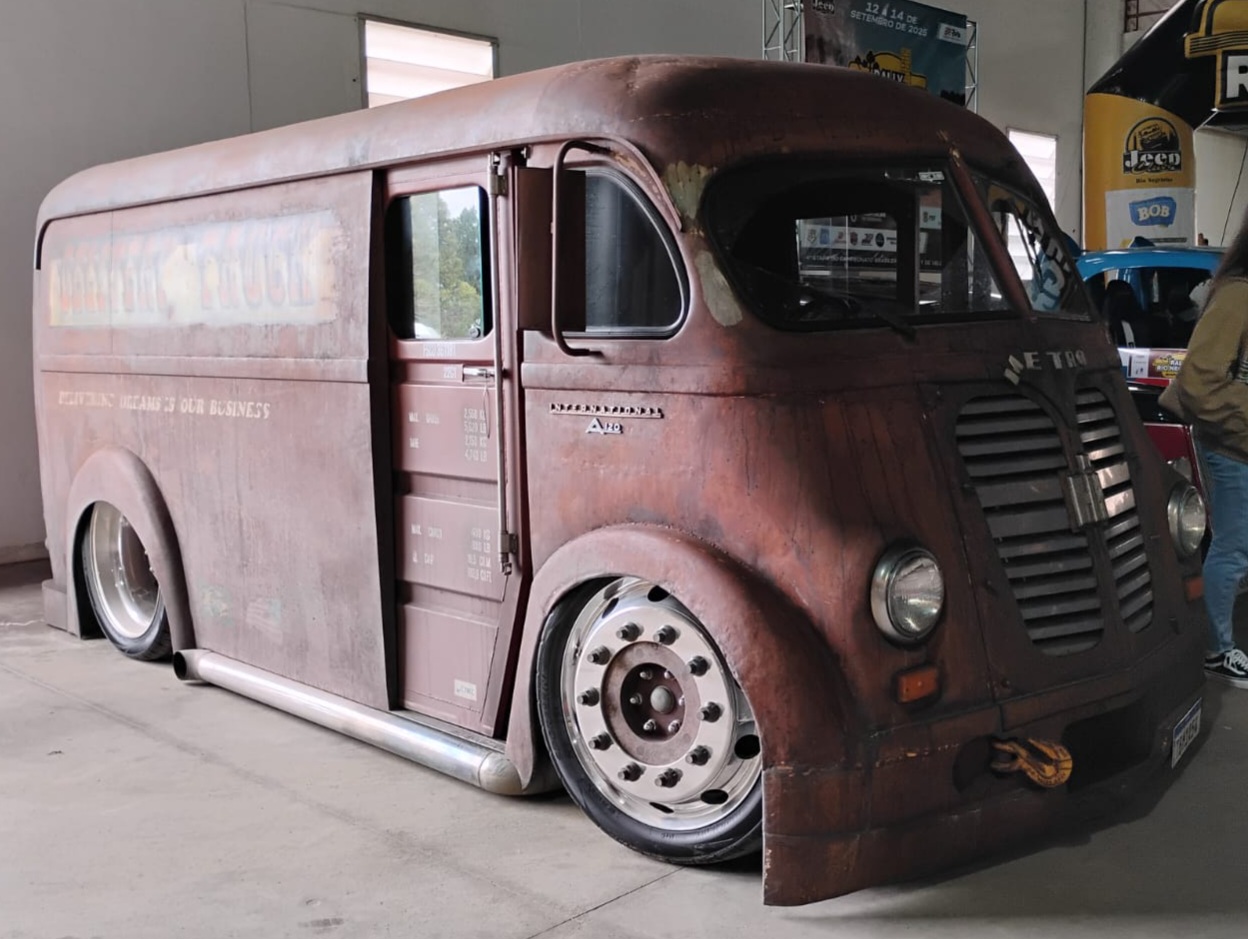

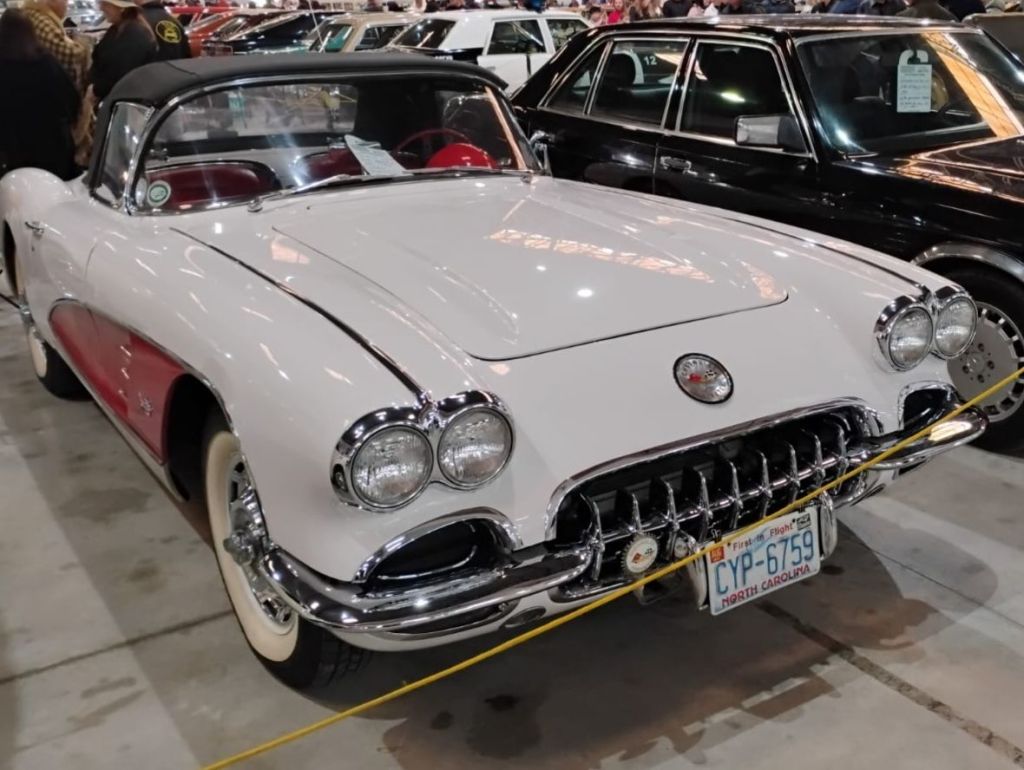



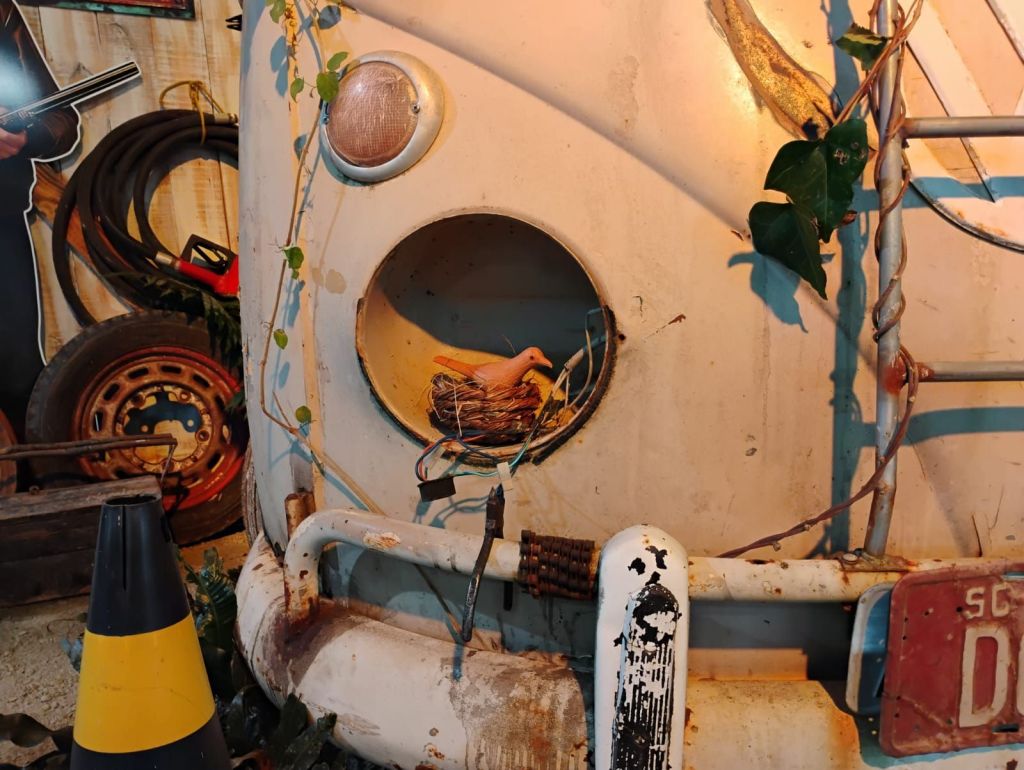


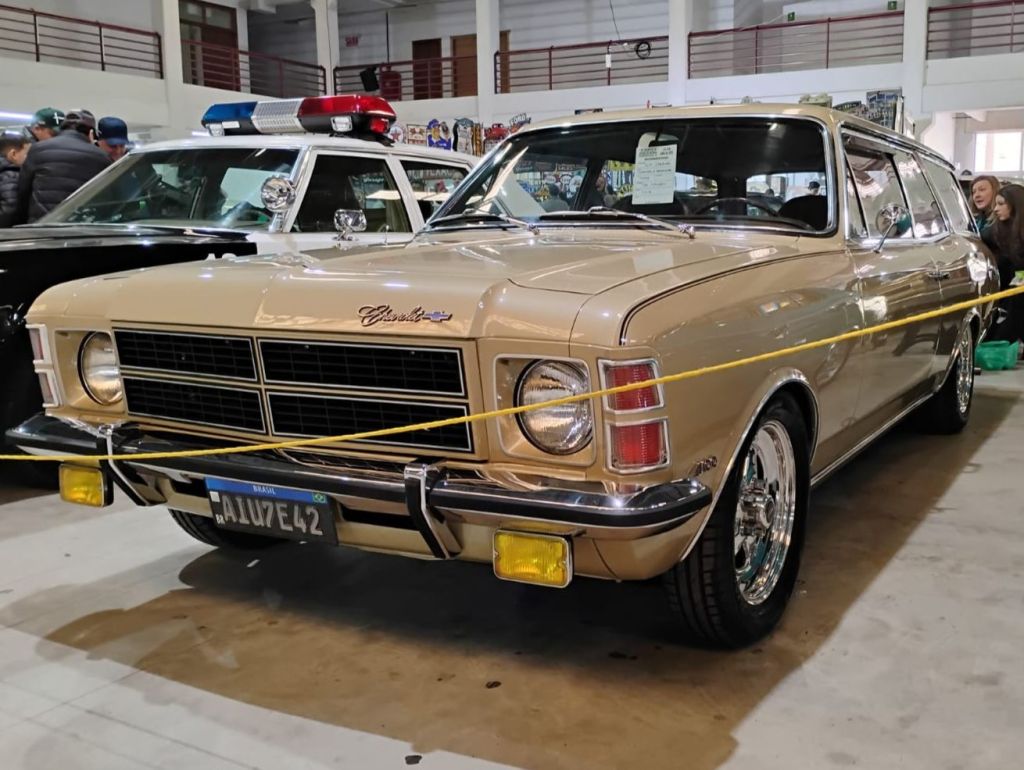
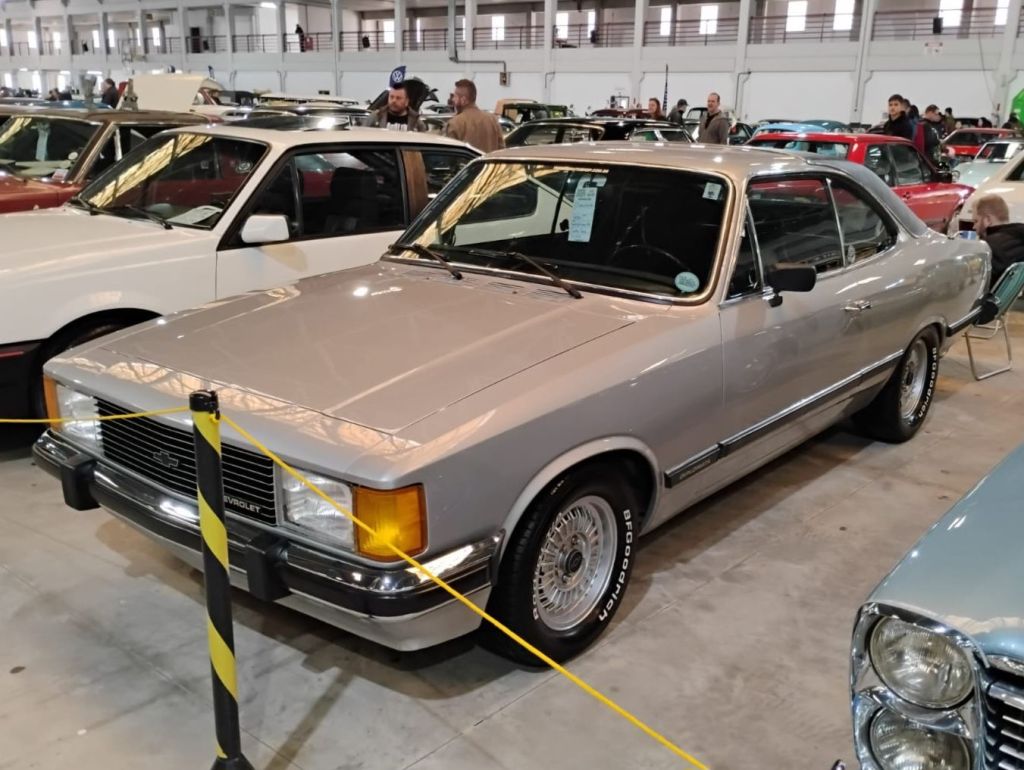


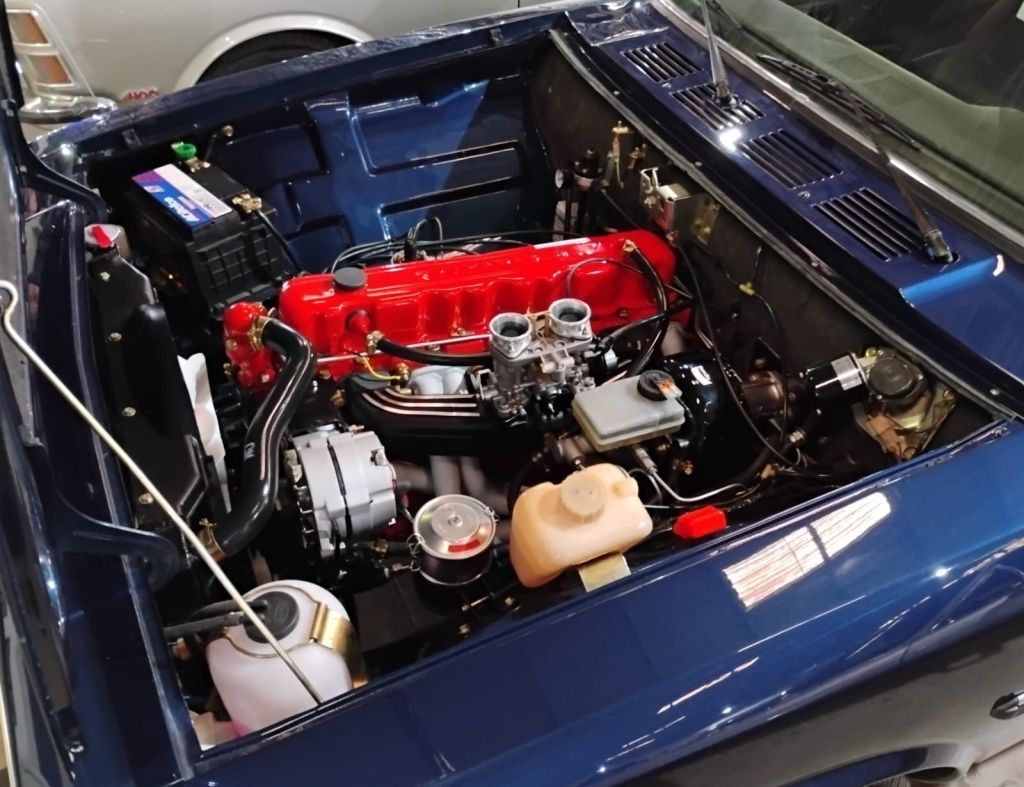


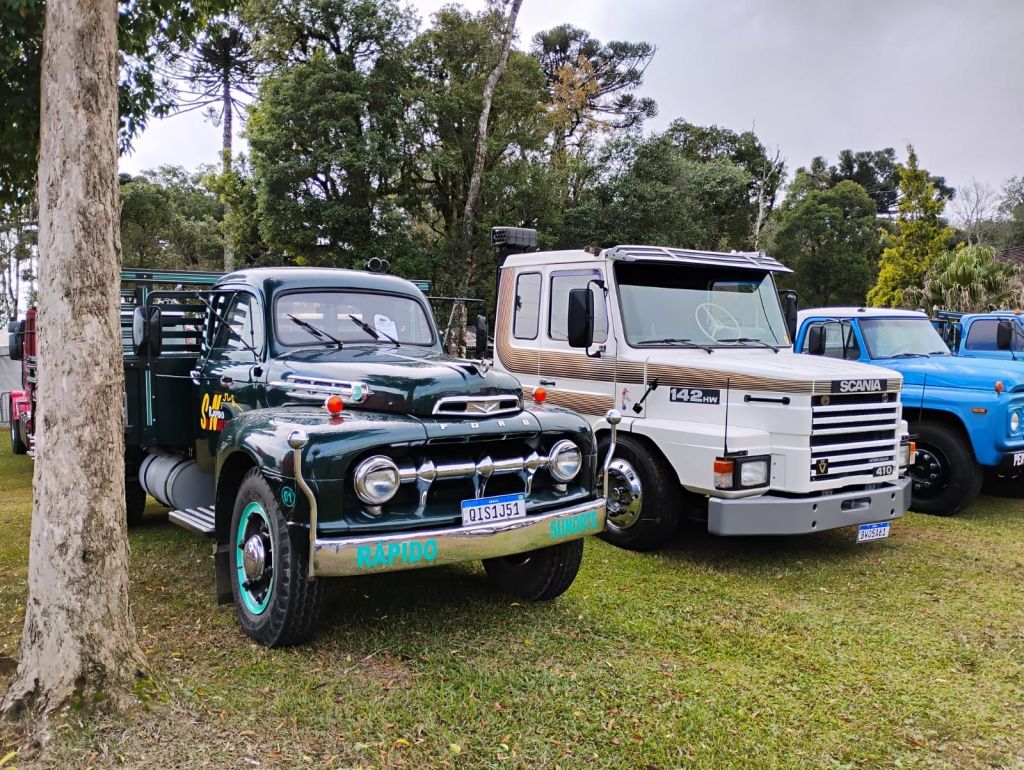
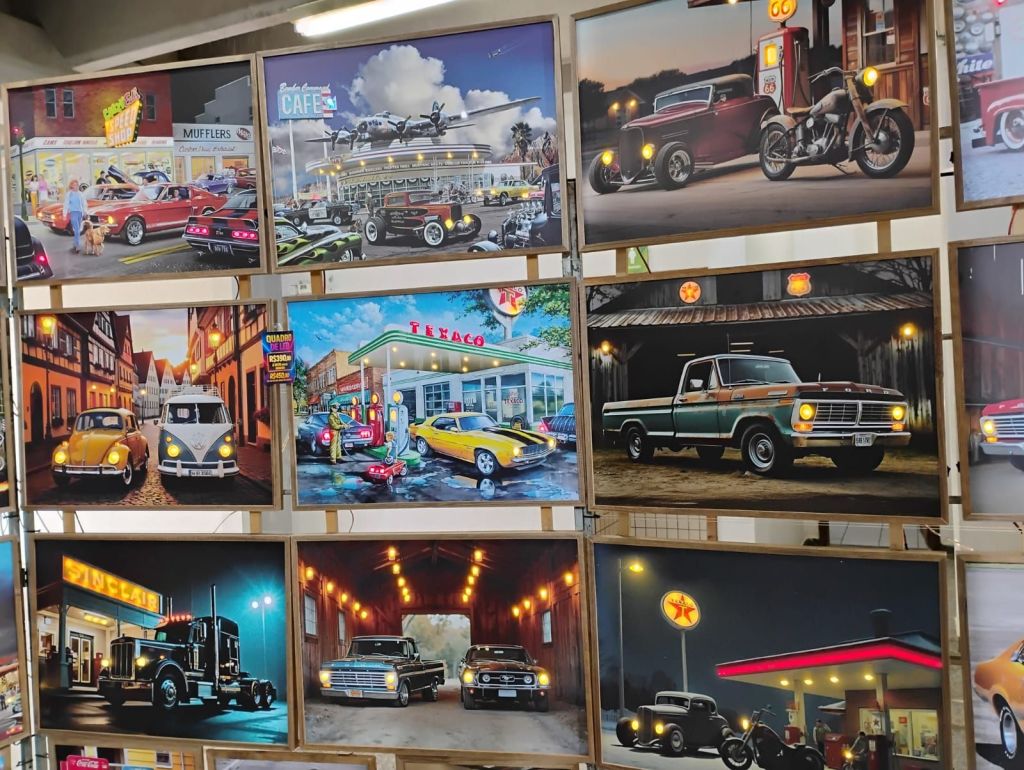


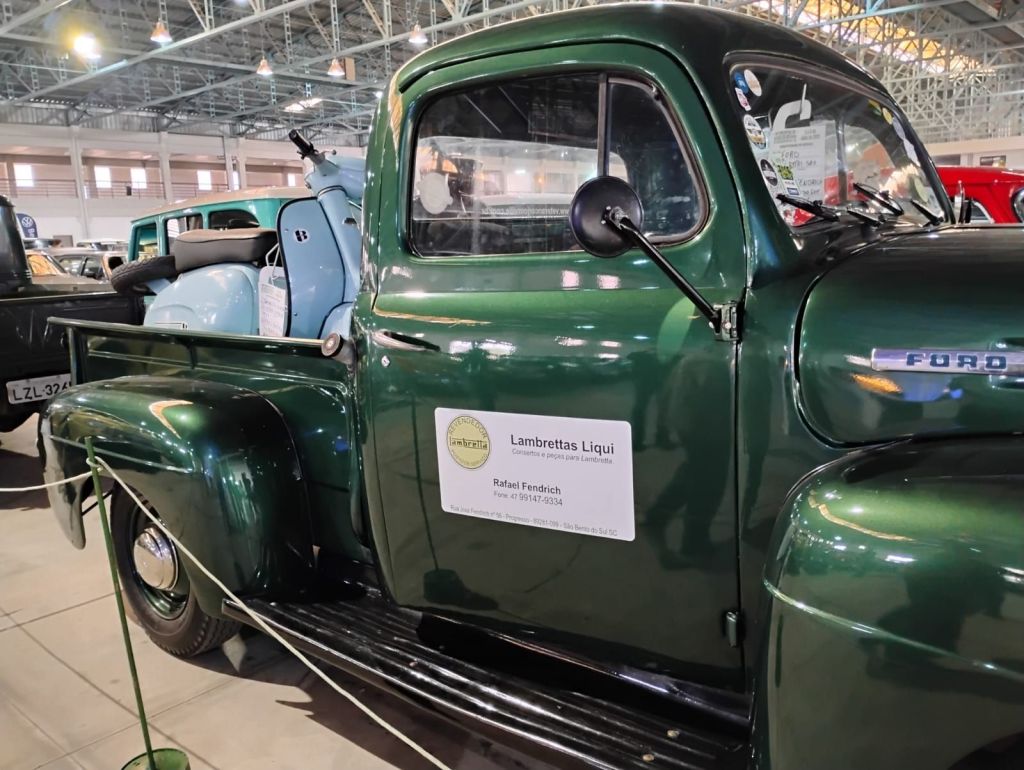




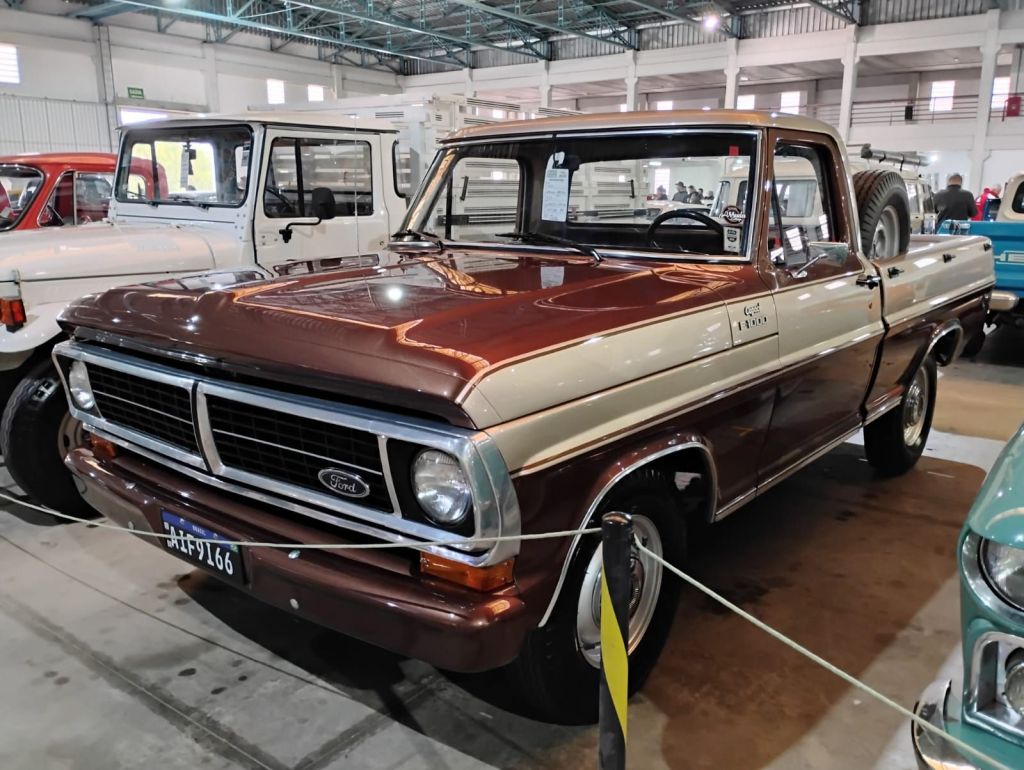
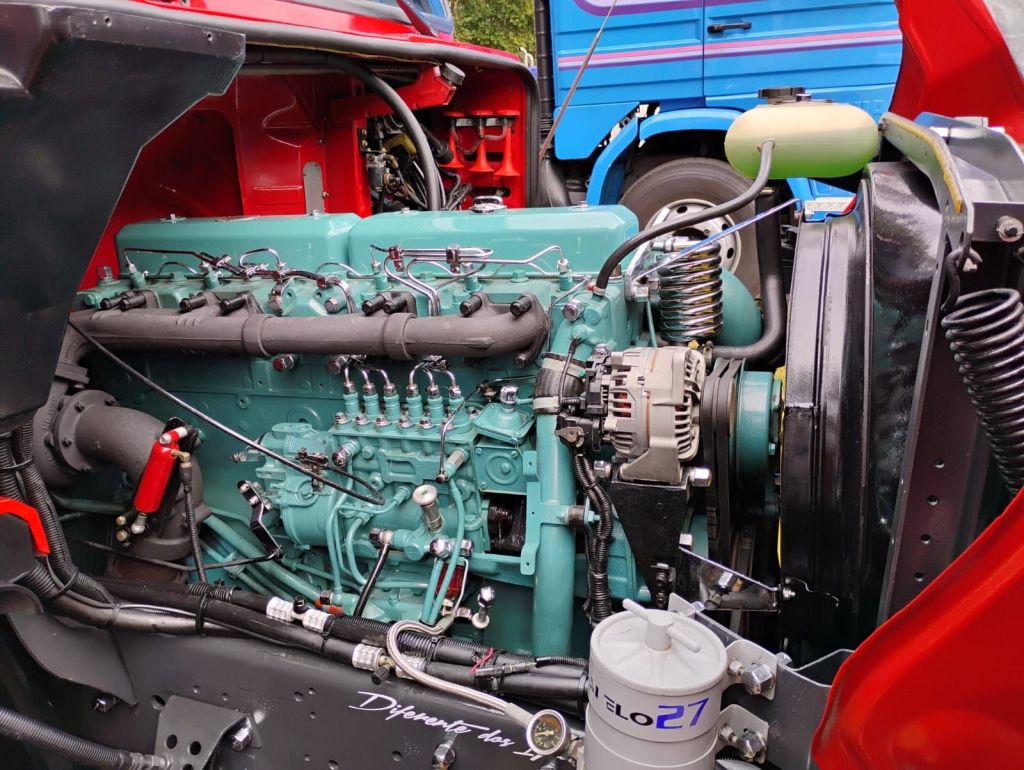

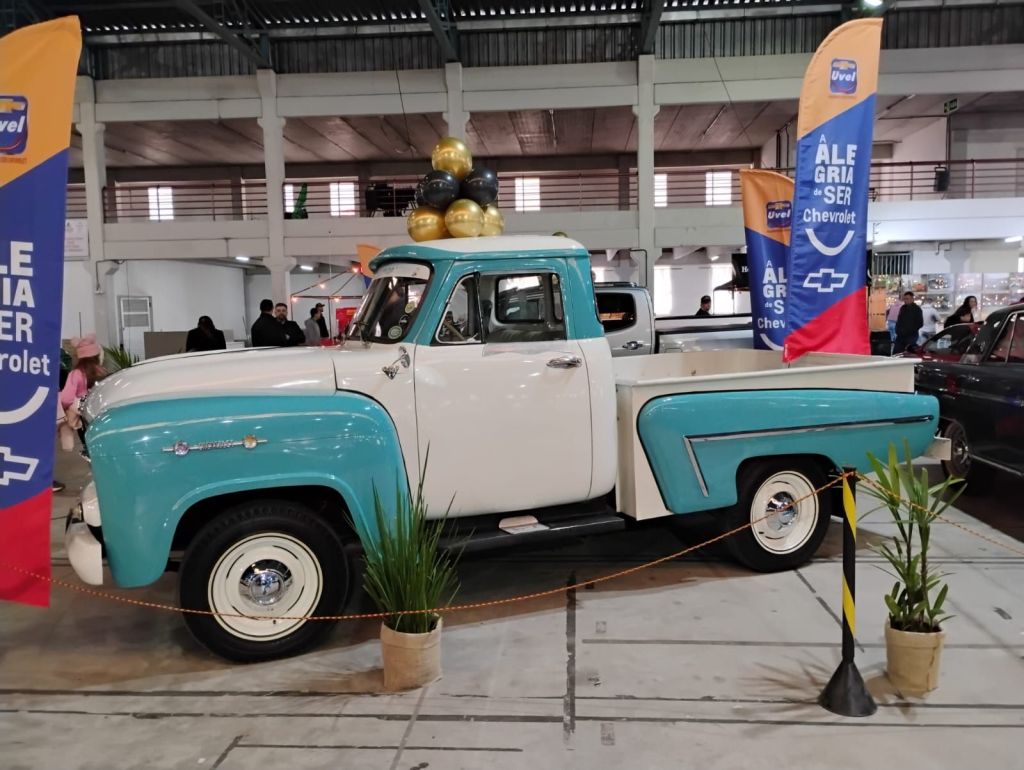


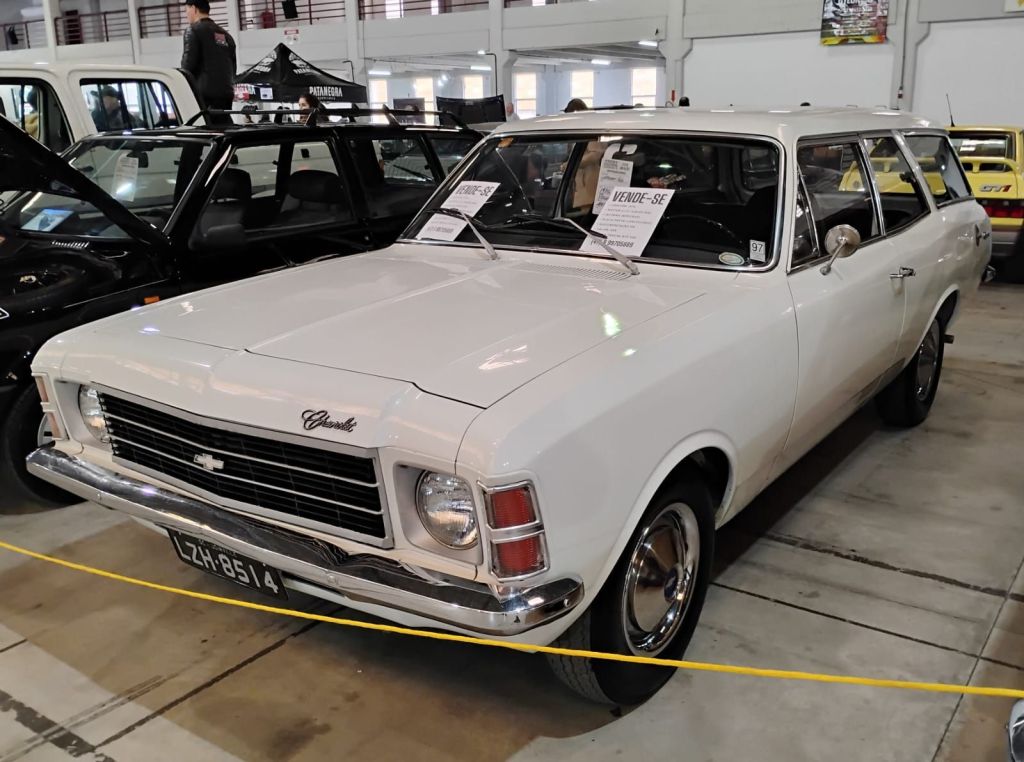


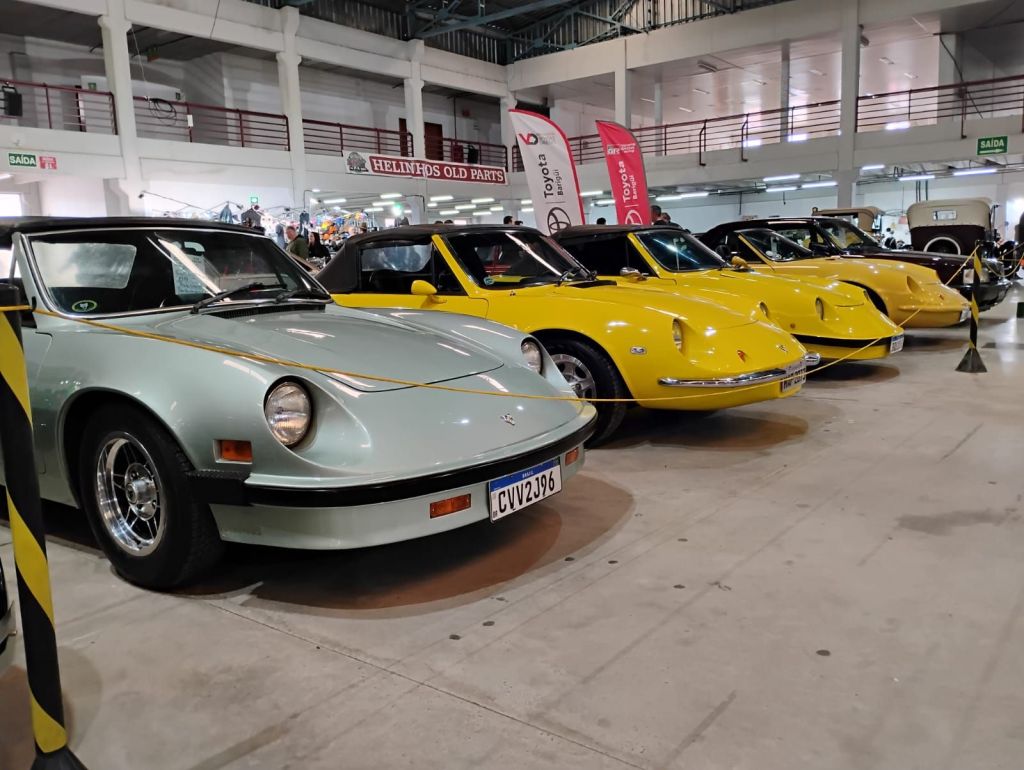
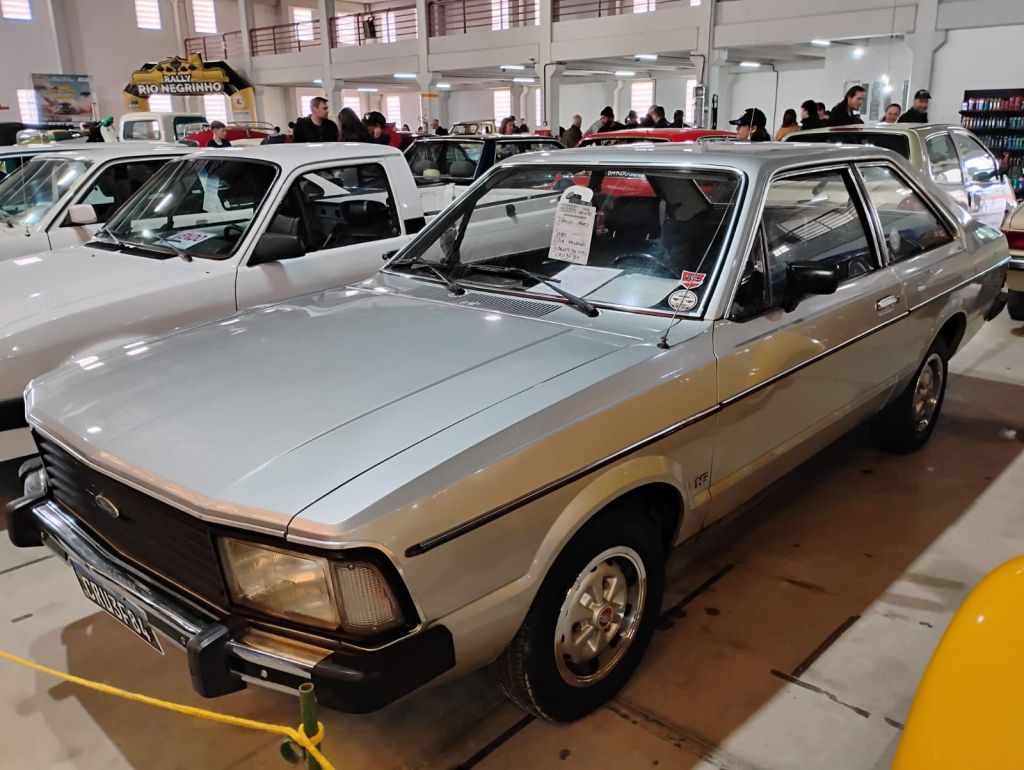

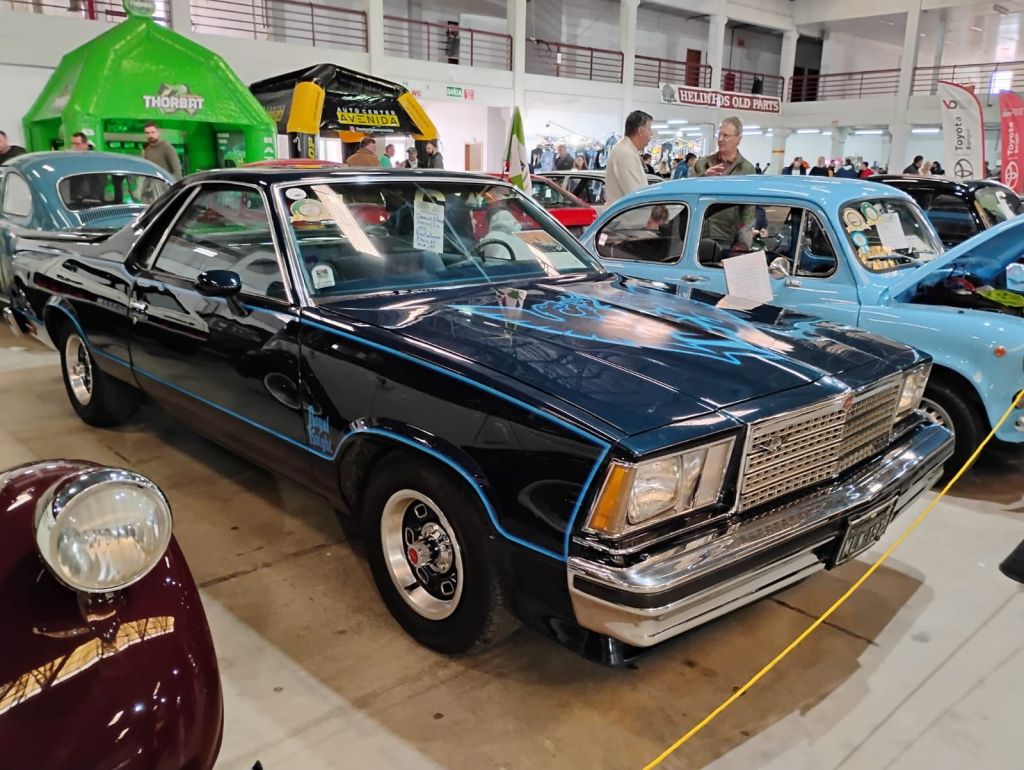

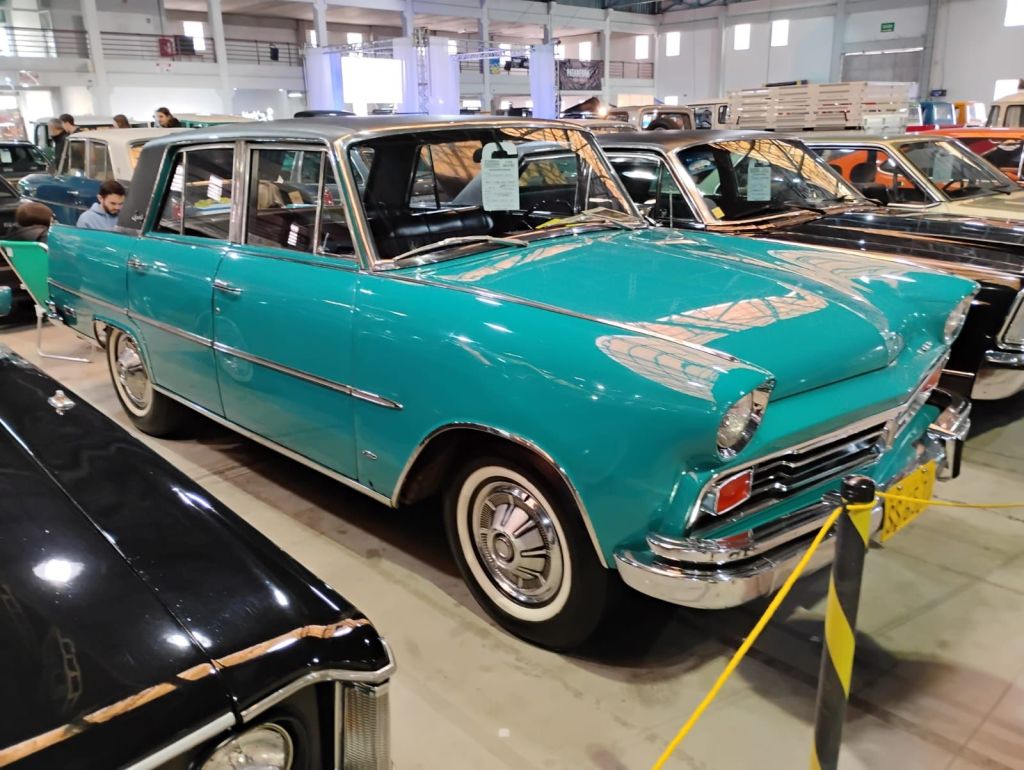


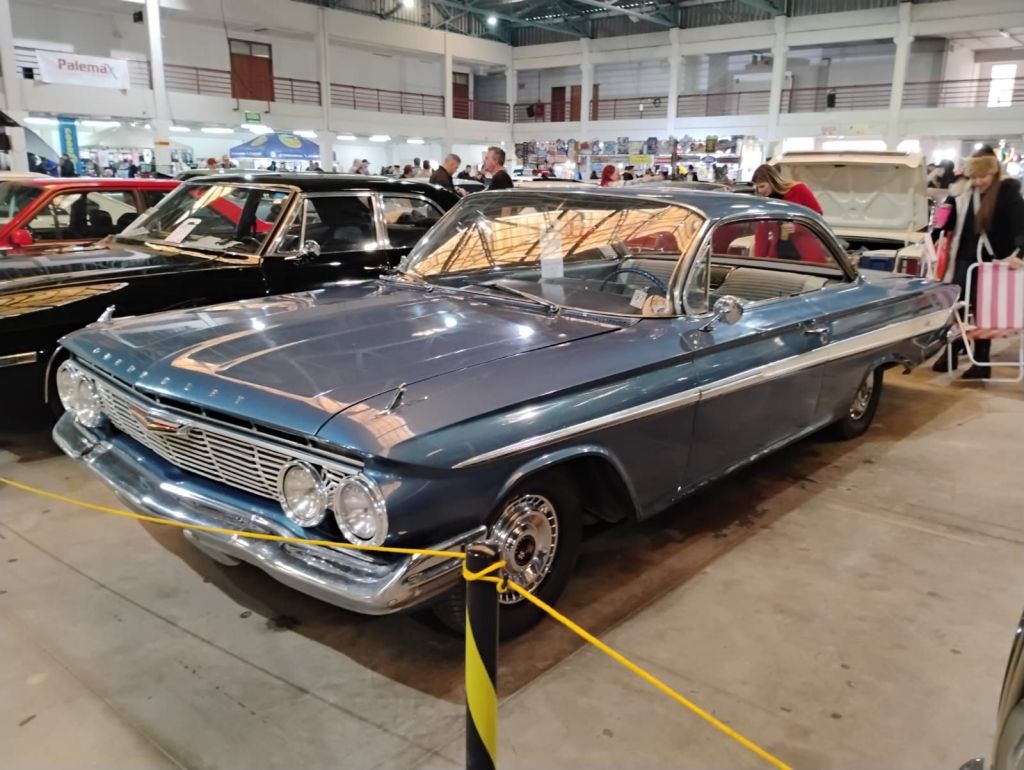
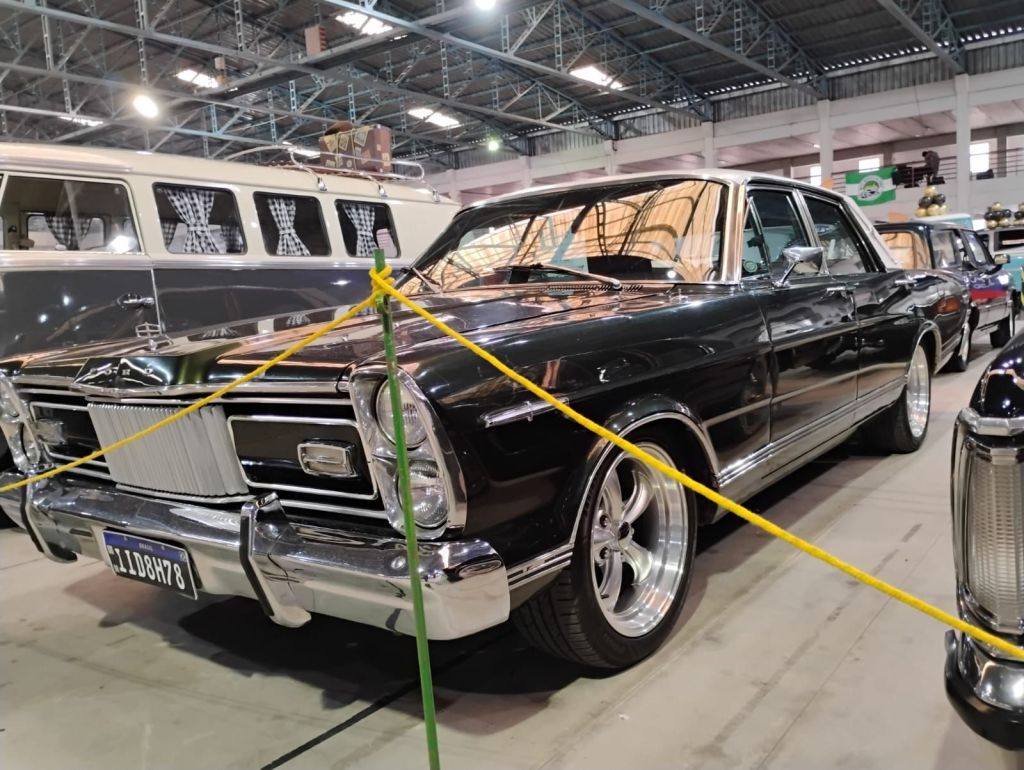
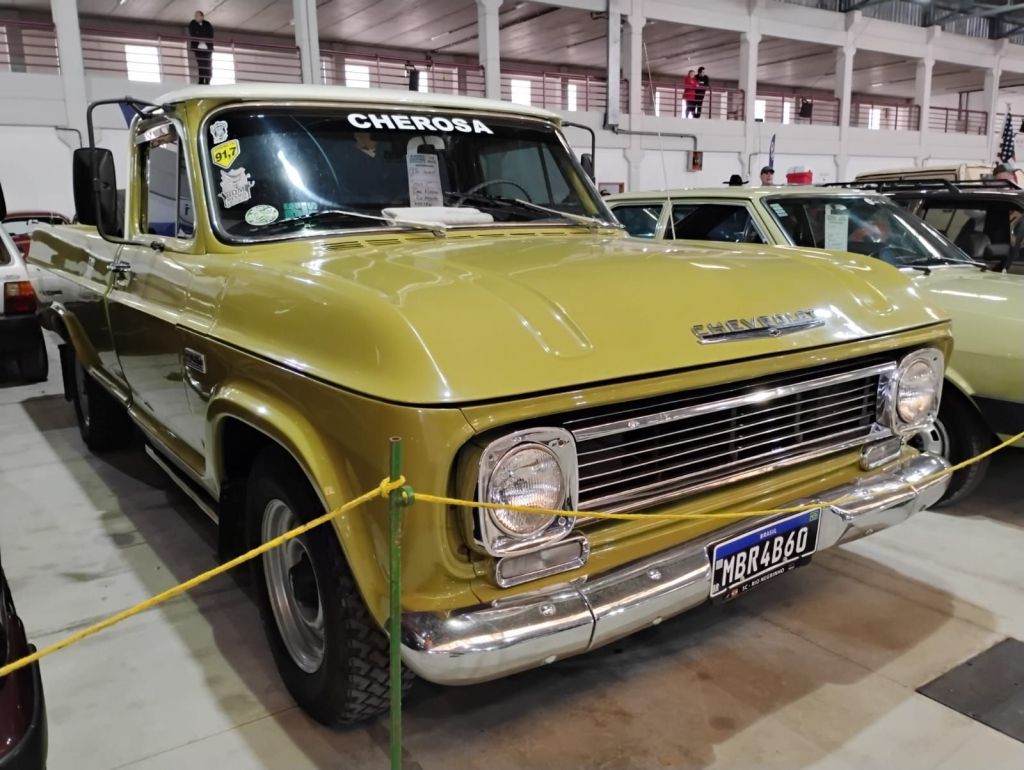
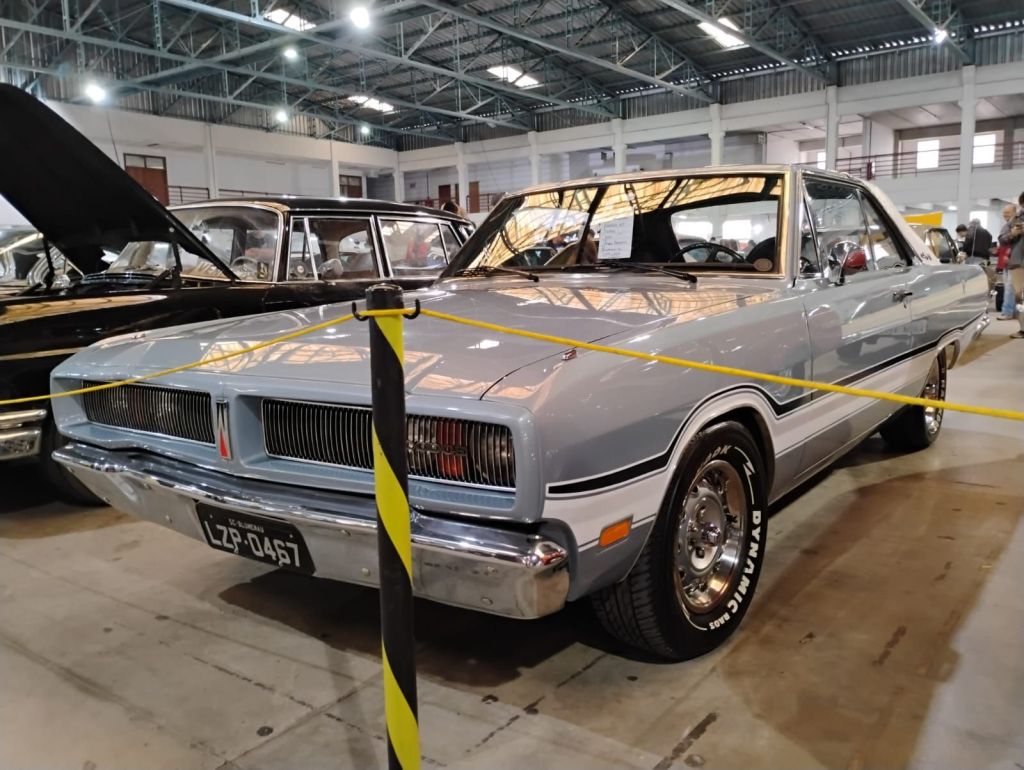

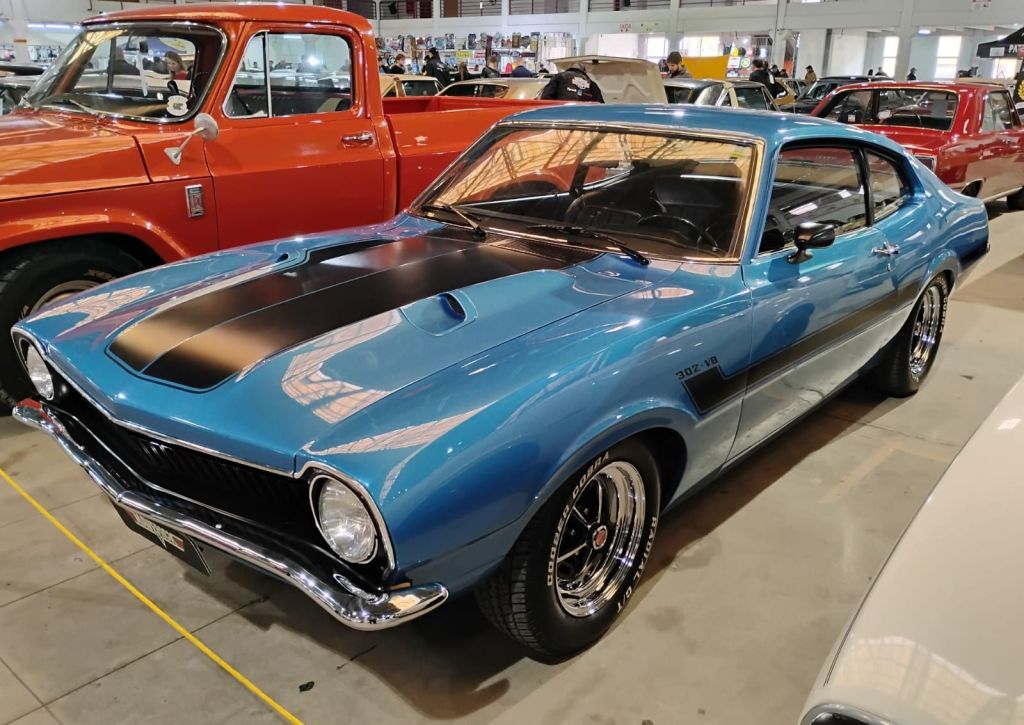


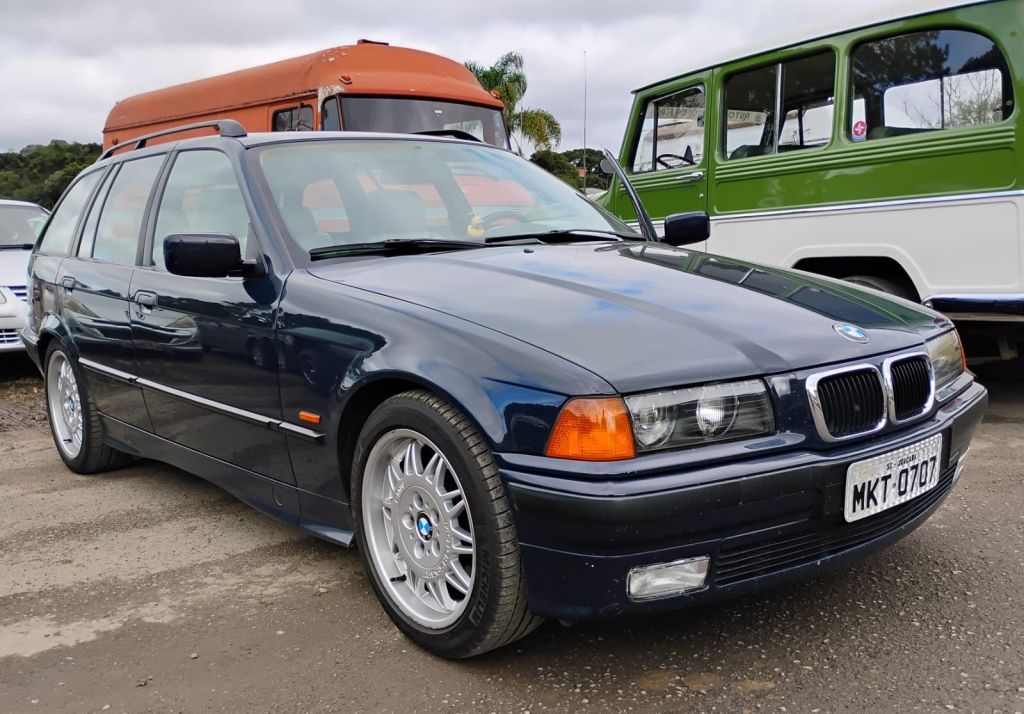


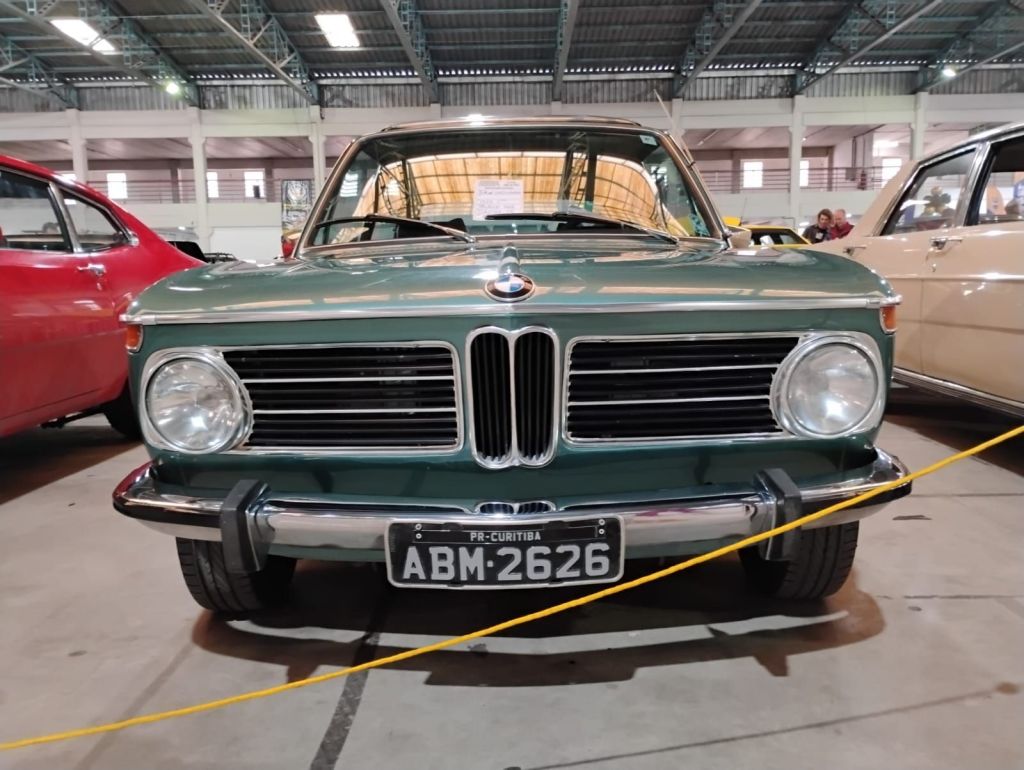


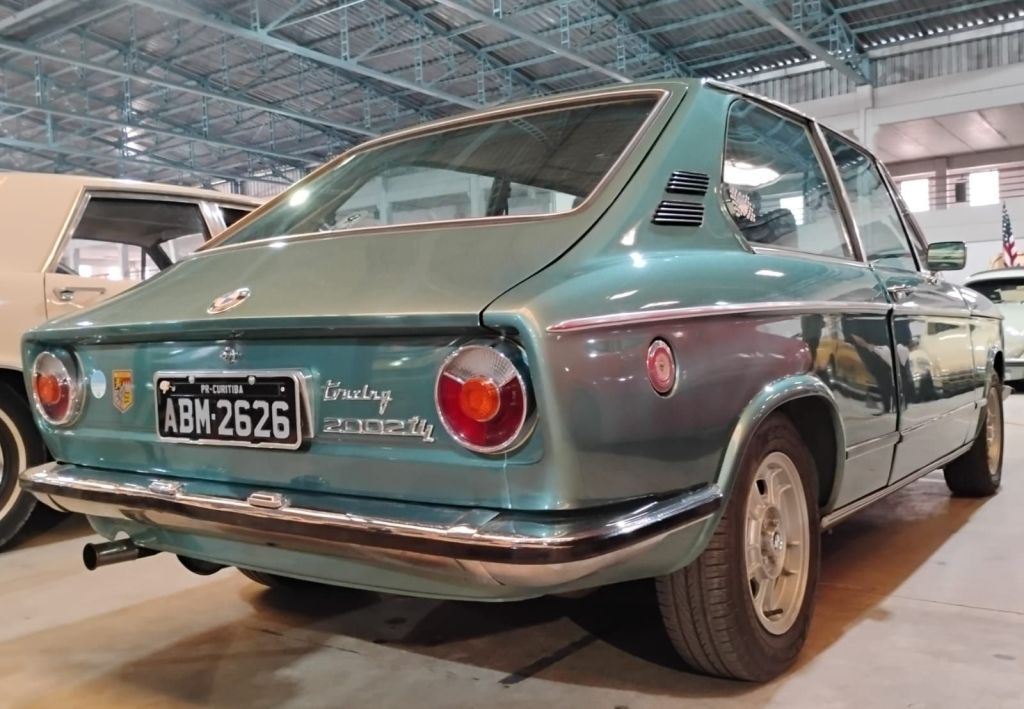
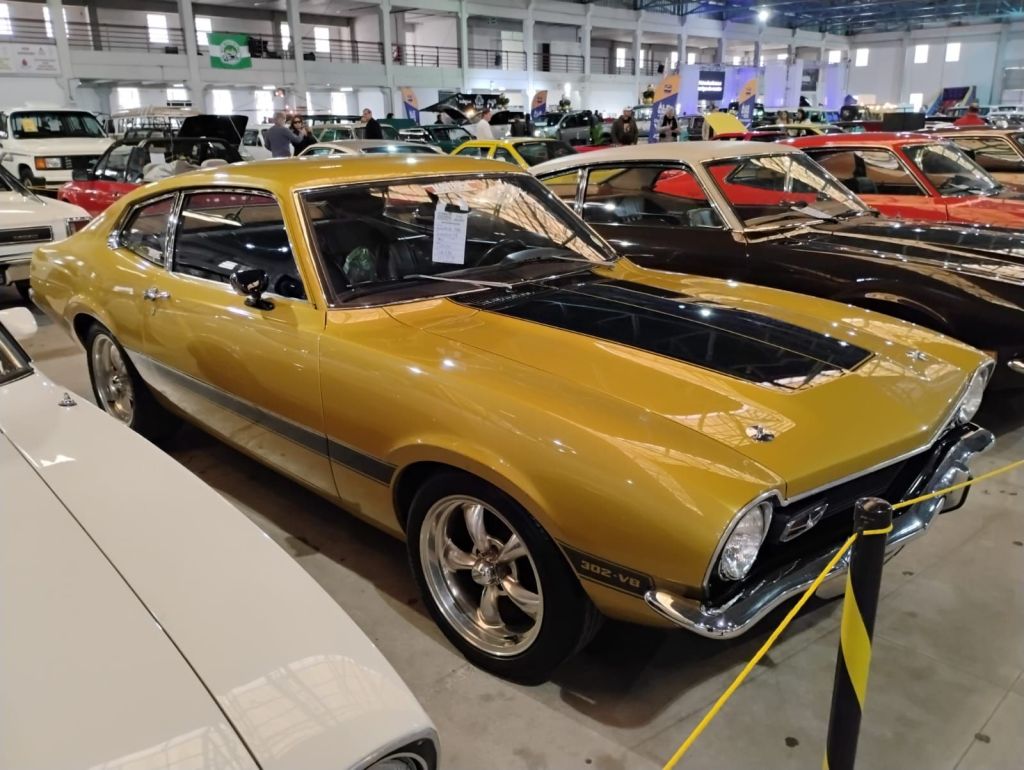


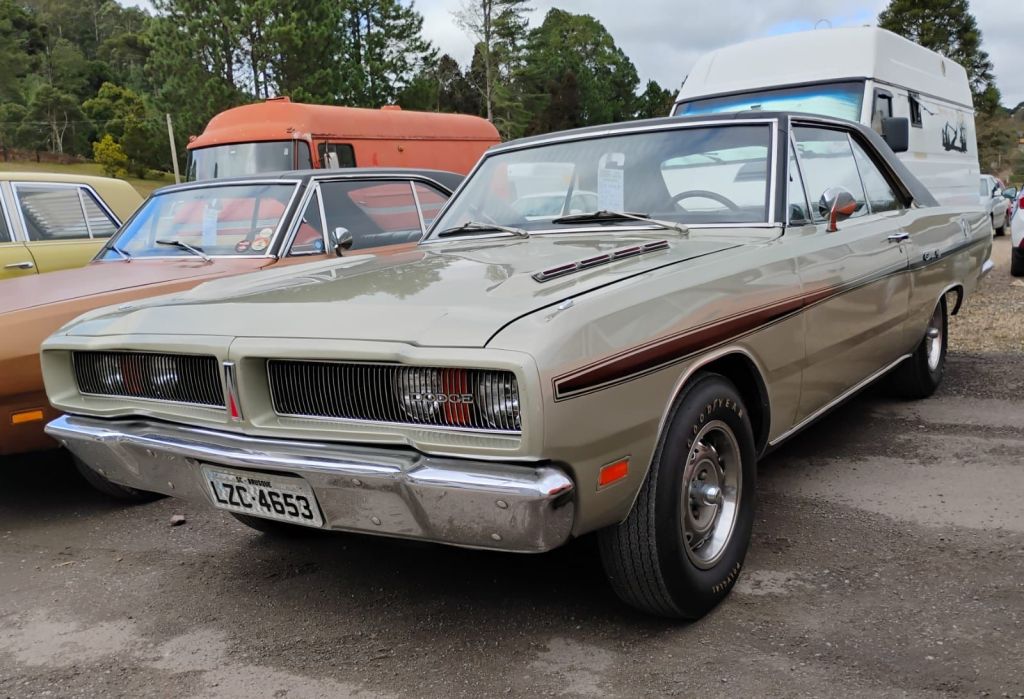

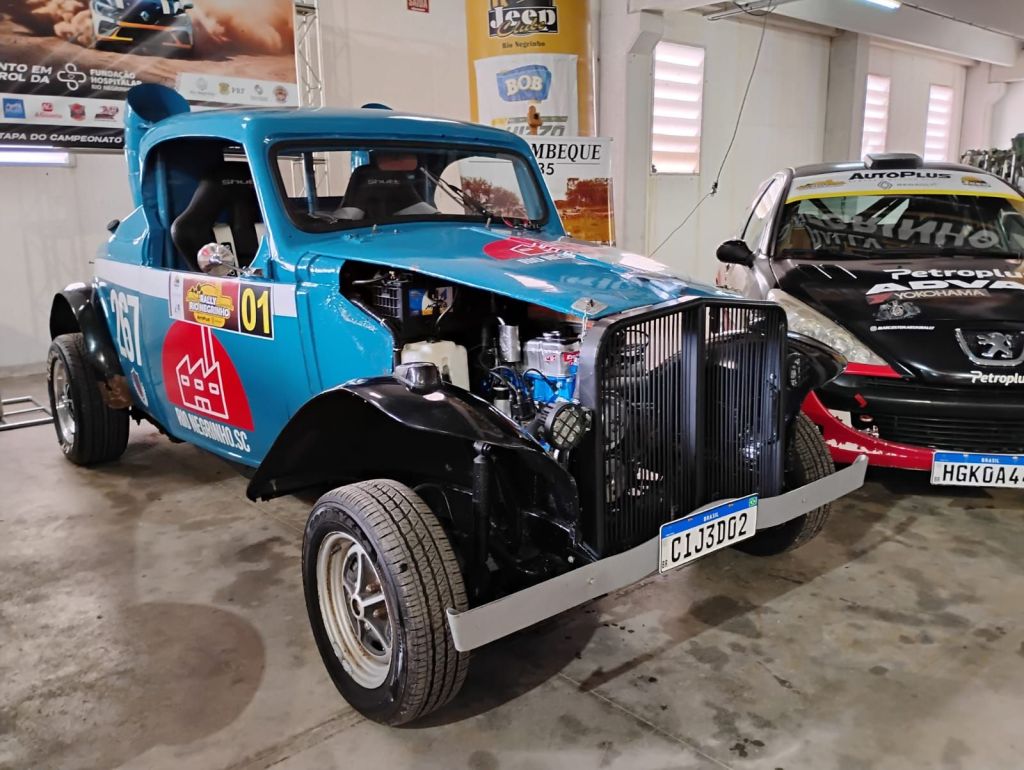
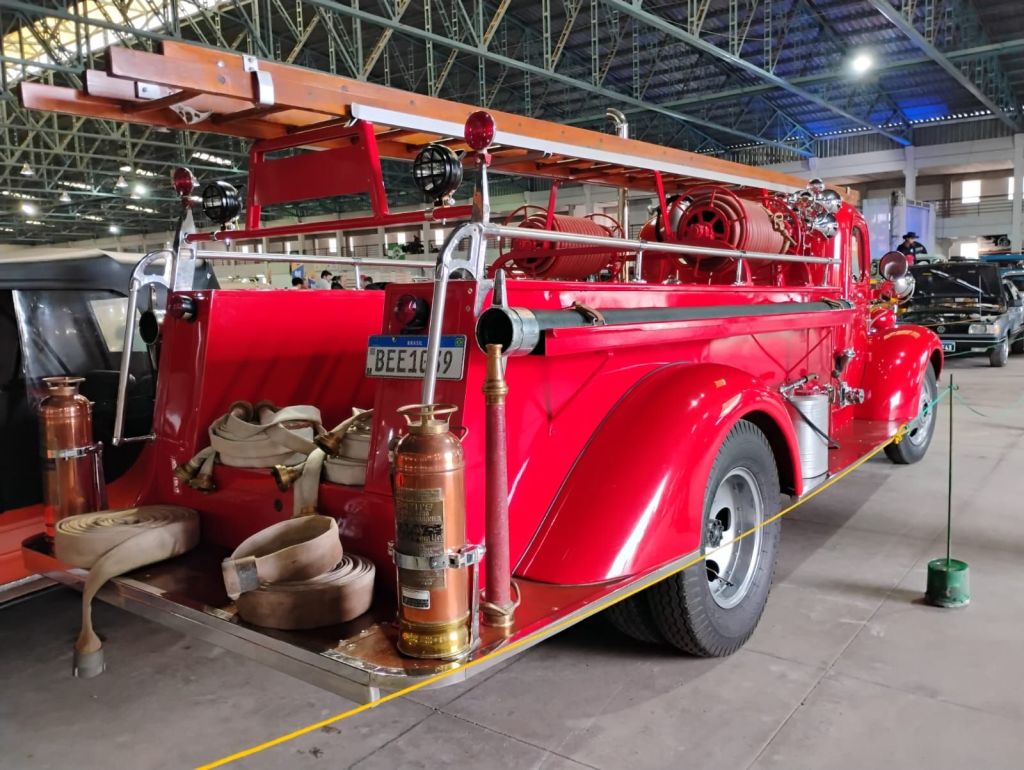

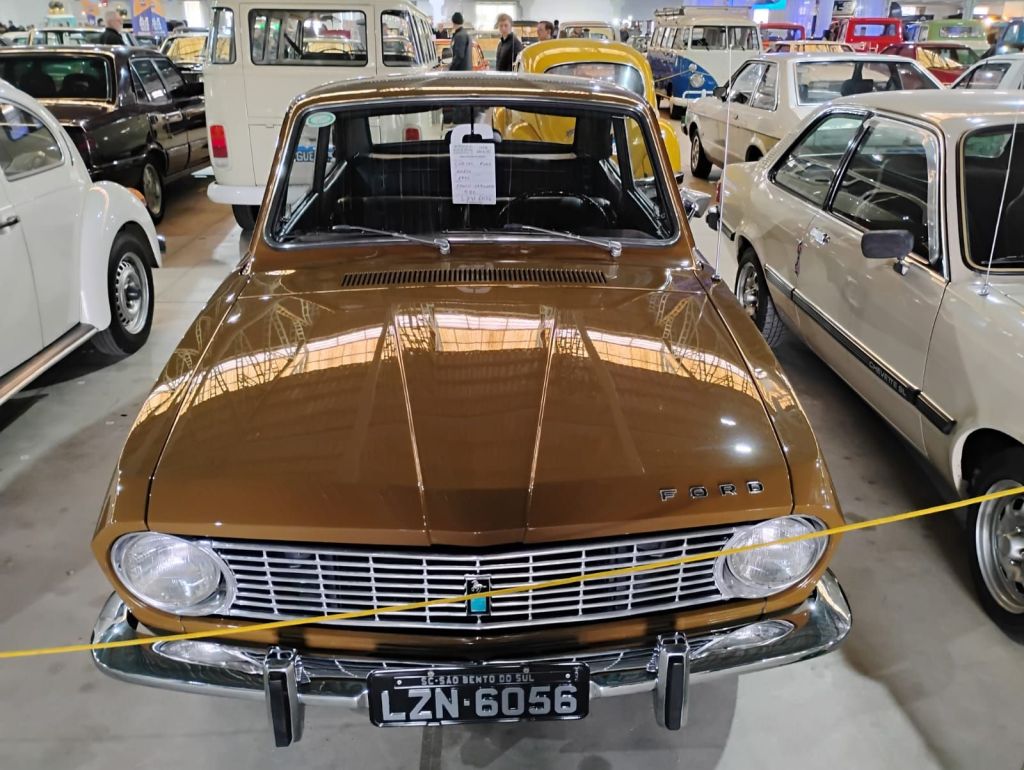
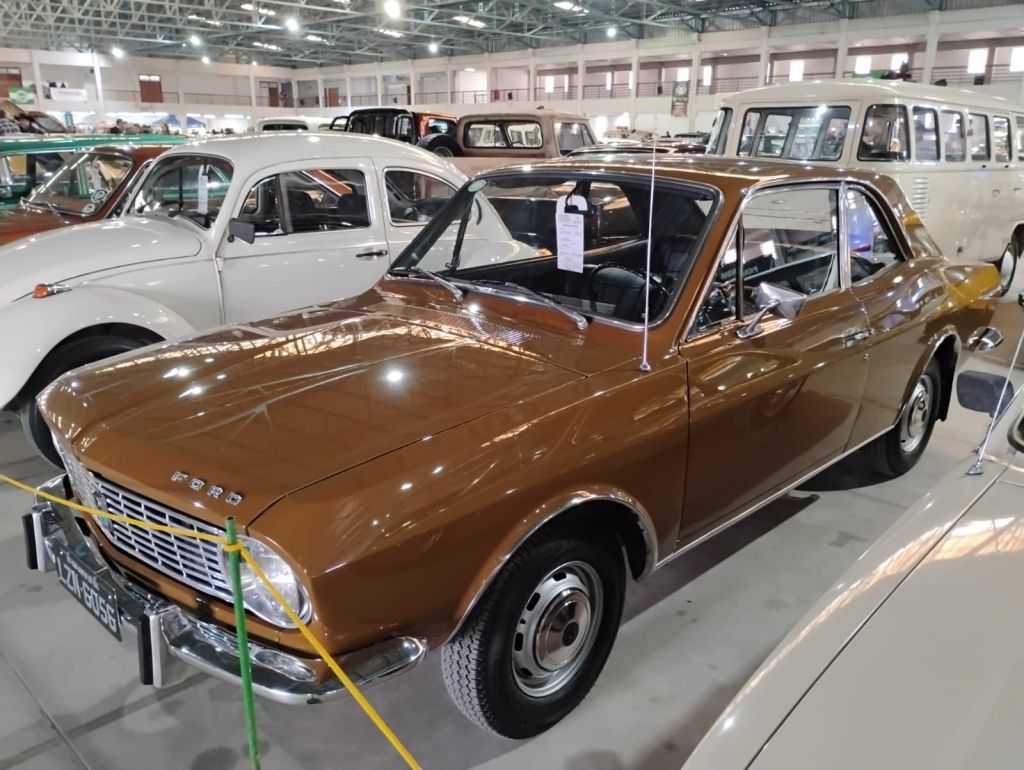

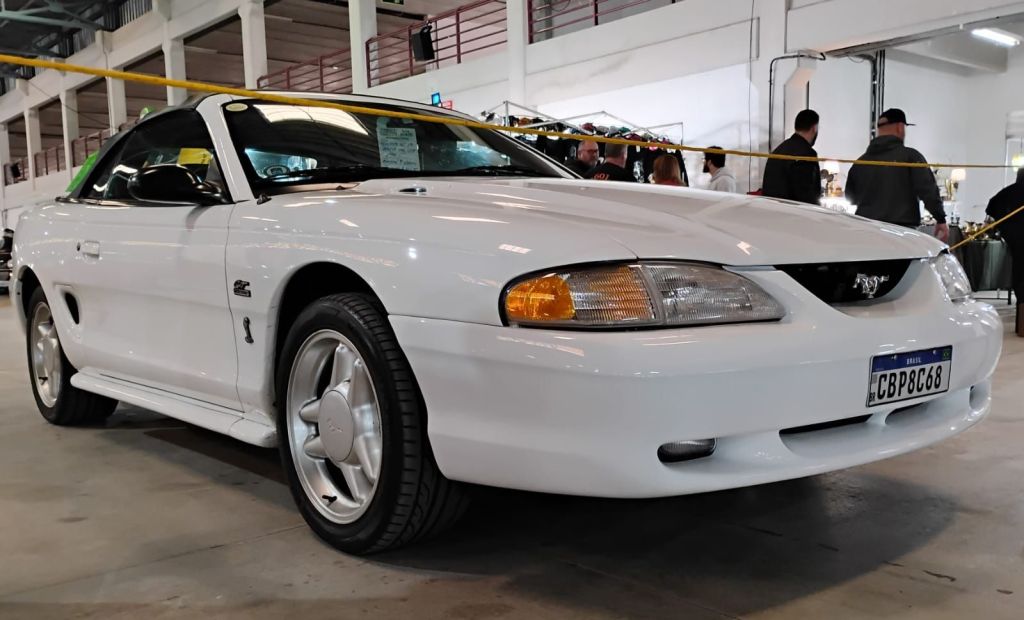

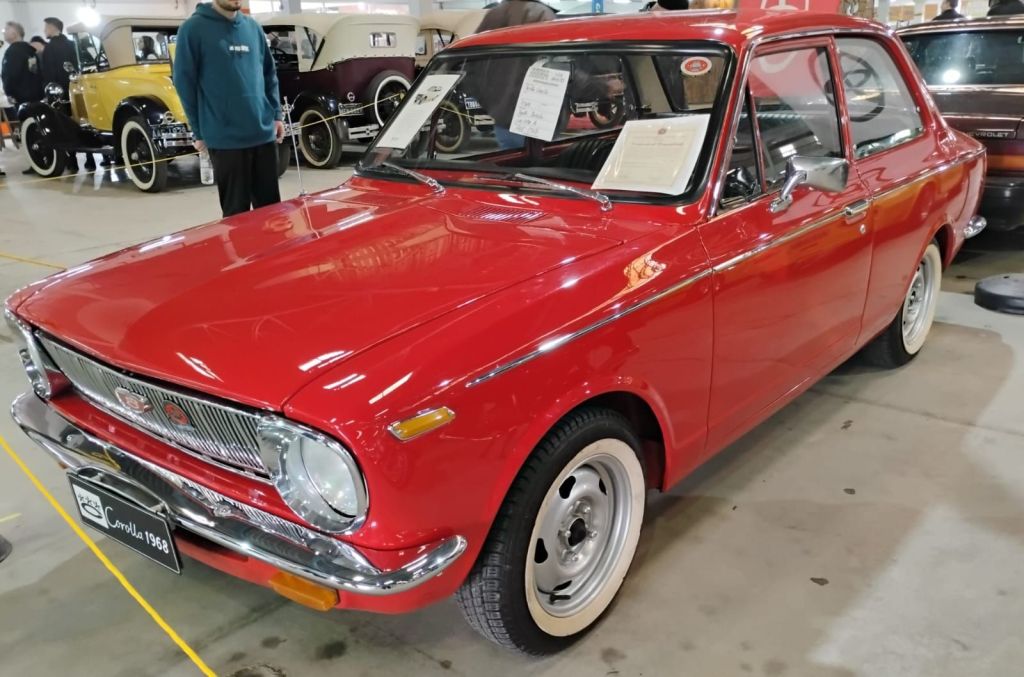


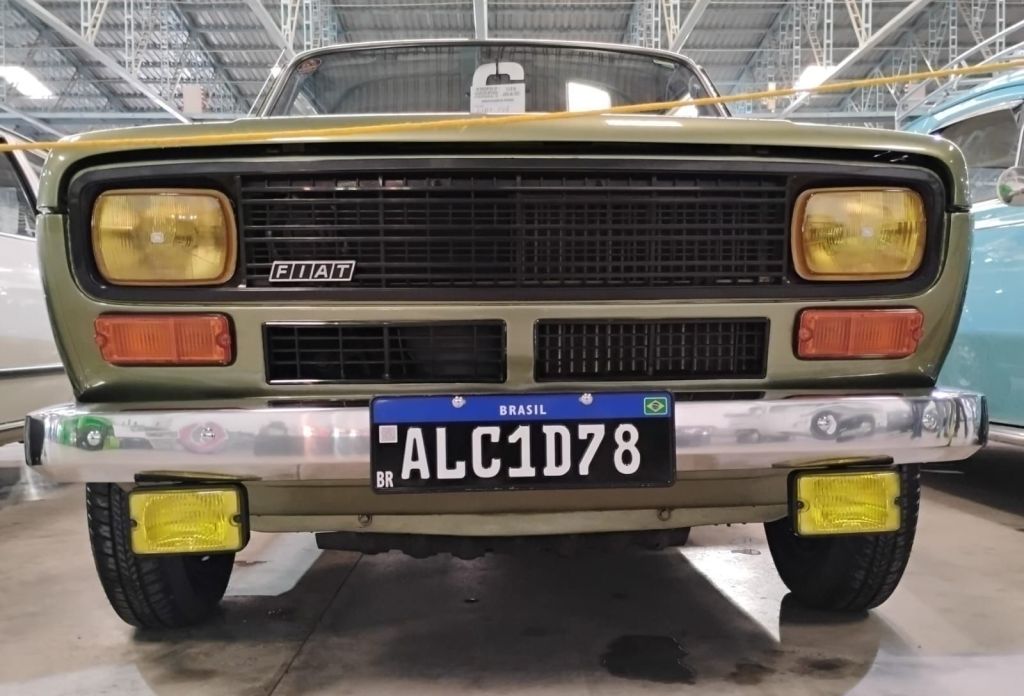


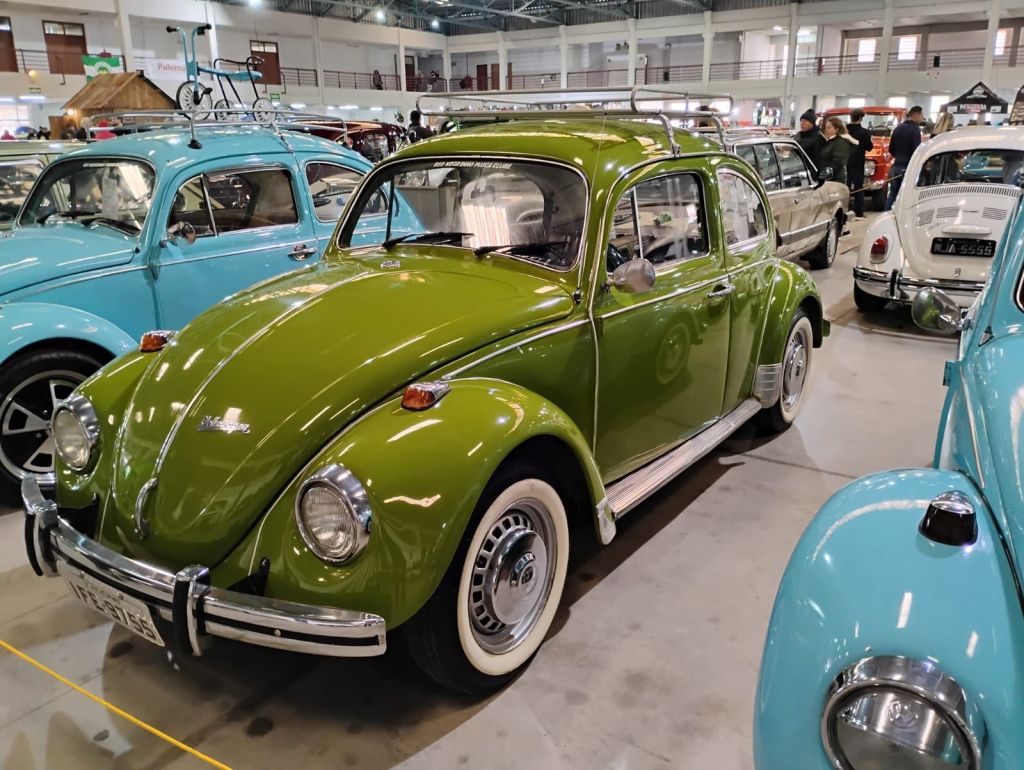

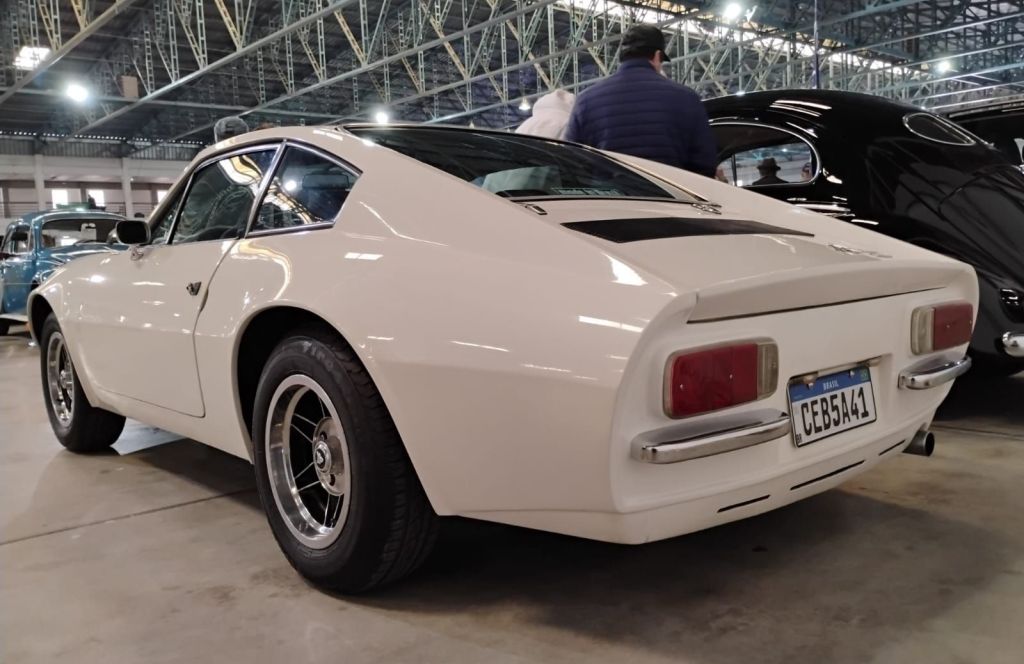

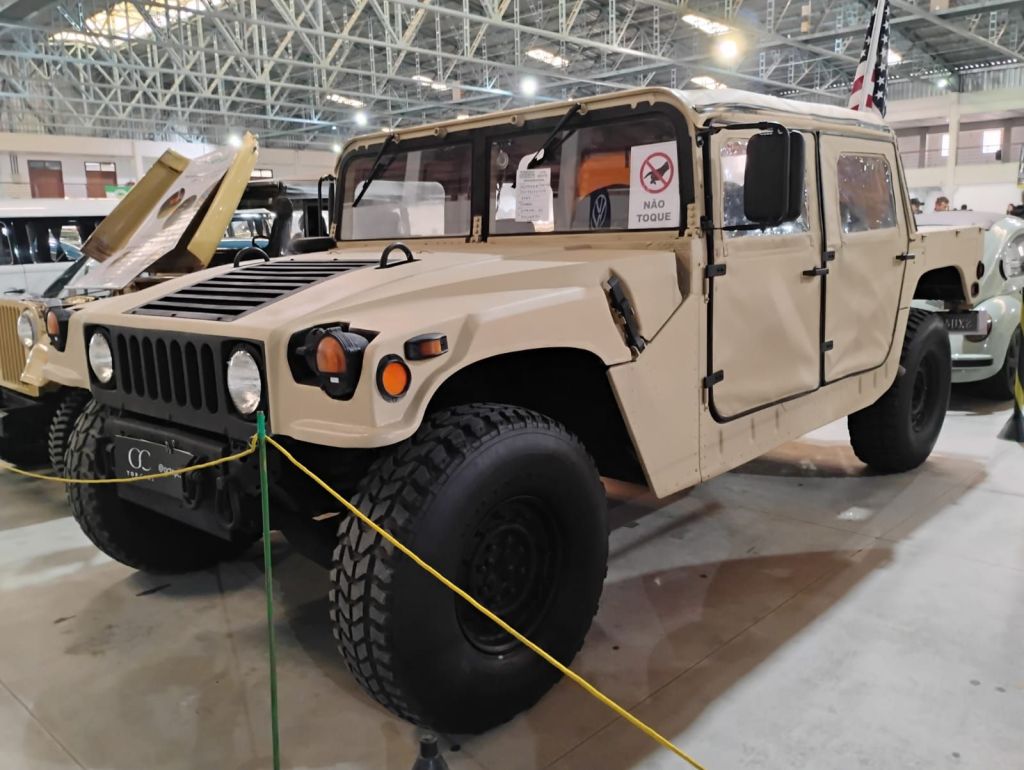

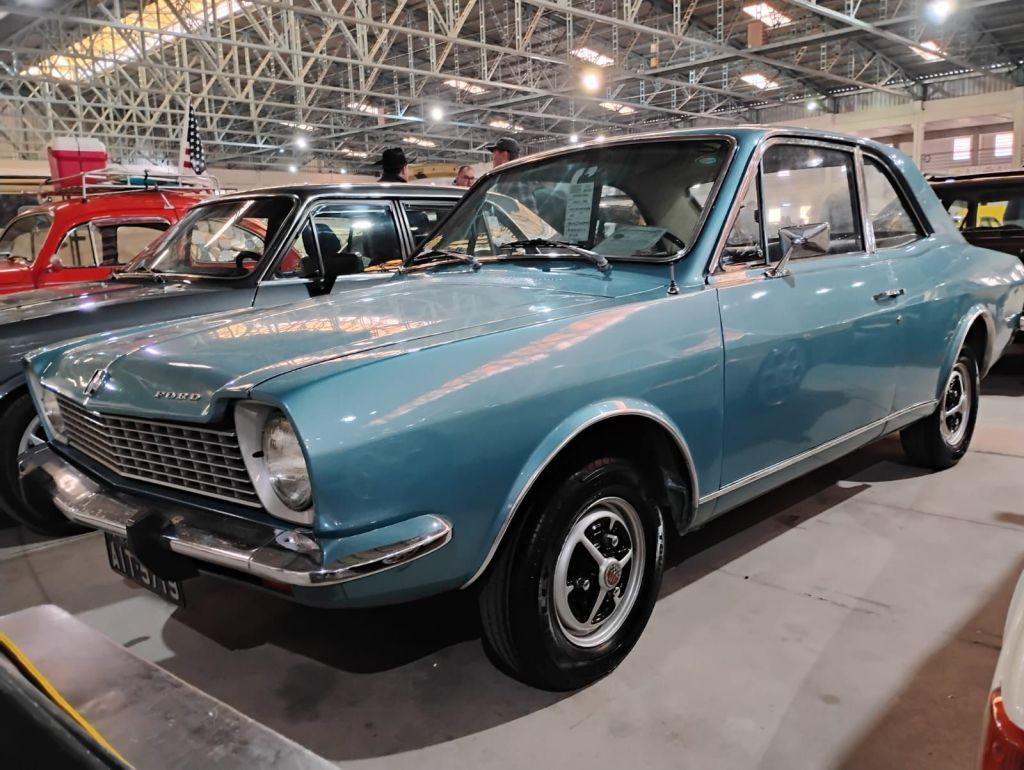

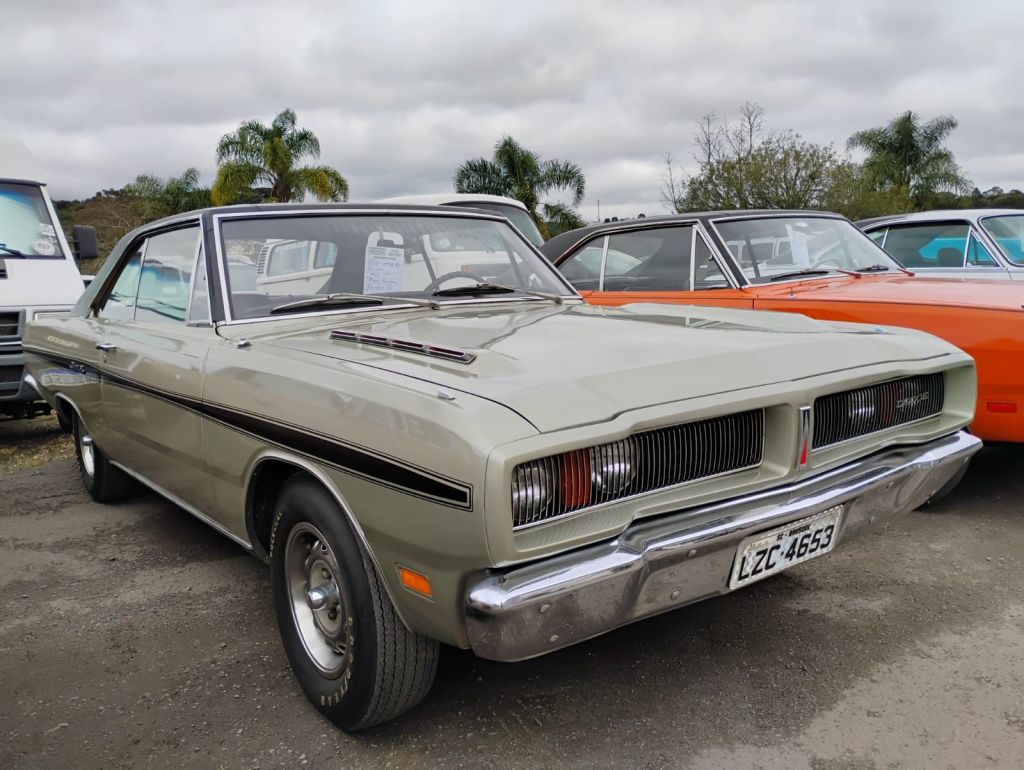





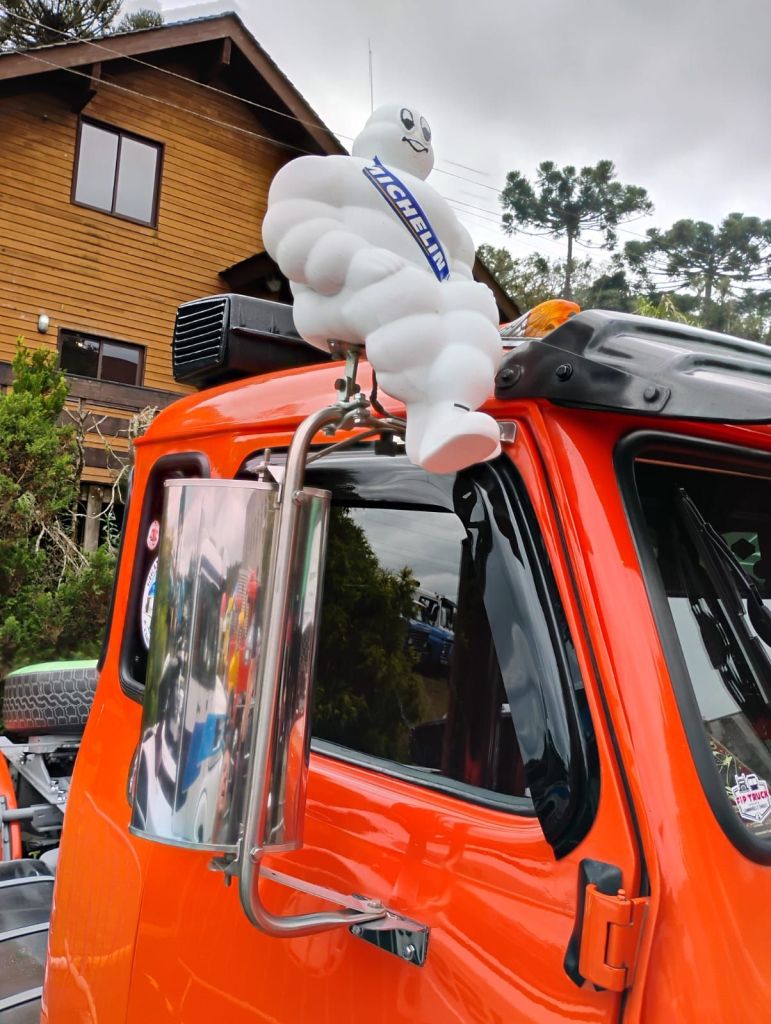
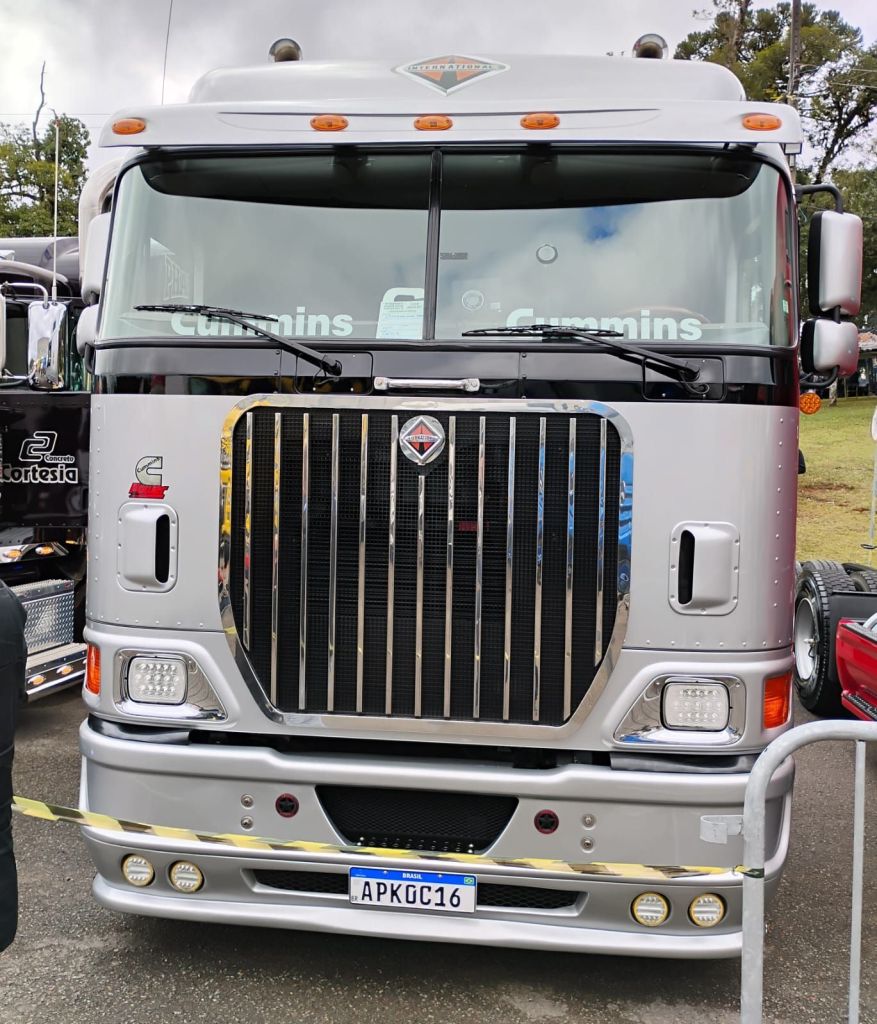
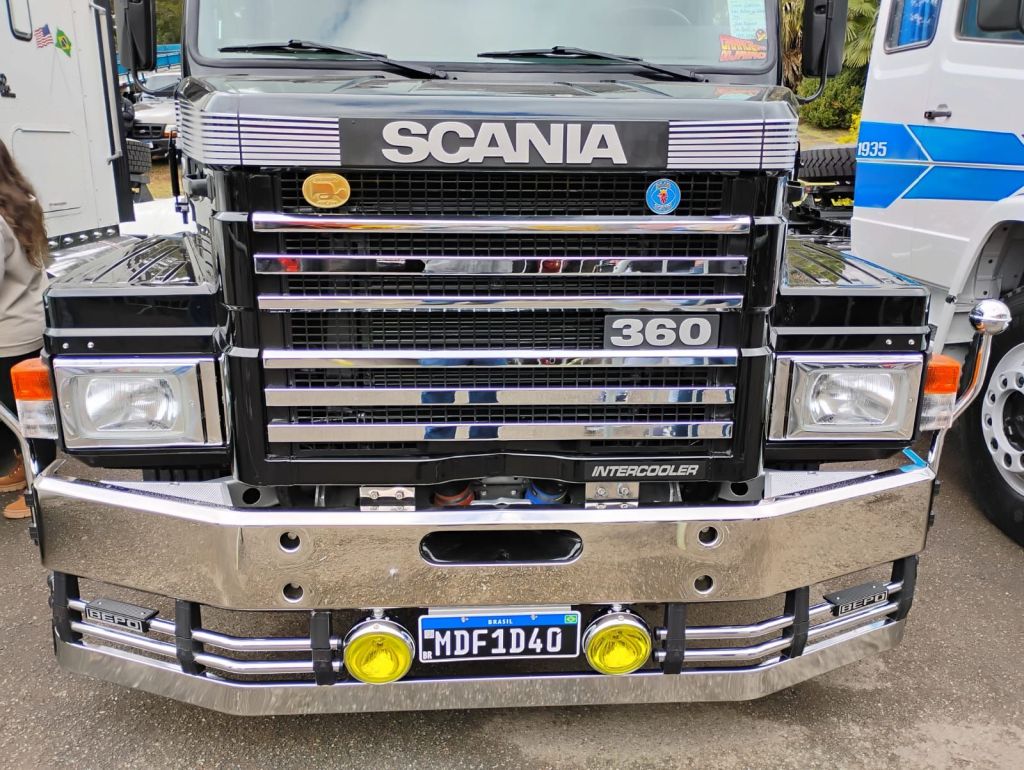

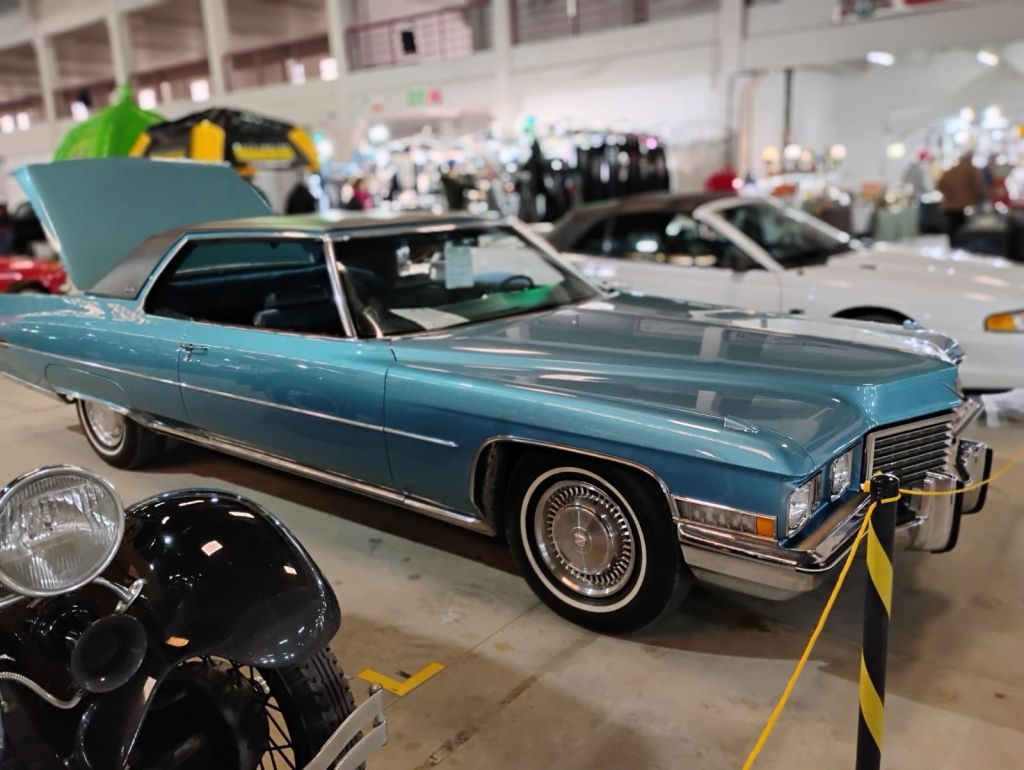
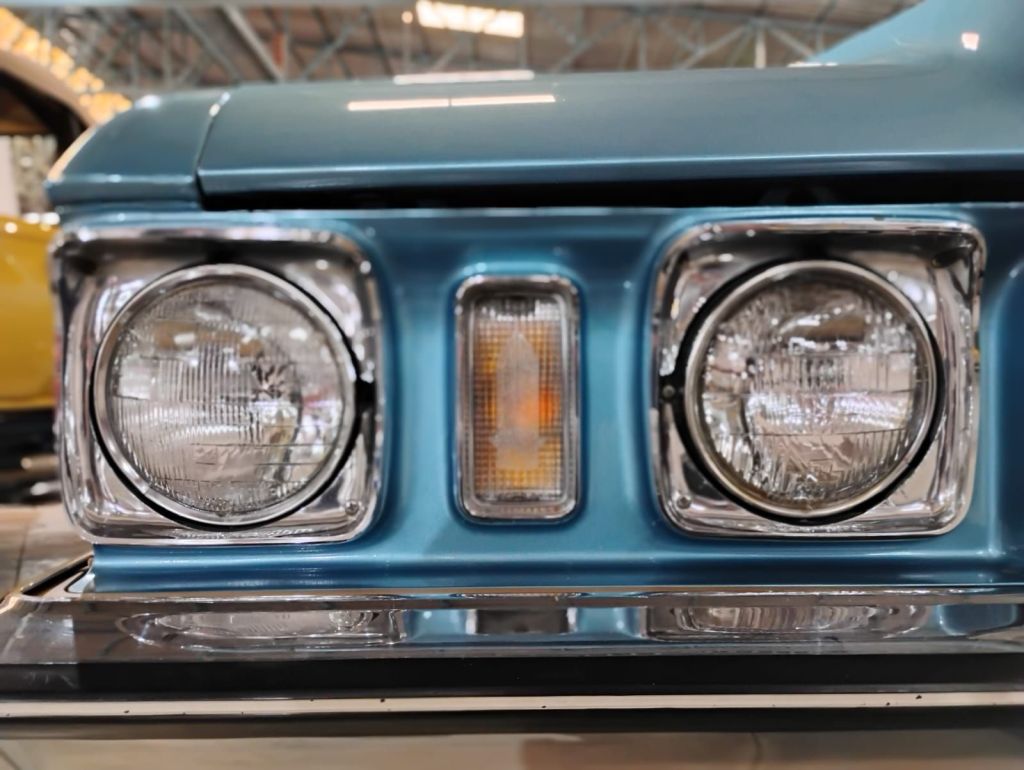
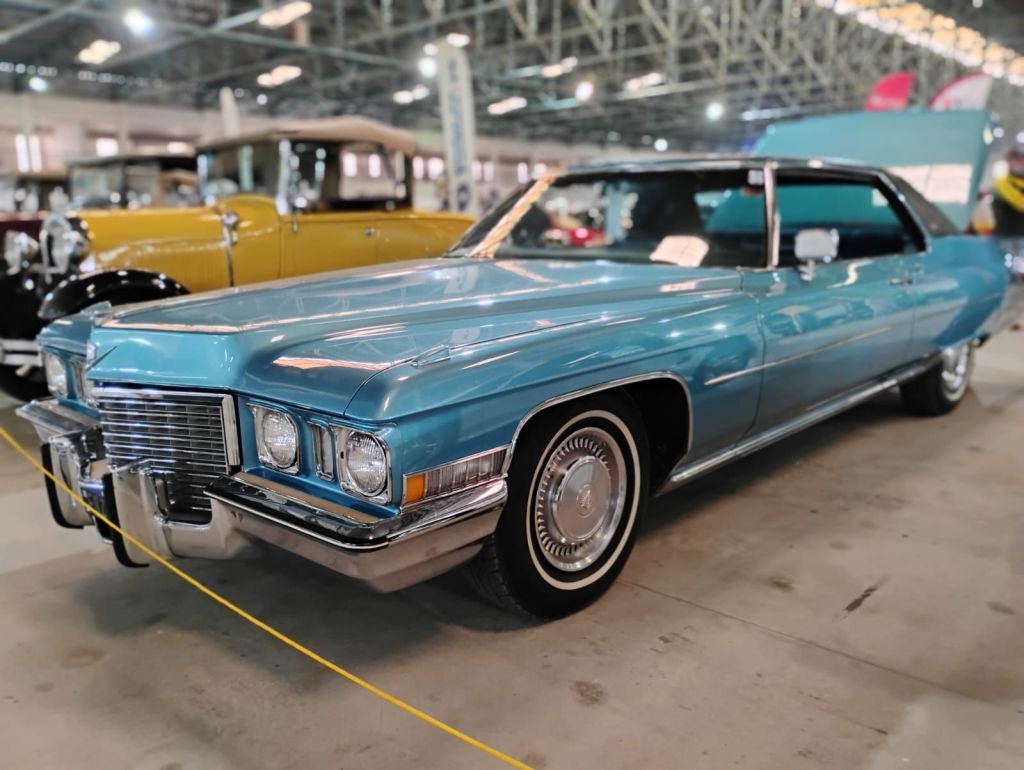


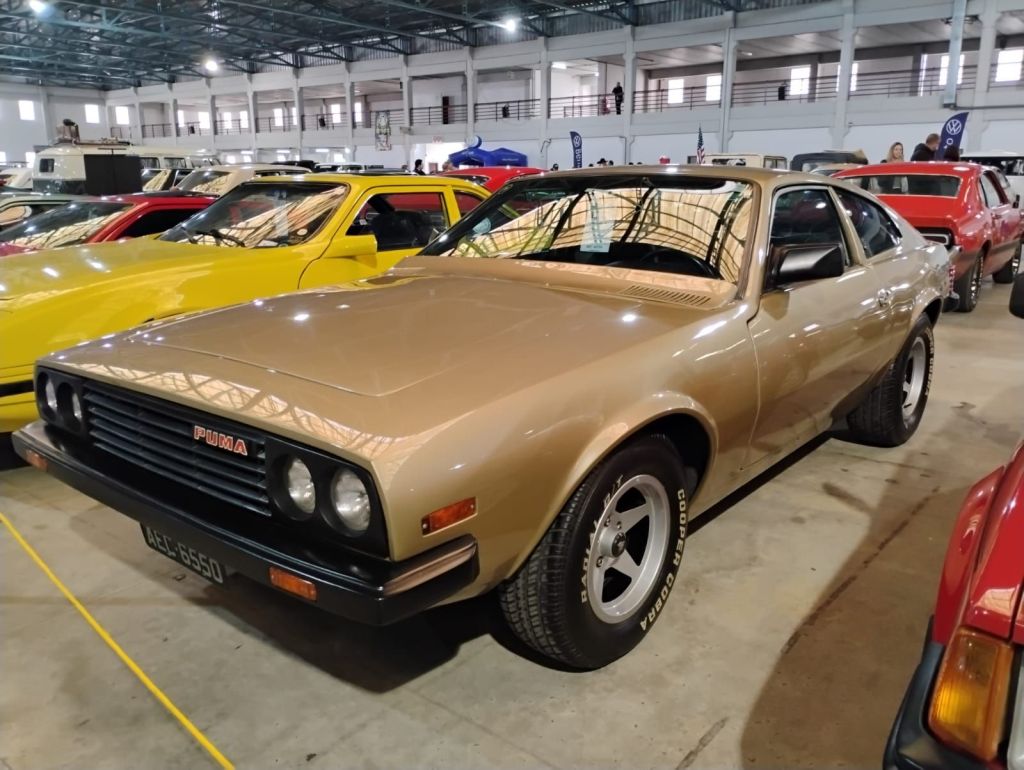

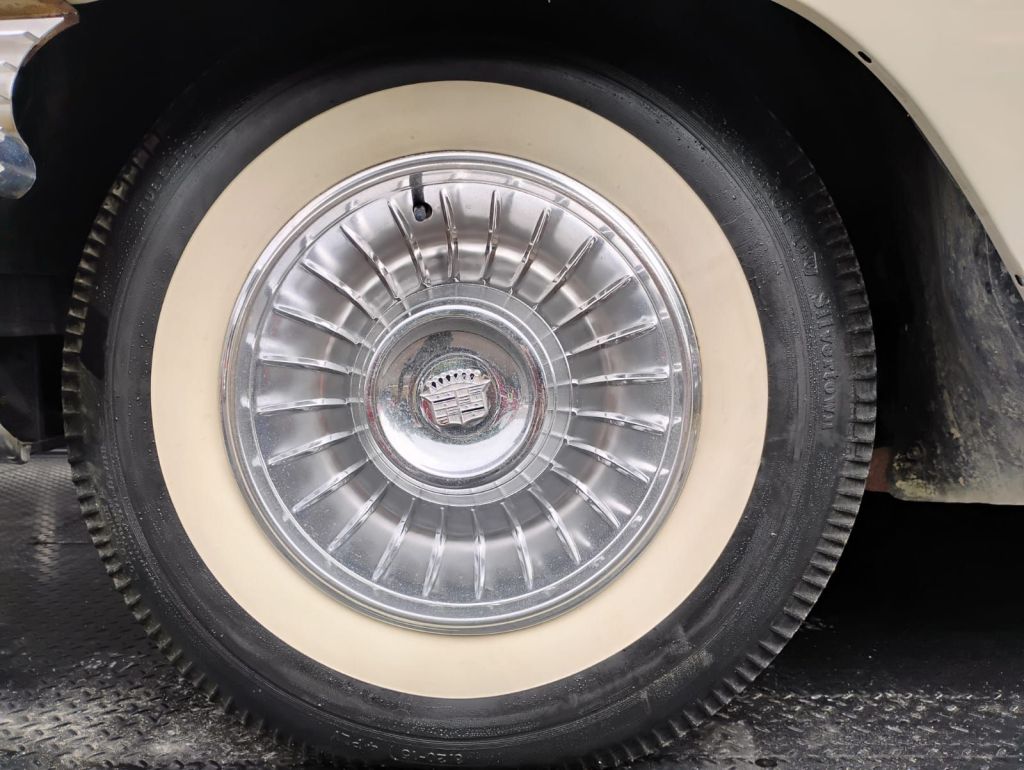


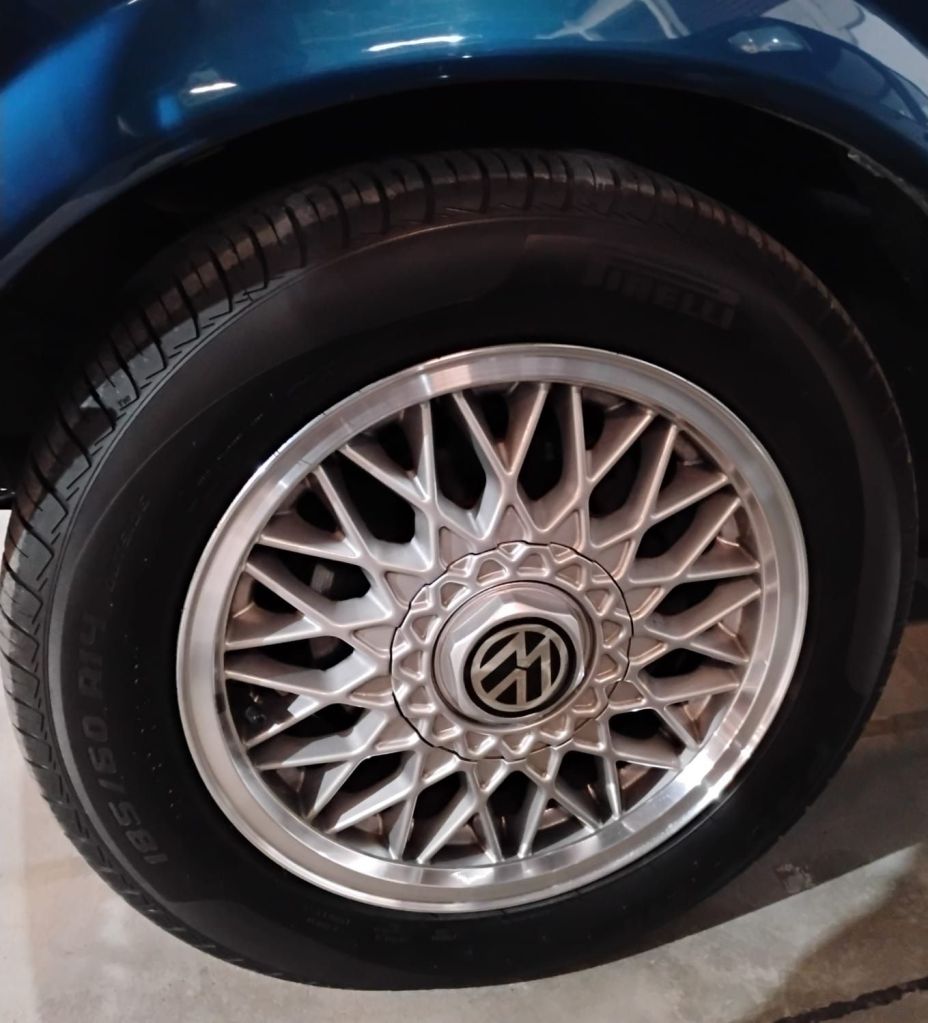
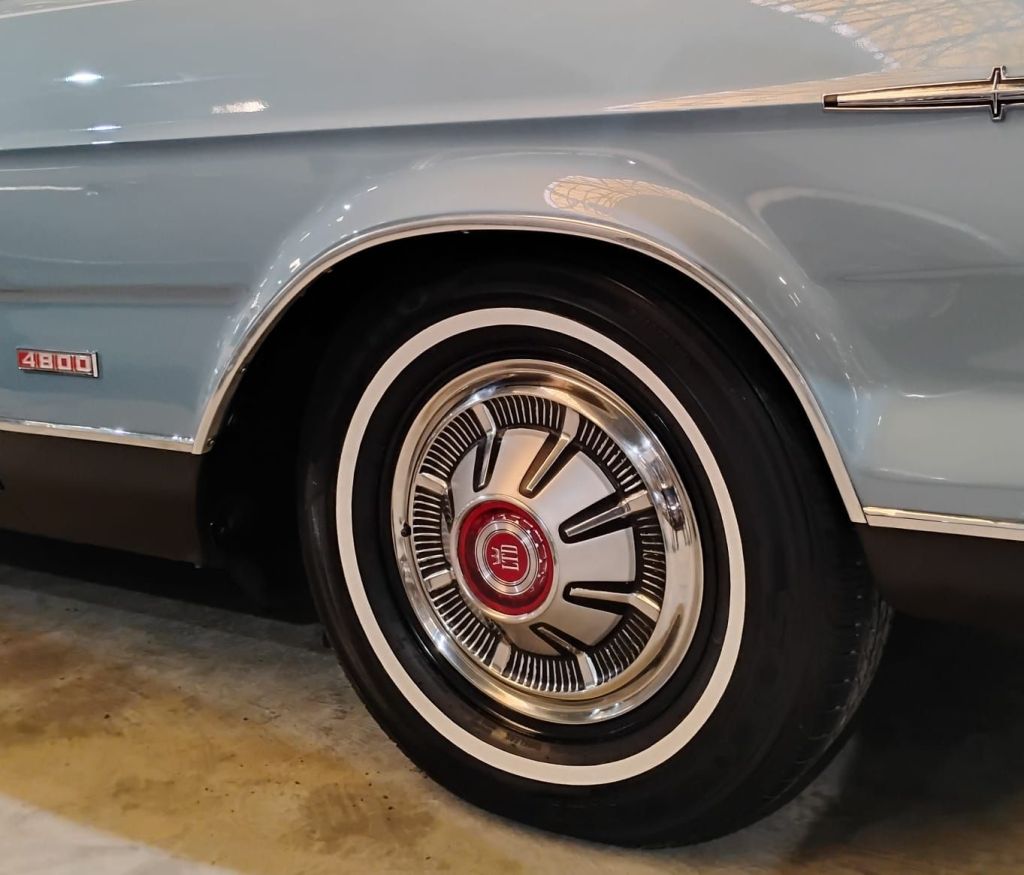
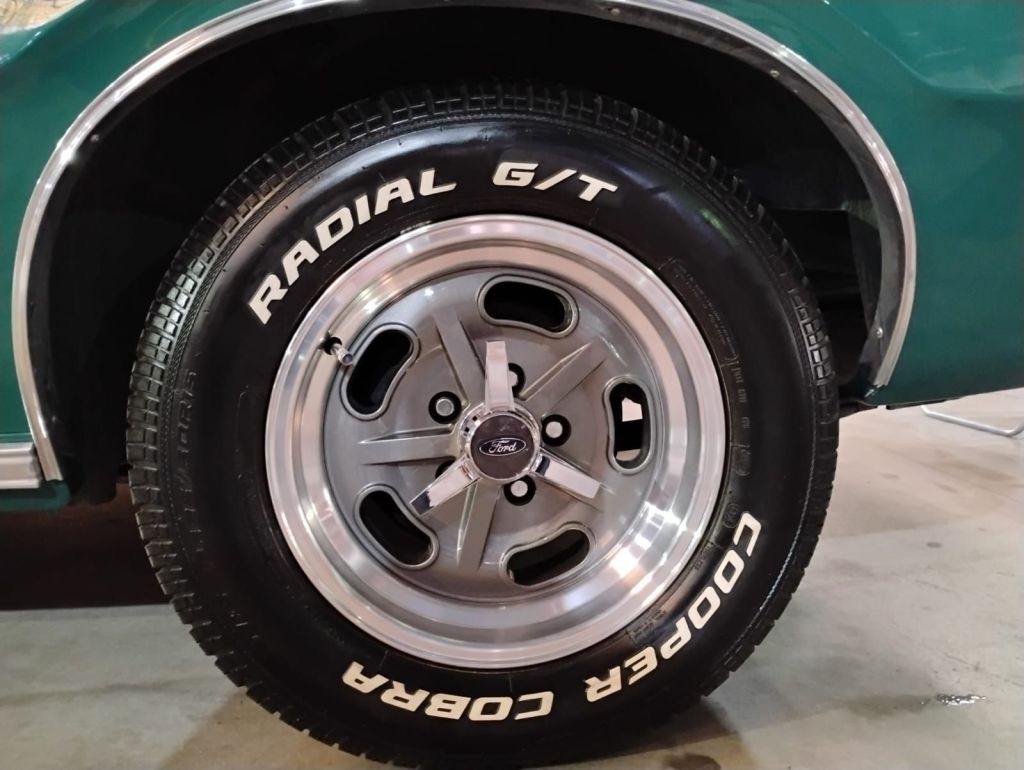


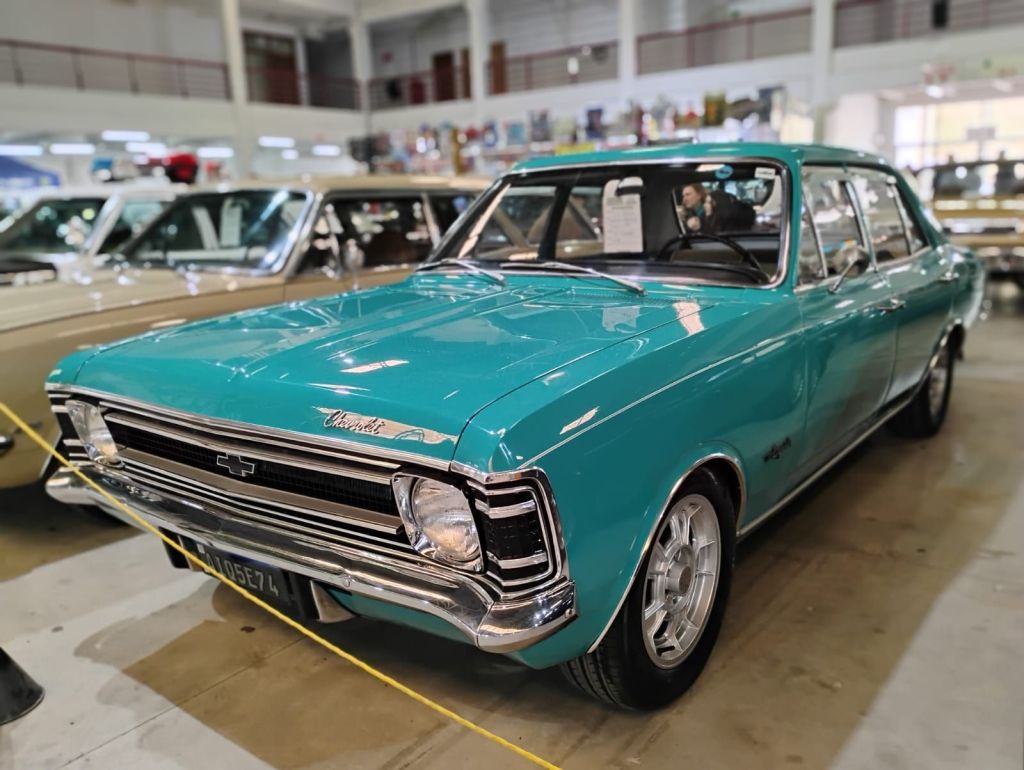
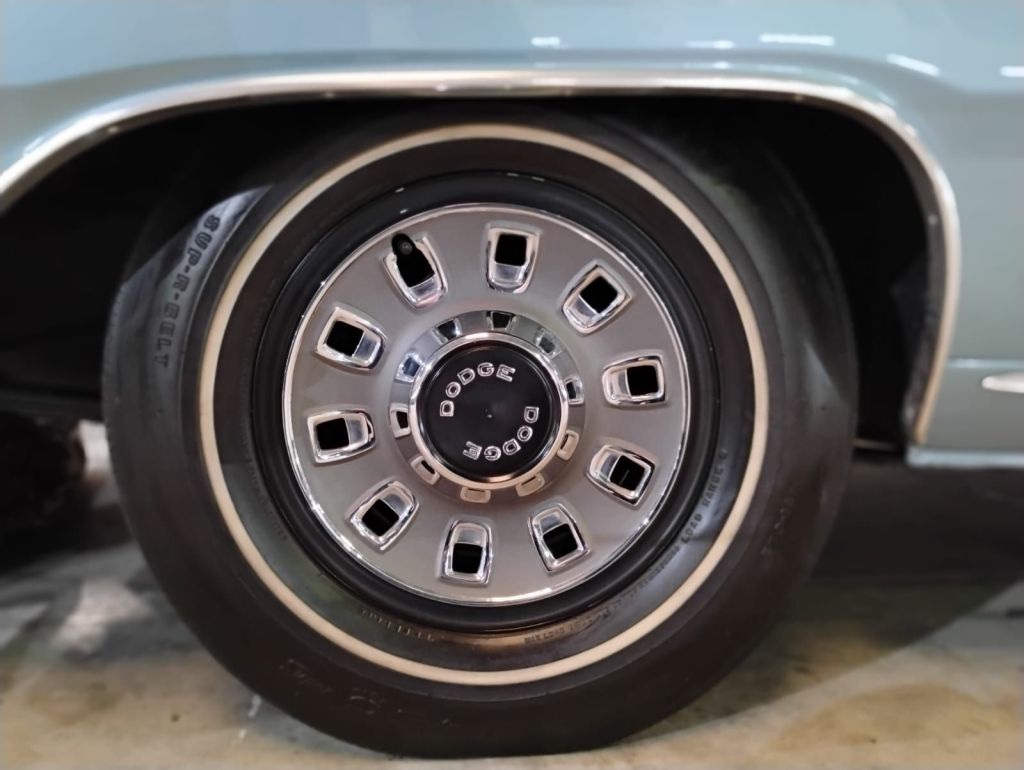


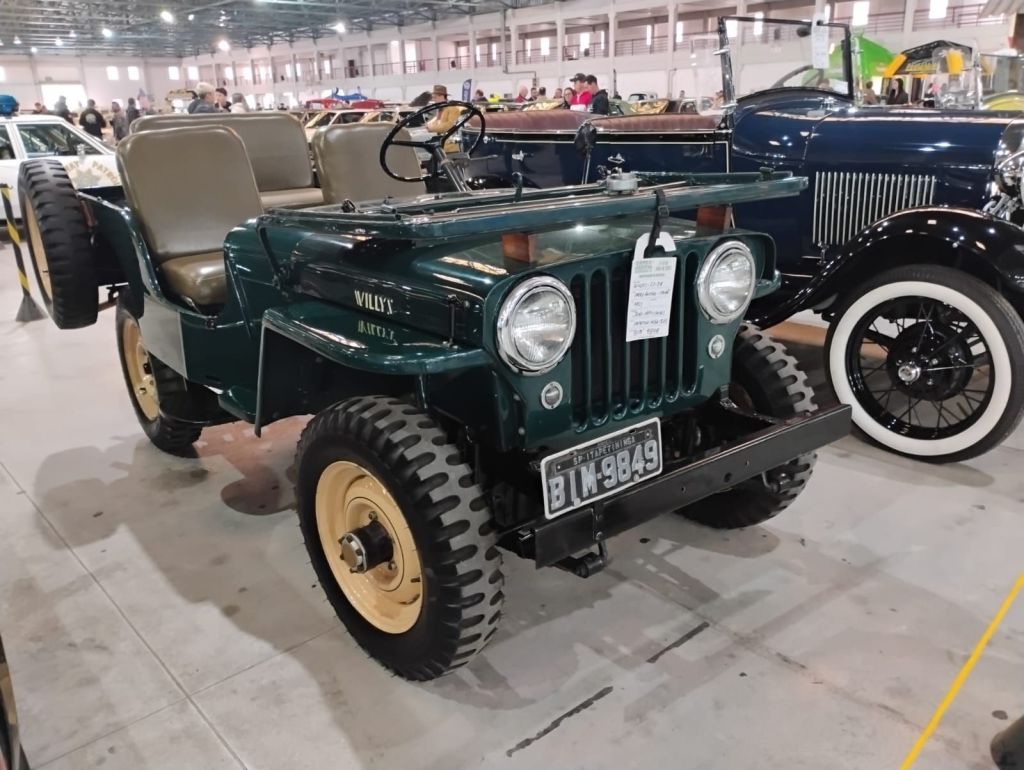
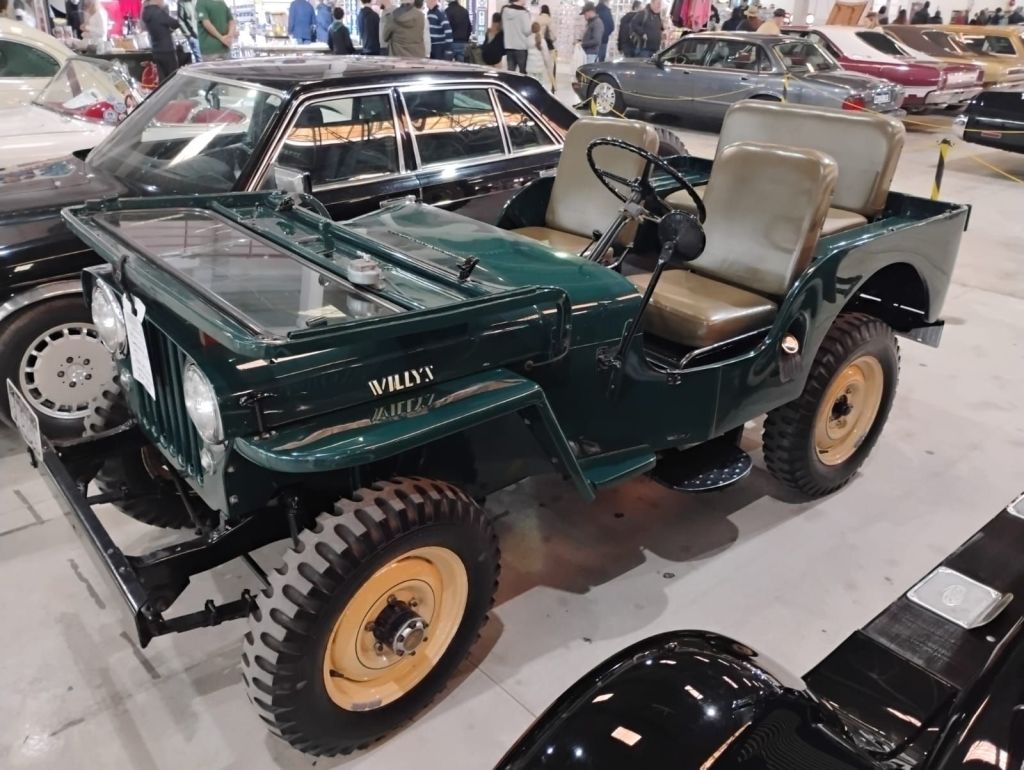


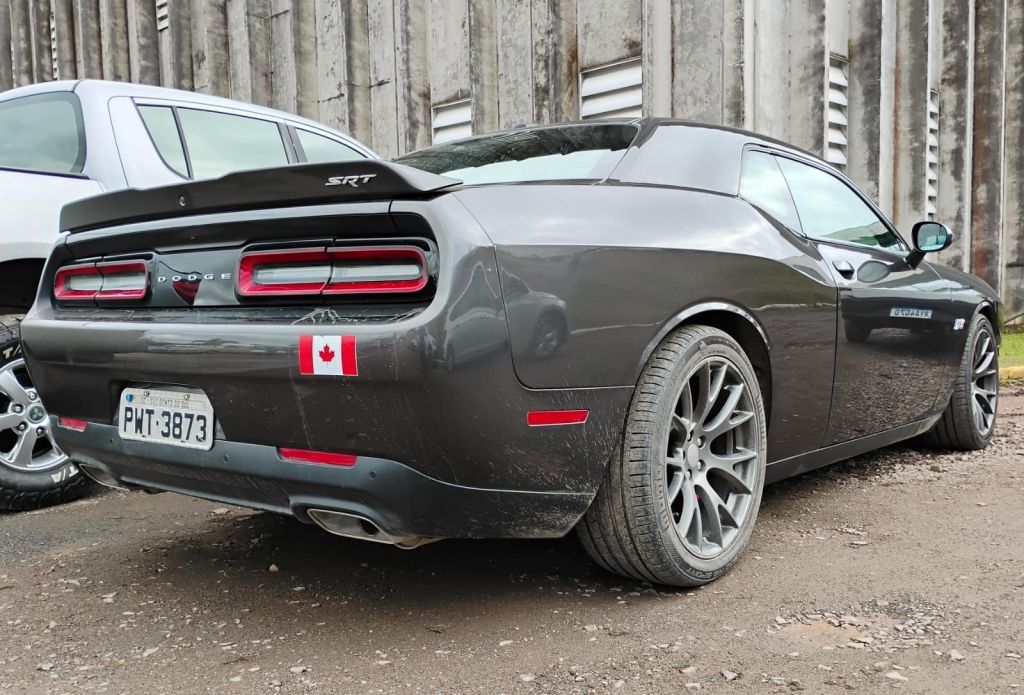


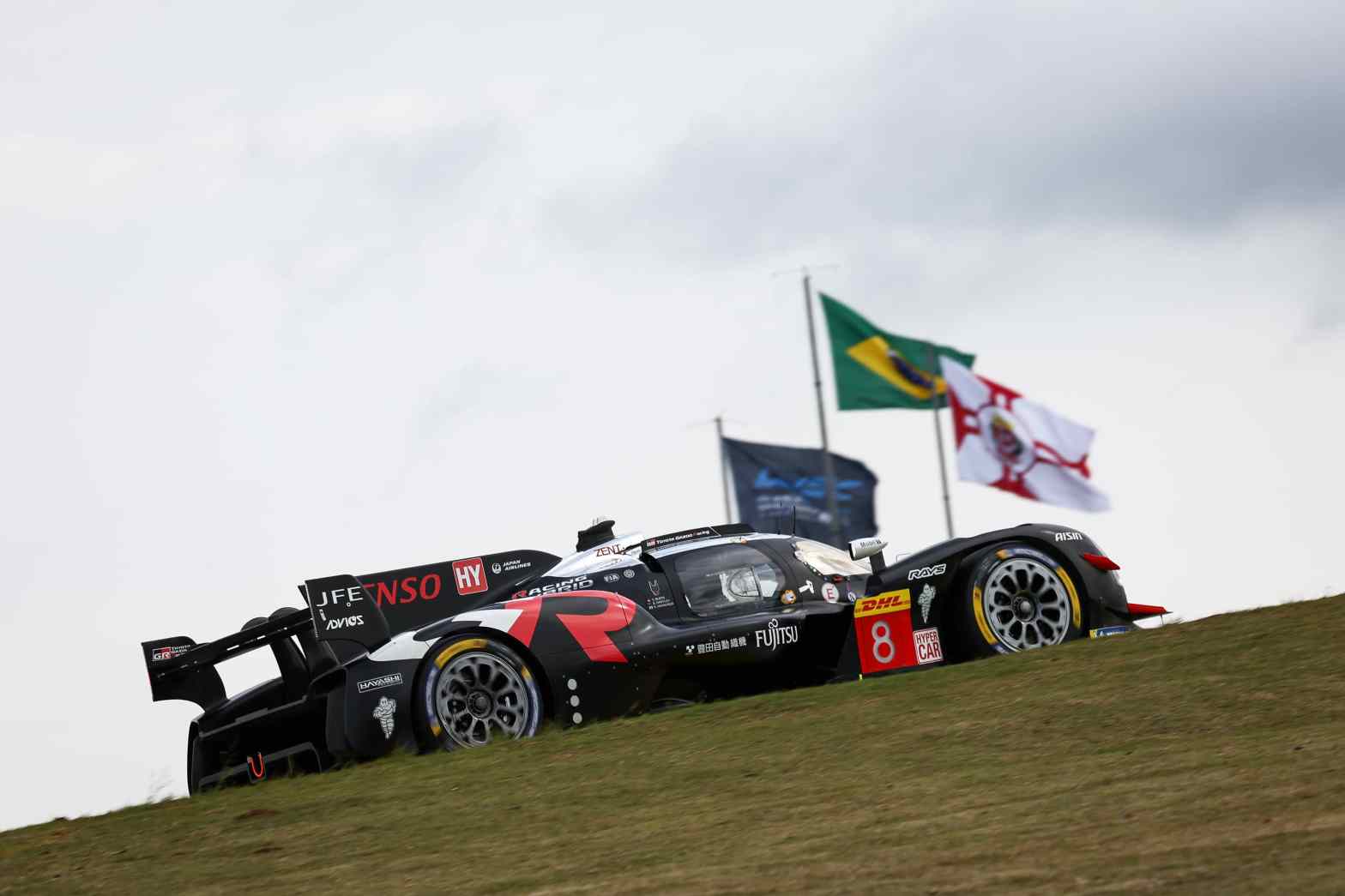
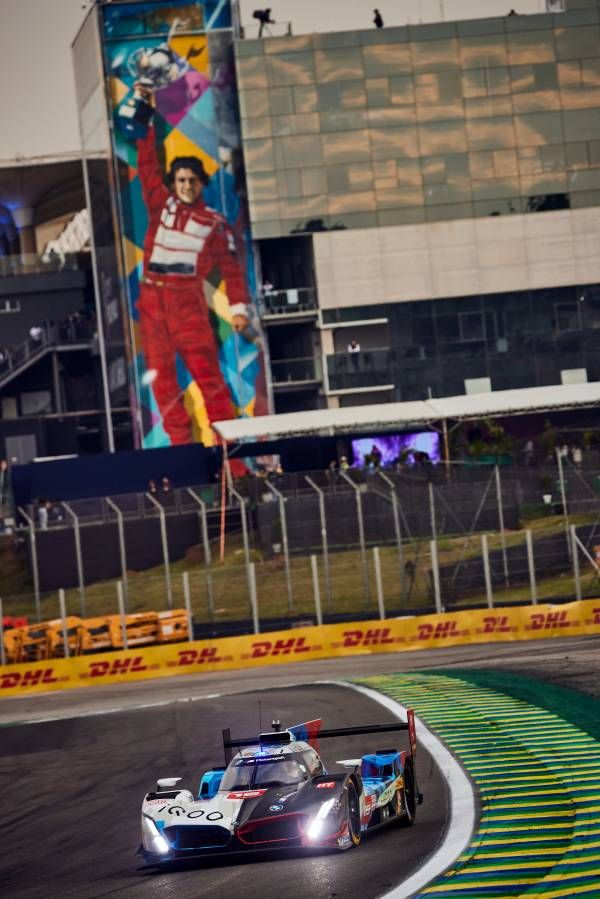

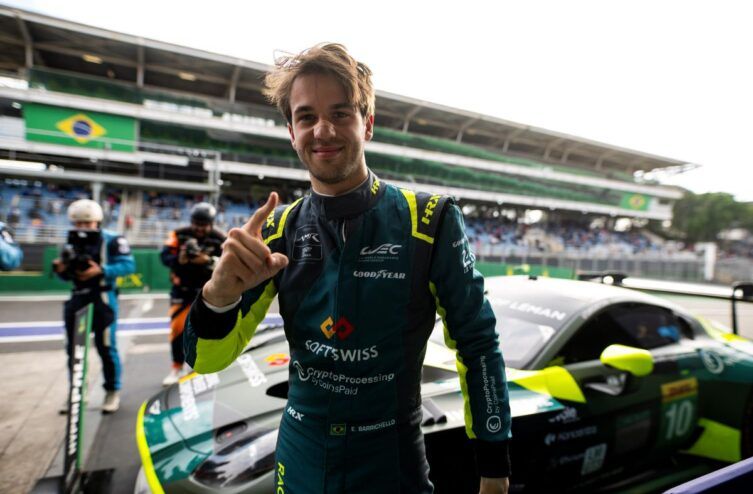


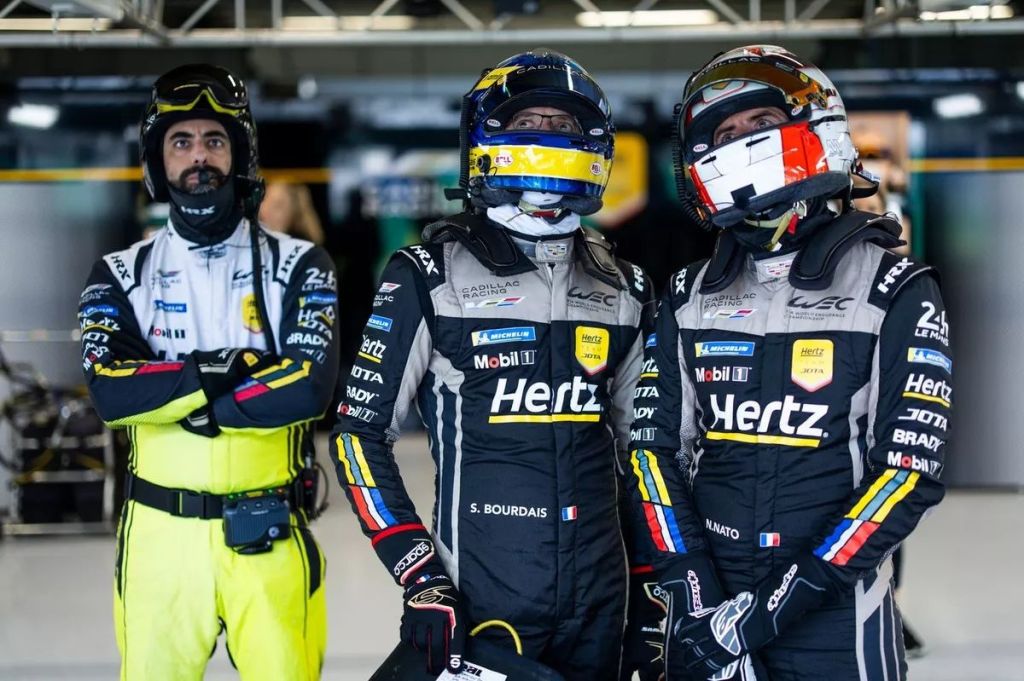
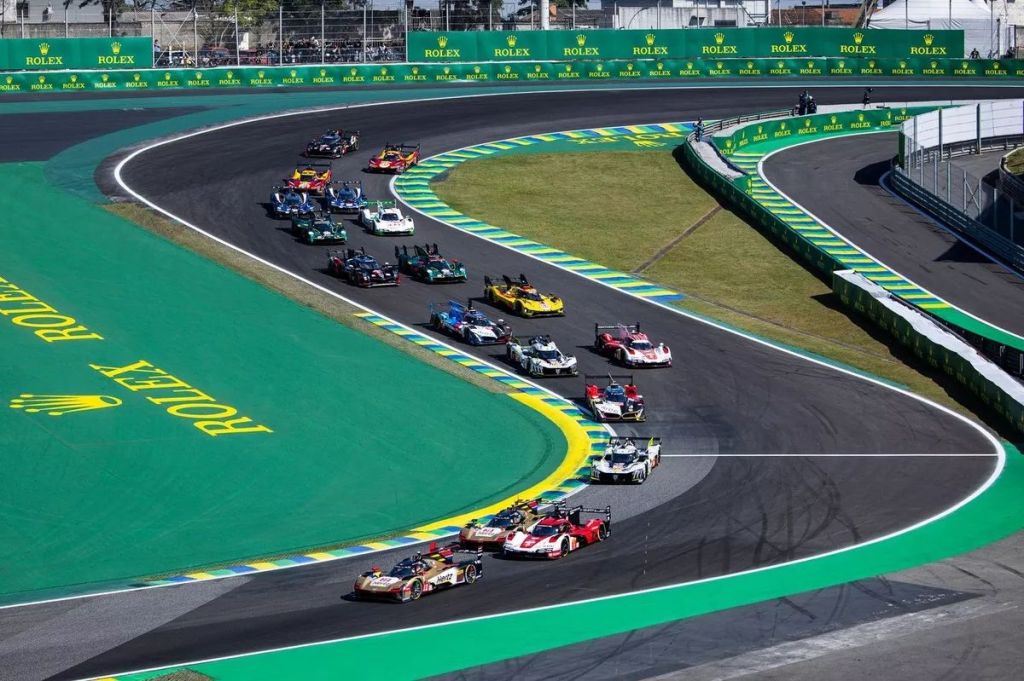


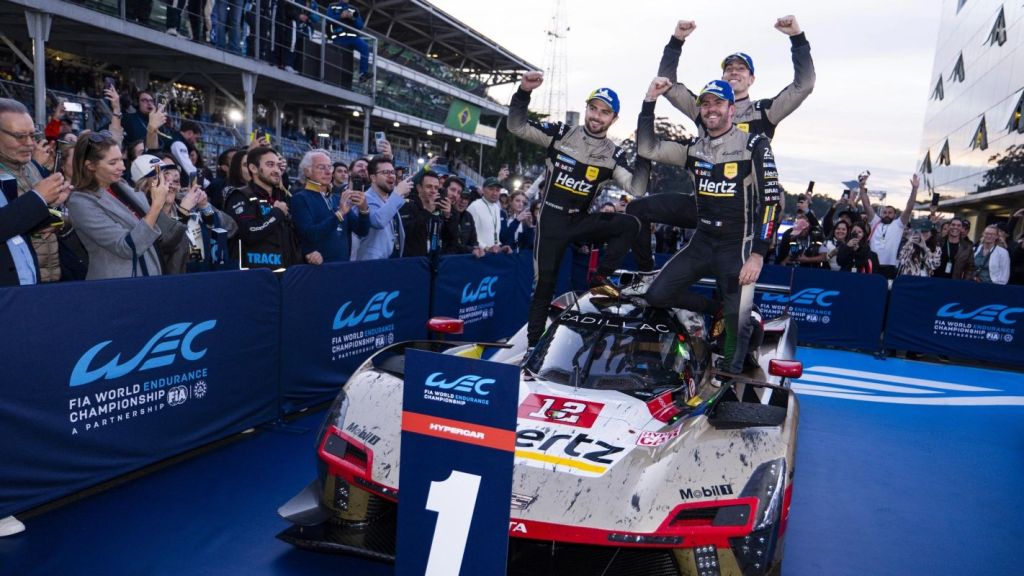
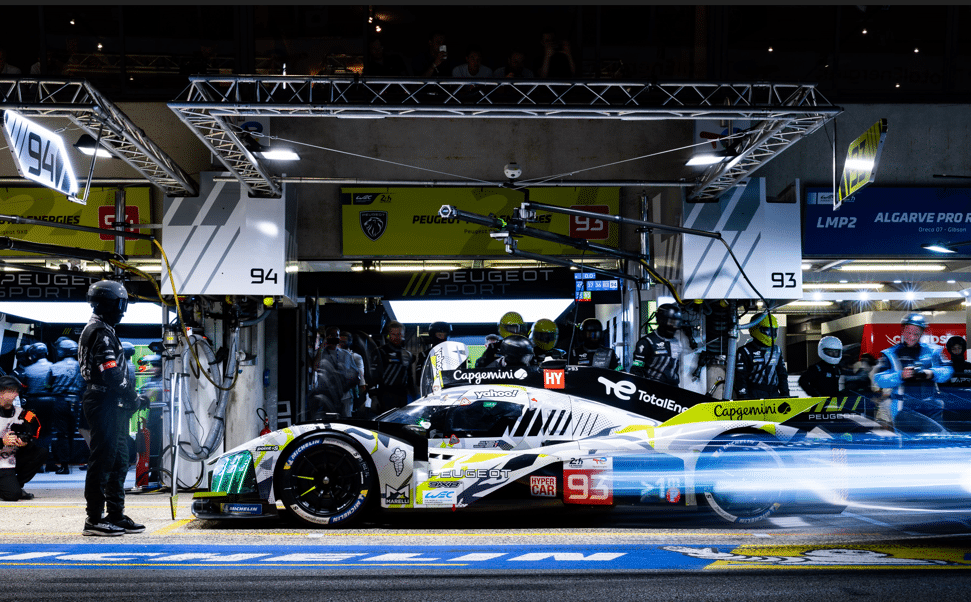
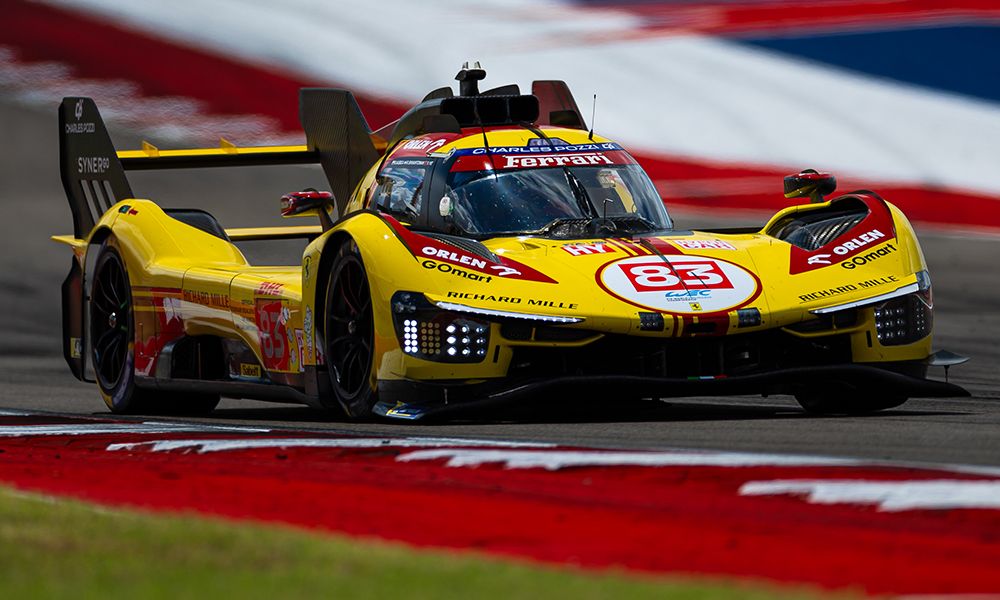
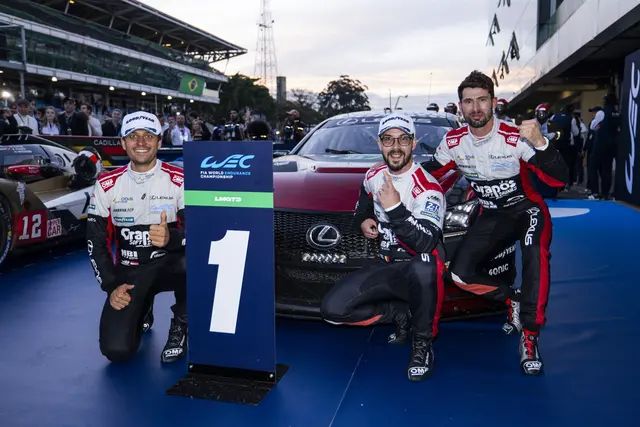
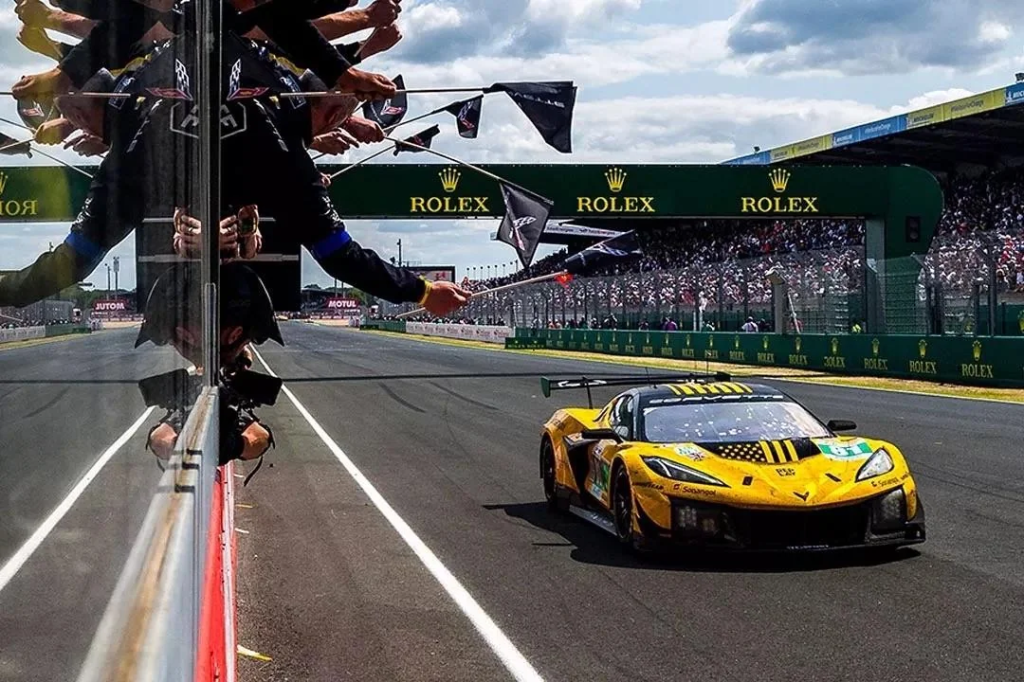

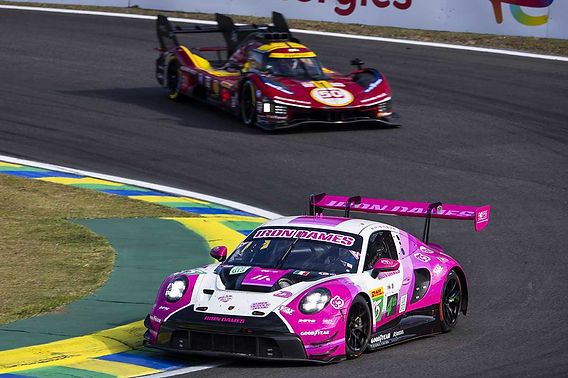



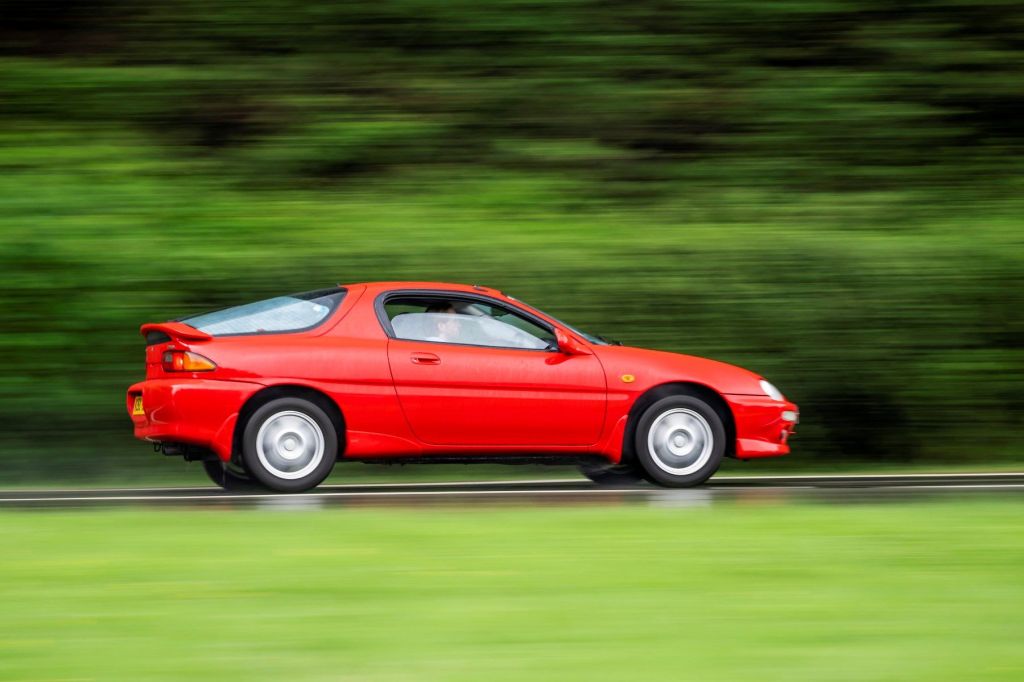
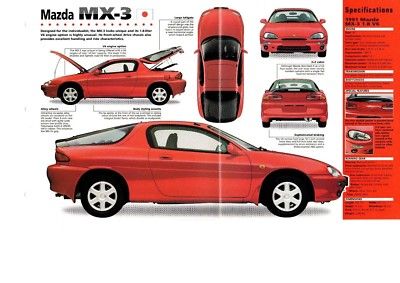






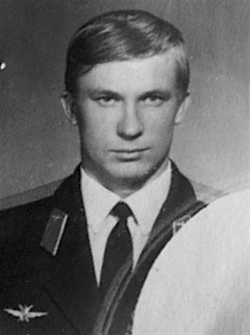

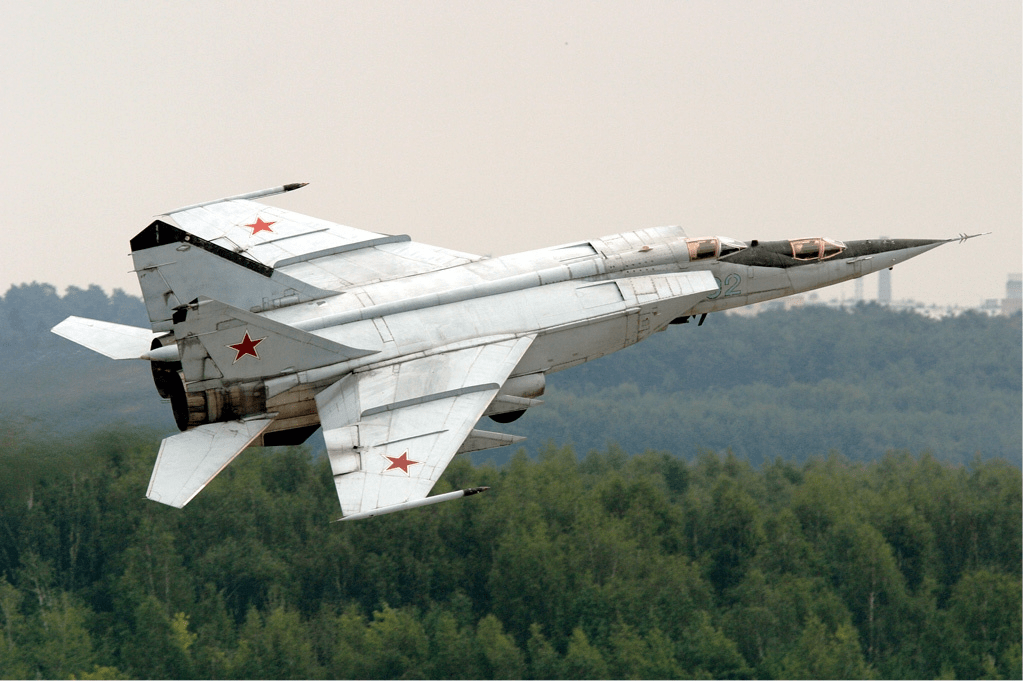
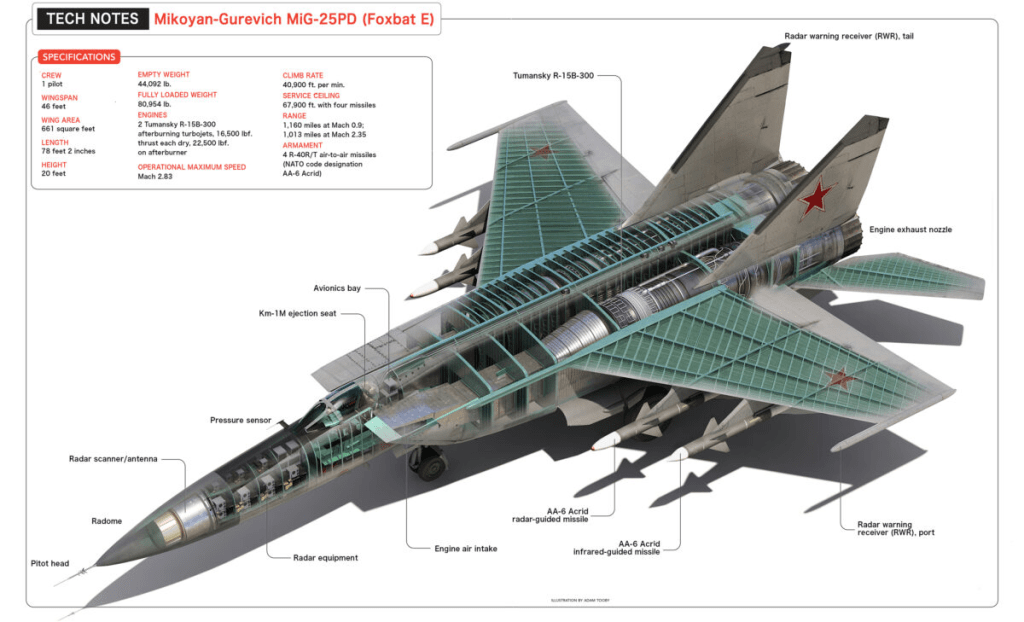
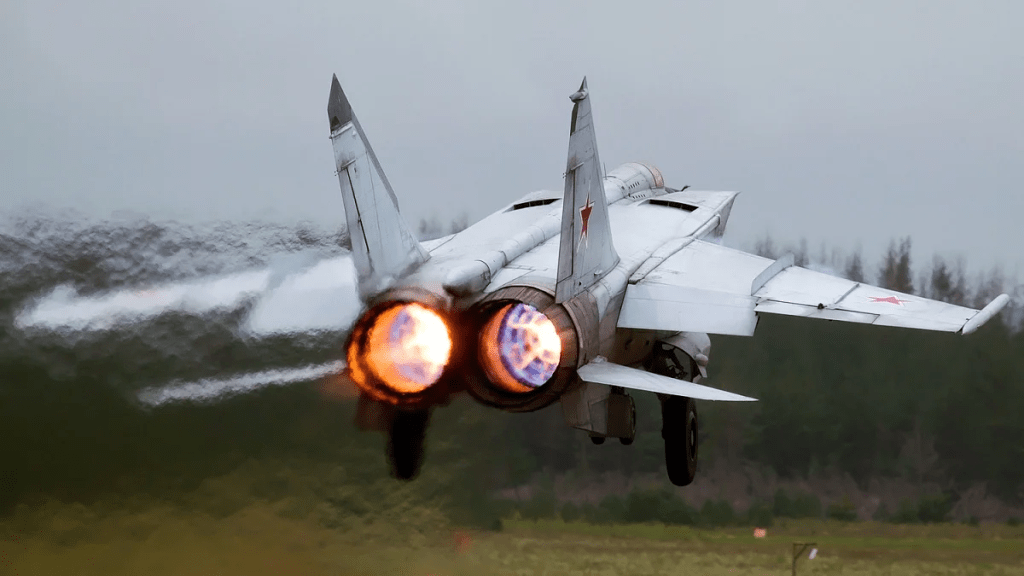


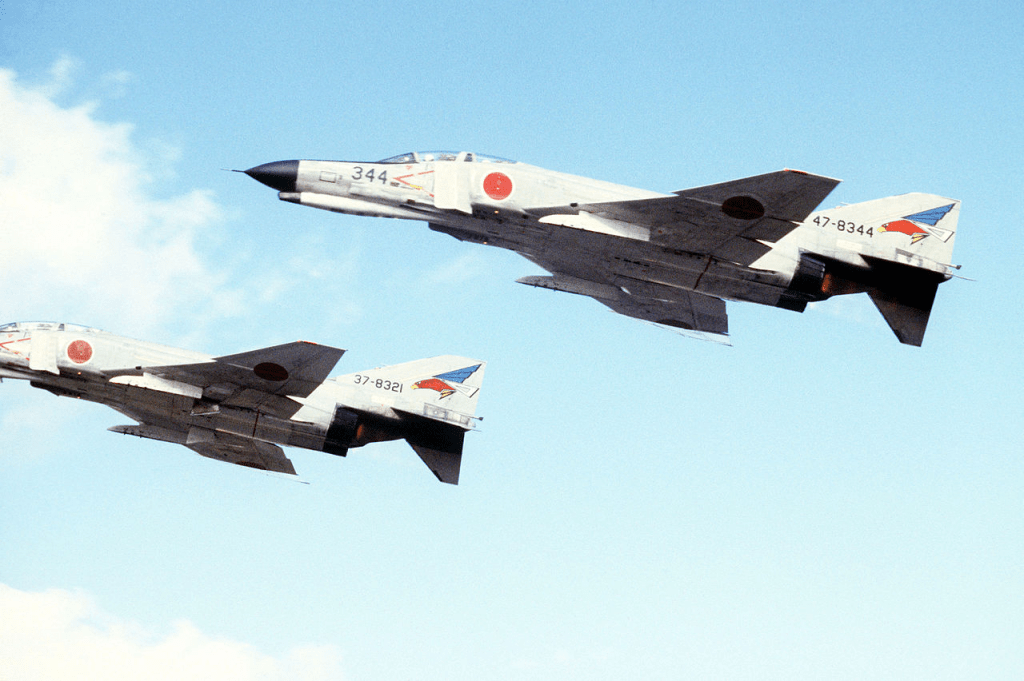


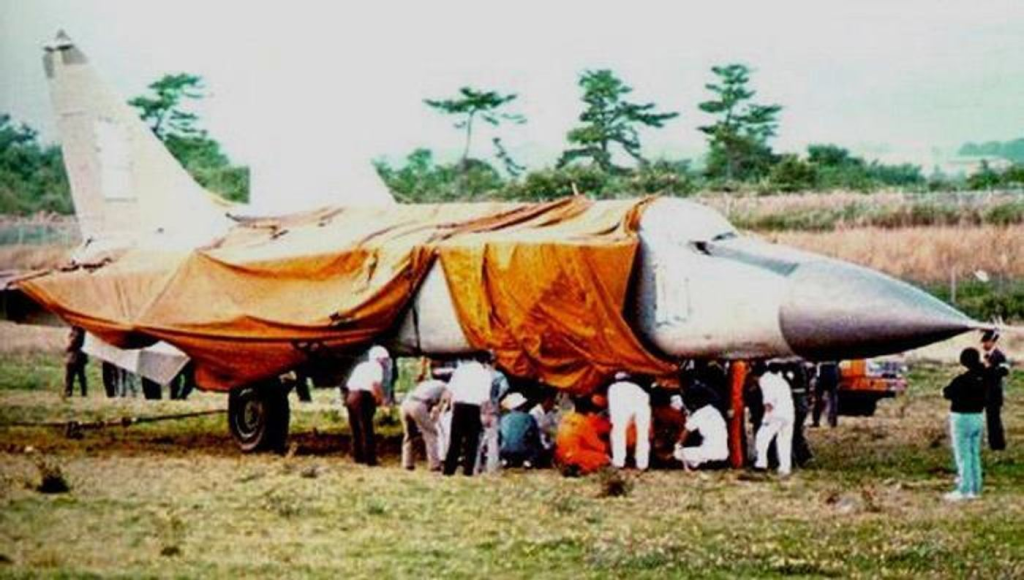
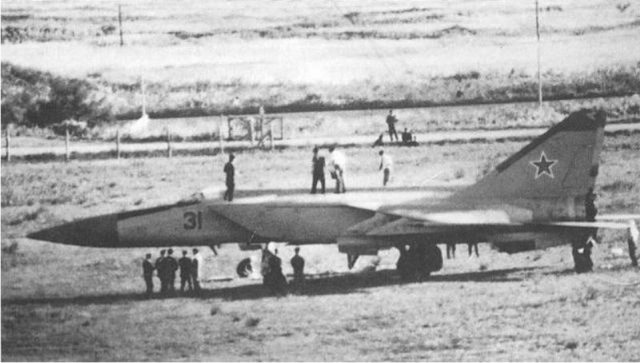
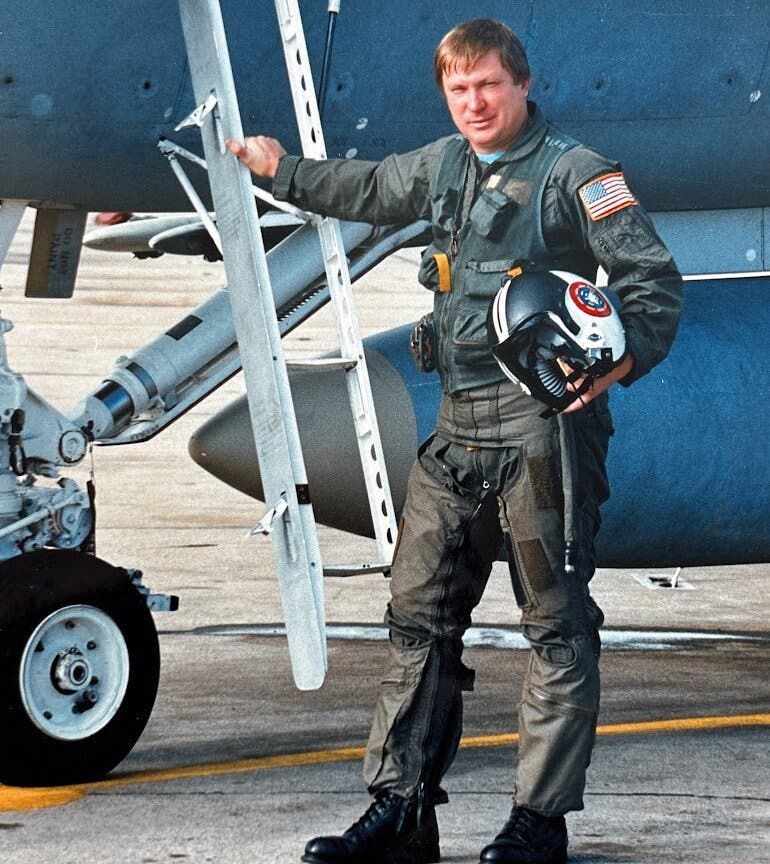


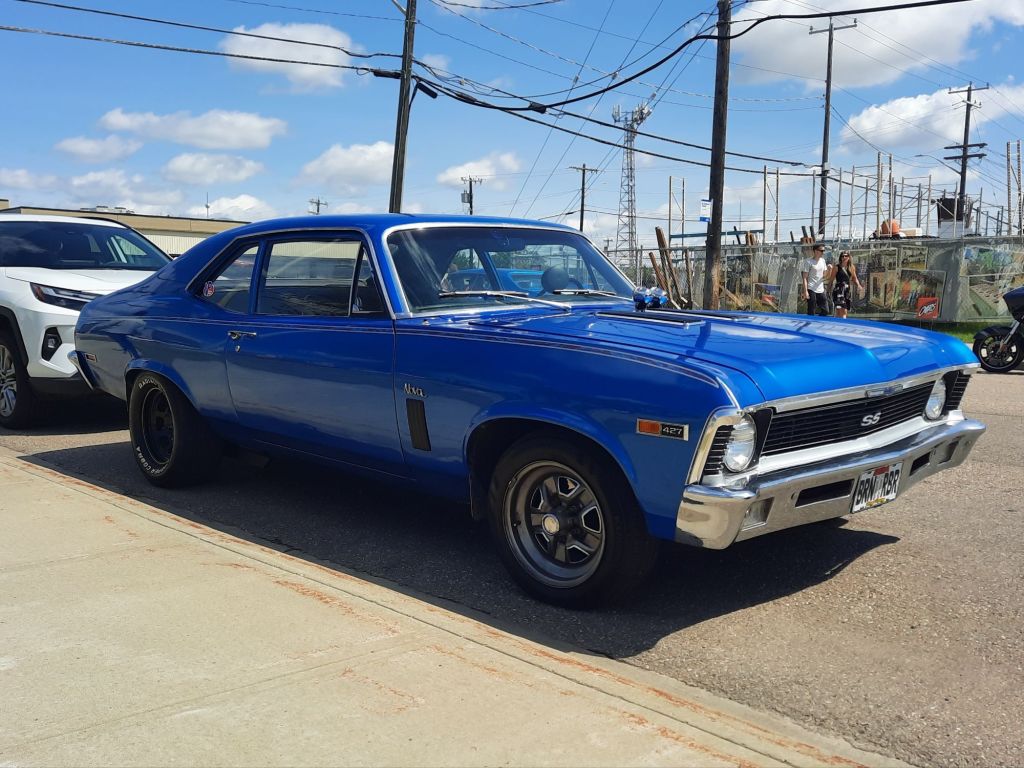


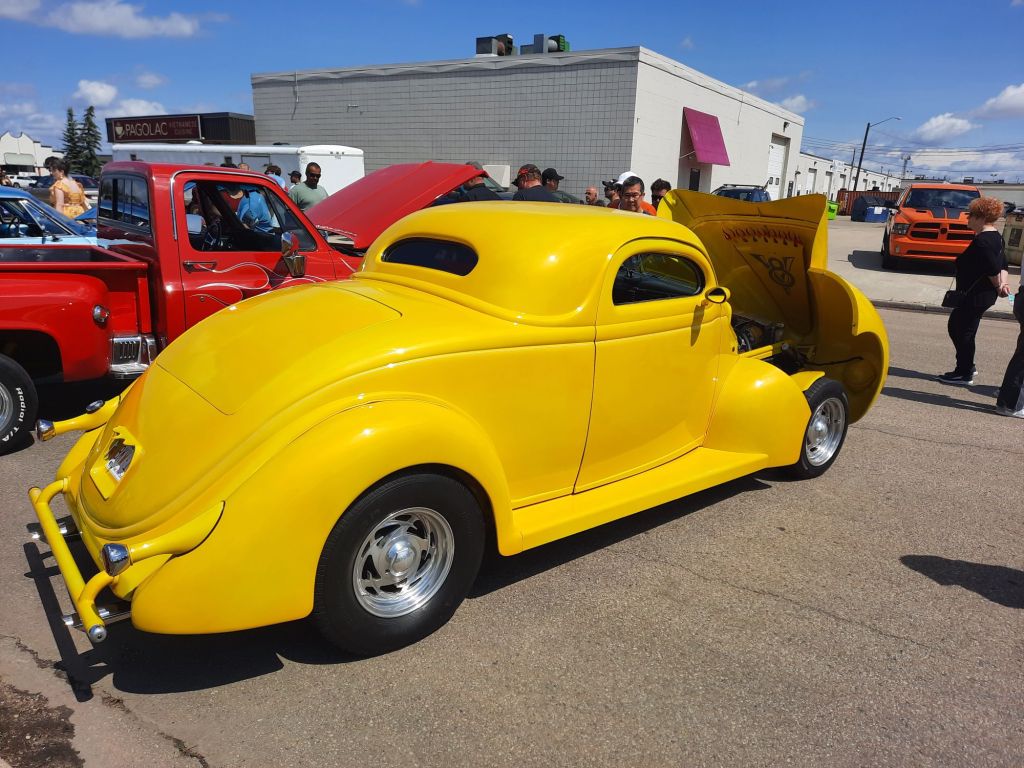

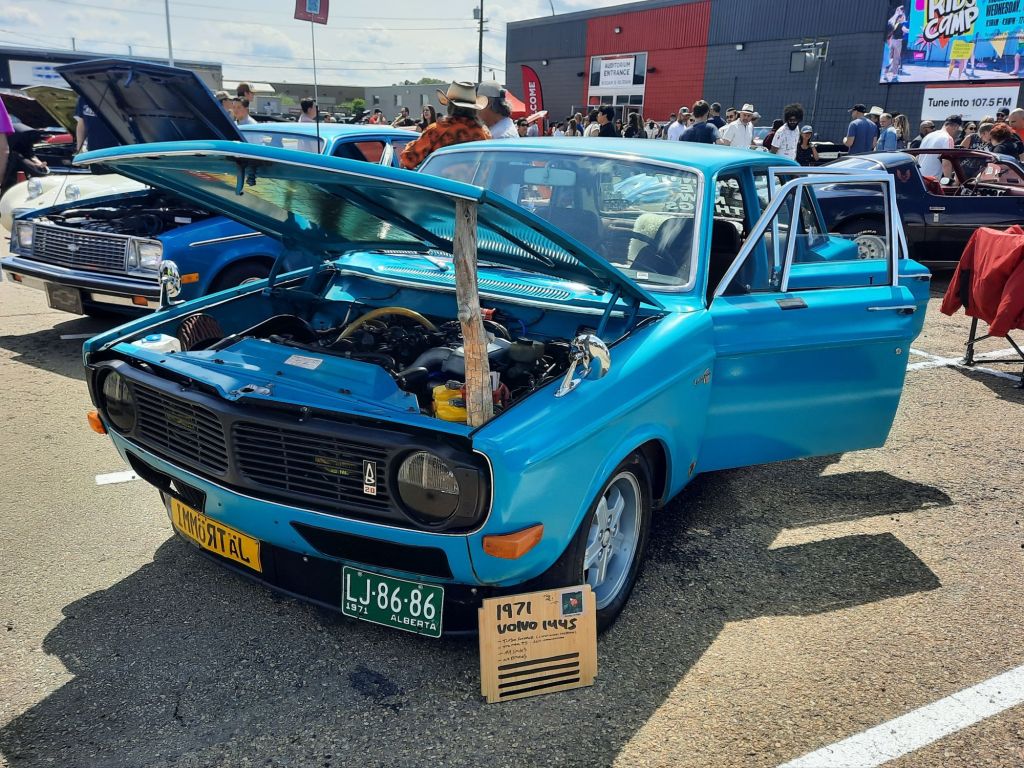

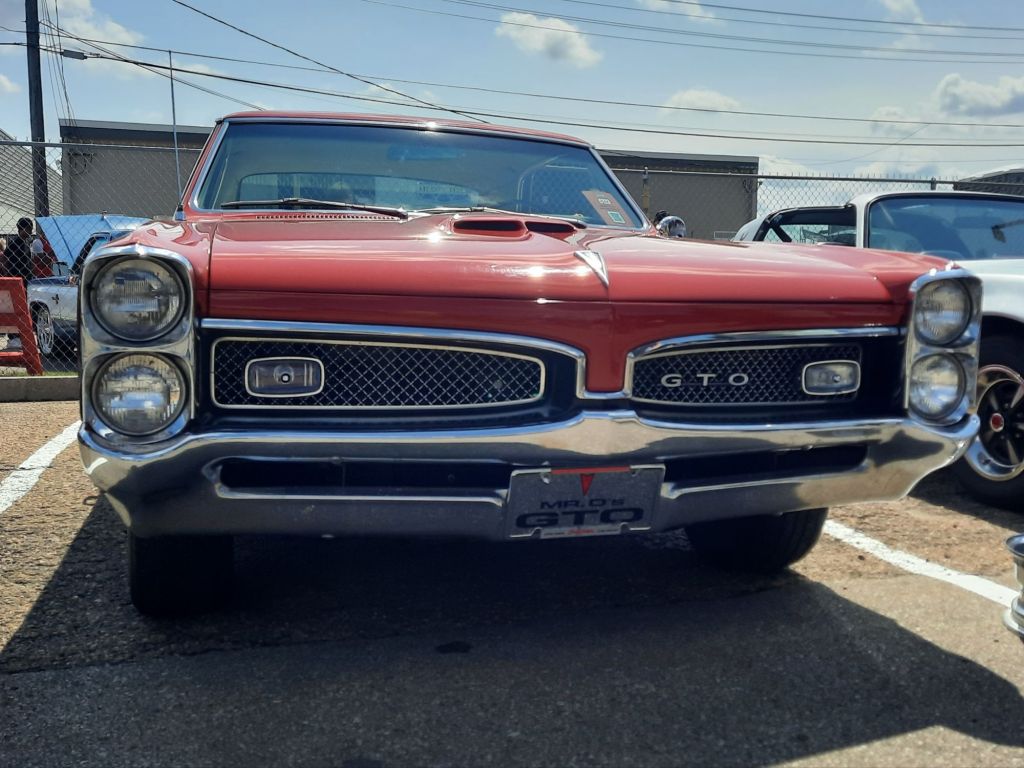


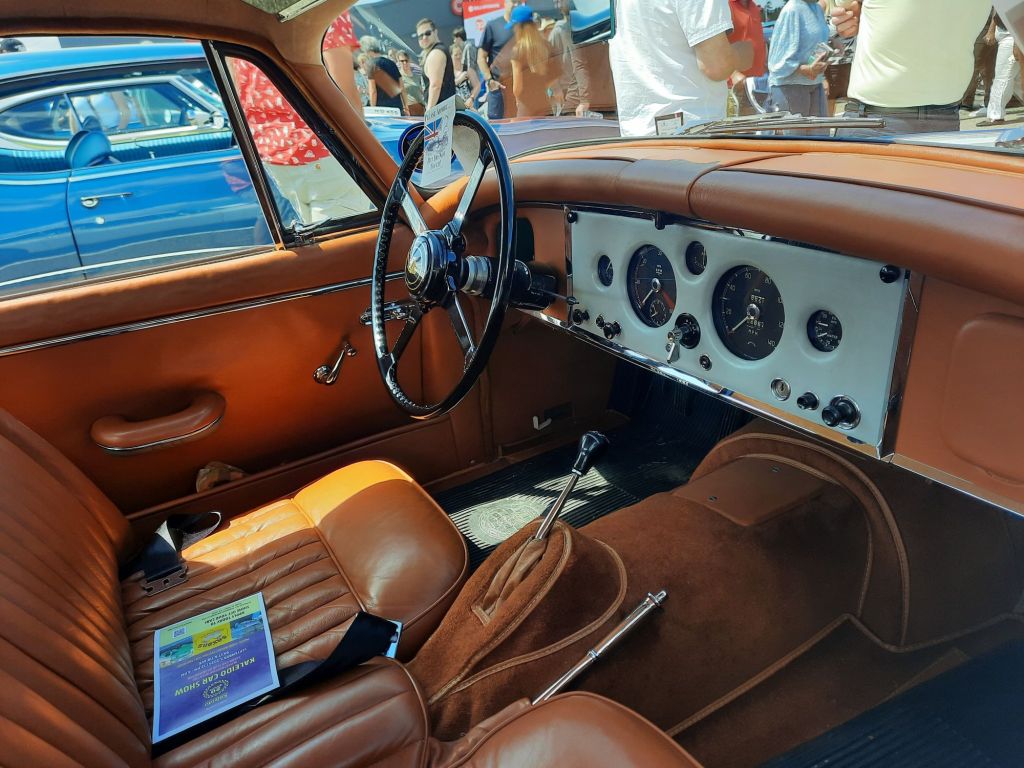

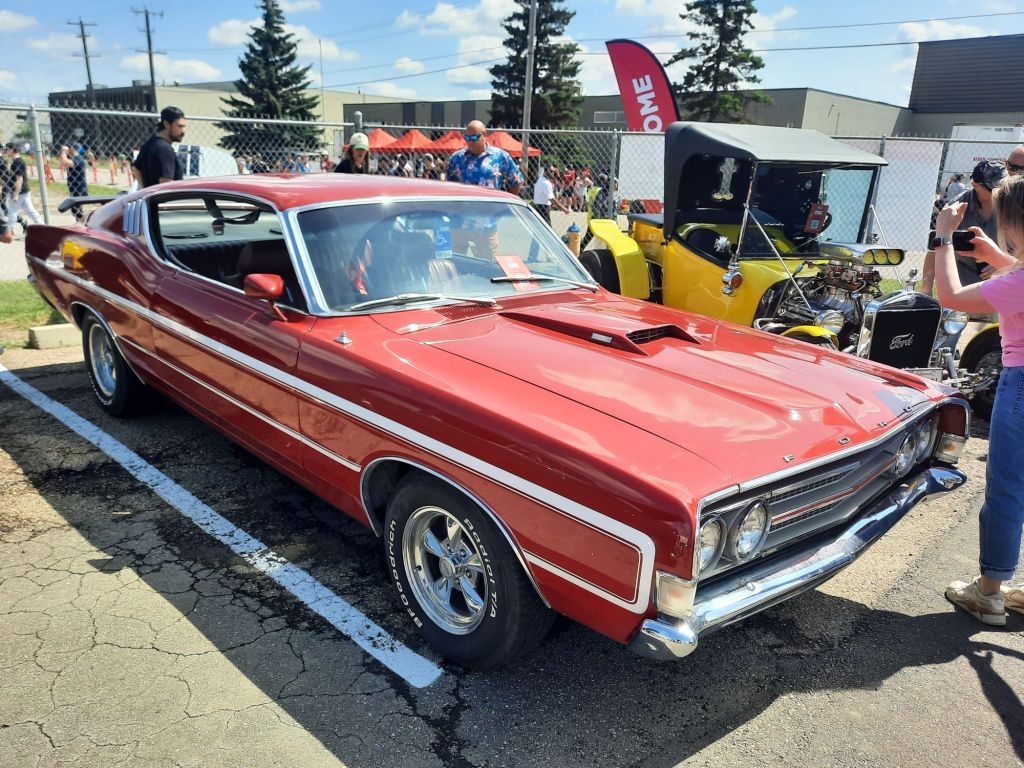

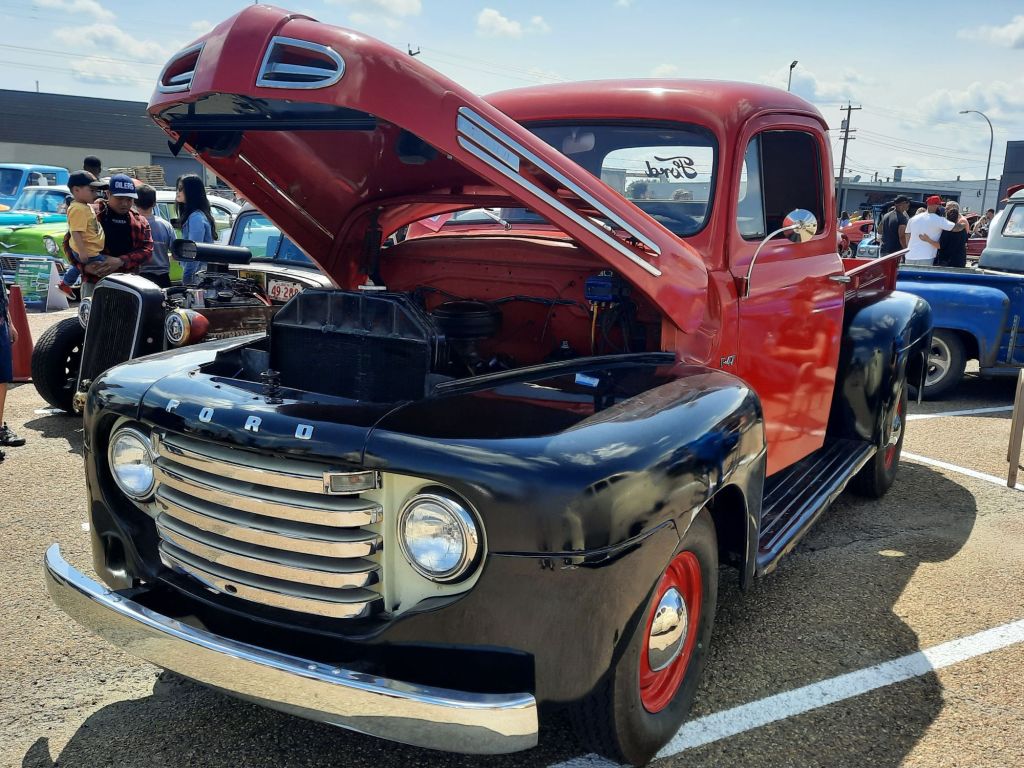
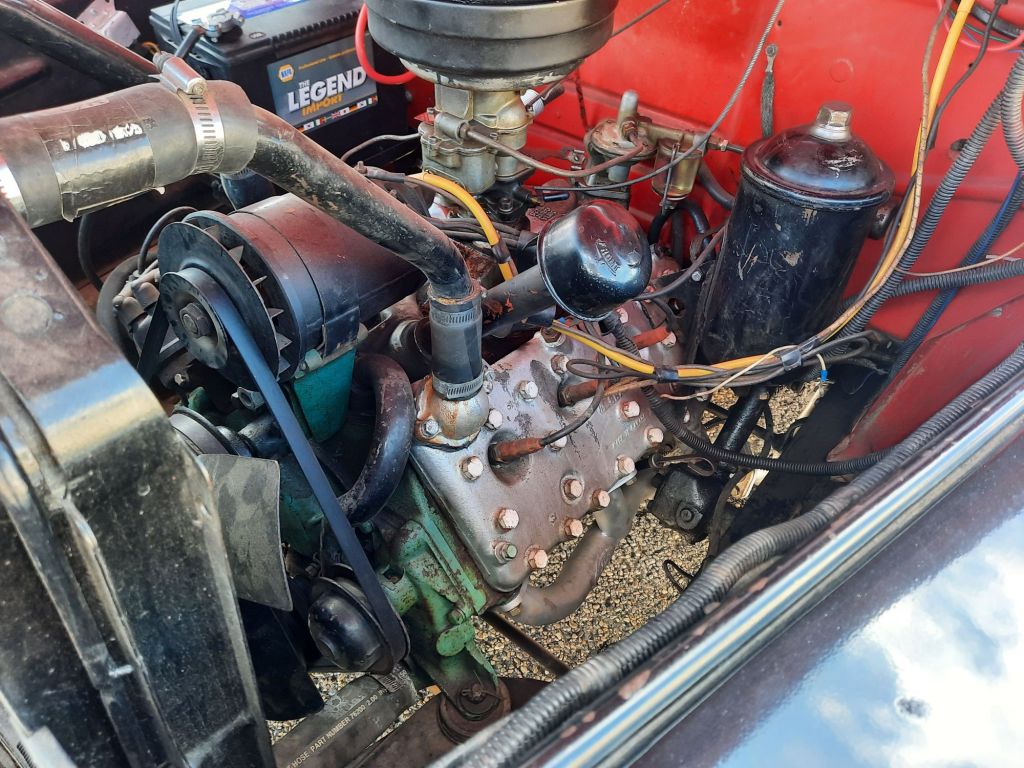

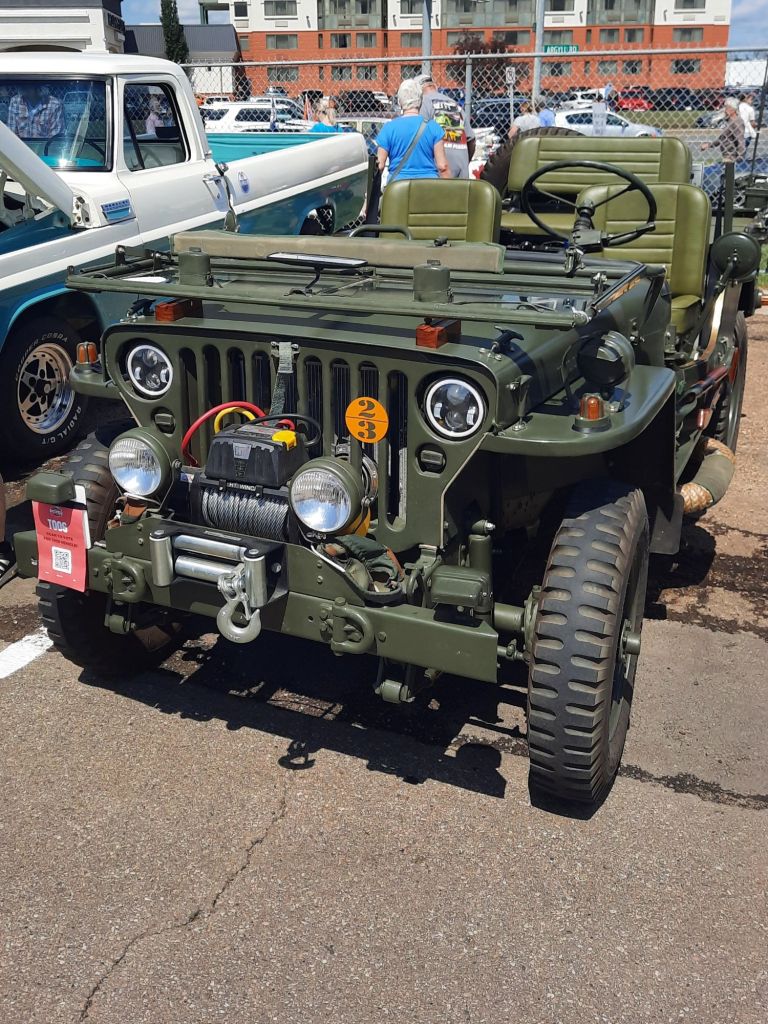


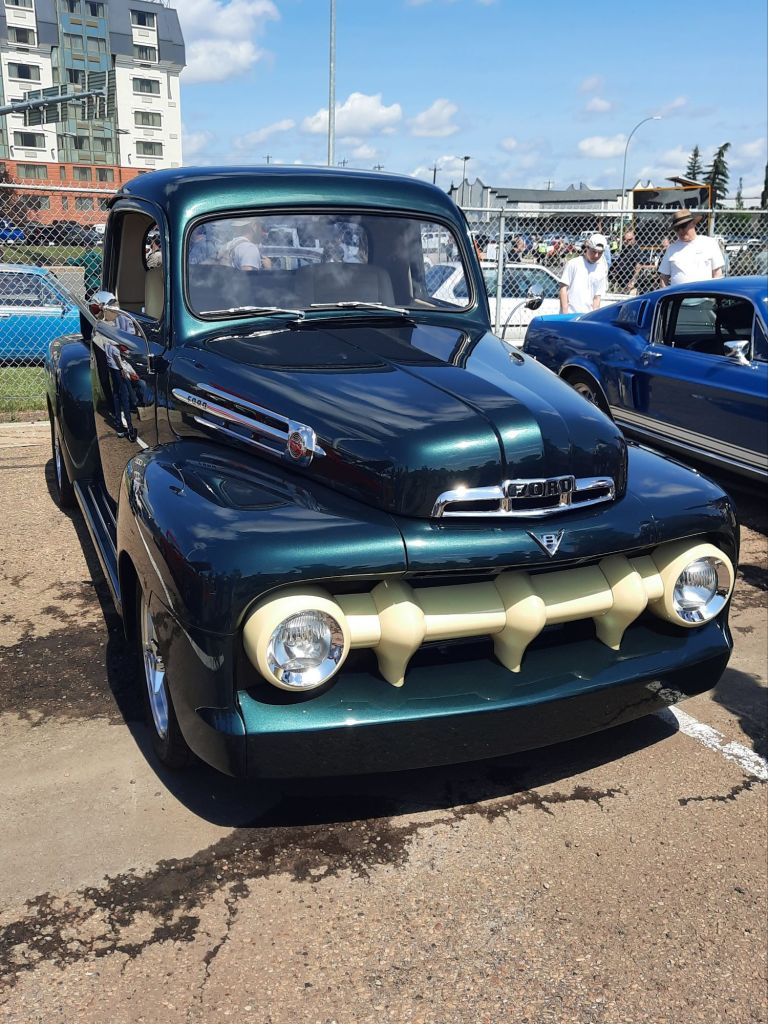

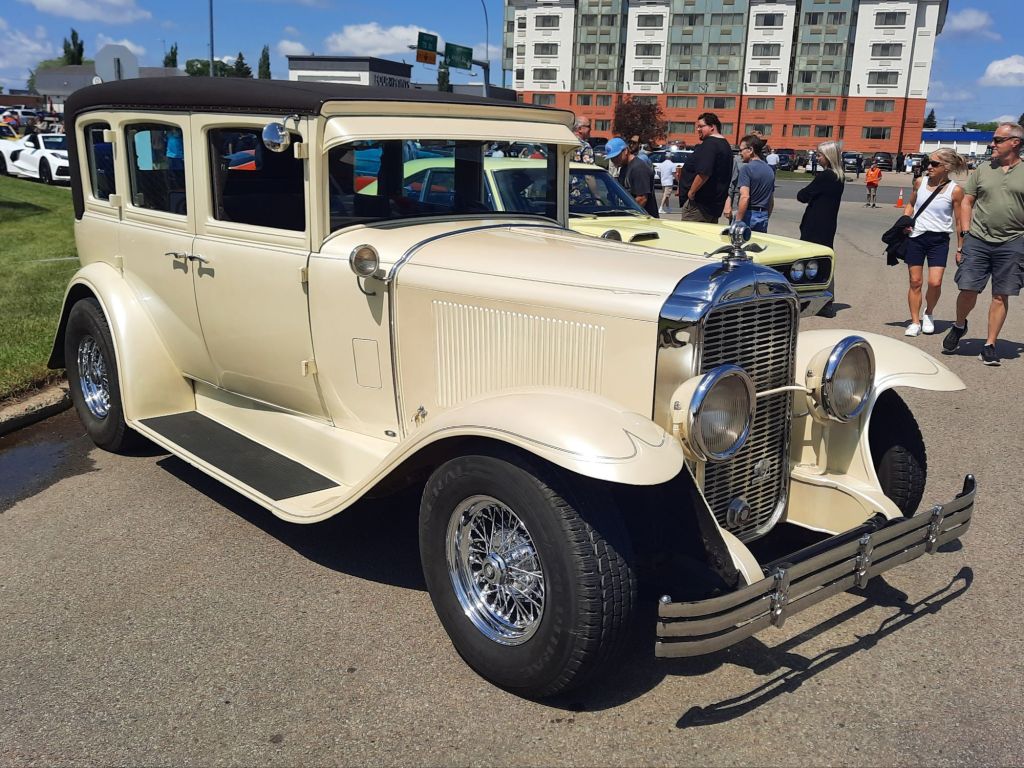
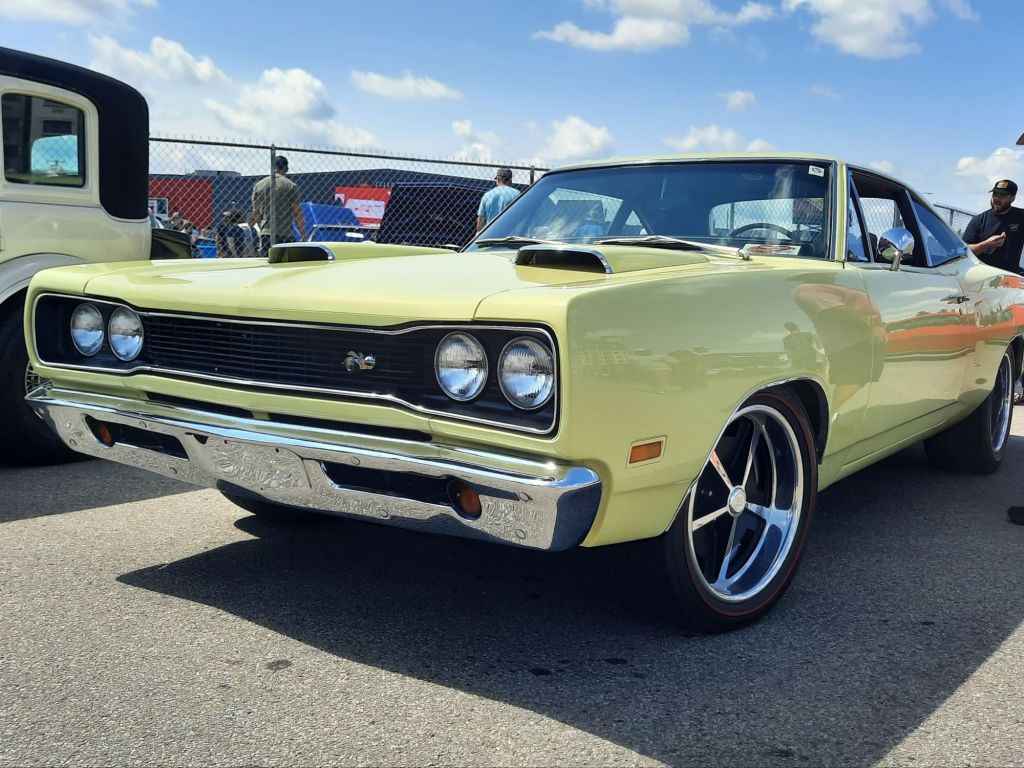
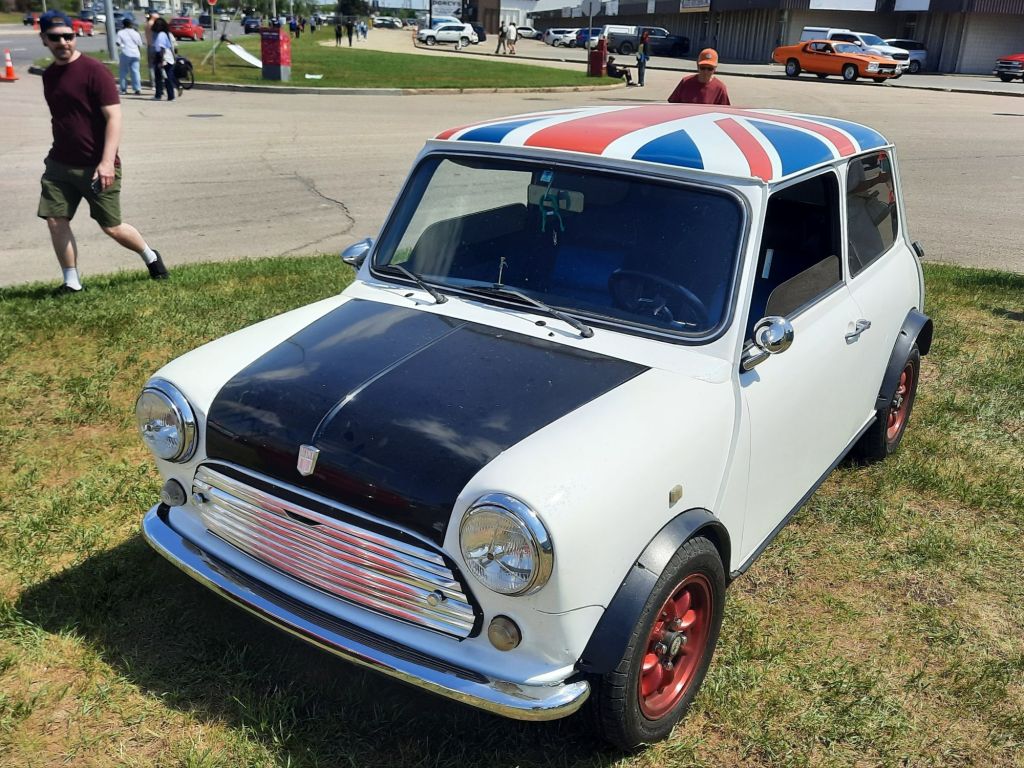


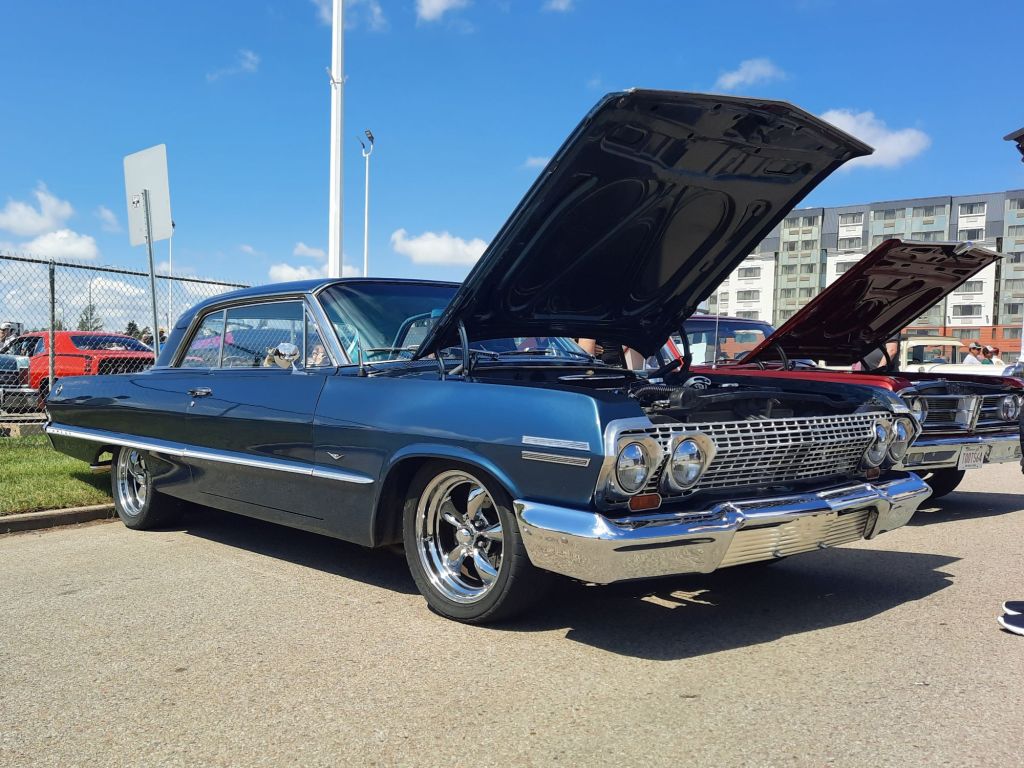
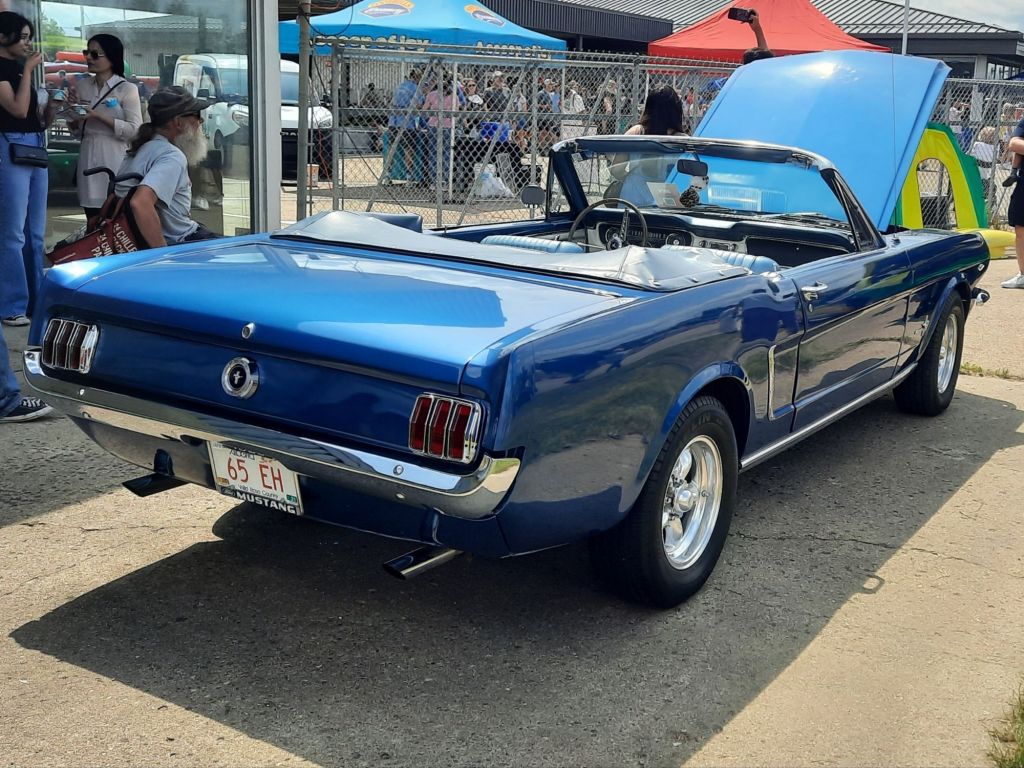
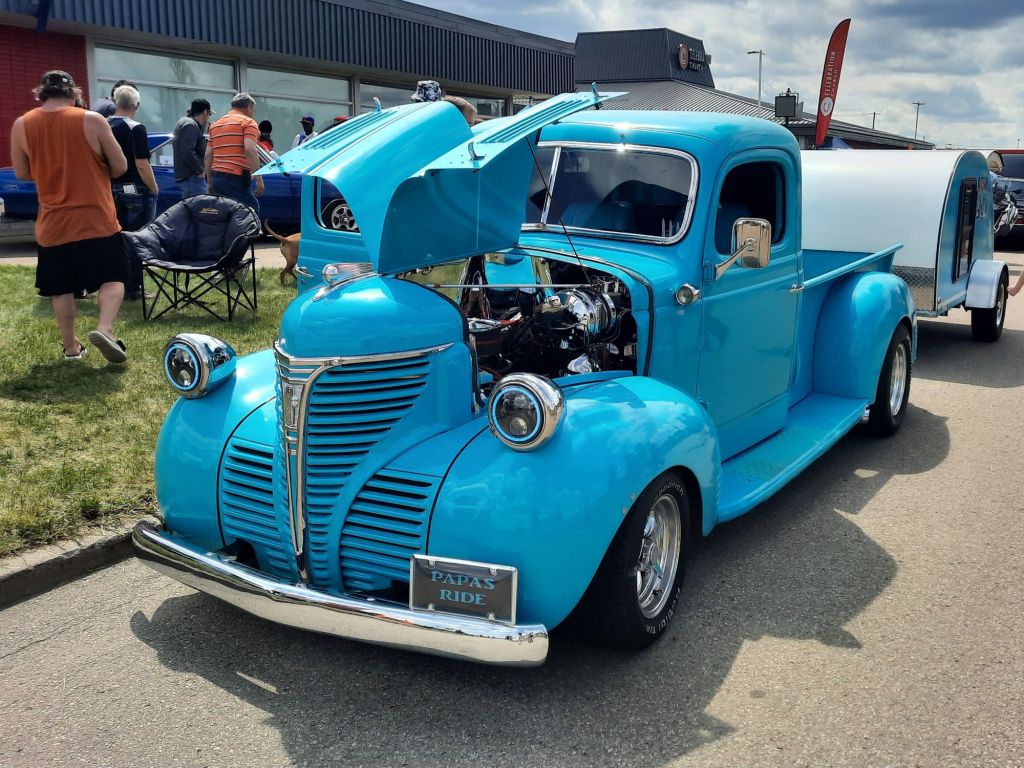
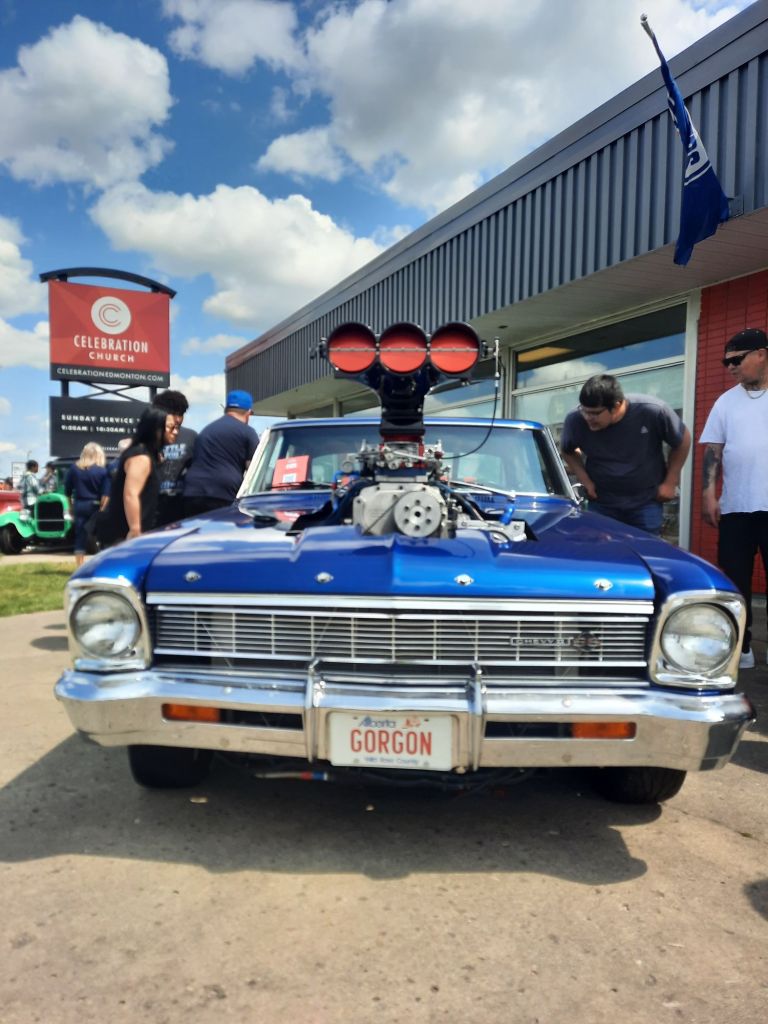
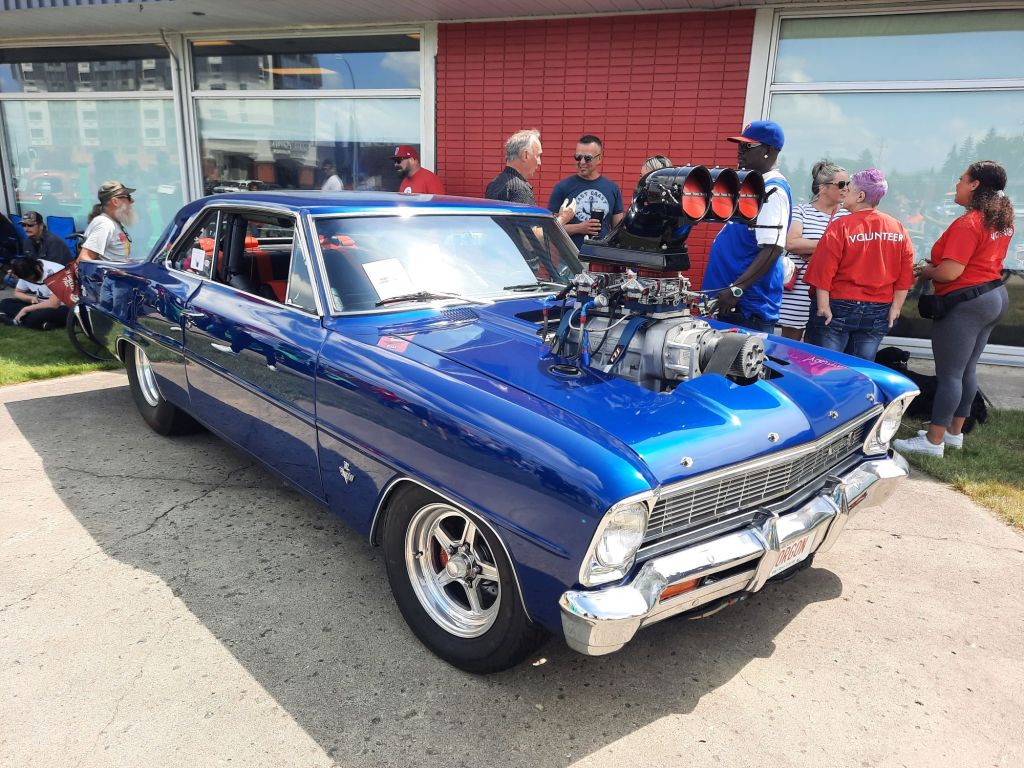

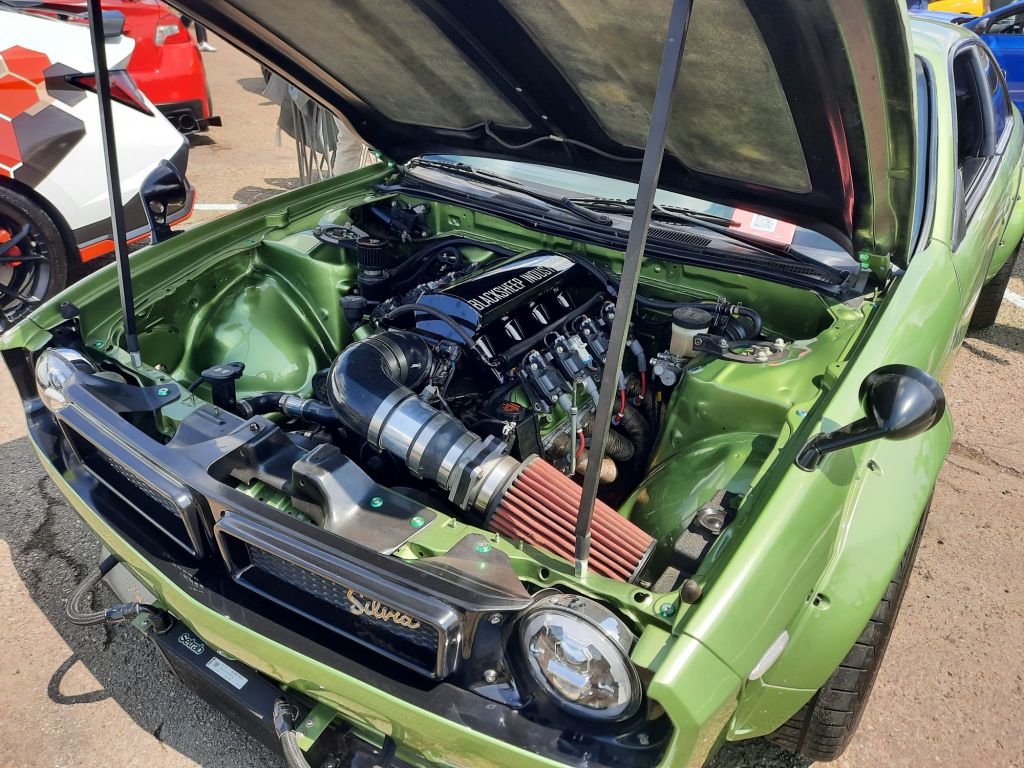


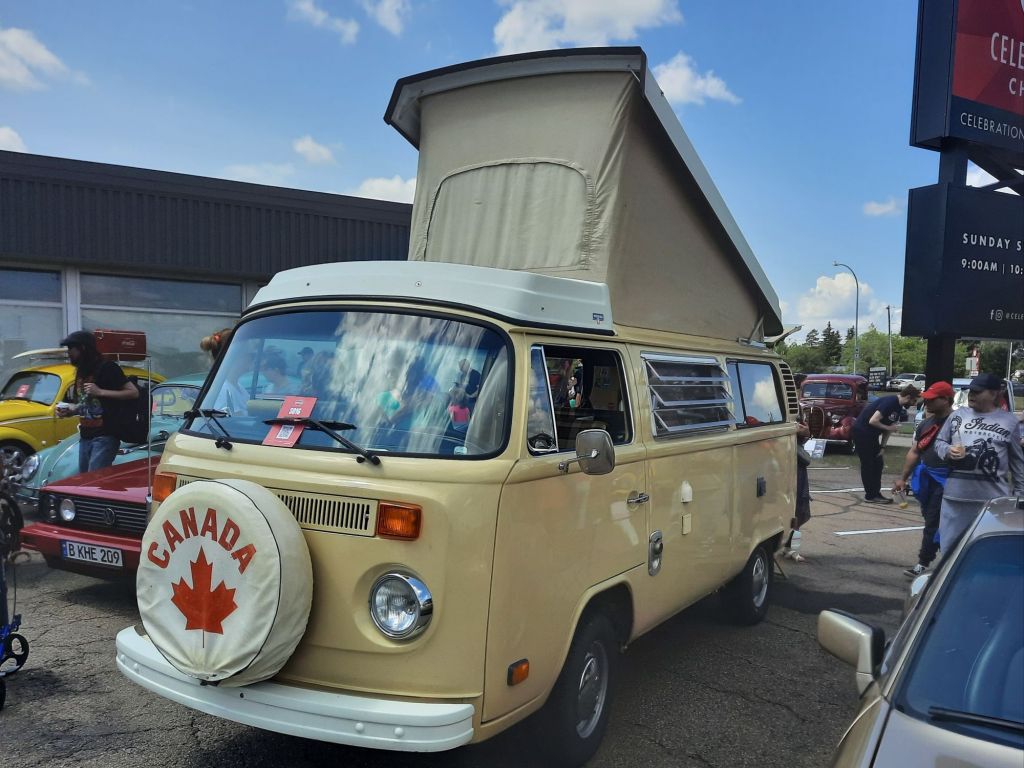

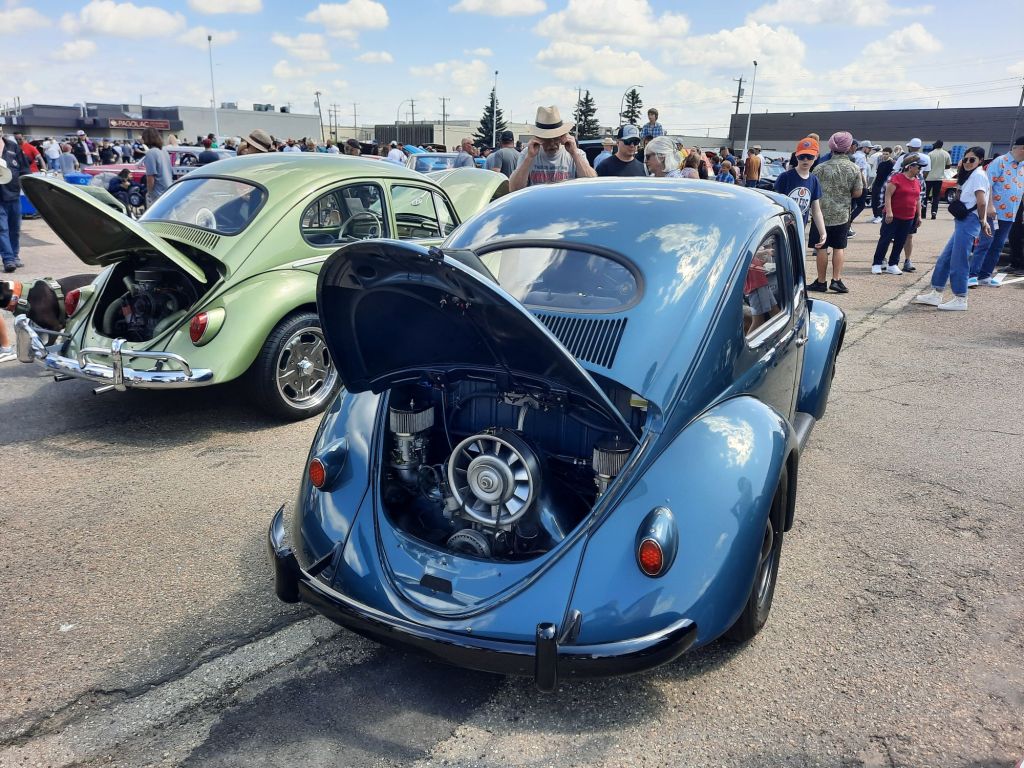

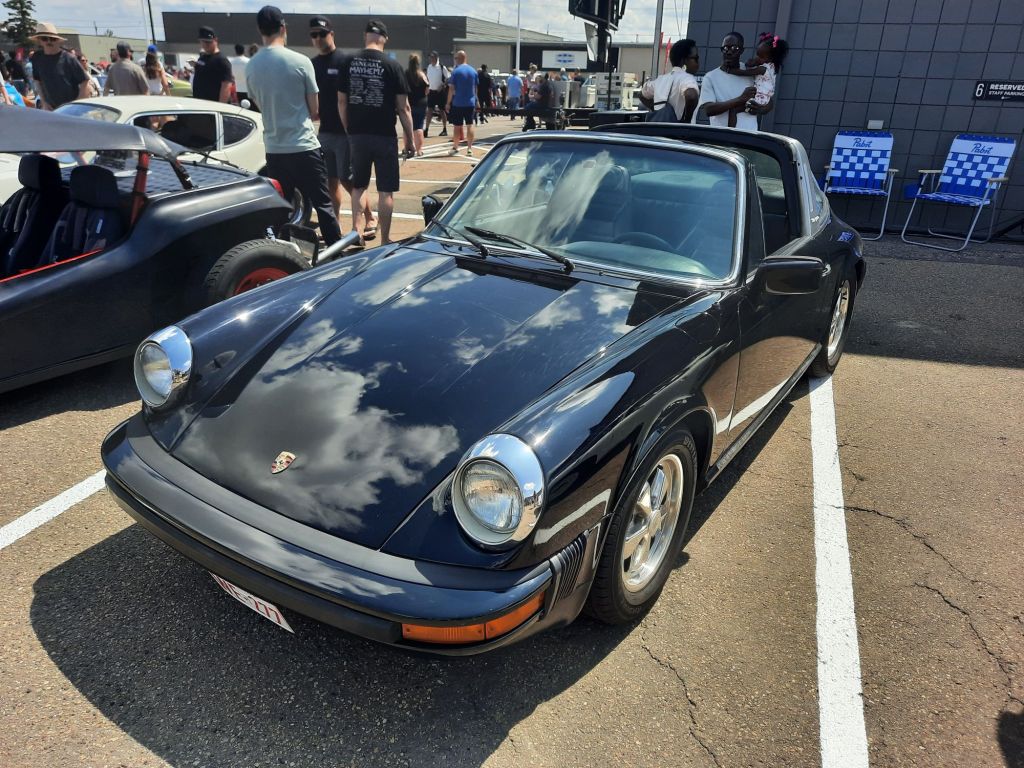


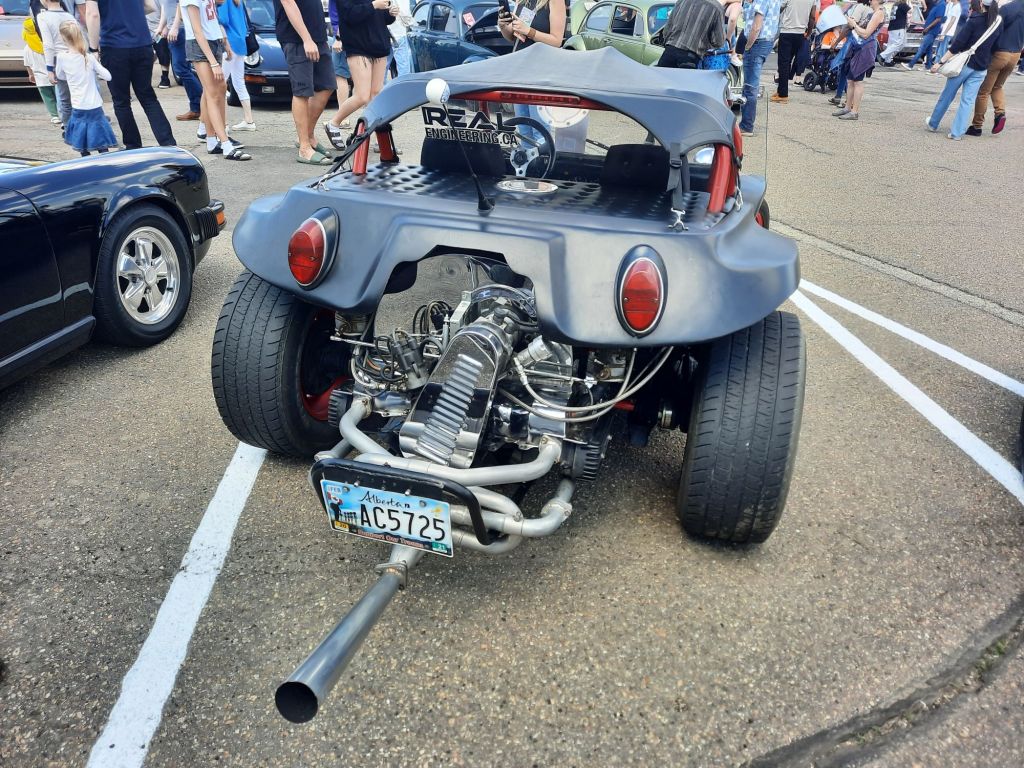
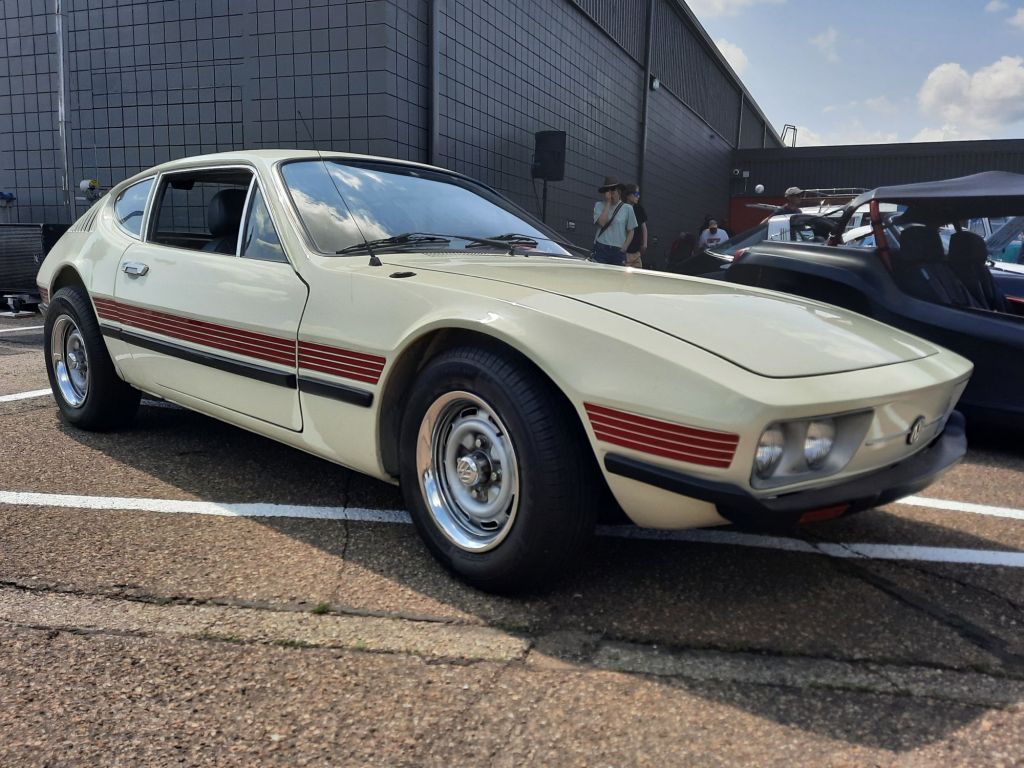
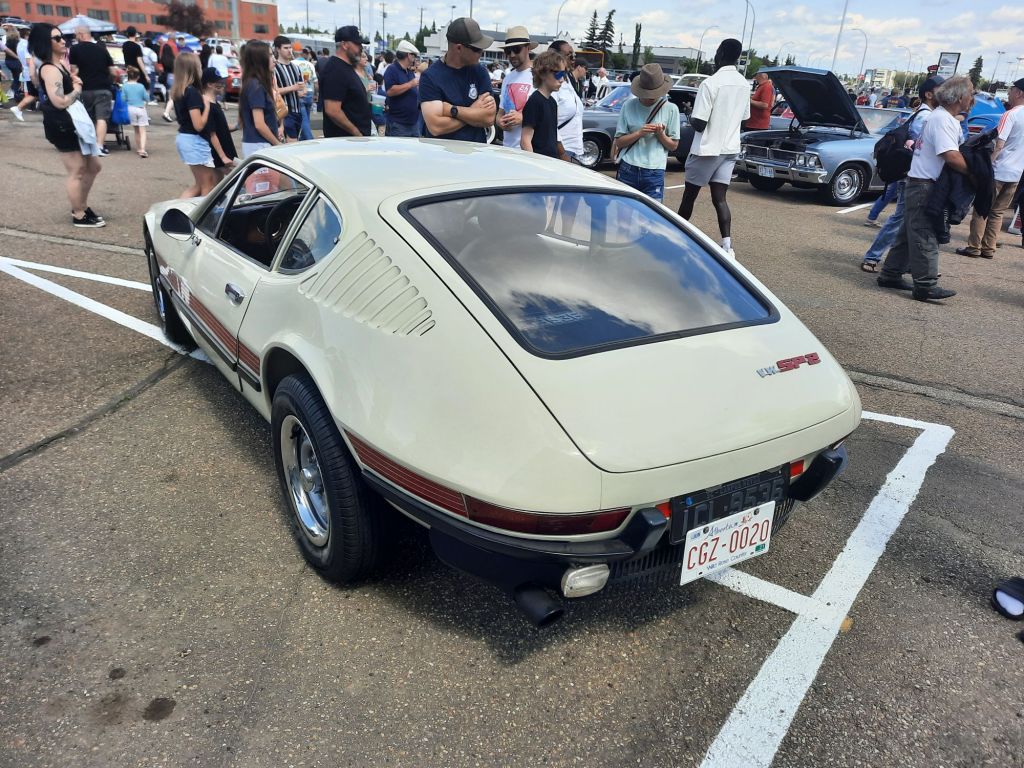


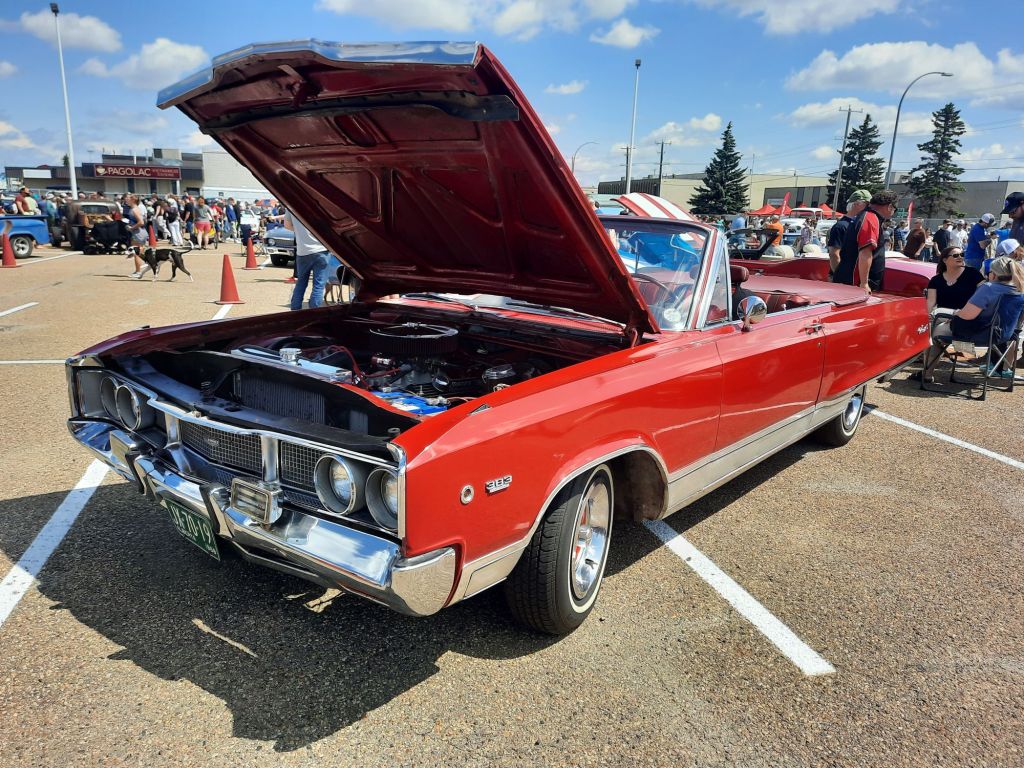

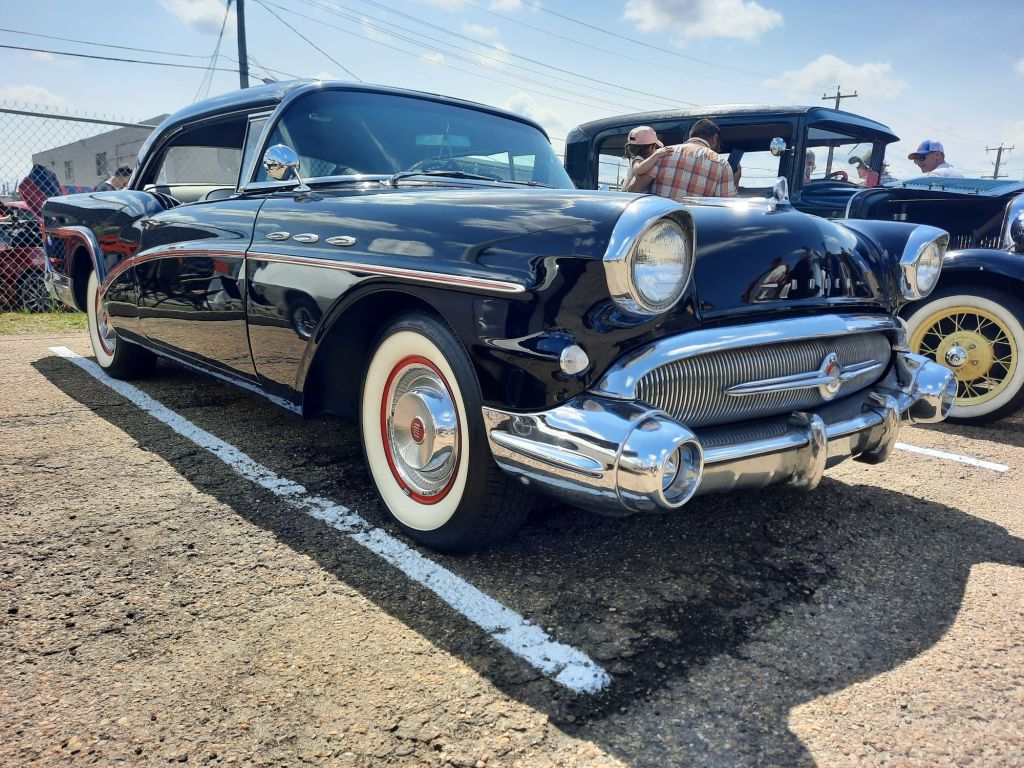


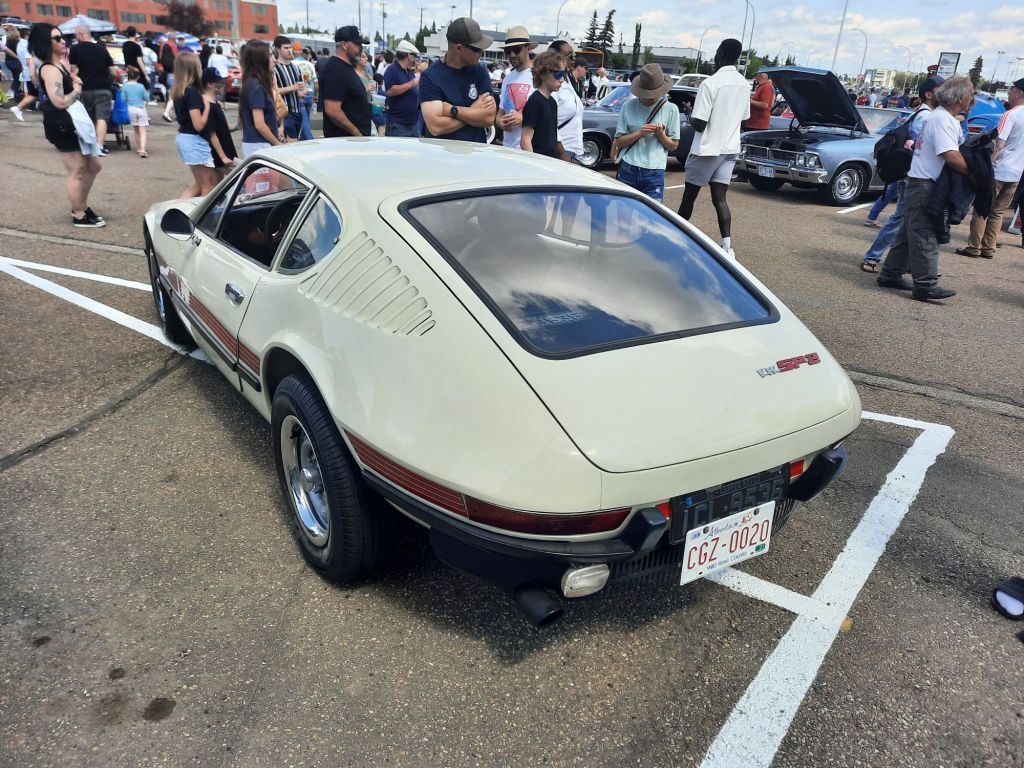
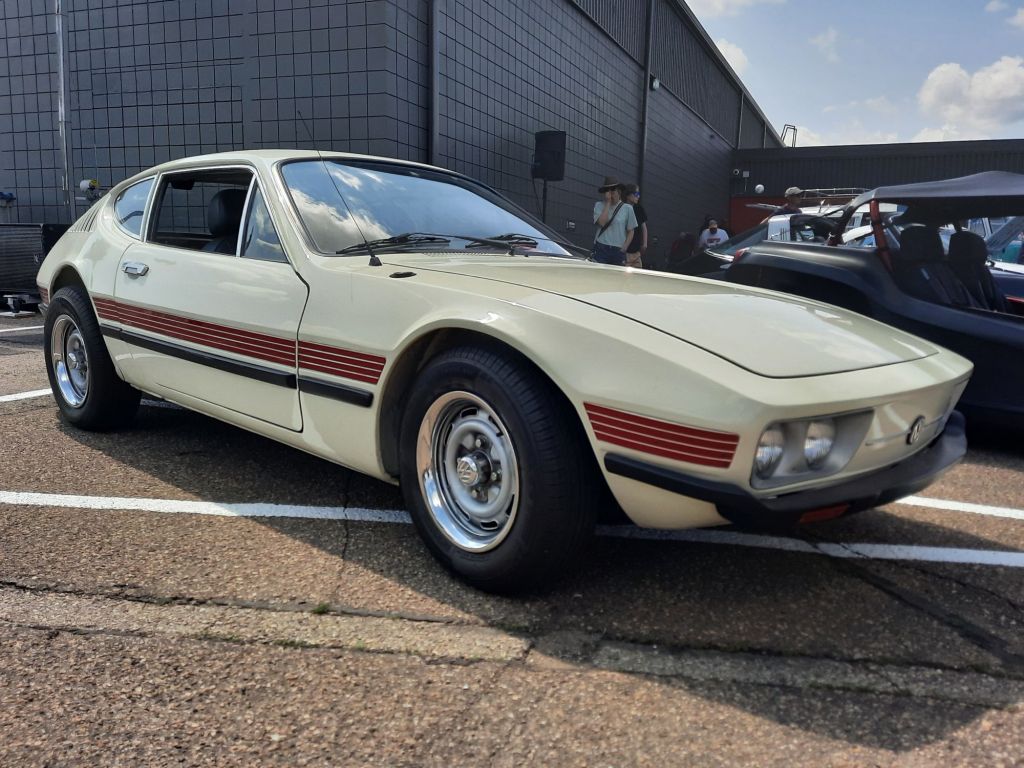


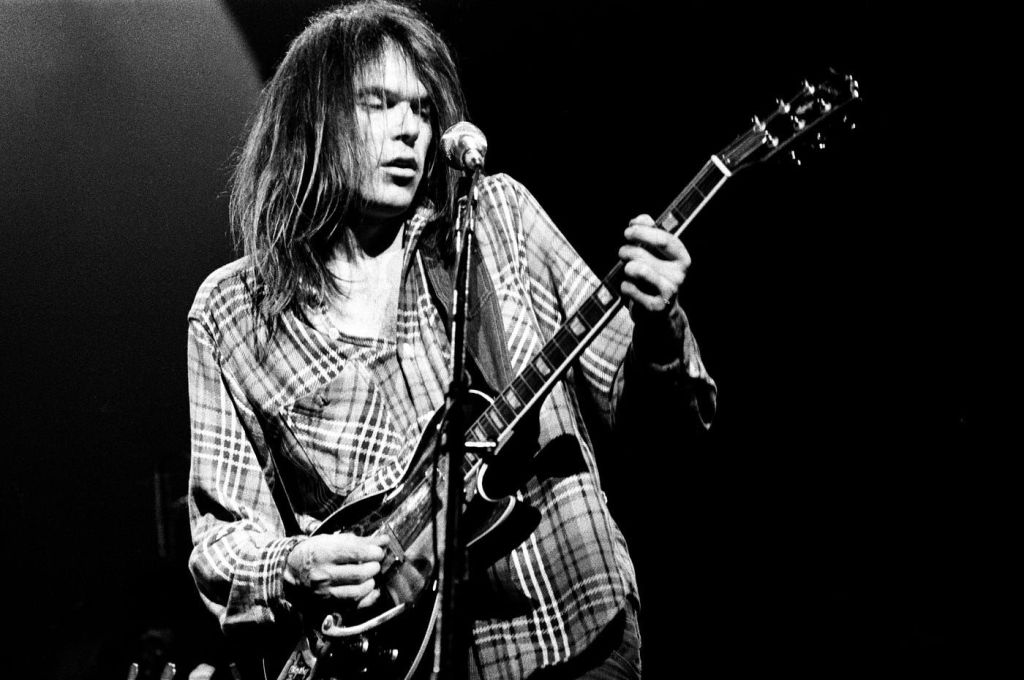
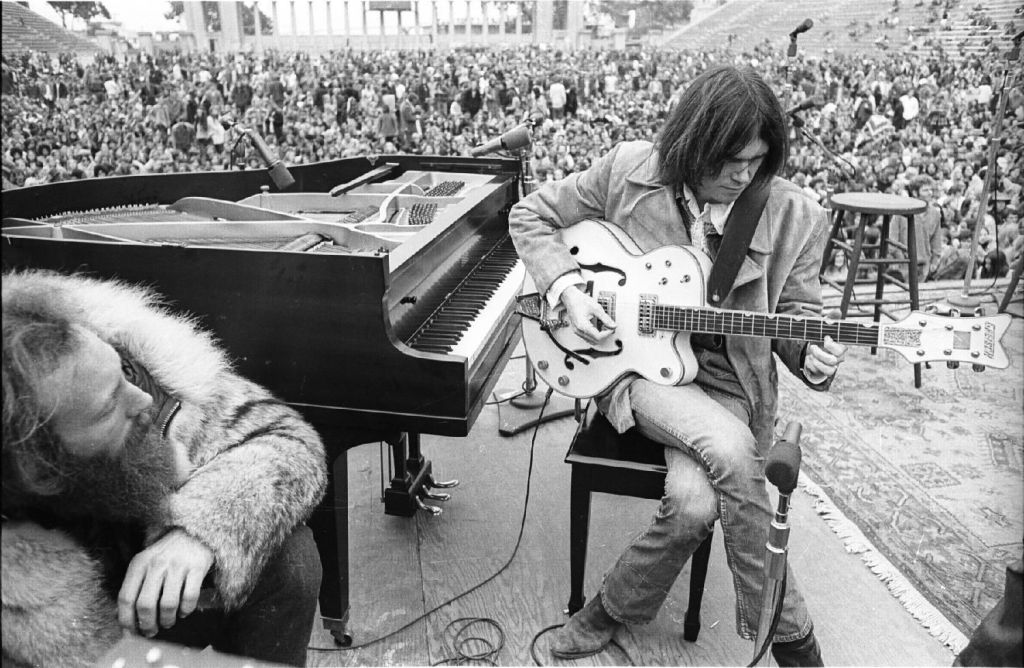

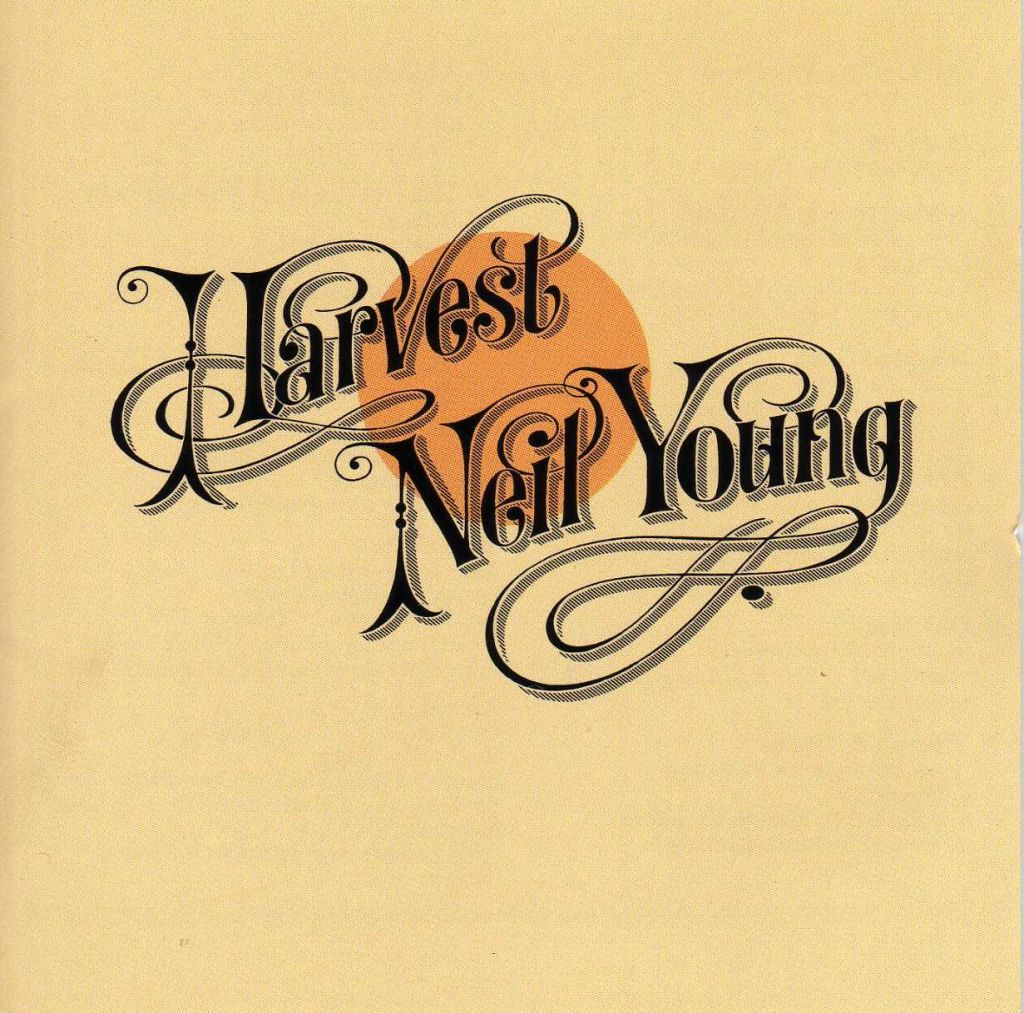
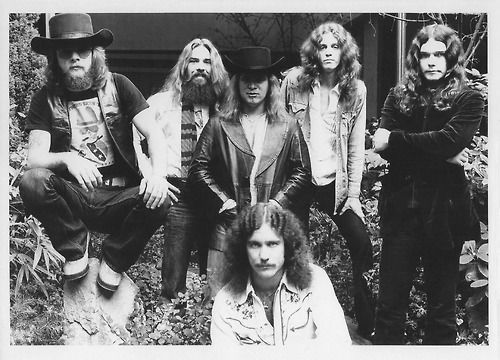





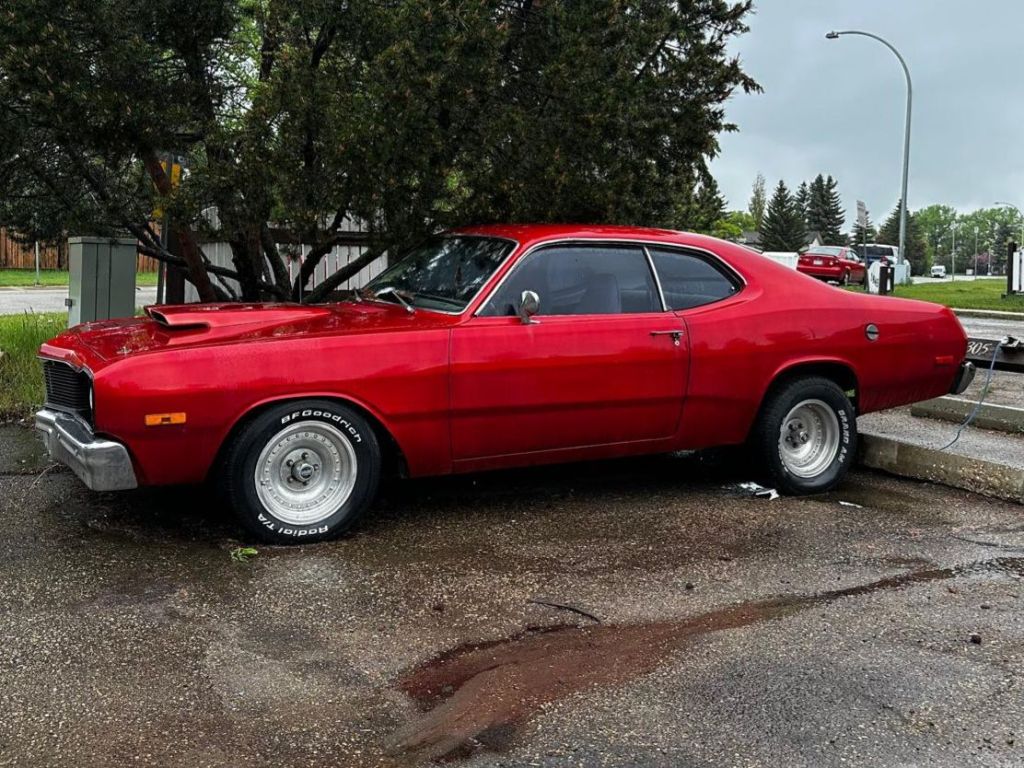


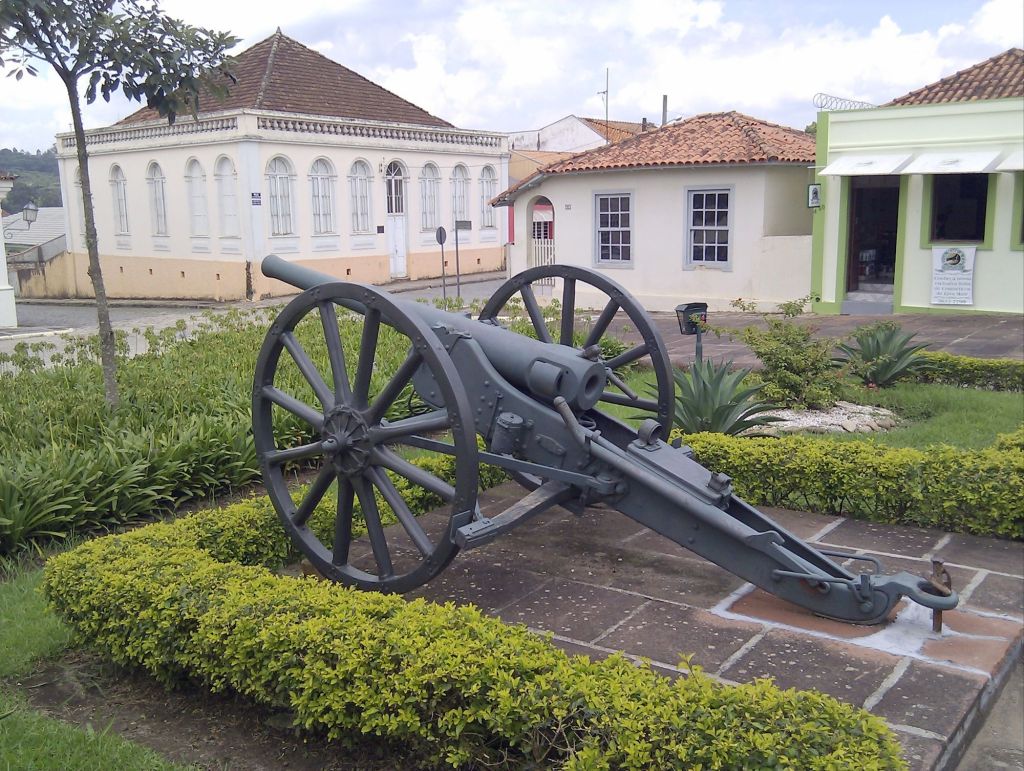


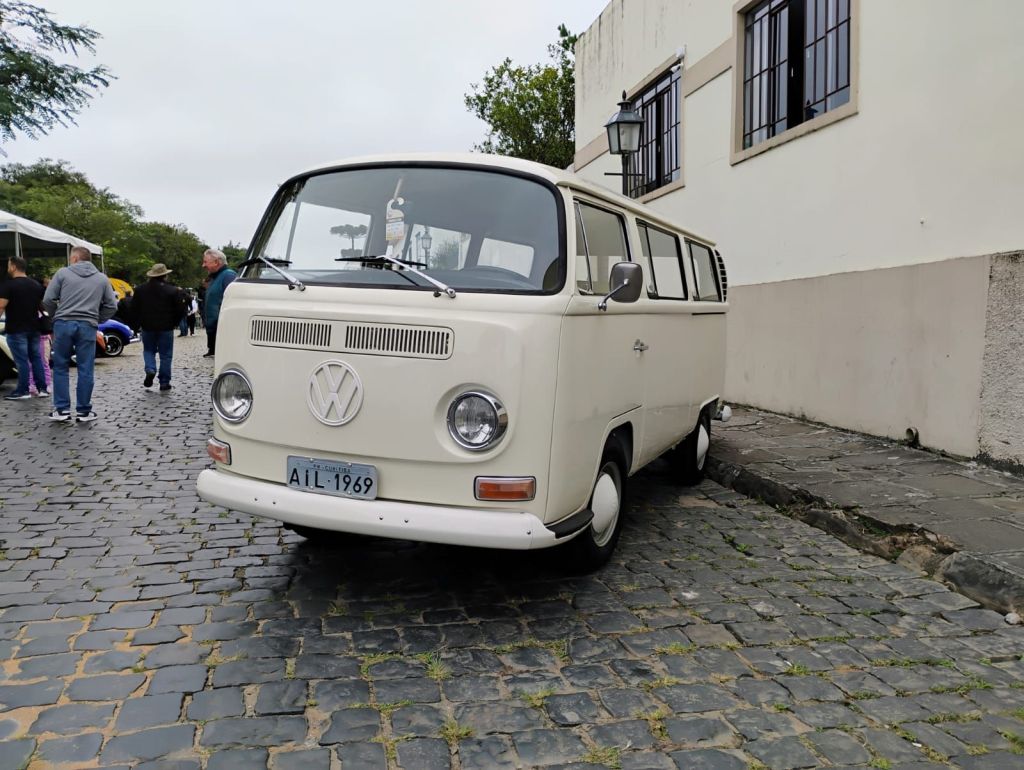
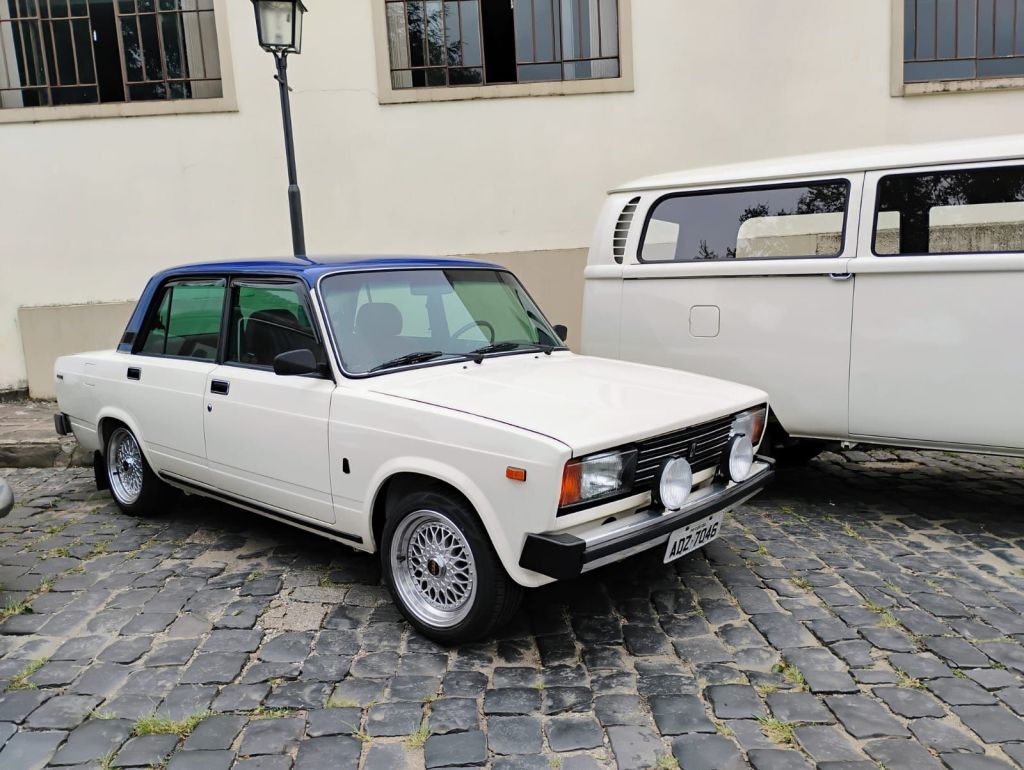

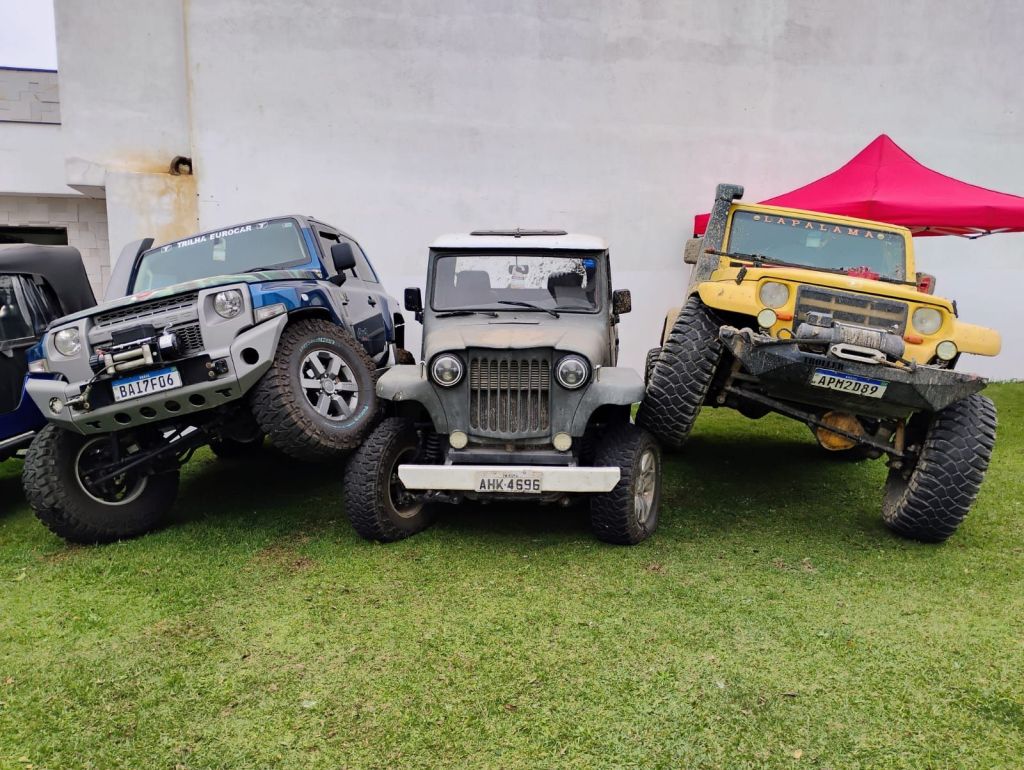
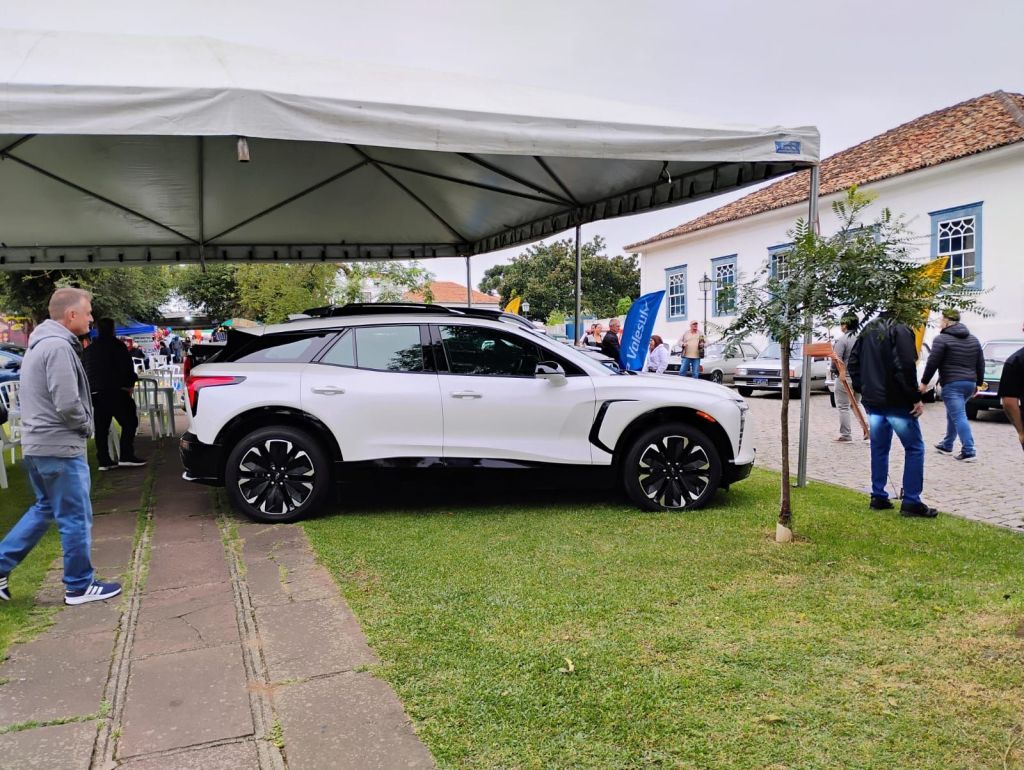
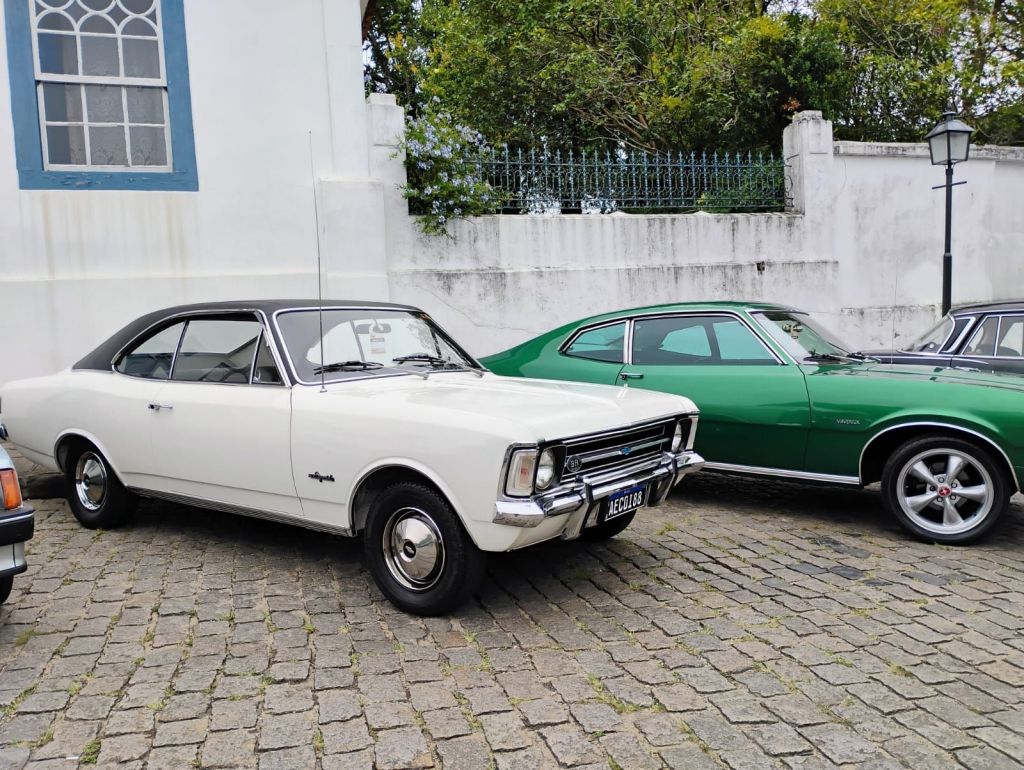


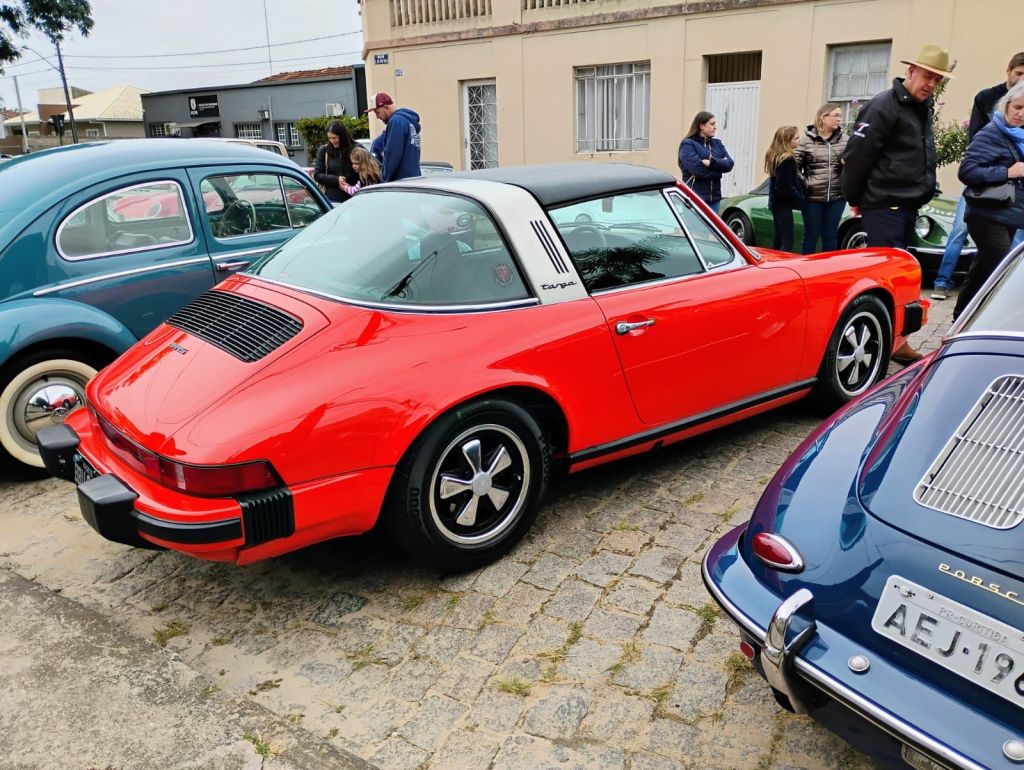
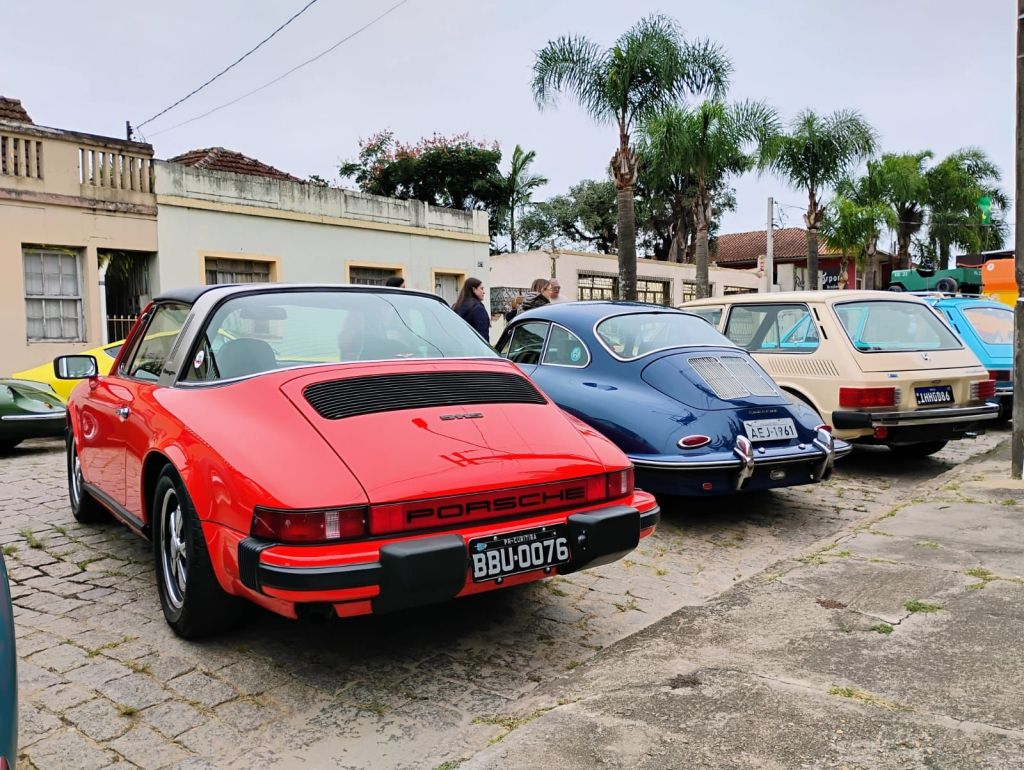
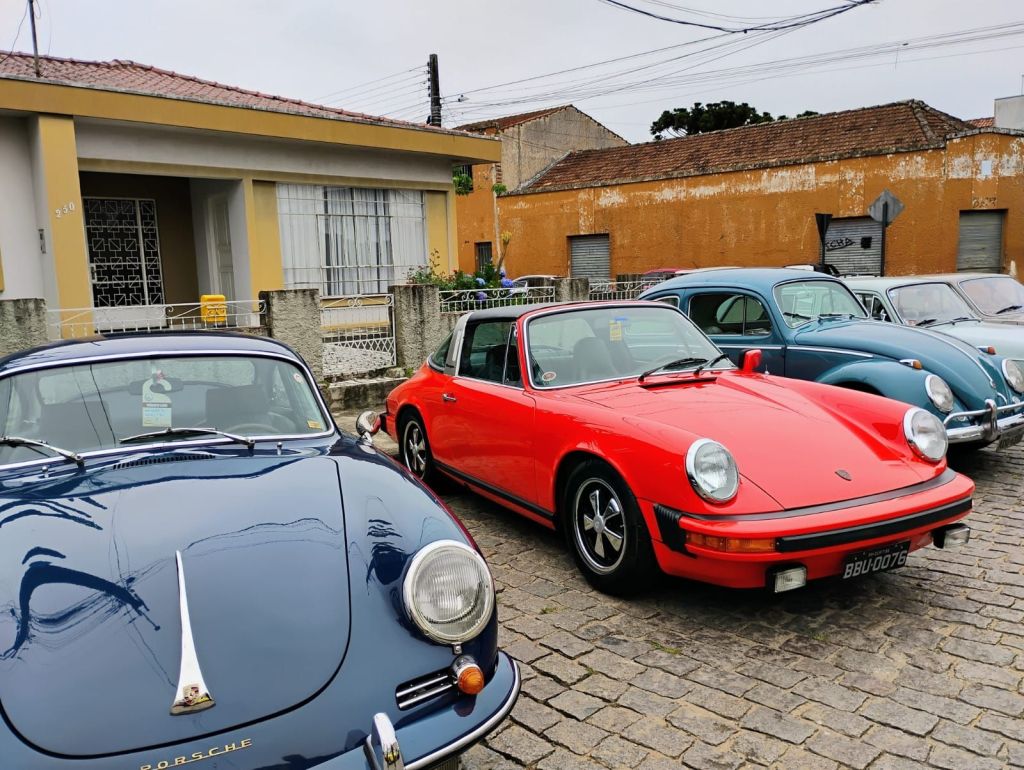


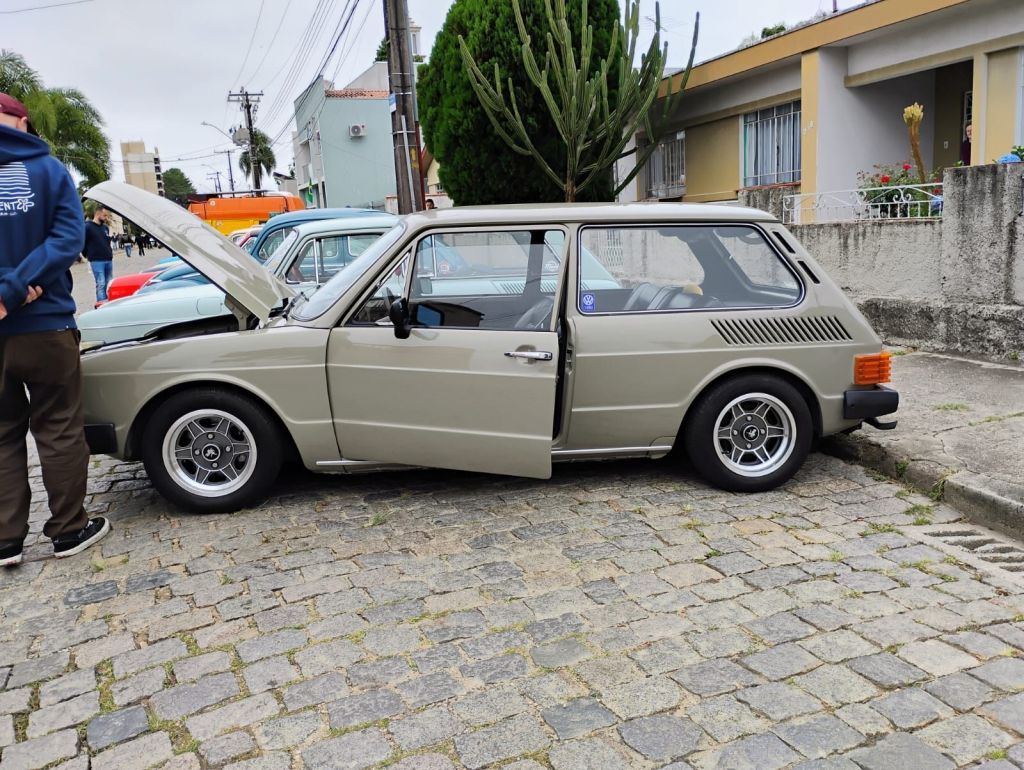


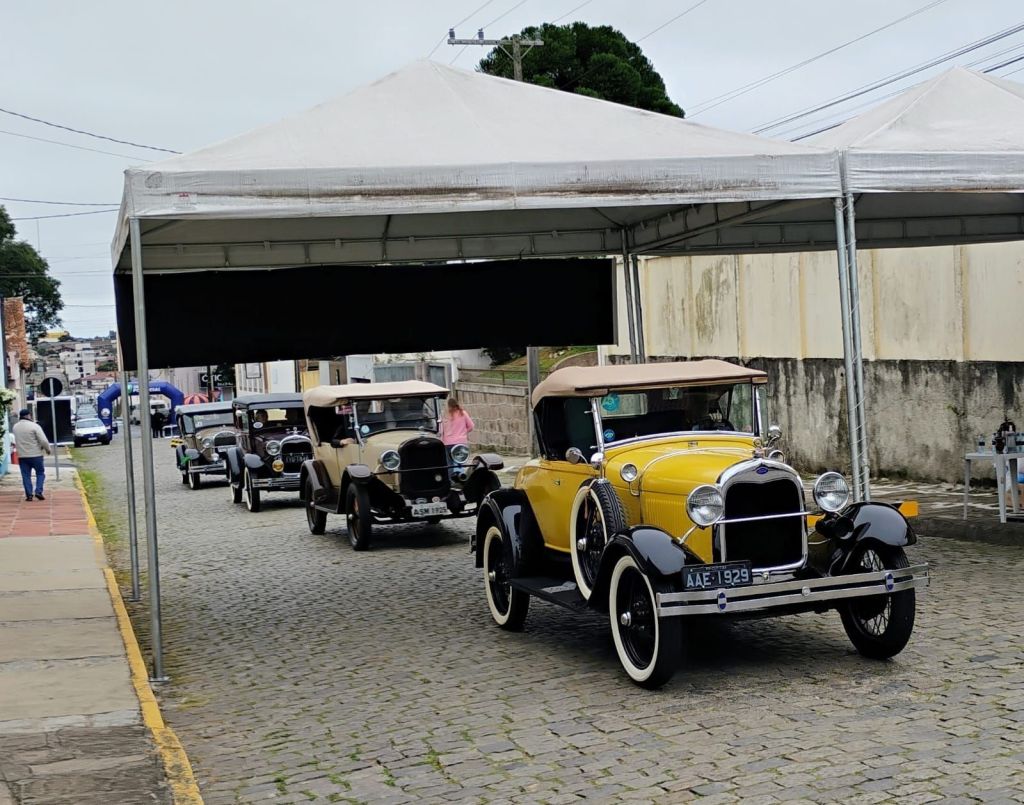

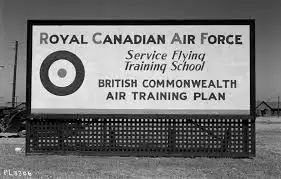
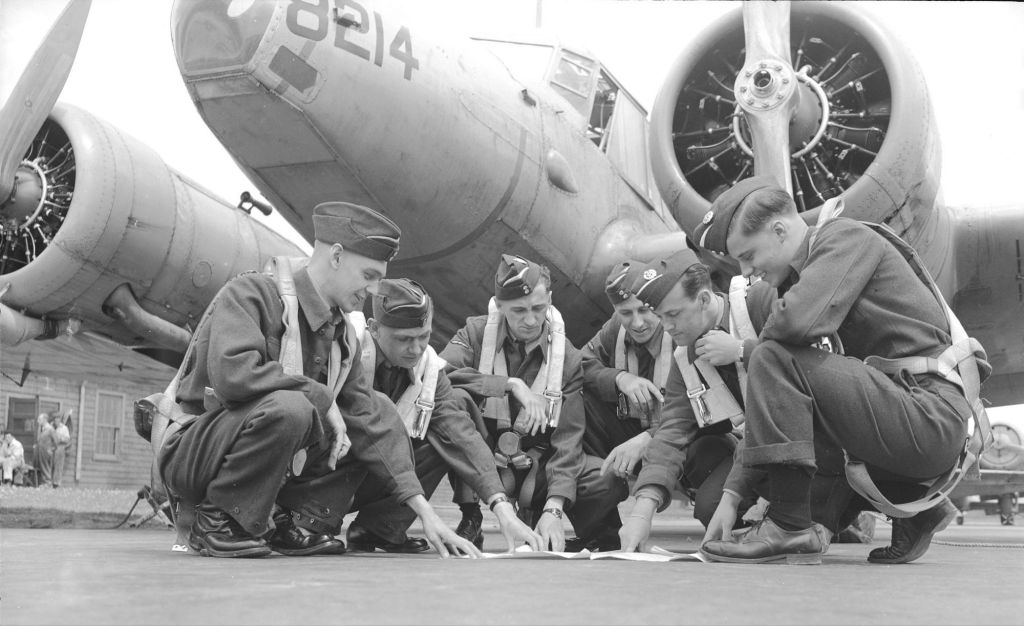


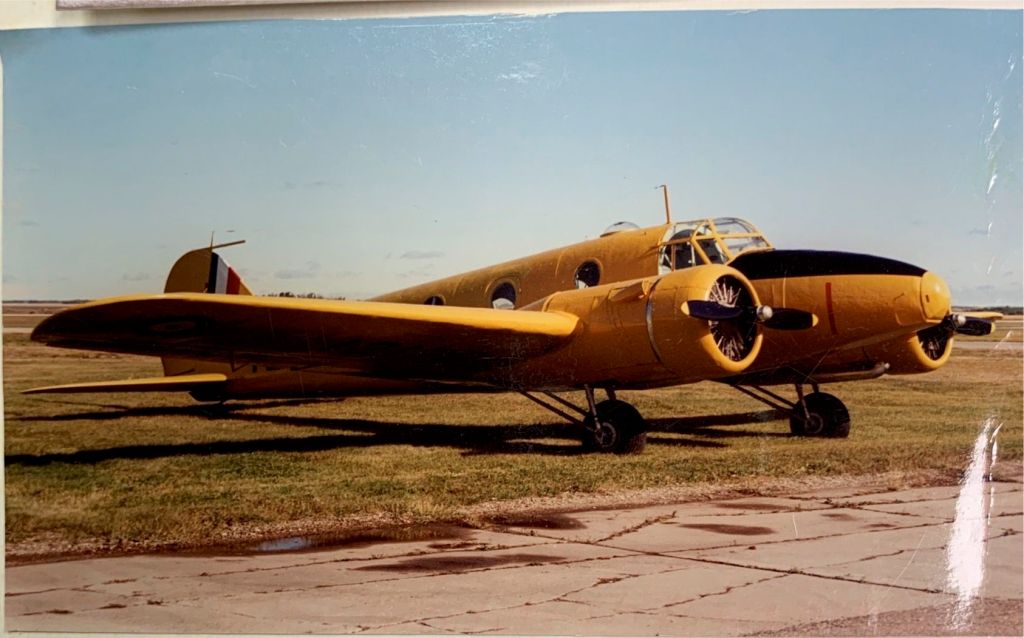


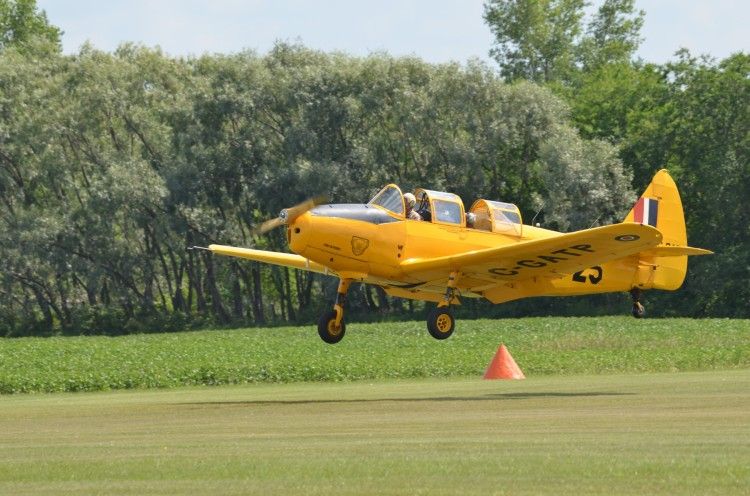


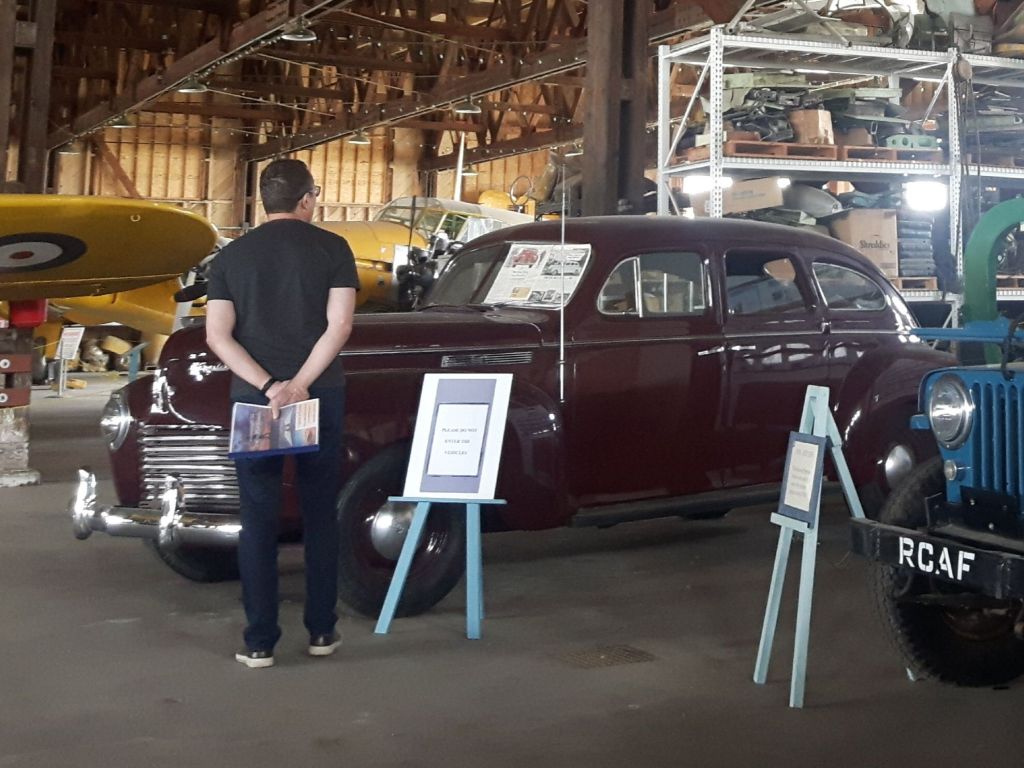
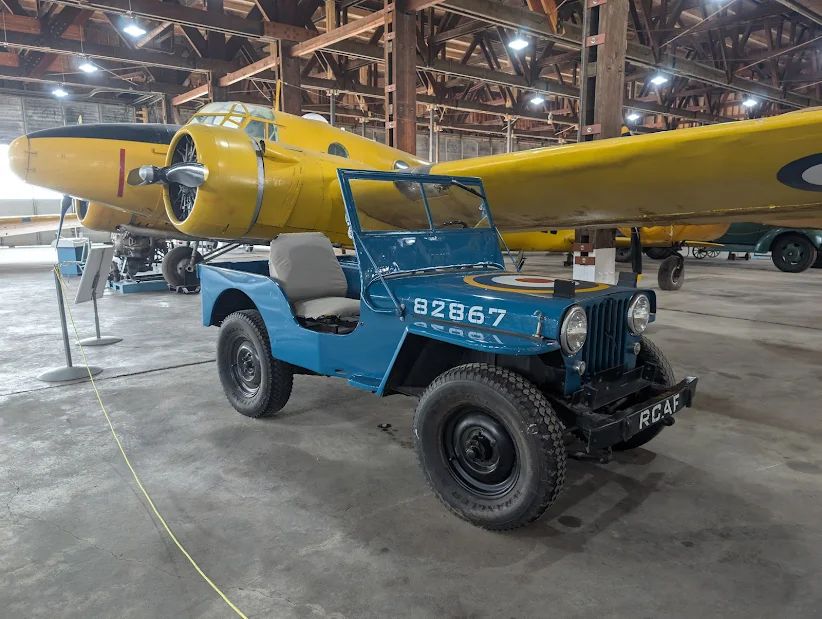


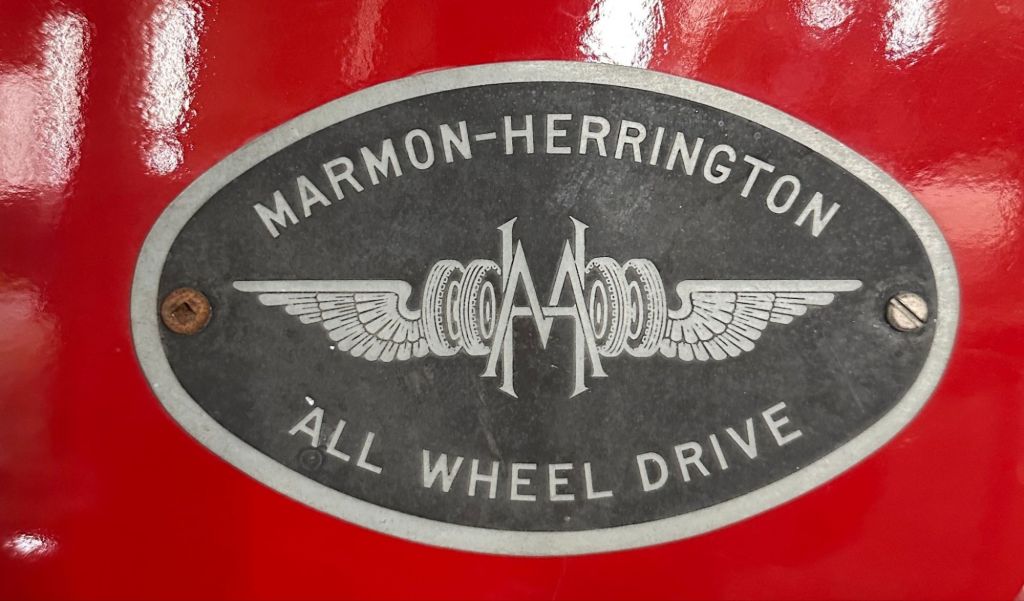
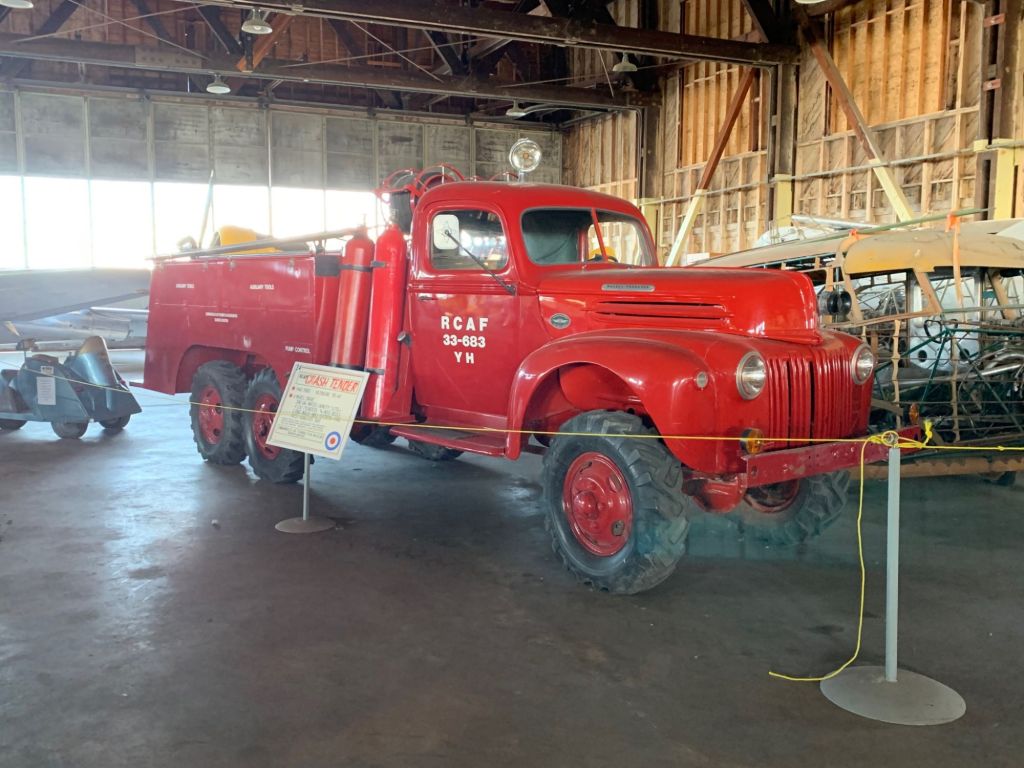

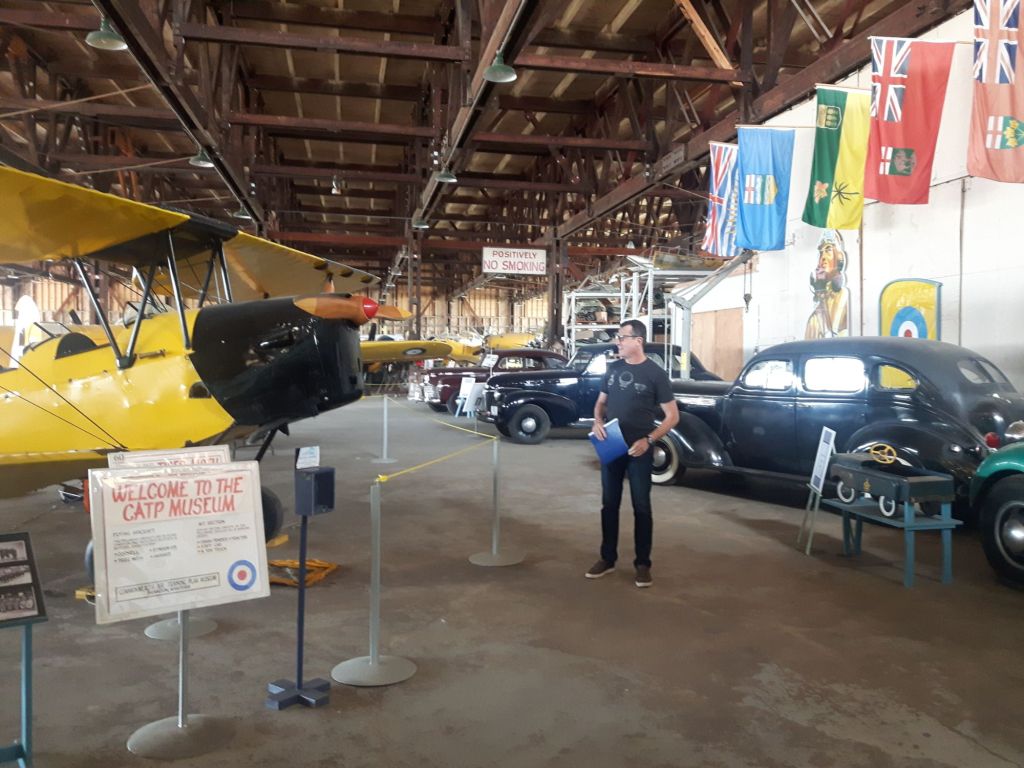

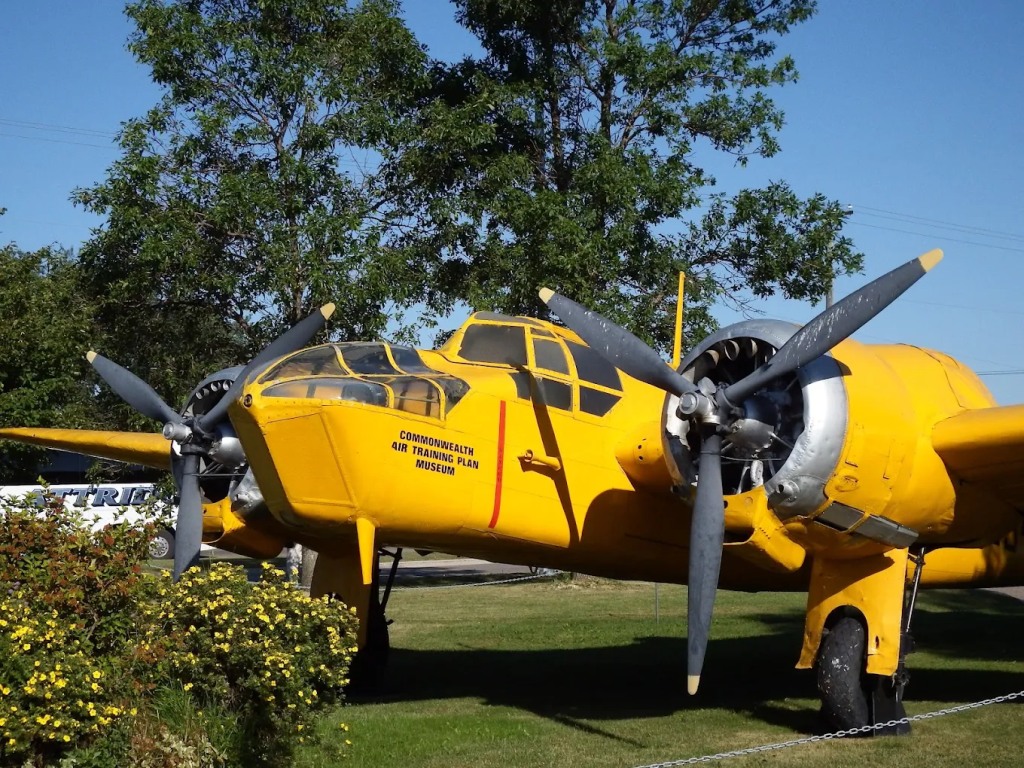


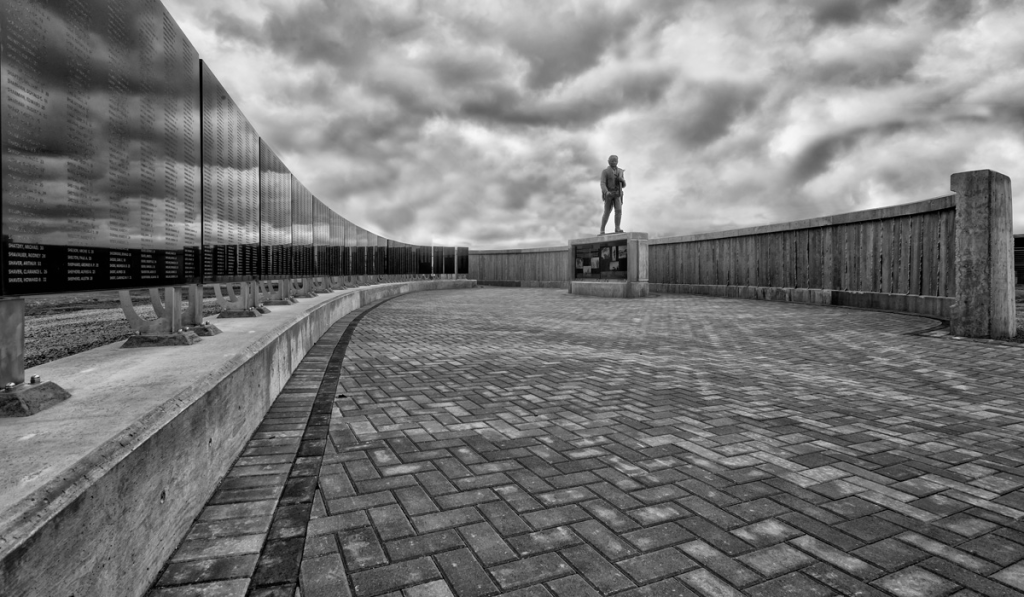

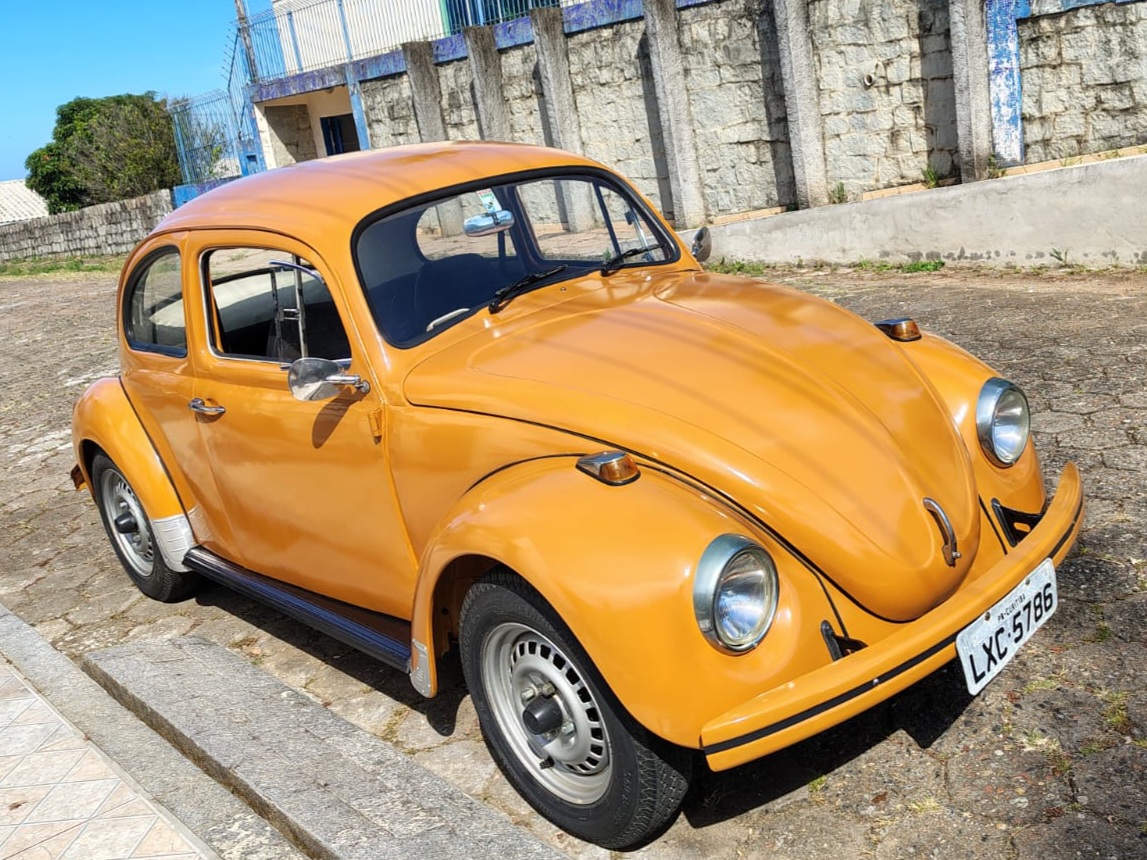


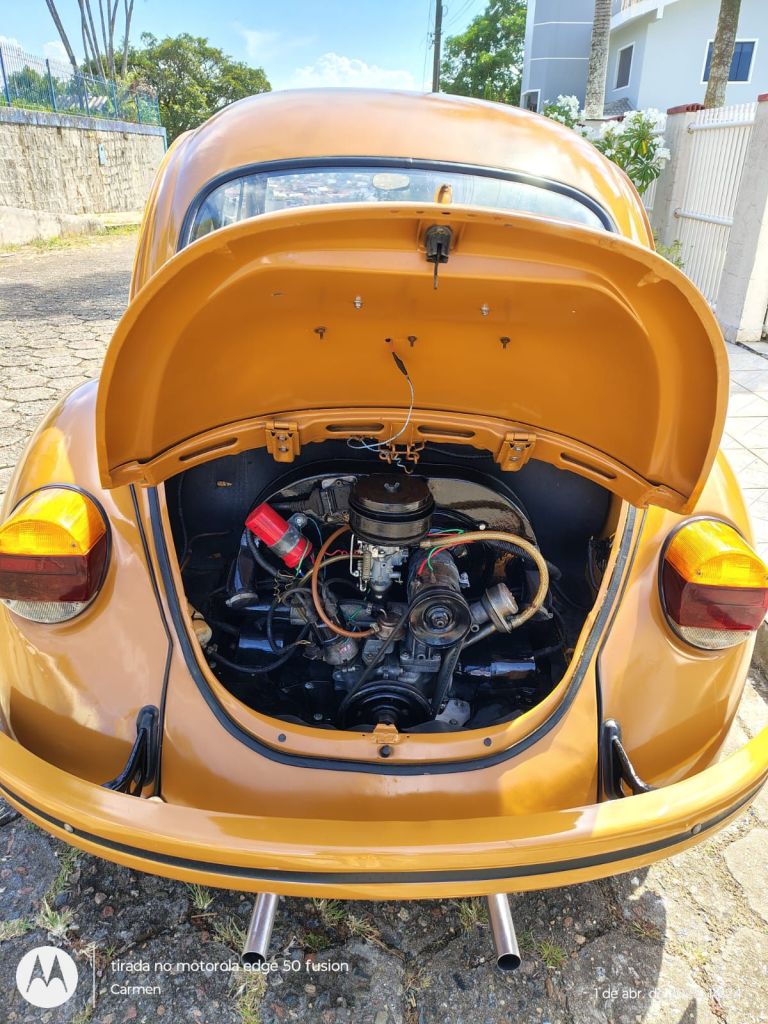


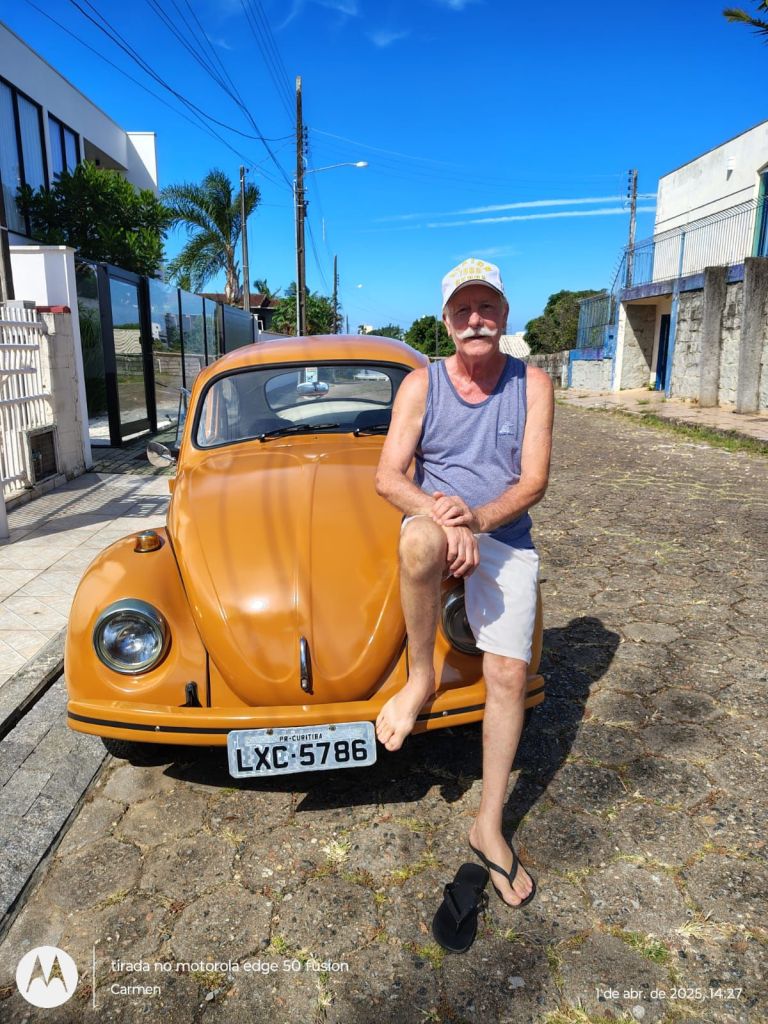


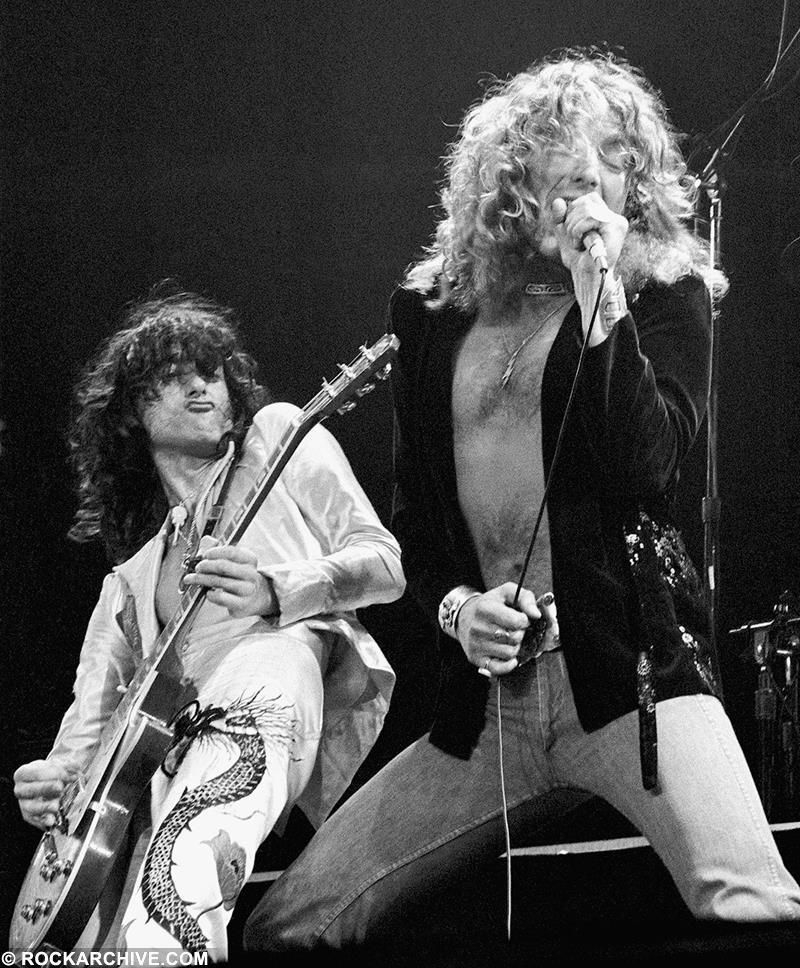

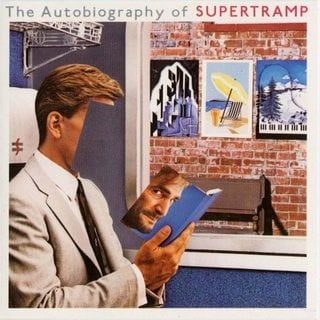


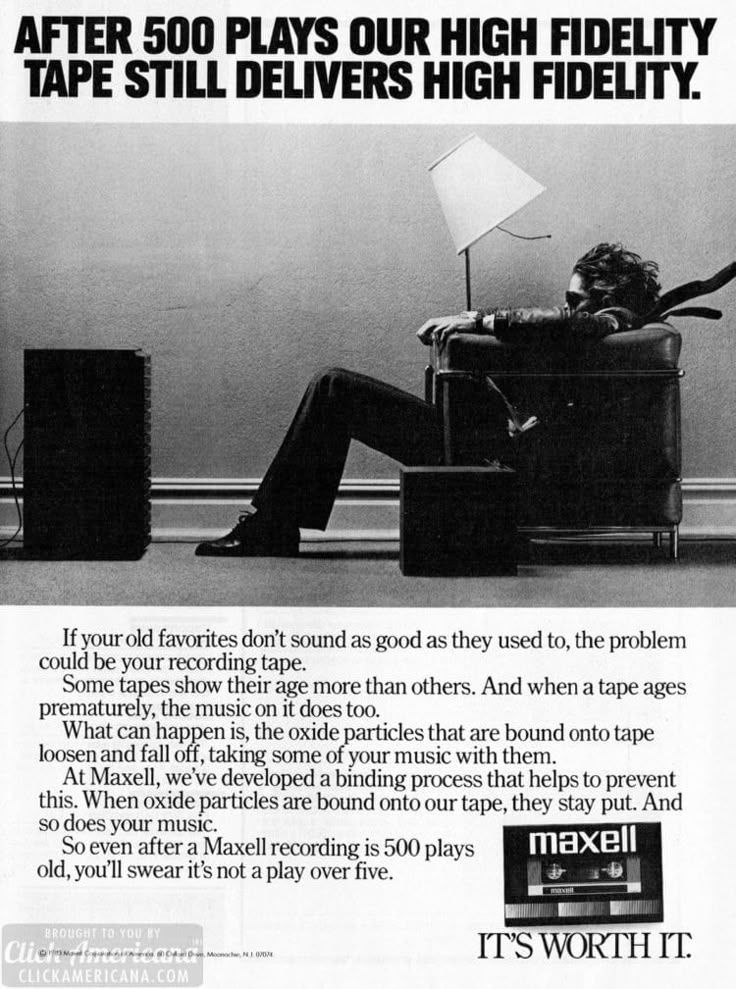


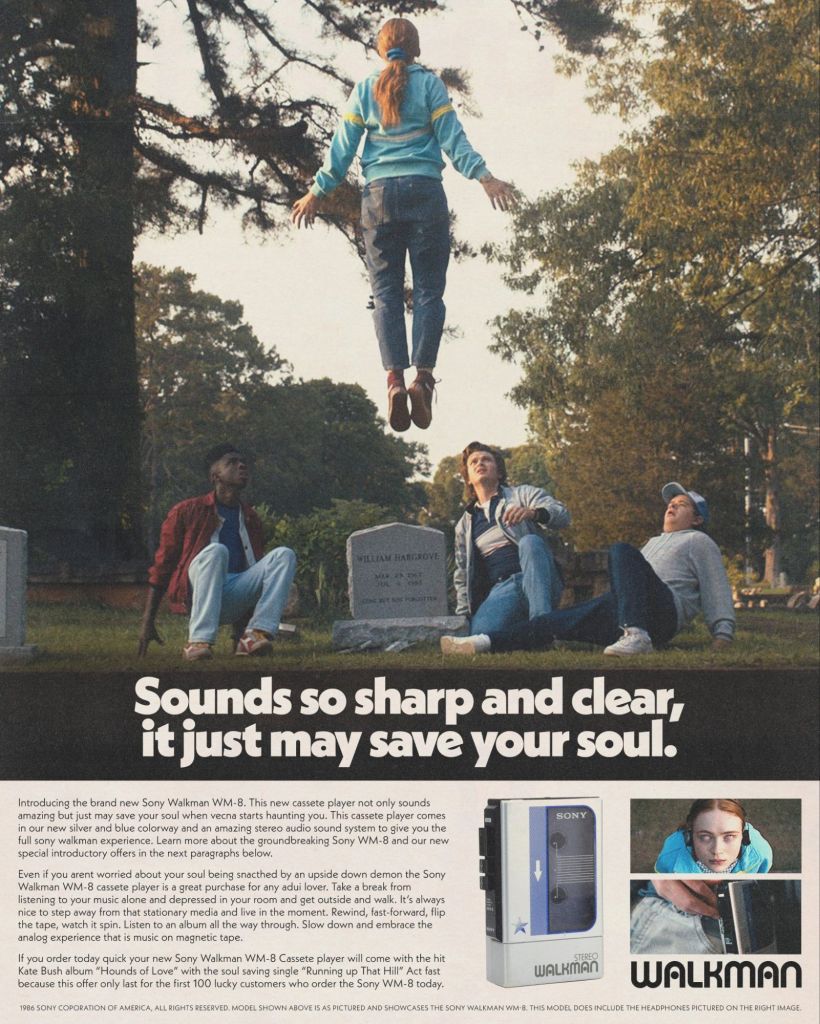




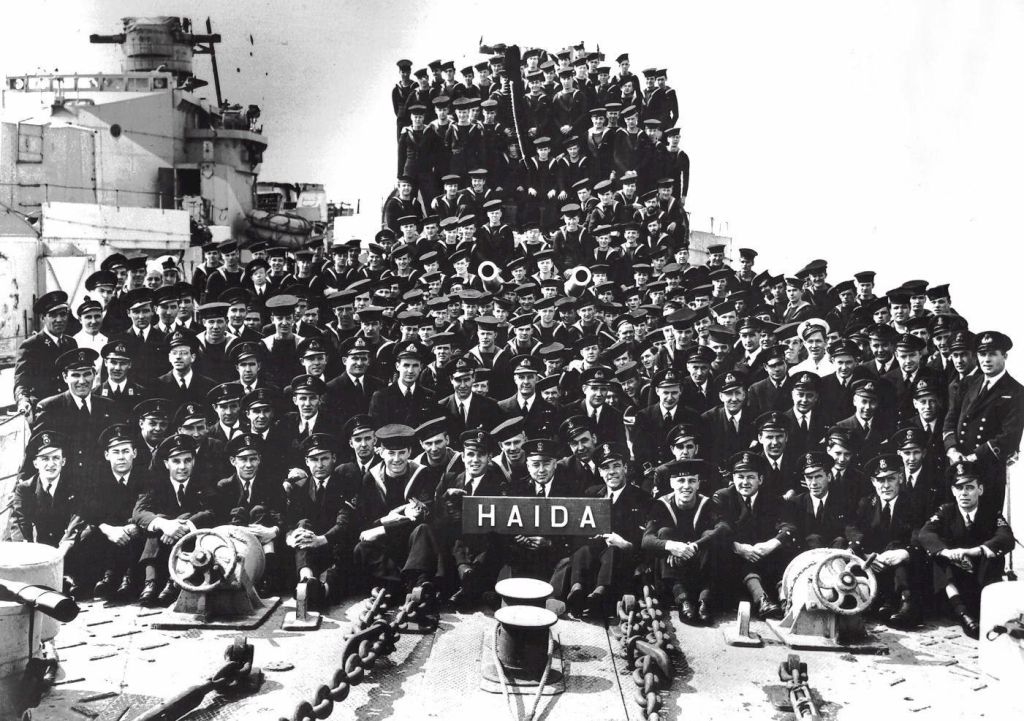

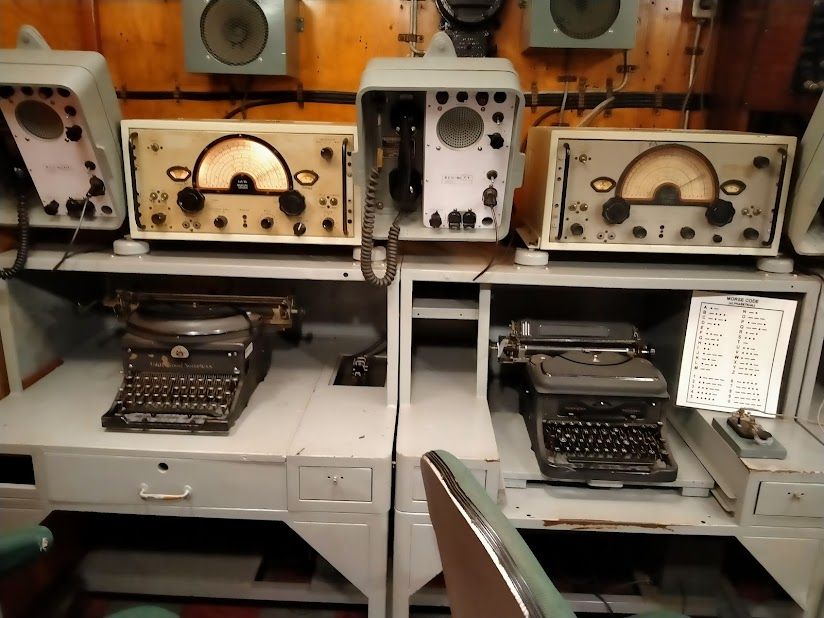

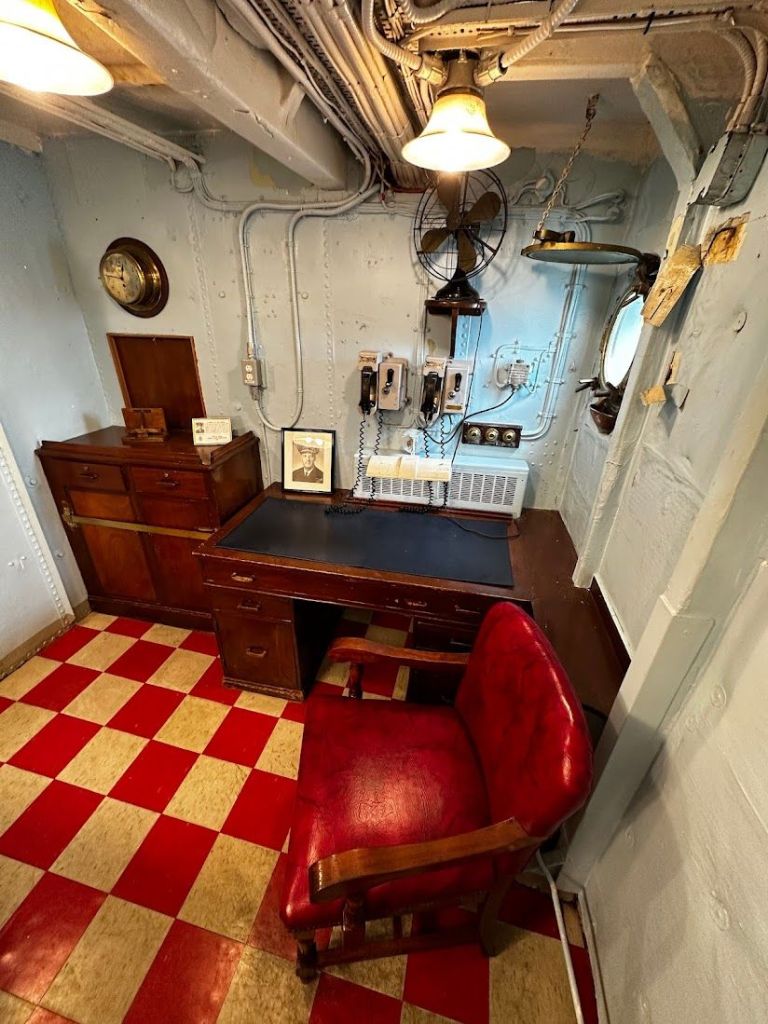




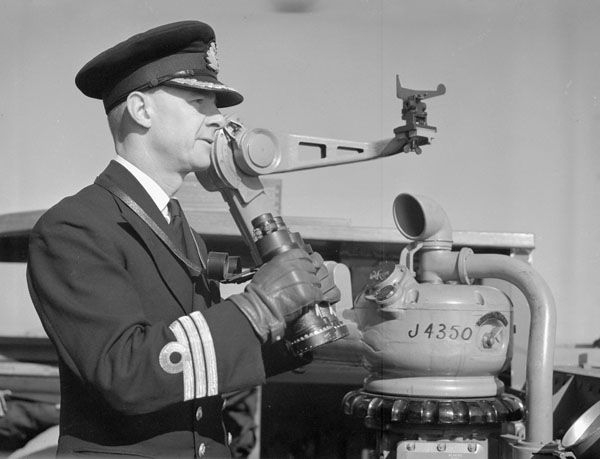
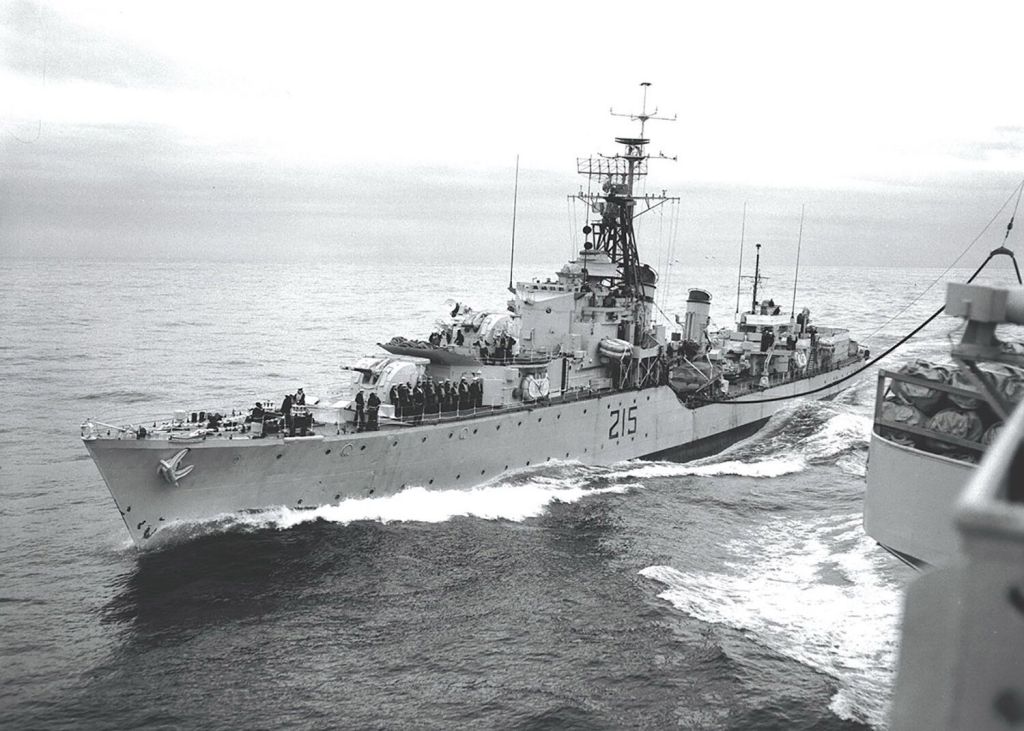

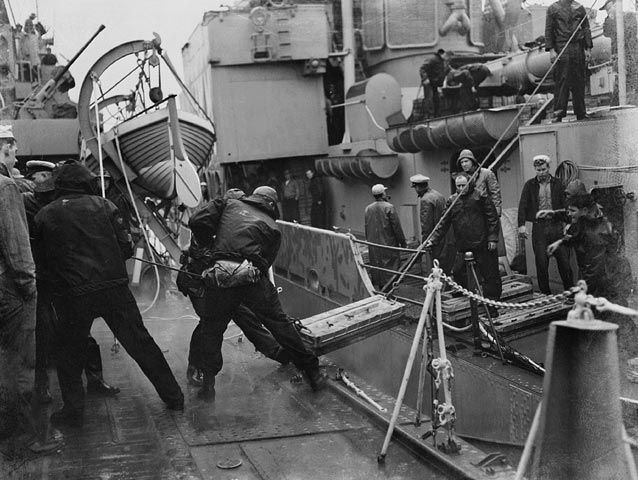


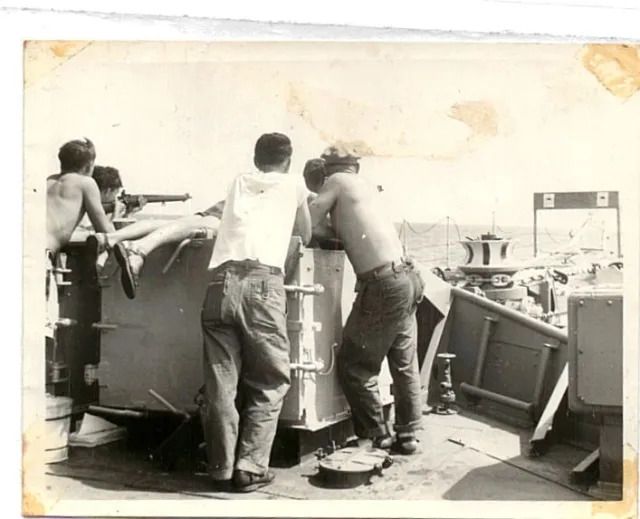

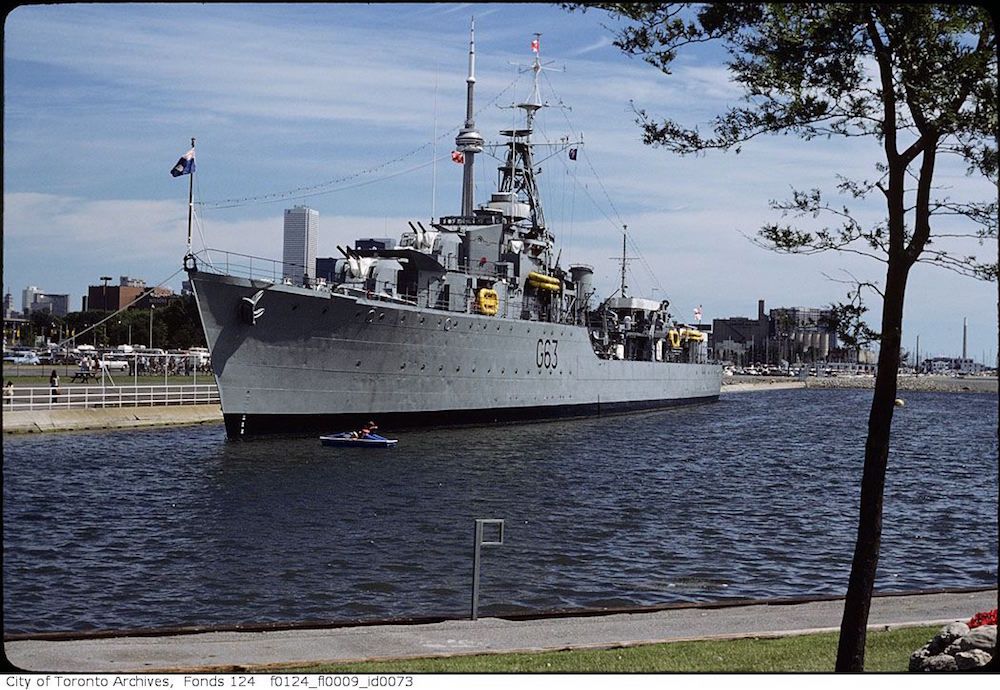


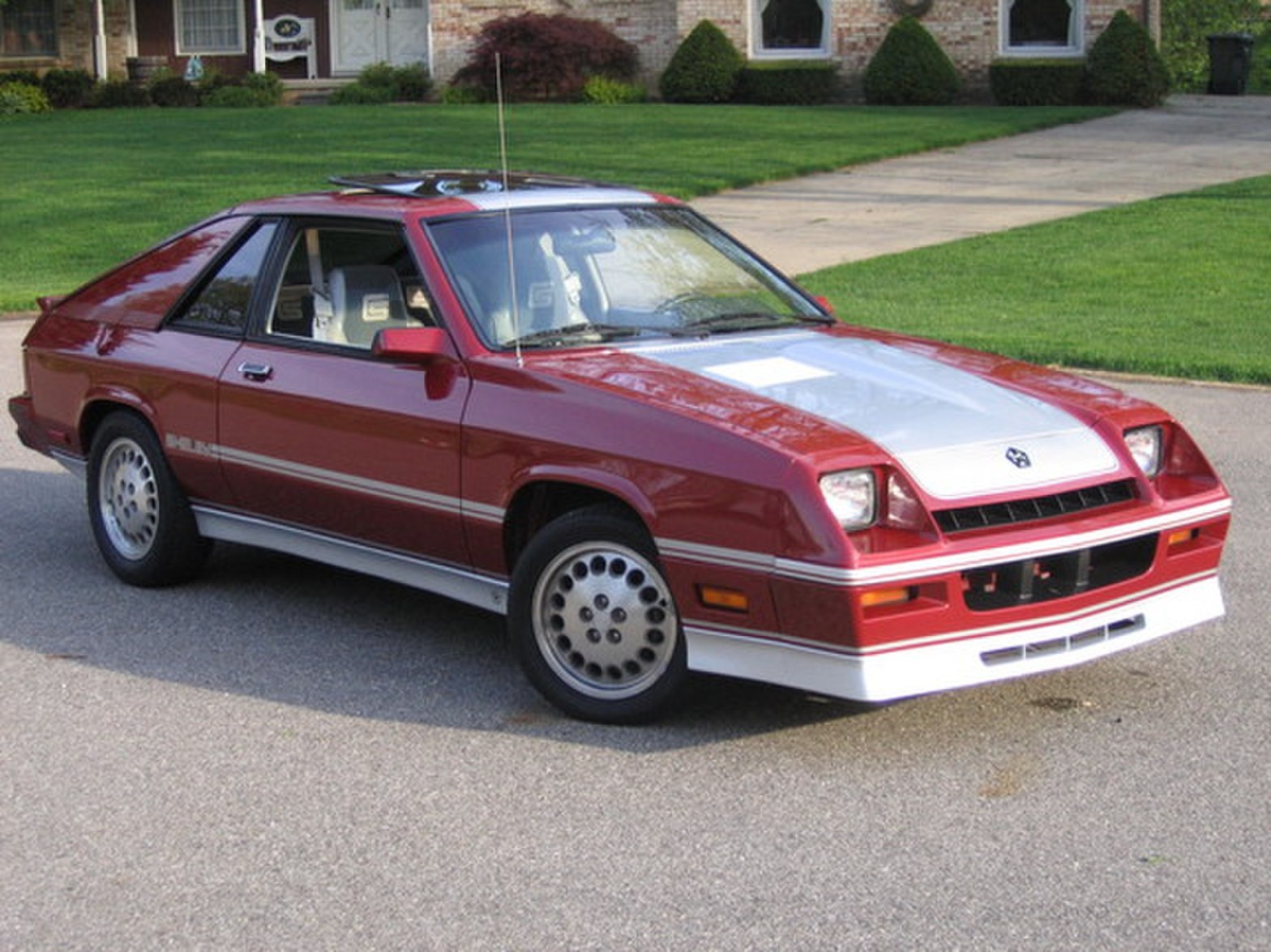








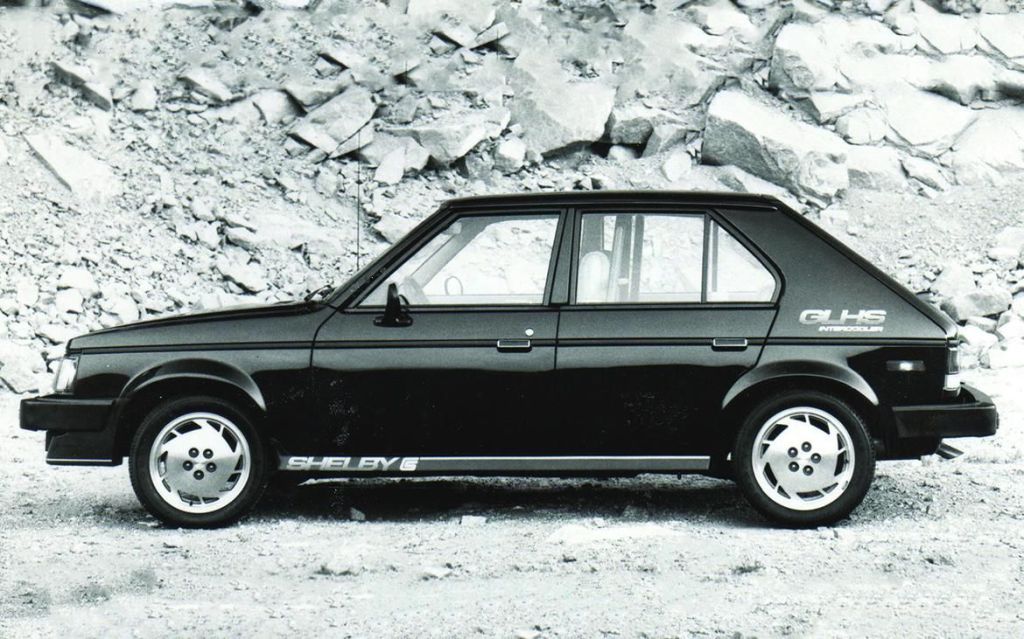


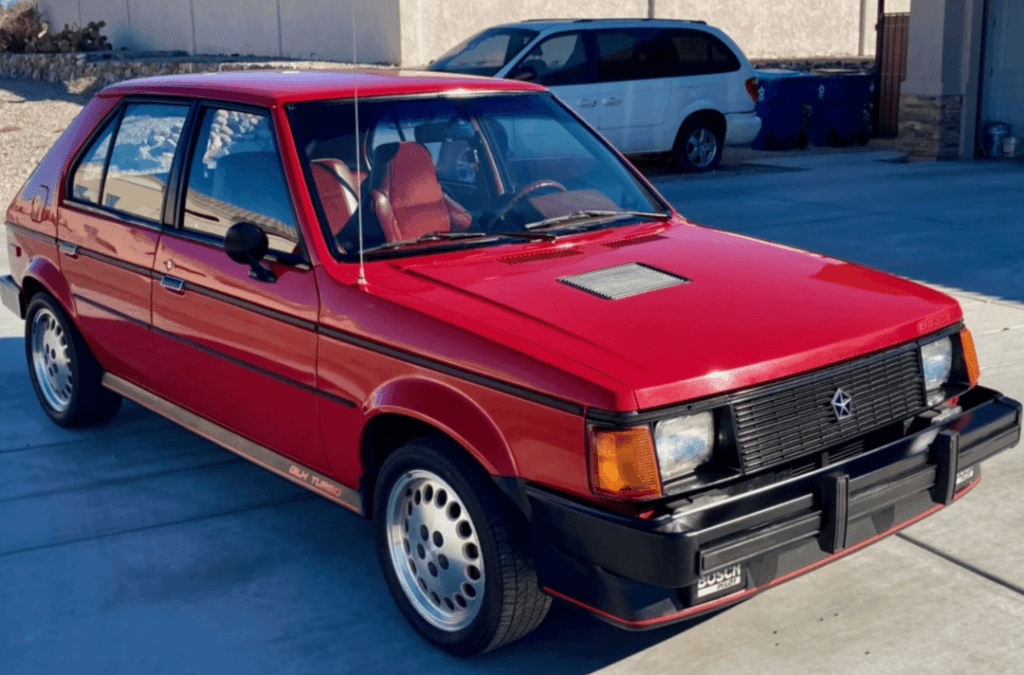
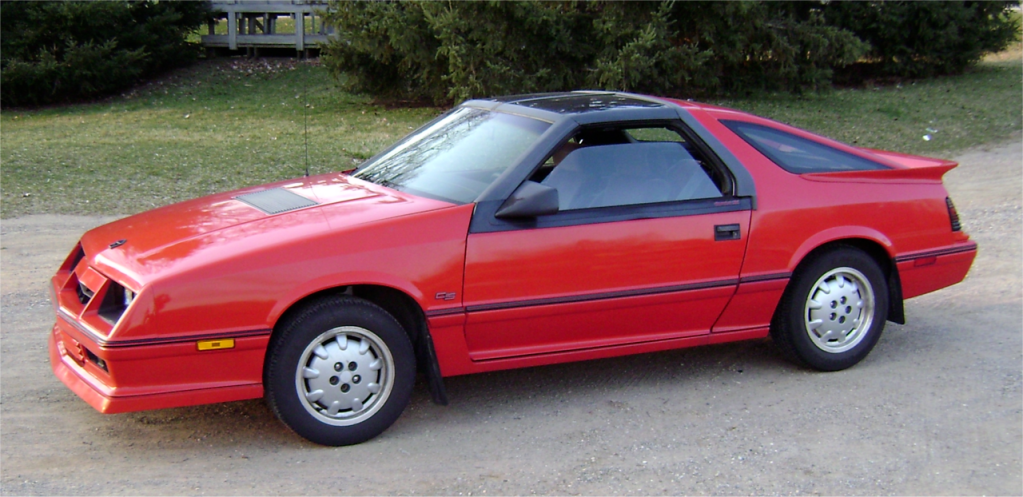

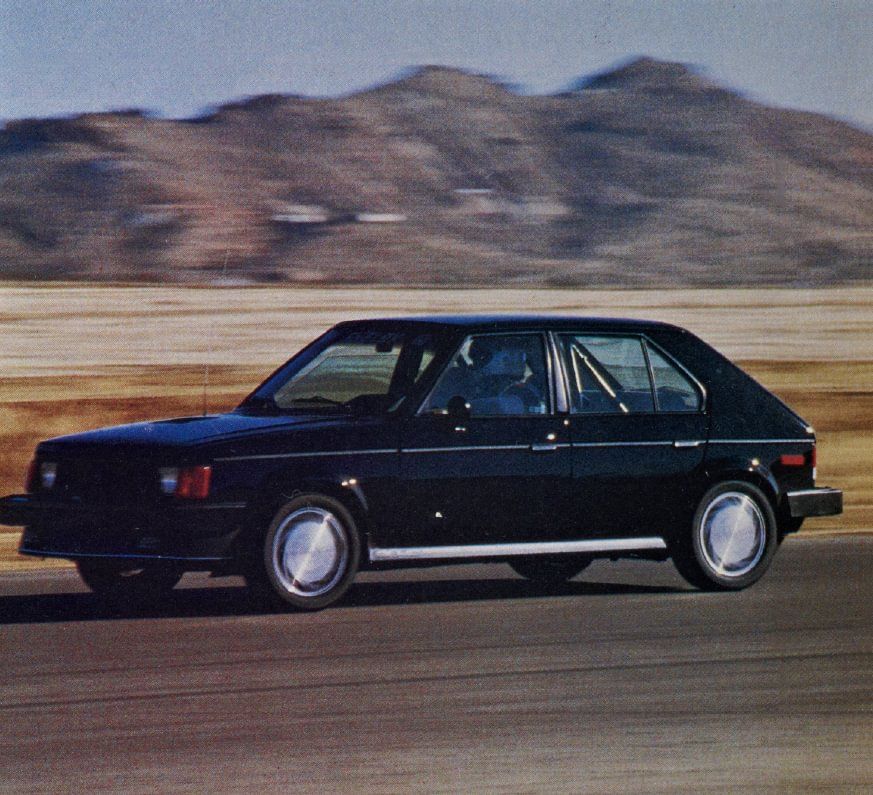


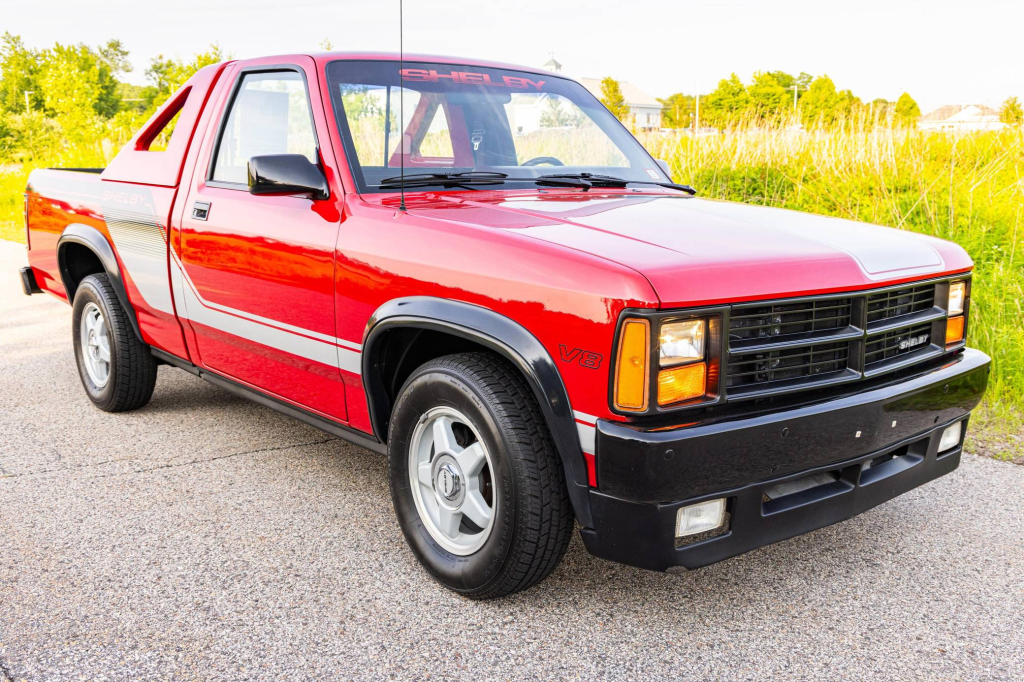


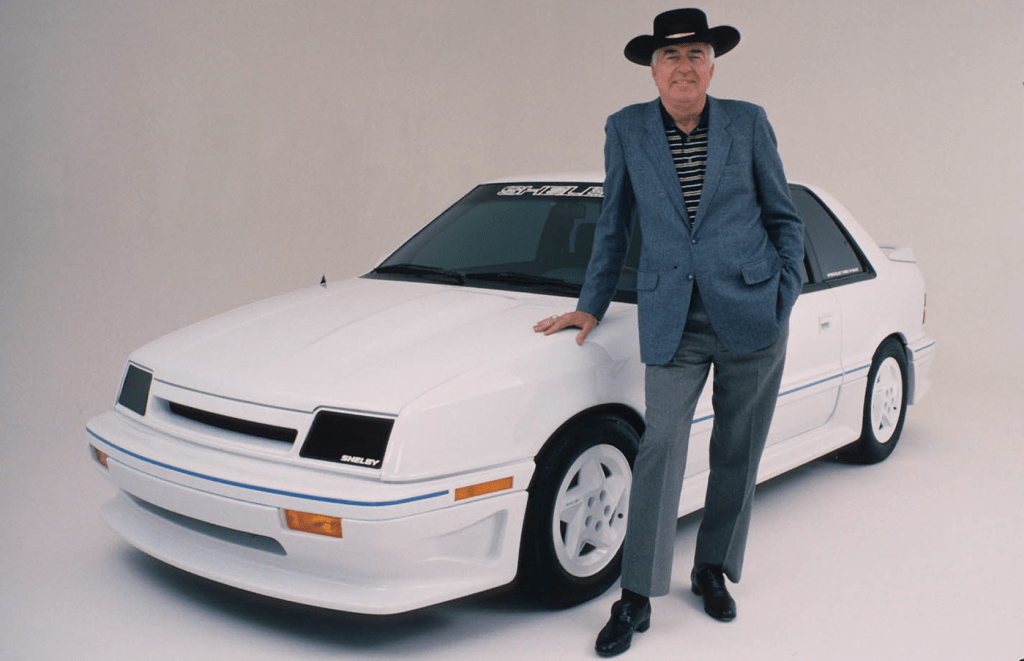
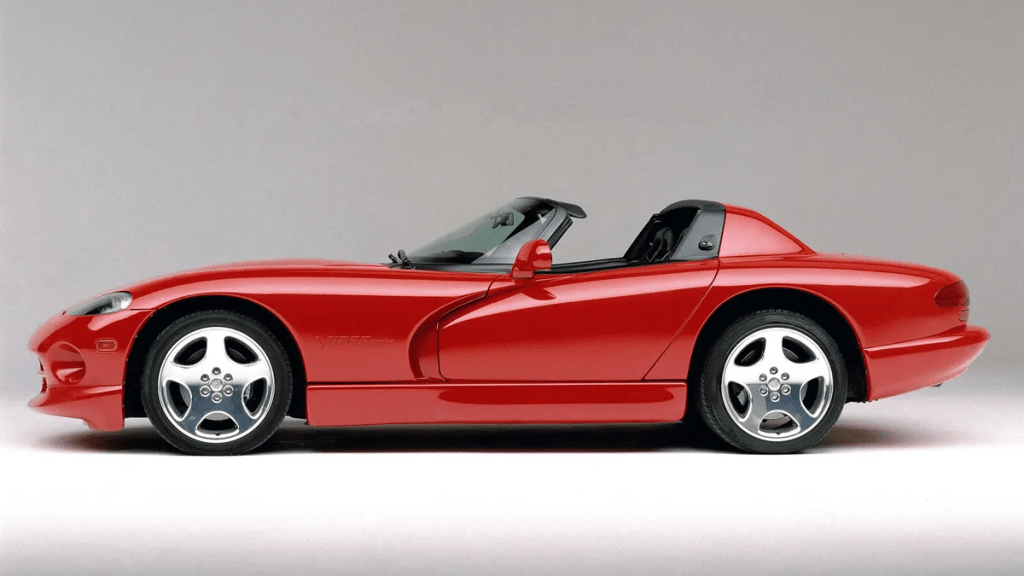


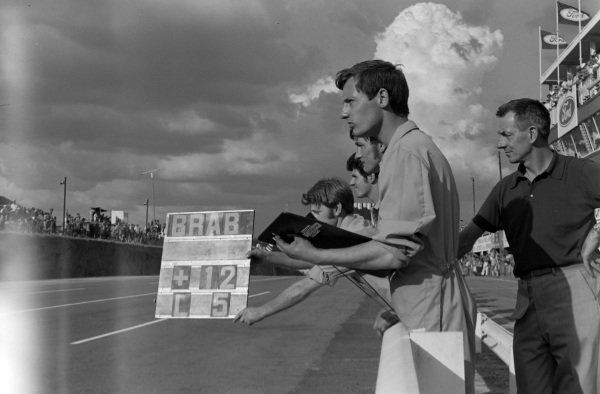







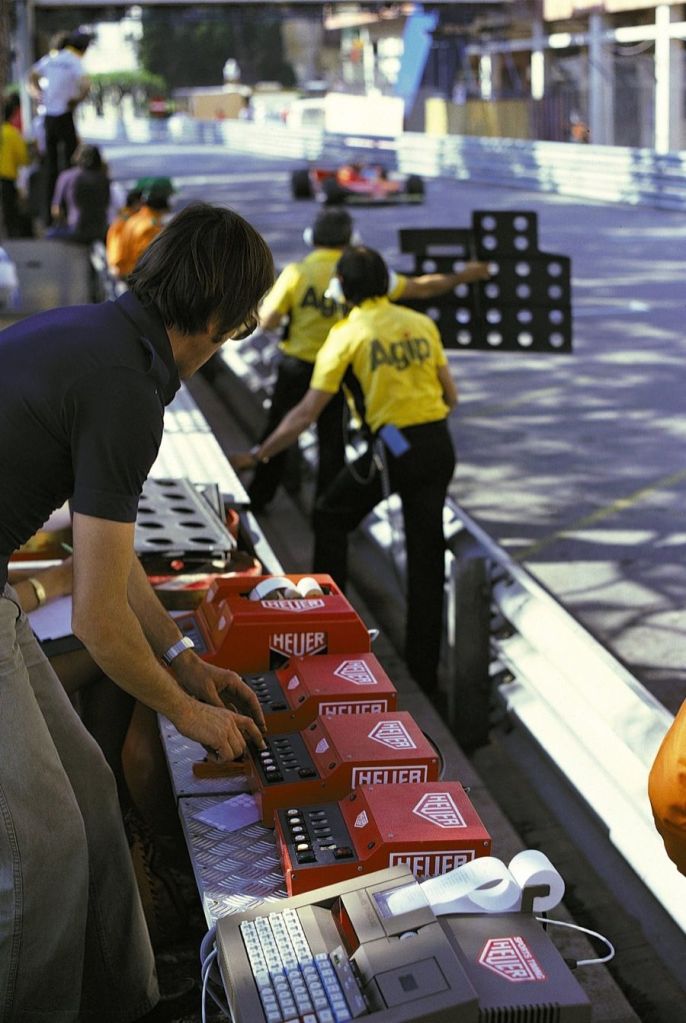
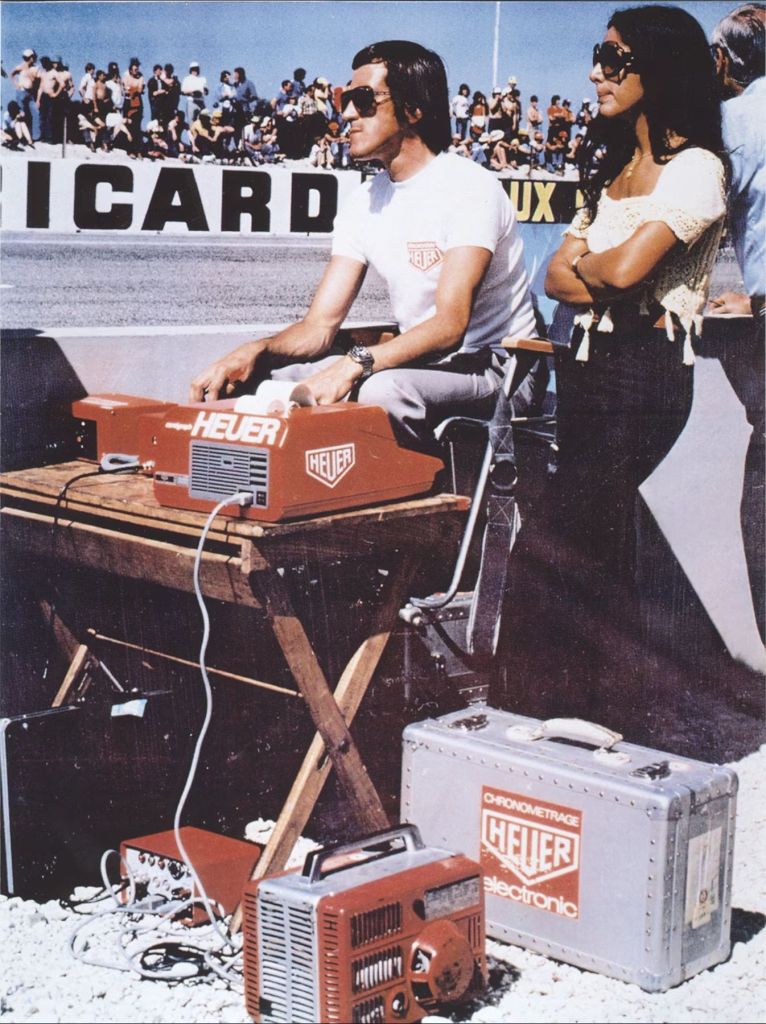


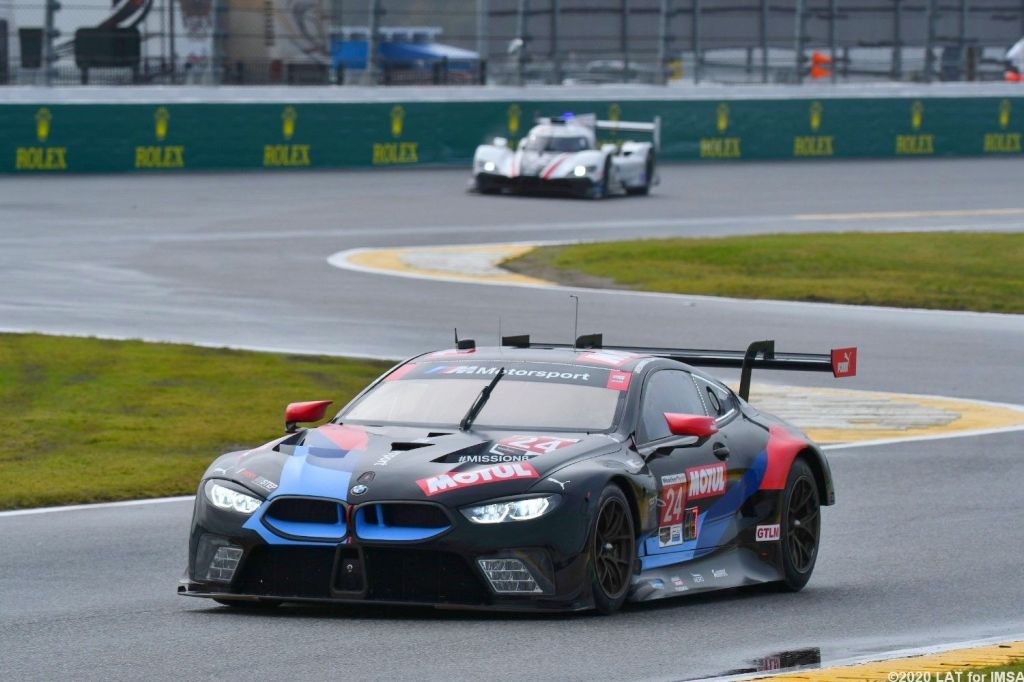
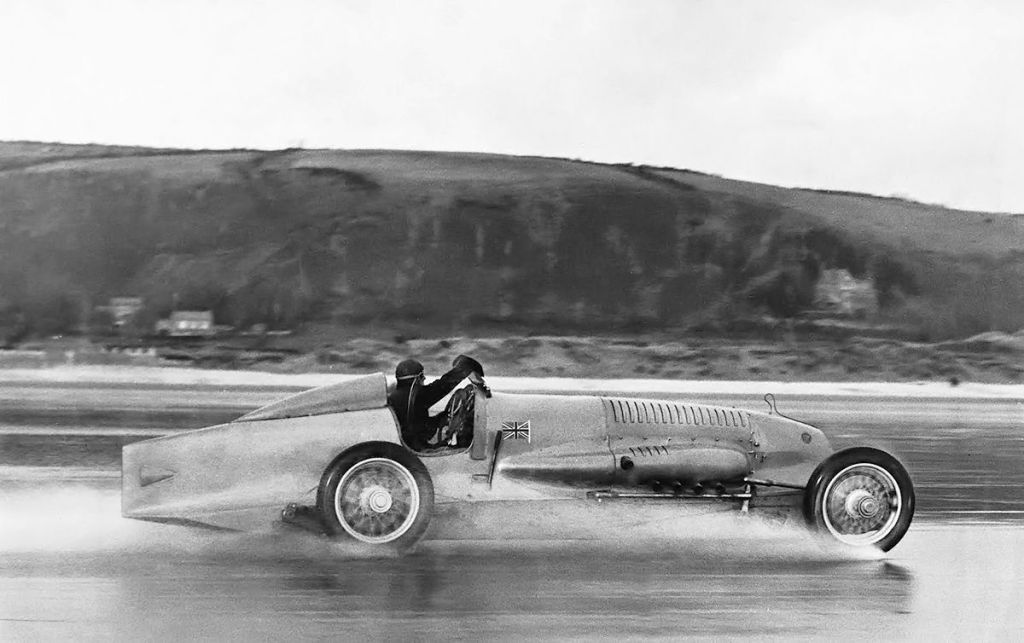








 The Classic Machines