After a 22-year hiatus, MotoGP returned to South America with the 2026 Brazilian Grand Prix, scheduled as the second round of the 2026 MotoGP™ season (March 20-22). Qualifying: Fabio Di Giannantonio secured pole position for the 2026 Brazilian Grand Prix, topping the timings in a dramatic session as MotoGP returned to the country for the first…
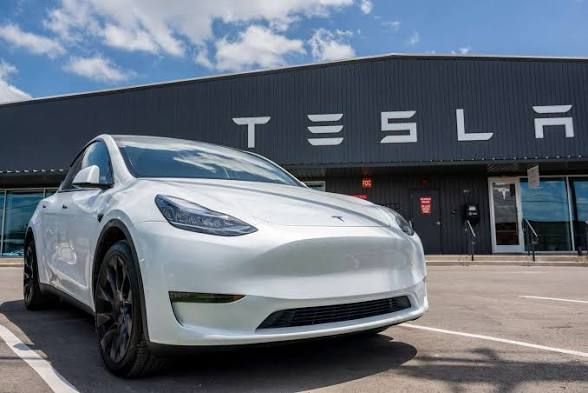
No, I never thought I would publish a post featuring a Tesla, after all, they are the opposite of what we would call “classic machine”, but I believe this catch of the day has some relevance to the dangerous times we are living in.
First of all, it is impossible to talk about Tesla without mentioning the guy who produces them, Elon Musk.
Mr. Musk has a massive ego. He always ensured his image as a successful industrialist was strongly linked to all his brands. He continually tries to project an aura of a super-cool, daring genius who could smoke marijuana in front of cameras without caring what people might think, and, to some extent, it worked.
Steve Jobs did something similar, and he helped sell many Apple products. So it is fair to say that Musk also helped sell a lot of Teslas.
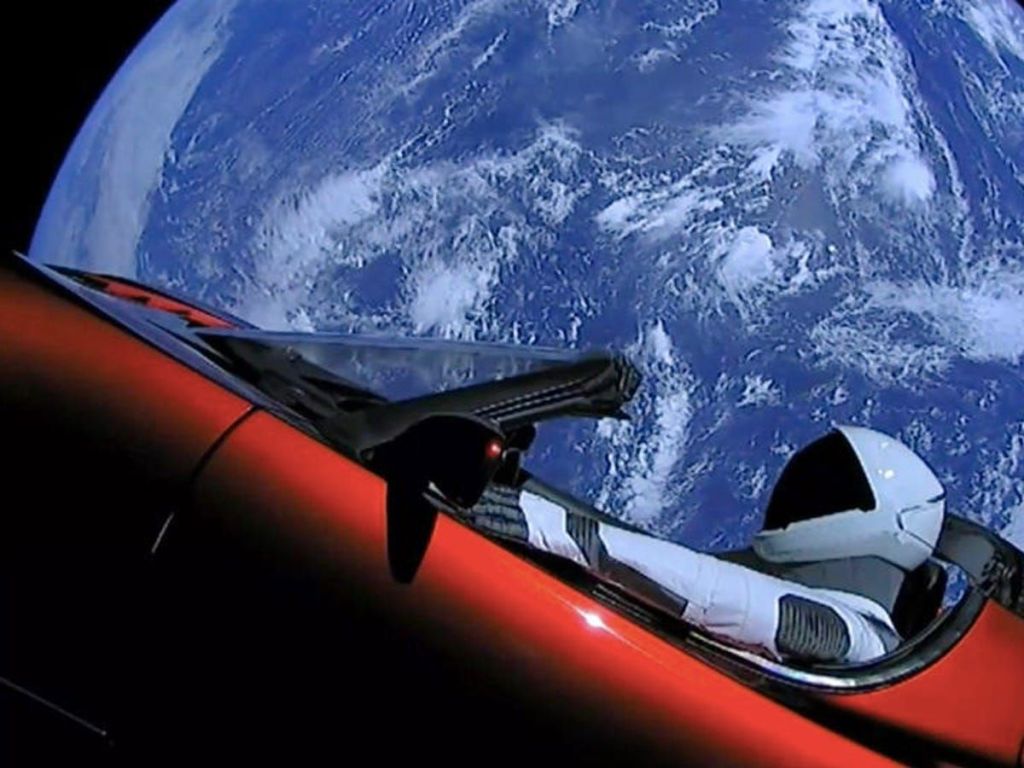
It’s interesting how we, mere mortals, are always looking for heroes to guide our actions. Personally, I never liked the guy or his cars, and I will not list my reasons here; this is not the purpose of this post. However, at times, I had to acknowledge his boldness. Watching the SpaceX reusable rocket booster land vertically, all by itself, is beyond cool. Also, when he put his personal Tesla Roadster into space in 2018, it was “sci-fi”- level cool.
As a brand, Tesla was a success. It was, in one way or another, the resurgence of the American Automobile. Finally, a US automaker was leading global sales, even if its EV market share is pretty small. Tesla was also the chosen stock for “investors” to manipulate, inflating its real value many times over. So very often, I read in the news: “Teslais now more valuable than Ford”. Well, it is true only if you are counting imaginary money.
Tesla has become the go-to car for trendy people who want to save the world by driving a zero-emissions vehicle. Supporting my point, the brand has been the best-selling in California for years in a row.
Cybertruck
On November 21, 2019, Mr. Musk and a select group of Tesla staff hosted an event to unveil the most anticipated Tesla yet, the Cybertruck.
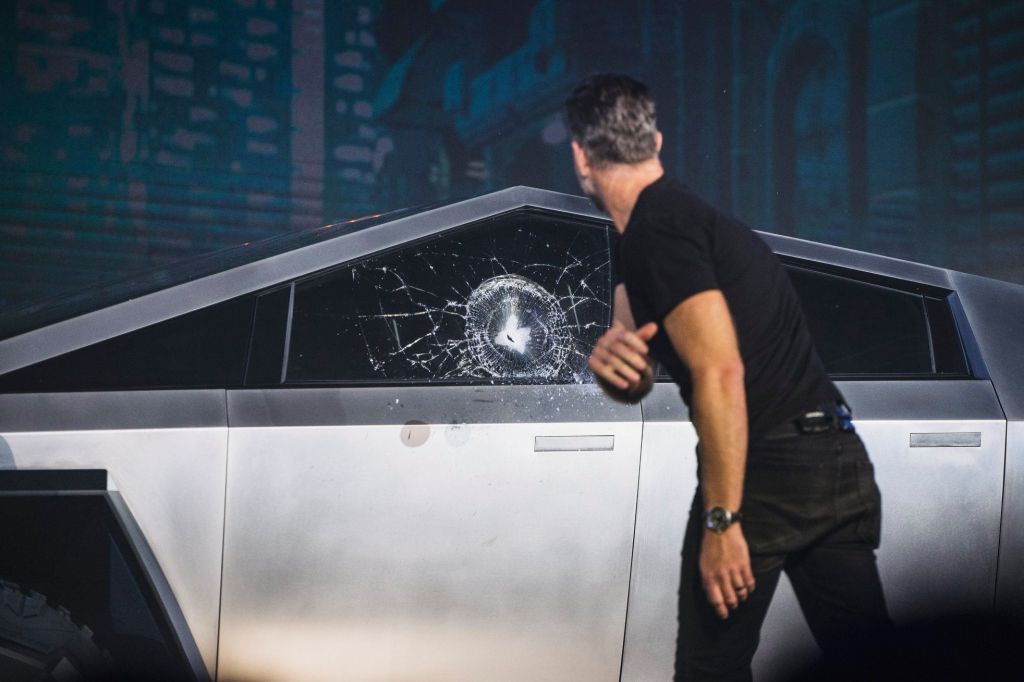
The event was a bit embarrassing. In an attempt to demonstrate the vehicle’s supposedly “indestructible” armor glass, Tesla design chief Franz von Holzhausen threw a metal ball at the driver’s side window, shattering it completely. Following the first failure, Musk asked him to try again on the rear window. The same thing happened, and the second window shattered as well, prompting Musk to swear on stage and joke, “Room for improvement.” This little hiccup didn’t prevent 200.000 orders from being placed that day.
Elon Musk announced that Cybertruck would launch in late 2021 with a starting price of US$39,900. The release date was later delayed to 2022, and subsequently to late 2023, with an updated base price of US$60,990.
The pick-up truck market in North America is highly profitable but also has the most traditional customers. The Big Three, Ford, GM, and Chrysler, have been using the same recipe for building trucks for decades, and it seems to be what customers like. And yet, Mr. Musk decided to create a very controversial vehicle to compete in that arena.
The Cybertruck has been a love-or-hate vehicle since day one. It was not designed for the usual pickup truck buyer. It looks like a car that came out of a “B” sci-fi movie. It is fast, no doubt about it; there are quite a few videos on the internet showing it shaming all sorts of sports cars in drag races.
The most common complaints about Cybertruck are the limited off-road capability and weird bed design that make hauling stuff a bit complicated.
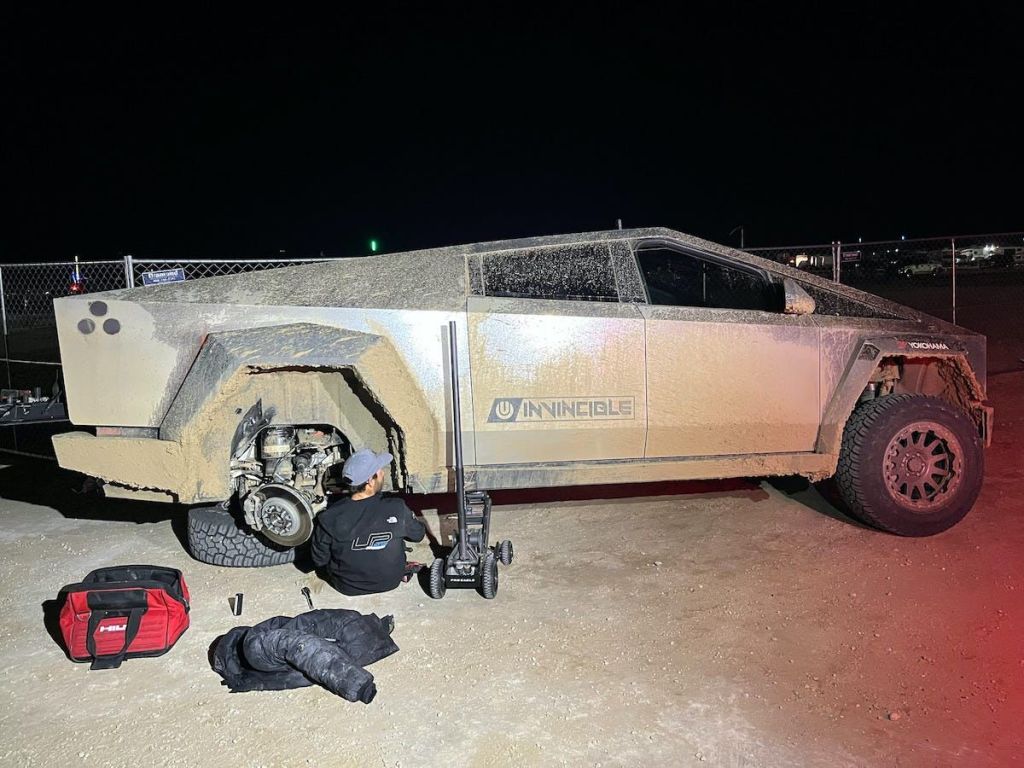
Also, the tie rods, along with control arms and spindles, are a constant headache during “somewhat minor” off-roading, suggesting they are a limiting factor in the truck’s ruggedness.
The Cybertruck’s panels are made of stainless steel, which enhances the vehicle’s futuristic look. It is also very strong and doesn’t rust easily.
While dent-resistant and rigid (it said it can stop a 9mm bullet), the panels are prone to surface staining and rust spots. Some owners have opted to wrap the truck in coloured vinyl, making it easy to keep it “clean.”
The Cybertruck is an extremely polarized vehicle. Most of the opinions you hear about it are either from passionate fans, exaggerating its qualities or from passionate haters, exaggerating its flaws. Since the vehicle is not of interest to me, I didn’t research it much.
The evil genius
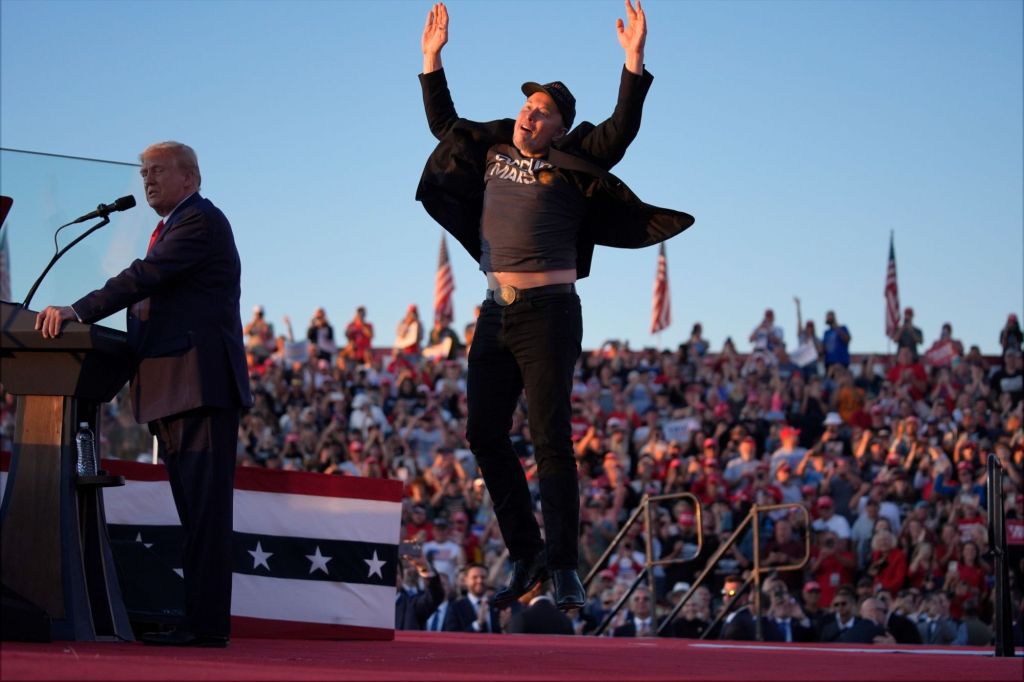
So much joy!!! Musk jumps at a Trump rally.
Elon Musk was open about using his image as a marketing tool for his products, and it worked well until the thin veneer of cool-guy appeal began to crack.
Mr. Musk became one of the most prominent supporters of Donald Trump’s quest for reelection in 2024. With an almost infinite supply of money, he bought Twitter for $44 billion on October 27, 2022, with the sole intention of making it a political platform for the incoming elections.
Trump was banned from Twitter in 2021 for widespread misinformation and for violating Twitter’s “Glorification of Violence” policy. When Muks bought the platform, he changed its name to “X” and loosened Twitter’s regulations on hate speech and misinformation. As a result, “X” became a safe haven for haters and white supremacists.
Musk didn’t bother to share his controversial political views with the world. He public supported the German far-right political party, Alternative for Germany (AfD), which has faced accusations of using neo-Nazi rhetoric and has sections officially classified as right-wing extremist by German authorities.
On January 20, 2025, while speaking at a rally celebrating U.S. President Donald Trump’s second inauguration, Elon Musk, clearly saluted the crowd twice, making the infamous nazi saluting.
But the worst was yet to come. Elon Musk was nominated by Trump as the head of the Department of Government Efficiency (DOGE), a non-governmental initiative focused on slashing federal spending and reducing bureaucracy.
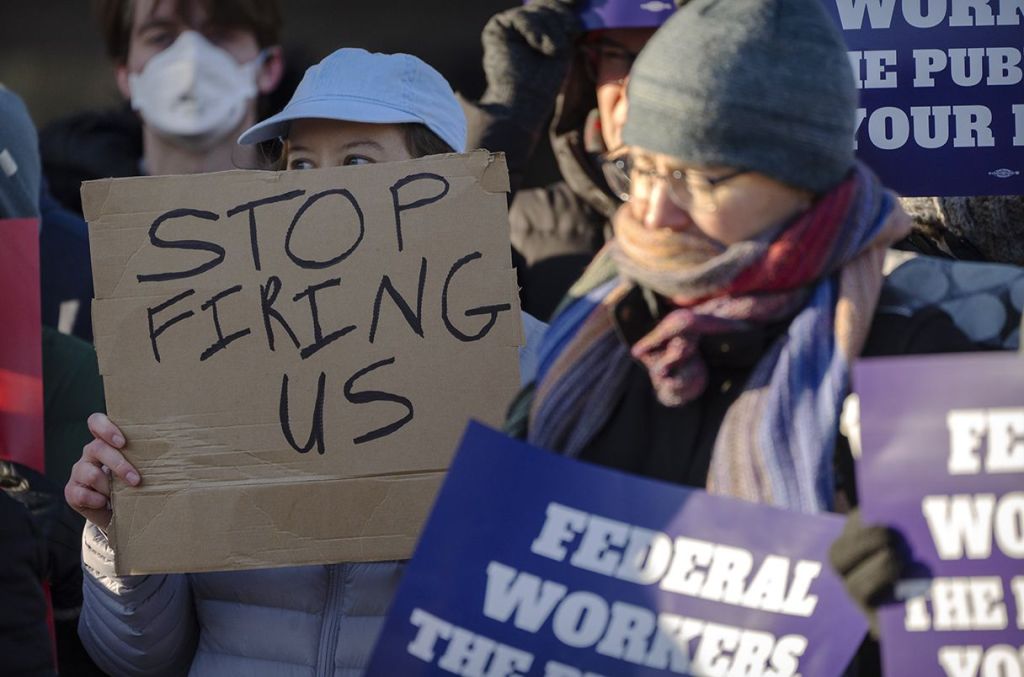
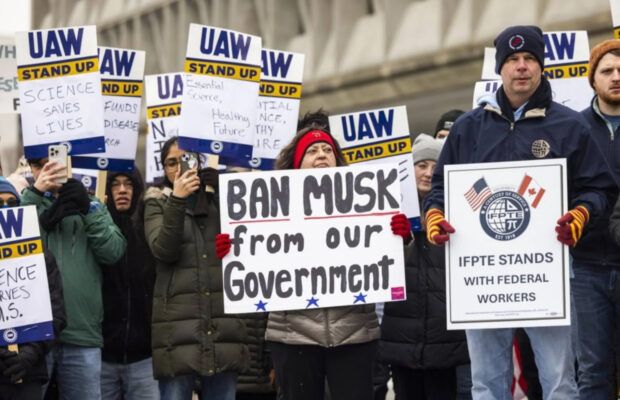
During the first couple of months of the Trump administration, Mr. Musk, accompanied by a small team of agents, often including personnel from his own companies, stormed federal agencies both physically and digitally, scrutinizing budgets, stealing files, and dismissing thousands of federal workers.
By mid-2025, DOGE, under Elon Musk’s leadership, had been associated with the firing or displacement of 260,000 to 280,000 federal employees and contractors across 27 agencies.
Those firings, called “slash and burn,” were carried out without proper study or consideration. In some cases, many workers had to be called back to prevent an agency from shutting down. More than just ruining lives, a lot of sensitive information about the government and its citizens ended up in the hands of a bunch of far-right clowns. What they are doing with it, we don’t yet.
Conveniently, Mr. Musk focused on federal agencies investigating his companies for questionable business practices.
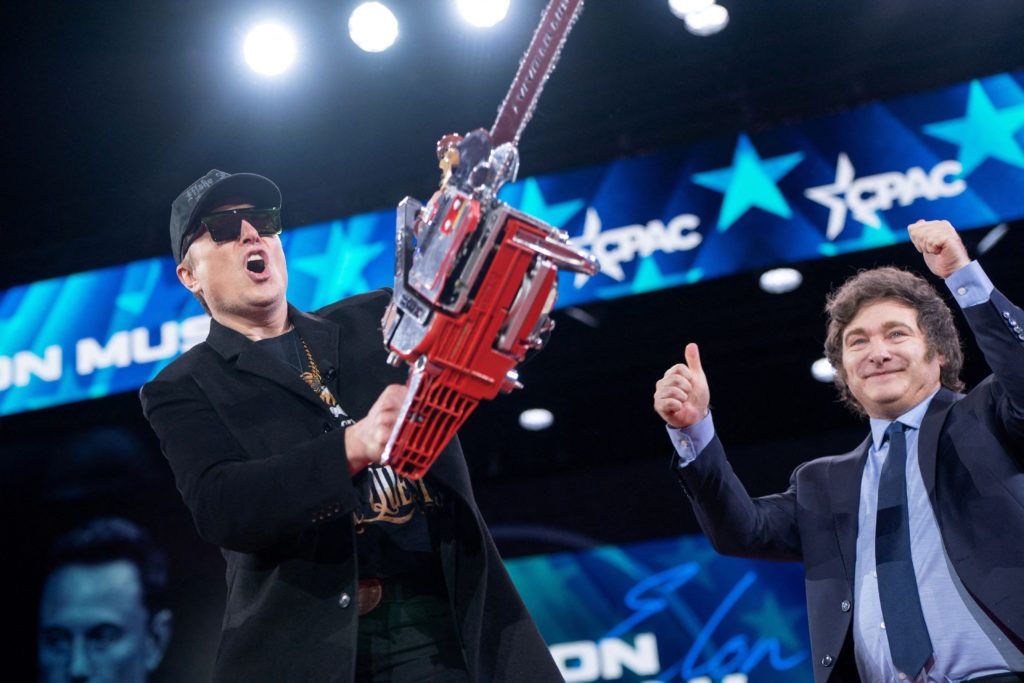
In February 2025, Musk attended the Conservative Political Action Conference while brandishing a chainsaw given to him by Argentine President Javier Milei. The chainsaw was supposed to symbolize the cuts on the government’s extravagant expenditure. But, for the sane Americans, it was a symbol of a nazi lunatic beheading federal workers.
The chaotic backlash
If you don’t like a corrupt politician, the only way to hurt him/her is to vote for someone else in the next election. That is the beauty of democracy. But how can you reach a corrupt billionaire who was invited into the administration?
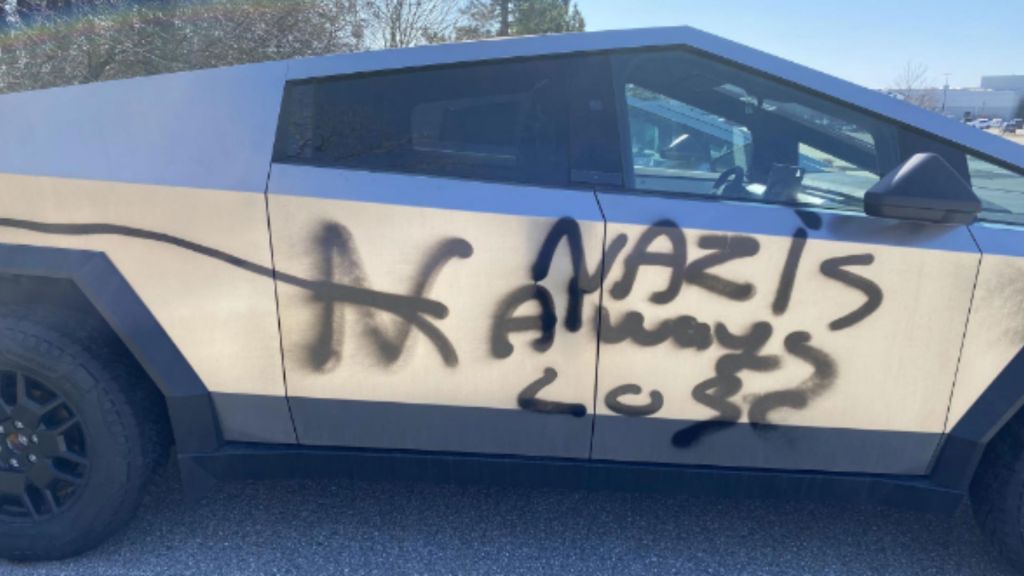
Nazis always lose.
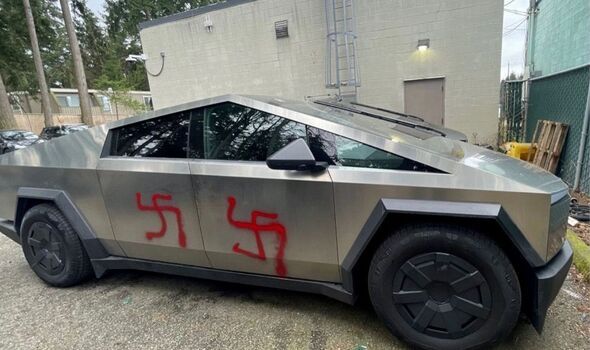
Some extremists found a way. Since Mr. Musk’s image is so deeply embedded in every Tesla, vandalizing one might feel as satisfying as breaking his nose.
Suddenly, incidents of cowardly vandalism targeting Tesla cars and dealerships erupted worldwide.
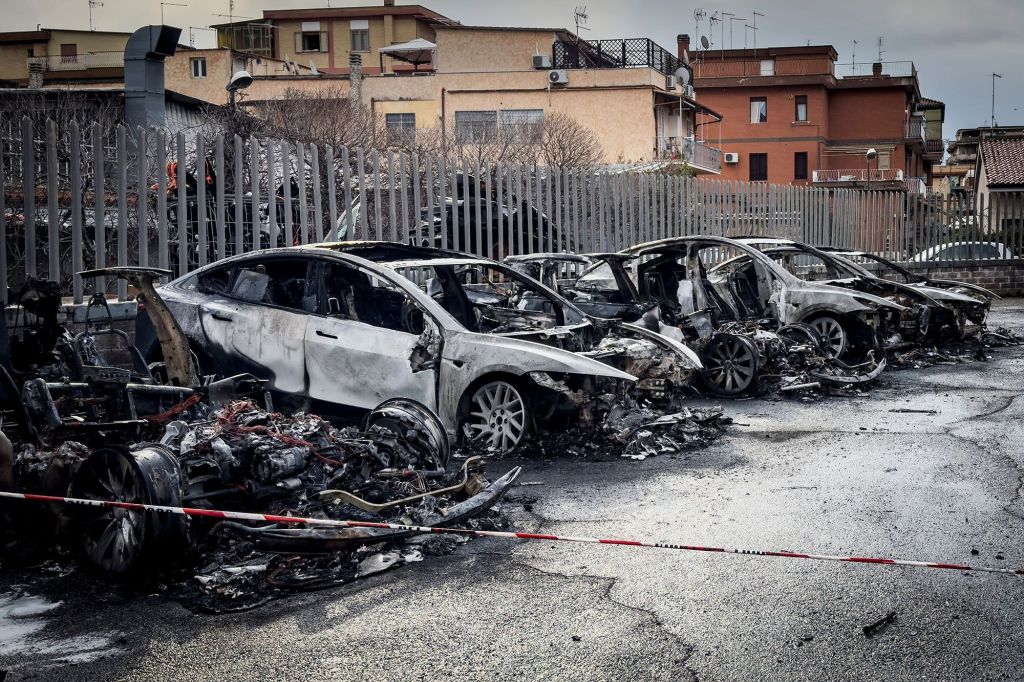
From minor rude acts towards owners, like “flipping the bird,” to serious actions like setting cars on fire, everything seemed fair game.
17 cars were set on fire in a Tesla dealership near Rome, Italy
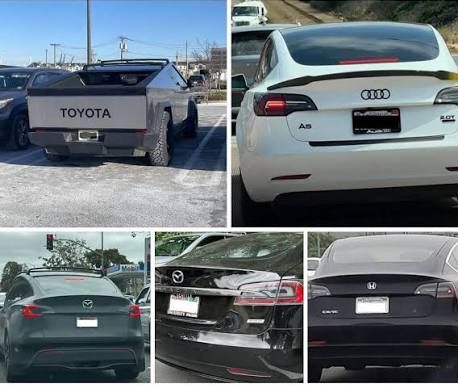
Fearing not only the loss of property but also their own lives, Tesla owners started keeping their cars in the garage, but for those who couldn’t afford it, they found a rather silly approach: disguising their vehicle.
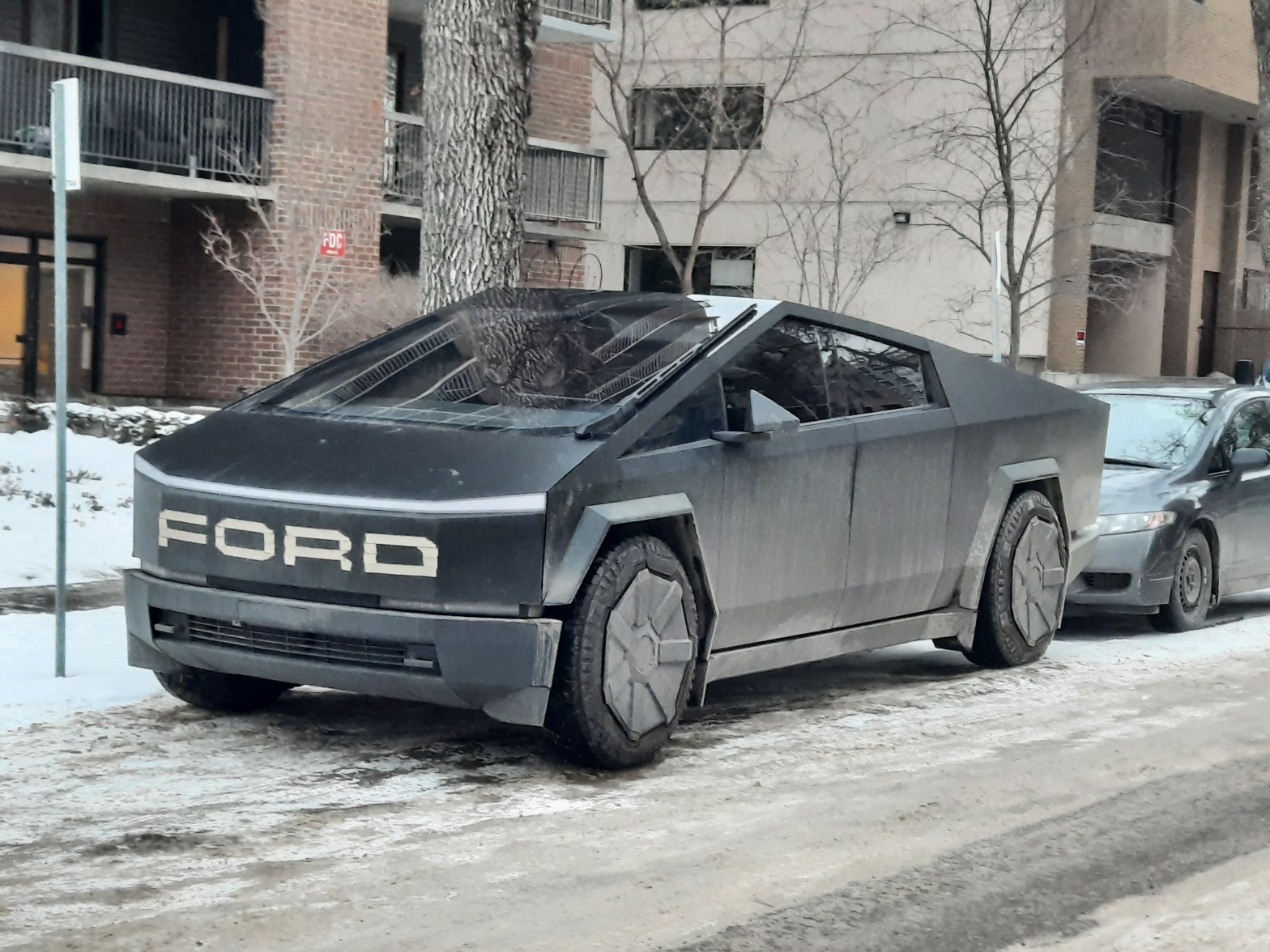
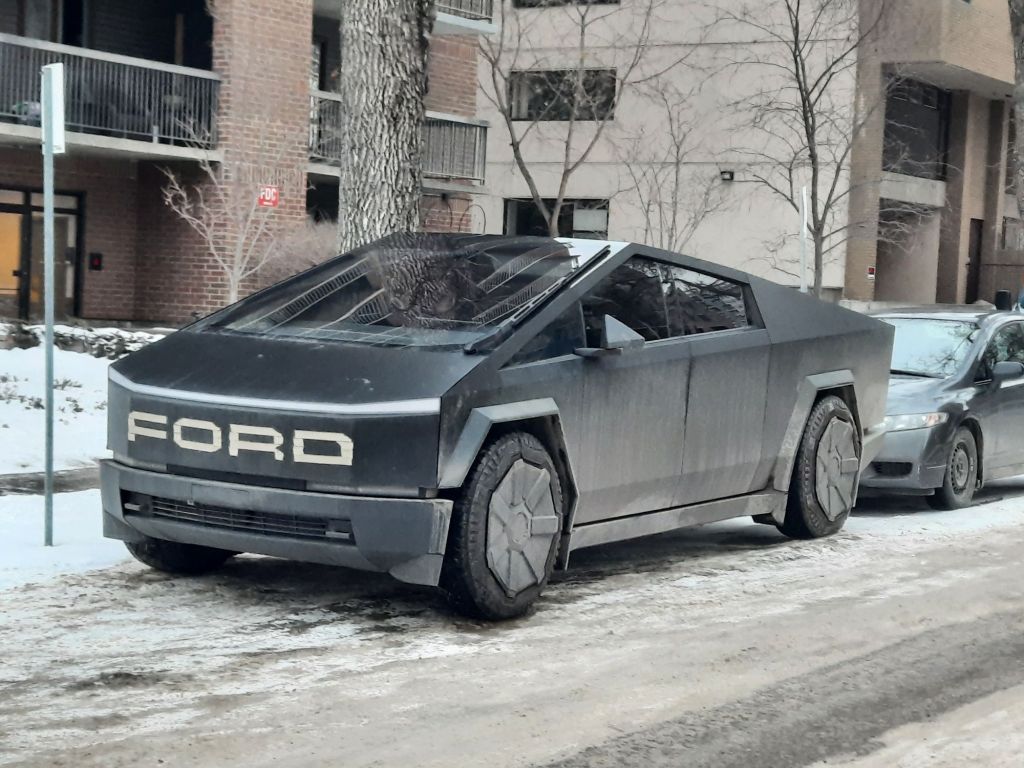
Finally, this long story comes to the picture that inspired me to write this episode of Catch of the Day. A couple of weeks ago, I spotted this Cybertruck, wrapped in black vinyl, and rebadged as a Ford pickup.
I couldn’t resist taking this picture. For the first time, I saw a rebadged Tesla, just like the many others I had seen and laughed at online. Oddly enough, it looks better than the original one.
Conclusion
Following some disagreement with Trump, Elon Musk left DOGE on May 30, 2025, appeasing the vandals’ ire.
But the consequences of Mr. Musk’s involvement with the Trump administration aren’t going to fade away. Tesla experienced a significant decline in sales in 2025 and early 2026, prompting the companyto cut production of the Model S and Model X.
Our Brazilian photo correspondent, Sérgio Devens Florentino, has once again amazed me with a stunning collection of pictures from another of his adventures.
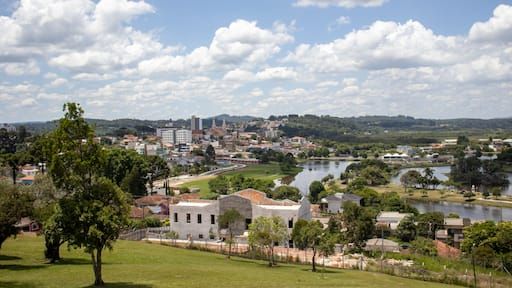
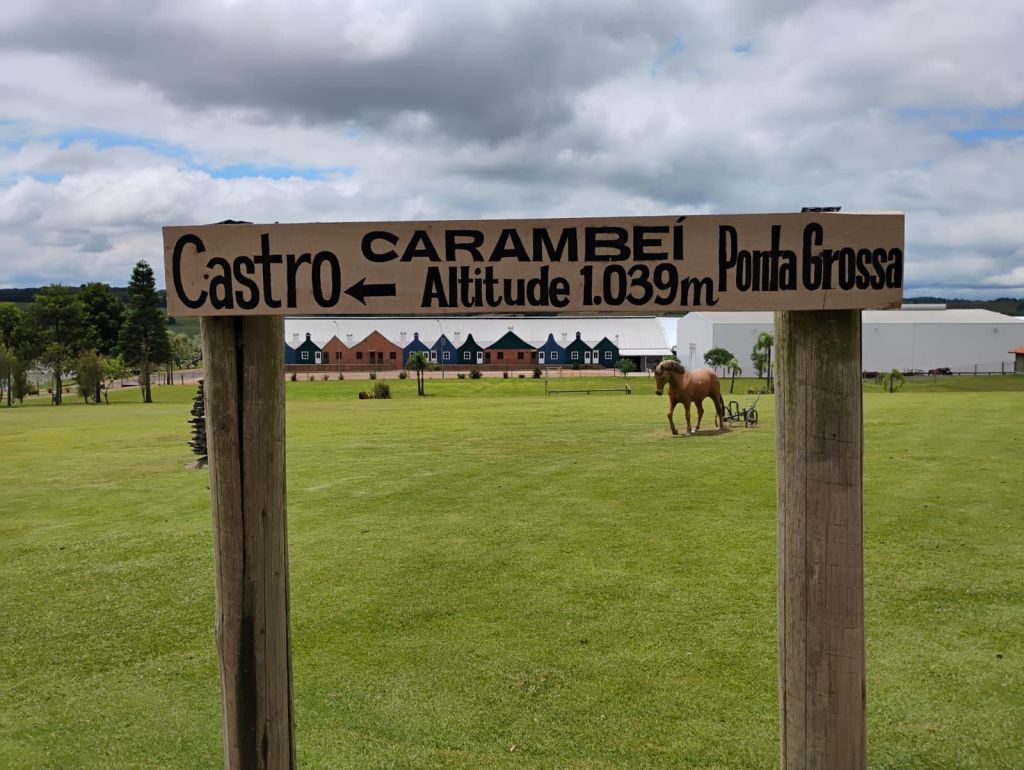
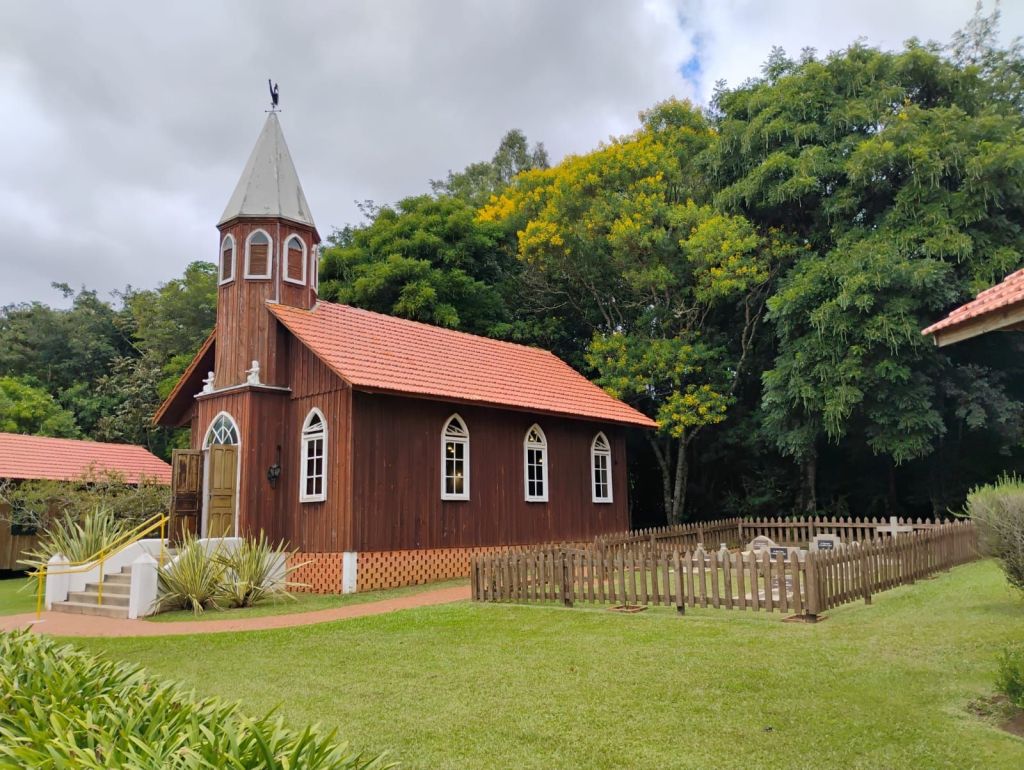
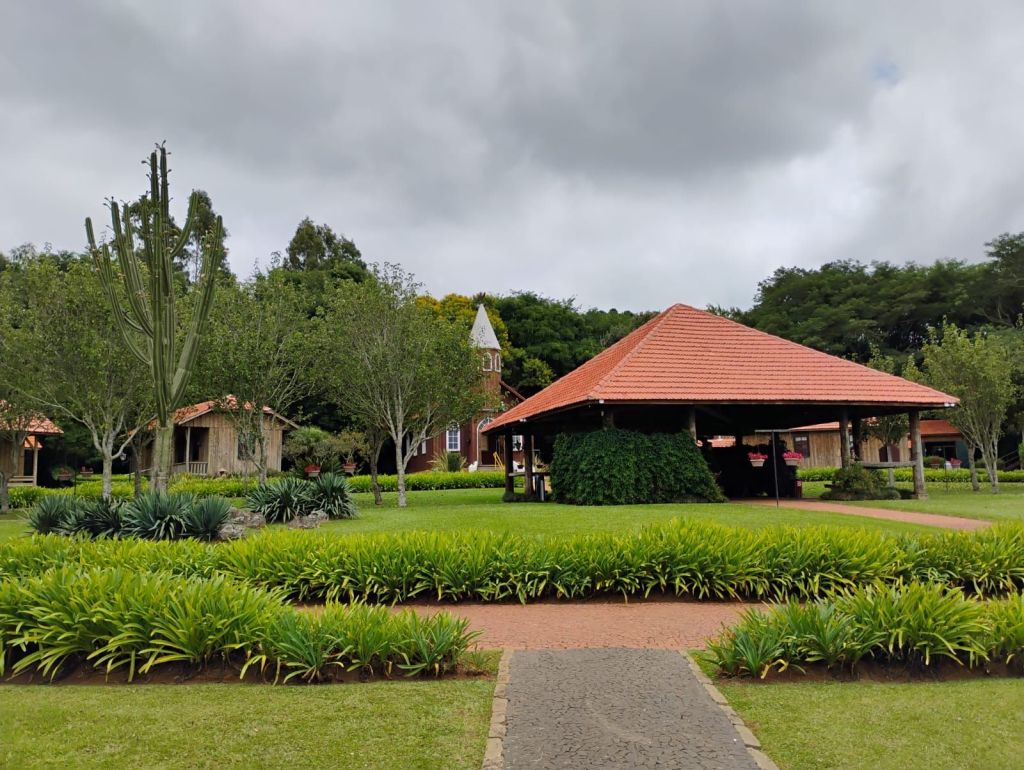
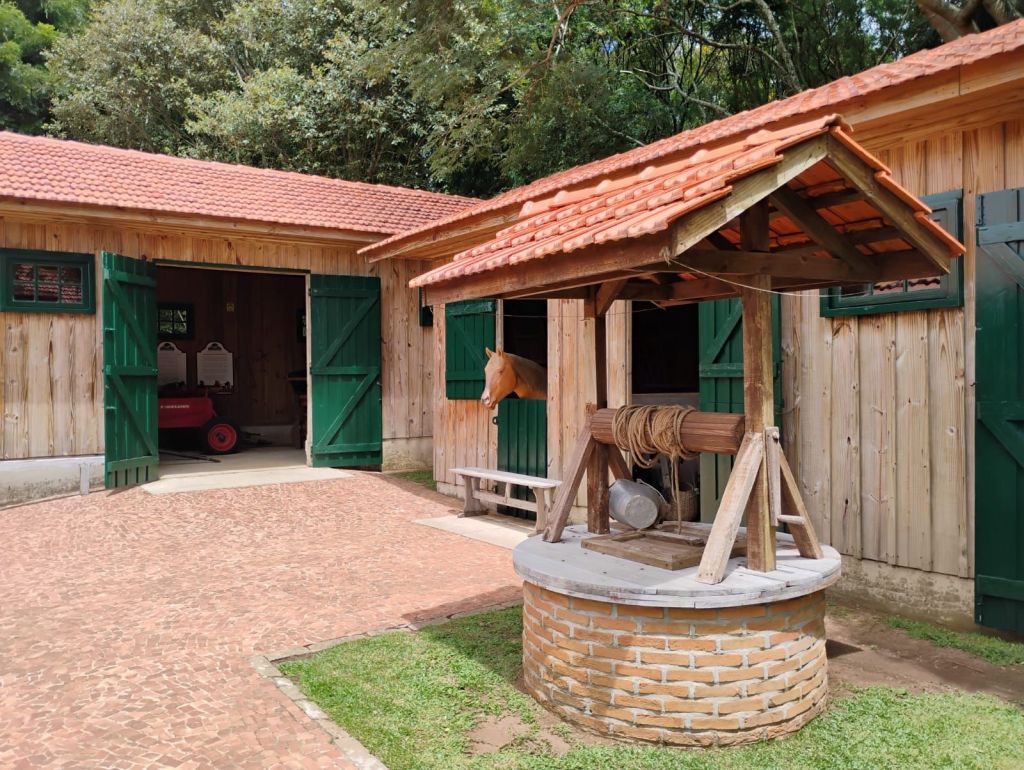
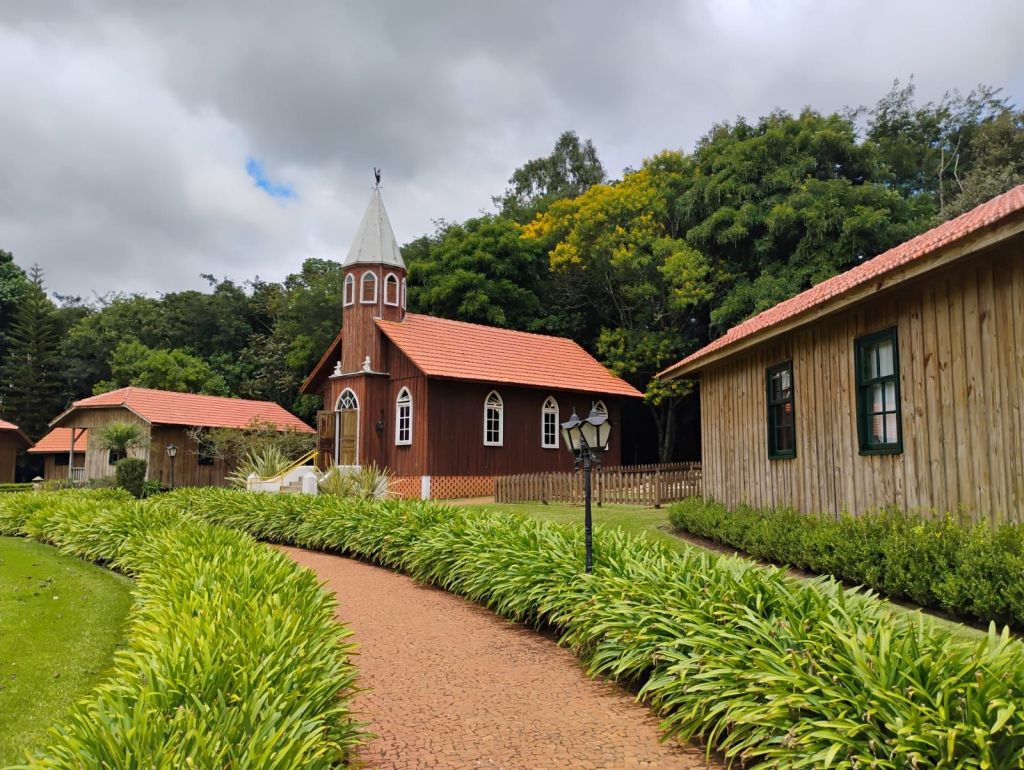
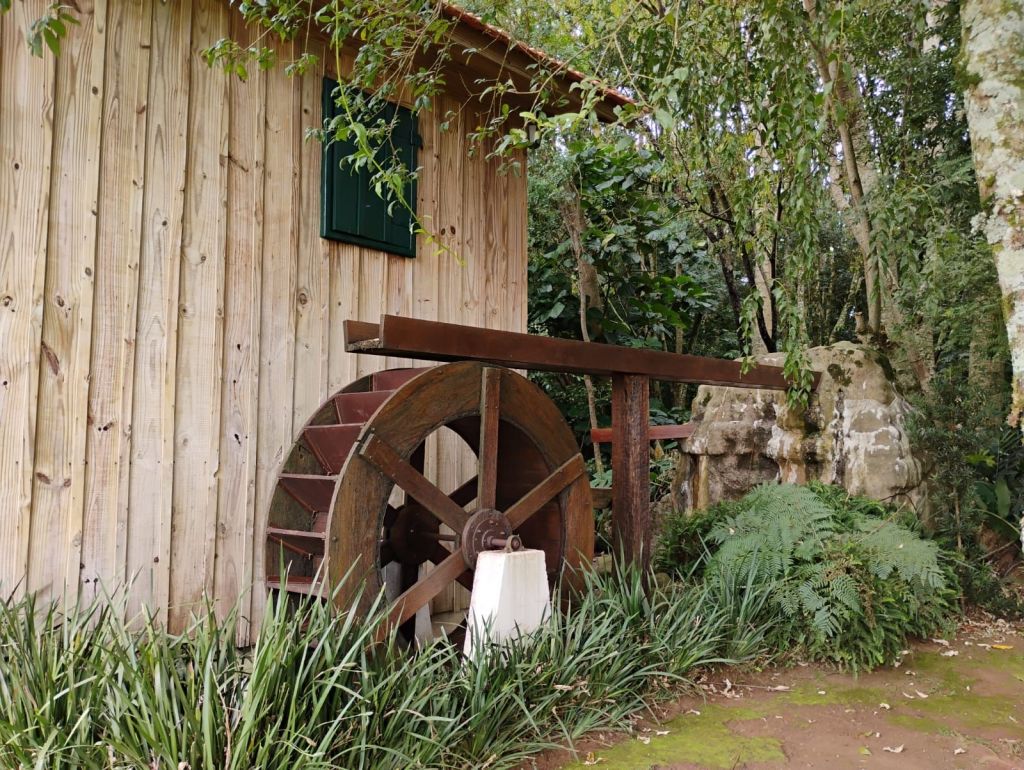
This time, he visited the charming little town of Carambeí.
The city is situated in Paraná state, in the southern part of Brazil. It was established on April 4, 1911, by a group of Dutch immigrants.
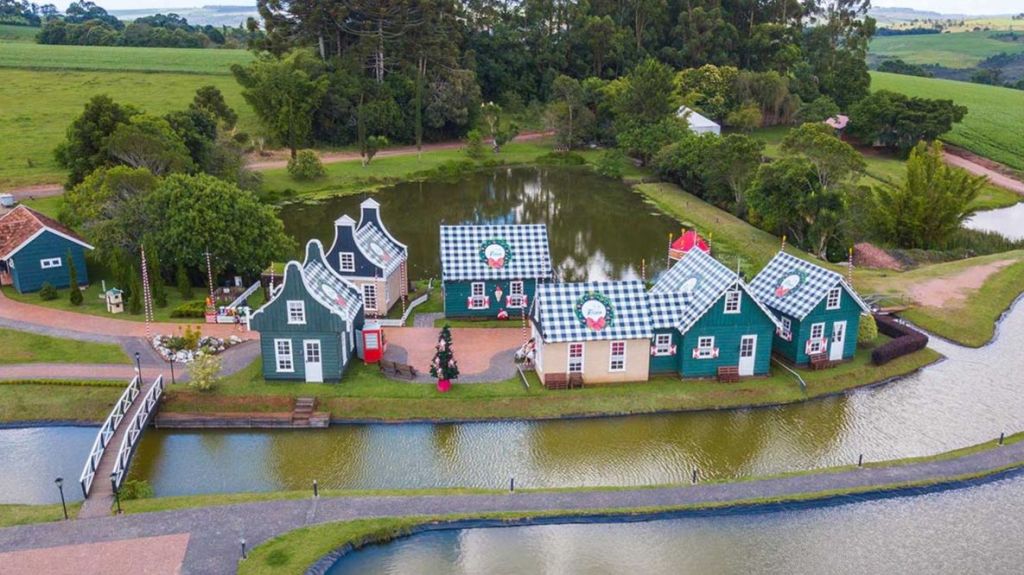
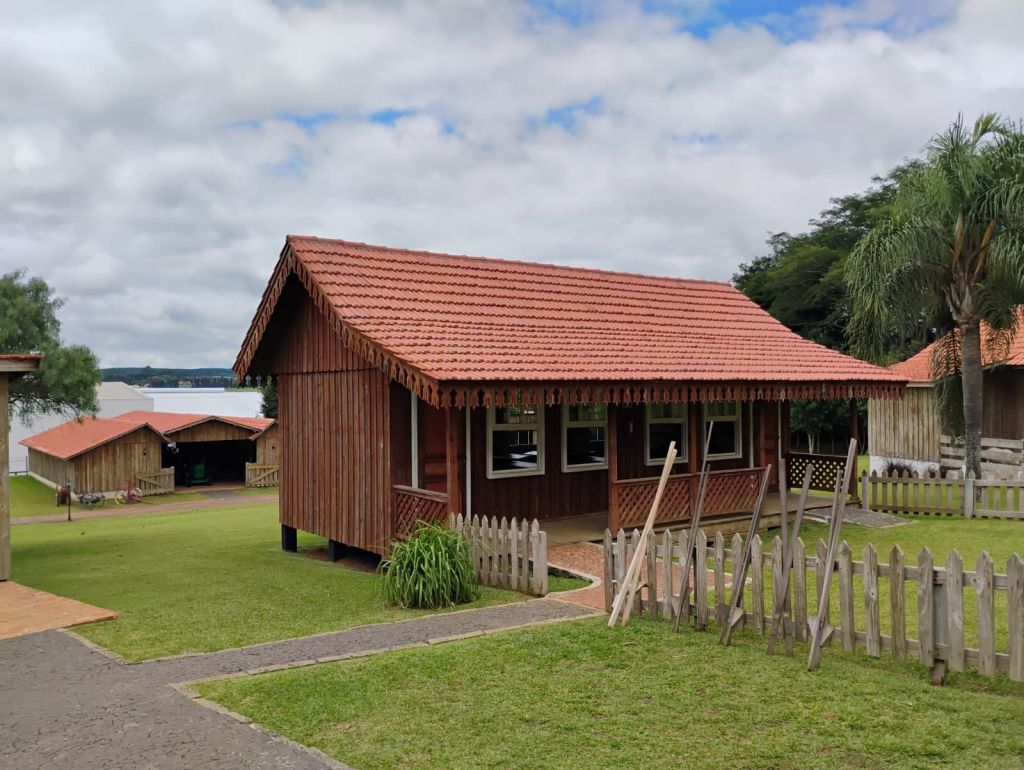
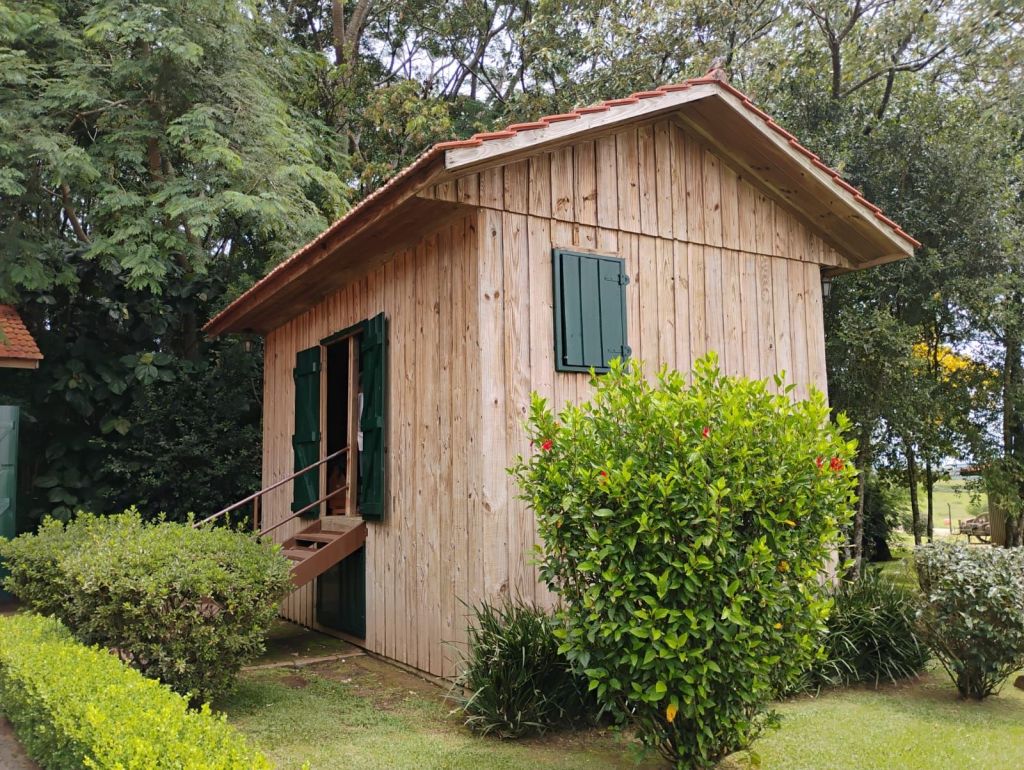
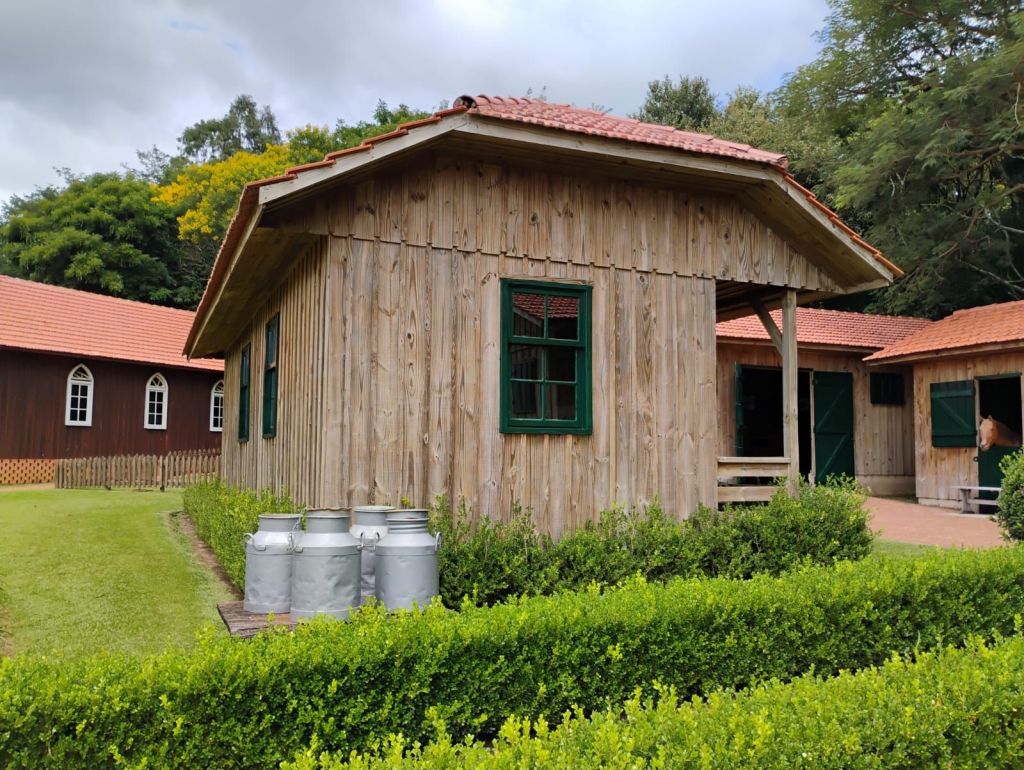
The city’s pride and joy is the Parque Histórico de Carambeí, the country’s largest open-air museum.
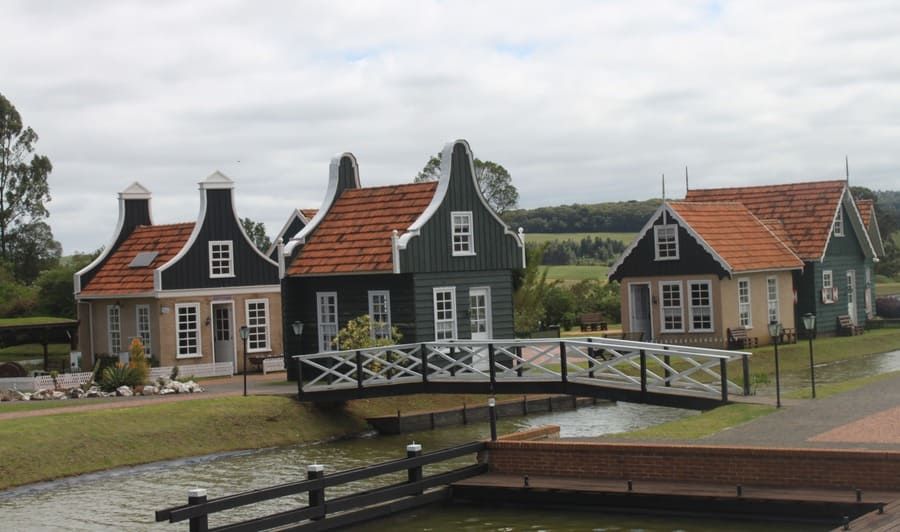
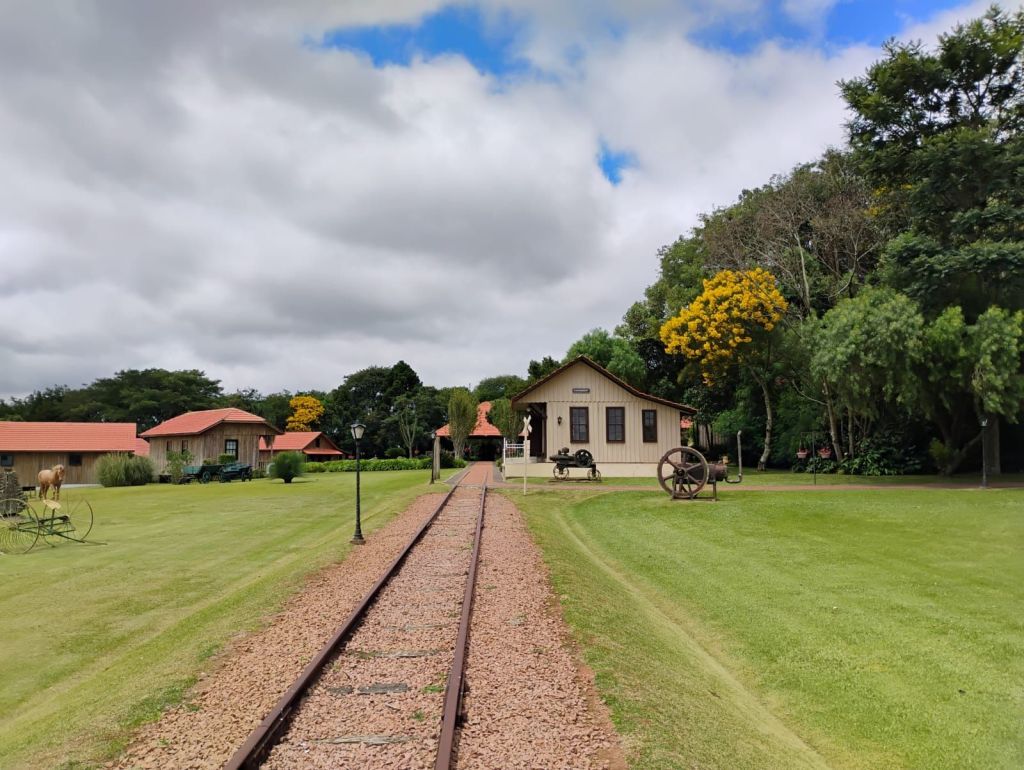
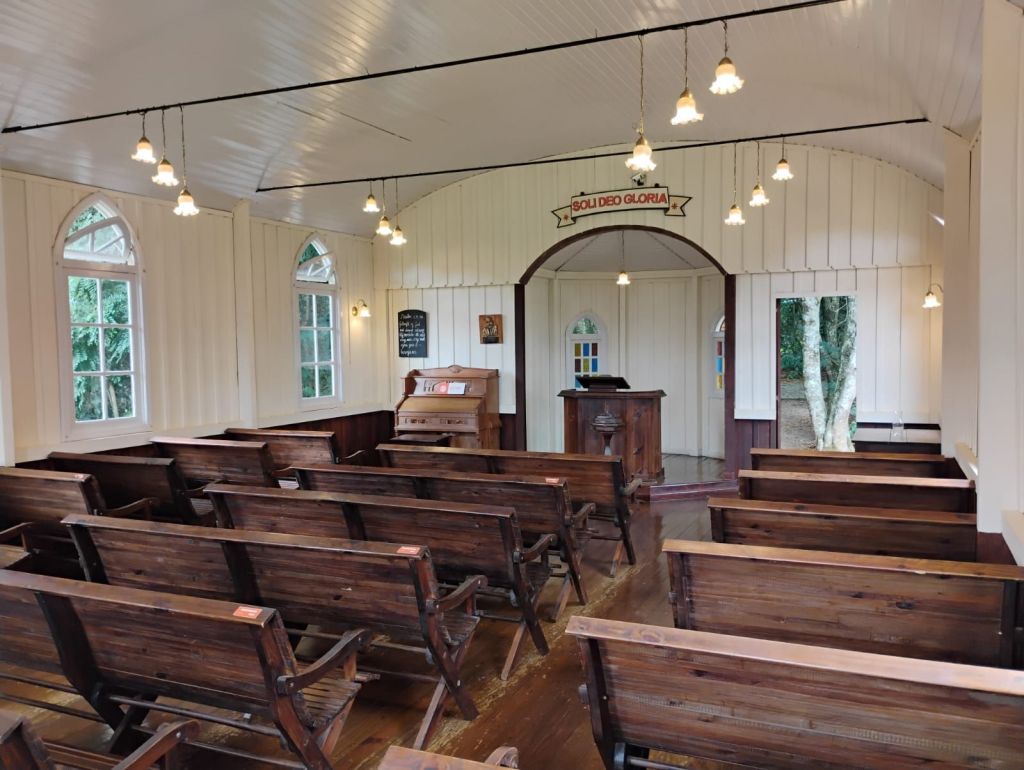
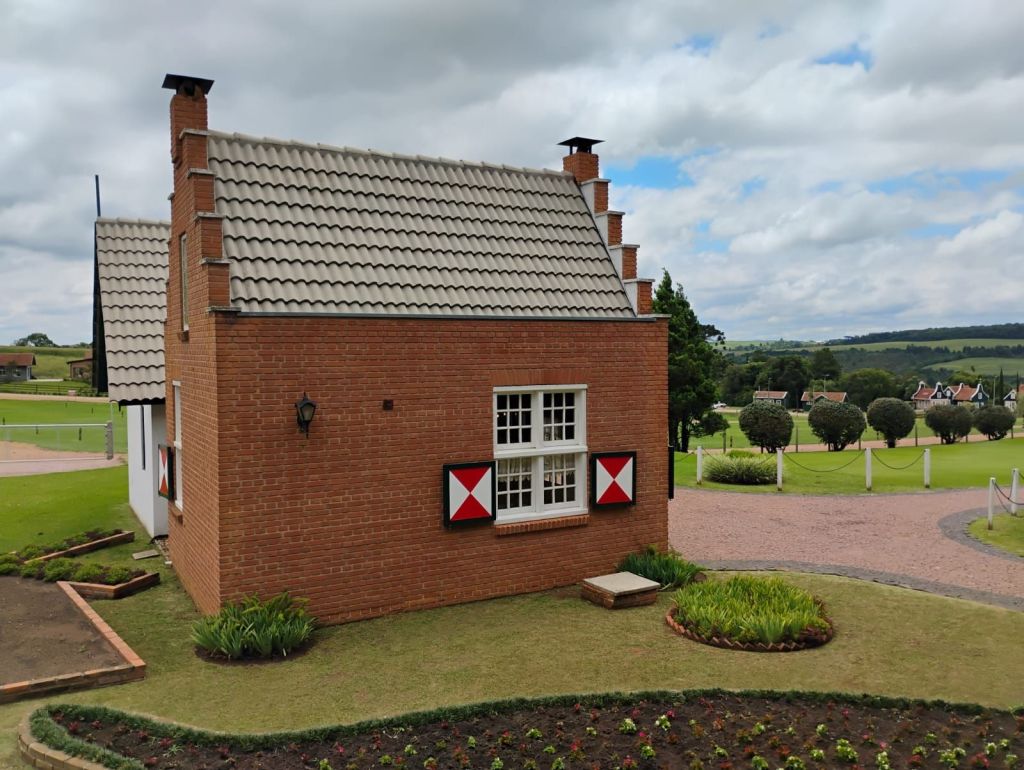
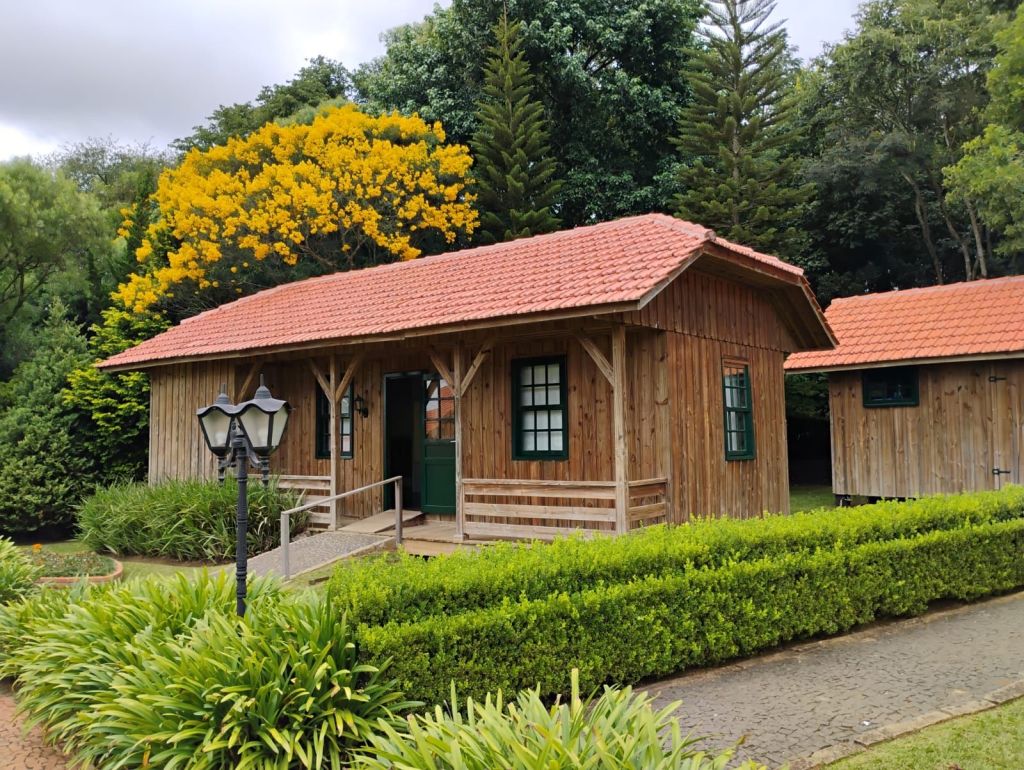
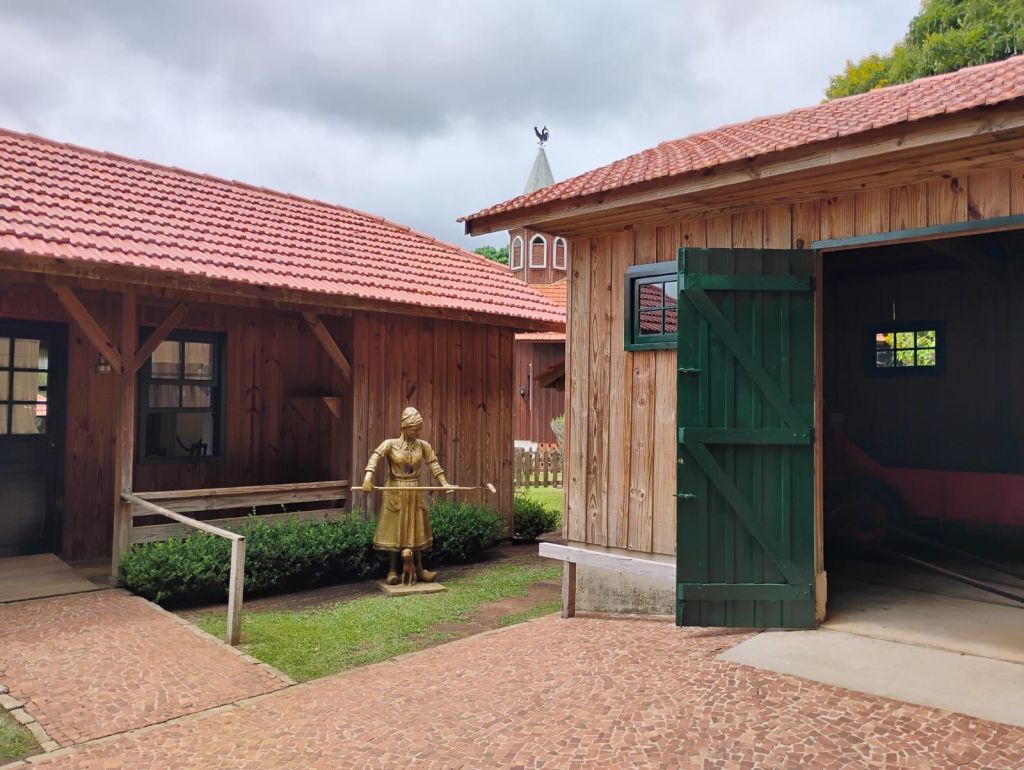
The museum’s purpose is to preserve the rich Dutch cultural heritage. Inside the park, visitors can walk through a typical Dutch village from the beginning of the 20th century.
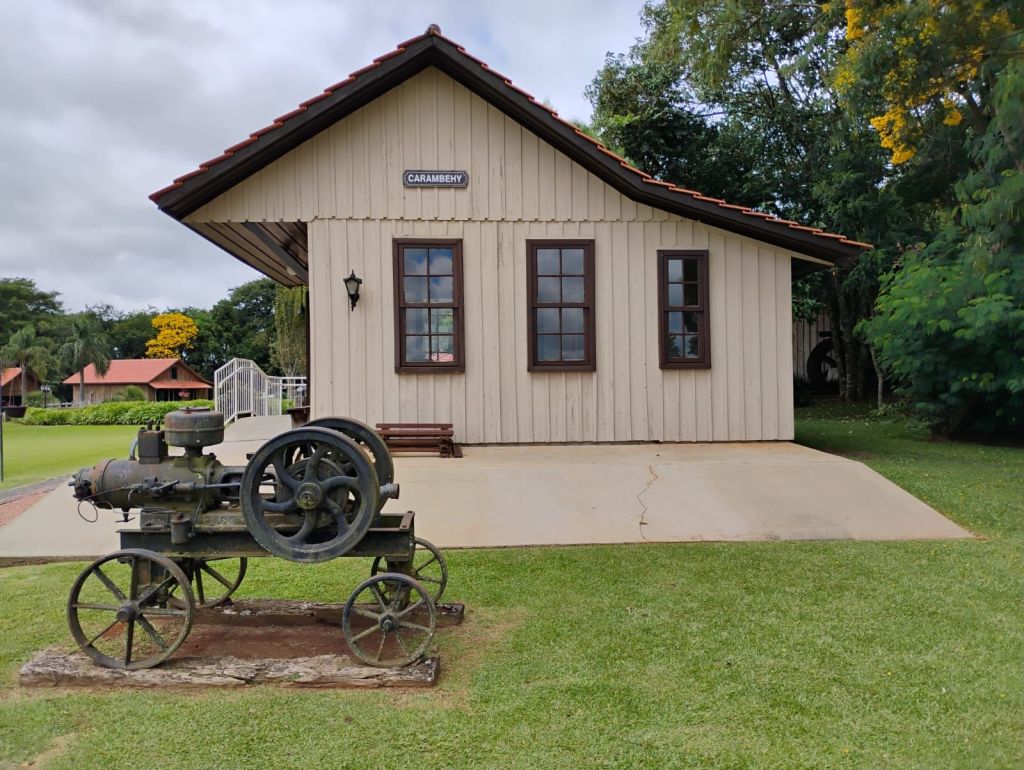
This is the replica of the 1910s Carambeí train station.
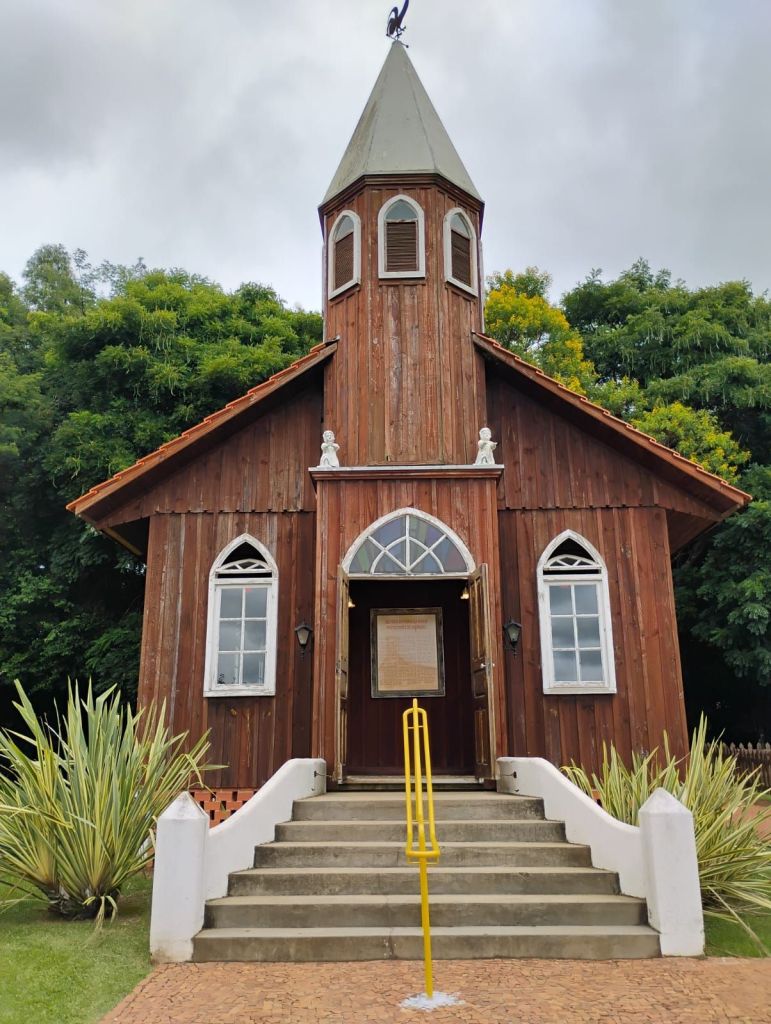
The majority of the Dutch immigrants who arrived in Brazil were Protestants, which helped to disseminate this faith throughout the country.
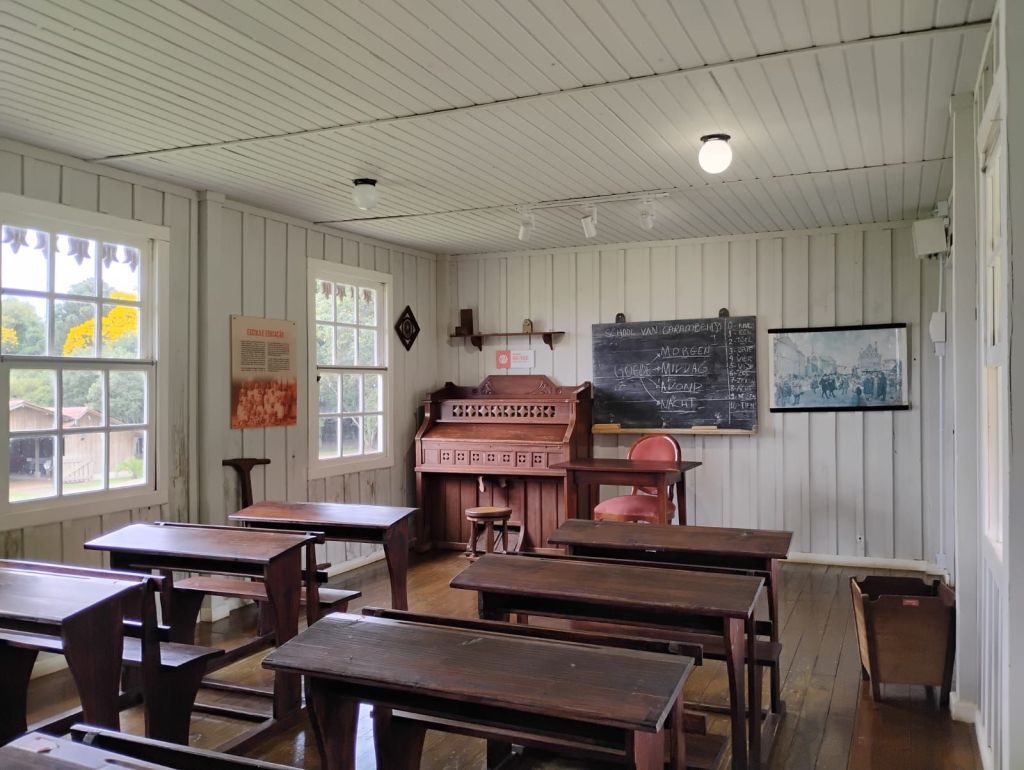
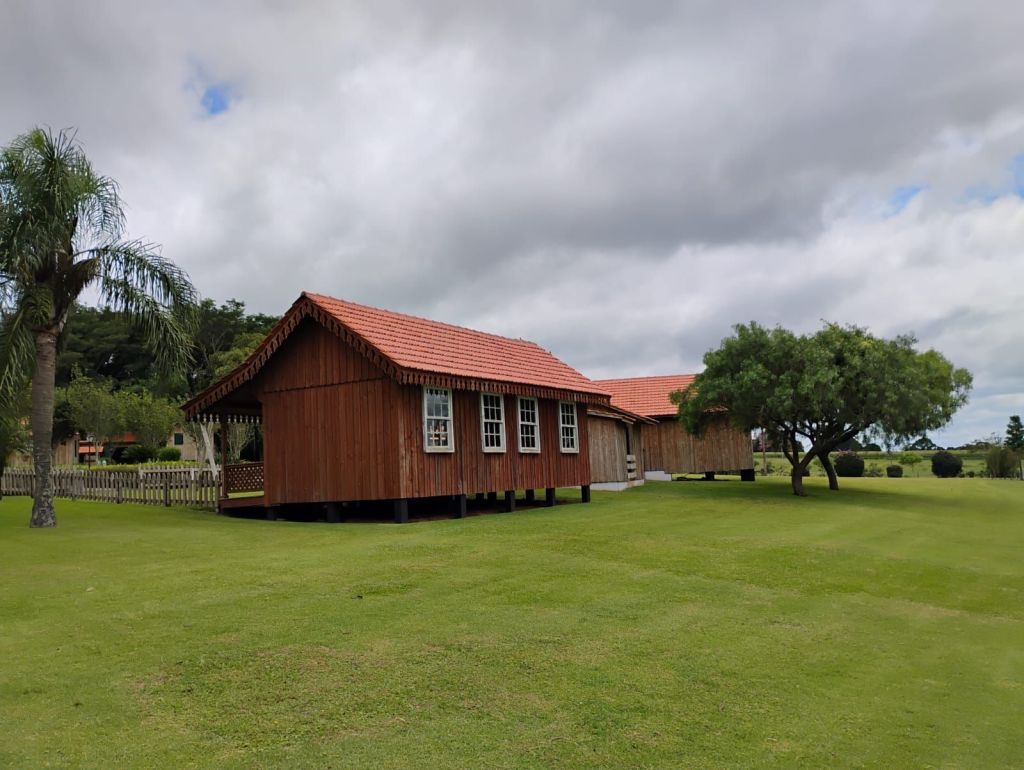
Inside the classroom.
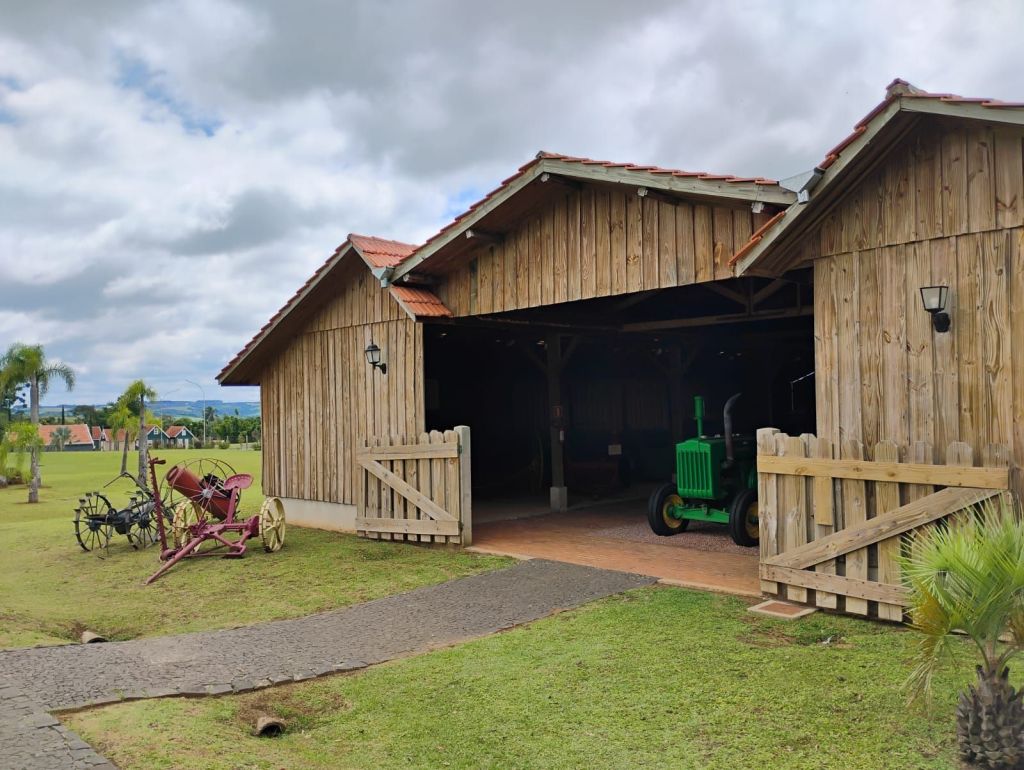
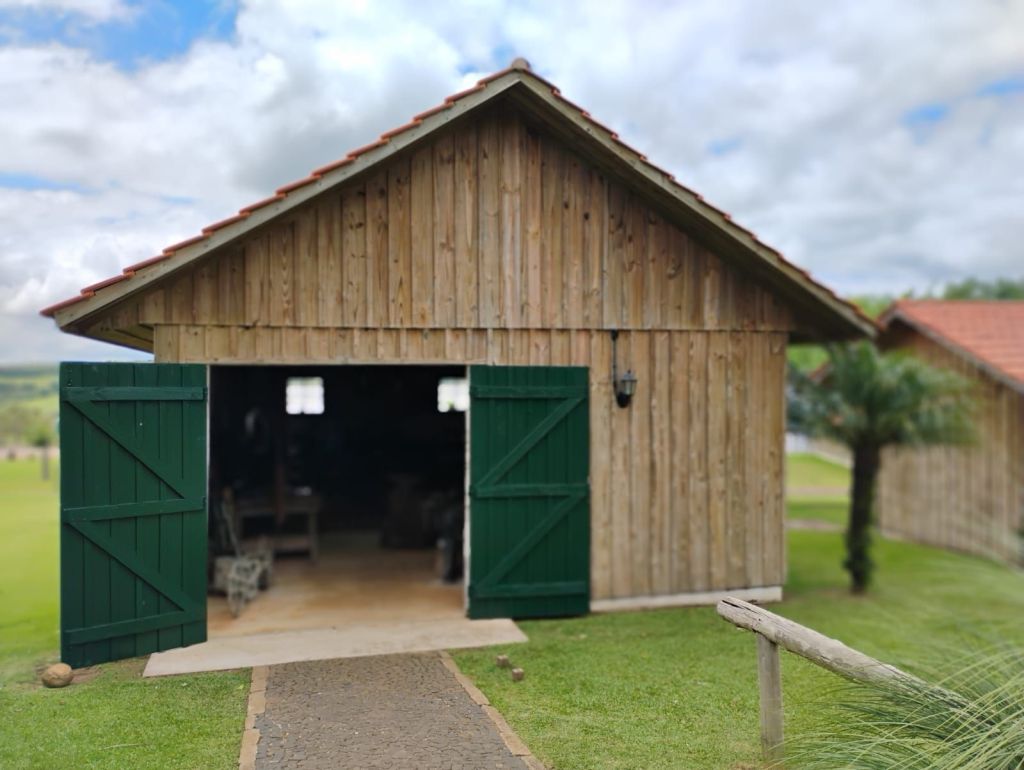
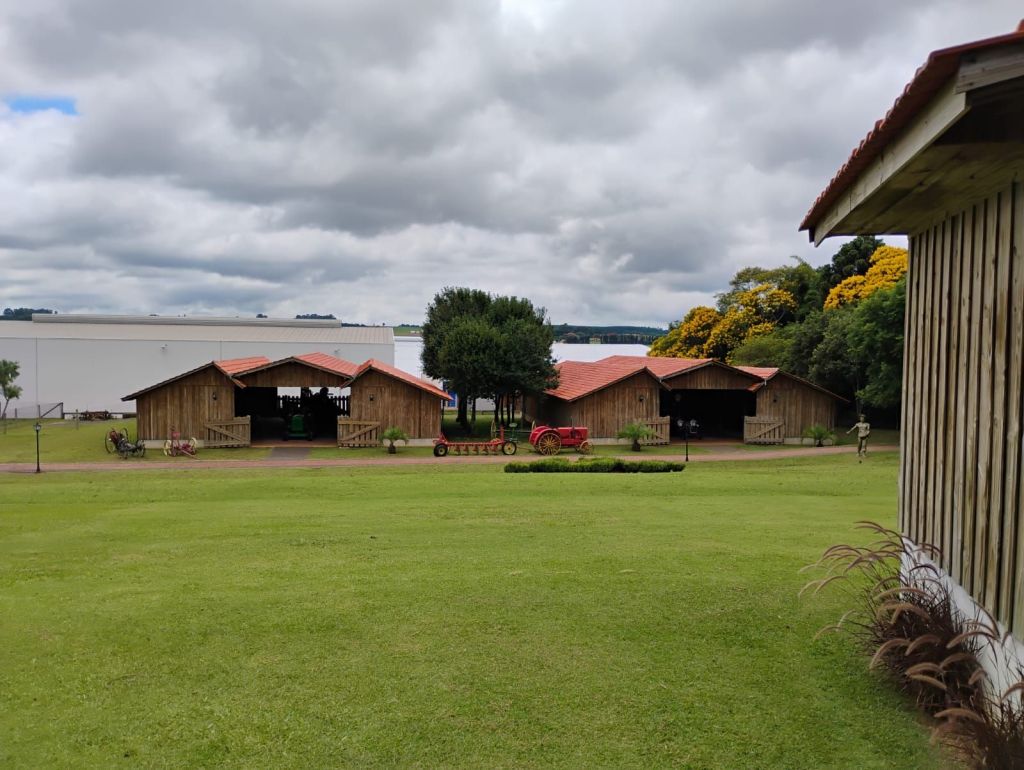
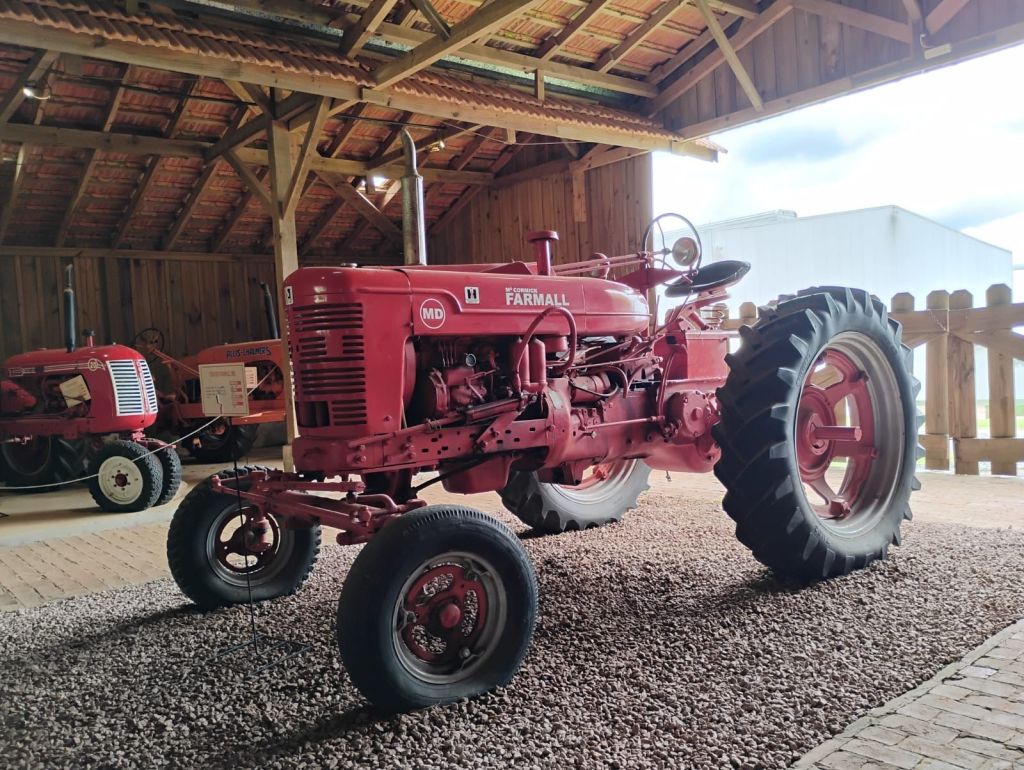
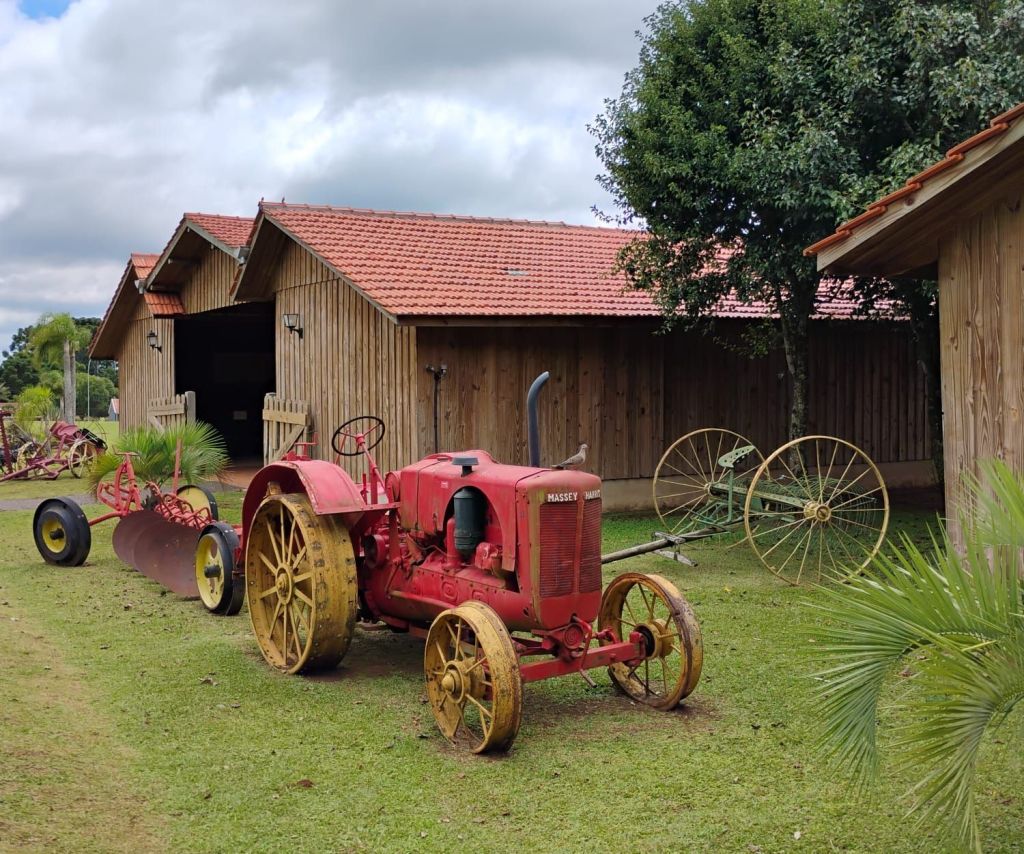
The farm’s barn. 🚜
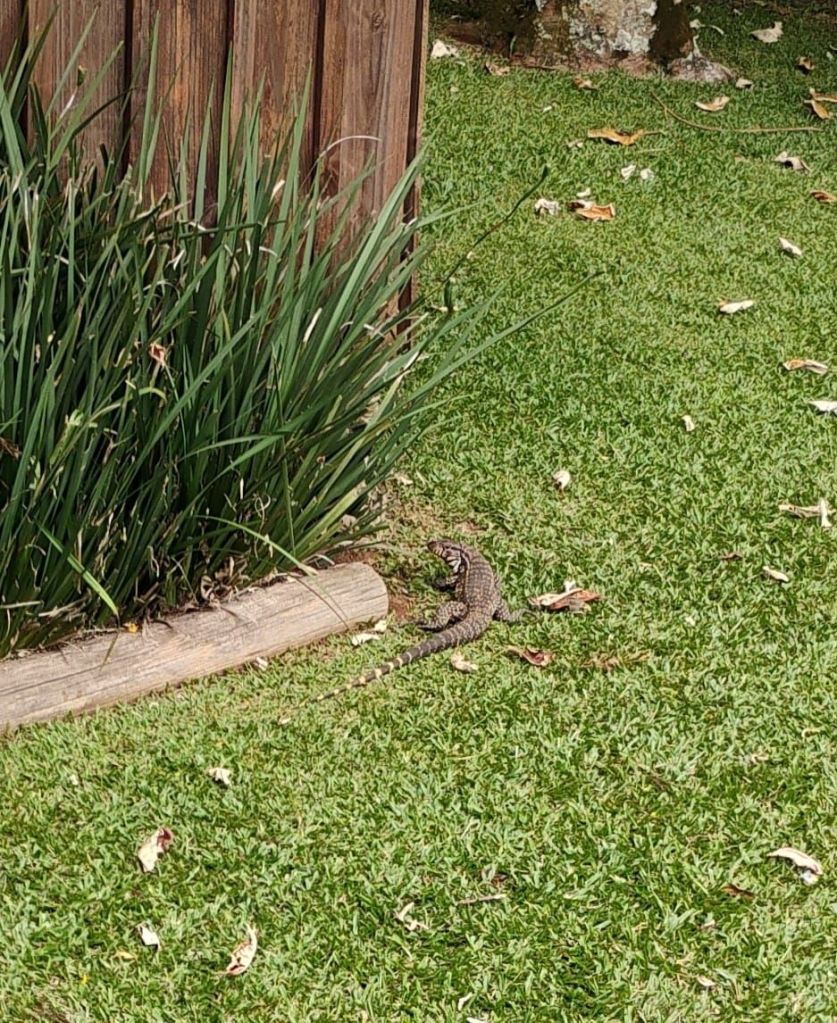
This elusive residence of the park doesn’t like to be photographed.
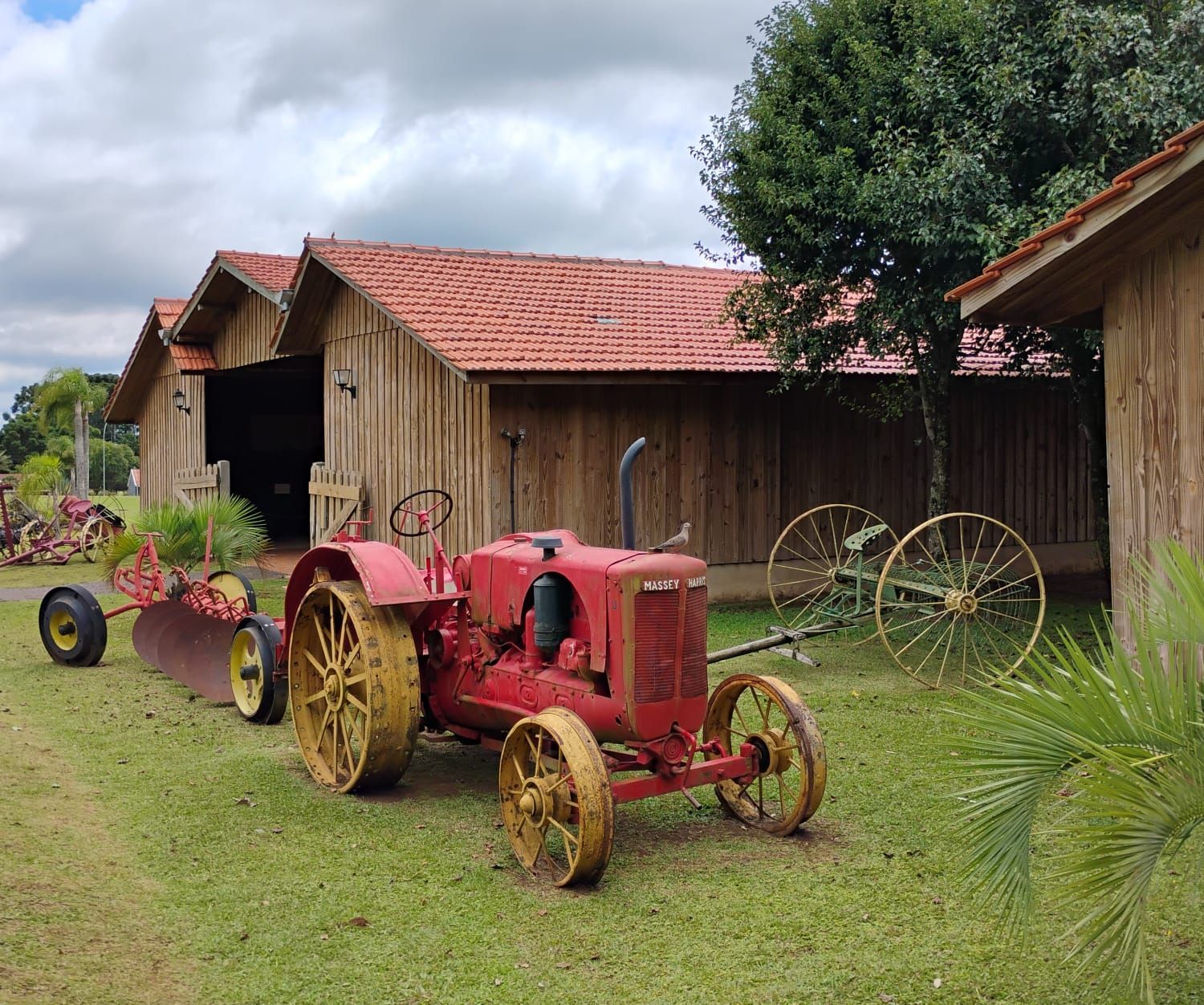
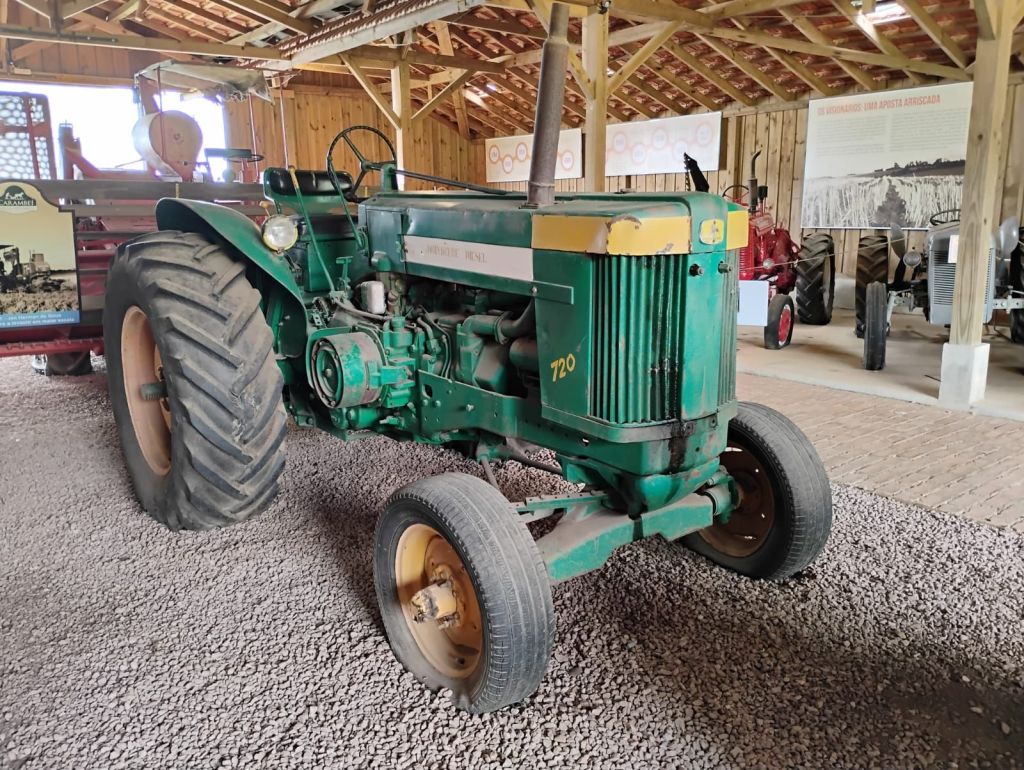
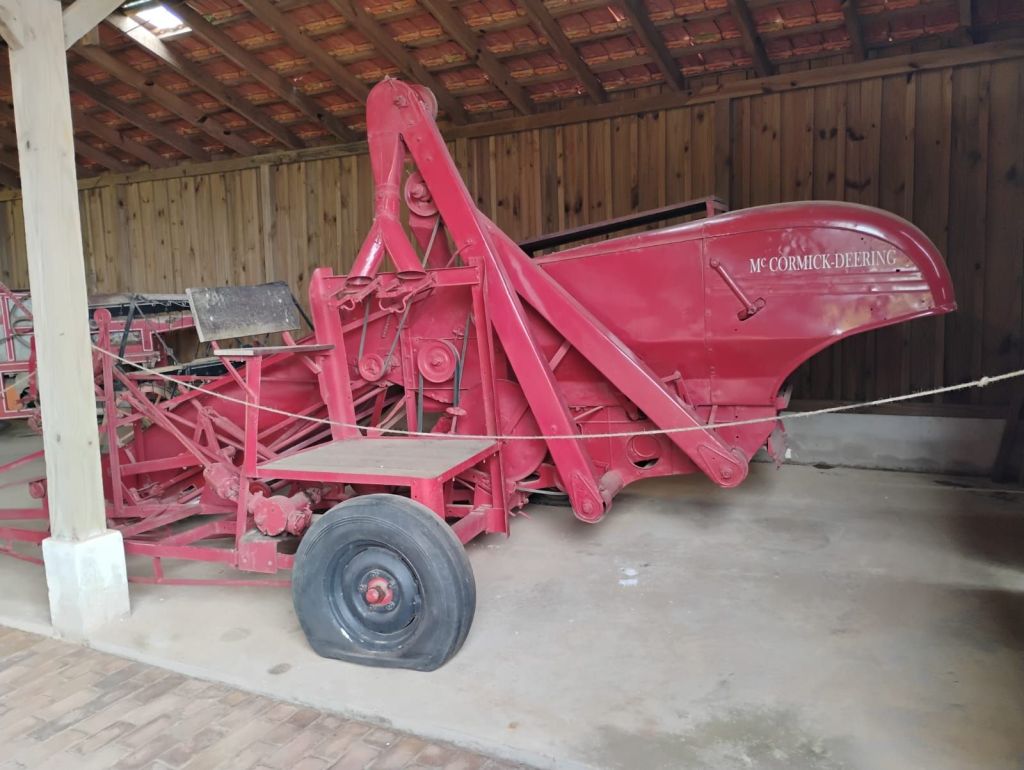
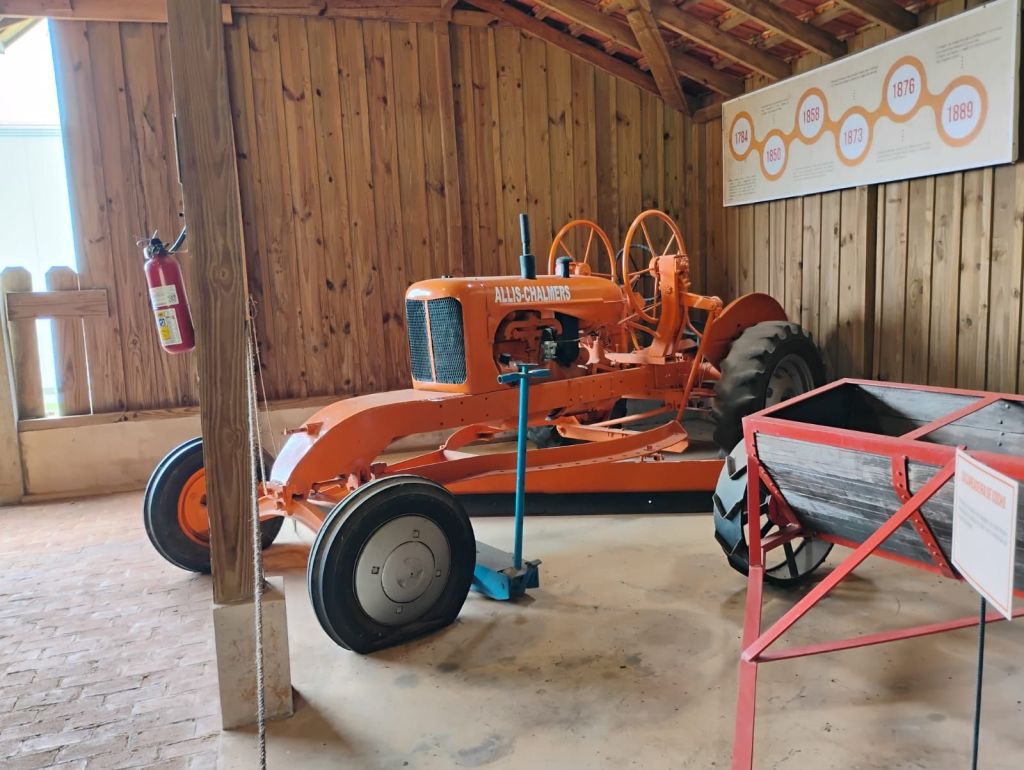
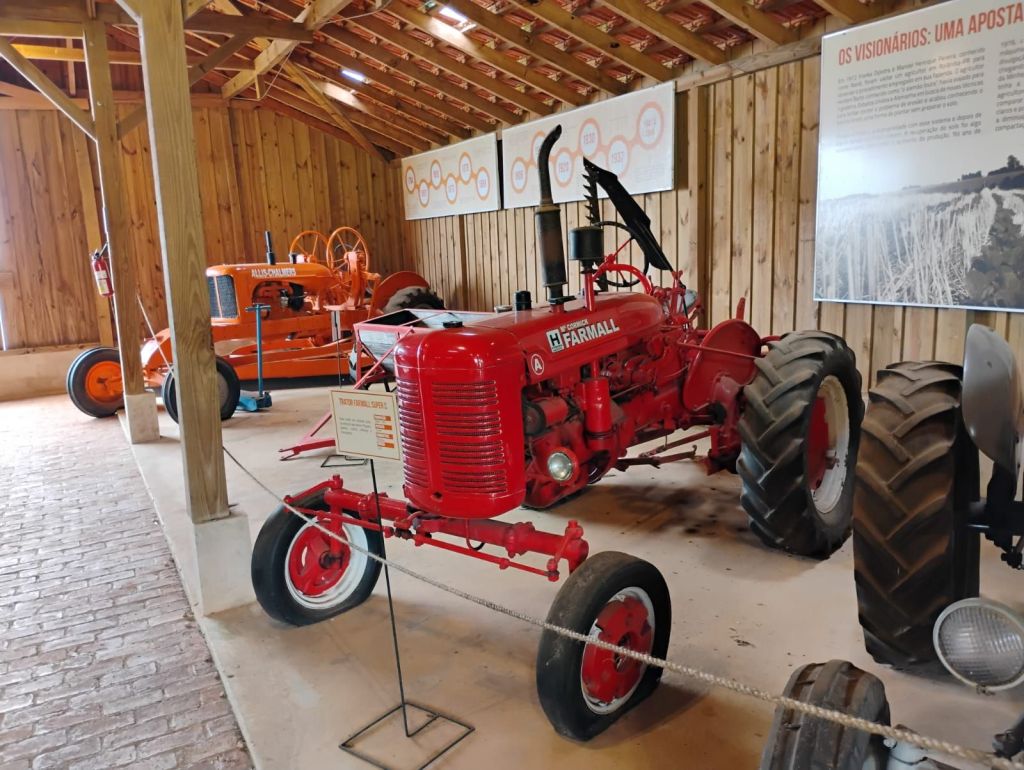
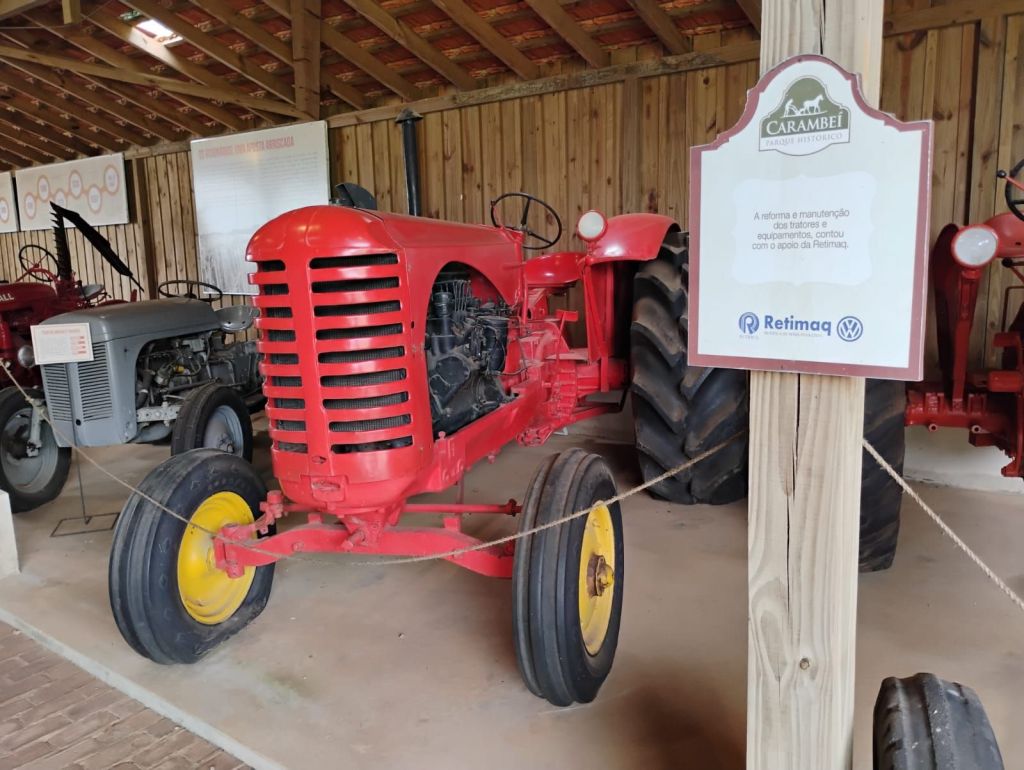
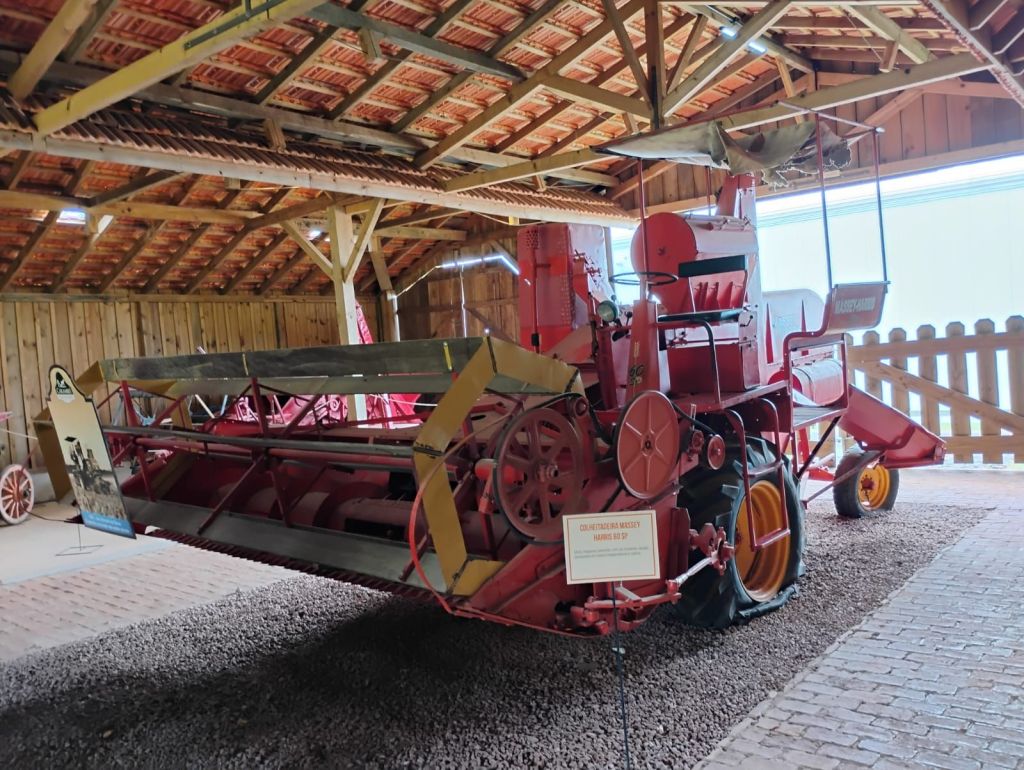
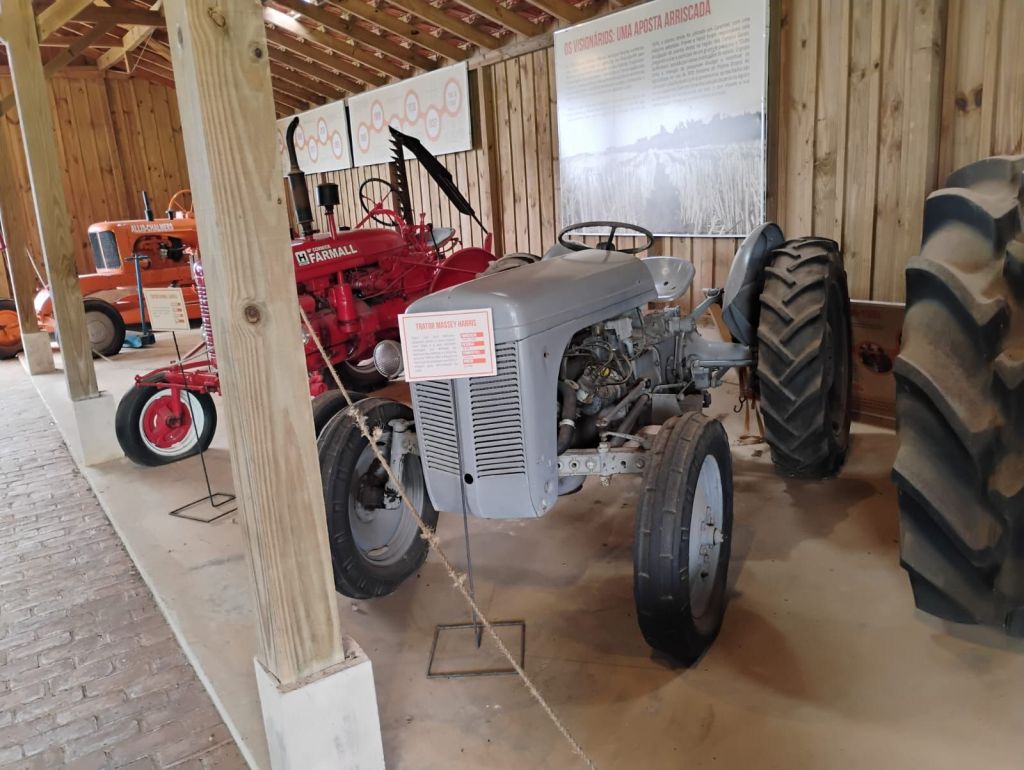
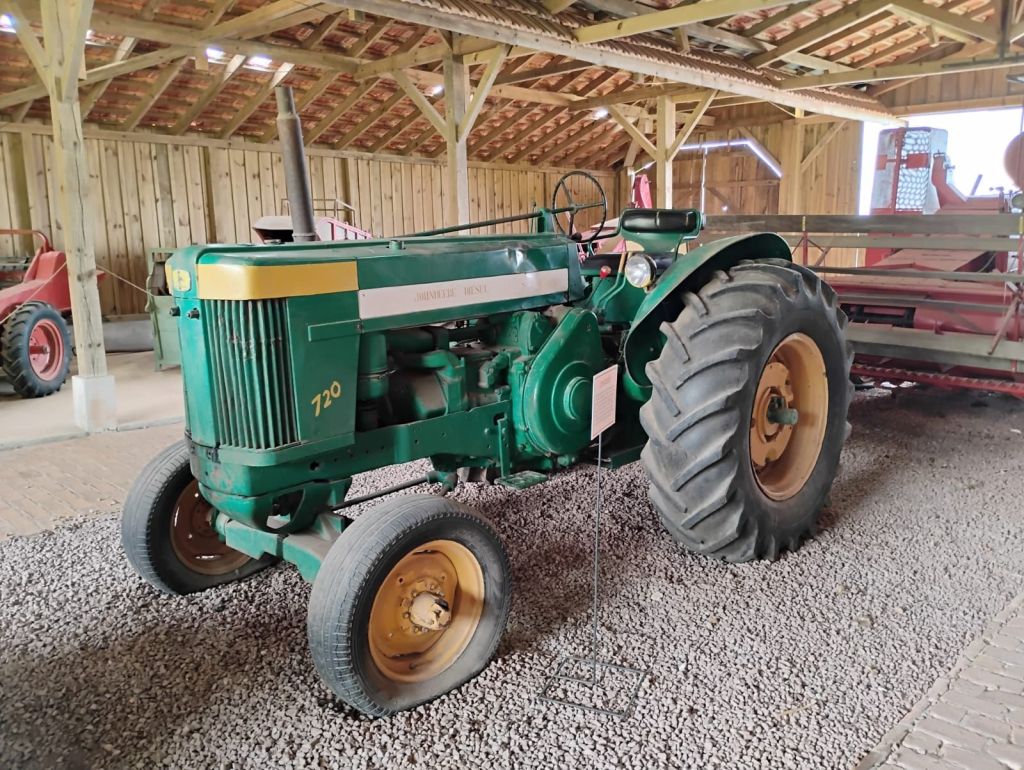
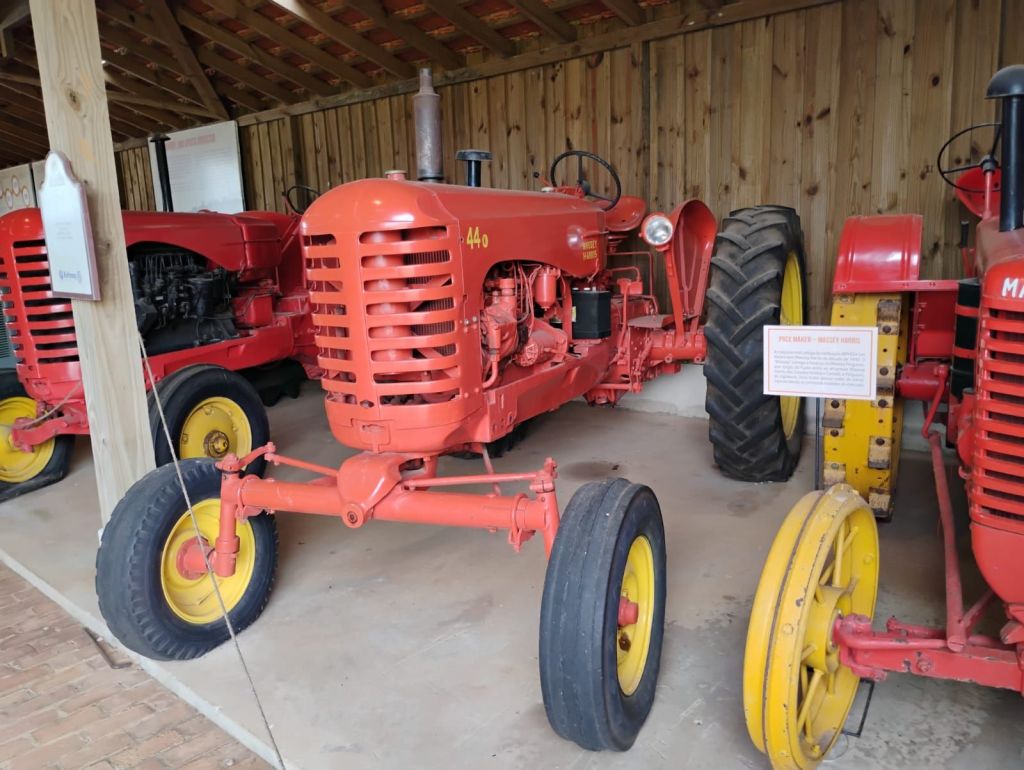
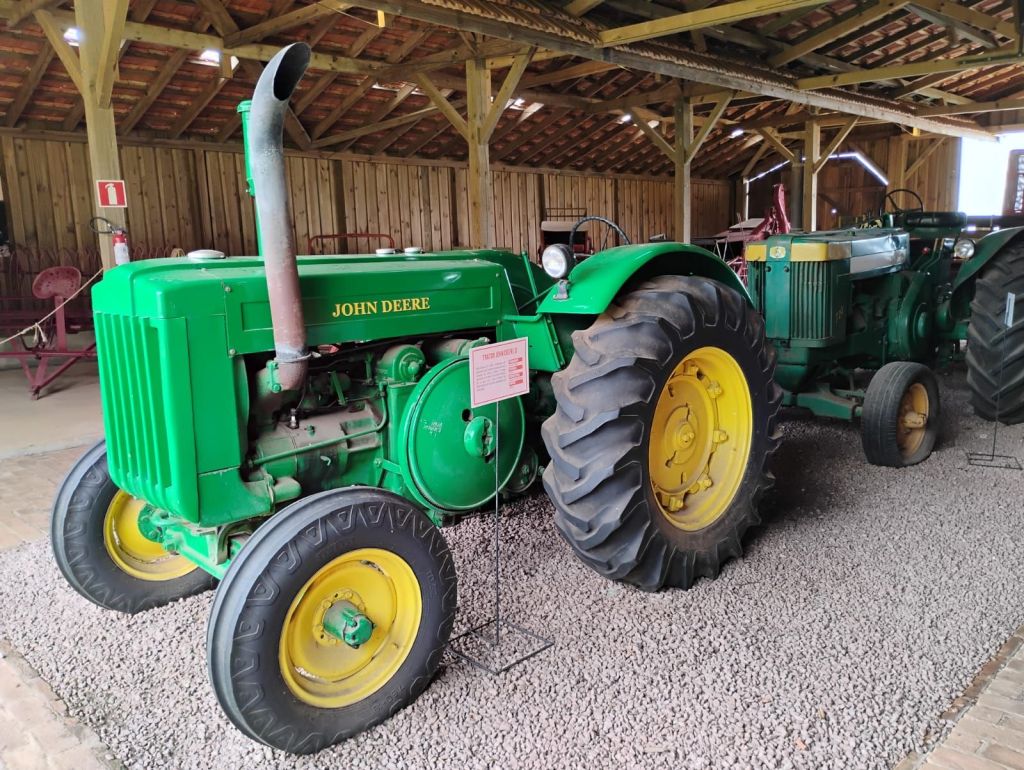
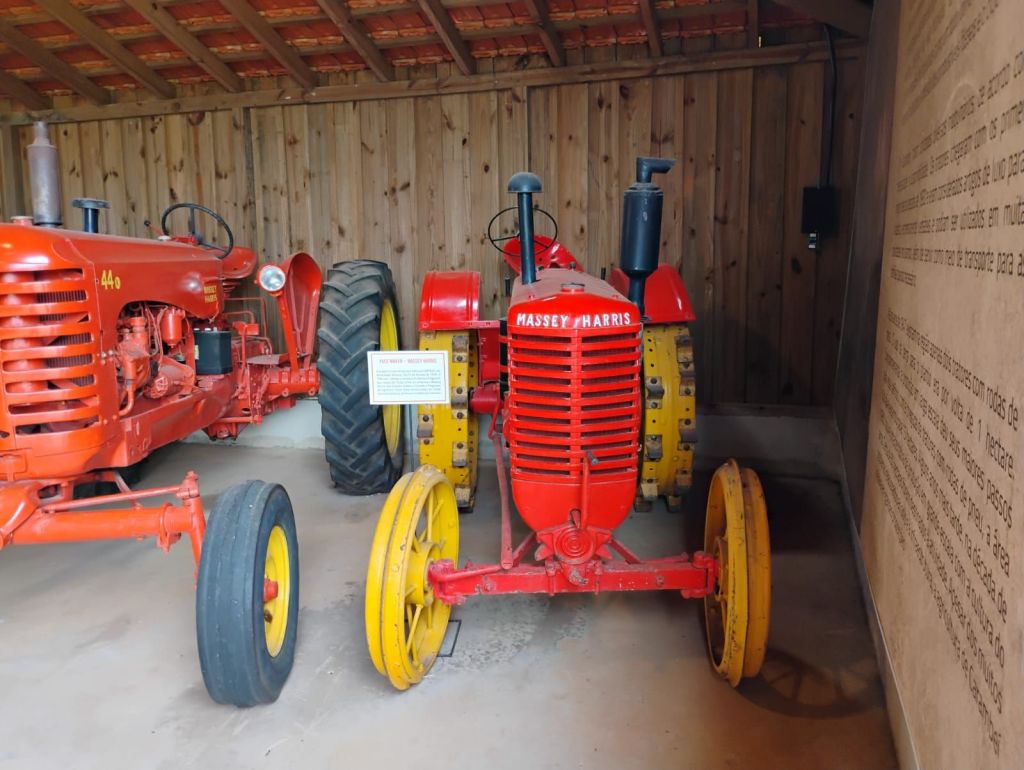
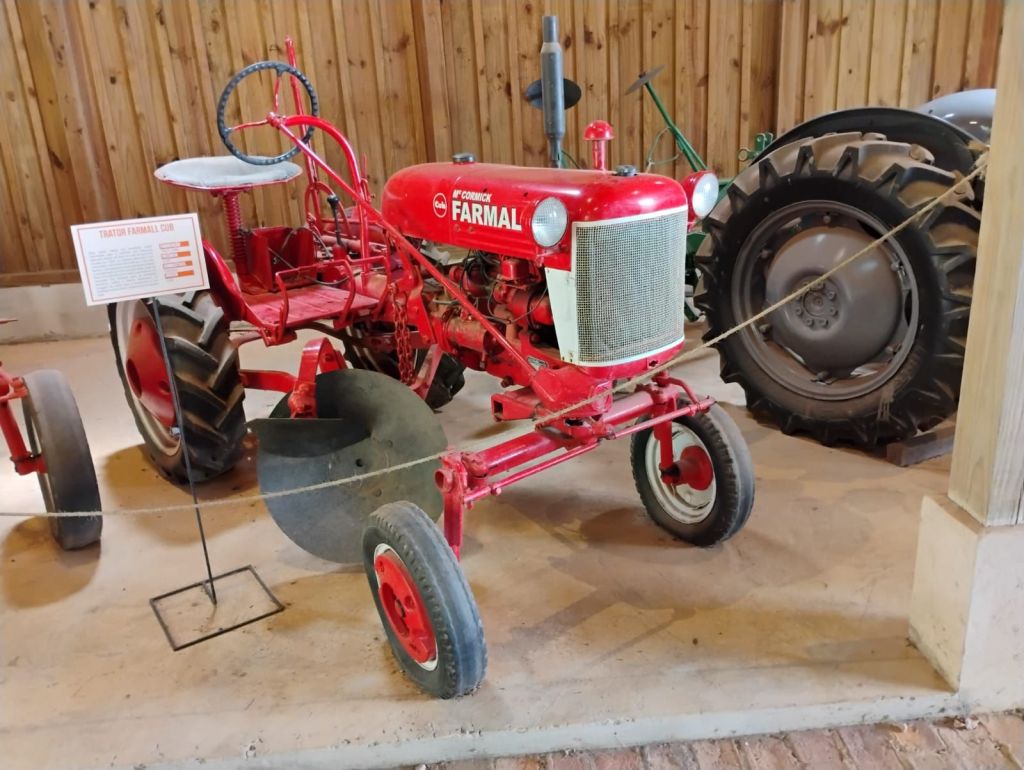
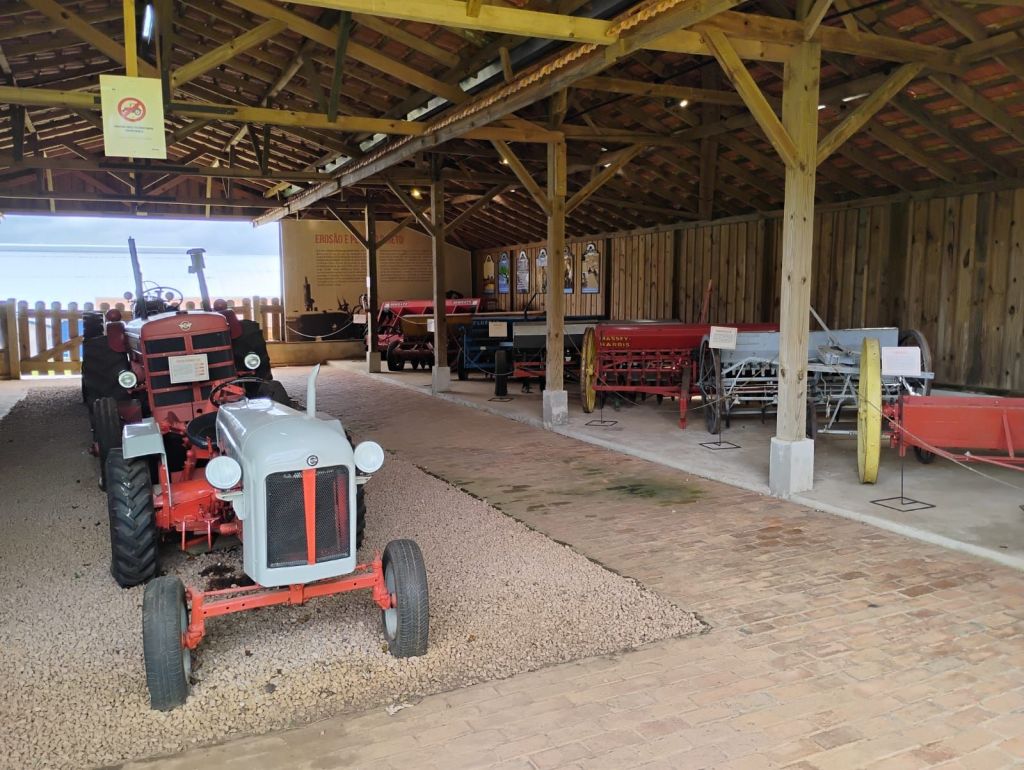
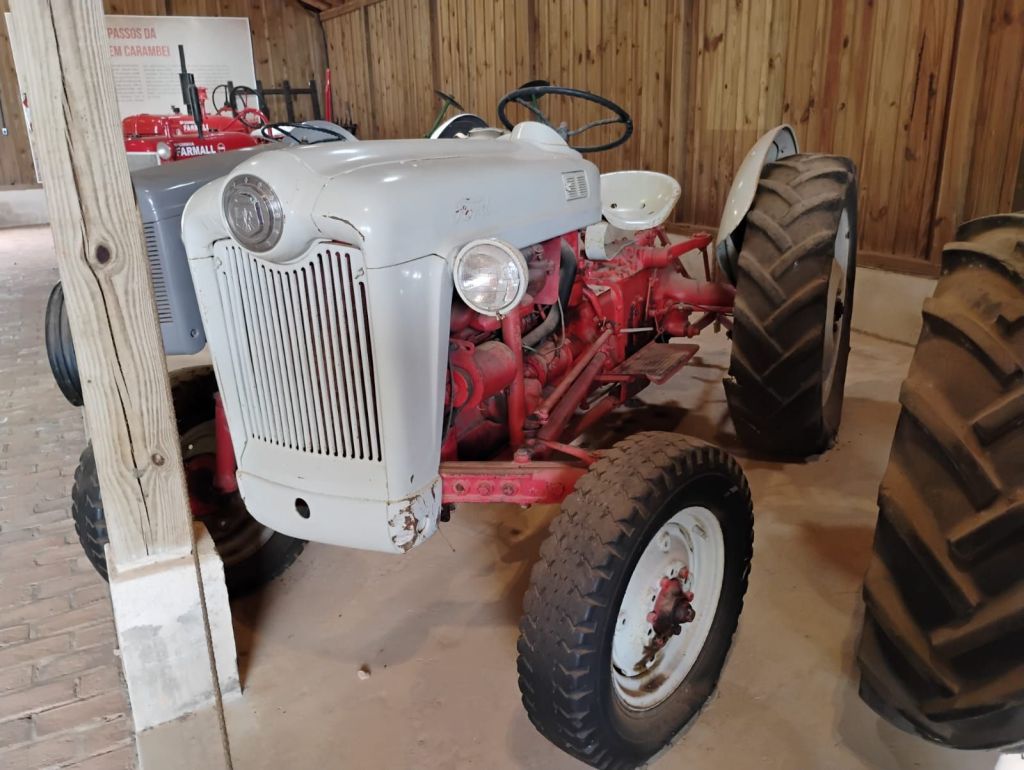
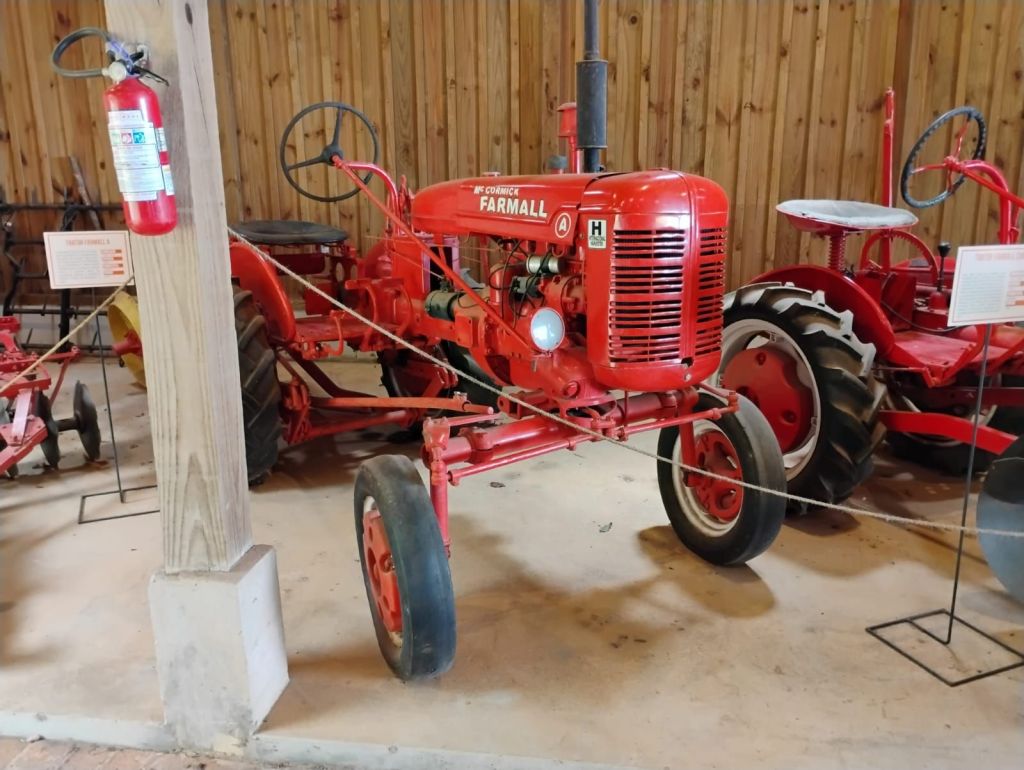
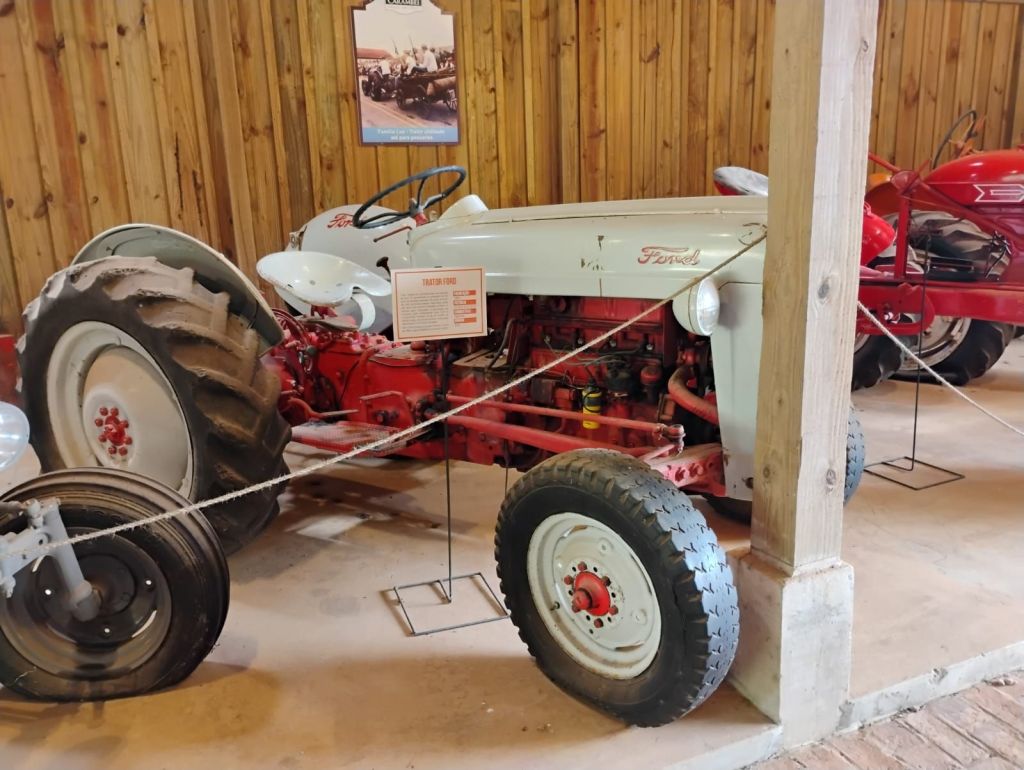
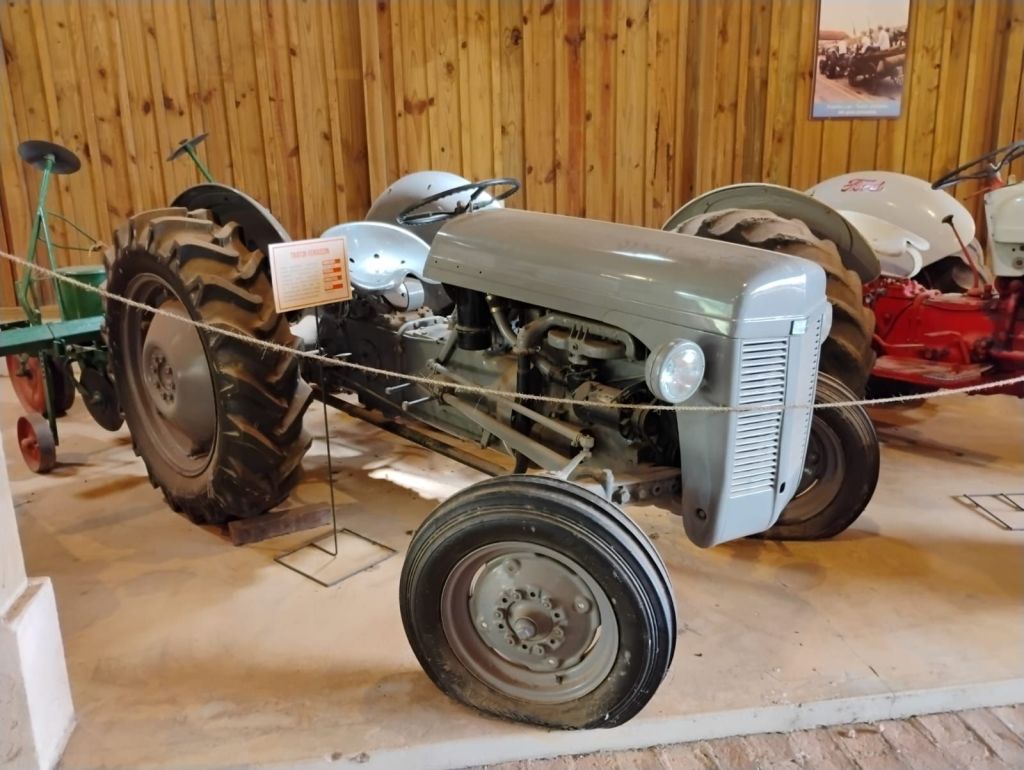
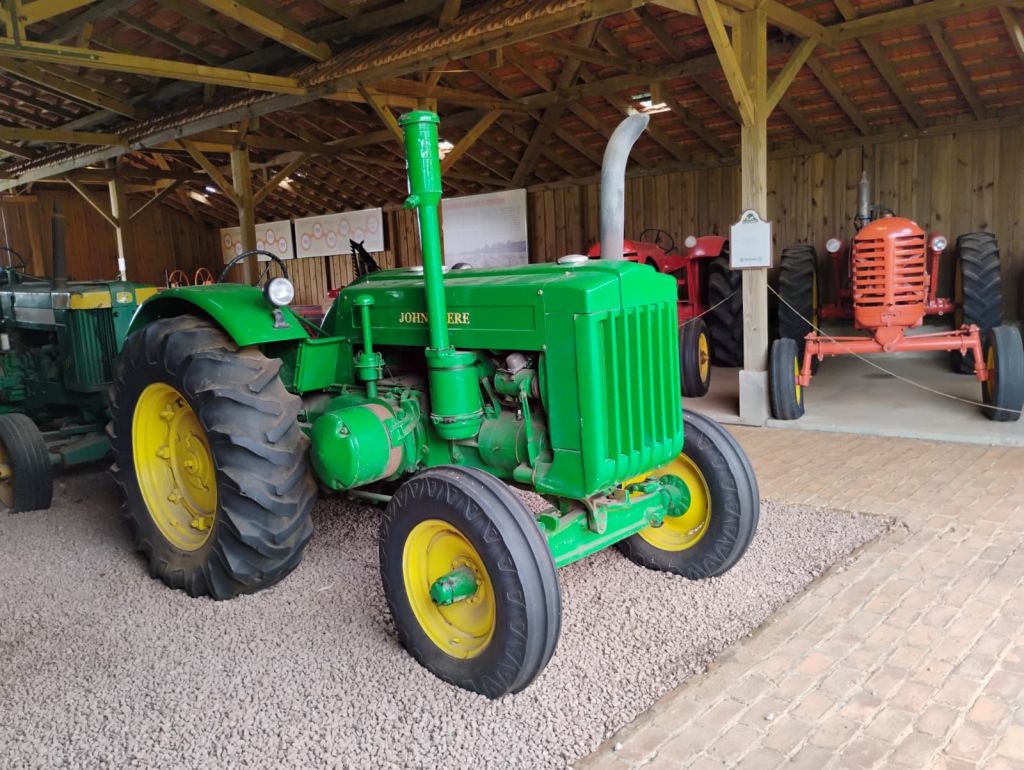
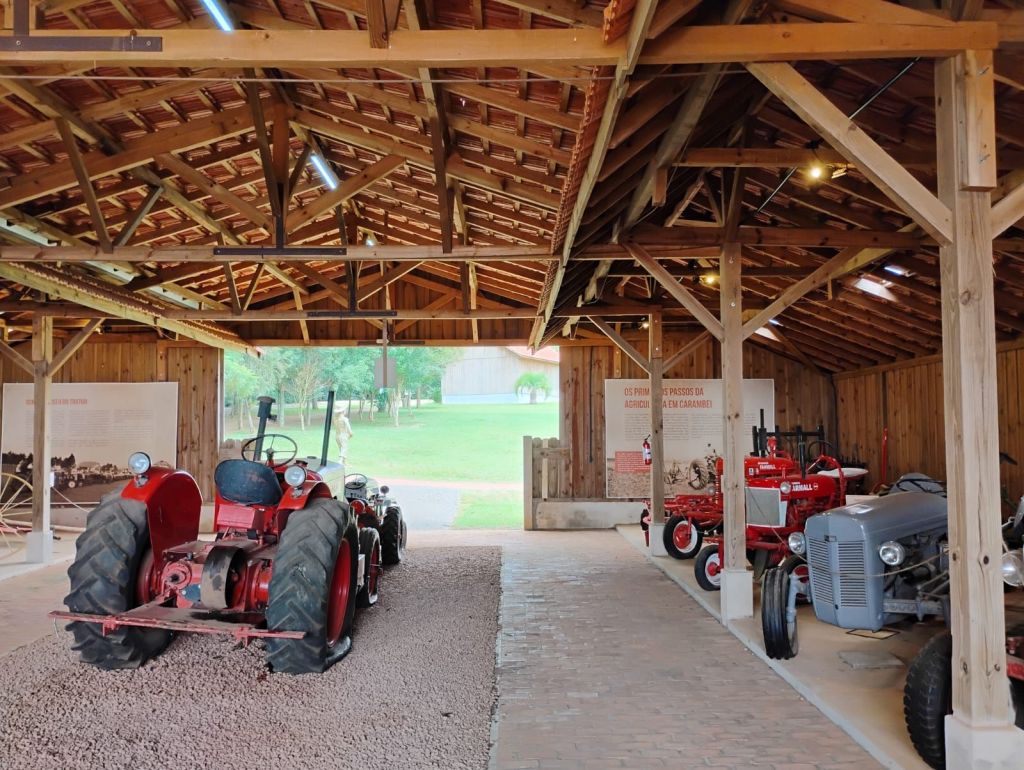
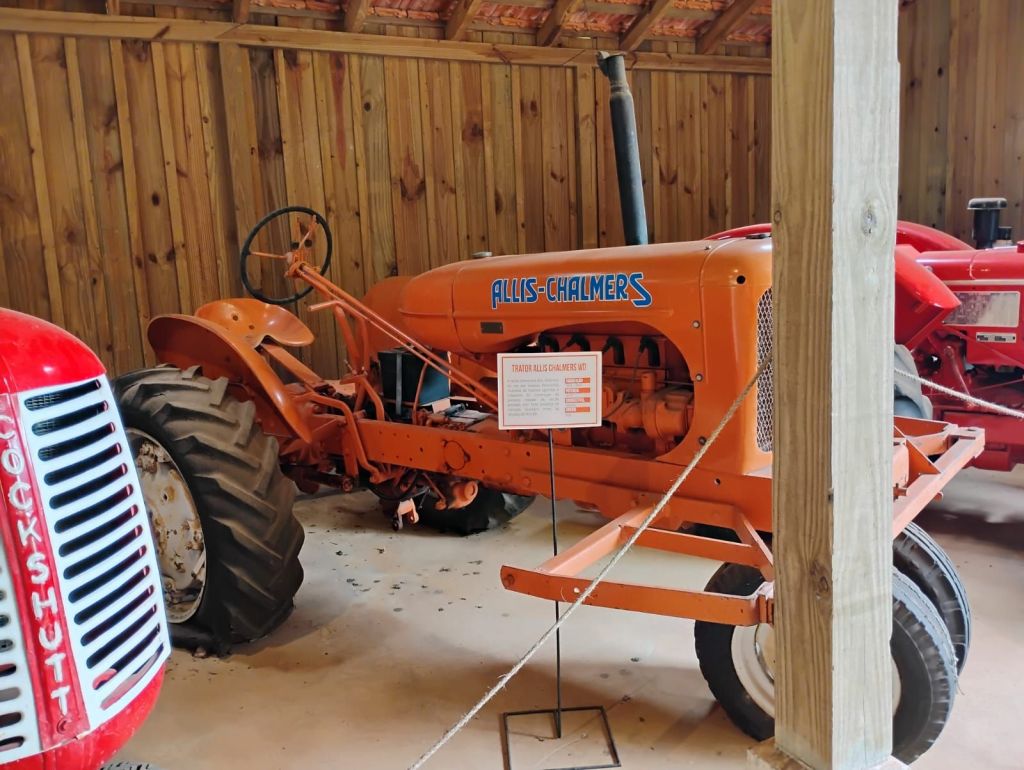
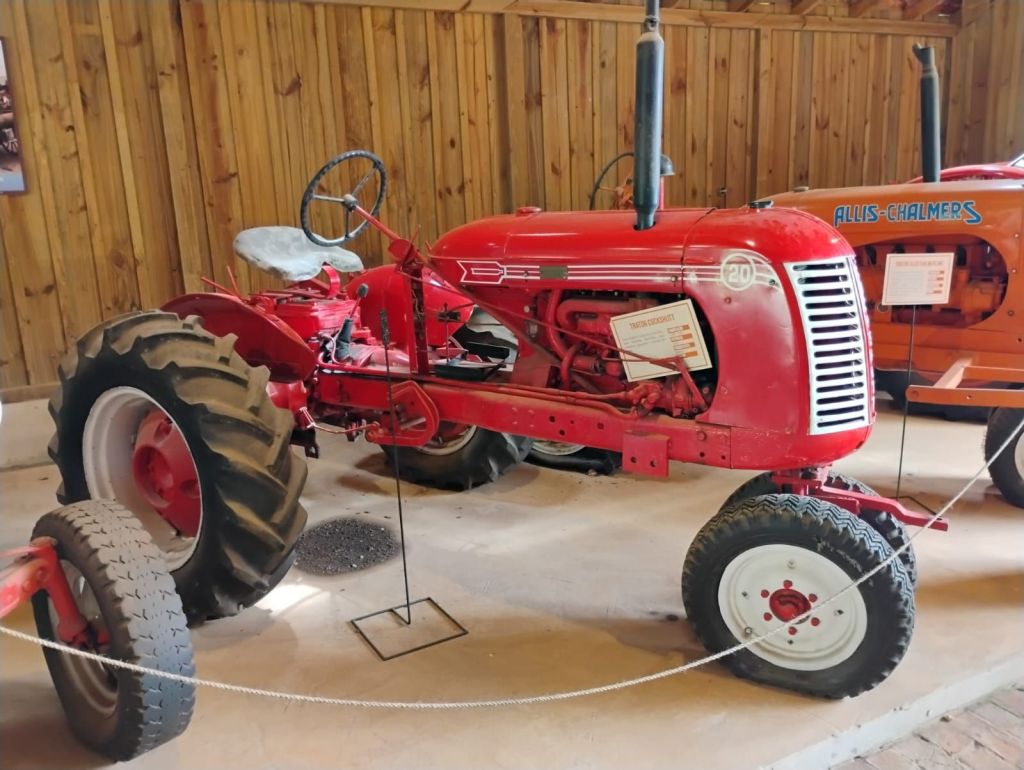
The tractor Museum 🚜
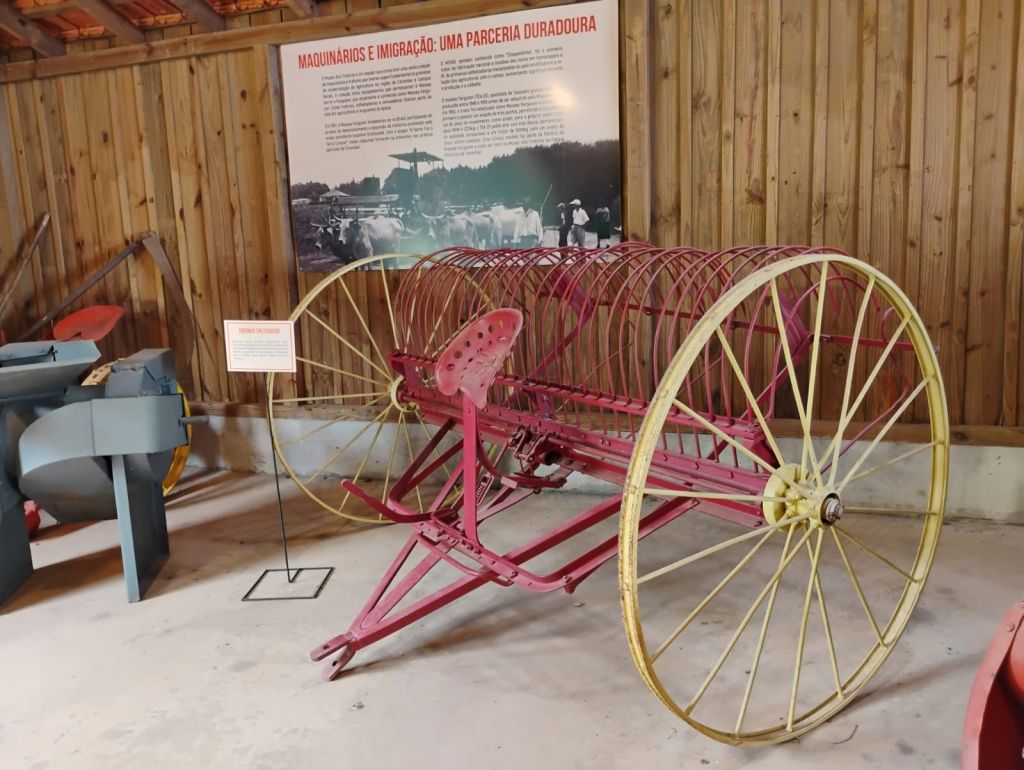
One of the most interesting attractions of the Carambeí Historical Park is the tractor museum.
The Dutch, similar to most European immigrants who arrived in Brazil, were farmers.
In the land they received from the government (often for free), the soil was rich and fertile, allowing them to succeed in farming and the dairy industry.
The farmers have immense respect, pride, and love for the machinery that supports them in their daily routines.
Naturally, when it’s time to send a tractor into retirement, it rarely goes to the junk yard.
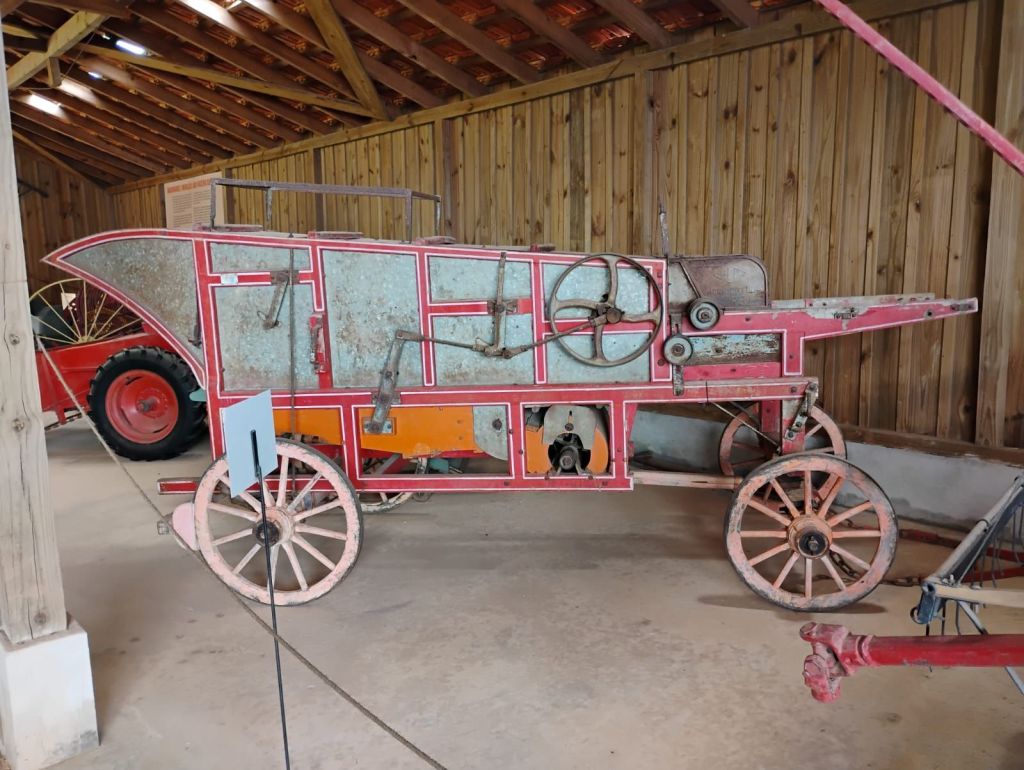
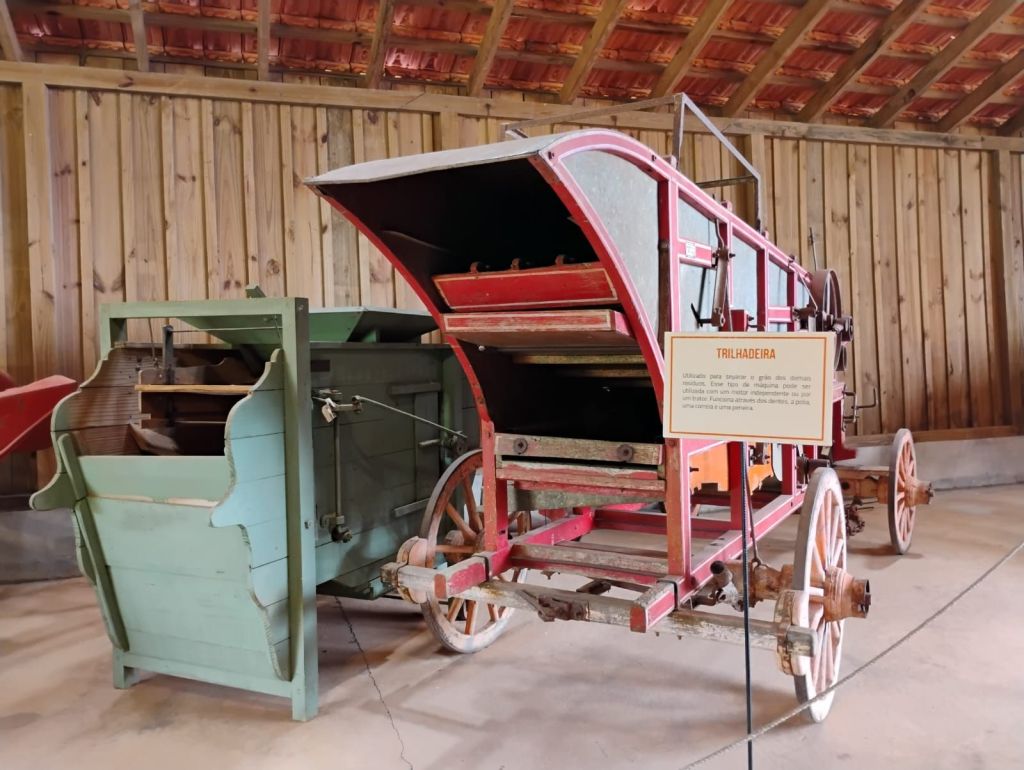
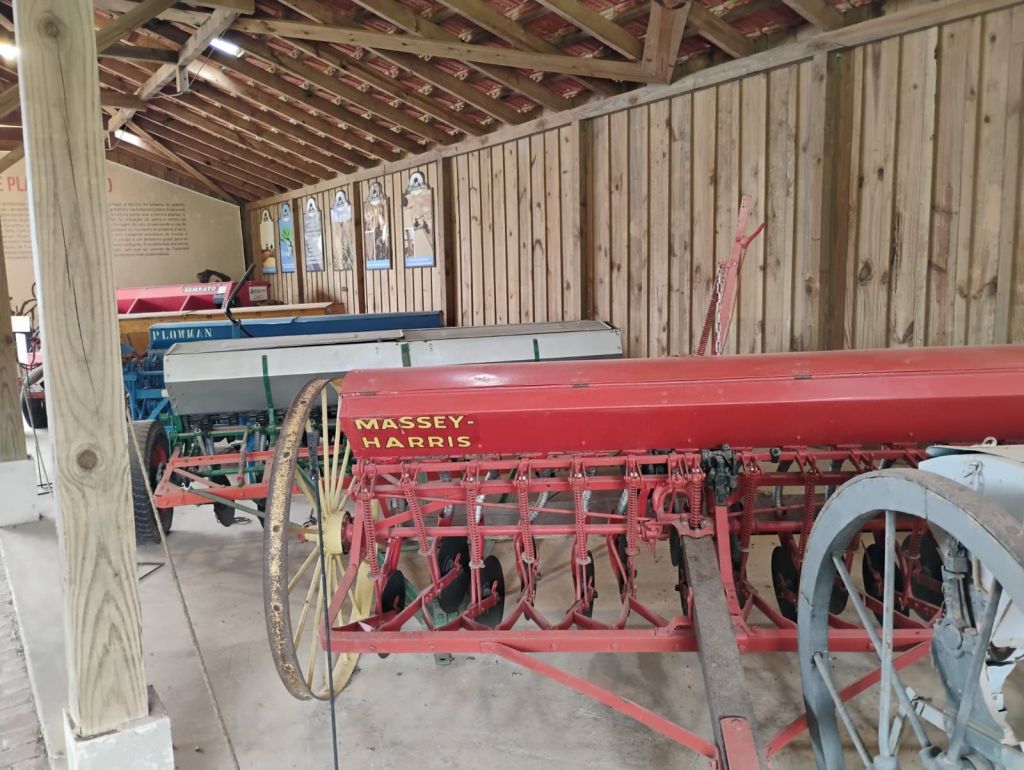
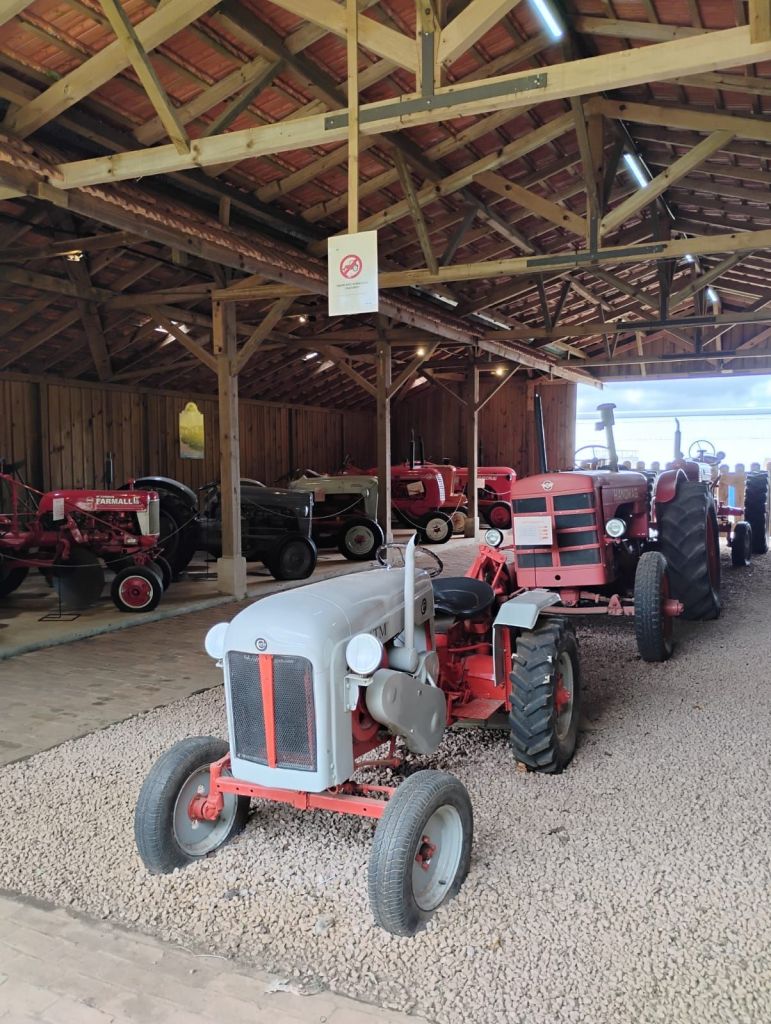
The museum provided local farmers with the perfect place to showcase their beloved vintage farm equipment.
Some tractors were restored, while others still bear the scars of their service.
Farmall tractors were built by International-Harvester of USA.
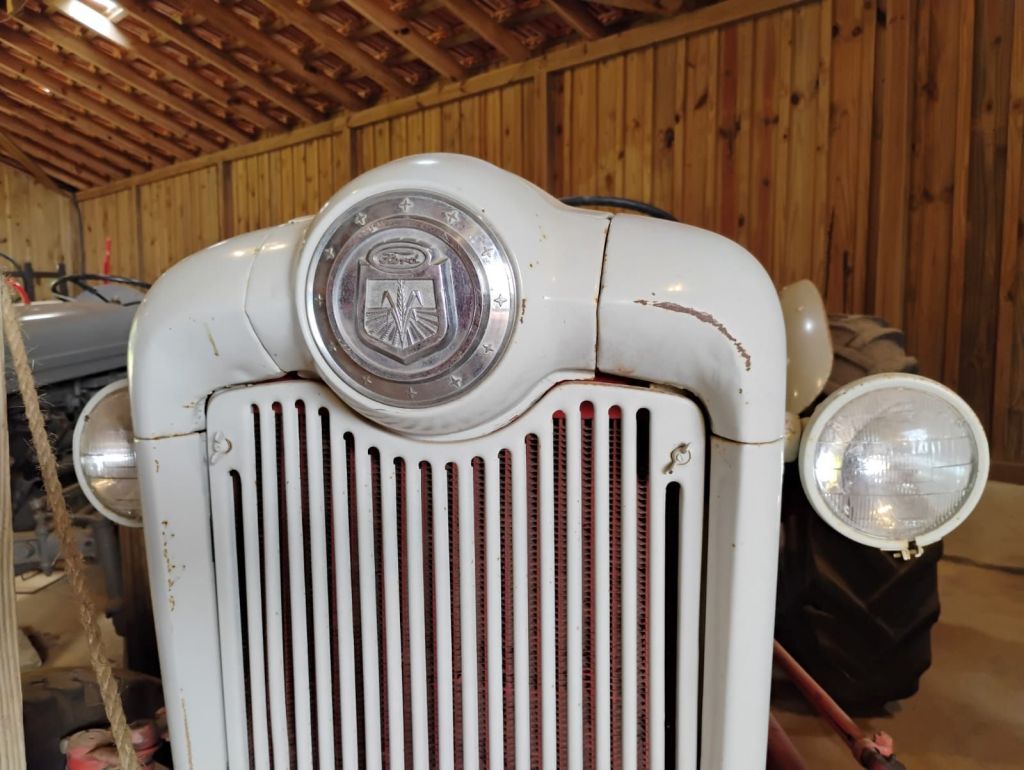
Ford tractors were quite popular at the time.
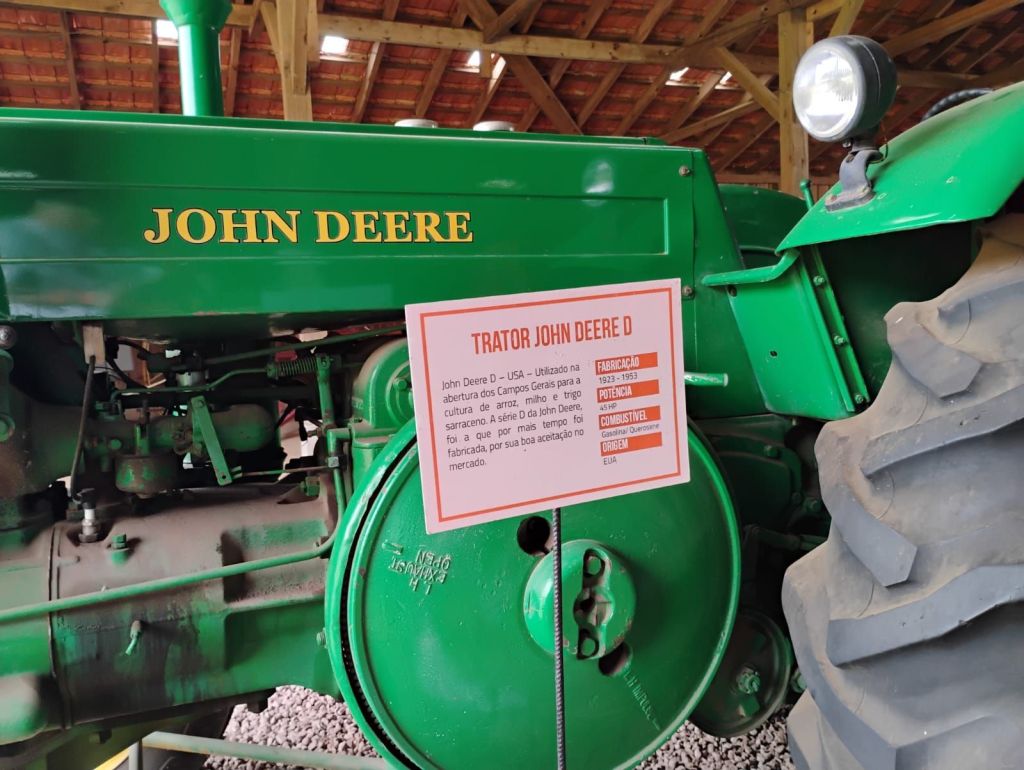
Nothing runs like a Deere
Some of the brands I have never seen before. Like this, Allis-Chalmers.
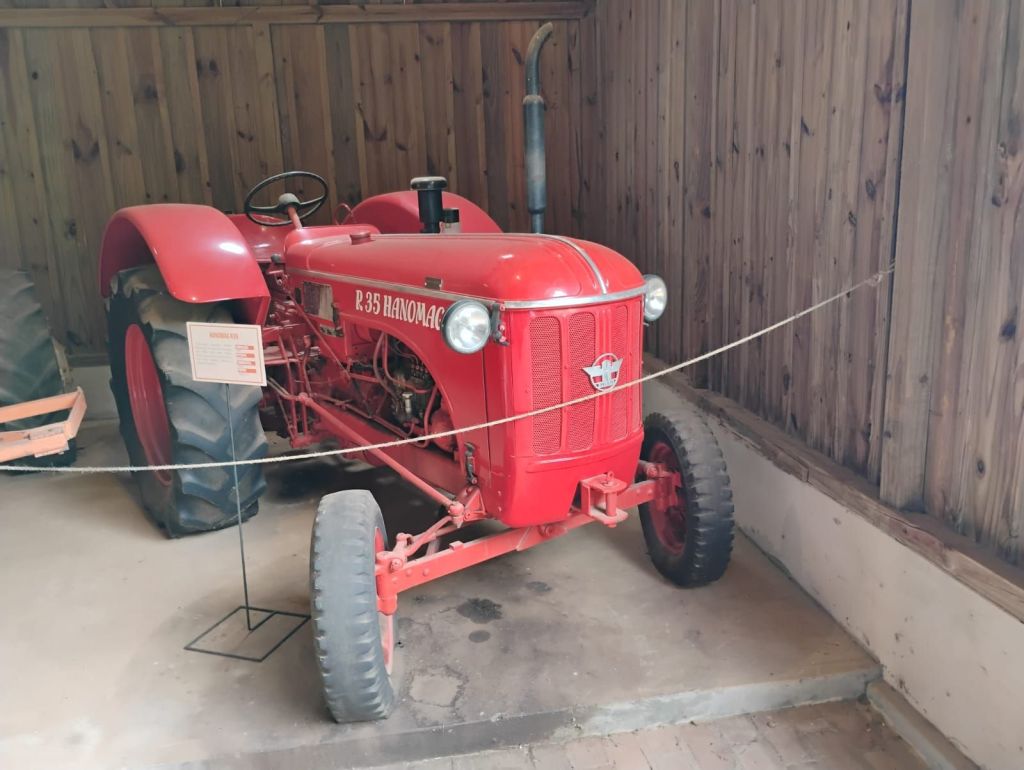
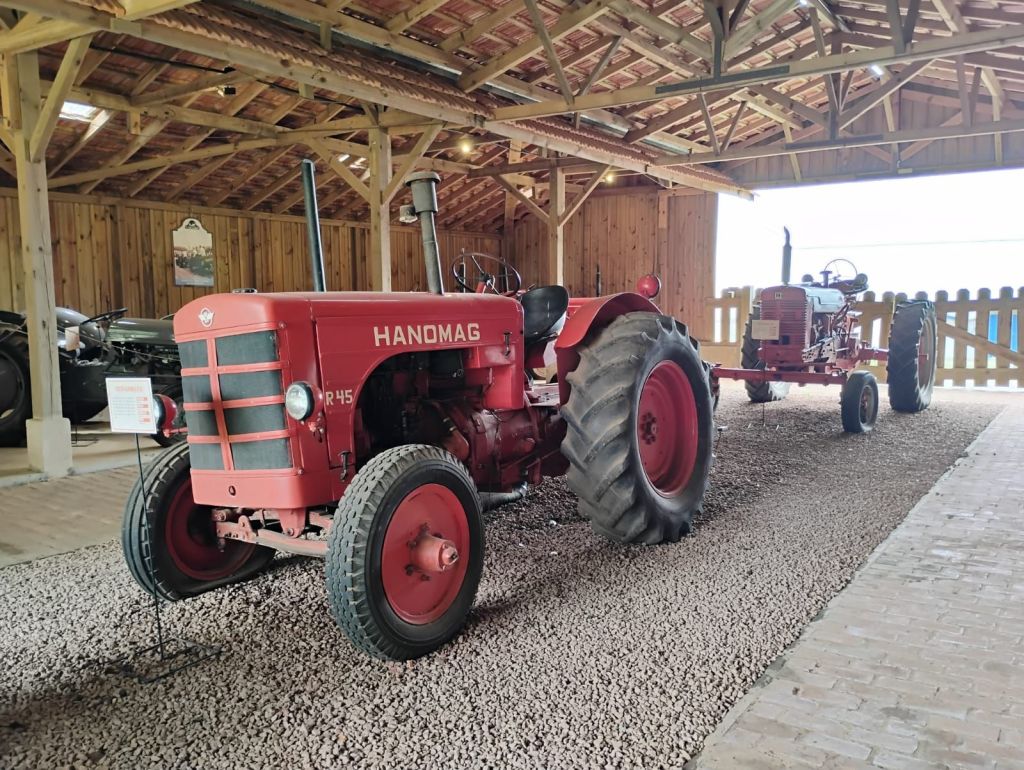
Hanomag (Hannoversche Maschinenbau AG) is another agricultural machinery brand that was totally new to me.
It is a renowned German manufacturer founded in 1835, becoming a major producer of durable diesel tractors from the 1920s to the 1970s. Known for pioneering diesel technology in farming.
Thanks to these pictures, I have learned a bit about the Dutch immigration and farming tractors.
If you haven’t been living under a rock for the past 40 years, chances are you listened to at least one song performed by the Australian rock’n roll band Men at Work at some point in your life. But if you are an old timer like me, who was young in the 1980s, you probably listened to their songs a hundred times or more.
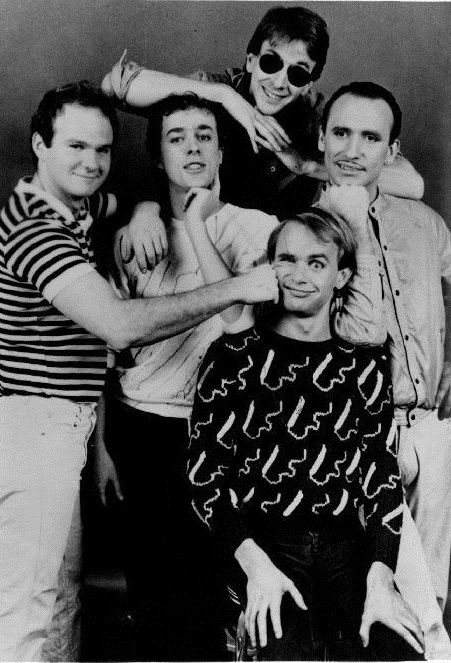
Men at Work
It is fair to say that Men at Work helped to put Australia in the spotlight during the 1980s. Their songs, loaded with humor and wit, opened up the gates of curiosity about their homeland. For me, Australia was a mystical tropical paradise, home to cool, talented people. Obviously, the pictures I saw in the surf magazines at the time helped to create this aura.
The story of one of the most beloved rock’n roll bands of the 1980s began in 1978, when the frontman, Colin Hay, formed an acoustic duo with Ron Strykert and began to play in pubs and small venues in Melbourne.
The Men at Work was officially born in 1979 when drummer Jerry Speiser and Greg Ham (flute, saxophone, and keyboards) joined the band.
Conquering the world.
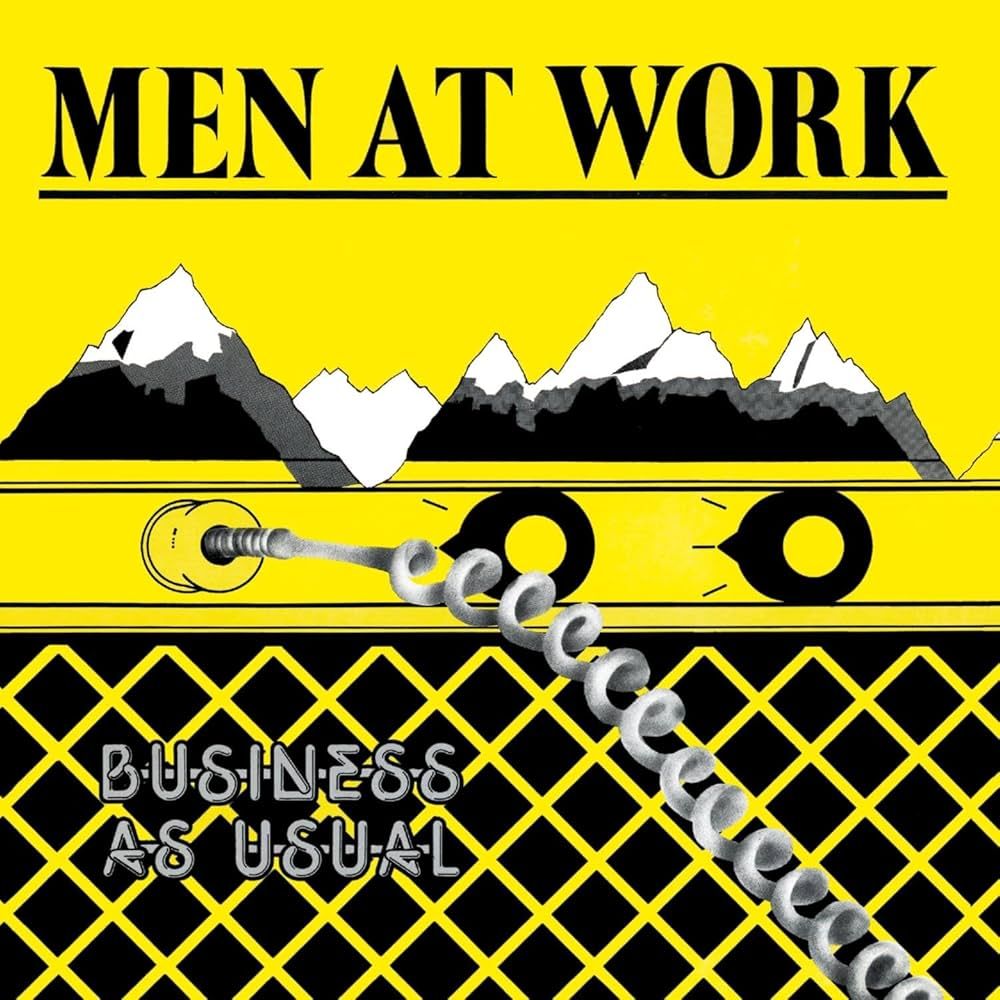
The original Australian cover was in black and white, but they decided to add color to the cover sold around the world.
On November 09, 1981, the band released their first studio album, Business as Usual, featuring singles that would become part of any 1980s cassette tape compilation: Who Can It Be Now, Be Good Johnny, and the one we are focusing on today, Down Under.
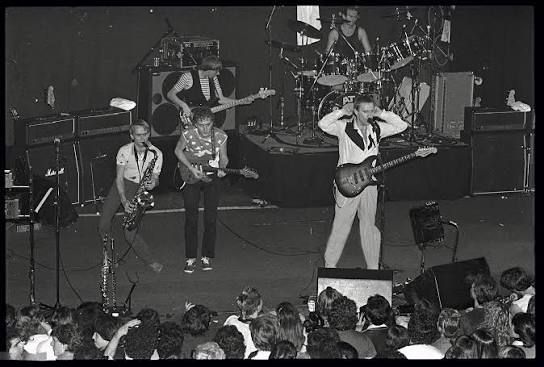
Men at Work in concert. Early 1980s
The album was a massive hit from day one. Men at Work became the first Australian artists to reach the No. 1 album and no. 1 single (Down Under) on the United States Bilboard charts, and stayed among the top 200 for 15 weeks. They also achieved similar success in Australia, New Zealand, and the UK.
Business as Usual received several awards and sold over 13.000.000 copies worldwide, and propelled the band to receive the Grammy for Best New Artist in 1983. Suddenly, Men at Work and the country they came from were on everybody’s mind.
Down Under
The song, which became the band’s most popular single, was originally released in 1979 as the B -side to their first single, “Keypunch Operator.” The record was released locally and Colin Hay and Ron Strykert covered the expenses with their own money.
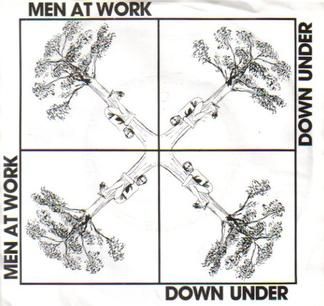
The cover of the Down Under single.
Down Under was part of Hay/Strykert’s repertoire since the time they played together at pubs in Melbourne. This early version has a slightly slower tempo and different arrangements, more aligned with the folk/reggae roots of the composers.
The version we all know was released in 1981, when the band signed a contract with Columbia, as the second single from their debut studio album, Business as Usual.
The band skillfully restructured the song, adding more instruments and increasing the tempo. As a result, Down Under offered a new take on the pop/rock energy of the era, remaining quintessentially 1980s but with a signature that was uniquely Men at Work.
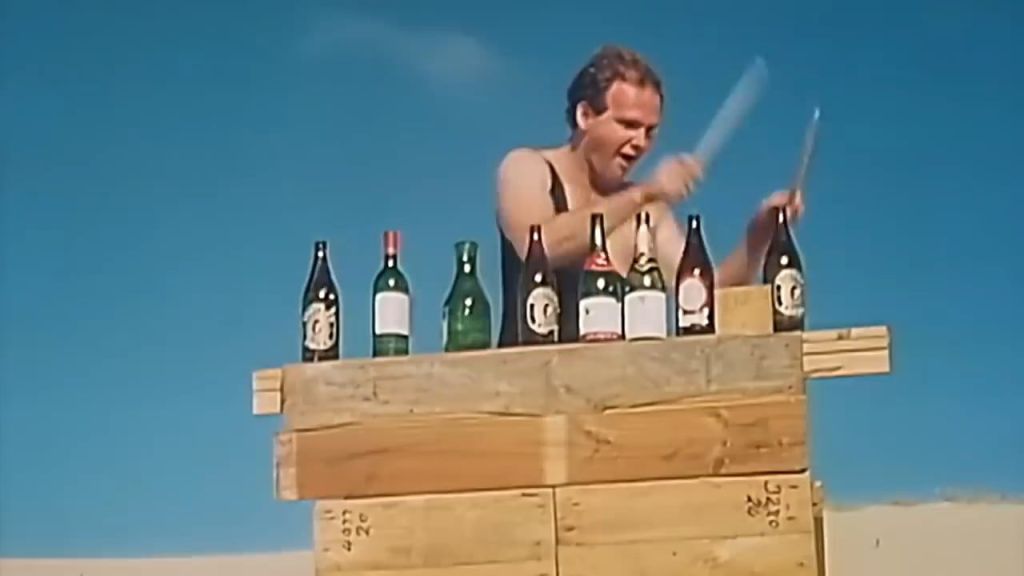
The band was also receptive to various experimental ideas. Colin Hay noted that drummer Jerry Speiser often played with bottles of beer tuned to different water levels. The members insisted he should use his creation to play the song’s opening tunes. Speiser just added a few touches of percussion from his drum kit to the bottle’s sound and voila!
Lyrics
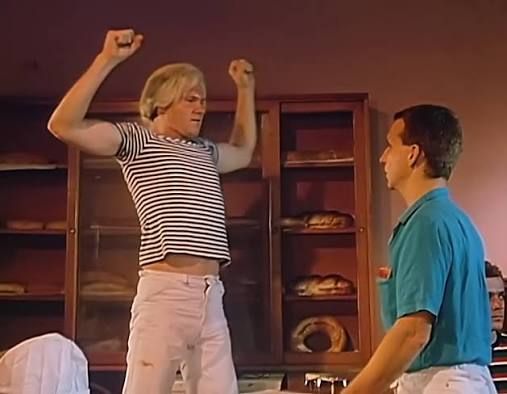
The lyrics depict an Australian man traveling the globe and meeting people who are interested in his home country. The story is based in part on Hay’s own travels abroad, including a prominent reference to a Vegemite sandwich, inspired by an encounter with a tall baker from Brussels who emigrated from Australia.
Often regarded as simply funny, the song is full of meaning. The words “where women glow” symbolize the beauty of Australia, with its unspoiled beaches drenched in sunlight. But the words “…and men plunder” mean the greedy developers who are profiting from the destruction of the country’s wilderness.
The phrase “where beer does flow, and men chunder” refers to the Australian unconditional love for beer since “chunder” is slang for vomiting.
Hay once described the intention behind the lyrics:
The chorus is really about the selling of Australia in many ways, the overdevelopment of the country. It was a song about the loss of spirit in that country. It’s really about the plundering of the country by greedy people. It is ultimately about celebrating the country, but not in a nationalistic way and not in a flag-waving sense. It’s really more than that.
Copyright lawsuit
The words in the lyrics: “Can’t you hear the thunder? You better run, you better take cover.” serve as a reference to troubling times that are about to come, and you better be prepared. It seems like the composers actually predicted the future quite literally.
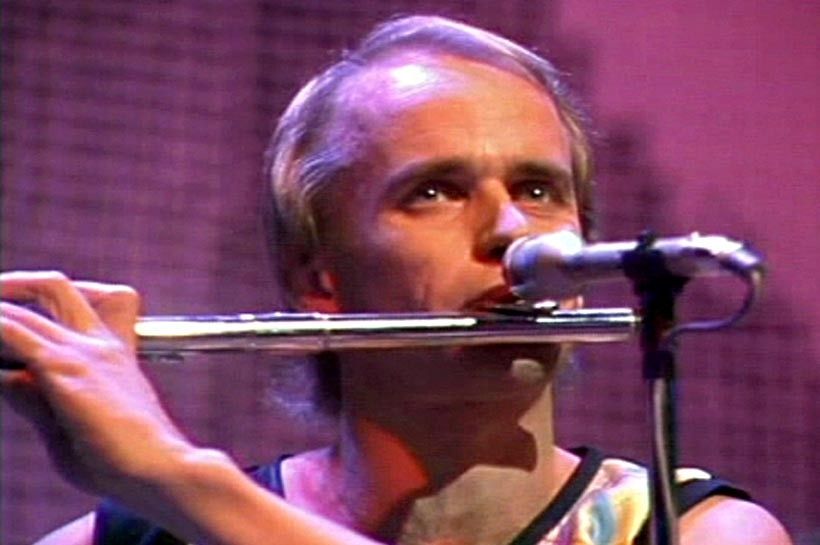
The Down Under intro, performed by Speiser on beer bottles, wasn’t the only clever addition to the song. During recording, Greg Ham experimented with a short flute solo played throughout the track. Producer Peter McIan recalls this as a “musical joke” that seamlessly fits into the song like magic.
The only problem was that the joyful notes on the solo weren’t Ham’s creation; it was part of someone else’s song.
Marion Sinclair
The whole flute part in the recording was found to be inspired by the Australian classic “Kookaburra Sits in the Old Gum Tree,” written by Marion Sinclair in 1932. She wrote it to participate in a song contest promoted by the Girl Guides Association, Australia’s equivalent ofthe Girl Scouts. After winning the contest, printed copies of “Kookaburra” were distributed to many scout groups throughout Australia, New Zeeland, UK, and United States, making the song a campfire favorite during that time.
After Ms. Sinclair died in 1988, the rights to the song were transferred to the South Australian Public Trustee. In 1990, the copyright to “Kookaburra” was sold to Larrikin Music, a company focused in folk and traditional Australian music, and the proceeds were donated to charity.
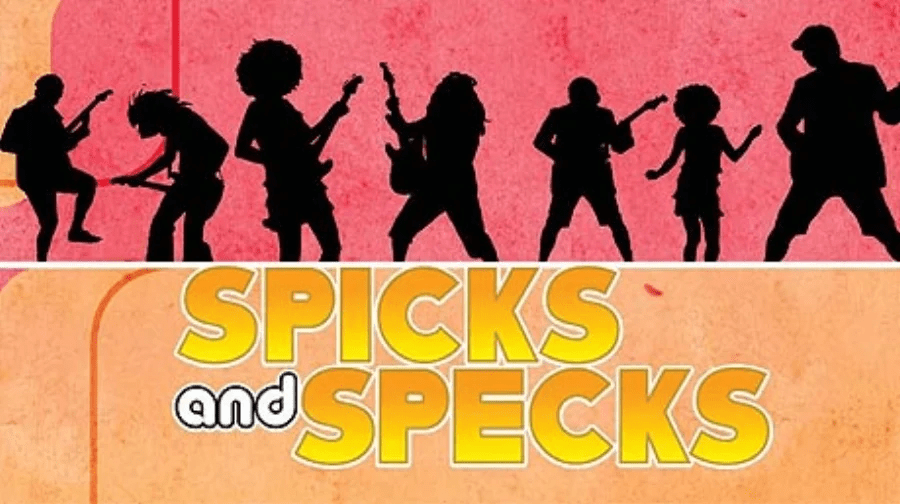
The entire plagiarism incident probably would’ve gone unnoticed if it weren’t for a specific episode of a music quiz TV show called Spicks and Specks, aired in 2007. The host played the Down Under flute solo and asked: “Name the Australian nursery rhyme this riff has been based on, as well as the name of the man playing it?”
Among the six celebrities contestants, only one had the correct answer: “Kookaburra Sits in The Old Gum Tree”.
The answer was a surprise, not only for the contestants but also for everyone who was watching the show. It didn’t take long for the Larrikinheadquarters started to receive dozens of emails and phone calls about the possible copyright infringement.
The Kookaburra is a pretty simple song, with only 4 bars; the flute portion of Down Under borrows 2 of them. In other words, Men at Work copied half of the song. Larrikin Music found significant grounds for plagiarism, and in June 2008, 28 years after the recording’s release, the company sued the band and EMI Australia.
On February 4, 2010, Federal Judge Peter Jacobson ruled in favor of Larrikin Music, stating that a substantial portion of the “Kookaburra” song had been copied in both of Down Under recordings, in 1979 and 1981, and that their rights to the song had therefore been violated. Larrikin Music felt confident the case was in the basket and asked for between 40 and 60 percent of the total proceeds from Down Under.
After several months of case analysis, on July 6, 2010, Judge Jacobson ruled that Larrikin was entitled to 5% of the mechanical copyright royalties for the period from 2002 onward.
In October 2011, the band sent an appeal to the High Court of Australia, but the judges refused to proceed.
The aftermath
Ultimately, the federal judge concluded that Hay, Strykert, and Ham did not act with malicious intent when using the Kookaburra notes but that the infringement nevertheless exists. They aimed to add an extra touch of Australian identity to DownUnder by including part of this beloved kids’ song.
Larrikin Music ended up receiving around AUS 100.000,00, which is a fraction of what they wanted, but EMI Australia spent 4.5 million in legal expenses. Hay, Strykert, and Ham also spent considerable sums during the 3 years the case dragged on in court.
Warren Fahey, the founder of Larrikin Music (pictured above), tried to convince the new administration to drop the case, but since he had sold the company ten years before, there wasn’t much he could do. He insisted that “Kookaburra” was a gift to the country since Ms. Sinclair had never sought profit from the song and that there was no harm in a portion of it being incorporated into another song about Australia.
It was proved in court that the composers knew that portion of Down Under was borrowed from Kookaburra. It was brought to the court attention that at some gigs from around 2002 onwards, Colin Hay would sing the lyrics of Kookaburra over the flute solo.
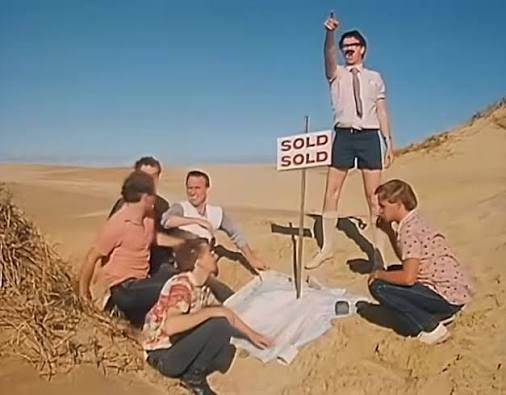
But the biggest proof is in the video of “Down Under,” which shows Ham playing the flute while sitting in a tree. The connection between the two songs was never meant to be hidden; on the contrary, it was meant to be noticed. Perhaps the band assumed that such an old song was in the public domain and never worried about copyright infringement.
Sadly, Greg Ham was the person most profoundly impacted by the entire situation. He had to sell his house to cover legal expenses. His dire financial situation also forced him to begin teaching music lessons to make ends meet.
Greg Ham
Even though Colin Hay and Ron Strykert are the composers of Down Under, it was Greg Ham’s name that appeared the most in the legal proceedings. In the public’s eyes, he was the one who dragged the band into this huge mess.
Ham took the veredic particulary hard, saying: “It has destroyed so much of my song. It will be the way the song is remembered and I hate that. I’m terribly disappointed that that’s the way I’m going to be remembered – for copying something.”
In the following years, Ham started to drink heavily, and some friends and family said he developed drug addiction.
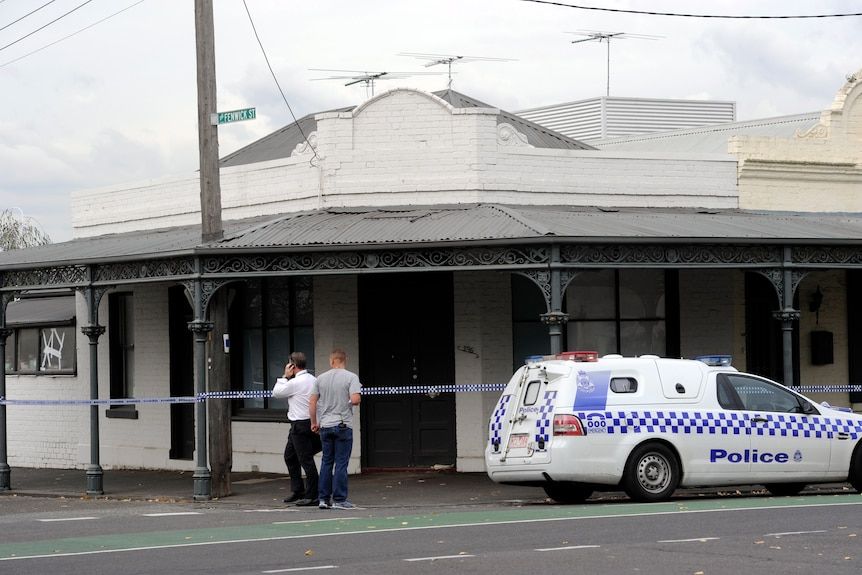
Police arrive at the house where the body of Greg Ham was found.
His health deteriorated rapidly, and on 19 April 2012, he was found dead in his home, in Melbourne suburb of Carlton North.
While initial reports mentioned “unexplained” circumstances and some sources suggested a heart attack or issues related to addiction, his death was confirmed and deemed not suspicious by police.
Friends and family described Ham as a terrific musician and a kind, lovely person. He was 58 years old when he died.
Ham’s death was the last and saddest chapter of this unfortunate series of events.
“Kookaburra” and “Down Under” were composed for very different reasons, yet they both have an intriguing similarity: they oppose greed. Ironically, both songs became entangled in a legal dispute involving millions of dollars.
Men at Work broke up in 1986, but Colin Hay and Greg Ham reunited again between 1996 and 2002 for some live concerts around the world.
Colin Hay in concert. 2025.
After Ham’s death, Hay could have chosen to bury Down Under, but he decided not to. In his busy solo career and as a member of the Ring Starr & His All Starr Band, he never stopped playing the song. Down Under became bigger than him and the band. It became the unofficial Australian anthem.
But above all, each live performance is a tribute to his late friend.
Notes of the editor.
Here are some interesting details that didn’t make the final cut:
Colin Hay was born in Scotland. He immigrated to Australia with his family when he was 14.
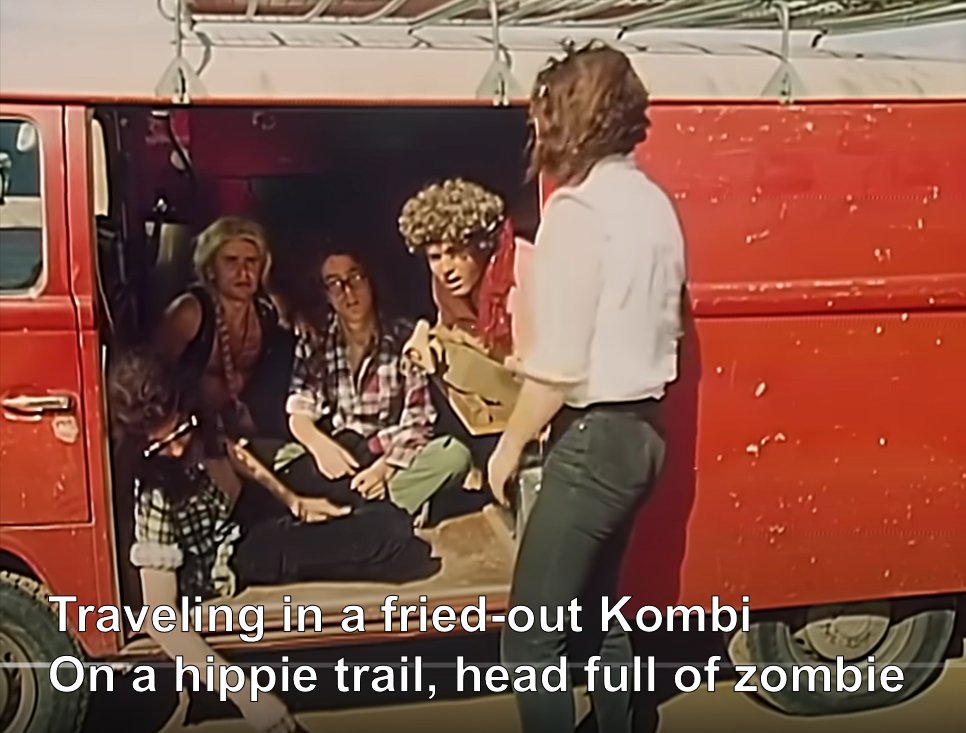
The Aussies refer to the VW Transporter as “Kombi”, the same way as we, Brazilians, do. It is short for Kombinationskraftwagen (combination vehicle).
It is easy to explain the passion we, Brazilians, feel for the VW Beetle. The car was fundamental to the motorization and industrialization of Brazil, being the best-selling car in the country for 23 consecutive years (1959-1982).
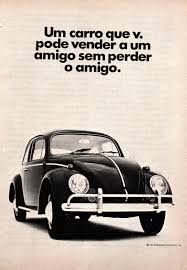
“A car you can sell to a friend and you won’t loose the friend”
Produced nationally from 1959 onwards, it consolidated Volkswagen, boosted the automotive industry, offered toughness for the roads of the time, and became a cultural symbol of accessibility and reliability. It was the car that taught us how to drive.
For us, Portuguese speakers, the word Volkswagen was too complicated to pronounce. We initially shortened it to Volks, but German-speaking immigrants in Southern Brazil pronounced it ‘folks,’ and eventually, the car became known simply as Fusca. In 1983, the Brazilian Volkswagen adopted the nickname as the car’s official name.
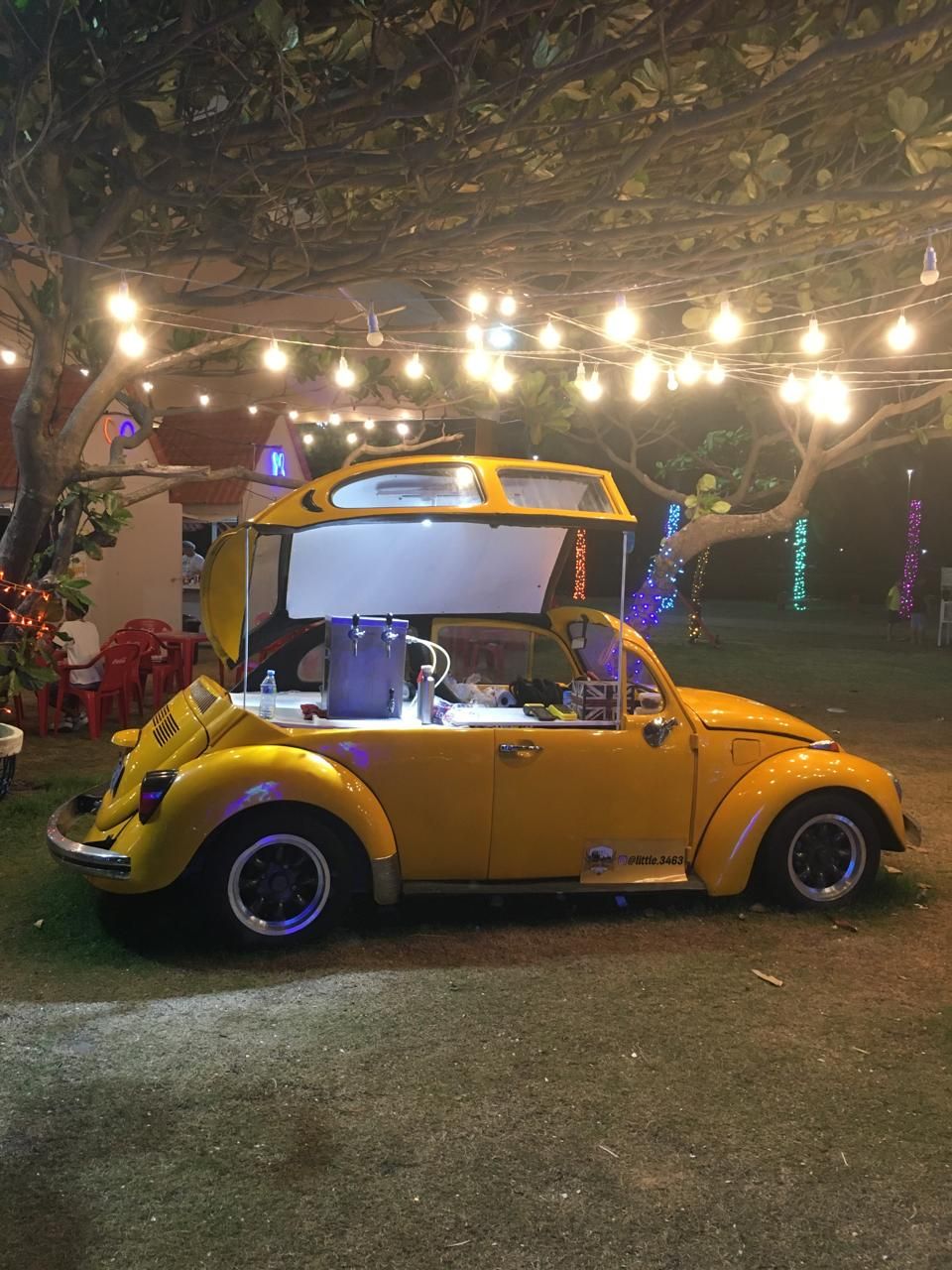
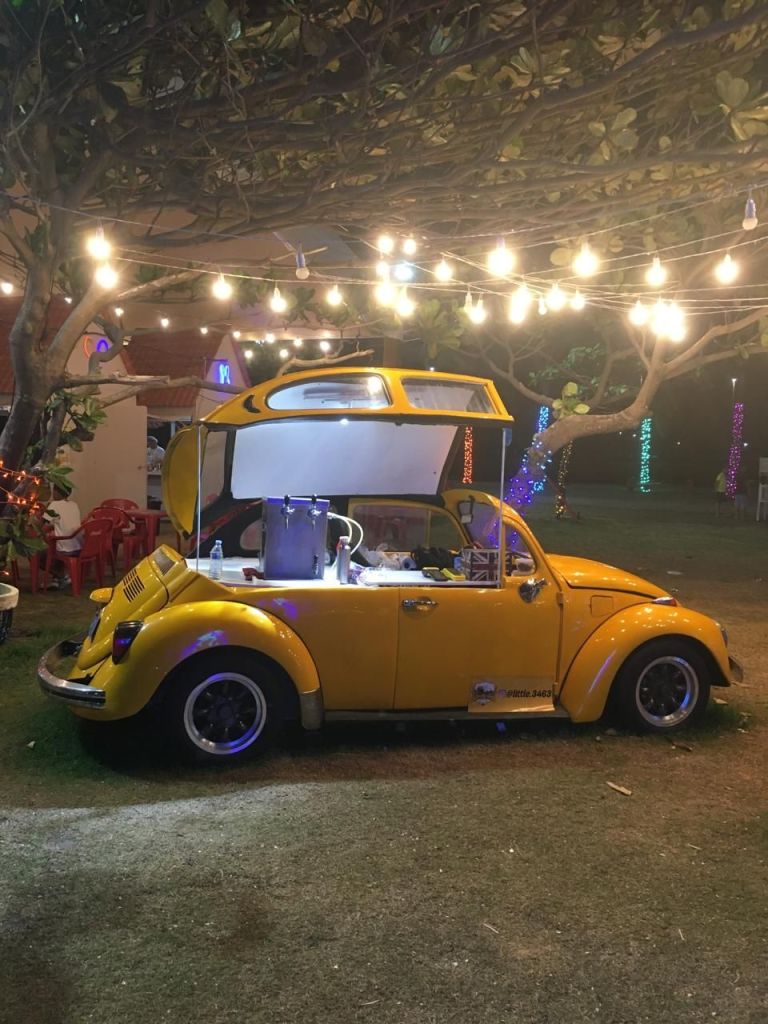
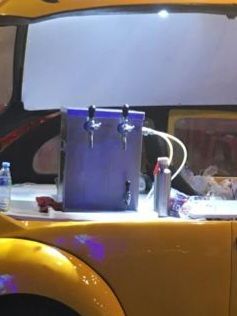
Enthusiasts will discover unique ways to show their passion for the car, such as the owner of this pub in Aracaju, the capital of Sergipe state, who turned a VW Fusca into a beer tap machine.
My dad took this picture back in March 2024 while traveling along the northeast coast of Brazil.
Dad knew I would love this picture. After all, I am a big fan of both, beer and Fusca.
Judging by some details I see in the pic, I believe the car must be an early 1980s model. It looks straight, and also has a nice set of Superlite style wheels.
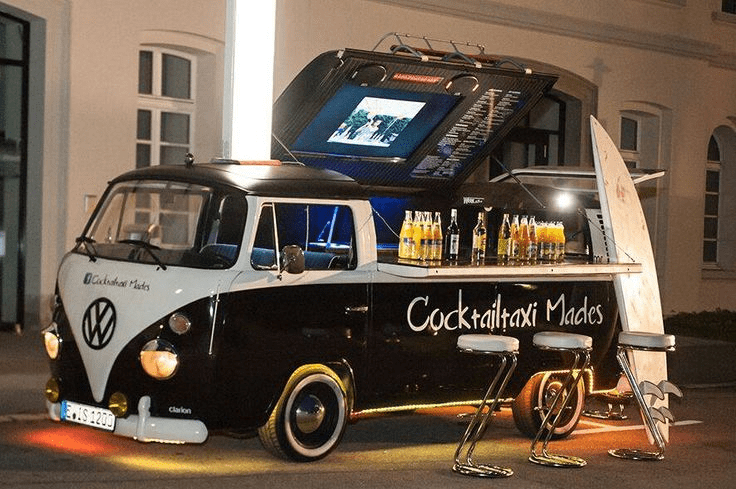
The idea is not entirely new, but some people will choose a more convenient Volkswagen model to transform into a rolling bar, like the one above.
I hope you have enjoyed this catch of the day. I know, it would be much more fun if we could be actually there, enjoying a beer and having good conversation.
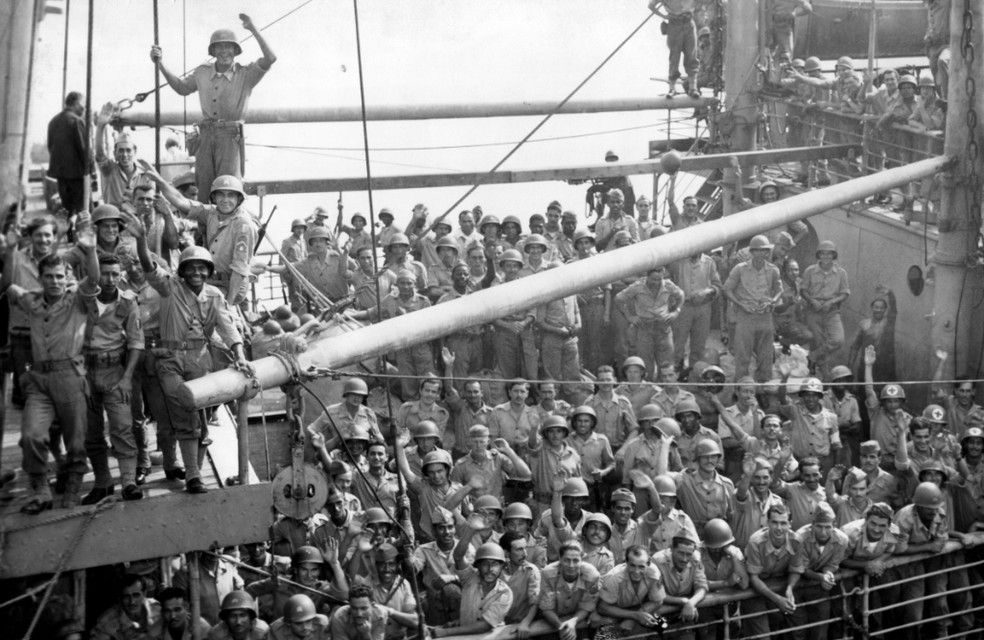
When the Brazilian president, Getulio Vargas, and Theodore Roosevelt reached an agreement on our cooperation in the war effort, the idea was not only to send army troops to Italy but also to deploy our navy and Air Force.
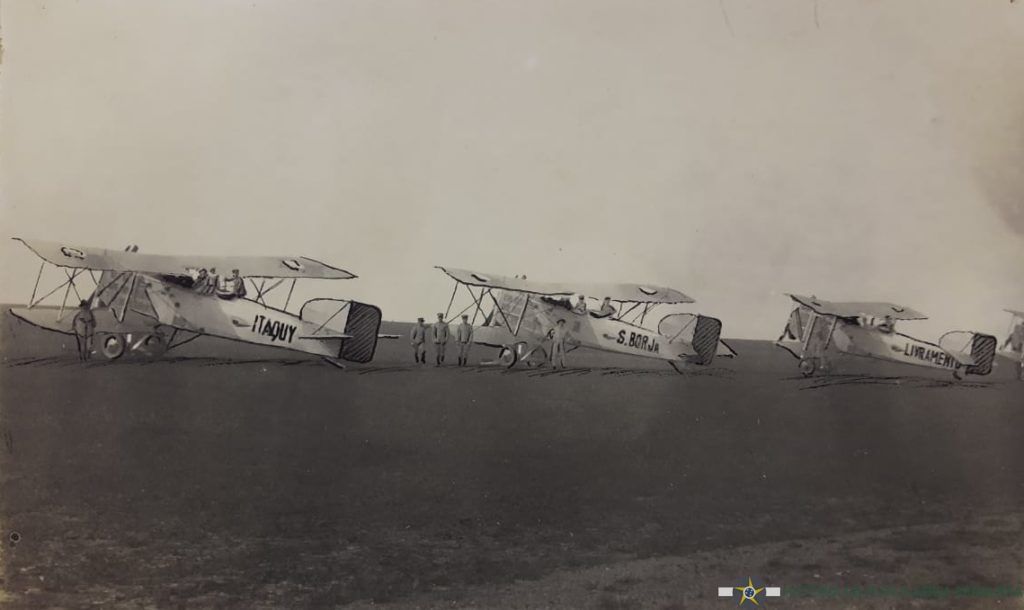
The 1st Bombardment Squadron, operating the French-built Bréguet 14A2 around 1922.
The Lend and Lease Act. allowed the young Brazilian Air Force to replace its obsolete equipment with top-notch American aircraft. These are some of the machines we received:
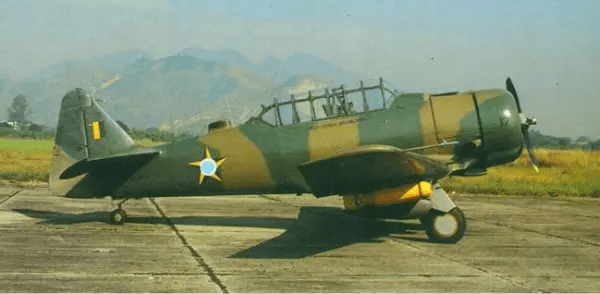
For advanced training and ground support duties, the North American Texan T6.
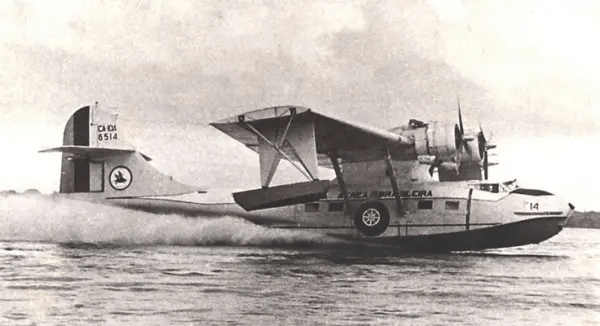
For coastal patrol and anti-submarine activities: the Consolidated PBY Catalina.
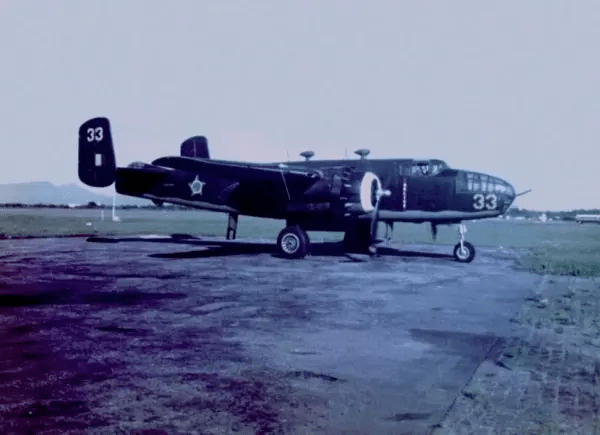
As a medium bomber: the North American B25 Mitchell.
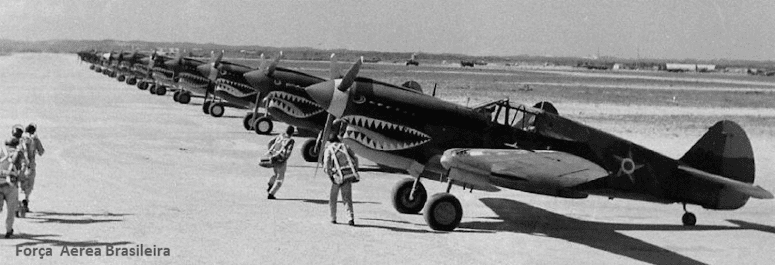
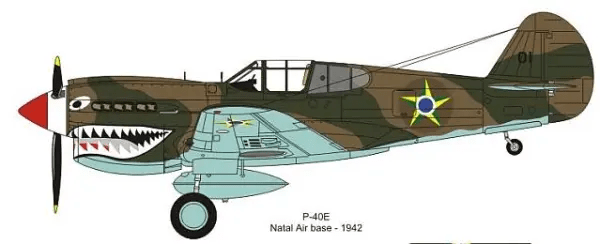
The Curtiss P-40 became our main interceptor.
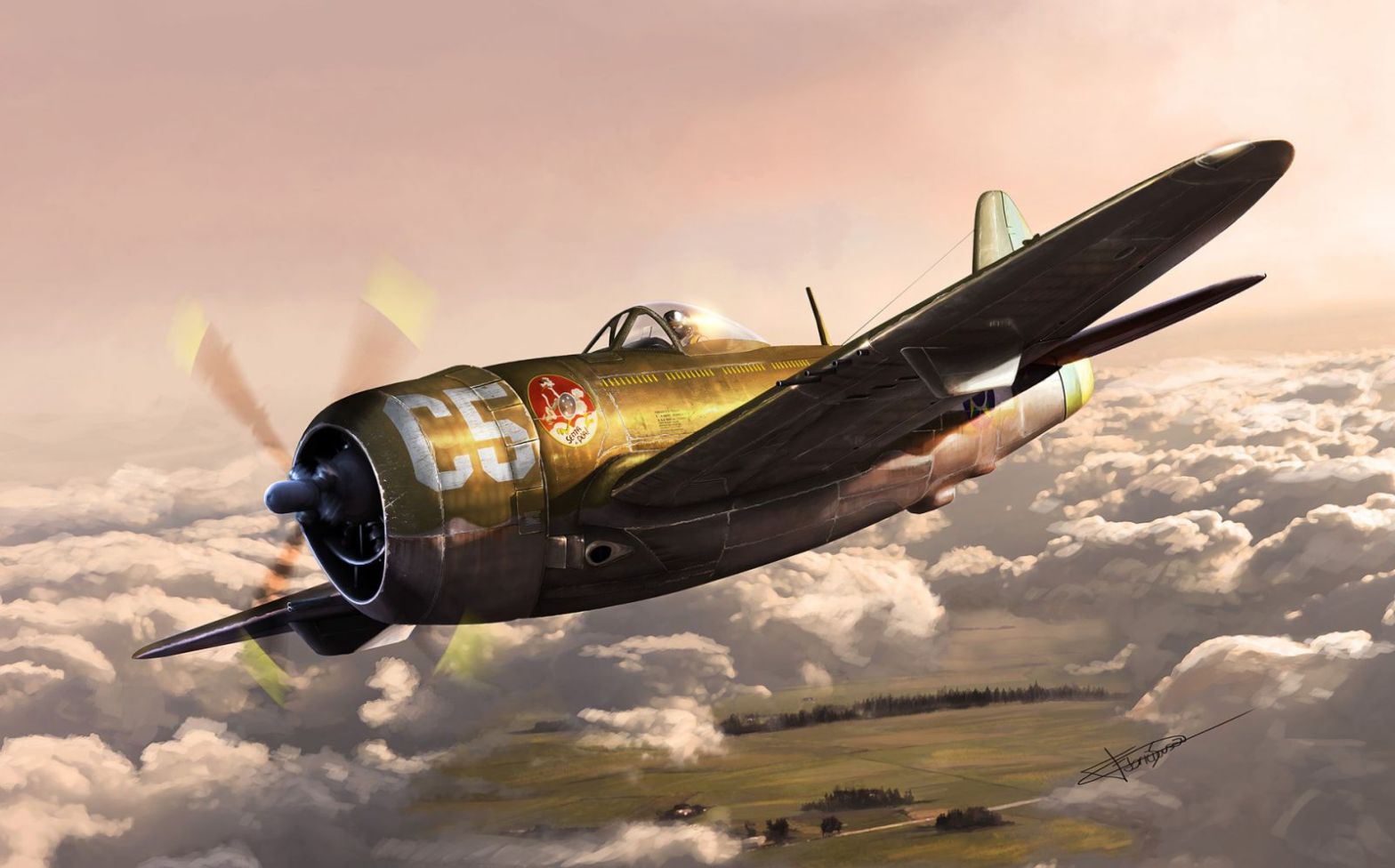
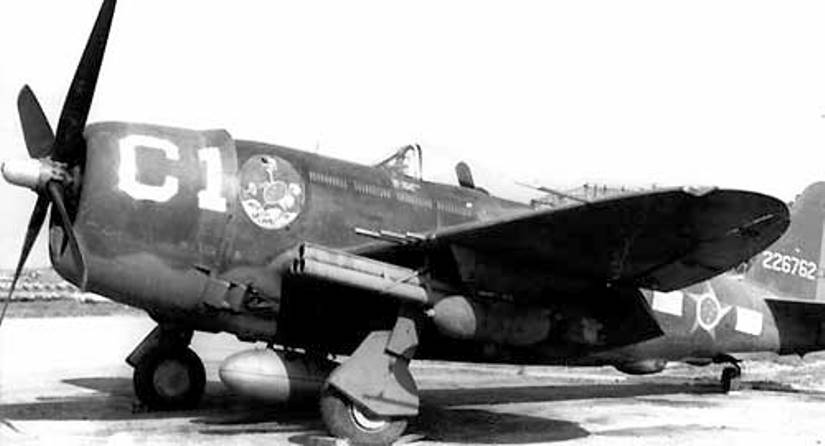
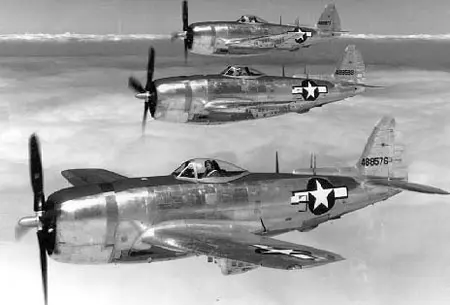
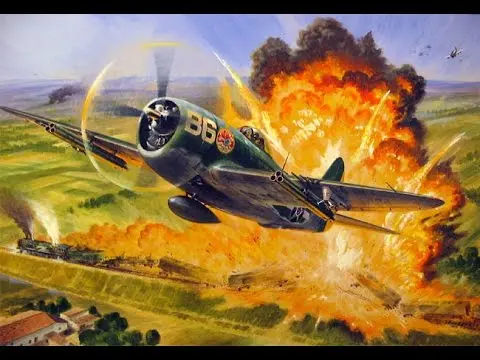
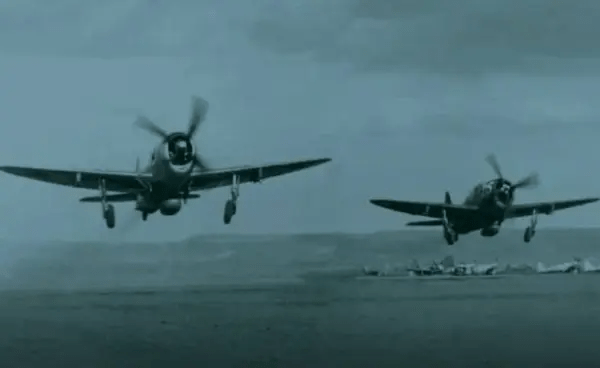
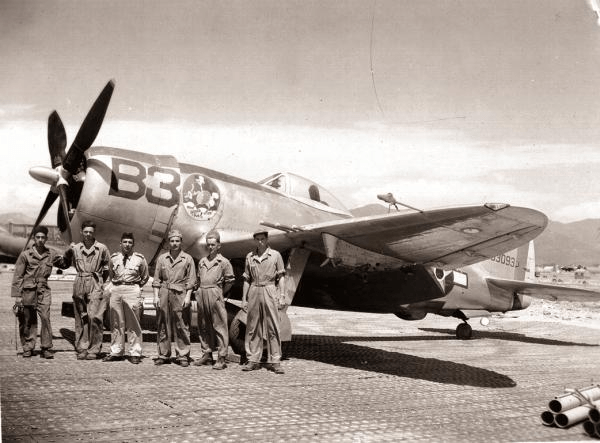
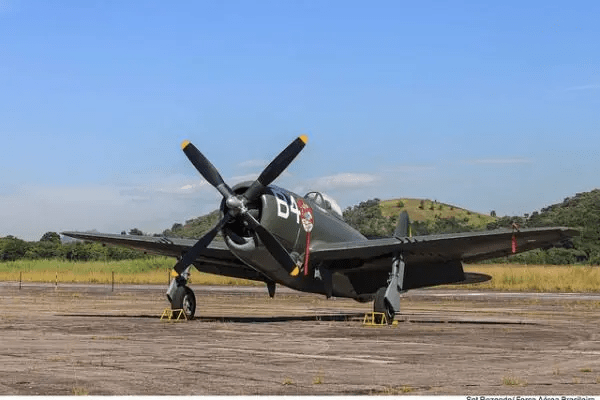
And the versatile fighter/bomber Republic P-47 Thunderbolt.
Flying Fast.
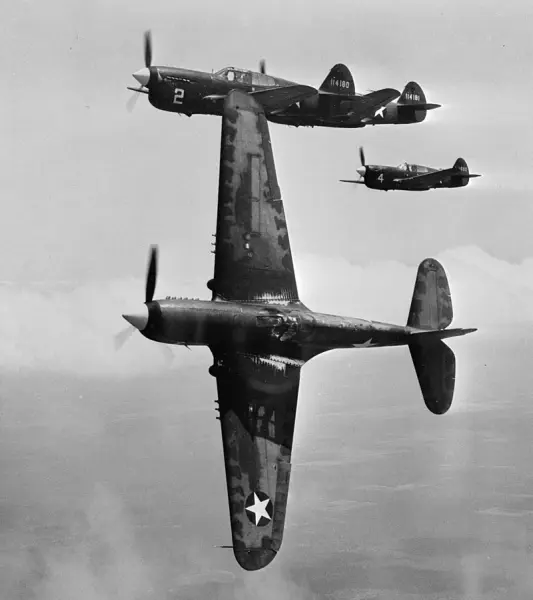
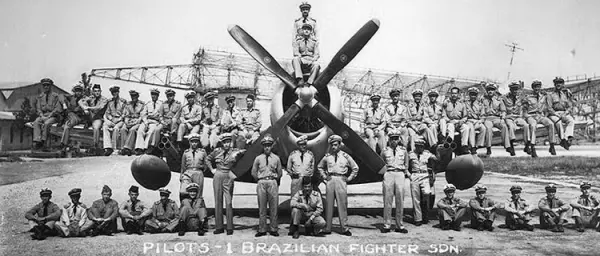
In January 1944, 43 Brazilian pilots (all volunteers) from the 1st Fighter Squadron were sent to the USAF base at Aguadulce, Panama, to learn how to fly the P-40 Warhawk. For most of them, that would be the first contact with a high-performance fighter.
The insignia of the Aguadulce Army Field.
According to the instructors, the Brazilian pilots progressed quickly and soon they were comfortably flying as an independent unit, even performing patrol and defense mission around the Panama Canal.
The Brazilian Warhawk
With its “shark” nose art, the Warhawk is, perhaps, the most recognizable WWII fighter. The airplane became the backbone of the Brazilian Air Force fighter squadrons, but it was not the machine chosen to fight in Italy.
During the war, our Warhawks were kept in Brazil to protect the homeland.
The P-40 had a long career in the Brazilian Air Force. Even after the arrival of jet fighters in the early 1950s, FAB kept the P-40 operational as a trainer at many military aviation schools until 1958.
The Final Training.
After 160 flight hours in the P-40, in June 1944, the pilots and the ground crew were sent to Suffolk Air Base on Long Island, NY, to start the training in the P-47 Thunderbolt.
At this stage, the Brazilians were comfortably flying as a tactical unit, and they didn’t take long to get used to the new fighter’s qualities.
The Jug
The first prototype of the Republic P-47 Thunderbolt flew on May 6, 1941, and it was a mix of revolutionary and conservative projects.
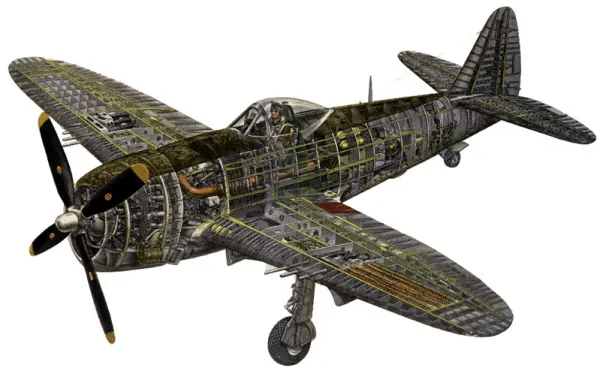
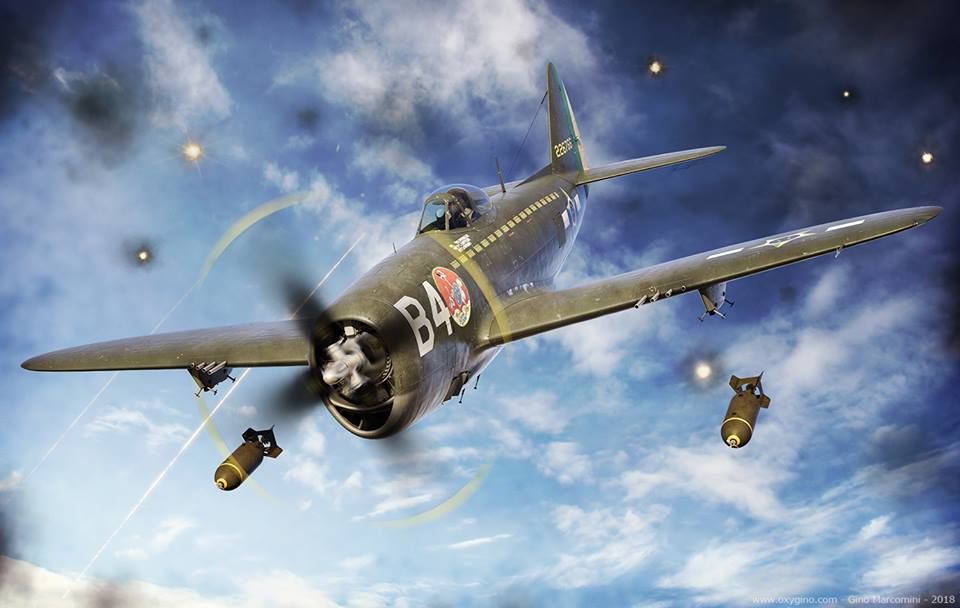
The Thunderbolt was big but maneuverable, built like a tank yet fast. It was a multi-role warplane capable of performing tasks such as interception, escort, ground support, light bombing, and reconnaissance.
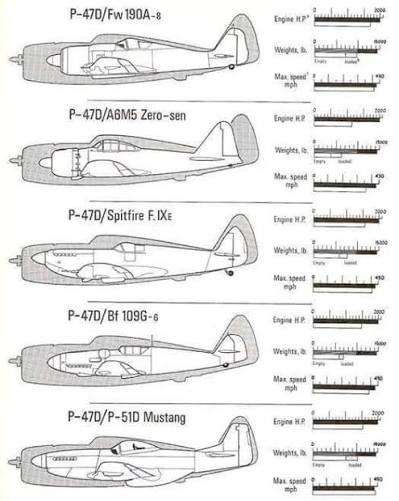
And how big was it? It was three feet wider than the P-51 and four feet longer. And at more than 10,000 pounds empty, it was about 50 percent heavier than the Mustang and nearly twice the weight of the Spitfire.
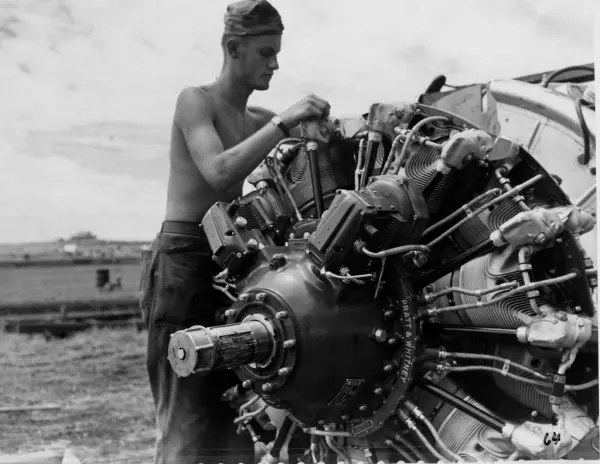
The P-47 is not a pretty airplane to look at; it doesn’t have the beautiful, aerodynamic lines of its brothers-in-arms, the Mustang and Spitfire. Pilots and ground crew nicknamed it “The Jug.” It was designed around the “hot rod” aircraft engine of the time, the Pratt & Whitney R-2800 Double Wasp.
It is an 18-cylinder, air-cooled, radial engine with 2800 CID (around 46 liters). On the latest turbo/supercharged versions, it could deliver over 2500 hp, and in “emergency mode” with water/alcohol injection, it could reach 2800 hp. Enough power to keep the Thunderbolt head-to-head in the top speed with the Mustang at 440 miles per hour
The Double Wasp could also be found in other top performance fighters like the Hellcat and Corsair.
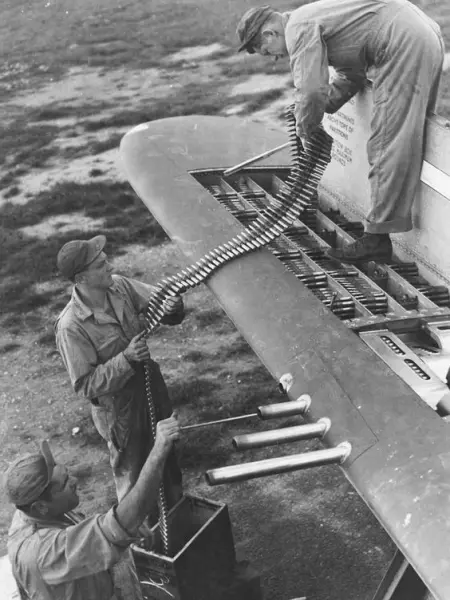
The Thunderbolt firepower was superb as well. Equipped with eight 0.50 cal Browning machine guns and room for nothing less than 3400 rounds (the Mustang could pack only 1800 bullets). It was enough for a full 30-second blast. As a Brazilian pilot once said: “If you had enough bullets in your pocket, you could cut a German train car in half”.
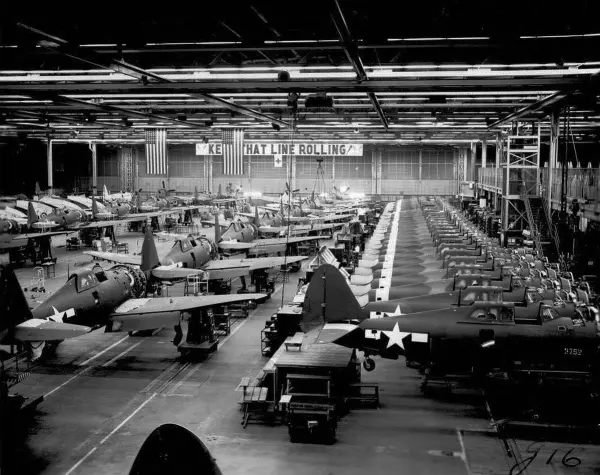
Between 1941 and 1945, a little over 15,600 P-47s were built. Just like the P-40, the Thunderbolt was employed in every theatre of the war and exported to most Allied countries.
Into enemy skies
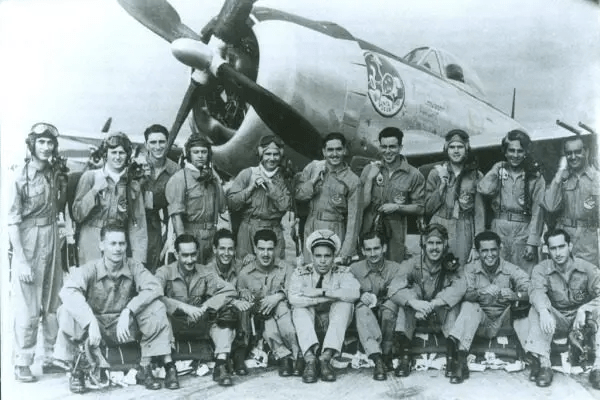
The 1st Fighter Squadron (1º GAvCA in the Brazilian Air Force code) arrived in Italy on October 6, 1944. The pilots were divided into 4 squadrons:
Red Squad (letter “A”)
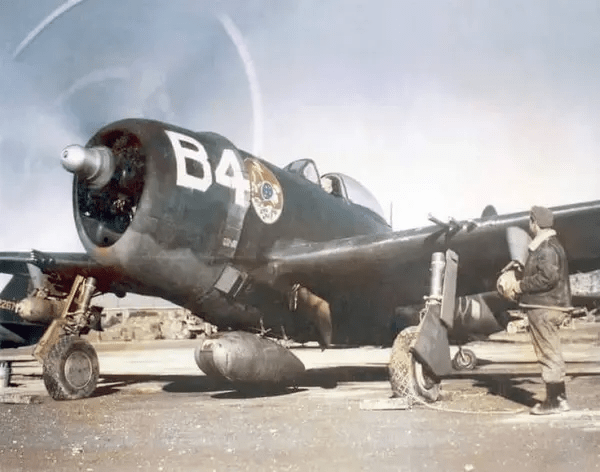
Yellow Squad (letter “B”)
Blue Squad (letter “C”)
Green Squad (letter “D”)
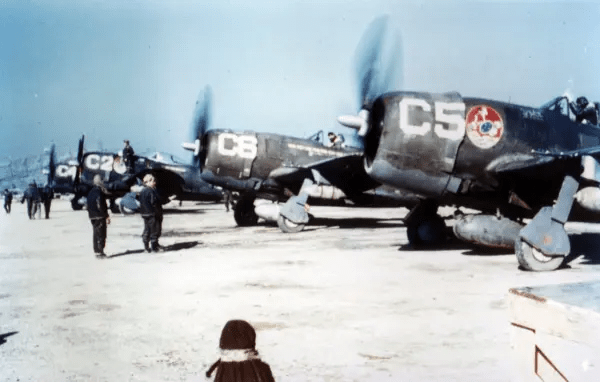
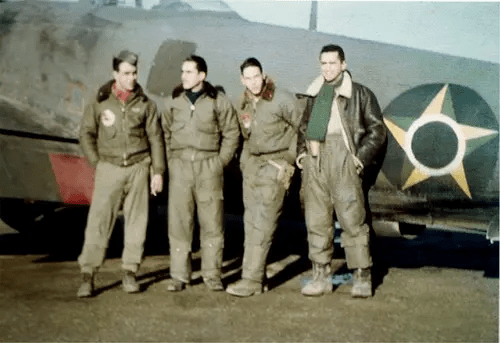
The Squadrons were equipped with the P-47 Thunderbolts from the local USAAF warehouse. The fighters received the FAB’s green-and-yellow star and identification codes.
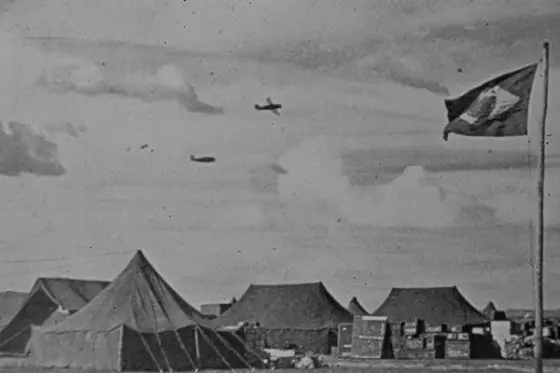
Soon, Brazilian pilots were routinely flying combat missions. It was now time to apply everything they had learned in training to support the powerful Allied force that would soon defeat the German war machine.
Their baptism of fire happened on November 11, 1945, when the 1º GAvCA attacked some German deposits. At this point, they were still based in Tarquinia. After a couple of months, they were officially transferred to the 350th Fighter Group, based in Pisa, until the end of operations on July 1, 1945.
Pisa is a city in Italy’s Tuscany region best known for its iconic Leaning Tower. To give an idea of how close they were to Germany, Pisa is 311 miles from Munich.
Senta a Púa!
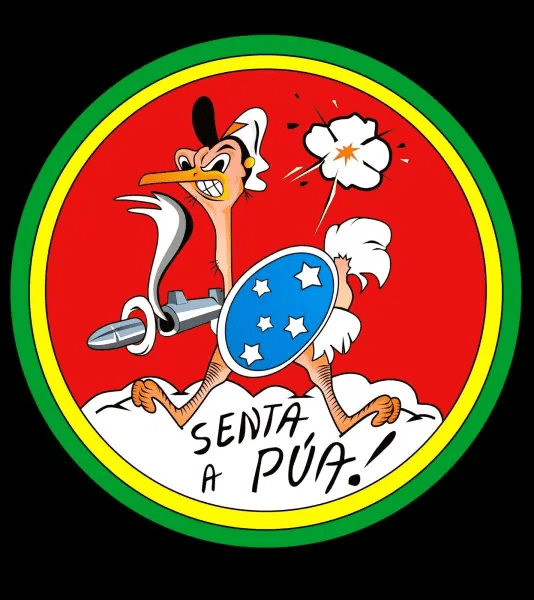
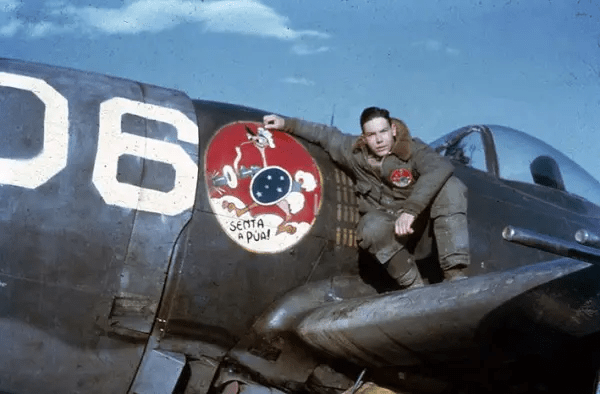
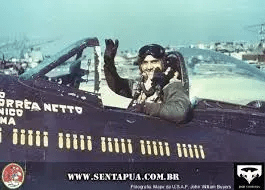
Since their training days in Aquadulce, the Brazilian 1st Fighter Squadron has had a battle cry: ” Senta a Púa“. It is not easy to translate into English; it is something like an imperative voice saying: “Hit with a bat or spear”. But it was only after a few weeks in Italy that they decided to create the symbol.
The drawing is full of meanings: behind the bird there is flak exploding; the red background is the skies stained with the blood of those who died in combat; the shield represents the Thunderbolt’s armor; the stars on the shield are the “Southern Cross”, one of the Brazilian national symbols; and the bird shooting a gun represents their very mission.
But the question is: Why did those crazy guys choose an ostrich? A damn bird that just can’t fly? The answer is, again, tied to our good sense of humor.
For most of our crew, one of the biggest challenges of the war was eating the dreadful American canned food. They used to say to each other, “To survive the German flak, you need skills and a lot of luck, but to survive the canned food, you need an ostrich’s stomach.” So, they considered themselves a bunch of fighting ostriches.
Ground Attaks
The best role for the massive Thunderbolt was ground attack; fully loaded, it could carry 3,000 pounds of bombs and rockets, almost half of the B-17 Flying Fortress’s payload.
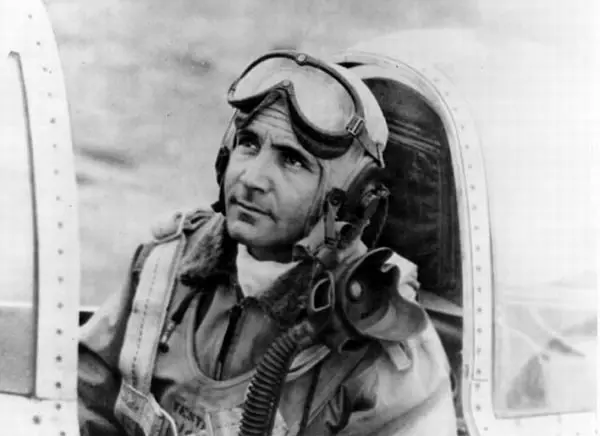
The very first Commander of the First Fighter Group was Major Nero Moura. He would become the Brazilian Air Minister after the war.
Since its performance in dogfights was less than ideal, the P-47 pilots had different tactics to engage enemy fighters, as Brigadier Nero Moura recollects: “During our training, the Americans made very clear our mission was ground attack, but that didn’t mean we were forbidden to shoot at enemy planes.”
Our instructors repeated the Thunderbolt golden rules for dog fights a thousand times: Fly high, dive fast, hit hard. If you got the bastard, great; if you didn’t, keep moving. You will get him next time.”
Built like a tank
Among all the qualities that made the Thunderbolt a superb machine, perhaps the one most pilots keep in a special place in their memories is the plane’s amazing capacity to take punishment and still bring its pilot home.
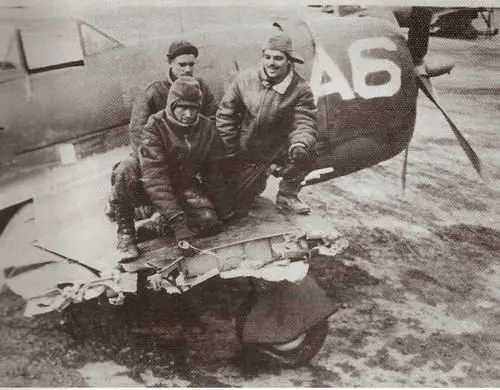
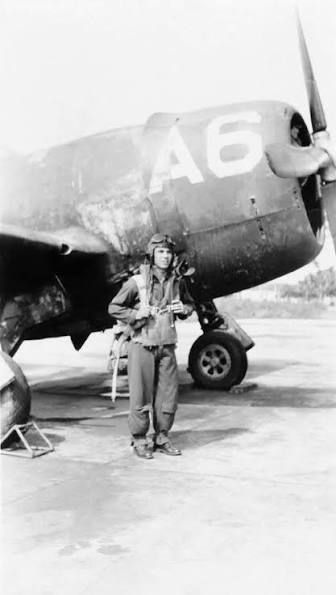
The picture above was taken on Jan 27, 1945. It shows the damage on the P-47 flow by Lt. Raymundo Costa Canário (canário means “canary”). What tore off a 4-foot-long piece of the wing wasn’t a well-aimed German flak. It was something much more embarrassing to the pilot.
That day, Lt. Canário was flying a low-level ground-attack mission, and thanks to his inexperience, the 20-year-old aviator crashed his plane into a massive factory chimney. Even with a big chunk of the right wing gone, he was able to keep his Thunderbolt flying all the way back to base. During the trip, he was escorted by his squadron leader, Cap. Dorneles.
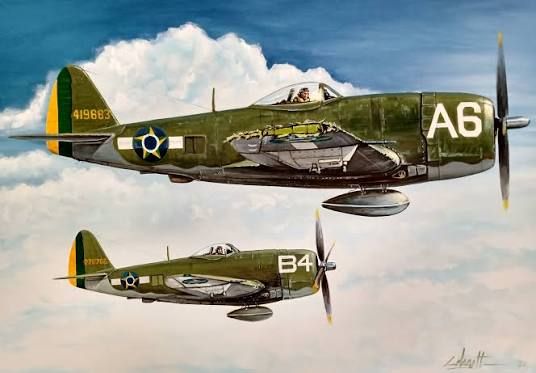
An artistic depiction of Lt. Canário, being escorted by Cap. Dorneles.
They took a longer route home, flying over the ocean to avoid German anti-aircraft batteries.
To make things worse, at some point, they were mistaken for enemy airplanes and attacked by a pair of patrolling Spitfires. Thank God the Brits soon realized their mistake and quickly left the scene.
Lt. Canário and his trustworthy “A6” Thunderbolt.
They both landed safely, astonishing everyone at the base. This further proves Thunderbolt’s incredible reliability.
Canário’s P-47 was destined for the scrapyard, but the Lieutenant wasn’t ready to part ways with his beloved machine. He insisted it could be repaired, and together, they flew 50 more missions until the end of the war.
The FAB’s Finest Hour.
The FAB had a short participation in the war but was a very intense one.
They faced many obstacles, just like any other allied soldier, a fierce enemy, a harsh winter, and homesickness. But perhaps one of the most cruel of them was our very own government.
Everyone knew that our president didn’t want to fight in this war, and our soldiers suffered because of his reluctance.
Getulio Vargas never allowed FAB to send enough replacements to cover the pilots lost in combat.
The result was that after only 6 months, the First Group was reduced to only 22 pilots. Too few to keep them flying as a group.
The next step would be dismantling the unit and dispatching the remaining pilots to other groups throughout Europe as replacements.
But the guys refused to break apart. They were born as a group and should die as one.
The commander of the 350th was straightforward: “If you guys want to keep the First Group alive, it means one thing: each one of you will have to fly your own mission and the mission of that guy who never came as well”.
From that point to the end of the war, Brazilian pilots often flew 2 missions a day, and during the final Allied push, they even flew 3 daily missions.
During its short contribution in WW II, the First Fighter Group flew a total of 445 bombing missions.
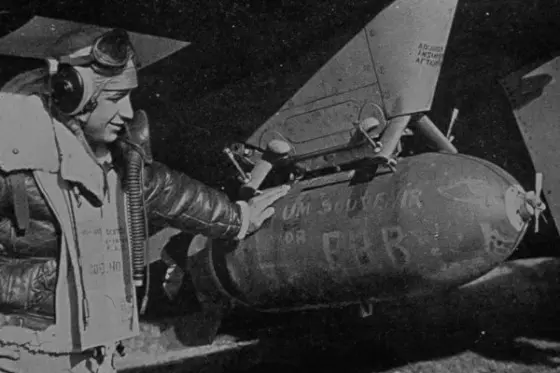
The message written on the bomb: “A FAB’s souvenir.”
From the original 43 pilots who arrived in Italy, 9 were shot down and died, 5 were made POW, 3 bailed out over enemy territory and were rescued by Italian families and 15 were sent home because of medical issues.
April 22 is the most crucial day in the history of the “Força Aérea Brasileira”. On this day in 1945, FAB set its own record when the 23 pilots of the First Fighter Group flew 44 bombing missions in 24 hours over the Nazi-occupied territories in Italy.
Back home, FAB officially announced that April 22 would be a day to honor those who fought and died in the skies of Europe during WWII, as well as future fighter pilots. It is called “The National Hunter Pilot Day” because in Portuguese, they are not fighters. They are hunters.
In 1986, Colonel Ariel Nielsen, former Commander of the 350th Fighter Group, pledged on behalf of the Brazilians that the American government would award them the “Presidential Unit Citation.”
FAB became the third foreign Air Force to receive the honor.
A monument dedicated to freedom
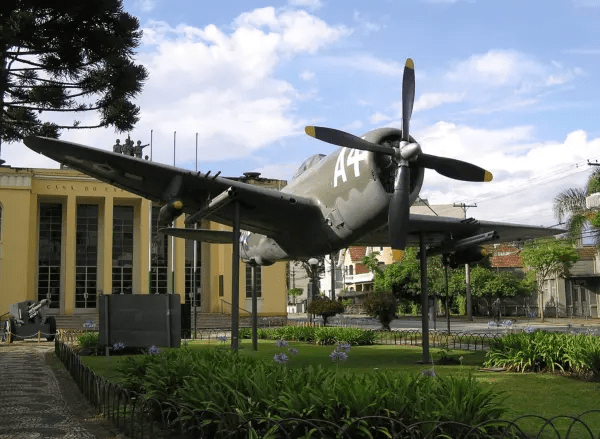
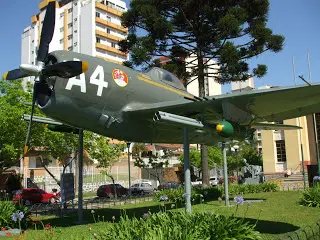
In my hometown, Curitiba, there is a fascinating museum that honors Brazilian soldiers, airmen, and sailors who fought in WWII. In front of the building, there are some static pieces on display: a captured German cannon, a torpedo, a light tank, and a P-47 Thunderbolt.
Since I was old enough to understand what an airplane was, I would bother my father to take me there to see “the airplane”. For a 5-year-old kid, that Thunderbolt wasn’t big… it was gigantic.
Many years later, when the teachers and the books taught me about the war and the reasons we fought, that plane became even bigger. It certainly inspired me to join the FAB in 1988.
The Thunderbolt will fly again.
The FAB Museum in Rio de Janeiro has been working hard to put together a P-47 to become the only fly-worthy unit in the country.
The main source for parts is the Thunderbolts on static display across the country.
The one in Curitiba proudly gave its brake system.
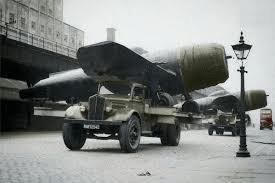
Trucks transporting P-47 Thunderbolts, through the streets of Liverpool, England, 1943.
When considering World War II, our attention tends to be on its causes or key battles that determined its course. However, a closer look reveals some staggering numbers that are difficult to comprehend. Just to put it in simple terms, over 127 million personnel were mobilized globally during the 5 years of total war, with over two-thirds serving in the Allied Powers.
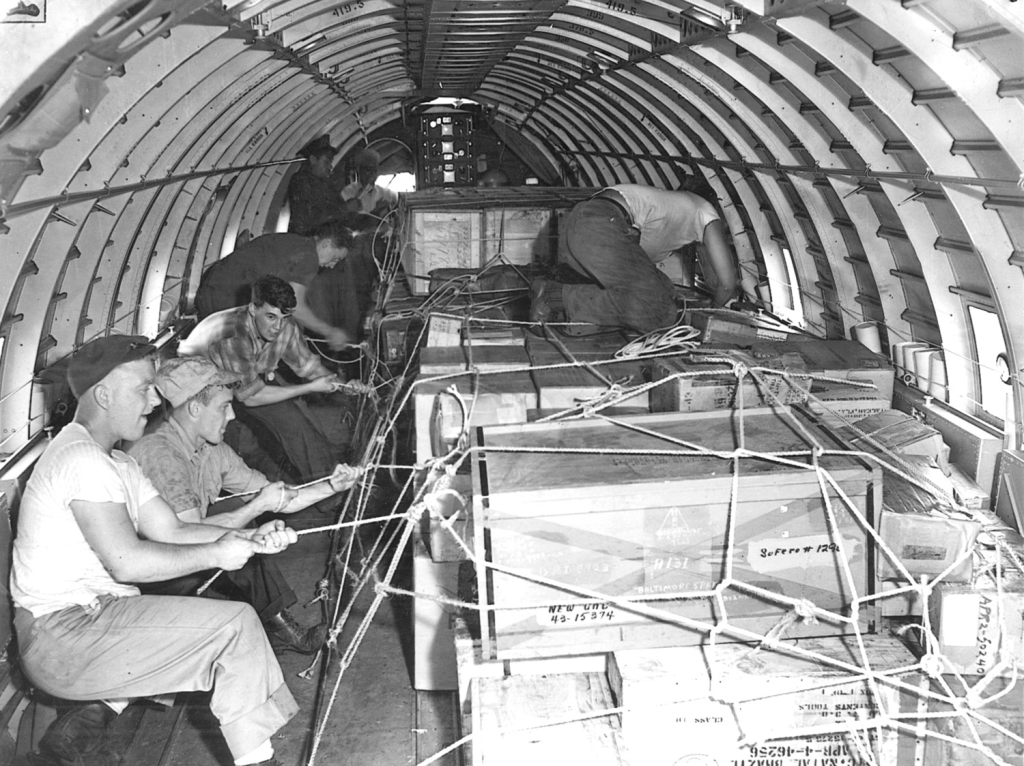
It is hard to wrap our minds around the logistical hurdles not only to transport this immense number of soldiers from point A to point B at any time around the globe, but also to keep every single one of them well fed, dressed, and properly armed on a daily basis.
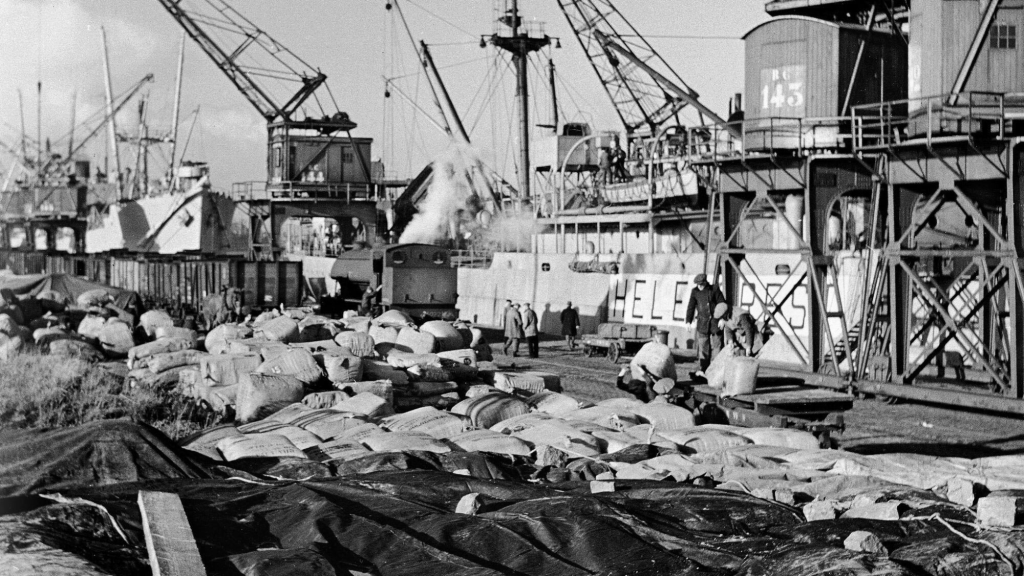
The existing complex of ports and air bases was extensively used during the war, but as operations increased, new facilities had to be built at lightning speed.
Parnamirin Air Base
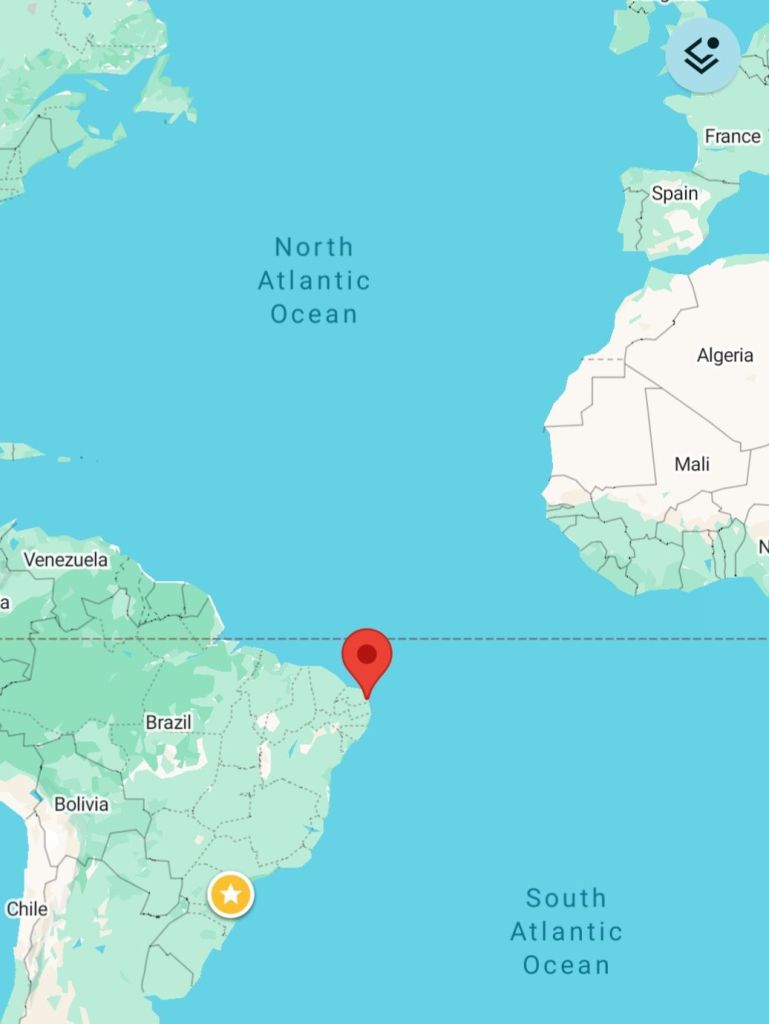
One of Brazil’s most important contributions during the war was allowing the Americans to establish a massive air base in Rio Grande do Norte on the country’s eastern coast. This location is the nearest point between South America and Africa.
The location is a 30-minute drive from the state’s capital, Natal. For this reason, the base was called Natal Air Base (BANT).
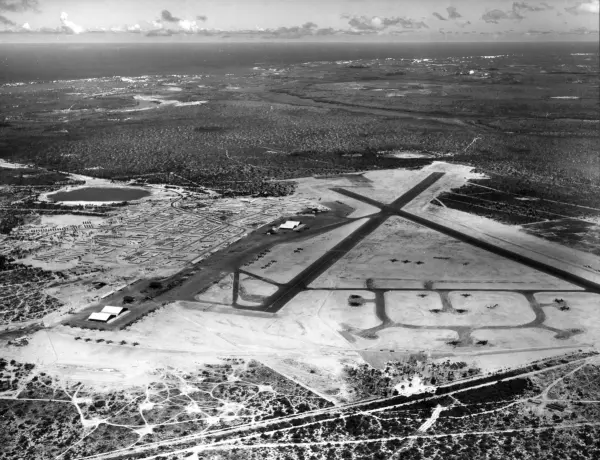
The Americans built several bases on Brazilian soil, some from scratch and others around existing infrastructure, but “BANT” was by far the most important.
Construction began in late 1942, and by 1944, the base was fully operational.
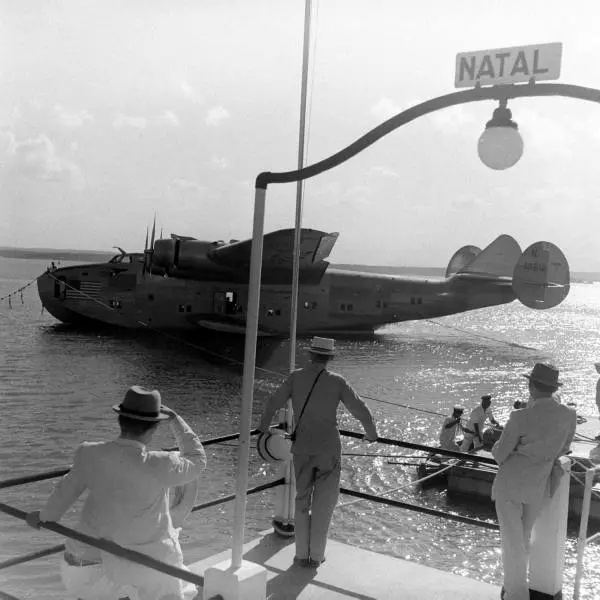
A Martin Mariner arrived at Parnamirim Air Base.
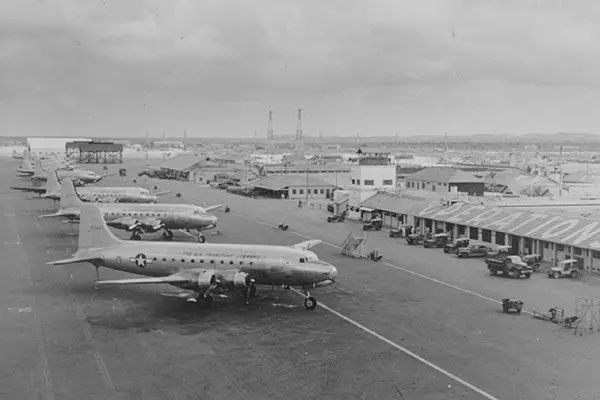
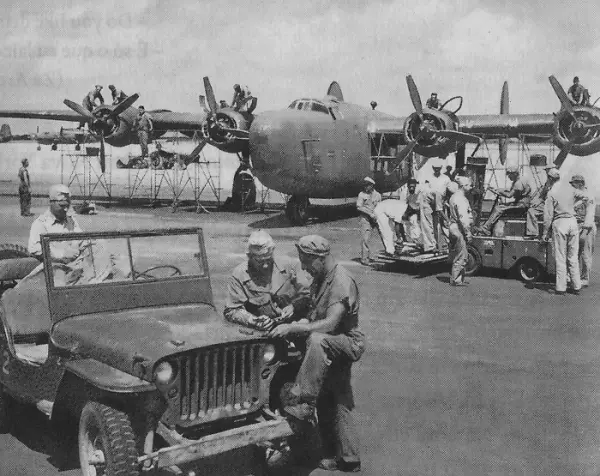
It was massive, with two runways, a small harbor, ramps for the Catalinas, piers for the Martin Mariners, repair facilities, a Transit Hotel, and huge fuel and oil storage. It was the most significant American airfield outside the USA and the busiest during the war.
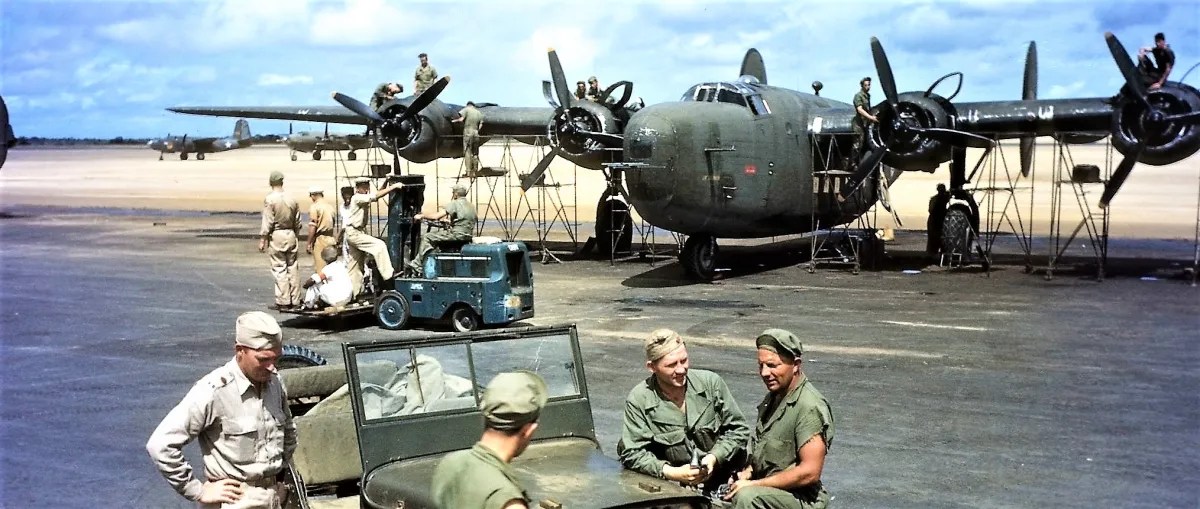
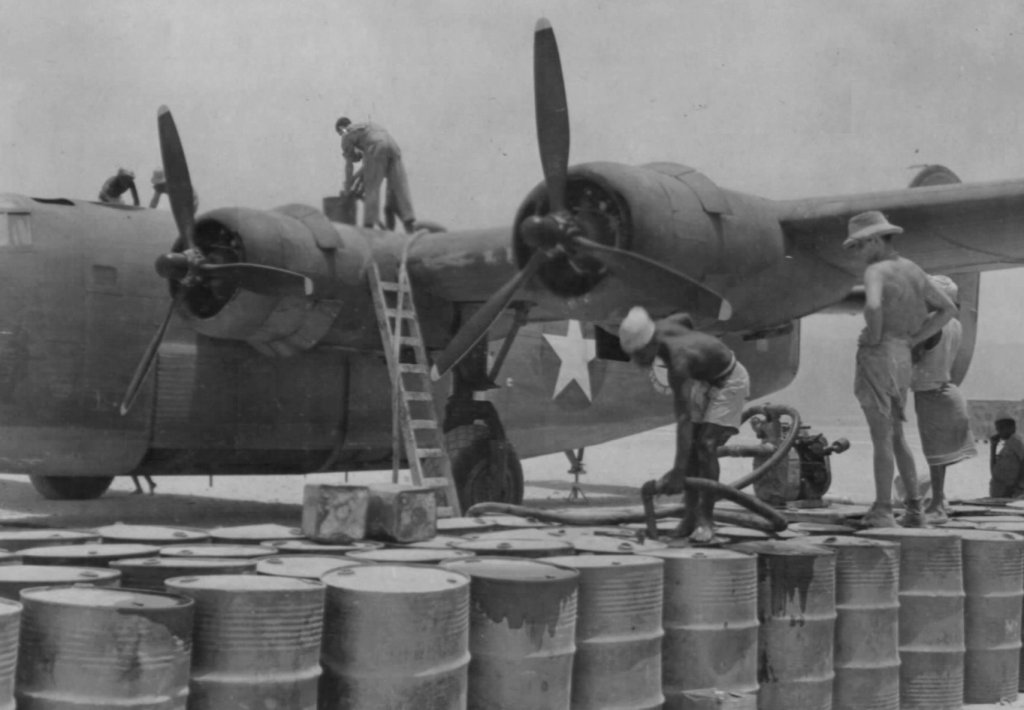
Ground crew refueling a B-24 Liberator.
The year-round, summer-like weather in Northern Brazil also played an essential role in choosing the base’s location.
During its peak time, BANT handled an aircraft landing and taking off every 3 minutes. Basically, every cargo plane transporting troops or goods en route to Africa, Russia, Italy, and Burma had to stop there.
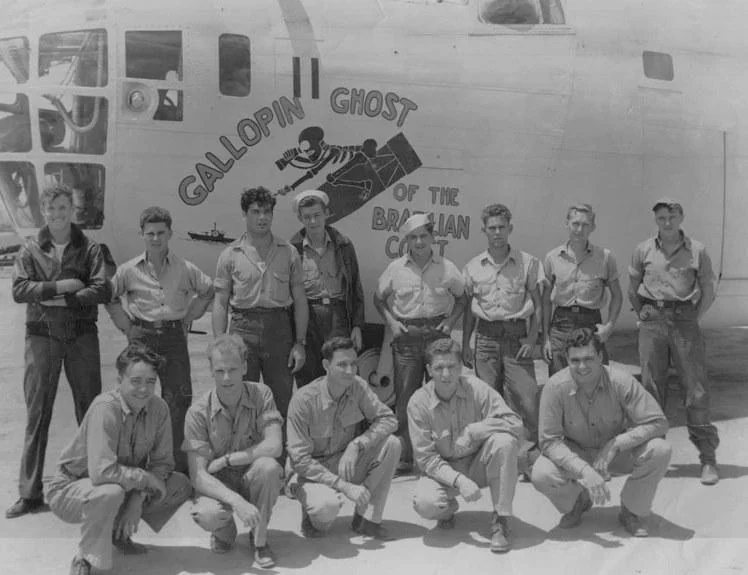
The proud crew of an American B-24 Liberator poses in front of their machine. The plane, called “Galloping Ghost of the Brazilian Coast,” was part of the anti-submarine operation in the South Atlantic.
Parnamirin was also the base for most anti-submarine warfare in the South Atlantic.
President Roosevelt called it: “The Trampoline to Victory”.
For All
Between 1943 and 1945, BANT accommodated approximately 2,500 to 3,000 American military personnel. It quickly became evident that they brought a touch of American culture to the local population of around 40,000.
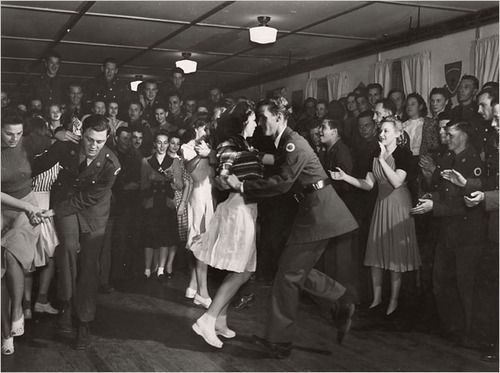
As a Brazilian officer recollects: “For the first time we had contact with the kind of stuff we only saw in movies. Things like: bubblegum, Ray Ban sunglasses, greasy hair, and swing dancing. You bet we loved it all”.
To improve interaction with the local population, the base commander became famous for hosting open-gate parties with snacks, refreshments, and live music.
The Americans called the event “For All,” and, needless to say, it became a massive success in the city and the villages around it.
The war ended, but the base kept going.
After years of service in a foreign land, the Americans were terribly homesick. When the war finally ended, the Americans began leaving BANT at a rate of 700 soldiers a day.
Even decades later, locals still had fond memories of the “Gringos” as jolly, kind, and generous people.
BANT today.
Since the original idea was to transfer the base to the Brazilian military at the end of the war, BANT is a Portuguese acronym meaning: Base Aérea de NaTal.
All the infrastructure, as part of the original agreement between the two governments, was left to the Brazilian Air Force.
Today, the massive installation houses several aviation groups of the FAB (Brazilian Air Force).
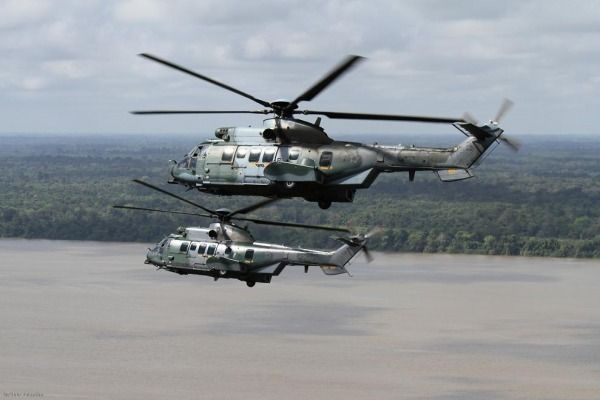
Among them is the 1st/8th Falcon Squadron.
The squadron has been flying rescue missions and providing support to riverside communities in the Amazon Jungle for over 50 years now.
I hope you have enjoyed this episode on Brazil’s participation in WWII. In the third and final chapter, I will discuss the battles our Air Force fought in Italy.
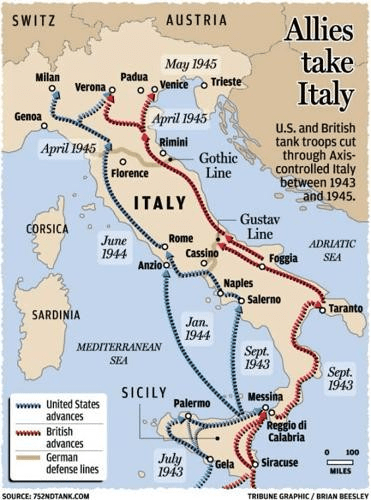
Following the Allies’ victory over the Axis forces in North Africa, British Prime Minister Winston Churchill persuaded the Americans to capitalize on the momentum and open another front, this time in the Mediterranean region. Churchill’s idea was simple: he wanted to open a second path towards Berlin, going through Italy. He assumed that invading and defeating Italy wouldn’t be difficult; he even referred to the country as ‘the soft underbelly of Europe’.
The campaign would also force the Germans to stretch their troops and supplies beyond the limits, fighting on 3 different fronts: France, Russia, and Italy.
The Italian campaign proved to be much more complicated than Churchill had previously thought. Starting in 1943, other countries joined the fight, providing much-needed help to the Allies. Among those nations, there was a South American country that, until then, considered itself ‘neutral’, Brazil.
Getulio Vargas
At the outbreak of the war, Brazil faced a tough decision: President Getúlio Vargas, a Nazi sympathizer, was from Rio Grande do Sul, a southern state with a massive number of German and Italian immigrants. During his rule, he established strong economic links with Germany. Additionally, Vargas was a dictator who took power in 1937, further complicating the situation.
But Vargas wasn’t a fool. Uncertain if Germany would come out victorious at the end of the war, he declared Brazil a neutral state.
However, keeping Brazil neutral during wartime was easier said than done. The Royal Navy established a blockade that heavily restricted the German maritime trade, particularly after 1941. Depriving Brazil of an important customer of our raw materials.
But there was no lack of customers for our products. Soon, Brazilian ships became a common sight across the Atlantic, transporting badly needed goods, back and forth to England. Naturally, those vesels became a target to the Nazi U-Boat fleet. March 2, 1941, marks the first attack against a Brazilian ship, but it was only after a couple of ships were lost that Vargas was forced to declare war against Germany on January 15, 1942.
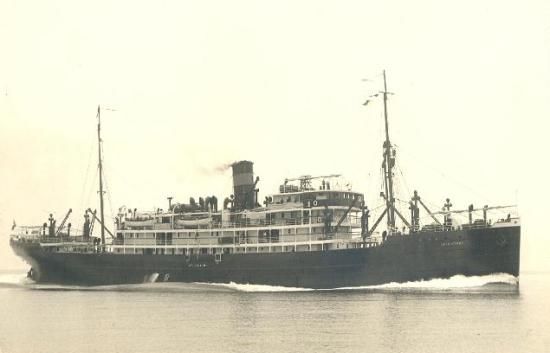
The picture above shows the “Araraquara”, which was sunk on August 15, 1942, by the U-boat U 507. A total of 131 lives were lost that day.
Declaring war was one thing, but actively engaging against the Axis forces was something entirely different. The Allies wanted a genuine commitment from Vargas, one that could only be achieved if the Brazilian armed forces were equipped with modern weapons.
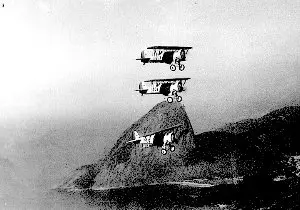
At the start of World War II, Brazilian fighter squadrons were equipped with the outdated Boeing P-12, shown here flying over Rio de Janeiro.
When World War II started, Theodore Roosevelt assured Americans that the U.S. would stay out of the conflict. However, recognizing the desperate need for aid among the nations fighting against Germany, his government introduced the ‘Land and Lease’ Act. Passed by Congress in March 1941, this law empowered the president to send war supplies, food, and equipment to any country considered “vital to the defense of the United States” during the war. It provided aid mainly to Britain, the Soviet Union, and China—without immediate payment—amounting to about $50 billion. This legislation also paved the way for the U.S. to supply weapons to Brazil.
Soon after Brazil and the USA shook hands on this deal, the Americans flooded our bases with new toys. Things like guns, jeeps, trucks, tanks, and airplanes.
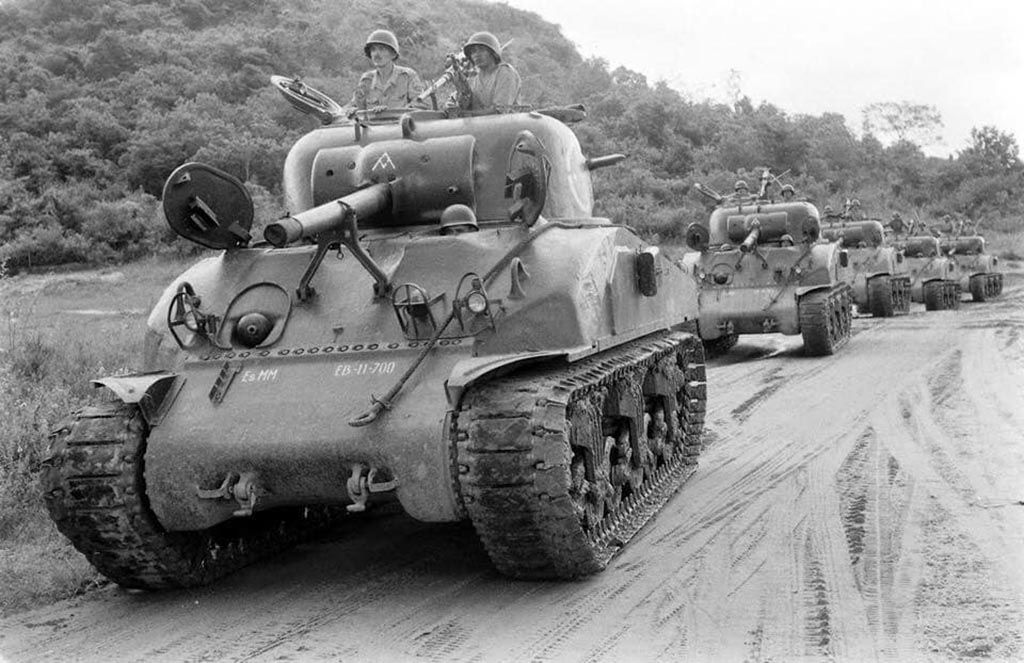
Brazilian Sherman tanks during practice. A few weeks before deployment to Italy.
The Smoking Snake
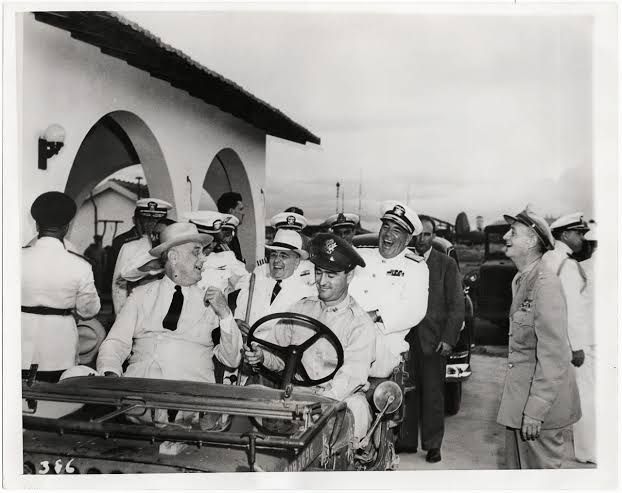
Just like any other dictator before and after him, anywhere in the world, Getulio Vargas was a shameless liar. He promised to send troops to Europe as soon as they were equipped with the new weaponry, but it didn’t happen. Although by 1943, the construction of an Allied base in Brazilian soil was already in full swing. The picture above shows Vargas (the guy in the white suit in the back seat) having a laugh with Theodore Roosevelt, during a visit to the Parnamirin Air Base construction site.
By 1944, the time for the Brazilian president to fulfill his promises had finally come. The Italian campaign proved much harder than Churchill had predicted; the fierce German resistance and the harsh environment imposed an unimaginable strain on the Allied troops. The Allies needed reinforcements as soon as possible.
Vargas delayed the decision to send the troops as much as possible, and at some point, the population and the media were also convinced it would never happen. One reporter from a big Brazilian newspaper once said, “I think I’m going to see a snake smoking a pipe before I see a Brazilian soldier at war”.
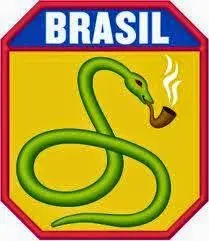
As a humorous answer to the reporter, an Army soldier drew a picture of a smoking sneake. The picture became famous among the military, and what was initially just a joke evolved into something serious. The original drawing was a bit crude, and the Walt Disney Studios created a more refined version (pictured above). Without hesitation, the Brazilian Army adopted the symbol as the official insignia of the Brazilian Expeditionary Force.
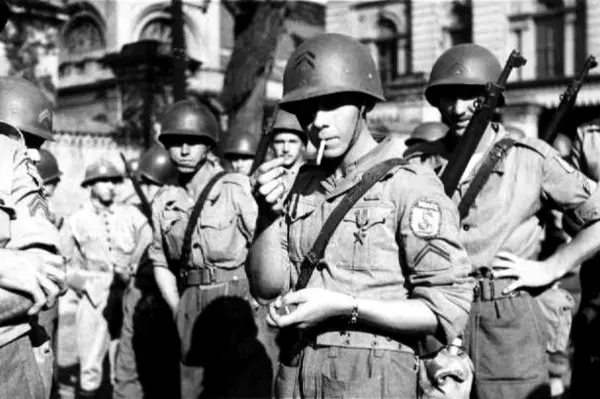
On July 16, 1944, the first wave of 5075 “Smoking Snakes” arrived in Naples, Italy. The deployment was completed over the following months, involving a total of 25,000 personnel. Way less than the 100,000 Vargas had originally promised.
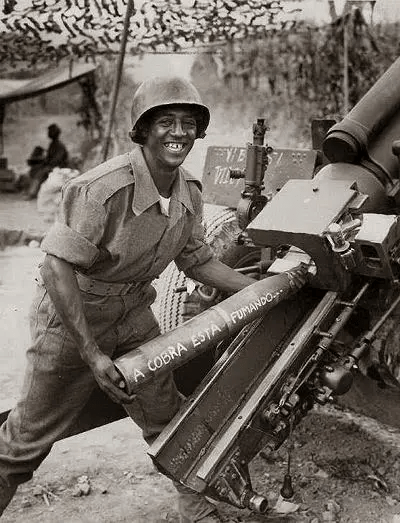
A happy Brazilian soldier shows the message written on an artillery shell: “The snake is smoking…”
The Brazilian Expeditionary Force was part of a massive coalition of allied nations in an effort to open a corridor through the Italian mainland all the way to Berlin. The Nazis knew very well the importance of keeping that door shut at any cost, and both sides fought fiercely. As a result, the Italian campaign was one of the bloodiest of the war.
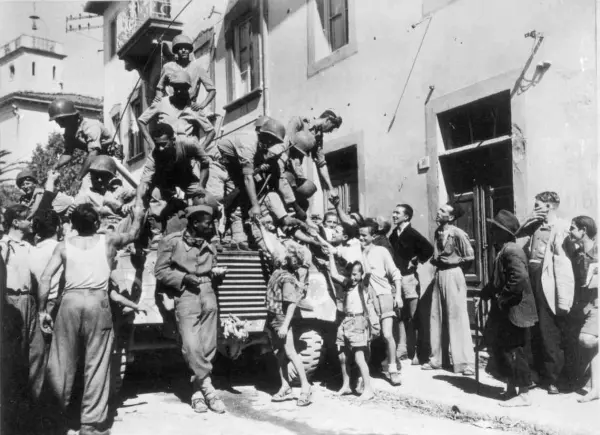
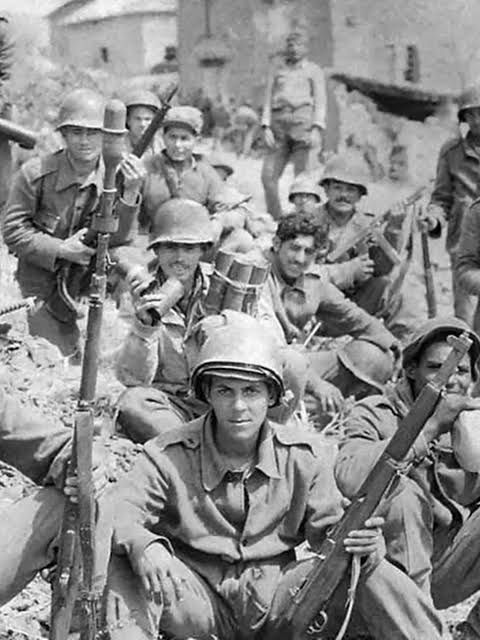
A considerable number of Brazilian soldiers were of Italian descent, which made the effort to liberate the country from fascism even more meaningful. They helped liberate cities like Massarosa (pictured above), Monte Plano, and Monte Castelo.
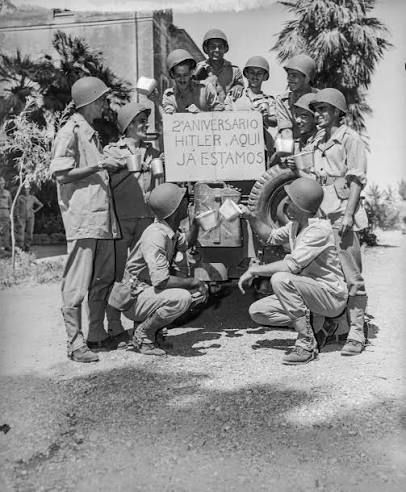
Brazilian soldiers holding a message to Hitler during the celebration of the country’s second year of the declaration of war: “We are here.”
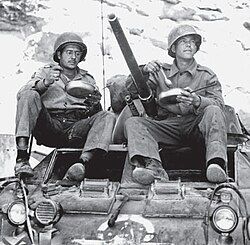
The Brazilian Expeditionary Force had a brief participation in the Italian Campaign, from September 1944 to May 1945, but they often faced the thick of the action.
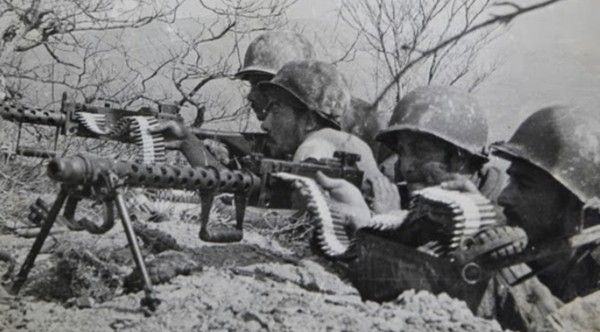
The inexperienced Brazilian soldiers fought head-on against ferocious German forces determined to hold their position in battles such as the one to liberate the city of Montese. (pictured above).
“No matter how many lands I travel God, don’t let me die Without returning home Without carrying my chevron This V that symbolizes The victory to come.“
-Excerpt of the Expeditionary’s song.-
“Only the dead have seen the end of war.” George Santayana.
Brazilian soldiers arriving in Rio de Janeiro after the war.
At the conclusion of the war, approximately 1200 Brazilian personnel from the army, navy, air force, and merchant navy lost their lives in combat. Their courage will be forever remembered not only by Brazilians but also by Italians.
In the next chapter, I will tell the fascinating story of Parnamirin, a massive air base the Americans built in Brazil, and its vital role in the Allied victory.
You don’t need to be a fanatic petrol head to know some of the iconic sports cars from the past. Even the most casual car guy can identify a Porsche 911, a Shelby Cobra, or a Ferrari GTO.
If we push the knowledge of this casual enthusiast a bit further, he might recognize a Jaguar E-Type if he sees one on the street. After all, this is the car that, allegedly, Enzo Ferrari described as “the most beautiful car in the world.”
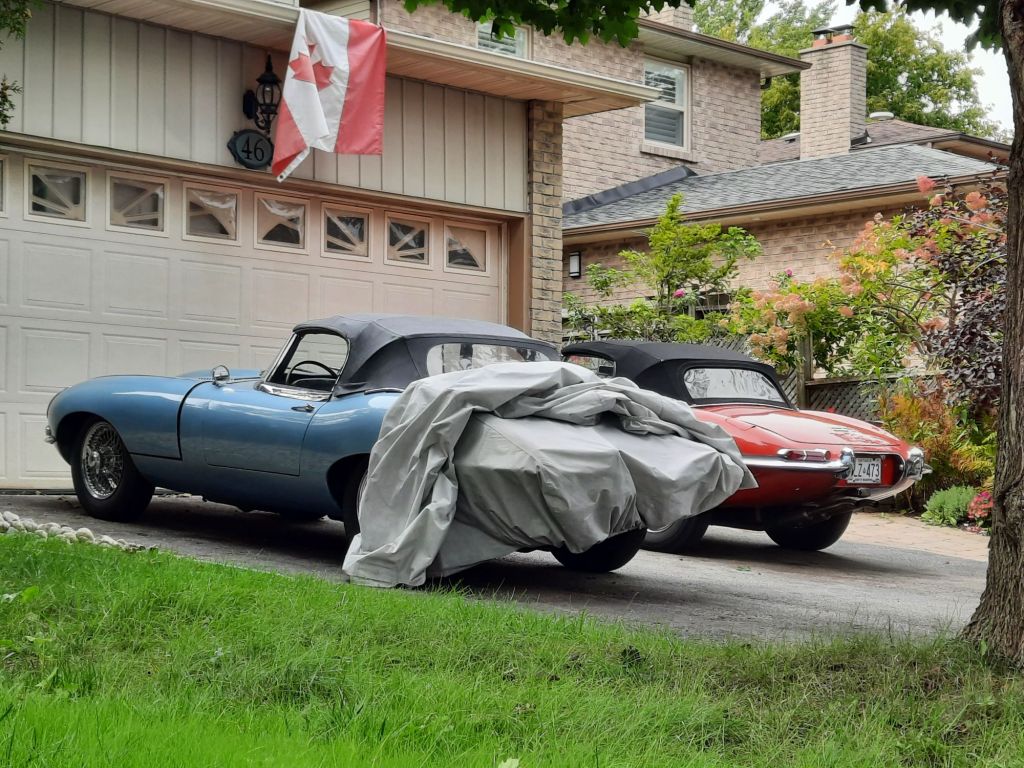
I took this picture in September 2021, when I was living in Markham, ON. What caught my attention was the fact that it is not every day you see not only one but two convertible E-Types, parked side by side, on the same driveway. Who is this guy? Is he (or she) so passionate about the E-Type that owning one wasn’t enough?
Exploring the car’s mythology helps explain why enthusiasts are so passionate about it.
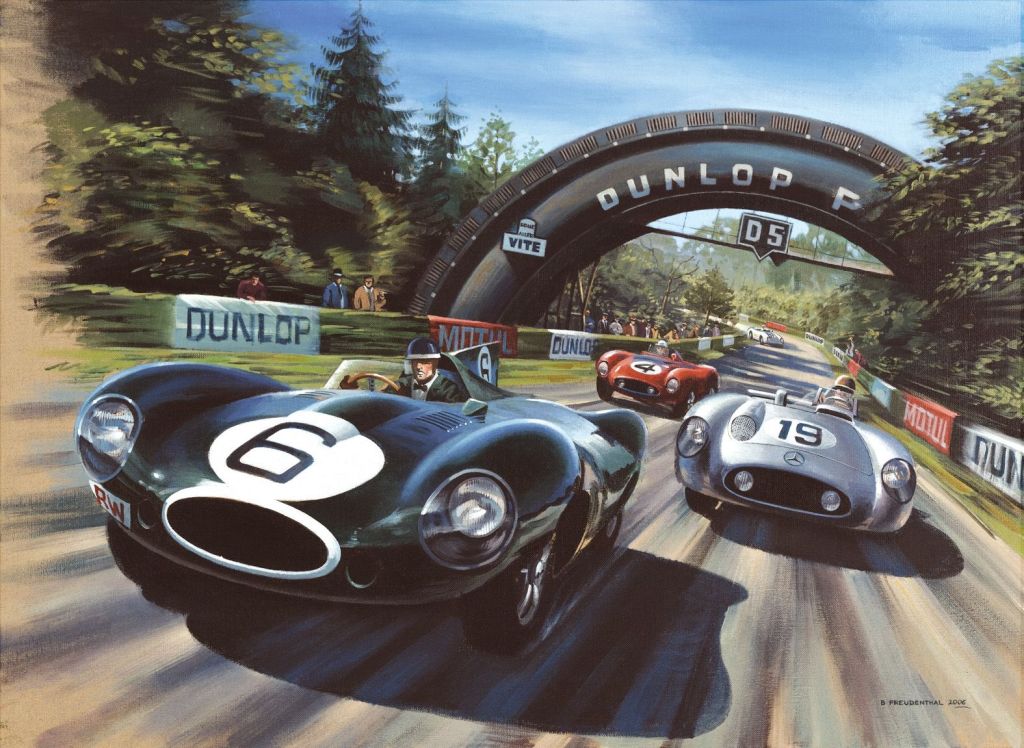
A beautiful painting depicting Mike Hawthorne winning the 1955 Le Mans, at the wheel of his Jaguar Type-D. Behind him is Fangio. https://www.flyandrive.com/index.php/en/
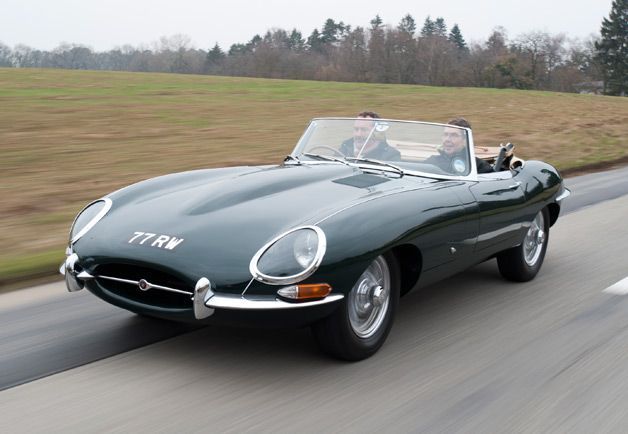
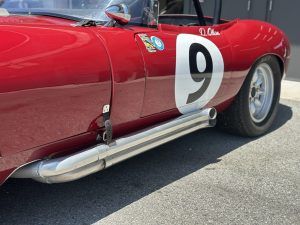
The E-Type is much more than a pretty face. The car was heavily based on the Jaguar Type-D, the brand’s official race car, which won Le Mans in 1955, 1956, and 1957.
The E-Type debuted in 1961, bringing revolutionary racing features to passenger cars, such as unibody construction, independent suspension on both ends, and disc brakes on all four wheels. The first generation was equipped with a 3.8-litre inline-six engine, fed by three SU carburetors, delivering 265 hp (198 kW). This enabled the 1350 kg vehicle to reach a top speed of 240 km/h, and the whole package came at a very competitive price. No wonder the E-Type became a success all over the world.
In 1964, Jaguar increased the engine’s displacement to 4.2 liter, with the same power output but a bit more torquey.
In 1971, Jaguar adopted a few changes to make the car appealing to a broader customer base. The last version of the E-Type offered a longer wheelbase, a 5.3 V-12 engine, automatic transmission, air conditioning, power steering, and fuel injection. Its last year of production was 1974.
Memories
When the subject is the Jaguar E-Type, there are two stories that always come to my mind. This is the first one:
In-line 6 vs V12
Back in the early 2000s, I was watching a classic car race at Road Atlanta, and there was a guy competing with a convertible E-Type. The sound of that in-line 6, coming out of the 6×2 straight pipes, was like a beautiful symphony. At the end of the race, I went to talk to the guy, and I asked him why he chose the 6-cylinder car instead of the V12.
“The car was designed to be powered by an in–line 6. The V12 was just a marketing tool. The 6 cylinder E-Type is a much better car on the racetrack.” He answered.
Judging by how fast that Jag was, he was absolutely right. I thanked him for the interesting lesson and left. It is sad I didn’t take a picture of the car and its owner.
This is the second one:
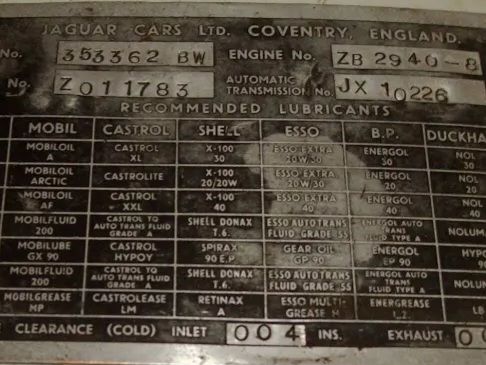
The trim tag.
In 2014, I had the privilege to work for Phoenix Studio, one of the most prestigious restoration shops in Brazil at the time. During my one year there, I had the chance to see quite a few E-Types stripped to bare bones and confirm that the car does look like a race machine.
On one occasion, I was reviewing the parts list to be ordered from the UK for an E-Type, when a colleague came to me and said he had found a guy in town who could reproduce the car’s trim tag for a fraction of the OEM price. We ordered the tag, and when it arrived, we were surprised by its quality. It was a real work of art, but there was a minor mistake that forced us to refuse it: the artist misspelled the name of the city, writing ‘Cofentry’ instead of ‘Coventry’.
You get what you pay for, I guess. Anyway, we decided to give the guy one more chance, and the second tag arrived without any flaws and was perfectly installed on the car.
I hope you have enjoyed this catch of the day. See you next time.
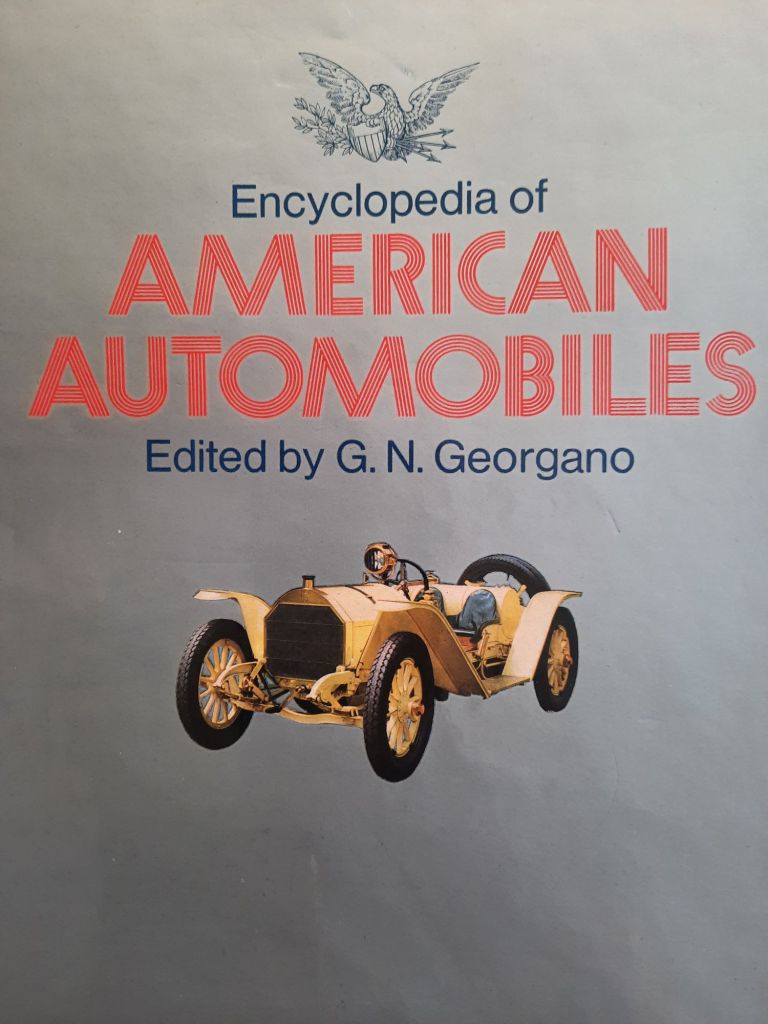
When we came to Canada in 2015, my wife attended Red River College in Winnipeg, which was an integral part of our immigration program. From time to time, the college library would donate unwanted and outdated books. One day, while going through a pile of those old books, Estela found this gem.
This is a 1971 edition of the Encyclopedia of American Automobiles, created and edited by G.N. Georgano. The book is an excerpt from a larger work, The Complete Encyclopedia of Motorcars, published in 1968. I believe that when the number of American and Canadian automakers became too many, Mr. Georgano was compelled to organize a separate book.
Estela, knowing the gearhead she has at home, happily grabbed the book and kindly gave it with me.
What a wonderful gift indeed.
Even after being part of the college library for 45 years, the book still holds up remarkably well. It’s in excellent overall condition, showing just a few signs of its long journey! Estela knew I would be delighted with this gift.
This book, judging by its cover, could be mistaken for a coffee table book, but it is actually a true encyclopedia. The author, after conducting extensive research, presented us with a comprehensive list of 1,640 American and Canadian makes of automobiles, spanning from the very first American car, built and sold by John W. Lambert in Ohio in 1891 to the release of the book in 1971.
The rise and fall of the American auto industry.
Flipping through the pages, the first thing I noticed was the massive number of American automobile brands that existed during the first two decades of the 20th century.
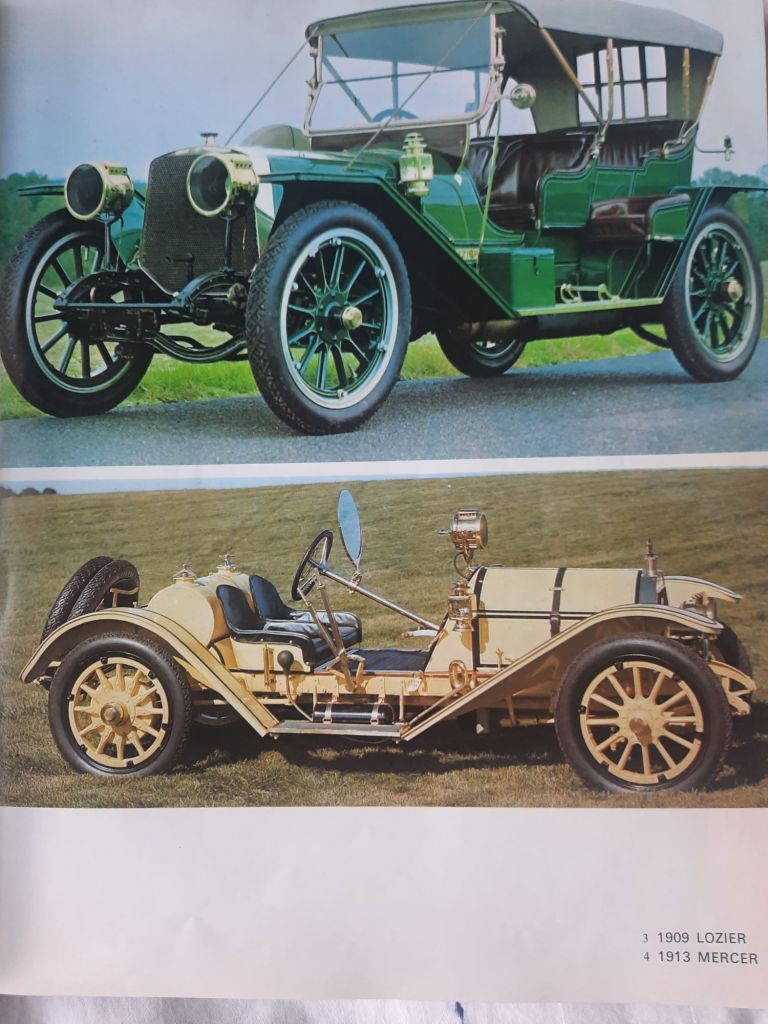
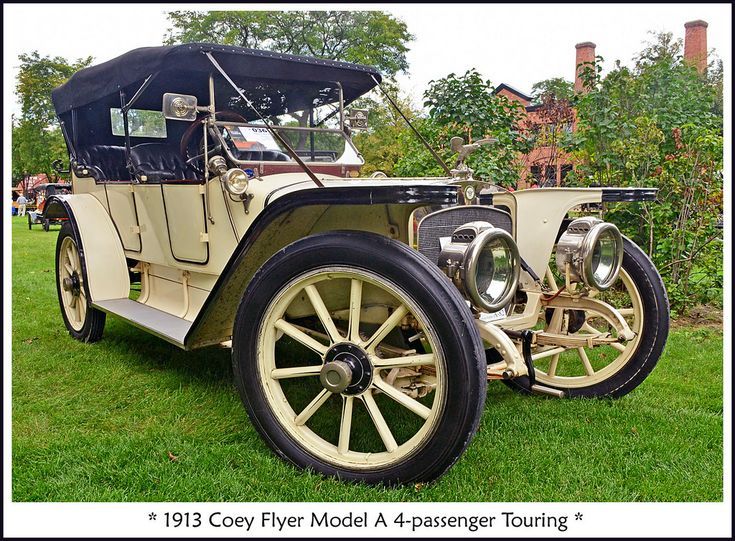
Most of those unknow brands from this period are not shabby horseless wagon with an engine strapped underneath the floor. The cars look fancy and extremally well built. Like jewels on wheels.
Perhaps, those small brands were relying on the American prosperity of those years, which seemed it would last forever.
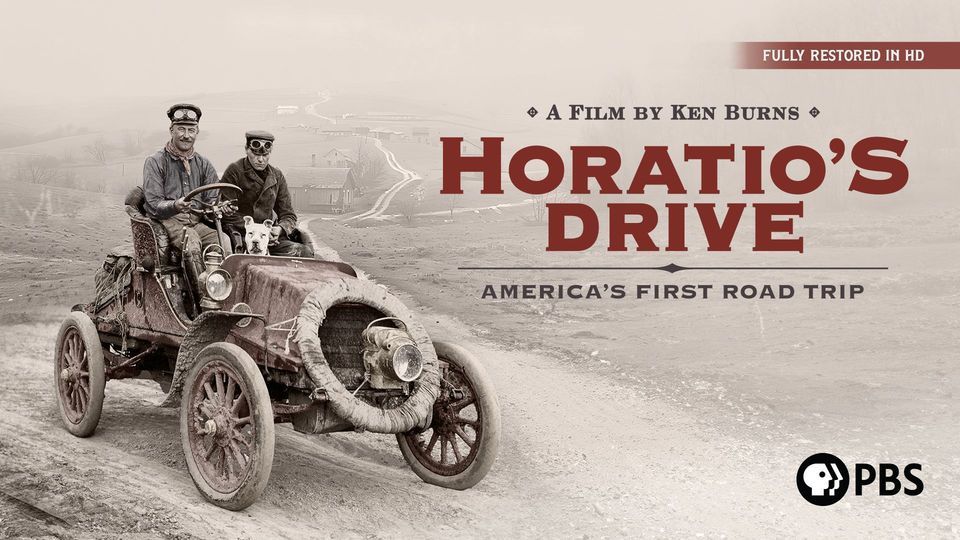
Another interesting brand I found in the book is Winton, the car chosen by Dr. Horatio Nelson Jackson for his 1903 US coast-to-coast trip. This epic journey is considered America’s first transcontinental road trip. Perhaps I shouldn’t call it a road trip since there were only 150 miles of paved roads in the entire country, all of which were within city limits. The adventure was featured in the fantastic 2003 documentary “Horatio’s Drive” by Ken Burns/PBS. It is a must-see.
The great depression of 1929 wiped out those low-production, luxury brands, leaving only the well-established automakers in the market.
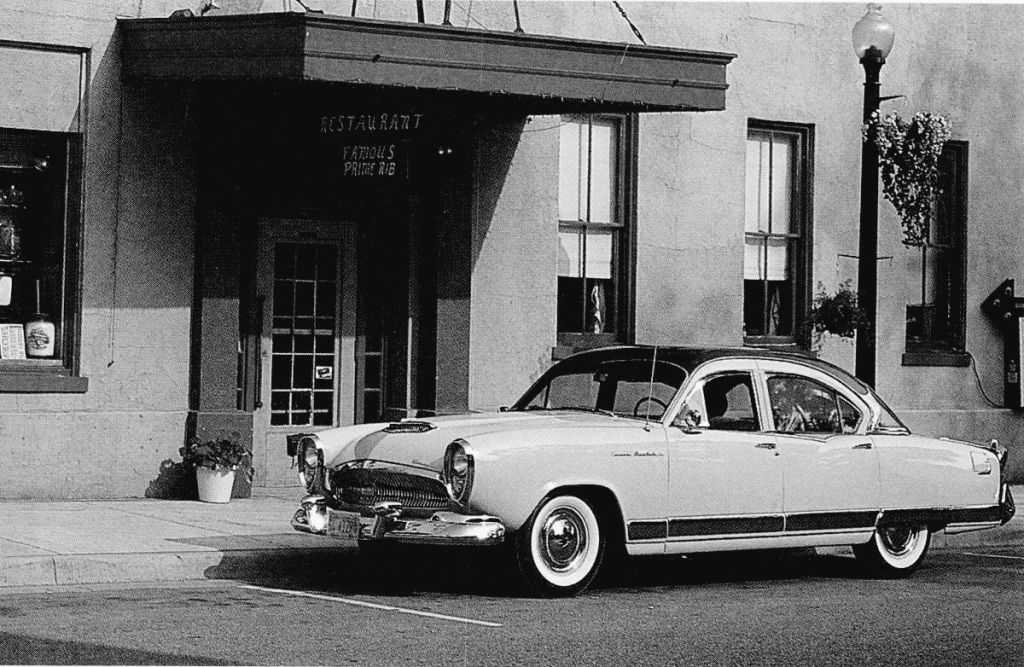
The following decades cemented the power of the Big Three, Ford, Chrysler, and General Motors, forcing smaller brands such as Hudson, Packard, Kaiser, and Willys to slowly fade into obscurity. Above, the beautiful 1954 Kaiser Manhattan.
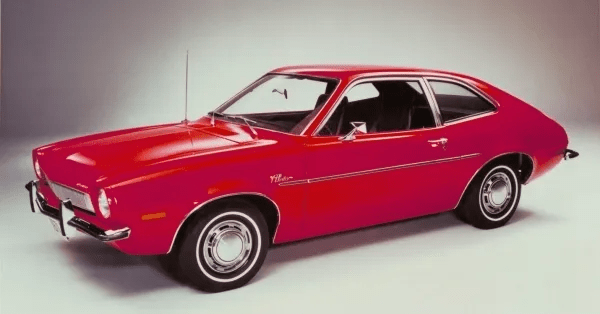
1971 Ford Pinto
The book concludes in 1971, just before the oil embargo crisis started. This was another major setback for the mighty American auto industry, paving the way for Asian cars to enter the market. A wound on the domestic automakers that never healed.
The Era of Books
Old-timers like me will recall a time before the Internet, personal computers, and smartphones. If you wanted to learn about a subject—whether driven by curiosity or a school project—you would need to visit your local library and explore books and newspapers.
The encyclopedia, in general, made our lives easier. It collected only the necessary information to understand the subject, always accompanied by pictures, with the intent of making the study interesting. And that is precisely what this book does.
The access to information we have today is fantastic. Anytime and anywhere, we can find almost any information we need about nearly any subject, right in our pockets. A book like this is a thing of the past, and flipping through its pages is a nostalgic trip back in time. I am so happy it now belongs to our modest library.
Our Brazilian correspondent, my cousin and good friend, Sérgio Devens Florentino, visited a very traditional classic car gathering in Brazil, Opalapa.
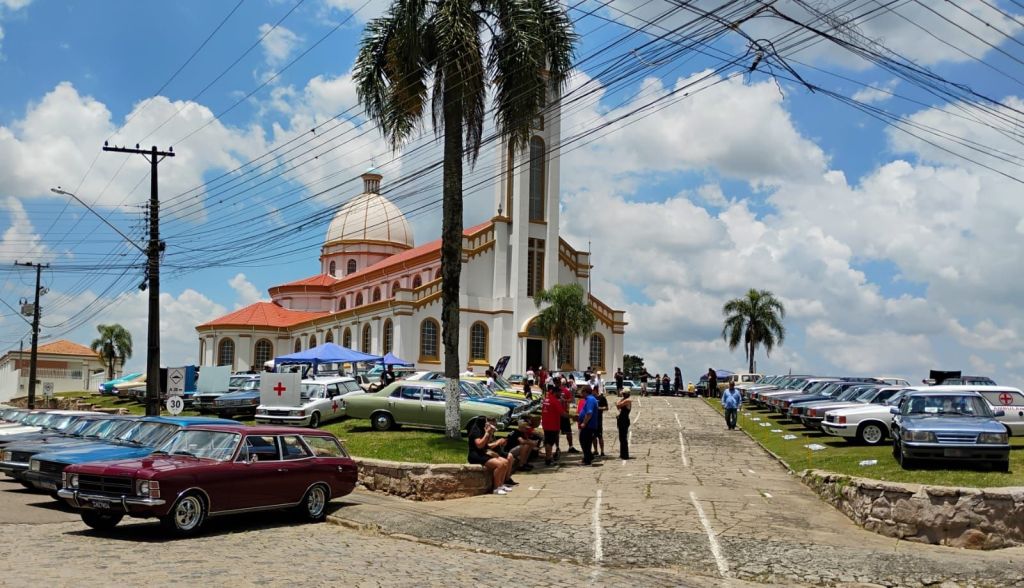
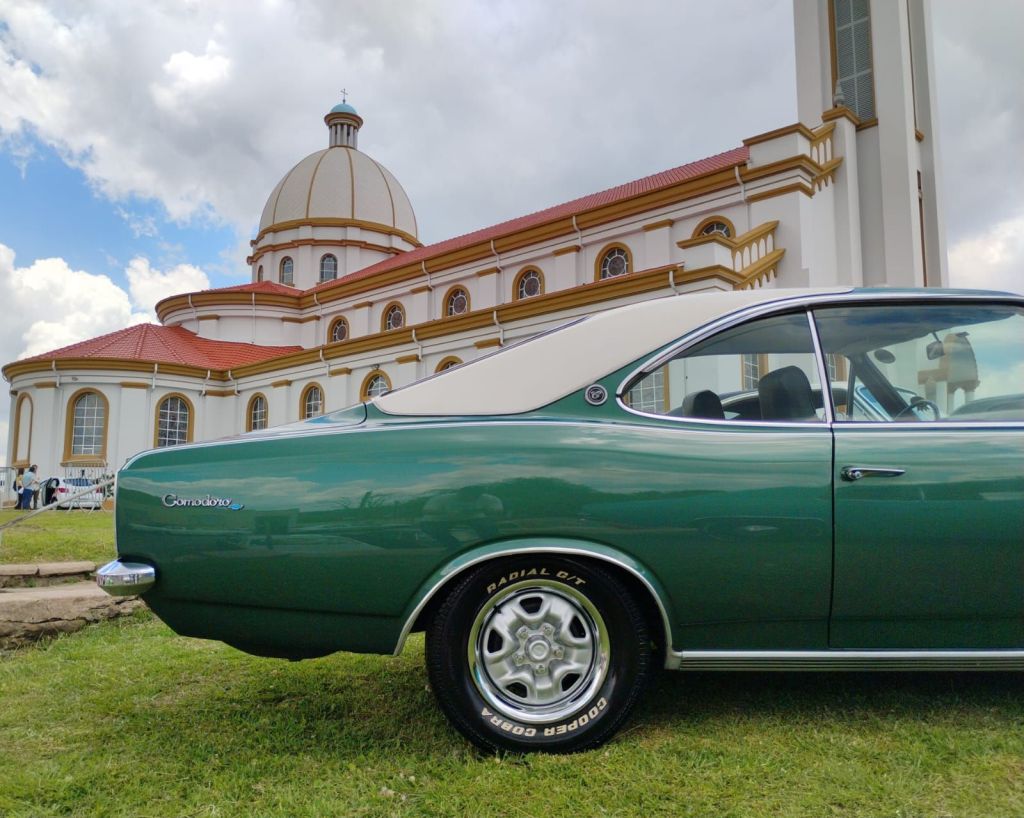
St. Anthony Parish Church. – Lapa, PR. The construction of the church began in 1769 and was completed in 1784.
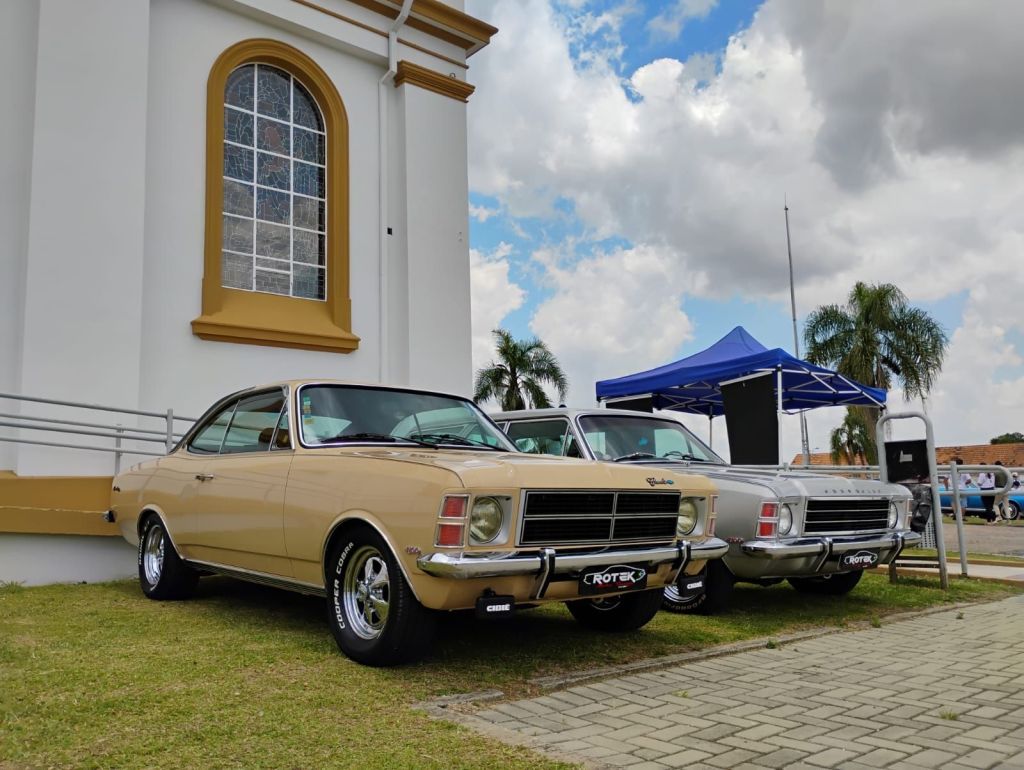
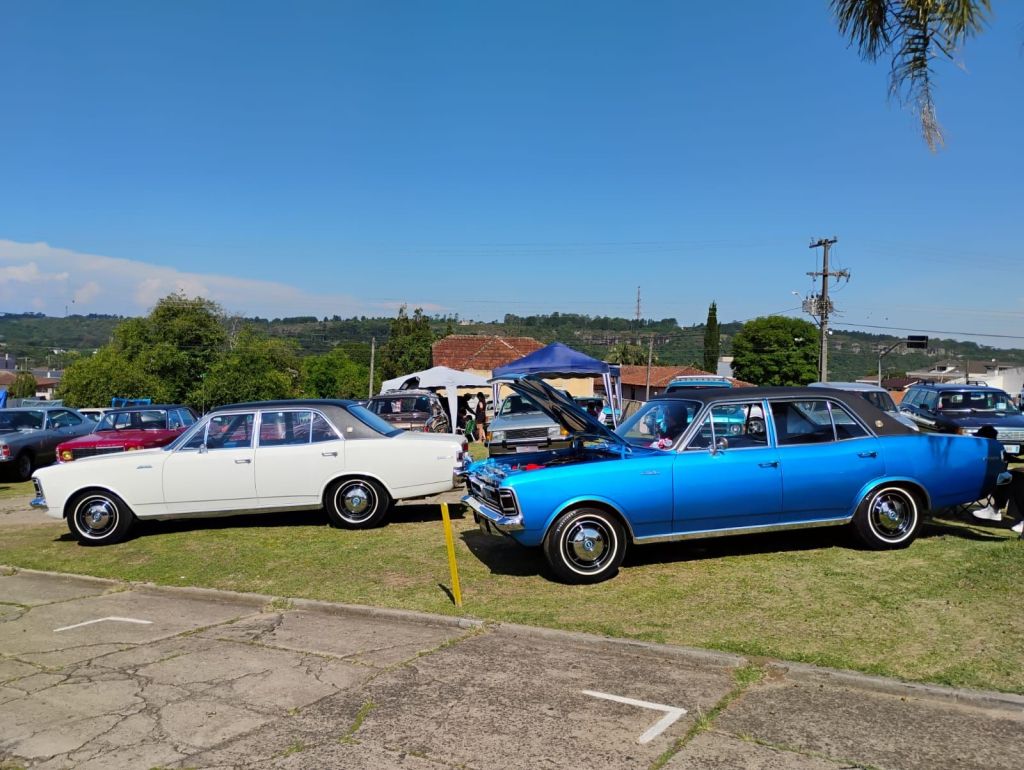
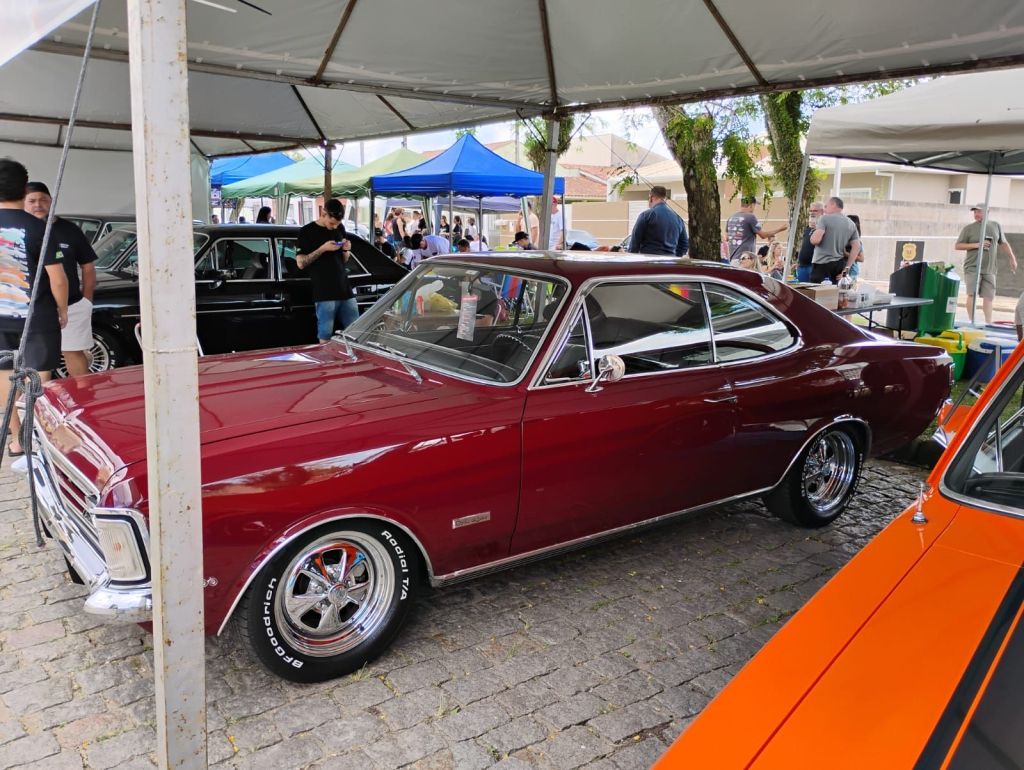
The Opalapa is dedicated to the most beloved car produced in the country, the Chevrolet Opala. The 2025 event, the 12th edition, occurred on November 22-23, drawing hundreds of these iconic Brazilian classic cars for a weekend of “Opala Therapy.” The event takes place in the city of Lapa, in my home state of Paraná.
The monument celebrates the 100th anniversary of the railway connecting Lapa to the state’s capital, Curitiba.
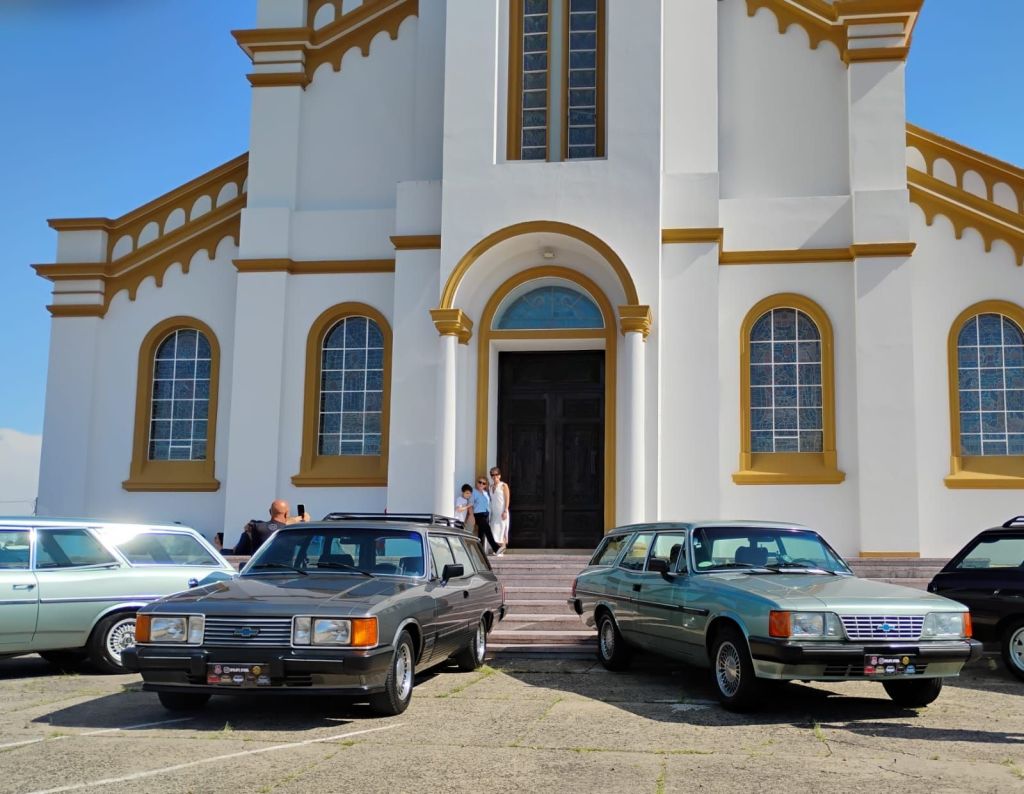
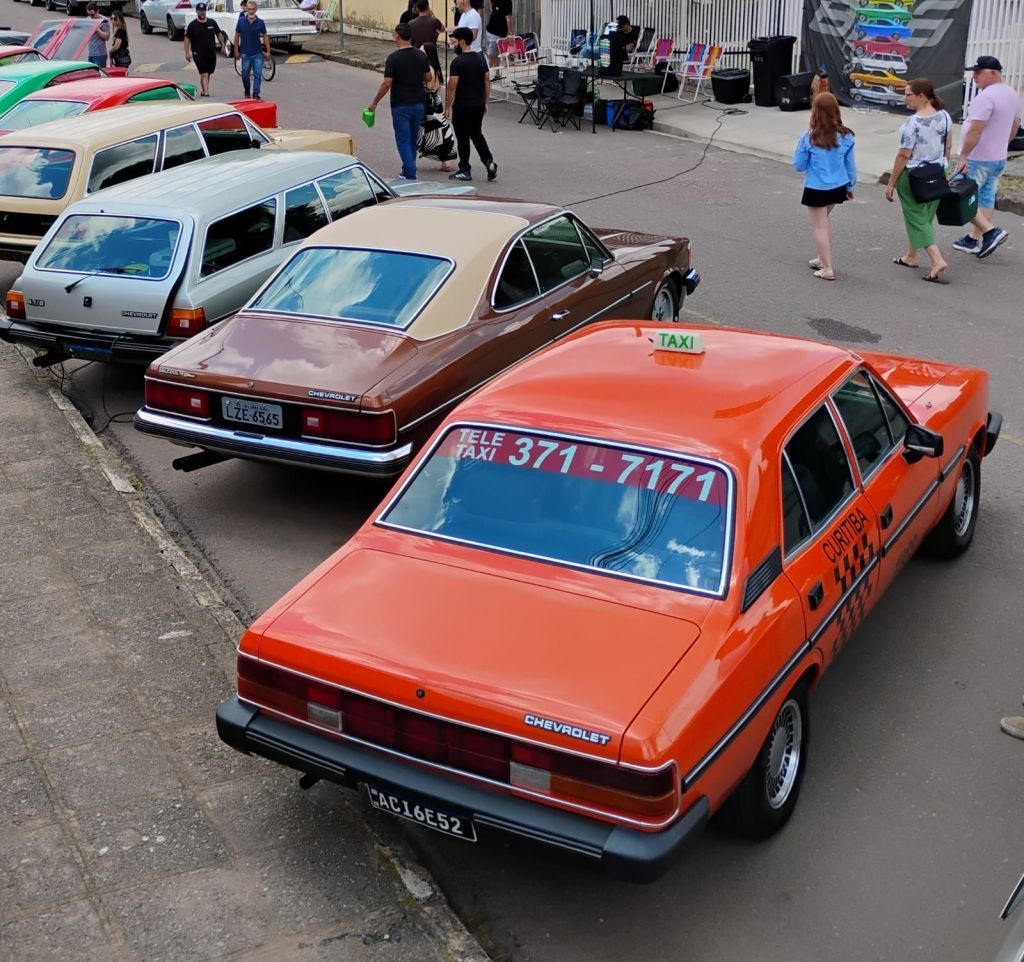
The cars were beautifully displayed on the church’s grounds and in the surrounding streets.
The event’s name, Opalapa, is a mash-up of the names Opala and Lapa.
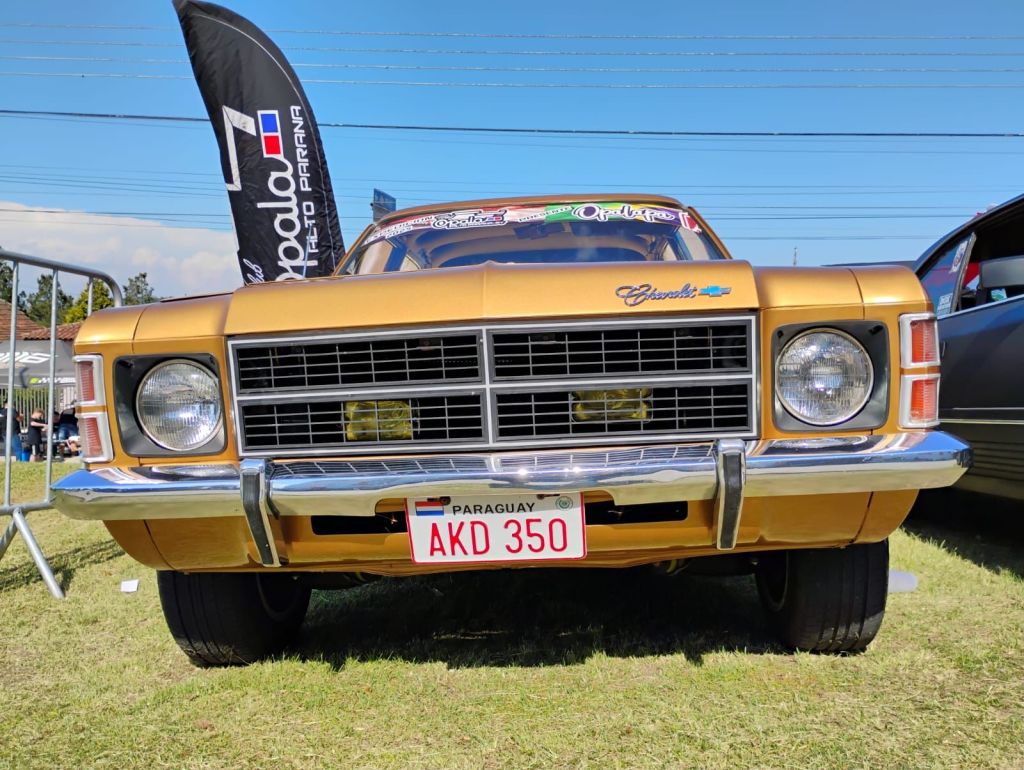
Representatives of neighboring countries were also there.
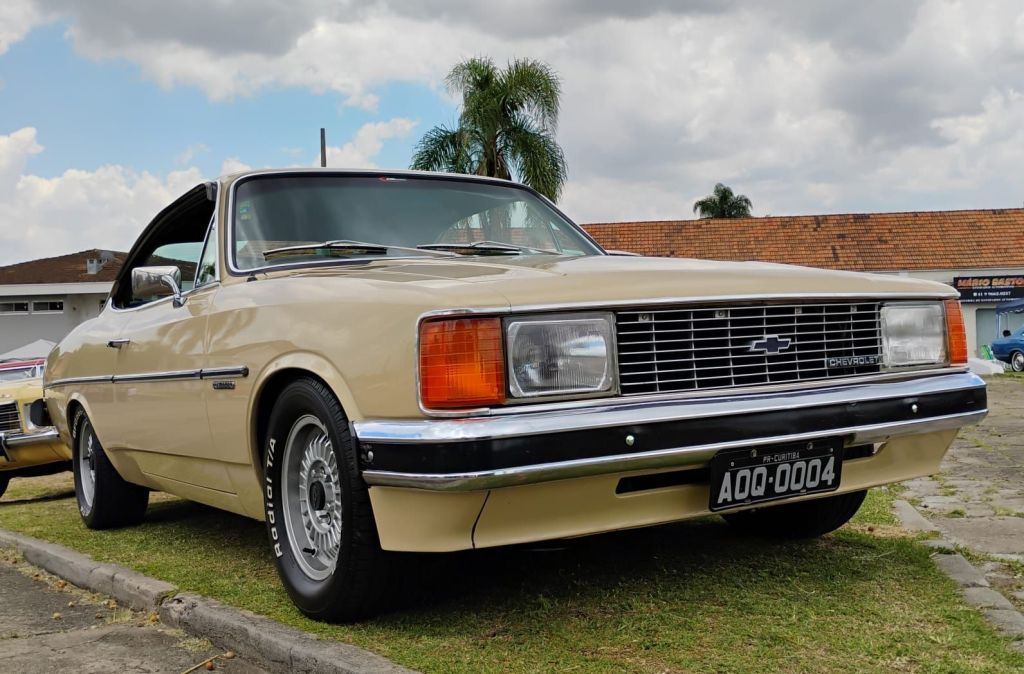
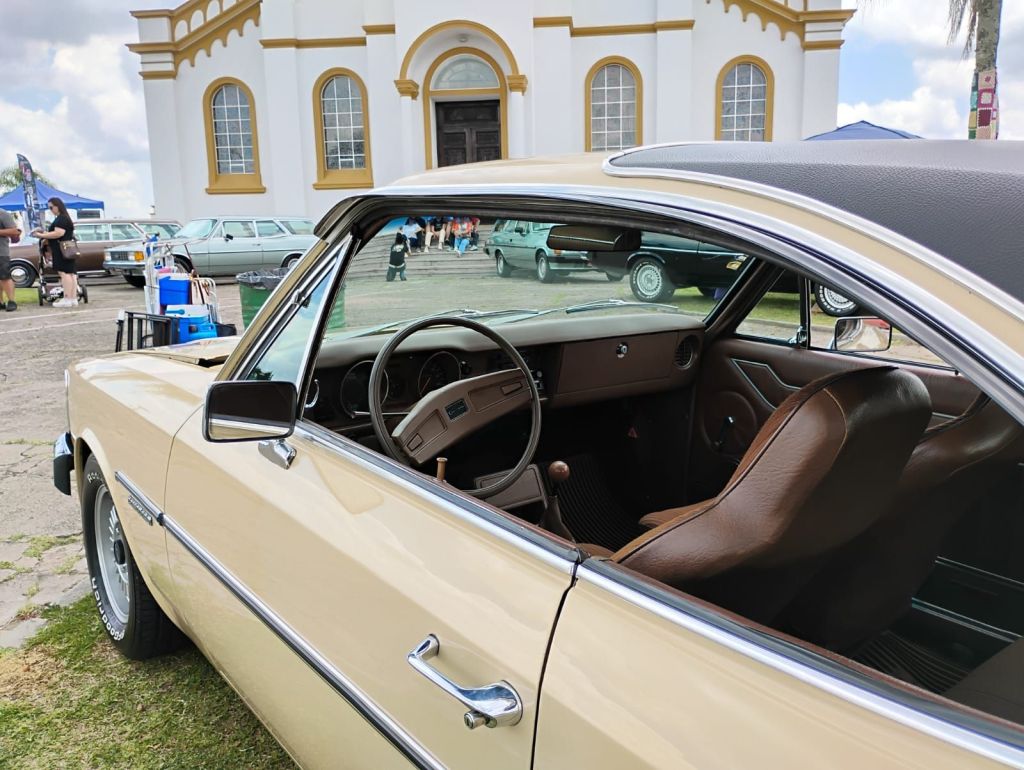
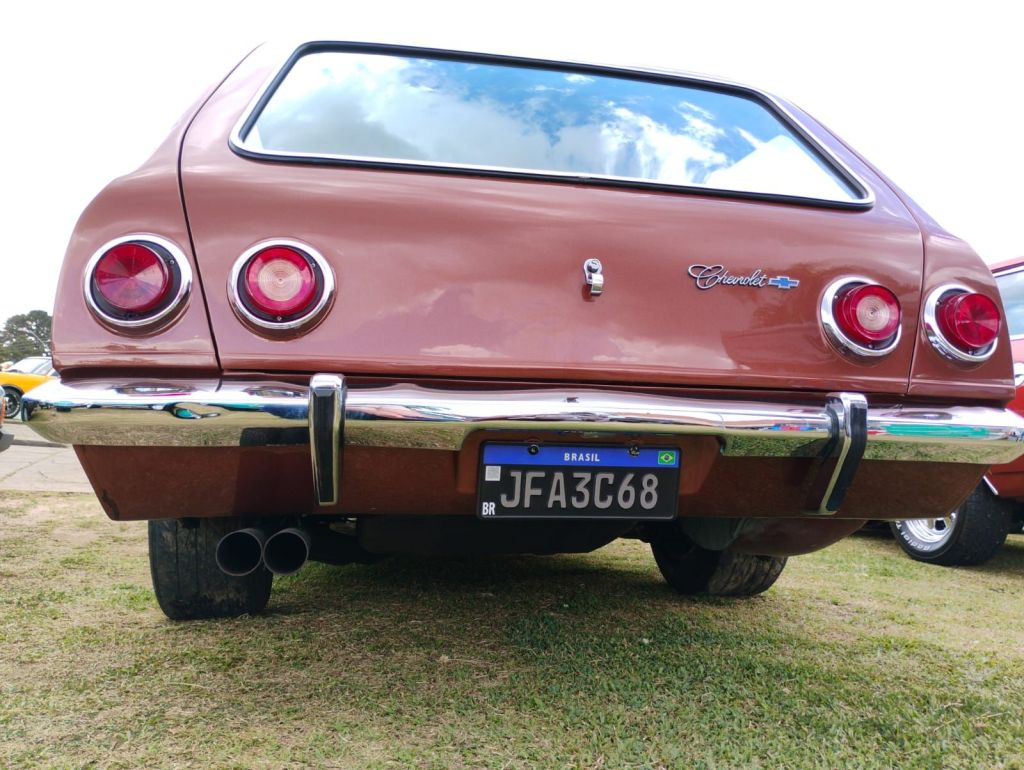
The 1980 Comodoro version features the stylish half-roof vinyl top.
The “black” license plate, intended for collectible classic cars. To apply for one, the car must be at least 30years old and retain a minimum of 80% of its original equipments.
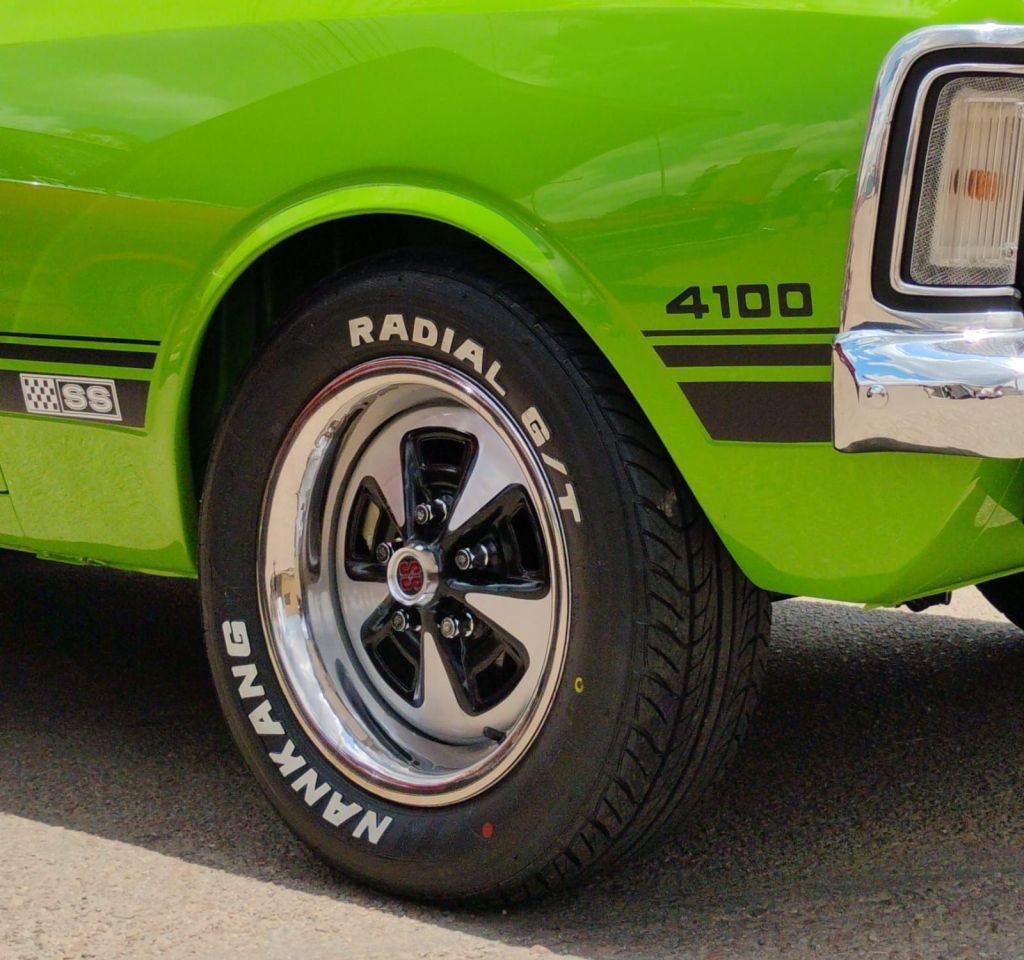
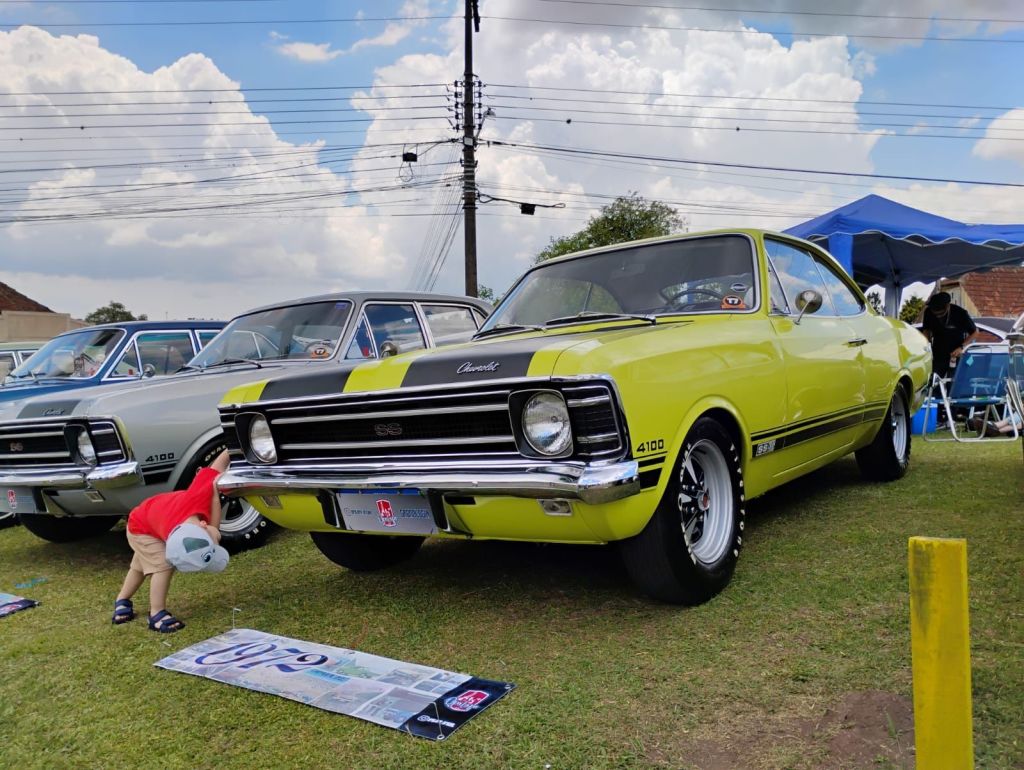
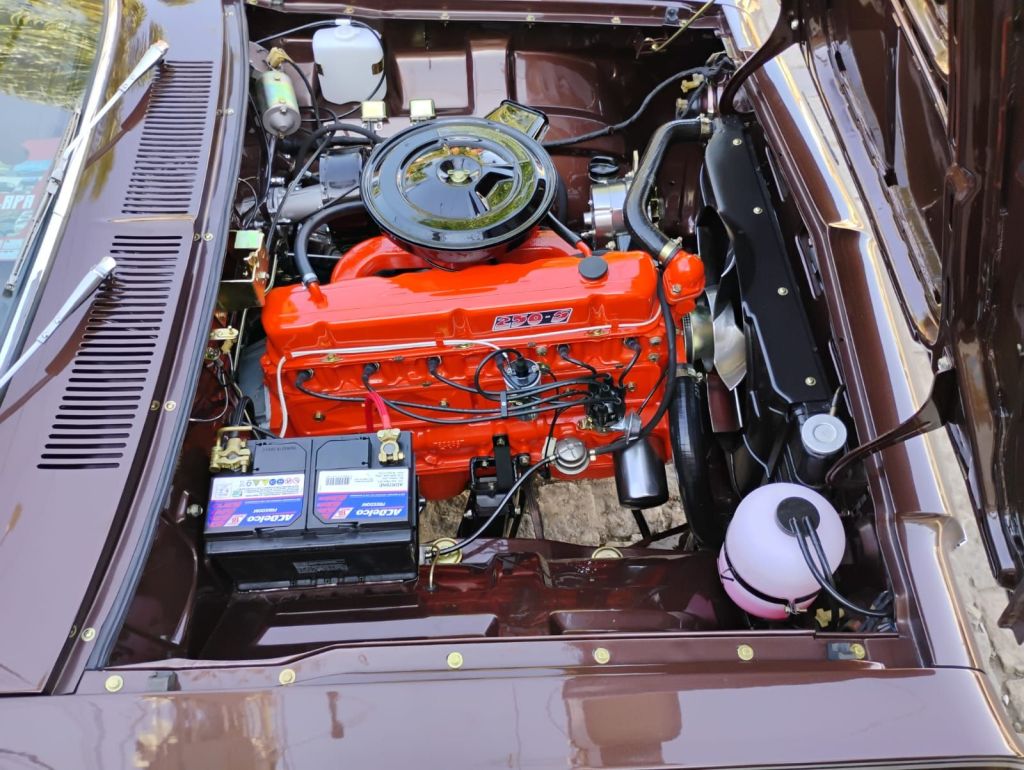
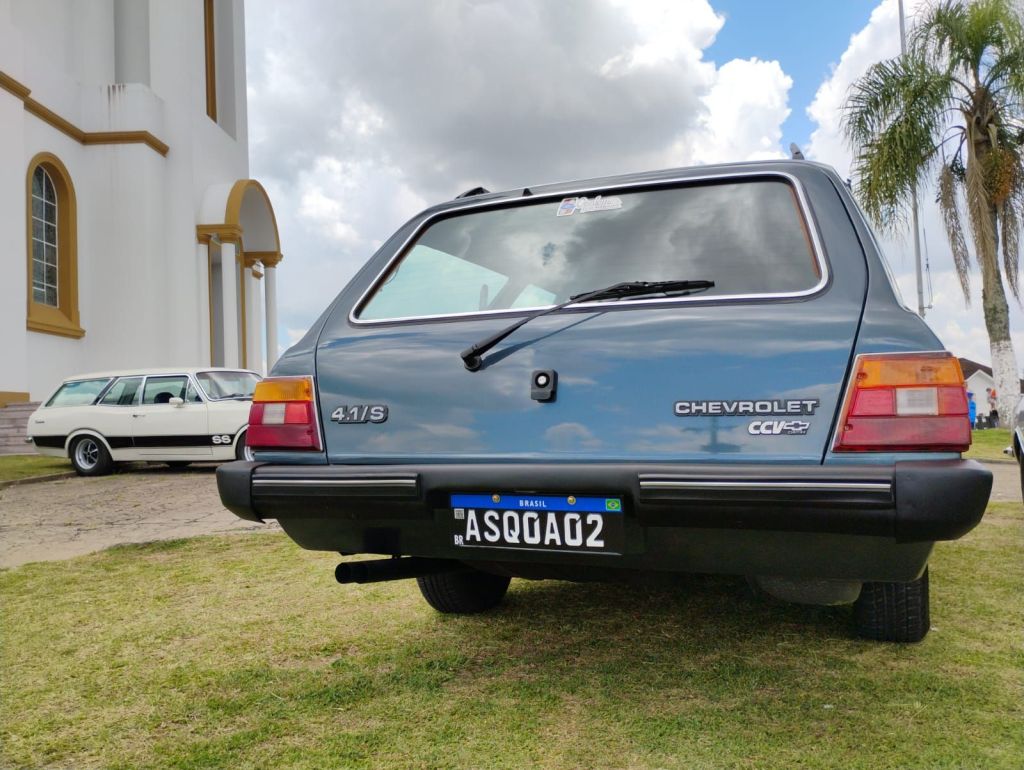
A SS Opala, equipped with the 4100cc (250 CID) in-line 6 engine.
The Chevy Opala was produced from 1969 to 1992, in three versions: 4-door sedan.
The two-door station wagon, called Caravan.
And the coupe fastback.
The SS version is the most desired among collectors.
All the beautiful colors from the 1970s.
In the 1980s, the dull colors dominated the scene.
Chevy never built the UTE version of the Opala, but someone did.
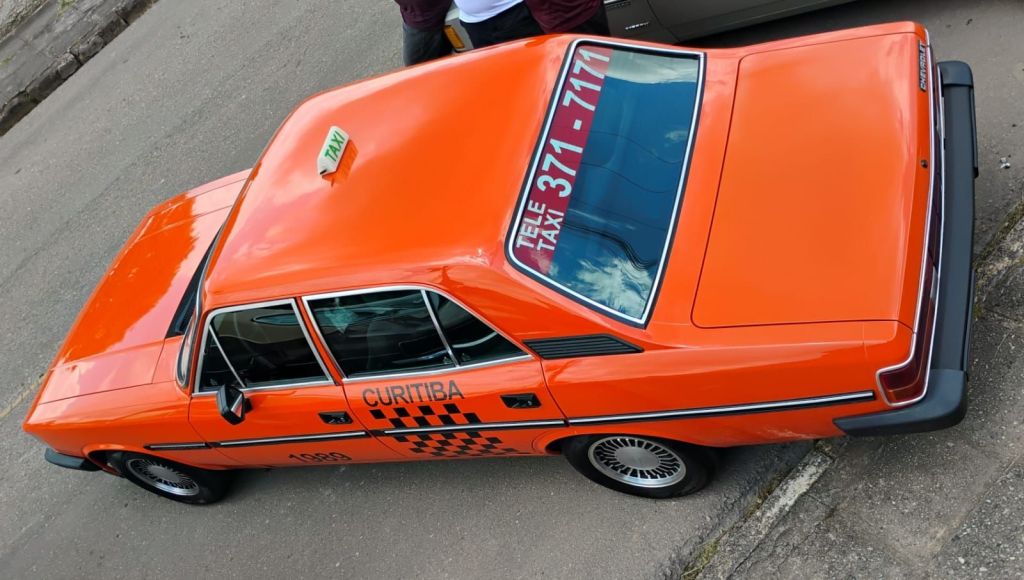
The official livery of taxi cabs in the City of Curitiba – PR
If I am not mistaken, this is the Paraguay’s flag.
The Opala was based on the Opel Rekord. The original German car was equipped with some not very inspiring engines, 1.5L, 1.9L four cylinder and 2.2 in line-six.
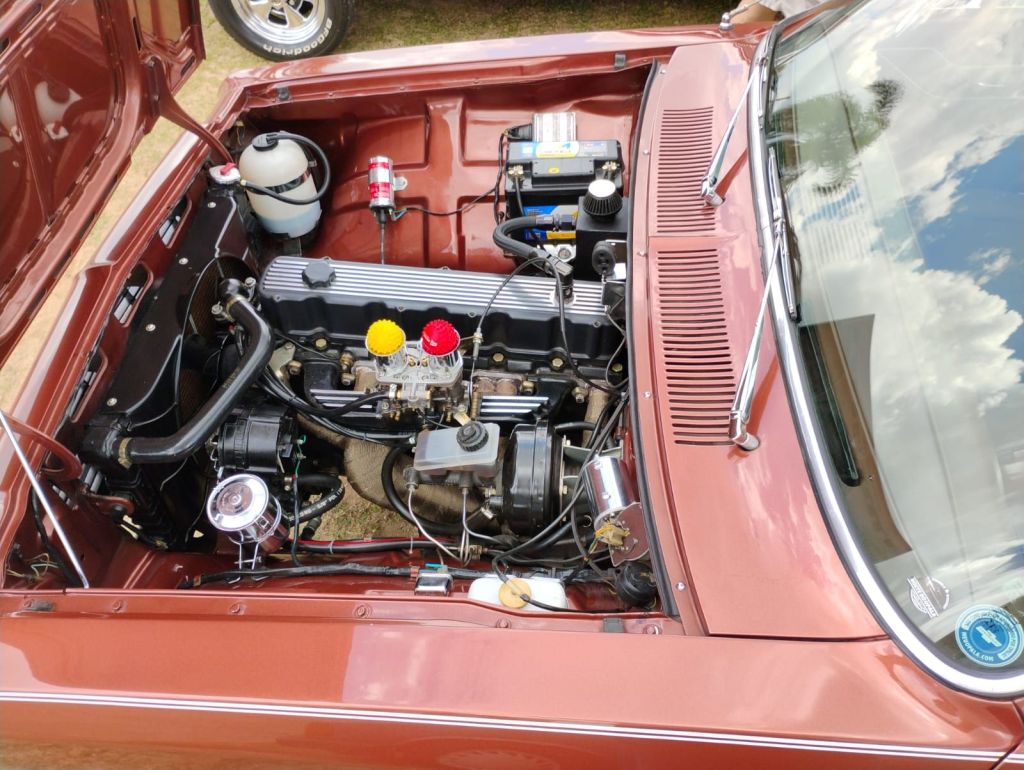
A spiced-up Chevy 250 CID
Brazilian Chevy followed the mantra: “There is no replacement for displacement” by the letter. The German engines were dumped, and the Opala received the much more powerful American engines: the 2.5L Iron Duck 4 cylinder and the 4.1L inline-six.
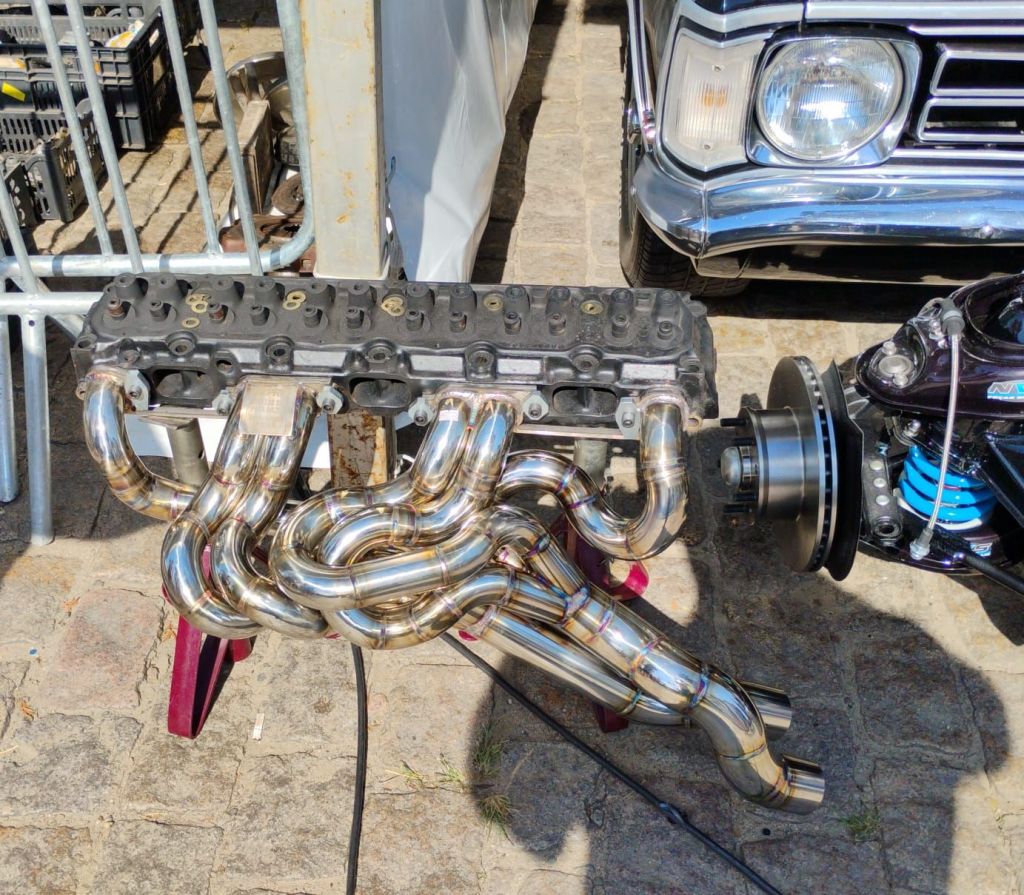
Those engines gave the Opala a zesty performance. The car had (and still has) a brilliant racing career in Brazil, prompting aftermarket companies to produce a wide variety of high-performance parts, like this beautiful stainless steel header.
The top of the line -Gran Luxo–
The organizers displayed one example of each year of the Opala’s production, side by side. You can check it out in the video below.
Every time Sergio sends me pictures of the classic car events in Brazil, it helps me to easy how much I miss my home country. I hope you have enjoyed it as much as I did.
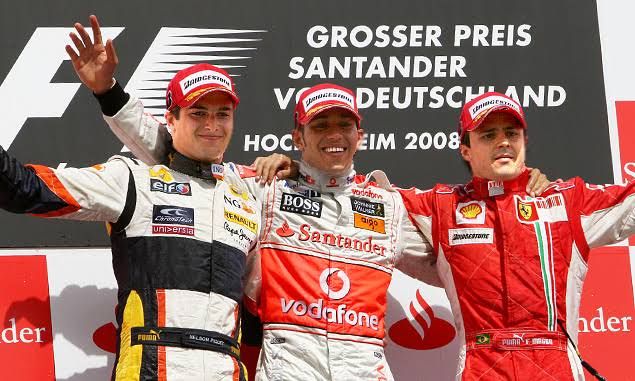
On July 20, 2008, the German Grand Prix, the 10th race of the Formula One season, was held at the legendary Hockenheim circuit. The exciting race showcased the mastery of the young Lewis Hamilton, who won the race, and also highlighted the promising rookie Nelson Piquet Jr., son of three-time world champion Nelson Piquet, who finished the race in second.
From left to right: Nelson Piquet Jr, Lewis Hamilton, and Felipe Massa.
Piquet Jr.’s first and only podium of his F-One career was more like an act of sheer luck than talent. He started the race in 17th place, and given the poor performance of the Renault cars that year, he had little prospect of scoring points in that race. At lap 35, he was brought to the pits for refuelling and fresh tires, which later on proved to be an incredibly well-timed decision.
Minutes later, Timo Glock crashed his Toyota (pictured above), forcing the safety car out. According to the 2003 rules, drivers were not allowed to proceed to the pits while the safety car was active. After the marshals cleared the debris and the safety car was called in, all the drivers pulled to the pits, leaving Piquet Jr. free to jump to P1. Hamilton, driving a much superior McLaren-Mercedes-Benz, overtook him with eight laps to go, but still, second place was a considerable achievement for a rookie, driving a shabby car.
The 2008 German GP was a welcome relief for a team starving for points. So far, the season had been a rough one for Renault.
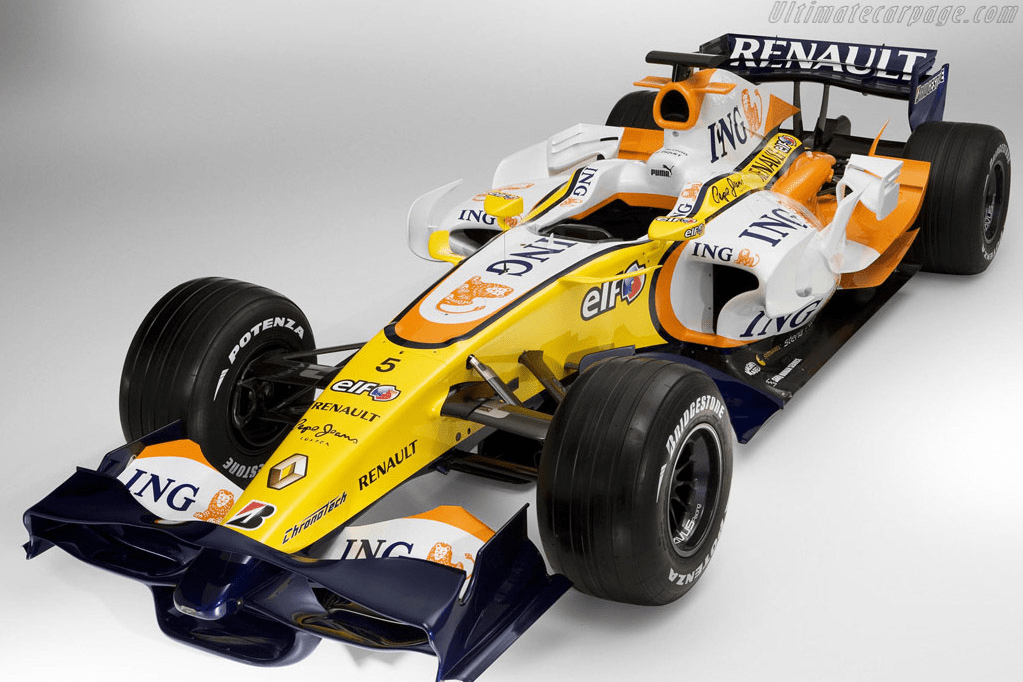
Renault
For the 2008 season, Renault unveiled the R28, a promising new car that ultimately fell short of its promises. It just couldn’t keep up with Ferrari and McLaren.
Fernando Alonso, the star driver who clinched two world titles for Renault in a row in 2005 and 2006, was struggling to stay in the midfield. For Nelson Piquet Jr., the situation was even more complicated; he was having a below-average season, plagued by too many mistakes. Besides all the pressure a rookie can face during his debut season, he also had the extra weight of carrying on the family legacy.
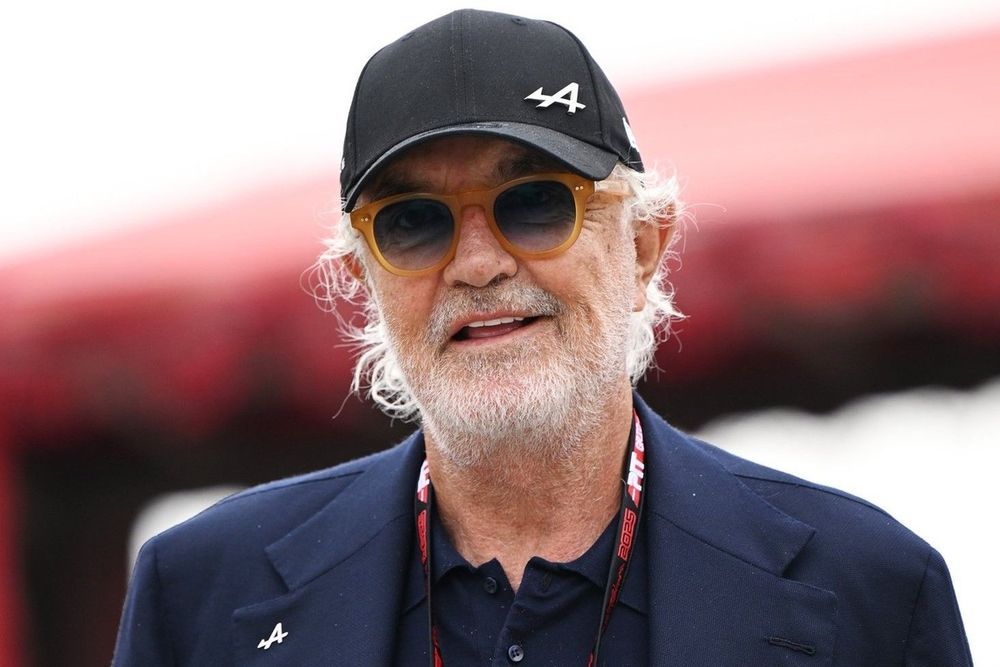
A Formula One team works like any other business. It must generate results to keep the sponsors happy. Renault’s principal manager, Flavio Briatore, was in a difficult position: he had to squeeze at least one victory in this season to keep Renault alive.
Briatore was a huge name in Formula One at the time. He was the guy who “discovered” Michael Schumacher and brought him to Benetton, during the time he managed the team from 1991 to 1997.
Briatore was a ruthless businessman with limited knowledge of F-One technology. He was known for his shady methods to get the job done and had been convicted multiple times of cheating during his career. In 2008, besides overseeing Renault, he also managed five drivers, including Piquet Jr.
Singapore Grand Prix – 2008
The 2008 Singapore GP was the 15th race of the season. It marked the first Formula One race to be held at night. City officials put on a spectacular show, with the Marina Bay Street Circuit beautifully illuminated. The race was intended to be one of the season’s highlights.
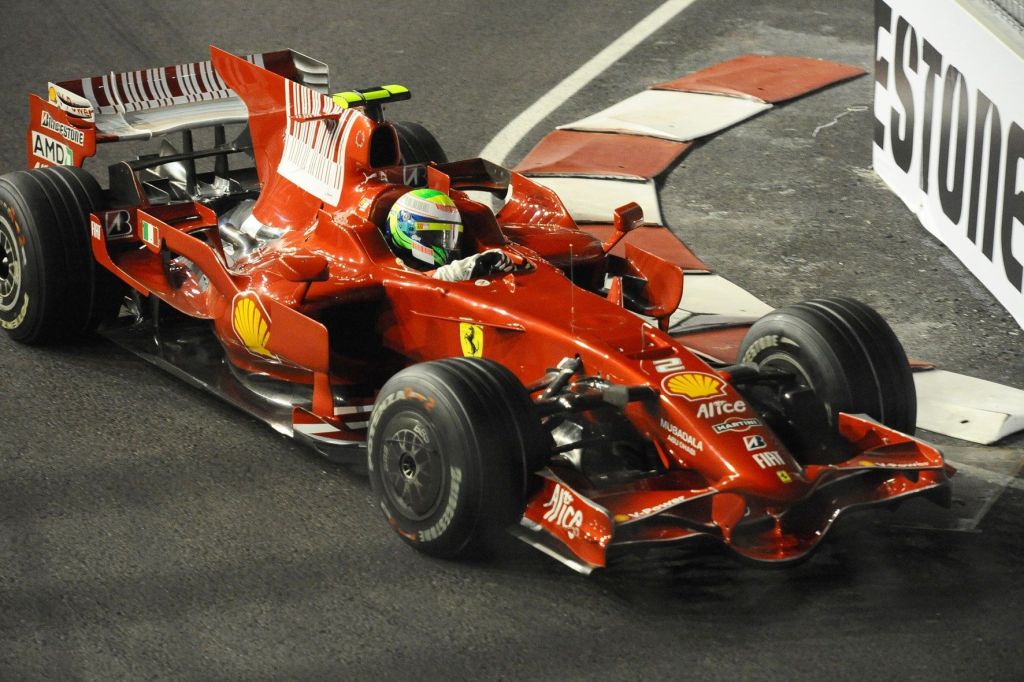
Massa, during qualifying. Singapore, 2008
Felipe Massa (Ferrari) qualified in pole position, and Lewis Hamilton (McLaren) started the race in second. The two drivers were fighting tooth and nail for the championship. Fernando Alonso qualified in 15th, and Piquet Jr. in 16th.
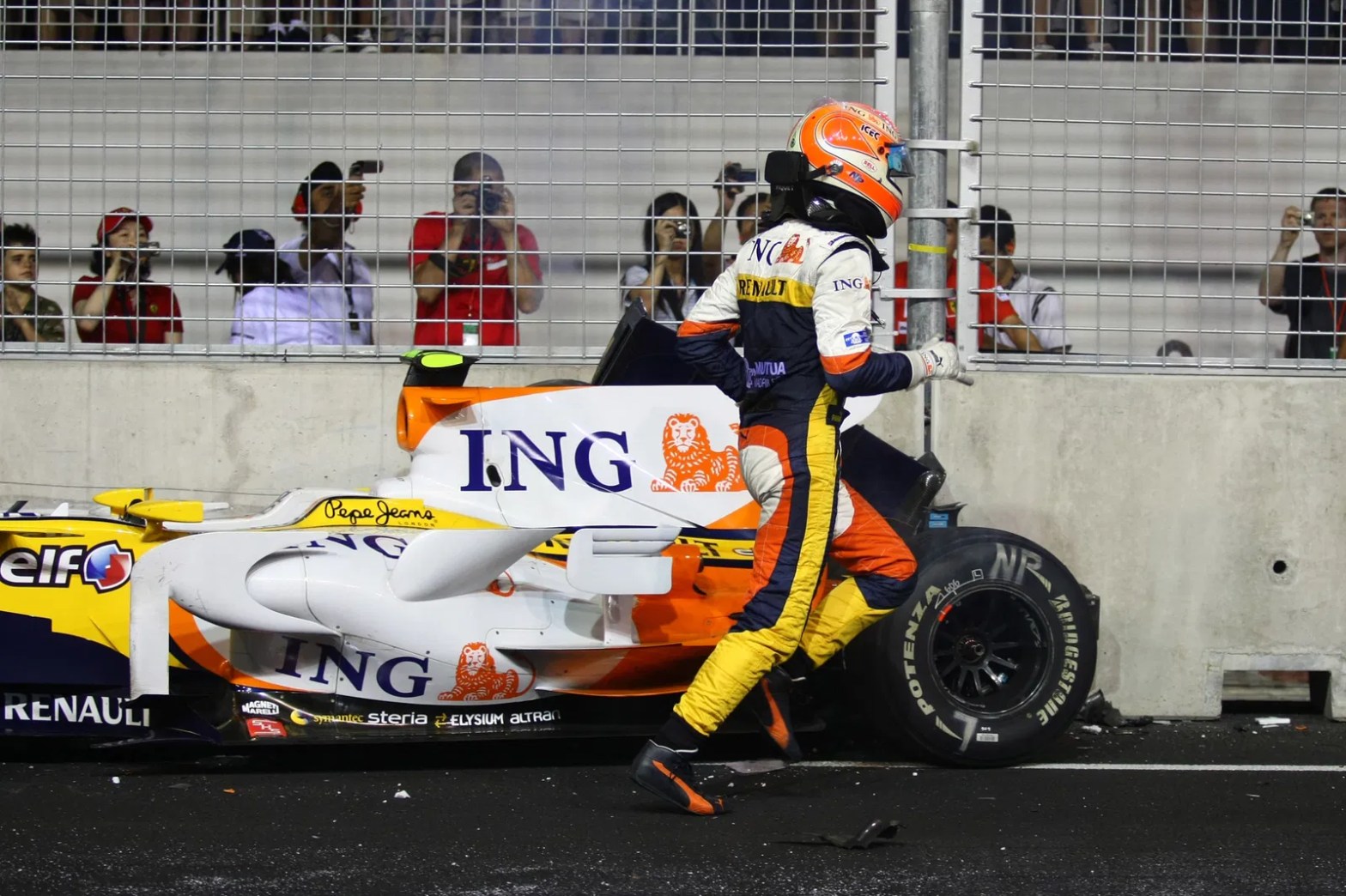
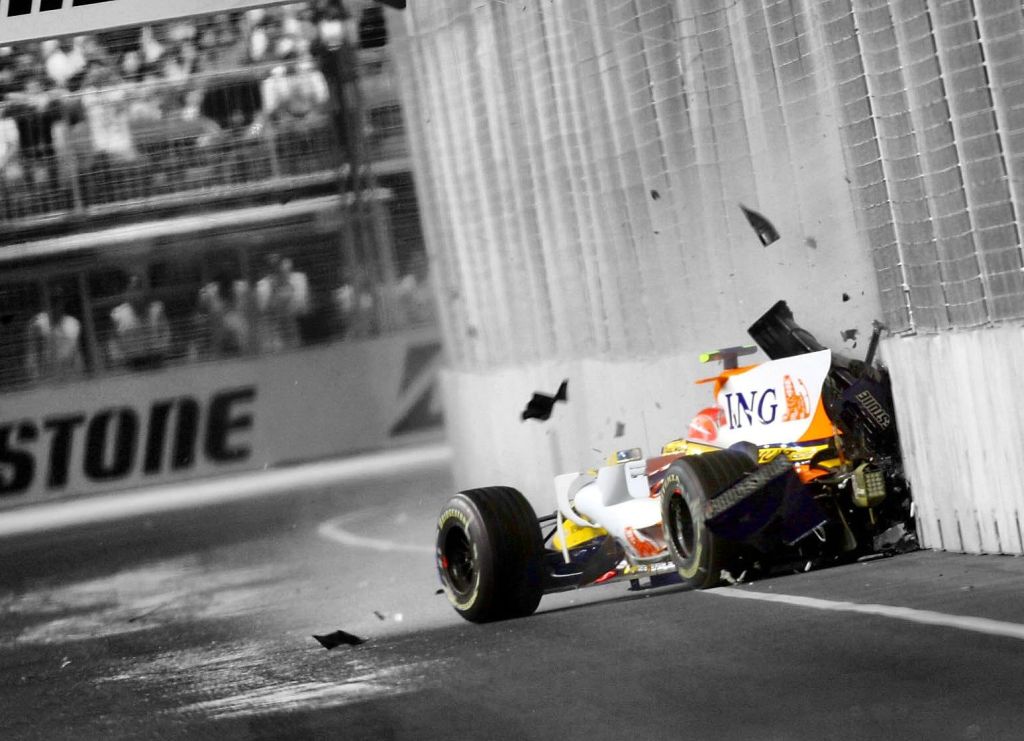
Massa was on fire that night. After 10 laps, he had built up a solid 3-second lead over Hamilton. On lap 12, Alonso was the first driver to pull into the pits for refueling and a set of soft tires. But on lap 14, Piquet Jr. lost control of his car on turn 17 and crashed into the concrete wall.
Piquet Jr. grinded half of his Renault against the wall.
The race that was supposed to be smooth sailing for Massa turned into a nightmare.
Turn 17 is a complicated spot. At the time, it didn’t have any access road nearby, and Piquet’s car had to be removed by a big crane.
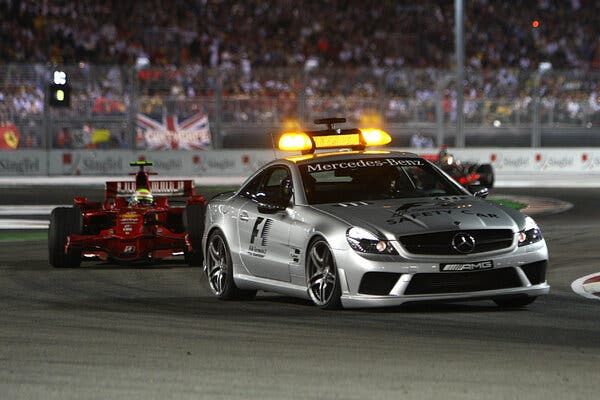
Massa: “This has got to be the only godamn Mercedes I will see in front of me tonight.”
The safety car was deployed, nullifying the comfortable lead Massa had over Hamilton. According to the rules (the same rules that helped Renault during the 2008 German GP), drivers were not allowed to pull into the pits while the safety car was on the track.
The time the track crew took to clear the debris delayed the other driver’s scheduled pit stops. When the pit lane was finally reopened, chaos broke out as all the drivers rushed in to refuel their cars.
Massa’s pit stop was a complete disaster. The Ferrari crew, in a panic, gave him the green light while the fuel hose was still attached to the car. He ripped it off its frame, spilling fuel everywhere, and knocked a crew member to the ground.
He had to wait at the end of the pit lane to have the hose removed. When he rejoined the race, he was dead last. To add insult to injury, he was penalized for the incident.
Alonso, who had pitted before the safety car was deployed, took the lead, and went on to win the race. Nico Rosberg managed to finish second despite incurring a stop-and-go penalty, and Hamilton completed the podium in third.
The result saw Hamilton extend his lead in the Driver’s standings to 7 points over Massa, who failed to score. McLaren also took over the lead in the Constructors’ Championship by one point from Ferrari.
Mr. Briatore, your reputation precedes you.
The fact that the safety car had saved Renault once again, in the same season, immediately raised a few eyebrows at the paddock. Rob Smedley, the experienced Massa’s race engineer, watched the video of Piquet’s crash a couple of times and noticed that the car spun because the rear wheels lost grip due to aggressive acceleration. It looked like Piquet Jr had dropped the hammer in the middle of the turn. The crash wasn’t an accident; it was deliberate. But for the time being, the result stood. The first Renault victory in almost 2 years.
Massa and Hamilton took their fight for the championship to the last race of the season in Brazil. Massa did what he could, winning the race, but he lost the title to Hamilton. It was the most heartbreaking moment of his career, missing the world championship by one single point. At the podium, he could not hold back the tears, and many fellow Brazilian fans in the stands also broke down and cried.
The crashgate
The Mercedes-Benz powered Brawn BGP 001
Right off the bat, the 2009 season seemed to have all the ingredients to make it a memorable one. More teams had the equipment and the talent to fight for the title making the season much more exciting. To everybody’s surprise, the debutant team that year, Brawn GP, started as a serious contender for the championship.
Another surprise was Briatore renewing Piquet Jr.’s contract after an abysmal 2008 season. However, things didn’t improve for the Brazilian driver. After 10 races without scoring points, Piquet Jr. was fired following the Hungarian GP, replaced by the team’s reserve driver, Romain Grosjean. But the biggest surprise of the year was yet to come.
With all the rumors circulating in the paddock and now, following his dismissal from Renault, Piquet Jr. knew his future in F-One looked pretty grim. With nothing left to lose, he went to his father and told him everything that happened during the infamous 2008 Singapore GP.
The Cheating
Track marshals, removing what was left of Piquet Jr’s car – Singapore 2008.
Until the 2008 Singapore GP, Flavio Briatore never gave Piquet Jr. a hint whether he would have a chance to stay in the Renault team for the following year. The Brazilian driver figured that, thanks to his poor performance, Briatore would let him go.
If Briatore were a gentleman, we would have said something to Piquet about his intentions, allowing the Brazilian to plan ahead; however, it never happened until just before the 2008 Singapore race.
Piquet Jr. was called for a secret meeting with Briatore and the race engineer Pat Symonds, in an inconspicuous room at the back of the pits. There, Briatore asked if Piquet Jr. was willing to sacrifice his race to help Alonso achieve a better result. Then, it was time for Symonds to present the plan, which was pretty simple: “We will pull Alonso for refueling sooner than planned, on lap 12th. Then all you have to do is crash your car on turn 17, forcing the deployment of the safety car.”
The message at the end of the meeting was that if Piquet Jr. decided not to participate in the cheating, his contract would not be renewed; however, if he chose to be a “team player,” he would continue to drive for Renault in 2009.
With his back against the wall, Piquet decided to play along.
In the eyes of Piquet Senior, Briatore took advantage of an inexperienced driver, willing to keep his job, to bring his evil plan to fruition. Not only is psychology forcing his participation, but it is also deliberately risking his life.
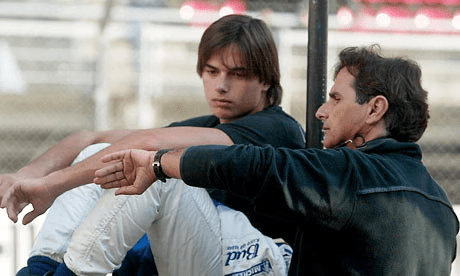
Piquet Jr. and his father.
In a desperate attempt to save whatever was left of his son’s dignity, Piquet Sr. convinced him to make the whole episode public. On July 29, 2009, the Piquet family sent a 1,400-word statement addressed to the FIA (Federation Internationale de l’Automobile), revealing all the details about the Briatore/Symonds manipulation of the Singapore GP.
A couple of days later, the most prominent TV media organization in Brazil, Rede Globo, gained access to the content of the statement and made it public. The most reasonable explanation is that the Piquet family secretly gave the document to Rede Globo and allowed them to publish it. The statement sparked an investigation, and on September 04, 2009, the mighty Renault F-One team was charged with conspiracy and was to answer the charge on September 21, 2009.
The big dogs push back
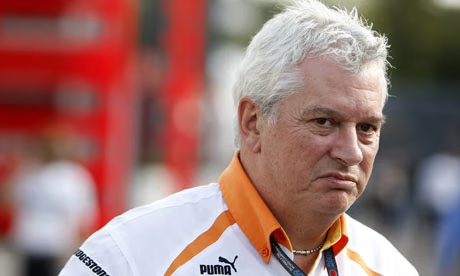
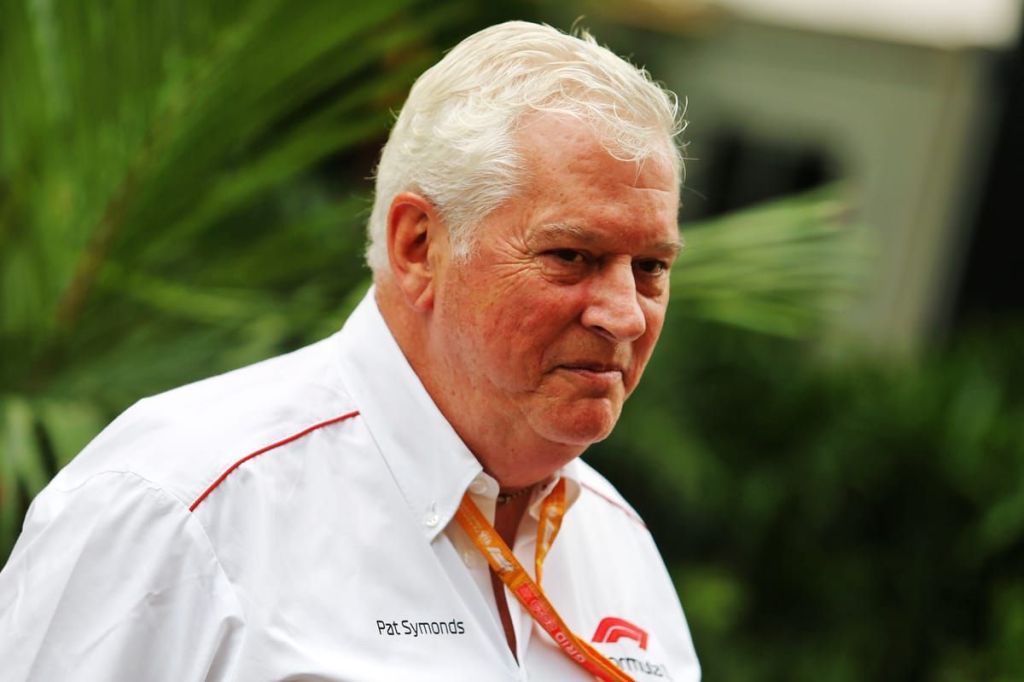
Pat Symonds
On 11 September, the day after Piquet Jr.’s statement to the FIA was leaked, Renault F1 stated that it intended to take legal action against Piquet Jr. and his father in both French and British courts, stating that “…today the ING Renault F1 Team and its managing director Flavio Briatore personally wish to state they have commenced criminal proceedings against Nelson Piquet Jr and Nelson Piquet Sr in France concerning the making of false allegations and a related attempt to blackmail the team into allowing Mr Piquet Jr to drive for the remainder of the 2009 season”.
Piquet Jr.
In response to the legal action, Piquet Jr. stated “Because I am telling the truth I have nothing to fear, whether from the Renault team or Mr Briatore – and while I am well aware of the power and influence of those being investigated, and the vast resources at their disposal, I will not be bullied again into making a decision I regret”.
On 14 September 2009, Symonds was also reported to have been offered immunity from action if he provided the FIA with details of the alleged conspiracy. Symonds was reported to have told FIA investigators that the initial idea of a crash had come from Piquet Jr.
On 15 September, The Times published extracts of Renault F1 radio conversations transmitted before and after the Singapore Grand Prix between Renault F1 personnel, including Piquet Jr., Alonso, Symonds and Briatore.
The investigation has just confirmed what everyone in the paddock already knew: that the 2008 Singapore GP was rigged. Recognizing the situation was quite complex, Renault shifted its position, and on September 16, the company announced it would not fight the charges, stating that the team’s managing director, Flavio Briatore, and its executive director of engineering, Pat Symonds, had been dismissed.
The Sentences
On September 21, 2009, the WMSC (World Motor Sport Council) held an extraordinary meeting in Paris for the 2008 crashgate hearing. After a 90-minute session, the Renault team was sentenced to a two-year ban from Formula One. Briatore received an indefinite ban from FIA events, while Symonds was ousted for five years. Briatore was also barred from managing drivers, with the FIA stating that super licenses would not be issued or renewed to any driver associated with him.
Alonso was cleared of any wrongdoing; the FIA found no evidence that he or his mechanics were aware of the scheme.
The WMSC came down hard on Briatore because he denied his involvement despite overwhelming evidence to the contrary. Symonds, in contrast, had confessed, expressing his “eternal regret and shame” for his role in the scheme. In announcing the sanctions, the council stated that Renault F1’s actions were serious enough to merit expulsion from Formula One altogether. However, it opted to impose a suspended sentence because Renault F1 took swift action in forcing Briatore and Symonds to resign. The Daily Mirror described the de facto lifetime ban on Briatore as the harshest sanction ever imposed on an individual in the history of motorsport.
Their bans were subsequently overturned by a French court. However, they both agreed not to work in Formula One or FIA-sanctioned events for a specified time as part of a later settlement reached with the governing body.
Justice was served, or was it?
“There is something fundamentally rotten and wrong at the heart of Formula One. Never in my experience has Formula One been in such a mood of self-destruction.” – Jackie Stewart, former 3 times F-One champion.
After the hearings concluded, it seemed the perpetrators had received their fair punishment, but the scandal was far from over.
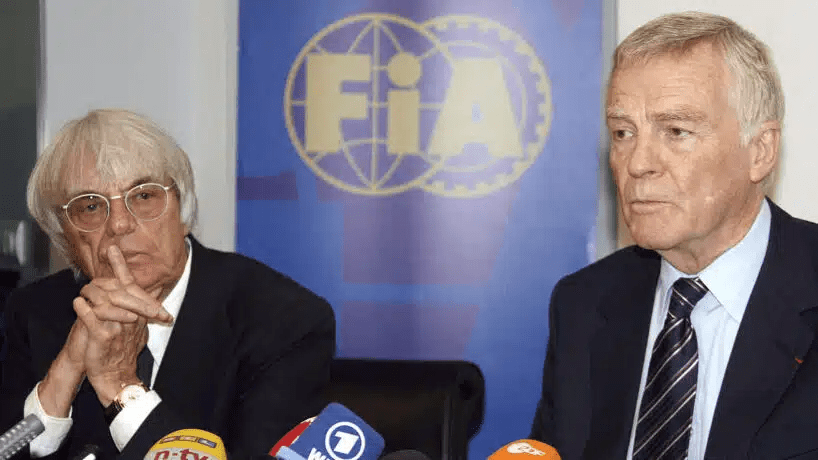
Bernie Ecclestone and Max Mosley
In 2023, the FIA’s big boss Bernie Ecclestone, confessed during an interview to F1 Insider that he knew everything about the 2008 crashgate. This is an excerpt of what he said:
“Max Mosley [then FIA president] and I was informed during the 2008 season about what had happened in the race in Singapore. Piquet Jr. had told his father Nelson that he had been asked by the team to deliberately drive into the wall at one point in order to trigger a safety car period and thus help his team-mate Alonso.”
“Piquet Jr was afraid of his contract extension, so he was under a lot of pressure and agreed.“
“We decided not to do anything for the time being. We wanted to protect the sport and protect it from a huge scandal.”
“That’s why I persuaded my former pilot Nelson Piquet to keep calm for the time being.”
“We had enough information in time to investigate the matter. According to the statutes, however, we would probably have had to cancel the race in Singapore under these conditions. That is, for the championship standings, it would never have happened.“
“Then Felipe Massa would have become world champion and not Lewis Hamilton.‘
“At that time there was the rule that a World Championship classification after the FIA award ceremony at the end of the year is untouchable. So Hamilton was presented with the championship trophy and everything was fine.”
Ecclestone felt comfortable coming forward in front of a reporter, 15 years after the scandal, but for one guy, the wound has not yet healed.
Based on this interview, Felipe Massa initiated formal procedures for his lawsuit against the FIA and Bernie Ecclestone in August 2023. He sought damages and recognition as champion after new evidence surfaced. Court proceedings began in late October 2025 in a London court.
According to the golden rules of FIA, a world title cannot be overturned after the award ceremony, so Massa’s quest to become the 2008 world champion was doomed from the start. However, on November 20, 2025, Judge Robert Ray ruled that Massa’s claims for inducement of breach of contract could continue, saying in a summary of his ruling that Massa arguably did not know he could sue until a 2023 interview with Ecclestone was published. But the judge rejected his case that the FIA breached its duty to him to investigate and dismissed his claim for a declaration, saying the court could not “rewrite the outcome of the 2008 Drivers’ World Championship”.
Massa is also seeking damages compensation of around 64 million pounds ($83.63 million).
But as life goes on, all those involved in the scandal kept, in one way or another, the foot on the floor. Some became legends, while others did not.
Flavio Briatore
The 2008 crashgate was not the first time Briatore was caught cheating. In the 1980s, he was even sentenced to prison in two cases of fraud, but he always found a way to evade punishment. After being banned from Formula One in 2009 by the FIA, a French court overturned the penalties and even granted him €15.000,00 in compensation. Briatore remained under the radar for many years but was not far away from F-One, thanks to his friendship with Fernando Alonso.
In May 2024, Briatore returned to Renault (now competing as the Alpine F1 Team). He was given the title of Executive Advisor for the Formula One Division, with full authority for hiring and firing within the team. The mafia boss is back.
Pat Symonds
The French court also overturned the charges against Symonds, and he came back to Formula One in 2011 as a consultant for Virgin Racing.
Symonds served as Formula One’s Chief Technical Officer from March 2017 until May 2024, playing a key role in the 2022 regulations that led to the return of ground-effect racing cars, aiming to make making racing more exciting. In 2024, Symonds was hired as Executive Engineering Director for the newly formed Cadillac F1 Team.
Lewis Hamilton
There isn’t much to say about Hamilton’s case, at least in the 2008 crashgate controversy; in this instance, he was the lucky guy of the season.
With seven world titles under his belt, Hamilton is widely seen as one of the greatest drivers in Formula One history. At the moment, he’s having a hard time finding his pace at Ferrari, and every so often, people catch him talking about retirement.
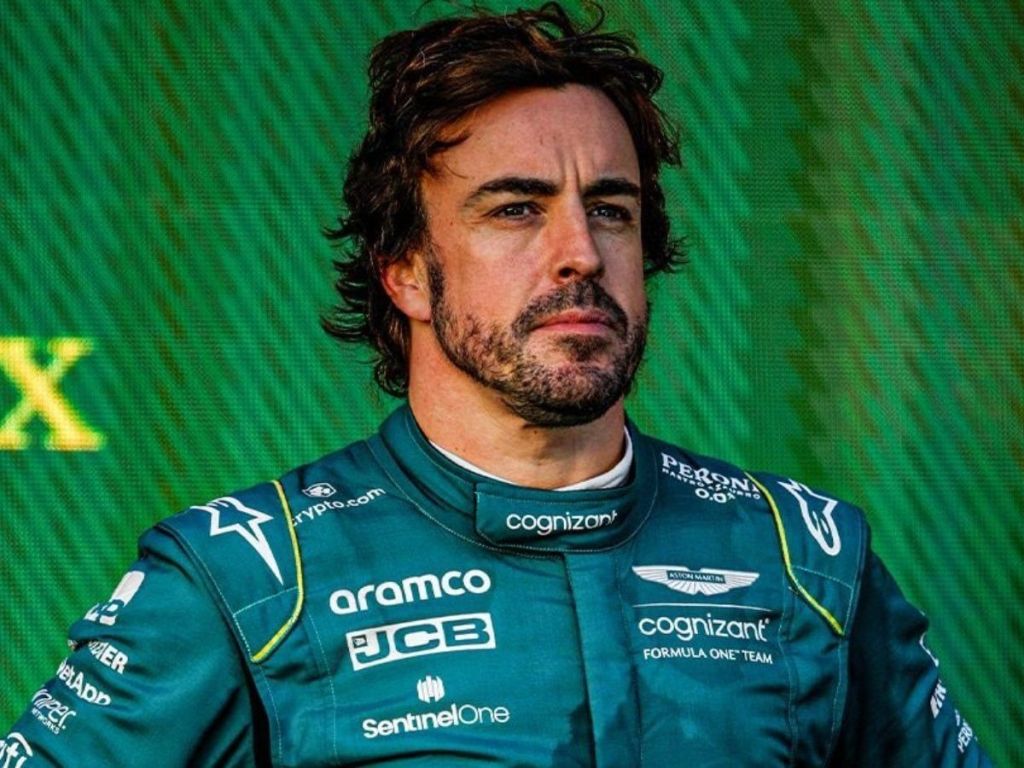
Fernando Alonso
The Spanish driver always claimed he didn’t know about the cheating in the 2008 Singapore GP, which I find hard to believe. Nonetheless, he was cleared of any involvement. The scandal didn’t tarnish his brilliant career. Besides being the F-One world champion in 2005 and 2006, he also won the World Endurance Championship in 2018 and 2019. He is also a two-time winner of the 24 Hours of Le Mans. Currently, he is driving for Aston Martin. Alonso is also considering retiring soon.
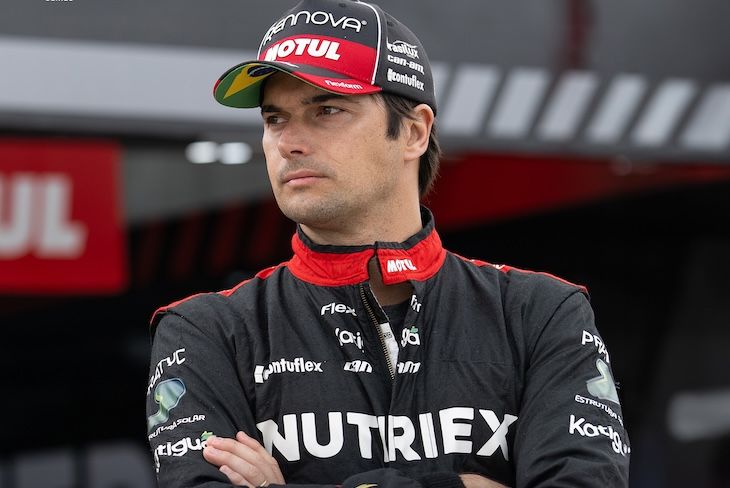
Nelson Piquet Jr.
The crashgate made Piquet Jr. “unemployable” in Formula One. In 2010, he began competing in the NASCAR Truck Series and various minor stock car leagues, continuing until 2016. At the same time, he began competing in Formula E, where he won the 2014 and 2015 world championships. Currently, he drives full-time in the Brazilian Stock Car.
Some die-hard fans might argue that Piquet Jr. was an easy target for an unscrupulous manager, and he should also be considered a victim. However, the situation is more complex. He faced a choice; he could have said no and left Renault with dignity, but unfortunately, he chose a different path, and the burden he bears is not a light one.
Felipe Massa
Massa left Formula One in 2017, and the following year, he was hired by the Ventury Formula E team. He had a frustrating experience adapting to Formula E, and he left before his contract ended. In 2022, Massa began competing full-time in Stock Car Brasil. He also occasionally drives in IMSA.
Some people say it was a foolish decision to pursue legal action against FIA and Ecclestone, but the guy had the right to fight against the monumental injustice he faced.
To defend Formula One’s reputation, FIA took the 2008 championship away from Massa, but their effort ultimately failed. Corruption was exposed, yet the culprits managed to return to the sport. Despite this, Massa received no recognition or compensation.
The most shameful episode in Formula One’s history is not finished yet. Felipe Massa will not become the world champion, but he might end up with a substantial amount of money in his pocket. All he has to do is wait.
This is a very special picture that brings me some good memories. I took it during our trip when we moved from Markham, ON, to Edmonton, AB, in July 2024.
I spotted the car as we stopped to refuel at Terrace Bay, ON, known for its lighthouse, by the side of the road.
The Esso gas station is a stone’s throw away from the lighthouse. The wooden building is open to visitors, and at the top, you can enjoy a beautiful view of Lake Superior.
The Coronet
The moniker Coronet had been around for quite some time. The car underwent seven generations, spanning from 1949 to 1976.
Honestly, I didn’t realize the Coronet had such a long history. I thought it was only made in the 1960s. Oh well, all the things we learn while blogging.
Trailer Queen, who? Me?
The 1969 Coronet 500 we see here belongs to the fifth generation, which spanned from 1965 to 1970, and was built on the legendary Chrysler B-Body platform. The Coronet offered a complete lineup of models, including 2- and 4-door sedans, station wagon, convertible, and the one pictured, a 2-door hardtop. Customers could choose from a variety of engines, from the grocery getter 225 CID Slant 6 to the wild 426 HEMI and 440 Magnum. Muscle car oriented versions like the R/T and Super Bee were also interesting options.
As we can see, this car spent a good portion of its life thundering down the quarter mile. The body is somewhat rough, with some noticeable rust spots, but otherwise, it appears to be straight and totally salvageable.
I didn’t have the chance to talk to its owner and find more details about this drag strip warrior survivor, but I really hope it was going to receive a well-deserved complete restoration.
And who knows, maybe the owner will keep it as a race car.
I hope you enjoyed this edition of “The Catch of the Day,” and I will see you next time.
It is no easy task trying to understand the importance of rally in the European motorsport universe. For us, North and South Americans, we are more used to enjoy speed over a smooth pavement, with guard rails and tire cushions on the corners.
While we do appreciate rally racing, we don’t have the same level of passion for it as our fellow European gearheads do. It’s easy to see why; even at the highest level of the sport —the World Rally Championship —the action feels raw, and the atmosphere still carries elements of the sport’s grassroots origins. After all, racing on unpaved, narrow roads from one city to another, competing against the clock, is how motorsport was born.
It took some time for rallying to become a professional sport and to be recognized by automakers as an important venue to showcase their products. It was only in the early 1950s that it became big enough to catch the attention of the auto industry, and one small Italian brand became the pioneer as the first works team in rally.
Lancia
A Lancia Aurelia, from the factory race team, during the 1952 Mille Miglia. Helmets were optional at the time.
Lancia & C. Fabbrica Automobili was founded on 27 November 1906 in Turin by FIAT racing drivers, Vincenzo Lancia and his friend Claudio Fogolin. The brand became renowned in the automotive world for introducing numerous technological innovations, such as the first 5-speed manual transmission fitted to a production car in 1948 and the first full-production V6 engine, which debuted in the 1950 Lancia Aurelia.
Lancia as sports, luxury-oriented brand that attempted to establish itself in various classes of motorsport, including Formula One; however, it was in rally that the brand shone the brightest.
A V6 Lancia Aurelia in the 1953 Mille Miglia.
Inspired by the exceptional performance of the V6 Aurelia, Lancia became the first automaker to establish a works rally team in 1952. The Scuderia Lancia, later known as the Squadra Corse HF Lancia, led by Gianni Lancia, the son of the founder, Vincenzo.
In 1969, the company, under some serious financial troubles, was acquired by FIAT, and it didn’t just save Lancia from bankruptcy but also allowed a more substantial amount of money to flow into the company’s competition department.
In 1972, Lancia won the World Rally Manufacturer Championship with Fulvia. (Pictured above). At this point, the championship was becoming increasingly relaxed, opening up opportunities for automakers to come up with some wild machines.
Lancia Stratos
By the late 1960s, it was well known within the Italian auto industry that Lancia wanted to create a specialized rally car. Following FIAT’s acquisition of the company and an influx of cash, the dream of building this rally machine became much more achievable. It was in this scenario that a future partner joined the project, even before being invited.
Bertone
Giulietta Sprint bodies are being shipped from the Bertone factory to Alfa Romeo to receive the mechanical components.
Italians take great pride in their passionate pursuit of beauty across various design fields, including fashion, architecture, furniture, and, of course, automobiles. It’s no wonder that some of the most prestigious coachbuilders in the world, such as Ghia, Pininfarina, Bertone, and Zagato, are all Italian.
In 1966, Lamborghini had the honor of having its iconic Miura designed by Carrozzeria Bertone. However, the limited production of the car was not generating enough revenue to keep either company financially stable. It was time for Bertone to collaborate with another automaker and pursue a new project.
Bertone’s best opportunity was to find a way to sign a contract with Lancia to design and build their new, high-performance flagship before its rival, Pininfarina, could do so.
One might think that all Nuccio Bertone needed to do was ask his team for ideas, arrange a meeting with the Lancia executives, present the drawings, and hope for the best. However, keep in mind that this was Italy in the late 1960s, where business was conducted in far more unconventional ways.
Signore Bertone came up with a crazy plan. He purchased a used Fulvia and handed it over to Marcello Gandini, a talented designer who had managed the team that created the Lamborghini Miura. Bertone instructed Gandini to transform the car into something that would catch Lancia’s attention.
When Gandini and his team were done, very little of the original Fulvia remained. They created a whole new car, a futuristic, compact, mid-engine design that could accommodate two passengers. They slapped some Lancia badges on it and presented the car at the 1970 Turin Motor Show. Initially referred to as Project Zero, the car was later renamed Stratos after someone noticed an eye-catching label on a model airplane kit in the studio and suggested, “How about we call it Stratos?”
Yes, Nuccio Bertone had created a totally new Lancia and presented it at the most prestigious car show in the country, all without any prior arrangement between the two companies. Welcome to Italy.
The car was the star of the show; its futuristic, sci-fi design was decades ahead of its time. The profile of the Stratos Zero is so low that the car has no doors. To access the interior of the vehicle, the windshield tilts upwards.
The Stratos Zero certainly captured the public’s attention, but it somehow failed in its primary mission. No one from Lancia, except motorsport boss Cesare Fiorio, came across and had a proper look at the space machine. The show closed by mid-November, the concept car went back to Bertone, the year ended, but there was no call or reaction from Lancia.
It was only after two months that Nuccio Bertone received a call from Lancia’s boss, Pier Ugo Gobbato: “What is this car that you guys are displaying around with our badges on it? Bring it here and let’s talk.” The meeting between the two houses, Bertone and Lancia, finally took place on February 17, 1971. Since the prototype was a fully operational car, Bertone himself drove it to Lancia’s headquarters. The top Lancia CEOs were impressed with the Zero, but they knew the car was infeasible for production. Cesare Fiorio, the ex-racer who was heading Lancia’s motorsport division, HF Squadra Corse, asked Bertone how to transform that spaceship into a rally car.
Bertone, who had never produced a rally car, asked: “What would be the requirements for this car?” The answer to this question is simple and complicated at the same time.
Alpine A110
While the Fulvia Coupé Rallye HF continued to win numerous rallies, it was evident that it was being outperformed by the Alpine Renault A110 and the Porsche 911. Cesare Fiorio recognized that the era of front-wheel-drive rally cars, such as the Mini and the Fulvia, was coming to an end.
The idea of converting production cars into rally machines may seem like a quick and easy solution. Still, it has significant limitations, even for purebred sports cars like the Porsche and Alpine.
He understood that it was time to develop a vehicle specifically designed for rallying.
In 1970, Ford officially opened the doors to the purpose-built rally car, with the GT70 (pictured above). In this new car, the Americans adopted the successful mid-engine platform. If a better weight distribution works wonders on paved roads (as seen in the Ford GT40), it will certainly do the same on gravel. Although the GT70 had limited success in the few rally races it participated in, and the entire program was terminated three years later, it marked the beginning of a new era in the World Rally Championship.
Right there, Signore Bertone had all the important elements to start working in this new Lancia. First, it must be a small car, able to zip through narrow roads and tight corners. They settle with 2.16 meters wheelbase, somewhere in between the Alpine (2.1m) and the Porsche (2.21m).
Second, it must be a mid-engine platform, a clear advantage over the rear-engine French and German cars.
Third, the car must be iconic; it must be beautiful. It must be a Bertone.
The project was assigned to the geniale Gandini, who worked feverishly to complete the prototype as soon as possible. However, things in the Italian auto industry don’t always work as they should. Lancia was pretty vague about the engine to be used in this car. The first option was the Lancia 1.6 liter V4, increased to 2.0 liter, but the leading contenders were the L4, 2.0 liter, 16 valve engine, developed by Abarth, (FIAT’s performance division) and the Ferrari 2.4 liter V6, the same engine that powers the soon-to-be-discontinued Ferrari Dino.
Ferrari 2.4 liter V6.
In practical terms, the Abarth 4-cylinder should be the chosen one; it is smaller, lighter, and easier to work on during races. However, the marketing advantage of having a car powered by a Ferrari engine can’t be ignored. Either way, Gandini built an engine cradle big enough to accommodate both options.
Eventually, they chose the Dino V6 mill. The Commendatore Enzo wasn’t so happy to see one of his engines powering a “non-Ferrari” car, but since Lancia was now part of the family, he didn’t have much choice. In its street version, the 2.4 V6 Ferrari can produce around 190 HP, but in a full racing configuration, it can crank out 250 ponies.
Gandini created a masterpiece, a true GT car. Its all aluminum body is muscular, aggressive, and gorgeous.
Lamborghini MiuraLancia Stratos
It is impossible not to notice the Bertone DNA in both cars.
The first prototype was painted white, and the following was bright red. The Lancia Stratos HF (High Fidelity) was officially presented to the public during the 1972 Turin World Cars.
The HF – High Fidelity was originally the name of an exclusive club for loyal Lancia customers that was later adopted by the brand’s racing team, Squadra Corse. The “HF” designation has since become a symbol for Lancia’s high-performance vehicles.
The Stratos was again the star of the show, receiving approval not only from the visitors but, more importantly, from the auto media. This approval was needed since Lancia had to build and sell 500 units of the street version, Straddale, to homologate the car for WRC.
The official Squadra Corse Stratos, painted with the iconic Alitalia livery.
The prototype still needed some wrenching before being considered competitive in the world arena. Its first race was the Tour de Corse in November 1972, where it dropped out. The Stratos’ first victory was in the Firestone rally in Spain in April 1973. On May 15, a Stratos finished second at the Targa Florio, and on September 23, won the Tour de France Auto, its first significant victory. After that, the Stratos was ready to take on the World Rally Championship.
1974
In 1974, the Stratos dominated the season, with 10 victories, two third-place finishes, and two seconds, securing the car’s first World Championship. FIAT finished in second and Ford in third.
Sandro Munari, during the 1974 Safari Rally. The missing rear portion of the body exposes the Ferrari V6 engine.
1975
In 1975, Lancia maintained its winning streak by securing a second consecutive manufacturers’ championship, although the competition was tougher than in 1974. The Stratos won four rallies, which included Sandro Munari’s third victory at the Monte Carlo rally. However, mechanical issues challenged the team’s resilience throughout the season. Fiat narrowly surpassed Alpine-Renault for second place, finishing with a score of 61 to 60.
The Safari was the most challenging of all races of the season.
Strato’s success in rally didn’t attract customers to buy the road-legal Stradale, and production ended in 1975 after 492 units. Customers complained about the car being uncomfortable and noisy, with a primary concern being the poor finish of the interior. Although development for competition continued, including the introduction of more powerful 4-valve engine variants.
1976
Sandro Munari
Lancia sealed a third consecutive title with the car that seemed to be unbeatable. Sandro Munari extended his Monte Carlo mastery with a third win in a row, supported by consistent performances from Björn Waldegård across the season. Group 4 homologation rules were relaxed to require 400 units within 24 months – though Lancia’s existing production already met the threshold.
Pit stop during the 1976 season. Unknown location.
The season also marked a shift in FIAT’s policy towards the WRC. They decided that Lancia had had its fair share of fun, winning 3 championships, and now it was time to divert funds to the new FIAT 131 Abarth.
That was the end of the official Lancia Stratos HF rally campaign.
Privateer teams kept the Stratos legacy alive for a few more years. The car also saw some serious road course action, from the roads of Targa Florio to the American racing league, where teams converted the Stradale into a race car. The picture above shows the Stratos that belonged to the Oklahoma-based entrepreneur and oil heir Anatoly ‘Toly’ Arutunoff. This Stradale was converted into a Group IV road-racing car and went on to establish a nine-year racing career.
‘The Duck’, as it quickly became known, received a smaller engine and competed in the below-two-liter GTU category right across the United States, encompassing all the great American endurance racing classics, from the Daytona 24 Hours and the 12 Hours of Sebring to the Watkins Glen Six Hours and the Road America 500 Miles.
Despite more powerful and modern competition, the Stratos remained a force to be reckoned with until 1981, when it won the Tour de Corse for the last time.
Conclusion
Targa Florio, 1974.
Is the Lancia Stratos the most iconic rally car of all time? It’s hard to say since it depends on each gearhead’s perspective. The purpose of this post isn’t to create a contest but to celebrate the car.
Many factors have contributed to the car’s legendary status, including the peculiar details of its creation, its exceptional performance, and the striking design by Gandini.
The Stratos, as the first successful purpose-built rally car, paved the way for the incredible machines of Group B in the 1980s. Lancia kept its racing team at full throttle during those magical years and beyond. Ultimately, the Squadra Corse collected 10 world titles, a record that remains unbroken to this day.
Lancia today
For many of us, Lancia is just an obscure European brand that we aren’t even sure still exists; well, it does, or at least barely.
The only car in its lineup is the Nuova Ypsilon, offered as a full EV or hybrid. The car shares its platform with the FIAT 500.
Lancia is still deeply involved with rally. The company has introduced two new, race-focused Ypsilon models: the Rally 4 HF and the upcoming Rally 2 HF Integrale. The Rally4 HF is a front-wheel-drive, 1.2-liter turbo car designed as an affordable option for entry-level rallying.
The more advanced Rally2 is built for top-tier series like WRC2 and shares many components with the Citroën C3 Rally2, featuring a 1.6-liter turbo engine and all-wheel drive. (pictured above)
When Ford launched the Mustang in 1965 (or 1964 1/2, if you prefer), the company anticipated selling around 100,000 cars in its first year. However, after 12 months, Ford had sold over 400,000 units. The Mustang was exactly what young customers were looking for at the time: a compact car that offered personality, decent performance, and affordability.
Suddenly, Ford had created the Pony Car, a new niche in the auto market, leaving the competition desperately scrambling to come up with something similar.
In 1967, Chevrolet released the car that would become Mustang’s greatest rival, the Camaro. In the same year, sister company Pontiac re-badged the Camaro, creating their own Pony Car, the Firebird.
Today’s catch is a gorgeous 1968 Firebird that I found parked in front of a medical clinic that I visited, in August 2025.
The “pro-touring” style of the car immediately caught my attention. Upon approaching this bird, I noticed how low to the ground it sits, without looking exaggerated. I am not a fan of big rims in classic cars, but in this “Poncho” the wheels look just right.
Also, the body work is worth mentioning; have you heard the saying, “Black will show everything?” Well, the only thing this Pontiac shows is dust. Not a ding on the panels, and the paint job is flawless.
I waited for a little while for the owner to show up, I wanted to see the machinery under hood, but I was in a hurry.
Although the Firebird is nothing more than a Camaro in disguise, the Pontiac engine line-up at the time was quite peculiar.
The 1968 model featured two options for in-line 6 engines, producing 175 and 215 HP each. Both had a displacement of 250 CID and were equipped with overhead camshafts, which was an uncommon technology for American automakers at the time.
If the customer wanted something spicier, the 68 Firebird could be ordered with two different options of the 350 CID V8, one producing 265 HP and the other 320 HP.
At the top of the line, you have the 400 CID with 330 HP and the 400 Ram Air with 340 HP.
The most unique characteristic of the Pontiac V8s is the fact they don’t fall under the customary “small-block” and “big-block” engine families common to other GM divisions, Ford, and Chrysler. Effectively, production Pontiac V8 blocks were externally the same size, but with variations in the internal components like the main journals, bore, and stroke to achieve different displacements. In other words, Pontiac never had big or small blocks, they had big and small displacement V8s. In 1981 Pontiac stopped the production of their own engines, adopting the “corporate” Chevy engines in all their cars.
Pontiac kept the Firebird in production for 35 years. When Chevy pulled the Camaro’s plug in 2002, it was obvious that the Firebird had to die was well. At that point the fate of the brand was already sealed; GM finished the Pontiac’s operations in 2010.
I hope you have enjoyed this catch of the day. I will see you next time.
Rock and Roll has been around for quite some time now. Over the years, an enormous number of musicians attempted to make a living playing the most thrilling musical genre ever, often lured by tales of glory and fortune.
In rock’n roll history, some bands struggle to take off, while others achieve stardom at lightning speed. Among those fortunate enough to fall into the latter category is the American band Eagles.
The band was formed in 1971 in Los Angeles, CA. Their debut album, Eagles, was released in 1972, and the singles “Take It Easy” and “Witchy Woman” went straight to the top 20 in the US and Canada.
The albums that followed also achieved a fair share of popularity, Their Greatest Hits 1971-1975 became the best-selling album in the USA, with 38 million copies sold, propelling them to become one of the most successful rock’n roll bands of the 1970s.
Hotel California
If we could encapsulate the band’s talent and creativity in one song, that would be ‘Hotel California’. The song was created as the opening single for the band’s 1976 album of the same name, which became the third best-selling record in the USA.
Glenn Frey
If you ask ten different fans about the meaning of ‘Hotel California,’ you will receive ten different answers. People will say the song is about a haunted hotel, or dreams during an acid trip, and even about a satanic experience. However, the creators of the song, Don Felder (music), Glenn Frey, and Don Henley (lyrics), had a different story.
– “Hotel California is about materialism and the feeling that no matter how much you possess, it will never be enough”.– California is used as the song’s setting, but it could be anywhere in America and beyond. In 2007, Don Henley said, “I know, it’s so boring. It’s a song about the dark underbelly of the American Dream and about excess in America, which was something we were already aware of. It’s a song about a journey from innocence to experience.“
However, the song wasn’t meant to point fingers at others; instead, it zeroed in on the band members themselves.
We often hear that some celebrities struggle to cope with fame and fortune, and this is a universal truth. It is a tale that members of many rock’n roll bands have gone through; one day you have nothing, and then, in the next chapter of your life, you are a millionaire, adored by thousands of fans, and living a life with no limits. Henley chose the theme of the song, pointing out how The Beverly Hills Hotel had become a literal and symbolic focus of their lives at the time.
He said of their personal and professional experience in LA: “We were getting an extensive education, in life, in love, in business. Beverly Hills was still a mythical place to us. In that sense, it became something of a symbol, and the ‘Hotel’ the locus of all that LA had come to mean for us. In a sentence, I’d sum it up as the end of innocence, round one.”
Frey also came up with a story of a person who, fed up with driving long distances in the desert, saw a place to rest and pulled in for the night. However, he entered “a weird world peopled by freaky characters”, and became “quickly spooked by the claustrophobic feeling of being caught in a disturbing web from which he may never escape.”
Frey described the song as a cinematic montage, “just one shot to the next … a picture of a guy on the highway, a picture of the hotel, the guy walks in, the door opens, strange people.”
Frey said he and Henley wanted the song “to open like an episode of the Twilight Zone”, saying: “We take this guy and make him like a character in The Magus, where every time he walks through a door, there’s a new version of reality. We wanted to write a song just like it was a movie.”
Henley wrote most of the lyrics based on Frey’s ideas and also drew inspiration from driving out into the desert, as well as from films and theatre.
Meanwhile, some of the lyrics, such as ‘Her mind is Tiffany-twisted, she got the Mercedes-Benz / She got a lot of pretty pretty boys she calls friends’, were based on Henley’s break-up with girlfriend Loree Rodkin.
Wild Theories
In those chaotic years before the internet, people could freely write about anything and express their opinions, and responses would take a long time to arrive. It was just natural that different people would come with their perspectives about the lyrics of Hotel California and write about it as if it were the undisputed truth.
In the Encyclopedia of Great Popular Song Recordings, Volume 1, Steve Sullivan theorized that the “spirit” that the Hotel California hasn’t had since 1969, refers to the spirit of social activism of the 1960s.
In the 1980s, the Reverand Paul Risley of Cornerstone Church in Wisconsin claimed that ‘Hotel California’ referred to a San Francisco hotel bought by Anton LaVey and converted into his Church of Satan.
The word ‘colitas’ in the song has been interpreted as sexual slang or a nod to marijuana. ‘Colitas’ means ‘little tails’ in Spanish, while in Mexican slang it refers to buds of the cannabis plant.
Other claims suggested that the Hotel California was the Camarillo State Mental Hospital.
Other interpretations of the song include heroin addiction and cannibalism.
It is clear that the writers left the door open for some wild theories about the song’s meaning, but at some point, it just got out of hand.
Henley once said: “Some of the wilder interpretations of that song have been amazing. It was really about the excesses of American culture and certain girls we knew. But it was also about the uneasy balance between art and commerce.”
The jorney to get it right
It took a great deal of dedication to perfect the song. Hotel California was a work of love from every member of the band.
A demo of the song’s instrumental was created by Don Felder in a rented house on Malibu Beach.
Felder’s demo for ‘Hotel California’ had influences from Latin and reggae music, and it intrigued Henley, who said he liked the song that “sounds like a Mexican reggae or Bolero”, giving its first working title, ‘Mexican Reggae’.
Don Henley
They first recorded the song’s riff, but for the vocals, the key was too high for Henley’s voice, so Felder lowered the key from E minor, to B minor.
The second recording had the tempo set too fast, and the song sounded odd. They came back to the studio with a different tune for the instruments and lyrics, and recorded several takes. Five or six of the best ones were selected, and the best parts were mixed together.
Producer Bill Szymczyk said there were 33 edits on the two‑inch master. The final version had a guitar battle between Joe Walsh and Felder.
Henley decided that the song should be a single, but Felder had doubts, and the record company wasn’t sure about releasing a six minute single, which far exceeded that of the songs generally played by radio stations. However, the band took a stand and refused the label’s request to shorten the song.
‘Hotel California’ topped the US charts for a week in May 1977, their fourth song to achieve the feat.
In 2009, the song was certified Platinum by the RIAA for sales of one million digital downloads, and has since sold over 3 million downloads.
In the UK, it reached a peak of number eight.
The hotel on the album cover is the Beverly Hills Hotel, known as the Pink Palace. The photo was taken by photographers David Alexander and John Kosh, who sat in a cherry-picker about 60 feet above Sunset Boulevard to get the shot. However, the rush-hour traffic at the time made the experience rather difficult!
According to Rolling Stone, Julia Phillips, the producer of films Taxi Driver and Close Encounters of the Third Kind, wanted to make a movie based on the song’s story. The band members and Phillips met up to discuss the idea. In her book, You’ll Never Eat Lunch in This Town Again, she stated that the band members were difficult to deal with and arrogant.
Rolling Stone reported that the band was not upset at the film being scrapped, as they were not particularly in love with the idea of a movie version.
The most beautiful guitar solo ever.
When I fell in love with ‘Hotel California’ I didn’t know to speak English, so it was, in the first place, the song’s guitar solos that sunk deep into my heart. I always dreamed to become a guitar player but the lack of talent and discipline, prevented me to make this dream come true. But one thing I have learned during the time I spent with my guitar, to admire those who can actually play it.
The iconic closing guitar solo in “Hotel California” was performed by both Don Felder and Joe Walsh (pictured above). Felder wrote the initial chord progression and solo parts, and the famous dual-guitar solo features both guitarists performing what sounds like a ‘duel’, trading lead lines before harmonizing together.
Later in life I understood the song’s lyrics and also fell in love with the ‘Twilight Zone’ feeling of it, making the journey complete. For me, ‘Hotel California’ will always be one of the greatest classic rock ever.