During the time I worked for two different restoration shops in Brazil, I had the opportunity to drive some interesting cars and bikes.
A couple of days ago I was going through hundreds of digital pictures that I have scattered all over Google Drive and found a few shots of one of those cars, a 1983 Porsche 911 Targa that came to be part of the Powertech collection back in 2012.
The previous owner didn’t care much about the originality of this car, the rims are from a modern Porsche, and when the fuel injection gave up, he replaced it with a cheaper, made-in-Brazil, EFI. Since it was an injection system designed for competition and non-sequential, the 3.0 flat-six was kinda rough at low rpm. It was only above 3,000 that little bastard would sing happily.
Besides the EFI problem, which could be easily fixed, this Targa was a very nice car. I used to say it was the perfect bachelor car.
It was not the first vintage Porsche I drove but it confirmed a feeling that I had before. I don’t quite get all the fuss about those older Porsches. To me, they behave like a VW Beetle on steroids, they sound like a Beetle, and they even smell like one. All those similarities came as no surprise since the two cars share the same DNA
Don’t get me wrong, I am not bashing the 911, the car has heritage, for sure; otherwise, it wouldn’t have thousands of devoted fans around the world. I just fail to see it on a pedestal, placed much higher than other sports cars.
By the same time this 911 was at Powertech, the team had finished a Brazilian built 1976 Dodge Dart for a customer. The car was equipped with spiced up 318 small block and a four-on the-floor transmission, it was a delight to drive. One day we were scheduled to take both cars to the Detran (equivalent to DOT) for an inspection. The manager tossed me the Porsche’s key and said:
– “Rubens, I am gonna be nice to you, take the 911”.
I looked at the key, then I looked at the white Dart at the parking lot and said:
–“Nah, let me drive the Dodge”. And at this moment A Matter of Feeling, by Duran Duran was playing on the radio. I pointed to the speaker and said:
The 1980s was not a remarkable era for the auto industry, the decade will always be remembered by sluggish engines and questionable taste in design. But if we venture into the realms of Italian exotic cars we will certainly find a few exceptions. In my humble opinion, the Ferrari 288 GTO can easily sit on top of any list of themost beautiful cars of the 1980s.
This Lady in Red is not only gorgeous, she is also fast. The car is powered by a 400 hp twin-turbo engine. and the stunning design is a creation of Pininfarina. To make her even more desirable, Ferrari produced just a hand full of them.
The 288 GTO was born as a more affordable version of the 308 GTB and was produced from 1984 to 1987. At some point, Maranelo was granted permission from the top FIAT CEOs to create the Evoluzione, a specially modified 288 for road racing and Group B rally. I believe the idea of seeing the car competing in the legendary Group B helped elevate the 288 to iconic status.
The 288 GTO is a rare car, with only 272 units produced. The very last one was given to Niki Lauda by Enzo himself. A 288 in good condition (and let’s assume most of the surviving ones are in excellent condition) can fetch prices between $2.5 million and $3.5 million.
After this quick introduction, we can get to know the 288 GTO which is the subject of this article.
The fastest Ferrari on earth
The title above might be a bit misleading and the reason is simple, the 288 we see here can’t be considered a true Ferrari, in fact, it can’t even be considered a true GTO. The modifications performed in this car are so extensive that the it lost its soul and became some kind of monster, a mechanical Frankenstein.
But when I say this Ferrari became a monster, I am not saying it in a derogatory way, what I am trying to say is this beast was stripped of its original soul and received a different one. This new soul gave the car a different purpose in life.
It is a fact that money gives you the freedom to make your dreams come true and, exponentially, lots of money will give you way too much freedom. Perhaps this is how this journey started.
After watching the movie The World’s Fastest Indian, back in 2005, the American retired banker/adventurer/explorer/race driver Stephen J. Trafton became inspired to go to the dry lake and break some records himself, but he wanted to do it in style. He wanted to go fast in a car that was born to go fast. He wanted a Ferrari.
Well, before we move into this idea, let’s talk about Bonneville.
The Salt Flats
This magical place is located in Utah, USA and it is a race track like no other. The 12 miles-long and 5 miles-wide ancient dry lake bed has a perfectly flat surface, making it ideal for speed trials. Men and machines have gathered there since 1907, when the first land speed record was registered.
Five major racing events happen there every year, including the legendary Speed Week. This is a democratic place where any kind of machine is welcome, from motorcycles to jet-powered trucks. Although the salt flats are an environment where the traditional American hot rod feels more at home than anything else, it is not unusual to see European exotic cars going flat out on the track.
Now, let’s go back to the machine.
The Flying Horse
Trafton wanted something different for his adventure and in 2007 he bought a retired, Ferrari Bonneville racer for $75,000. It is a 1985 308 GTB that was re-bodied as a 288. The car had seen its fair share of abuse on the dry lake and after sitting for 8 years in storage, the poor Ferrari was in rough shape. The car was taken to P4 by Norwood, a garage that is specialized in tuning and customization of Ferraris. They even build replicas of the 1967 P4-300.
The car was halfway done when Trafton bought it. The Ferrari was already fitted with a Chevy V8 and a 4-speed tranny with CO2 shifting, just like in top fuel dragsters.
That weird device in the middle of the rear bumper is the V-drive.
The car’s powertrain has an interesting configuration, the engine is connected via shaft to a V-drive (those into boat racing/performance know what I am talking about), the transmission is bolted to the lower part of the V-drive and then connected to the rear end. Confusing? You bet, but let’s take a look at the picture below.
I got this diagram from a boat parts website but it will give a good idea of the Ferrari’s setup, #1 is the engine (duh!); #2 is the V-drive; the tranny goes exactly where #3 is, and #4 would be the rear diff. Voila!! It is called V-drive because of the angle between the shafts but the one used in the Ferrari probably has parallel shafts.
In 2008 the Ferrari was ready and… Gosh!!!! She looks amazing!!! An original 288 is a beautiful car but a race-ready 288 is way beyond that. The car was then christened “Cavallo Volante” which means Flying Horse in Italian.
Here some interesting details of the Cavallo Volante, after the restoration:
*540 CID all aluminum big block Chevy, custom built by Dart, equipped with two 96 mm turbos. Dart also supplied the aluminum heads. Depending on the tuning, the engine can crank up between 2500 and 3000 hp. * Custom intercooler with stainless tank in front * MOTEC engine management * B&J four-speed transmission with CO2 shifting – Equipped with internal clutch packs. * Custom Overdrive gears back into Ford differential, turned upside down (because of the V-drive setup) * Dual fire systems *High and low-speed chutes * Micky Thompson Bonneville experimental tires (tested at 600 mph) * Rear spoiler and ground effects, plus 500 lbs lead ballast at the nose, helping to keep the front wheels operational at high speeds.
After spending some time tuning the engine at the dyno, the car was taken to Bonneville Salt Flats for Speed Week in August 2008. The team entered the AA/BFMS class (AA – larger than 500 cubic inch displacement engine: BFMS – Blown Fuel Modified Sport). Tom Stephens, an experienced Bonneville driver was behind the wheel that weekend and after several test runs down the 5-mile course, Stephens dropped the hammer, full of hopes for a new record. Unfortunately, the big block Chevy gave up after so much abuse. The engine exploded, causing a fire that was quickly put out by the car’s safety system. And that was the end of the team’s first attempt to set a record.
The Ferrari was properly repaired in 2009, the engine was rebuilt, and received an improved intercooler system, increasing the horsepower and durability. Around this time, the team owner, Stephen Trafton, started his quest to become the official driver for this enterprise.
That device on the console, looking like trumpet buttons, is the shifter. The car starts moving with the first gear engaged, (pushed by another car or truck), then each button will shift the next gear, using pressurized CO2.
The Cavallo Volante was then sent to the Dallas Raceway, where Strafton got some “seat time” in the car, getting himself ready for Bonneville.
In October the team was back to the Salt Flats for the 2009 World Finals. During this meet Strafton qualified for the Unlimited Speed License (license to drive at speeds greater than 250 MPH). He was one of the few rookie drivers to ever pass all qualifications for this license in one racing meet. The 288 performed flawlessly, setting high expectations for the next year.
And finally… The record.
In the first part of 2010, the Ferrari received a totally new turbocharge-intercooler system, allowing the massive V8 to easily pump out solid 2000+ hp. The team was hoping the engine would hold its bolts together during the required two flat-out passes, which are then averaged to set a possible record.
In October 2010, the team was back to Bonneville for the World Finals. For the first couple of days, Strafton took the Cavallo Volante down the track five times, testing and tuning the package. On October 8th,, for the first time the car clocked a speed that confirmed the record was within reach – 276.152 mph or 444.423 km/h. That was enough to qualify for a final record run the next day. The performance even surprised the race officials. They never thought a stock bodied car, driven by a newly licensed rookie would go over 250 mph.
According to the rules, the Ferrari was then taken to a restricted area, where the team had 1 hour to perform some minor adjustments and get it ready for the next morning.
October 09, 2010 – The final Record Run day. All the teams that had their machines qualified the day before were at the starting line for the Final runs. The Black Horse Team was one of the first to go down the track.
After waiting about ten minutes, the starter gave the go-ahead and the Cavallo Volante was off, for the all-or-nothing double pass. There was a soft spot between miles 3 and 4 so Strafton picked a narrow line to the left of the track and tried to guide the car along, making hundreds of tiny steering corrections as the car drifted first left then right down the track. He also discovered that he was having vision problems in his right eye. He put his visor up after the start and shut that eye. (He underwent retinal repair surgery one month later.)
Strafton was determined to get that record. Concentrating on the left edge of the course and shifting through the gears at full throttle (from 1st to 2nd at 90mph, 2nd to 3rd at 140 mph, and 3rd to 4th at 205 mph). After completing the down-the-track and return pass, the car scored an average speed of 274.650 mph (442.006 km/h) and set a new world record of 275.401 mph (443.214 km/h) for the BFMS – Blown Fuel Modified Sport. Mission accomplished.
A final consideration
The victorious Black Horse Team. Trafton is the guy in the middle, hugging his wife.
A couple of weeks ago, I was watching an old episode of the TV show Roadkill, and I saw a statement written on a car: “Nothing is sacred – Chop’em all”, and it seems the Black Horse Team followed this motto to the letter. What was done with this 288 (or 308) can make any Ferrarist puke in disgust but a true Hot Rodder will certainly see the excellence in this creation. An original 288 GTO can reach a respectable top speed of 189 mph (304 km/h), but can you make it go faster? I mean, a lot faster? Yes, you can. If you have the ingenuity and enough money (and the balls to step on it after it is done), you can make it happen, and that is the beauty of Hot Rodding.
What the Black Horse Racing team achieved is no small feat and they deserve to be praised.
As for the machine, aside from occasional trips to the local Seattle area car shows, the Cavallo Volante sits peacefully inside a showroom, far away from the excitement of Bonneville. It is a bit sad to see such a magnificent car retired from the competition, but who knows? Mr. Strafton might feel the Need for Speed and bring this Flying Horse to the Salt Flats one more time.
While I spend time putting together plastic model kits, my 75-year-old dad spends his time restoring vintage VW Beetles.
Recently he sent me a few short videos showing himself masterfully assembling a rebuilt, air-cooled 1300cc-VW engine. This little mill replaced an old, tired 1300cc that came with the car when Dad bought his 1968 Beetle a couple of years ago.
During the video, he speaks in Portuguese, which means not a lot of people outside Brazil (and Portugal) will understand what he is explaining. But his enthusiasm makes this video appreciated no matter the language of the people watching it.
I wish I was there to give him a hand and to have the pleasure of going for a ride in that Beetle.
Once again it is wintertime in the Northern Hemisphere, and here in Canada, it means one thing: spending most of your free time indoors. If you are not willing to sit in front of the TV and spend hours watching Netflix’s “craparama”, you better find a hobby.
Occasionally, I give a shot at an old hobby I used to have when I was a kid, plastic modeling. My love for machinery made me spend my meager allowance on books, magazines, slot cars, and enough plastic model kits to drive my poor mother crazy every time she tried to dust them off.
This Christmas I bought, as a gift for myself, an old Revel kit, a 1:72 French fighter Spad XIII that I found on eBay. In one of the pictures the seller sent me I found out the kit was made in 1991, which can be considered vintage. That is pretty cool.
All the kits I bought when I was a kid were Revell, which was the most popular brand at the time in Brazil. I don’t remember ever having quality problems with them so, I felt confident in buying this one.
What a disappointment. This little kit came with several plastic injection defects, which the experts call “flash”. The worst piece was the top wing.
I had to fix it with sandpaper, which took me some time and a lot of patience.
The first step was to put the fuselage and lower wing together, which was pretty easy since it is a level 2 kit. After finishing this I celebrated with a beer and a bottle of Chinese apple cider. Perhaps it was a wise idea not to continue the building that night.
The next morning I attached the undercarriage and the engine cowling. Now it is time to start painting.
I decided to go with light gray for the underneath camouflage. The other option was light green.
I tried a little trick to make the propeller look like laminated wood, but the result was not what I was expecting, I believe my masking tape is too old and didn’t do its job properly, but I decided to keep it like this anyway.
The kit has two options for the camouflage and decals, one is the famous Spad flown by the American ace Capt. Eddie Rickenbaker, who scored 26 victories during the war. The other one is the machine that belonged to another American ace, Second Lieutenant Frank Luke, also known as TheBalloon Buster, who scored 18 victories.
The first part of the painting was a coat of light green, keeping some parts in the original beige.
Both options follow the traditional 5 colors French pattern. But I decided to go rogue here.
The second part is applying dark brown stripes
After a quick Google research, I noticed that 9 out of 10 Spads built worldwide are homages for those two American aces. That compelled me to do something different.
In WWI, the concept of a military air force was in its infancy, therefore, fighter pilots had a good deal of freedom in many aspects and one of them was choosing the livery of their machines (the Germans more so than the Allies). Based on this, I decided to create my own camo pattern with beige, light green, and brown.
This pattern is totally made up and not historically accurate, which might sound a bit heretic but I think it looks good.
With the top wing and the decals in place, it finally looks like a WWI fighter.
I was expecting to have a hard time dealing with 30-plus-year-old decals but fortunately, most of them behaved quite well.
At this point I can consider the model is done, even if it missing two very important details, first is the cable rigging and second is the weathering.
-Rigging–
Some biplanes (and monoplanes as well) either vintage or modern, use cables to enforce structural rigidity, as you can see in the artistic depiction of the Spad in the first picture of this post. When I started this building I had the intention to reproduce the cables using sewing thread but this is not the kind of job for an old man like me. My hands are too shaky and my eyesight is not very good so, I gave up even before trying.
-Weathering–
Model kits, especially military hardware, need to show some marks from the battlefield, otherwise, they will just look like toys. A model must have dents, rust, dirt, oil stains, bullet holes, and so on to make it look real. Weathering is an art and to achieve perfection a modeler must practice it for a while. I definitely don’t have what it takes but I am learning it. I tried to apply some dirt on the Spad a couple times, without success, but I am not giving up, as soon as I get it right I will update the post with new pics.
The machine
The Spad XIII was the latest version of a series of fighters built for WWI by the French Société Pour L’Aviation et ses Dérivés (SPAD). The first prototype flew on 04 April 1917 and during the time it served in the war, the XIII built a reputation for itself. Fast, maneuverable, well-armed, and capable of taking some punishment and still keeping flying, this biplane was adored by the pilots who flew it.
It was massively produced, with 8,472 units built until the time when the armistice was signed. The XIII equipped virtually every fighter squadron of the French Aéronautique Militaire, and it was also supplied to the UK, USA, and Belgium. After the war, the Spad XIII was exported to countries all over the world.
Armament: Two 7.7mm Vickers machine guns, mounted on top of the engine cowling, firing through the propeller.
Engine: Hispano-Suiza 8 – 11,76 liter, water-cooled V8, able to produce 220 hp @ 1,700 rpm.
Top speed: 216 km/h (135mp/h)
A fictional WWI tale.
It was very satisfying to put together a model kit that had been kept inside its box since 1991. I consider myself a below-average builder but even though I am happy with the final result. Since the camouflage pattern is fictional, I decided to write a fictional short (very short indeed) story about its pilot.
–This is the Spad fighter that belonged to Sargeant Jean Claude Sauvage, a French flying ace with 10 confirmed and 5 probable aerial victories. He was posted at Escadrille 38, in May 1917, and quickly proved to be a talented and fearless pilot.
On 8th August 1918, Sauvage was shot in his right leg during a reconnaissance mission, probably from a light firearm by an enemy foot soldier. He managed to come back to base but the injury put an end to his successful flying career.
Sauvage at work in his repair shop.
During the time he spent in the hospital, Jean Claude fell in love with Martine Lambert, a Belgian nurse who took care of him. After the war, the couple got married and managed to open a small repair shop for bicycles on the outskirts of Paris, where they lived happily together ever after.–
Update – March 2024
I believe I got the weathering right, but I don’t think the picture will do justice to the result. I used oil-based black paint mixed with lots of solvents. I was having a hard time finding the perfect mix but then my wife Estela came to save me. She found it on her first try.
It is a very subtle dark shade, just enough to look like dirt and soot. I am happy with the result. At this time I celebrated with Irish red ale.
During the 1990s, rock’n roll enjoyed what might have been its last breath of life as a mainstream musical genre. The Grunge Movement, which started in the mid-1980s, and exploded in the next decade, was a healthy departure from the (mostly) silly, glossy-looking bands from the 80s to a more hard-core, back-to-basics approach. Rock was once again focused on fighting for social rights and equality.
Of course, not all bands that reached stardom in the 90s fall into the Grunge subculture, since it was an American movement. The Brits kept themselves into what we can qualify as alternative/Indie Rock’n roll. If I have to make a list of the most influential British bands in the 1990s my top 5 would be Radiohead, Blur, Oasis, Bush, and the one I will focus on here, The Verve.
The band was born in Wigan, Greater Manchester, in 1990 by lead vocalist Richard Ashcroft, guitarist Nick McCabe, bass guitarist Simon Jones, and drummer Peter Salisbury. At the time, the band was named Verve, and their work was something like a neo-psychedelic.
When their first album, Storm in Heaven, was released in 1993, the guys were already well known in the British Indie rock’n roll scene. The record was a critical success, but was only a moderate commercial success, reaching No. 27 in the UK album chart that summer. In 1994 the band changed the name to The Verve.
The breakthrough
The band’s first and only solid commercial success came in 1997 with their third studio album, Urban Hymns. Critics around the world enthusiastically praised the record, which became one of the best-selling in UK chart history, with over ten million copies sold.
Urban Hymns has a few singles that reached high in the charts like The Drugs Don’t Work and Lucky Man, but if there is one song that will forever be remembered as the band’s most important one is Bitter Sweet Symphony. Besides being an awesome work of art, this single was involved in a complicated lawsuit that brought so much trouble and sadness that it could be used to sum up the band’s history.
The original formation, from left to right: Peter Salisbury, Simon Jones, Richard Ashcroft, and Nick McCabe
The melody of Bitter Sweet Symphony was based on a sample of the song “The Last Time” by another British Rock band that you might have heard about, The Rolling Stones. Richard Ashcroft got inspiration when he listened to the orchestral version of the song, played by Andrew Oldman Orchestra. Andrew is a former producer and manager of The Rolling Stones, and his orchestra used to play a lot of the band’s material.
Ashcroft’s idea was to take the original song and “turn it into something outrageous”. The Verve signed an agreement with Decca Records to use a 5 notes segment of “The Last Time” in exchange for 50% of the royalties. The band then altered the piece, adding strings, guitar, percussion, and several layers of vocals from Ashcroft. The band’s leader also said he imagined “something that opened up into a prairie-music kind of sound”, similar to the work of the Italian composer Ennio Morricone. “The song started morphing into this wall of sound, a concise piece of incredible pop music“. “To take something but really twist it and fuck it up into something else. Take it and use your imagination.”
Whatever Ashcroft’s intentions were, he achieved. The song was released on 16 June 1997 and quickly became a huge hit. It is The Verve’s most ingenious creation, and the fans responded to that. The sales of the album skyrocketed and Bitter Sweet Symphony became one of the most iconic songs of the 1990s.
The innovative video also helped to push the song’s popularity to the sky. Rumor has it that in the original script, Richard Ashcroft should peacefully walk through the streets, but instead, he went rogue and bumped over the extras. The director loved it so much that he decided to change the script entirely.
The lawsuit
The ex-Beatle George Harrison was another victim of Klein. This might be a staged picture but George looks ready to break Klein’s nose.
Allan Klein made a name for himself in the 1960s British pop scene as a ruthless and greedy music manager, who would do whatever it took to make his clients, and himself, filthy rich.
At some point, Klein managed The Rolling Stones and The Beatles, simultaneously so, one must assume he knew what he was doing. In fact, he was a very sketchy manager who, in many cases, took possession of his client’s copyrights without their knowledge.
Ashcroft and his bandmates thought they were safe when they negotiated rights with Decca Records. What they didn’t know at the time was Mr. Klein should also be part of the deal, since he owned the copyrights to The Rolling Stones pre-1970 songs. This included—yes—” The Last Time.”
When Klein realized that The Verge-bunch of nobodies was becoming a huge name in British pop-rock, he decided it was time to cash in some money. Initially, he assumed that the agreement signed with Decca could be upheld in court, so he led to a lawsuit in the name of ABKCO Records, which was Klein’s holding company, claiming that Ashcroft used more than five notes from the original song, establishing a breach of contract.
The Verve was faced with two options, one was to remove Bitter Sweet Symphony entirely from the market and the other was to give up their rights over the song. That suit was settled out of court and the boys relinquished all royalties to Klein and the songwriting credits were given to Jagger-Richards.
Ashcroft received $1,000 for completely resigning rights.
That was a bitter pill to swallow. Bass player, Simon Jones, said: “We were told it was going to be a 50/50 split, and then they saw how well the record was doing. They rang up and said we want 100 percent or take it out of the shops, you don’t have much choice.”
When asked about the lawsuit, Ashcroft was satirical, “This is the best song Jagger and Richards have written in 20 years.” “It was the biggest hit attributed to The Rolling Stones since their track “Brown Sugar.”
The song was nominated for Best British Single at the 1998 Brit Awards and in 1999 it was nominated for the Grammy Award for Best Rock Song. Bitter Sweet Symphony was also included in the soundtrack of the 1999 movie Cruel Intentions.
Sadly, it was when the song reached its peak in popularity that The Verve broke up. Life in the band was never easy, drug abuse and internal conflicts were constant problems faced by the members. Klein’s lawsuit was the last straw.
The band got back together again in 2007 but it lasted only 2 years.
In 1999 a reporter asked Keith Richards about the whole situation, “I’m out of whack here, this is serious lawyer shit. If the Verve can write a better song, they can keep the money.”
The light at the end of the tunnel.
In 2019, Ashcroft’s new manager, John Kennedy, decided to “reopen the case”. In the same year, he gave a poignant statement about it:
“Songwriters often talk about their songs as if they are their children and to have one of your children taken away from you has been brutal for Richard,” Kennedy said. “He has endured it, not always patiently or in silence, but it has been terrible for him.”
He and Ashcroft’s other manager, Steve Kutner, started to negotiate with Allen Klein’s son, Jody, who became the controller of ABKCO after his father passed away in 2009. At the younger Klein’s suggestion, they met with Joyce Smyth, the Rolling Stones manager, who agreed to personally speak to Jagger and Richards.
The song returns to the creator.
Kennedy thought “the most likely outcome was that nothing would happen”. But in April, he and Kutner received a call from Smyth relaying Jagger and Richards’ agreement to return the rights and their share of the royalties to Ashcroft and to have their names removed from the song’s writing credits.
Joyce Smyth
“Steve and I nearly cried because we knew what this would mean: absolute affirmation that ‘Bitter Sweet Symphony’ was wholly Richard’s creative work,” said Kennedy. “Without [Smyth] this simply would not have happened.”
In May 2019, Ashcroft was awarded for outstanding contributions to British music, at the Ivor Novello Awards (picture above). That was the perfect moment to make the good news public.
“This remarkable and life-affirming turn of events was made possible by a kind and magnanimous gesture from Mick and Keith, who have also agreed that they are happy for the writing credit to exclude their names and all their royalties derived from the song they will now pass to me,” he said in a statement.
Bitter Sweet Symphony also became some sort of anthem for the English national soccer team. Now that Ashcroft owns the song, he can enjoy international games once again. “They play it before England plays,” he observed. “So I can sit back and watch England … and finally just enjoy the moment.”
Billboard estimates the song’s total publishing revenue over the years at almost $5 million. It sounds to me like a very modest estimate.
Ironically, “Last Time“, can’t even be considered an original The Rolling Stones song. It has an identical chorus, in melody and lyrics, to “This May Be the Last Time“, a traditional gospel song recorded in 1954 by the Staple Singers. In 2003, Richards acknowledged this, saying, “We came up with ‘The Last Time’, which was basically re-adapting a traditional gospel song that had been sung by the Staple Singers, but luckily the song itself goes back into the mists of time.”
Between the years 1972 and 2004, Brazilian drivers won 14 world championship titles: 8 in Formula One, 5 in Formula Indy/CART, and one in Sports Car Prototype. Those years became our golden age in motorsport. We are deeply proud of our drivers and we will shamelessly brag about them for decades to come.
When I wrote the 3 parts TheBrazilian Champions, my idea was to honor some of those drivers but I knew I was not being thorough. I focused only on the Formula One champions and left out the talented drivers who became successful outside that universe.
Unfortunately, what made me visit this subject again was the tragic and premature death of Gil de Ferran. The two times CART champion passed away on Dec. 29, 2023, victim of a heart attack. He was 56 years old.
Those who had the privilege to be around him considered the Brazilian one of the greatest, a fierce and talented driver, and a true gentleman. Here it is, a brief account of his stunning career in motorsports.
Gil de Ferran was born in Paris-France on November 11th, 1967. His family moved to Sao Paulo-Brazil when he was 4 years old.
Just like so many race drivers before and after him, his racing career started in kart. After that Gil joined the Brazilian Formula Ford in 1984 and secured the national title in 1987. (picture above)
The title opened the doors of the British Formula 3, as an official driver at Edenbridge Racing, for the 1991 season. He finished his debut year in third, behind his fellow Brazilian driver Rubens Barrichello and David Coulthard.
de Ferran celebrates another win, during the 1992 British F-3 season.
Next year Gil de Ferran moved to Paul Stewart Racing and after 7 victories, he won the 1992 championship.
The path to CART
The Paul Stewart Racing Team, in a promotional picture, for the 1993 Formula 3000 season. Gil de Ferran is the first one on the left
The 1992 F3 title would have given him a chance to go to the traditional Formula 2 but instead, de Ferran decided to join the recently created International F-3000. This new class was designed as a more affordable class for drivers with modest sponsorships.
Gil de Ferran’s brilliance didn’t go unnoticed, in 1993 he was invited by Footwork Arrows F-One Team for a day of testing, along with Dutch racer Jos Verstappen. Unfortunately, his dream to make a good impression that day went down the drain when he bumped his head while walking near the motorhome. This is how de Ferran recalled the incident: – “I was walking between two of the trucks, looking down thinking, -this is not going so well-. And I hit my head on a swing-up locker door on the side of the truck. Split my head open, blood everywhere, game over“. –
Gil was still competing at F-3000 when he was invited by CART Hall/VDS Racing for some tests. The team’s sponsor, the American oil company Pennzoil, was reluctant to offer him a position as the official driver, they thought the Brazilian wasn’t popular enough to represent the brand. As soon as the CEOs watched de Ferran’s performance during the tests, they changed their minds.
With no serious offer from Formula One, de Ferran took up the opportunity to drive the yellow “Pennzoil” Reynard-Mercedes-Benz in the 1995 season. Gil scored his first win in the last race of the year, at Laguna Seca Raceway. He finished the season in 14th but his solid performance granted him the Rookie of the Year award.
Gil de Ferran left Hall/VDS Racing when the team was dismantled at the end of the 1996 season. There were rumors at the time Gil would be the new driver for the Stewart Grand Prix F-One team, but it never materialized.
In 1997 de Ferran joined Walker Racing andat the wheel of its Valvoline Reynard/Honda, he finished the season as a runner-up to Alex Zanardi, with 12 top ten finishes but not a single victory. (picture above)
Gil started 1998 as a stronger contender for the title but instead, the season was pretty mediocre for the Brazilian. The Reynard/Honda proved to be an unreliable machine that year and the Goodyear tires used by the team had inferior performance compared to Firestone tires used by other teams. He finished the season in 12th.
Things didn’t improve much in 1999 when Gil finished the season in 7th. At the end of the year, both Valvoline and Goodyear left CART and the prospects of staying at Walker Racing were not very promising.
Towards the end of the season, Gil de Ferran signed a contract with Marlboro-Team Penske, replacing Al Unser Jr. His future teammate, Greg Moore, was tragically killed in a crash at the season finale race at California Speedway, and de Ferran’s fellow countryman, Hélio Castroneves was hired as a replacement for Moore.
These two Brazilian drivers had very few similarities in life. Castroneves is an extroverted guy and an impetuous driver while de Ferran has a much more reserved persona and a methodical approach on the track.
But as a teammate relationship goes, de Ferran and Castroneves were a match made in Haven. They bonded immediately and created a brotherhood for the time they shared the pits and also later on in life.
Two titles, back-to-back.
=2000 Season=
Everything was all set for a great season in 2000. The Reynard-Honda, proudly wearing the red and white Marlboro livery, was a fast and reliable car, and the Penske Team was a well-oiled machine, with every member committed to winning the championship.
The start of the Rio-500. Rio de Janeiro – April 30, 2000.
The 2000 CART season was one of the most wide-open in its history, the first seven races saw seven different winners. The year wasn’t a stellar one for de Ferran, but his performance was consistent. He won in Nazareth and Portland, but he managed to be on the podium in 5 other races, adding enough points to secure the championship. His teammate, Castroneves, scored 3 victories but finished the season in 7th.
The world record.
The 2000 CART season allowed de Ferran to write his name in the history of motorsport in two different ways. He not only won the title that year but also set a world record while qualifying at California Speedway in Fontana. He set both the track record and closed course record for the fastest lap at 241.428 mph (388.541 km/h). The record still stands as the fastest qualifying lap speed ever recorded at an official race event.
=2001 Season=
The 2001 CART season was a very problematic one, to say the least. A lot of bad news was dropped like a bombardment throughout the year: The races in Texas and Rio de Janeiro were canceled; the European tour was a fiasco since it coincided with the September 11 attacks; Honda, Toyota, and Mercedes-Benz decided not to renew their contracts as engine suppliers; Michigan and Nazareth Speedways would be dropped from the calendar for the next year; the series lost a huge television contract, and Team Penske announced its defection to the rival Indy Racing League at the end of the season.
Gil de Ferran and Team Penske used the same recipe to score one more championship in 2001. The Brazilian won the Rockingham 500 in England and the race in Huston, but he was on the podium six more times. Castroneves won three races again that season but stood on the podium only one other time. That was good enough for a fourth-place finish in the championship, But in addition to Helio’s three CART wins, he won the 2001 Indianapolis 500 – which did not count toward the CART championship. Gil de Ferran finished second in the 500.
Conquering Indianapolis
If there was one thing missing in Gil de Ferran’s career was a victory at the iconic Indianapolis 500, and this glory came in 2003. On March 23, the Brazilian suffered serious injuries as a consequence of a crash with Mario Andretti at the second race of the 2003 season, in Phoenix, Arizona. He was still recovering from a broken back when the Indy 500 weekend came, on May 25. Despite the injury, he passed his teammate with 31 laps left to win the race, making it the second time Team Penske dynamic duo, de Ferran/Castroneves, scored a 1-2 finish in Indianapolis.
At the end of the 2003 season de Ferran decided that it was time to retire. There is no better time for a race driver to step down than when he/she is at the top.
de Ferran Motorsports
It is not an easy task to keep a successful race driver away from the tracks. It didn’t take long before de Ferran found himself once again at the wheel of a race car. In 2008 he announced his return to motorsport driving a factory-backed LMP2 class Acura ARX-01 prototype, under his own team deFerran Motorsports.
The team raced at the American Le Mans Series in 2008, de Ferran and his teammate, Simon Pagenaud, took four front-row grid positions, led six races, and scored three podium finishes in just eight starts. Not bad for a rookie team.
In 2009, de Ferran Motorsports was chosen by Honda to develop the Acura ARX-02A (picture above) for the LMP1 division of the American Le Mans Series. The team scored five outright wins, and seven poles, and finished runners-up in the ALMS LMP1 class.
At the end of the 2009 season, Gil started to put things in motion for his return to the IndyCar Series, but at this time as a team owner. The team left the La Mans Series to concentrate efforts on this new enterprise. Before the start of the 2010 IZOD IndyCar season, de Ferran Motorsports merged with Luczo Dragon Racing, a team started by Jay Penske, the son of de Ferran’s former boss Roger Penske, and Steve Luczo, a successful technology leader and racing enthusiast. The new team was named de Ferran Dragon Racing.
The de Ferran Dragon car in the 2011 season.
The team scored four Top Ten finishes in its debut campaign in 2010 and finished seventeenth in the season finale at Homestead-Miami Speedway. Unfortunately, de Ferran Dragon Racing was forced to shut down its operation at the end of the 2011 season, after failing to find a new sponsorship.
Formula-One
Gil de Ferran also had a management career in Formula One. In 2005 he was hired by BAR-Honda F1 team as their sports director. He resigned from the position in July 2007, declaring that his situation in the team was becoming “increasingly uncomfortable”.
In July 2018, de Ferran was made sporting director for McLaren following Eric Boullier’s resignation. He left the team in early 2021.
In May 2023, McLaren brought him back in a consultant advisory role as part of their restructuring process.
A Champion who left us too soon.
On December 29 – 2023, de Ferran was attending a private event at The Concours Club, in Opa-loka, Florida. He was racing with his son Luke at his side when he felt unwell, pulled over, and suffered a fatal heart attack.
Gil de Ferran was always considered a through-and-through gentleman. A fierce racer when inside the car and a good friend around the pits. He loved not only the raw speed but, as a dedicated mechanical engineer, he also loved the machines. As a manager, he was always willing to teach and to learn.
I would like to finish this article with an emotional statement written by Gil’s daughter, Anna de Ferran.
“While my father left us too young, he died the way we believe he would have wanted — driving a racecar with my brother at his side,”
“He left us without pain with his last act being to place his foot on the brake so my brother was able to come home safely with us that evening,” she continued. “That story in itself is a testament to the level of thought, care, selflessness, and love he put into everything he did.”
Somebody gave me this lithe-looking creature called Spitfire, and said:
-There is a Spitfire, go and fly it.-
The next thing I knew, it had leapt into the air. Sort of me hanging on to it, really…
And off we went into the wild blue yonder.
Oh, my goodness me.
It is going to be a very busy day, O Lord.
If I forget You, don’t forget me.
Just give me this day.
Please give me this day.
By Geoffrey Wellum
Squadron Leader Geoffrey Harris August Wellum was a veteran of the Battle of Britain, and he earned the Distinguished Flying Cross for his bravery. After the war, he remained in the RAF until 1961. In the 1980s he wrote his wartime memoirs and it was published in 2002 as First Flight. He died on July 18th, 2018.
The year 2023 was a remarkable one for the so-called musical physicalformat. Physical copies of music have been performing better than digital downloads for a while and the trend continued this year. To make it even more amazing, for the first time since 1987, the analog vinyl LP outsold its digital nemesis, the CD.
So, what does all of this information have to do with a post about a motorcycle? Well, what I am trying to say here is: vintage is cool, and cool people are out there, looking for vintage/retro stuff to buy.
If there is one segment that has been enjoying this retro fever for a while is the motorcycle industry. They jumped into this market niche much earlier than the auto makers and that is understandable; after all, as a friend of mine use to say, “Bikes are moved by passion, not by reason”. In fact, brands like Harley Davidson and Triumph are so attached to the vintage image that is impossible to talk about them without bringing to mind an image of a bike designed in the 1950s/60s. But there is another brand that can be easily included here, Royal Enfield.
Made Like A Gun.
We can trace the roots of this traditional British company back to 1893, when the Enfield Manufacturing Company Ltd. started to supply precision parts for firearms produced by the Royal Small Arms Factory of Enfield, Middlesex.
1928 Royal Enfield 500. The company was the first manufacturer to change the front fork system from Druid design to center-sprung girder forks.
Royal Enfield produced its first bike in 1901 and the connection with the armament industry gave the inspiration for the company’s trademark: Made Like A Gun.
In 1955 the company established a partnership with Madras Motors, and a factory was built in Tiruvottiyur, near Madras, India. By the late 1970s, the entire production of the Royal Enfield bikes was made in India.
The 350 Classic
The Royal Enfield Classic 350 was introduced in 2009 and it became an instant hit. This first generation was offered with two different engines, the 350cc and the 500cc, both air-cooled and single-cylinder.
The bike draws its design inspiration from the 1932 Royal Enfield Bullet (pictured above), one of the company’s most popular models. According to Siddhartha Lal, Managing Director of Royal Enfield’s parent company Eicher Motors Ltd., “The Classic 350 is a modern and capable motorcycle that symbolizes the timeless post-war styling from the heydays of the British motorcycle industry.”
2024 Classic 350
Royal Enfield ditched the 500cc version in 2021, keeping the 350cc as the only option for the Classic.
Royal Enfield was a traditional supplier of motorcycles for the Commonwealth armies during WWI and WWII. The modern Classic 350 in olive green uniform is a beautiful homage to those bikes.
Despite the bike’s nod to the past, the 349cc, air-oil cooled engine performs like a well-designed modern machine. The single-cylinder dual overhead cam (DOHC) engine is well-balanced and smooth. The engine produces 20 bhp @ 6100 rpm, and 27 Nm of torque @ 4000 rpm. The numbers don’t sound much but it is enough to easily make its way through town and have some fun on back roads.
If you love riding with your sweetheart hugging you, an optional seat can be installed over the rear fender.
Throughout the years, Royal Enfield has released a myriad of versions of the Classic 350. The top one is a not-so-subtle all-chrome model; perfect for riders with a flashy personality.
The bike is equipped with hydraulic disc brakes on the front and rear wheels, more than enough to safely stop it.
It is fair to say that all the bikes produced by Royal Enfield have this retro vibe, and we can hardly blame the company for holding on to this feeling. The period between the end of WWII and the late 1960s was the most romantic era in motorcycle history.
It was a time when British bikes like BSA, Norton, Triumph, and of course, Royal Enfield dictated the standards of the motorcycle industry. Those machines were synonymous with freedom and rebellion, they became the vehicle of choice for the youth in defiance against a repressive society.
The RE Classic 350 is an affordable way to revive that era. If you have $6000.00 to spare and a leather jacket you can be the most rebellious dude/gal among your peers at the office. Well, if not the most rebellious at least the most stylish.
It is Christmas again, the time of the year when our hearts get flooded with love and compassion. Time to get together with family and friends, and that jazz, but it is also the time of the year when we dream about all the pretty things money can buy.
I know, I should not mix heartwarming Christmas feelings with the horrible commercial side of the holidays, but sometimes I just can’t help.
Wristwatches are on the top-five list of objects I dream about. I am not an expert in this tiny universe of horology, I just enjoy reading about it and staring at the watches through the jewelry store windows.
A couple of years ago I came across the amazing Zenith Type 20 Pilot watch series and I was immediately struck by it. They are inspired by the watches used by military pilots from the 1920s, and the vintage and rugged character of the original ones is present in every element of their design.
The connection between Zenith and aviation is long-standing, it stretches all the way back to 1909 when the French aviator Louis Bleriot became the first man to cross the English Channel in a flying machine. Strapped to his wrist was a Zenith watch.
The model pictured above is called Type 20 Extra Special Chronograph, and features a case made of solid brass. Absolutely gorgeous.
During the 2016 edition of the Baselworld, Zenith released the Pilot Cafe Racer. The watch is a true homage to those British bikers from the 1950s and 1960s, that used the country’s motorways as race tracks, challenging each other with their noisy, stripped-down Triumphs, Nortons and BSAs.
The Cafe racer movement definitely deserves a post here at TCM.
The Type 20 Pilot is a gorgeous timepiece, doesn’t mater which model we are looking at. Zenith did a superb job recreating the spirit of the vintage pilot watches in every detail. They even applied an artificial patina, giving the cool appearance of an old, weathered watch.
By its nature, a pilot watch must be easy to read; arabic numbers and hands are big and usually painted in clear colors to contrast on a dark dial, and the Type 20 follow this rule perfectly. Unfortunately it is not a watch that will fit gracefully on every wrist, at 45 mm in diameter and sitting very high above the cuff (14.25 mm), it doesn’t go unnoticed. On a tiny arm like mine, it would look like I stole a wall clock from the local library and strapped it around my wrist. Thankfully Zenith also makes them in 40mm.
The only part of the watch that didn’t go down well on me is the oversized, onion-shaped crown, but then again, it wouldn’t be a deal breaker.
The heart of the Type 20 is El Primero 4069, an impressive high-frequency movement beating at 36,000 vph and one capable of delivering a solid 50 hours of power reserve.
A special edition of the Type 20, with the blueprint dial. Fantastic!
Zenith is a well know luxury watch brand and that means its products can be a bit pricey. The average price for the Type 20 is above $6,000.00.
This is the kind of toy that most of the average Joes around the world can only dream about, but if you have the means, it can be a very nice option for a Christmas gift for yourself. It fits perfectly with a leather jacket and if you don’t have a vintage airplane, a classic British bike will do it nicely.
Being a poor car guy can be very frustrating. I spent a lifetime dreaming about cars that I could not afford, and chances are I never will. Perhaps, writing about those machines helps to cope with the frustration.
Instead of owning memorable cars, what I have are some memorable moments driving ordinary cars.
In a long list of clunkers and uninspiring cars I have owned throughout the years, there are a couple that will always have a special place in my heart, one of them is a 1969 VW Beetle.
Unfortunately, I lost all the pictures I took of that car and what you see here are pics of Beetles that resemble the one I had.
This story starts on a Friday afternoon, the year was 1988, I was 18 years old and had recently joined the Brazilian Air Force. That day I was very happy indeed, the Base commander gave the afternoon off for all nonessential personnel and I, with two of my friends, were going home riding a car instead of taking the bus, like most of the other guys from my platoon.
That Beetle was my pride and joy, I had installed a set of 13-inch, magnesium rims, wrapped with some second-hand radial tires. That alone considerably lowered the car, but not happy with that, I altered the front suspension, really slamming the poor Beetle to the ground. The engine was the original 1300cc but the exhaust was pretty loud. The color was Beige Claro, code L-1075, factory original.
According to Brazilian traffic laws, owners are not allowed to modify the stock suspension of any automobile and also is not permitted to alter the final diameter of the wheel-tire assembly. I knew I was riding an outlaw car and the police could, at any time, impound it.
Ok, back to that promising Friday, when we were proud to be wearing the Air Force uniforms and so happy that our weekend started a bit sooner. As you can figure by now, my day was just about to turn sour.
Just a little bit before hitting downtown, we ran into a police checkpoint, and to make things worse, they were the traffic police. With the regular police, you even have a chance to fool them about a car like mine or even bribe them, but not with these guys, they do not take bribes and they know their stuff.
When the officer saw my Beetle approaching, he immediately signed to stop. He came to the car, put his two hands on the front fender, and tried to push it down. The suspension didn’t move an inch.
Officer – “Locked suspension?“
Me – “Yes”.
Officer – “OK guys, get out of the car, and bring the keys and documents”.
I looked at my friends and said: – “Shit, they will take the Beetle”.
Jean Claude, one of my friends said: “Tell the guy we need the car, tell him we are scheduled for armed service tomorrow morning, I don’t know, just lie to him”.
Yes, this is my best shot, I thought. I called the officer: “Look officer, we are scheduled to be back to the base at 7 o’clock tomorrow morning, and we need the car. Can you let us go? Come on, as a favor from one soldier to another”.
Officer: “Why don’t you guys take the bus? You know what? I don’t call the shots anyway “. “Hey Sarge, these fly boys here wanna talk to you”.
And here comes the Sarge, with an angry face that only sergeants can make: – “What seems to be the problem”?
Then I started to tell him my sad (and fraudulent) story. When I finished he looked at me and with the kind of wisdom that only sergeants can have he said: “Let’s cut the crap, I have more important things to take care of”. “I will give you a 24-hour permit, which means you have 24 hours to get your Beetle back to the original standards”. “And remember, this is my area, if I catch you again driving a car like this I will impound the car, and you too. Then I will call your sergeant to come and get you out of jail”. “Am I being clear, private”?
Me: “Yes Sir.”
The first thing my dad and I got done on Saturday morning was unlock the front suspension, which was, by the way, pretty easy. Then I spent the rest of my weekend hunting for a set of 15-inch rims and a decent used tires. Thankfully that 24-hour permit meant 24-business hours so, I had just enough time to get the car ready for the inspection.
I had totally forgotten how comfortable my Beetle was before the modifications. With a properly working front suspension and soft bias ply tires, the car was ridding like a Cadillac (a little exaggeration here…). On my way to the police HQ, on Monday morning, I was seriously considering leaving the car in the way VW intended it to be.
Upon my arrival at the HQ, a corporal, sitting at the reception greeted me: “Hello, what can I do for you”?
Me: “I brought my car for an inspection”.
Corporal: “That is easy, I will inspect the car myself”.
Then he looked around, trying to find someone who could replace him at the reception. He didn’t find anyone, then he grabbed a pen, signed my papers, gave one copy to me and said: “You are good to go”.
Me: “Aren’t you going to see the car”?
Corporal: “Nah. I trust you”. “Besides, I don’t think you would show up here with an irregular car”. “Have a nice day”.
Have I learned my lesson? Nope. Ten years later I ran into another police checkpoint, driving a lowered VW Gol (not Golf). This time it wasn’t the transit police.
Officer: “License and registration”. “Your Gol is lowered, isn’t it”?
Me: “Just a little bit, officer”.
Officer: “That is wrong, my friend”. “Although it would be a shame to take such a nice car to the HQ”. “Here are your docs, get out of here. “Go, go”.
He and his fellow officers were holding assault rifles, perhaps they were after something more menacing to the society than lowered cars.
If memory serves me well, that VW Gol was my last modified car, I never tried again to make a boring car look cool. That means it was my last brawl with the law.
Car guys can be a very opinionated bunch indeed, some of them will worship one brand and despise all the others, and some of them will prefer a certain category of cars and make fun of the others. But there is one thing that seems to bring all of us together, we all have a soft spot for station wagons (or Estate, as they are known in Europe and the UK).
Is it easy to explain this unconstitutional love? I don’t know, maybe because since the wagons are based on regular cars, it doesn’t take much to make them perform like a sports sedan and you still have plenty of room for all your family’s junk. On top of that, a tastefully modified wagon can look even more badass than its sibling sedan (ok, the last statement is open for some debate).
The sporty wagon.
Unfortunately here in North America, consumers have replaced the station wagon with SUVs, but in Europe, the segment is very much alive. Brands like Volvo, BMW, Audi, and Mercedes-Benz have been exploring the idea of high-performance station wagon, for a while and some of the results are nothing short of stunning. A couple of weeks ago I drove by a brand new Audi RS6 Avant and WOW, that thing does look like a race car.
Well, since we are bringing the the words station wagon and race car into the same sentence, lets talk about… Volvo.
It will be hard to find another automaker more deeply attached to station wagons, than Volvo. The company built its image upon reliability and thousands of families bought those brick-shaped wagons not for the looks but mainly because they felt safe driving around in a car that was built like a tank.
Volvo started building station wagons in the 1950s but it was only in the 1980s that the 245 model won hearts and minds in North America. In 1981, they released the 240 Turbo, which was, according to Volvo, the fastest wagon in the world. The picture above shows a 1984 245 Turbo and as you can see, the car has less chrome, alloy rims, and a chin spoiler, giving the beloved wagon a sporty aura.
In 1991 Volvo unveiled the 850, the car that, according to a few experts, saved Volvo from bankruptcy. Thankfully the legacy of high-performance wagon continued with the 850-R (picture above), equipped with the amazing 5-cylinder, 2.3-liter turbo engine, capable of 250 hp, which might sound tame by today’s standards but it was very interesting back then. The Estate “R” was originally intended as a limited run of just 2,500 units, but the first batch sold out so quickly that Volvo felt compelled to make it a regular production car.
The 850 was the right car at the right time for the company, it might not be as pretty as a BMW 3 Series from the same era but it was a huge improvement when compared to the previous generation.
This modern and attractive car gave Volvo the confidence to face the competitors not only on the streets but on the race tracks as well. It was time to use racing as an advertisement tool.
From soccer mom’s car to track warrior.
If an automaker wanted to use racing to advertise its products in the 1990s, there was only one place to be, the British Touring Car Championship. The competition, held in the UK since 1958, reached its peak in popularity in the 90s during the so-called super touring era. Thousands of fans flocked to the race tracks every weekend to watch the fierce battles between the drivers. The races were broadcast live not only all over Europe but across the globe as well. Manufacturers from Japan and Europe were not shy about pouring copious amounts of money into their official race teams and the level of competition on the tracks was unmatched. To understand how close fought those races were, please go to YouTube and dig some videos about it.
Volvo joined the BTCC in 1994, and the season was all set to be a memorable one. The Swedish team would be fighting against some formidable opponents. Brands from all over the world were represented there: Ford, BMW, Vauxhall, Mazda, Toyota, Nissan, Renault, Peugeot, and the second debutant that year, Alfa Romeo.
But the season would be remembered for one reason: Volvo chose to race the 850 Estate instead of the sedan.
Volvo was not fooling around when they joined the touring car war; the company formed a partnership with Tom Walkinshaw Racing (TWR), a British motor race team that was responsible for putting together the Jaguar XJR-9 that won the 1988 World Sports Car Championship, and also getting into Formula 1 through Benetton, pushing Michael Schumacher towards his first world title.
They were also not fooling around when the time to choose the drivers came. The 1988 Le Mans winner Jan Lammers and Swedish Formula 3 racer Rickard Rydell were hired to perform the driving duties for that season.
The decision to compete with the station wagon was kept in secrecy. Nobody knew until the two white and blue livered cars rolled out of the truck at the season opener race, in Thruxton. Everyone thought it was some kind of joke, even the drivers. “When I signed up for Volvo… I didn’t know about the estate plans,” Rydell said later. “If I’d known, I would probably have hesitated!
Overcoming a weakness
The 240 Volvo, at the pits, during the 1985 German DTM season.
At this point, Volvo was no stranger to the race tracks. In 1985, the turbocharged, flame-spiting beast Volvo 240 won the European Touring Car Championship (ETC) and the German equivalent, the Deutsche Touringwagen Meisterschaft (DTM). The fans quickly adopted the underdog Volvo as their favorite and affectionately called it “The Flying Brick”.
But at BTCC, things were a bit different. Rules were strict – 2-liter maximum capacity for the engines and no turbo/supercharger assistance; throwing out the window the two main advantages of the Volvo 850. The downsized 5-cylinder Volvo engine, without the help of the turbo, became a very uninspiring powerplant, at a first attempt the team was able to squeeze a meager 260 ponies out of it.
You don’t need to be a rocket engineer to figure that using the 850 Estate meant more glass and metal on a longer wheelbase. Although the wagon was a bit more aerodynamic than the sedan, the anemic engine put the Swedish team in a pickle.
Thankfully, the technicians at Tom Walkinshaw Racing were very resourceful. Turns out that the BTCC rule book was not that strict and the team explored every loophole possible.
First, the absence of the turbo allowed the engine to be positioned further back towards the firewall, and the adoption of a sequential 6-speed transmission permitted the engine to be installed in a much lower position than in the original 850. All these modifications greatly improved the handling of the racing wagon.
The engine also received a lot of improvements, the rules stated the head should be the same as the production car, but it wasn’t specific about how much it could be altered. Volvo came up with camshafts so aggressive that they couldn’t fit inside the head and new supports had to be created to accommodate them.
Much bigger valves were used to improve the air-fuel flow. The rules didn’t allow to modify the angles of the valves so the team went to the extreme, altering the sitting angle of the head to the block and the intake manifold… WOW!!!! All these ingenious modifications kicked the power output to 300 plus HP. Not bad at all.
Besides all the efforts, not only from the TWR but from the drivers as well, the 1994 BTCC season fell short of Volvo’s expectations. During its debut (and only) season, the 850 wagon’s best results were 3rd in qualifying, and 5th in a race. Volvo finished 8th overall in the 1994 championship, beating only Nissan and Mazda.
Driver Jam Lammers poses with the team’s mascot, a huge stuffed collie. The dog used to go for every parade lap, in the trunk of the 850, as a practical joke.
We can not only focus on the lack of competitivenessof the 850 Wagon; at the end of the season, Volvo had achieved what they were looking for when they chose the car, publicity.
Alfa Romeo won the manufacturer title of the 1994 BTCC season, taking advantage of a controversial aerodynamic aid. Both cars became legends in the BTCC universe, and when we talk about the Super Touring Era, the first image that comes to mind is the red Alfa Romeos and the Volvo Estates “apexing” the turns on two wheels.
For the following season, BTCC changed the rules regarding aerodynamic aids, forcing TWR and Volvo to go conservative, using the sedan body instead. Volvo ended both the 1995 and 1996 BTCC seasons in 3rd place.
Just three racing wagons were made for the 1994 season. The first chassis then spent a period in Australia before returning to Sweden where it was rebuilt and restored to its original livery before being placed in storage.
The second remains on display at the Volvo Museum in Göteborg while the third model was re-shelled as a saloon and used as a test hack ahead of the 1995 campaign. The two remaining cars can be often seen at classic car racing events in Europe.
Today, the Volvo states from the 1980s and 1990s are becoming collector’s items and are no longer seen as “dorkymobiles”, but the 1994 BTCC season significantly helped to change the perception of Volvo cars from boring to somehow cooler, and sporty.
Note of the editor – Some pictures I grabbed without asking permission. I hope the authors won’t mind. The top one is from the amazing Wheels and Things blog – https://wheels-and-things.com/en/, and a couple from Speed hunters web page – Chaydon Ford
Most men never receive their wings—they never fly above things.
Those who do
learn to sleep in the wind—
because
they’re too afraid to touch back down again.
Nursing home food reminded him of K-rations.
There was nothing glamourous about dying in the war,
and there was nothing glamourous about dying in a home.
There was nothing glamorous about death, period, or the lives people lived up until their death,
and despite this fact,
Alex couldn’t stop thinking about it.
He had waited for something to happen after the war, but it had never happened.
Just work—endless days of Max Realty Company—the feel-good feeling people have of not being on the streets, of going shopping on Saturdays, of enjoying sports games on Sundays.
Alex longed for war.
When the war ended, he felt like part of himself died—he was missing a thumb.
He came upon a Samurai in the swamps and shot him in both shoulders with a .45.
Alex didn’t finish him off.
The Samurai begged for a bullet, but Alex wouldn’t give it to him. He felt guilty about that afterward—it was a guilt that grew on him, as he got older, like a wart or a skin tag.
An alligator nibbled on the Jap in the night—eating him slowly, while he screamed.
It was music to Alex’s ears. Death and suffering were all around him then—it was loud. Death and suffering were still around him—it was quiet. Patients died impatiently—they couldn’t wait to go.
There was the smell of excrement and vinegar in his room. It reminded him of the war hospitals. Alex had cancer, TB, anemia, and some other things he couldn’t pronounce.
Death was eating him from every angle in the dark, just like that alligator was eating that Jap, but he couldn’t complain. He waited patiently for the silence.
His nurse walked in.
She reminded him of a fat silkworm in tight white clothes.
“Mr. Johannson, it’s time for lunch. Soup is on the menu.”
“That would violate my diet. I’m eating salads.”
“Who are you trying to impress?” Mr. Johansson. “You’re over 90.”
“Betty’s husband died 20 years ago. She’s in play, and she keeps leering at me from across the hallway.”
“Mr. Johansson, you have trouble getting out of bed, let alone, going to Betty’s room.”
“Maybe—I’ll find my strength.”
“You’re an incurable romantic, Mr. Johansson.”
“I know. Love will kill me.”
She left, and Alex exhaled.
“God, what I wouldn’t give for a cigarette—”
Across the room, his closet was open, and his army green uniform was hanging there, like a POW who had been tortured for three years.
He shook his head to get rid of the image, but it was frozen in his mind, like those battered bastards at Bastone.
– Note of the editor – During this writing adventure of mine, I even tried poetry, but as life became harder, and my romantic side grew older and bitter, I just abandoned my silly attempts to write beautiful things (or to write beautifully about things). But that does not mean I stopped reading poetry.
This provoking, compelling poem, The Old Army Officer, I found on a wonderful website, Just Poetry and the author graciously allowed me to post it here. If you enjoyed it please make sure to check his work.
This is my first attempt to create a post answering the Worldpress daily prompt. I just could not resist the endeavor.
First of all, it has been a long while since the last time I bought a fiction book, I just decided if I am going to spend a good deal of time reading a book, I might as well learn about something that happened for real (or it is happening). Since I have a penchant for military history, those are the books I read the most.
At this moment I am reading “Fighter”- The True Story of the Battle of Britain, by Len Deighton.
The German bombing campaign against England in 1940, is considered a pivotal moment in the history of the Old Island. The British Empire came awfully close to defeat but the audacious opposition of the RAF not only drove the Nazis out of the British skies but also solidified Winston Churchill’s leadership and unified the Brits to once again fight the Germans.
RAF fighter pilots, waiting for the next wave of German bombers. In the background, a Hawker Hurricane.
Len Deighton is a master novelist, he enthusiastically describes how the human factor influenced every turn of this close-fought battle. He also has an enormous knowledge of technology which comes in handy when defining the role of machines in this fight for Britain’s survival.
This is a second-hand book that I bought from a very interesting charity event at Trinity College Library, in Toronto. The pleasure of visiting this 172-year-old building was already the highlight of that Sunday afternoon, the books we bought were just the cherry on the cake.
I love used books, they have a kind of character that is hard to explain. Some of them have handwritten notes on the first pages, saying the book was bought as a gift. Some of them still carry forgotten treasures, like pictures of past owners.
Call me old-fashioned but I don’t see myself replacing physical books with the much more convenient digital versions. I still enjoy carrying them around and reading them while riding the bus.
I might even start reviewing some of my favorite books here at TCM, it seems an interesting idea.
When Dodge released the Charger, in the fall of 1965, the car was not a major hit. Despite the sleek design, and attractive selection of engines (the 426 HEMI being at the top of the list), the customers didn’t embrace the fastback design. Cadillac had tried it already in the 1950s with the Sedanette and even AMC released the Rambler Marlin in 1965, another fastback personal luxury model that failed to win the hearts of the customers. It was Ford that made this body style a winner with the much smaller and unpretentious Mustang, but that is another story.
After two years in production, Dodge decided to radically change the Charger, giving the car a second chance, and that was one of the smartest decisions Dodge has ever made.
The new model adopted the coupe/hardtop body style but the long “C” pillars are a reminder that the original Charger DNA was still there, and the hidden headlights also are a beautiful heritage from the first generation. This new muscular design became known on the streets as the “Coke bottle”.
The new Charger was an instant hit, its bold new style captured the spirit of the muscle car movement like no other. The car looks mean and gracious at the same time. The guys at Motor Trend Media Corp. were so in love with the Charger that one of the writers went into full-poetic mode describing the car:
“You look outside and see erie sweeps of metal and hypnotic, fascinating shadows that soothe the pounding sun and make the car an almost organic, protective embrace. “
The second-gen Charger, built between 1968 and 1970, became one of the most recognizable American cars ever. Of course, the big (and small) screen played its part in making the Charger so popular. It became the car of choice for many bad guys and outlaws in movies like Bullit, Crazy Mary-Dirty Larry, Fast and Furious,and the beloved TV show responsible for the senseless destruction of hundreds of Chargers, The Dukes of Hazard.
The second generation Charger was a huge sales success, Dodge was expecting to sell 35.000 units during its debut year but, but when 1968 was over, almost 100.000 Chargers had left the showrooms across North America.
All this popularity created an interesting phenomenon, two Chrysler factories, located as far as South America and Oceania, decided to, somehow, make a few extra bucks out of this new Dodge fever.
The Brazilian Charger.
By the end of the 1960s, the Brazilian auto industry was going through a small revolution, it was gradually shifting from building flimsy, second-rate cars from European and American companies to more up-to-date, good-quality models. Chrysler got a ticket to the Brazilian market when they bought the French automaker Simca, in the mid-1960s. In 1969, Dodge released its first car in Brazil, the 4 doors Dart. It was powered by the 318 V8 small block, paired with a three-on-the-tree transmission.
The Dart was a nice surprise for us, it was a contemporary product since the same body style had been released in the US only two years before, and the 318 engine provided a decent performance for the car. For the next year, Dodge unveiled the 2 doors model.
The Dart was an affordable entry-level car in the US market but in Brazil, it was a very expensive machine. The 2 door coupe became an attractive personal luxury model, sitting between the middle-class Chevy Opala and the up-scale Ford Galaxie. Buyers soon elected the coupe as their favorite Dart, and the model easily outsold the four-door. The sales numbers made the guys at the Dodge marketing department think: “Why not a true “Sporty” Dart? The solution was pretty obvious: the Dart “GT”, just like in North America. But the design department wanted to go one step further.
“What if we can make the Dart look like a Charger?” – Well, why not?
And they really did it. In 1971 the company presented our very first muscle car (or the closest thing we ever had to a muscle car), the Charger R/T.
The design cues from the real Charger start with the front facia, receiving a plastic-slotted grille covering the headlights. That was a no-brainer.
But how to get those long, elegant “C” pillars without spending a lot of money on tooling? Thankfully our friends at Mexican Chrysler had the answer, they created a metal applique that could be attached to the body, stretching the pillars, giving that desired look. The overlapping of the sheet metal was then conveniently covered by the vinyl top. Voila!
The Charger was equipped with 14-inch steel Magnum rims, wrapped with whatever sports tire we had at the time, Firestone Wide Oval or Goodyear Polyglass. To complete the visual, the customer had the option of a few bright colors, like yellow, lime green, bright red, and orange, adorned with black stripes. The interior was as luxurious as you could get at the time, with bucket leather seats, and plush carpet. On the dash, there is a tiny tachometer occupying the space where the clock used to be.
While the Dart had its engine painted in blue, the more powerful Charger V8 left the assembly line painted in gold.
Under the hood, the 318 received a higher compression ratio, requiring high-octane fuel for optimal performance. The tiny 2-barrel carb was revised with larger jets and a dual exhaust system was adopted. Chrysler assured that those little modifications gave 20 extra ponies to the small block, cranking out around 220 hp (SAE), making it the most powerful engine in Brazil, a title that the Charger kept for many years.
The absolute majority of the Chargers sold in Brazil were equipped with the traditional four-on-the-floor, but customers could special order cars with 3-speed automatic transmissions. Power steering and servo-assisted front disc brakes were standard equipment.
A 1980 Charger R/T, restored to showroom conditions. Photo courtesy Pastore Car Collection. -Brazil.
In 1979 the Brazilian “A” body received its first noticeable design update and the Charger lost its already dubious personality.
In 1980, the Brazilian Chrysler was acquired by Volkswagen. The Germans wanted a share of the lucrative commercial vehicles market in the country and the Dodge truck assembly line was their best option at the time.
VW kept the Dodge cars in production for one more year, making them, with the Australian Valiant, the last A-body produced in the world.
1975 Dodge Charger.
To the eyes of a North American car guy, the Brazilian Charger is nothing more than a silly knockoff, but we took the car very seriously. It was one of the most desirable cars produced during the most romantic period of our auto industry. The passion we have for the Charger is reflected in its price in the classic car market; a decently restored Brazilian Dodge Charger can fetch prices up to the level of 1960s Mustangs and Camaros.
The Australian Charger.
Just around the same time when the Brazilians were creating their own Charger, the Australian Chrysler was going through the same path and although it was also an A-body, the car was based on a model that was exclusively built in Australia.
We can trace the roots of this car all the way back to 1962, when the American Plymouth was locally built and rebadged Chrysler Valiant.
1969 Valiant Pacer
In 1967 the Chrysler Valiant adopted the American Dart body style, the only difference was the front facia, which was exclusive to the Australian market. Two years later, the company unveiled the Valiant Pacer, the first attempt to offer customers a sports version of the car. It seems that Chrysler was aiming at the “enthusiast on a budget” kind of buyers since the Pacer was a rather spartan car. While the competition, the Monaro GTS and Falcon GT, were powered by small block V8 engines, what you would find under the Pacer’s hood was a six-burner.
1970 – 2 door – Chrysler Valiant Pacer
The only engine option was a high-compression version of the trustworthy 225cu.in (3.69-litre) ‘slant six‘. With a two-barrel carburetor, it pumped out 130hp at 4500rpm. The transmission was a 3-speed manual… well, at least they put the shifter on the floor. Fake alloy hub caps, bright colors, and a dash-mounted tachometer complete the visual. In the first year, only the 4-door body was available and in 1970, the 2-door coupe came along.
It didn’t take long for Chrysler to realize that the Pacer was too tame to face the competition and in 1971 the company unveiled the Valiant Charger.
This new car was still conceived on the omnipresent Chrysler A-body platform, but the short wheelbase, (105″ x 111″ of the regular Valiant) fastback body style was only built in Australia.
The Valiant Charger had a vast array of versions, most of them powered by the new in-line six engine called HEMI-6. Yes, you heard it right, HEMI-6. This engine replaced the iconic slant-six in Australia, it was born as a truck engine project that, for some reason, was dumped by the Americans. Its cylinder head wasn’t a crossflow in proper hemi fashion, and the combustion chambers were only partially hemispherical. Still, it added to the mystique. The more basic version of the Charger received the 215 cu in (3.5 L), good for 140 bhp, The next step was the Charger XL, powered by the 245 cu in (4.0 L), pumping out 160 bhp. Both versions were equipped with a 3-speed manual transmission as the only option.
The Charger got a lot more interesting with the R/T version. To live up to the iconic moniker the car was powered by the largest HEMI-6 available, the 265 cu in (4.3 L), cranking up a respectable 280 bhp, but it could be special ordered with the race-specs- 305 bhp Six-Pac engine, characterized by a higher compression ratio (10:1), finely tuned exhaust headers, more aggressive camshaft, and the adoption of 3 Weber 48 DCOE carbs.
Glowing headers on a spicy in-line 6. This is the most beautiful car advertisement I’ve ever seen.
The Charger R/T came equipped with a sturdy Borg/Warner 4-speed manual transmission as the only option.
Deciding to cover all fronts, Chrysler created the ultimate version of the Charger, called 770. This top-of-the-line model offered two options of small block V8, first, the 318 cid, 2 barrel carb, rated at 230 bhp, and the 340 cid, 4 barrel carb, imported from the USA, rated at 275 bhp. Both engines could be paired with either a 4-speed manual or a 3-speed automatic transmission.
Australian Chrysler finally had all the firepower necessary to go after the Ford Falcon GT and Holden Monaro GTS, not only on the streets but also on the race tracks. The new Charger took the prestigious Australian Touring Car series by surprise, since their weapon of choice was the spicy Hemi-6 option, also code-named E38.
To be fair, the six-cylinder engine was not their first choice for the tracks. The Australians imported a good quantity of the 340 cid V8 small blocks from the USA, to homologate the engine for the touring series but the hot rod version of the HEMI-6 proved to be a better option. During the trails, the six-burner Charger was found to be 2–3 seconds faster around the Mallala race track than the 340. The heavier V8 at the front caused severe understeer and required earlier braking than the Hemi six.
With more than 300 units of the imported 340 small blocks in the warehouse, Chrysler decided to get rid of them making it an option for the the top-of-the-line 770 version.
The Valiant Charger or simply Chrysler Charger was a huge success, at some point the car represented more than 80% of the Valiant sales in Autralia.
1975 VK Chrysler Charger
In 1975 the Six-Pac engine option was dropped but the Hemi-6 continued to power the Charger, but now it was fed by a 4 barrel carb. Around this time the stockpile of the small block 340 was exhausted and the engine was replaced by a 360 cid which was a bored-out version of the locally built 318 cid.
In 1976 the Charger received its last design update, with a beautiful 4 headlights set up, but thanks to the global oil crisis, Chrysler shut down its production in 1978.
The fate of the Australian Chrysler wasn’t much different from the fate of its South American counterpart. In 1980 Mitsubishi took over the company and in 1981 the last Valiant left the assembly line.
Conclusion.
It was only at the end of my research that I realized the title of this post might be misleading. To call both cars, the Brazilian and the Australian Chargers phony would be an injustice. While the Brazilian one is, in fact, a cheap knockoff, the Australian one is a totally different story. The Aussies created a brand-new car that carries zero design cues from its American cousin. Chrysler even considered different names for the car.
On the other hand, I have to give some credit to the Brazilians; they did what they could with a much tighter budget than the Australians and the car they created is not that bad.
All things considered, both cars became icons in their own countries. If the local market didn’t allow us to have the real B-body Charger, at least the alternatives we created have something special, they are the result of the hard work and ingenuity of the local guys.
The kind of pride that only a car that was “built, not bought” can give.
The amazing story of a rogue RAF pilot and his vendetta against the Gestapo.
WWII was the bloodiest conflict in human history, it is impossible to be precise about how many lives were lost as a consequence of the hostilities but the number lies somewhere between 50 and 85 million. It was a time when Presidents, Prime Ministers, and dictators asked their citizens to abandon their civilian lives to become soldiers and go to the battlefields across the globe, to fight, kill and die for their countries. The war revealed an immense number of heroes and unfortunately, a great number of cowards too.
From five-star Generals to the privates, all of them were forced to make decisions that were meant to take or save lives. Decisions that brought victory or defeat one step closer. There are thousands of stories about bravery and self-sacrifice and a good number of them were driven by revenge.
This is the story of Baron Jean de Selys Longchamps, a man determined to bring swift vengeance against one of the most feared terror organizations that ever existed, the Gestapo.
The invasion Belgium
On the 10th of May 1940, the German armed forces unleashed Operation Fall Gelb (Case Yellow), invading at the same time Luxembourg, the Netherlands, and Belgium. At this point, there were Nazi flags already flying in Poland, Denmark, and Norway. The Germans seemed unstoppable.
The French and the British concentrated their armies in Belgium, in hopes of stopping the Germans there. During the first two days of battle, the Nazis managed to cross the dense Ardennes forest, encircling the Allies and pushing the offensive towards the English Channel.
The Germans reached the Channel after five days, gradually reducing the pocket of the Allied resistance, and forcing them back to the sea.
The tactics of the Blitzkrieg had prevailed once again. The Wehrmacht overwhelmed the enemy with superior manpower, better equipment, and over-the-top motivated troops. For the Germans, it was payback time.
Soldiers from the British Expeditionary Force await their rescue, on the beaches of Dunkirk. May 1940.
On May 26th, the Brits initiated Operation Dynamo, in which they managed to evacuate more than 338,000 Allied soldiers from the beaches of Dunkirk. The retreat marks the end of the British military operations on Continental European soil for the time being and also the end of the French Army as an effective fighting force.
With no other option on the table, the Belgians surrendered on May 26, avoiding the certain slaughter of its entire army.
The road to Paris was wide open.
The relentless Baron.
Among those soldiers rescued in Dunkirk, there was a young Belgian Army Captain who would become more than a footnote in the history of WWII. Baron Jean de Selys Longchamps, DFC (Distinguished Flying Cross), was born into the Belgian nobility, on May 31st, 1912. He inherited his title from his father, Baron Raymond Charles de Selys Longchamps. The young Longchamps had dropped out of the Catholic University of Leuven to start a tranquil career as a bank clerk in Brussels.
His fate after the outbreak of the war was no different from thousands of other young men around the world. Longchamps was drafted into the Belgian Army and became a cavalry officer with the 1er Regiment des Guides.
After the fall of Belgium, he was rescued at Dunkirk and went to England. Once there, he joined the Allied soldiers who were crossing the channel, going back to defend France.
France fell fairly quickly, a victim of faulty intelligence and the reluctance of the army’s high command to adapt the tactics to this new, fast-paced warfare imposed by the Germans. On the 14th of June, 1940, the citizens of Paris watched in disbelief, Nazi troops marching through the city. Baron Longchamps fled to Marrocos, avoiding being captured by the Germans.
Upon arrival, he was arrested by the Vichy French authority and sent to Marseille. The Baron was becoming quite an expert in escaping from the enemy and once again he was able to elude his captors and fled to Spain. From there he found his way back to safety in Great Britain.
The Royal Air Force was desperate for recruits and Longchamps was offered a chance to become a pilot. He didn’t think twice and immediately applied to join the RAF academy. The only problem was, at 28 years old, he was considered too old for the job, but the Baron would let such a small hiccup like this block his plans, and he lied, straight face, about his age on the application.
After completing the flight training, Longchamps was posted at No 609 RAF Squadron, equipped with a new, state-of-the-art fighter-bomber, the Hawker Typhoon.
The Baron’s weapon
The Typhoon was designed as a replacement for the aging Hawker Hurricane, but unfortunately, its introduction into service was quite complicated. The plane was plagued with serious project flaws that followed it throughout its career.
Structural failure – Under severe stress, the Typhoon was prone to lose its entire tail section. RAF records show that 23 pilots lost their lives victims of this problem.
Carbon monoxide seepage – A design flaw allowed fumes from the engine exhaust to enter the cockpit. Several improvements were made, changing the length and the curves of the tubes but the problem was never entirely solved, forcing the pilots to wear oxygen masks all the time during their missions.
Engine wear – Poorly designed air filter allows solid particles to be swallowed by the engine, causing premature internal wear. Sending engines to a complete overhauling after only 3 missions was not uncommon.
Despite all the problems, Hawker and RAF were committed to making the Typhoon a front-line warrior. The fighter was designed to beat the Spitfire in performance and firepower. It was powered by a revolutionary 36.7-liter displacement, 24-cylinder Napier Sabre engine. This liquid-cooled power unit was designed in an “H” layout. Basically, this engine consists of two separate flat 12 engines (complete with separate crankshafts), mounted one on top of the other and geared to a common output shaft. The name “H engine” is due to the engine blocks resembling the letter “H” when viewed from the front. The Napier Sabre was capable of producing 3500 HP on the later versions. Just to give an idea, the much smaller Rolls Royce Merlin V12 that powers the Spitfire (27 liters) could crank out 1580 HP on the later versions.
Beautiful picture of a Hawker Typhoon, at the moment of its takeoff. The black and white stripes tell us this plane was part of the D-Day operations.
The Typhoon never succeeded in surpassing the Spitfire as the RAF main fighter but all that raw power was to be put to good use. The plane proved to be a versatile platform and with some modifications, it was used as a long-range fighter, fighter bomber, and, perhaps, the role in which it performed best, ground attack.
The already formidable firepower provided by the 4 Hispano-Suiza 20mm cannons was significantly improved with the adoption of bombs and rockets, mounted under the wings. The increase in weight required a more robust landing gear, but the 24-cylinder Napier engine took it like a champion. The Typhoon blossomed into a very destructive machine.
Pummeling the Germans
The squadrons of Typhoon, alongside its American cousin, the P47 Thunderbolt, became the nightmare of the German logistics and infrastructure. Trains, truck convoys, bridges, depots, and even tanks, everything was fair game to those hunters. There was no other place Baron Longchamps would rather be than behind the controls of his Hawker Typhoon, and it didn’t take long before he proved to be a talented and aggressive pilot. The man was doing his part in the war but that was just not enough.
Longchamps was flying a British airplane and wearing the RAF uniform but his heart and mind were still in Belgium. He was constantly in contact with the resistance, in his hometown, Brussels. It was in 1942 that he received the dreadful news that his father was captured and died under torture at the hands of the Gestapo.
Longchamps couldn’t bear the idea that his father might have died during interrogation about his son, who fled to England and now was an RAF pilot. Now the only thing the young Baron had in his mind was revenge.
Thanks to his friends in the resistance, Longchamps knew that the Gestapo was using the Résidence Belvédère, a luxurious Art Deco apartment building located at 453 Avenue Louise, in downtown Brussels as its headquarters.
The rogue mission
Jean immediately started a campaign to convince his squadron leader that a raid against the Gestapo building was not only possible but highly recommended. The Baron had some good arguments in his favor: he could lead the attack since he knew the city like the back of his hand, and a blow to the Gestapo would certainly disrupt their operations, giving some room to the resistance to carry on their jobs.
At this point, the squadron commander knew that the biggest reason behind this proposal was revenge, and consequently, the raid requests were denied. The RAF resources should be applied against more important targets.
Longchamps never abandoned the idea of attacking the Gestapo headquarters, even if he had to carry on alone. Revenge is a dish better served cold.
Meanwhile, the 609 Squadron kept hammering the Nazi’s installations inside occupied France, but on January 20th, 1943, the Baron and his wingman, Flight Sergeant André Blanco, received orders to attack a rail yard near the city of Ghent, in Northwest Belgium. That was the chance he was waiting for.
He ordered his Typhoon to be armed and fueled to the max and at the scheduled time, both pilots took off towards the occupied Belgium. During the attack, Sgt Blanco noticed that Longachamps barely touched the trigger, it seemed he was saving ammo.
Upon finishing the mission, both Typhoons are heading back home when, suddenly, Longchamps storms away from the formation and before cutting off his radio, he orders his wingman to keep the course and not follow him. Blanco realized exactly what was about to happen.
Pencil drawing of the attack by Patrick Sadler
Flying low and fast, Jean crosses into the city limits, and following the well-known streets of downtown, he heads straight to the Résidence Bélvedére building. On the ground, citizens and occupiers are busy with their daily routines when the stillness of the morning is broken by the furious roar of the Napier engine. The noise drew several Gestapo officials to the front windows of the building, scanning the skies, trying to identify the incoming plane. For Longchamps, this is the icing on the cake.
He starts shooting aiming at the middle of the building then he pulls the stick, graciously lifting the nose of his Typhoon, covering the rest of the facade with bullets. Inside the headquarters the hell broke loose, the destruction caused by the hail of explosive 20mm cannon shells is beyond anybody could imagine. At the top of the building, there was an anti-aircraft gun but the crew could do nothing to repel the enemy fighter. They were not prepared for this kind of attack.
The rogue Baron was not quite done with his mission, he had a bag of small Belgian flags made by Belgian refugee schoolchildren in London. After the attack, he scattered those flags across Brussels. Then he dropped a Union Jack and a large Belgian flag at the Royal Palace, in Laeken, the official residence of the Belgian royal family, and then dropped another at the garden of his niece, the Baroness de Villegas de Saint Pierre. Quite a busy morning indeed.
The aftermath.
Jean made it back to England, safe and sound. At the base, he was cheered as a hero by his comrades, but the squadron commander was not very pleased about this insubordination. As punishment for his reckless behavior, Longchamps was demoted from Flight Lieutenant to Flying Officer.
The official report from the Nazi authorities in Brussels stated that only 4 officials lost their lives as a consequence of the attack, obviously, they were downplaying the real results. According to the resistance, between 25 and 30 Gestapo personnel died, but the firing was so precise that no other building in the vicinity was hit. Among the victims there were: SS- Obersturmfuher Werner Voght, SS Sturmbannfuher Alfred Thomas, head of Abteiling III in Belgium, and a high-ranking Gestapo officer named Müller. Of course, there was retaliation, more innocent people were killed at the hands of the Gestapo, but the morale of the invaders was visibly shaken and the structure of command was disrupted for several days.
Longchamps and the squadron’s pet.
The RAF high command had no other option than recognize the valor of the mission. The man said he could strike a blow at the heart of the Nazi occupiers and he just did it.
On the day of his birthday, 31 May 1943, Jean de Selys was awarded the British Distinguished Flying Cross.
At the ceremony (pictured above), the Squadron Commander read the following:
“This Officer is a pilot of exceptional ability and keenness. He shows a great offensive spirit and is eager to engage and destroy the enemy whenever possible. He has shown his great courage and initiative in numerous rail transport and the Gestapo headquarters attack in Brussels. He has also destroyed at least one enemy aircraft and damaged another”.
The attack on the Gestapo HQ in Brussels represented much more than a strike against the Germans. More than anything else, it gave hope to the Belgians, it showed that the Allies were working hard to liberate the country.
The ground offensive to get Belgium rid of the Nazis began on 2 September 1944 with the liberation of La Galerie and was completed on 4 February 1945 with the liberation of the village of Krewinkel. The freedom came after four years of occupation.
Sadly, Longchamps didn’t survive to see his beloved country free. On 16th August 1943, after returning from a mission with No.3 Squadron over Ostend, de Selys was killed when his Typhoon Ib EJ950 QO-X crashed at Manston, during landing procedures. It is possible that the aircraft was damaged by flak. It suffered structural failure, breaking into two and crashing on approach.
Photo courtesy The History of Manston Airfield.
He was buried at Minster Cemetery, England.
Photo courtesy Paul Boedts
The city of Brussels erected a statue in honor of Jean de Selys Longchamps, right in front of the building he partially destroyed in 1942. It is a monument to remember the bank clerk who became a fearless fighter pilot and a national hero. The RAF airman who put his love for Belgium above his duties as a pilot.
Note of the editor: According to Marc Audrit, the author of the Longchamps biography, his father was never arrested and died peacefully in 1966. Marc goes on to say there are a lot of myths surrounding de Selys’ raid and he debunks them all in this book released in 2023. (picture below). It might be a fascinating reading.
Note of the editor – 2: A total of 3317 Hawker Typhoons were produced and just a handful of them survived the war or the crusher. There is a group of people dedicated to restoring one Thyphoon and making it airworthy again. They started with pieces and bits of a plane and the journey proved to be a hard one. You can check it at their website – https://hawkertyphoon.com/
Daniel Demaras finished the 2023 season of the Canadian F-1200 as the indisputable champion, after winning the race at the iconic Toronto Mosport, on Sunday, Oct/02.
The Brazilian flags and the #12 on Daniel’s car are a sign of the admiration the team has for Airton Senna. And how cool is that? The TCM decal on the champion car!
The F-1200 (or F-Vee in other countries), is one of the most competitive classes in motorsports. Claiming the title is no easy task, it requires not only a great deal of talent but also a lot of hard work and perseverance.
Congratulations to Daniel, and the whole Demaras team, and to all those involved in making this dream come true.
Check out all the details of the winning weekend by clicking on the post below.
When you walk inside any dealership, chances are you will find more than a couple of car-crazy guys working there. It is just natural that some gearheads will try to to find a way to make a living out of their passion.
During the time I worked at Stouffville Nissan, in Ontario CA, I had the satisfaction of befriending a few good examples of those maniacs. Starting with the fixed operation manager, Ian Phillips, who is a former race driver and two technicians, Sebastien Roxborough and JP, who are classic car aficionados.
All of them have cars and life stories that I would love to publish here at TCM, but there is a tale about a very interesting car that caught my attention. Sebastien recently bought a 1957 Monarch Turnpike, a car that I’ve never seen or heard about, even after all those years involved in this business.
Pictured is the scene at the official opening of the Ford Motor Company of Canada, Oakville Assembly Plant in 1953.
First of all, we need to know what “Monarch” is and what it represents. In some countries where the auto market seemed promising enough, American carmakers tried to establish unique brands that could more deeply relate to the local customers. Perhaps one of the most popular of those brands is Holden, the Australian subsidiary of General Motors.
In 1946 Ford introduced Monarch, a distinctive brand for the Canadian market. The vehicles were built by Ford Canada as badge-engineered Mercurys, with some exclusive styling features to set them apart from other cars from the company.
The Blue Oval guys were feeling pretty confident with the post-war prosperity in North America. They didn’t seem worried that this new brand would clash internally with other cars from Ford, Lincoln, and Mercury, which continued to be sold in Canada.
The Monarch became the luxury Ford brand in the country since Lincoln/Mercury had their own dealerships. The idea proved to be a winner and more often than not, Monarch outsold Mercury during the time they shared the market.
When Ford released (with much fanfare) the Edsel in 1958, the company shut down the Monarch’s assembly line, avoiding unnecessary confrontation. Since the new Ford fell short of expectations, the Monarch brand was back in 1959.
At the beginning of the 1960s, the American automakers were systematically scaling down the opulence of their cars. Models were being downsized and the assembly lines were reworked towards efficiency. In this new scenario there was no longer a place for a brand like Monarch and 1961 was the last production year.
Seb’s Monarch
The four-door hardtop body is absolutely gorgeous.
This Monarch is a 1957 Turnpike Cruiser four-door hardtop. Seb bought the car in June 2023, right after he sold another classic, a 1958 Edsel.
The car was built at the Ford assembly plant in Oakville, Ontario. It came equipped with a 368 cid V8 engine, which was the largest displacement “Y” block ever produced, rated at a respectable 290 HP. The engine is attached to a push-button automatic transmission.
The Monarch was sold new at Mel Newman Ltd in Atikokan, ON. The production numbers confirm it is a very rare car indeed, it is one of 336 four-door models produced that year (185 two-door models were built). Seb was told the first owner was a doctor in the area and the car was driven until 1969 when it was then left to rot in a field.
A few pictures were taken during the restoration.
The Turnpike was rescued in 1978, when it was sold for $300.00 to Gerhard (Gary) Mantey, a farmer from Dryden, ON. Mr. Mantey began having the car restored in the mid 2000s and it was completed in 2012. The restoration includes repairing the rusted-out body, rebuilding the engine, and new upholstery.
The total cost of restoration was just above $65,000. Unfortunately, the car was used very little, and in 2021 Mr. Mantey passed away and the car was inherited by his daughter.
When Sebastien got the car, it was in a non-runningcondition. He spent the summer getting it ready to live up to its name, Cruiser.
The Monarch emblem.
He rebuilt the fuel pump and the carburetor. Parts that were replaced include the generator, voltage regulator, fuel sending unit, and speedometer cable. He also replaced the instrument cluster, re-installing the factory vacuum wiper motor. To finish the job Seb performed a complete tune-up returning the ignition system to stock, and installing 4 new white wall tires. He got the car ready just in time for some summer/fall rides.
The American dream
A typical North American family of the 1950s: owning a decent house, and a brand-new car was easy peasy. Even if, in most cases, the husband was the sole financial provider.
The world after WWII was an interesting mixed scenario, while the whole European continent was struggling to recover from the hardships of the war, North America experienced a period of unprecedented prosperity. The strong blue-collar, middle-class families in the United States and Canada, with some good money in their pockets, wanted to buy nice stuff. Cars in particular.
The 1950s was, perhaps, the most glamorous period of the American auto industry. Designers and engineers went above and beyond to create magnificent cars to lure customers into their dealerships.
Sebastien’s Monarch is a perfect example of the machinery built during those magical years. It is a gorgeous car, with a striking design and powered by one of Detroit’s finest V8s of the time. To make it even more special, it is a car that not many people know outside Canada.
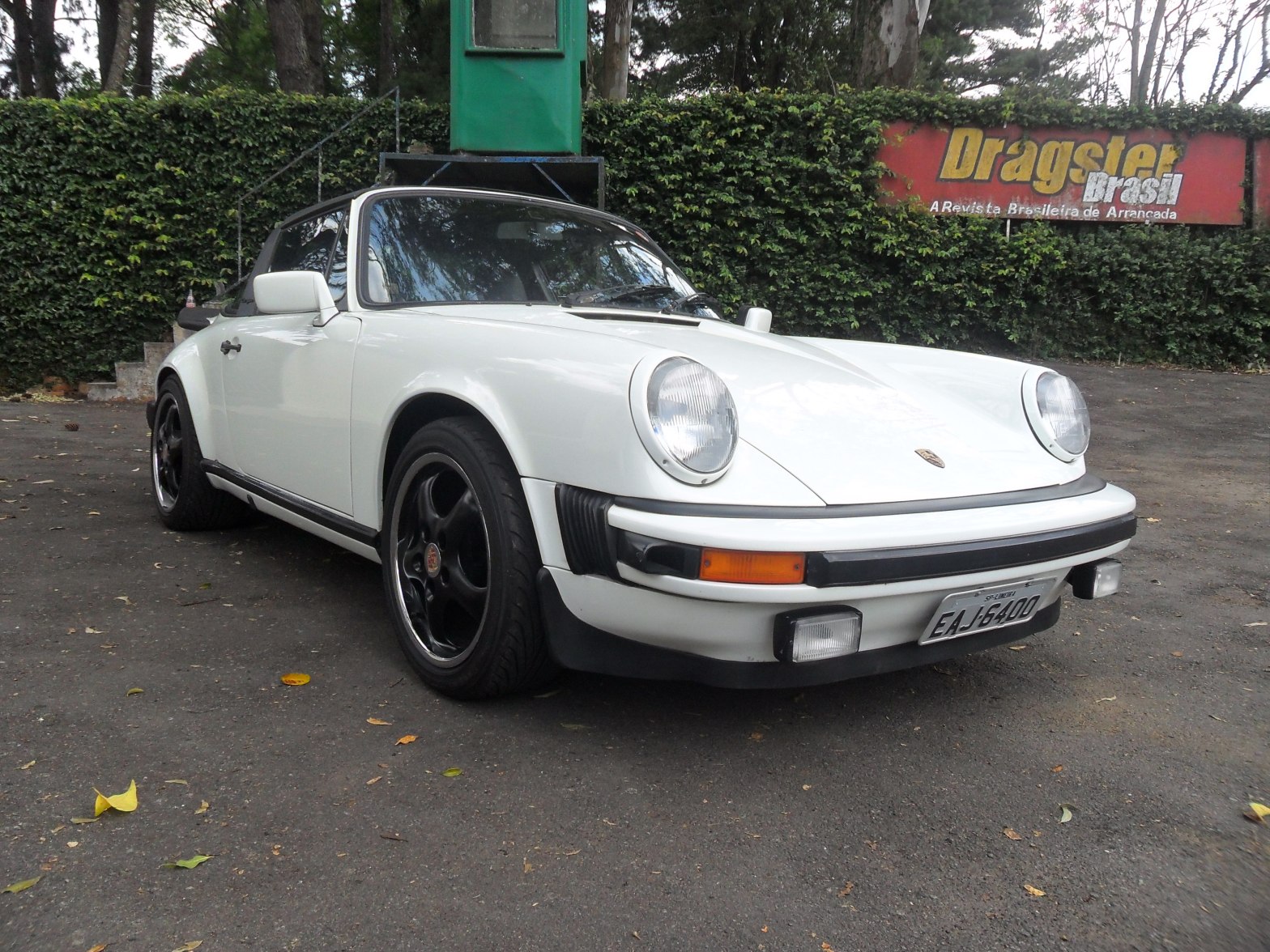


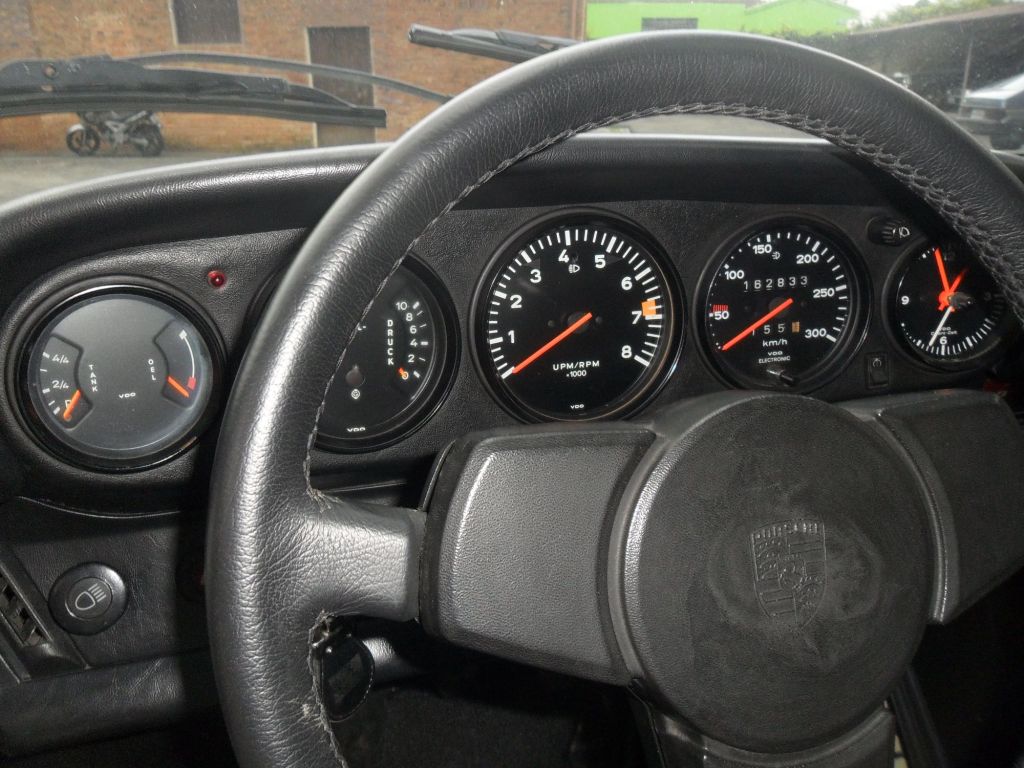

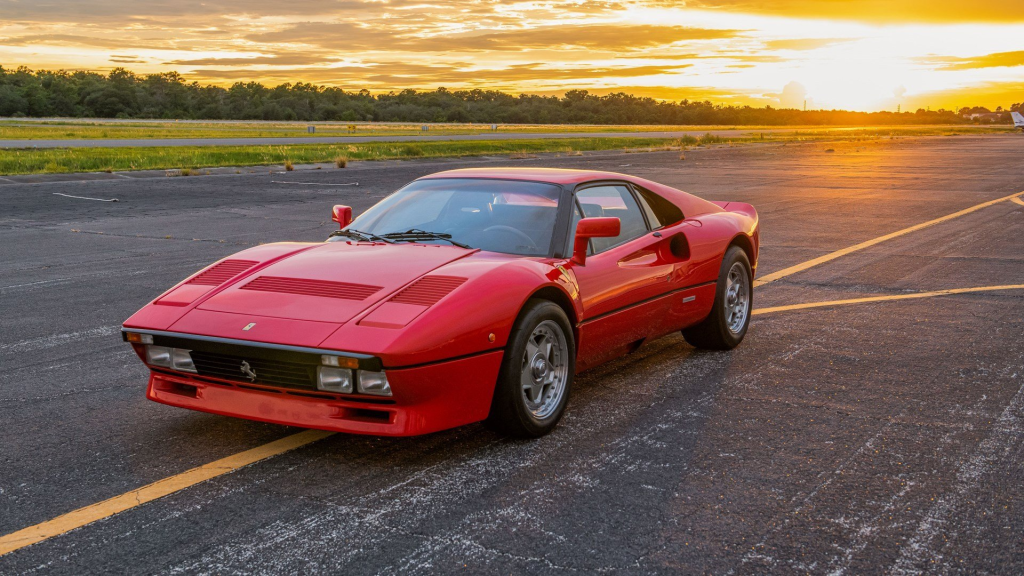
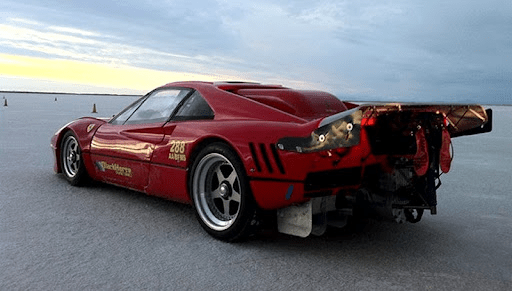
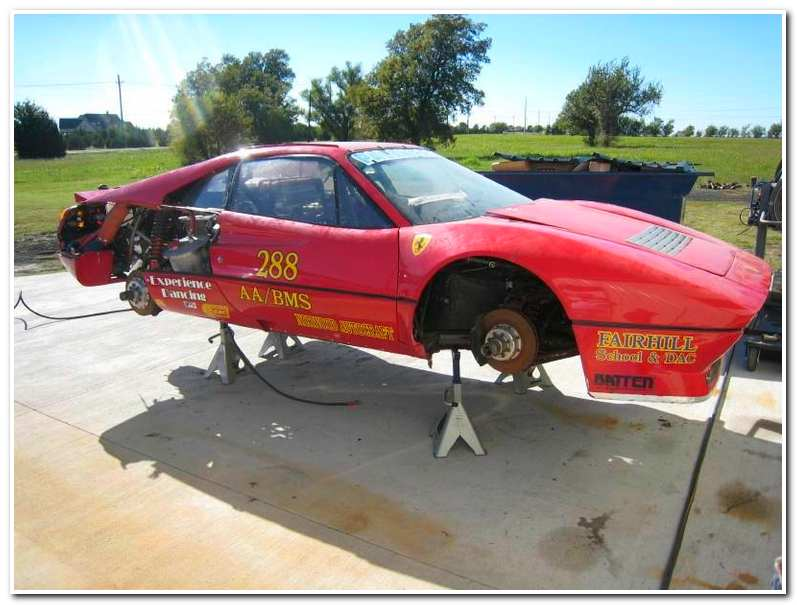
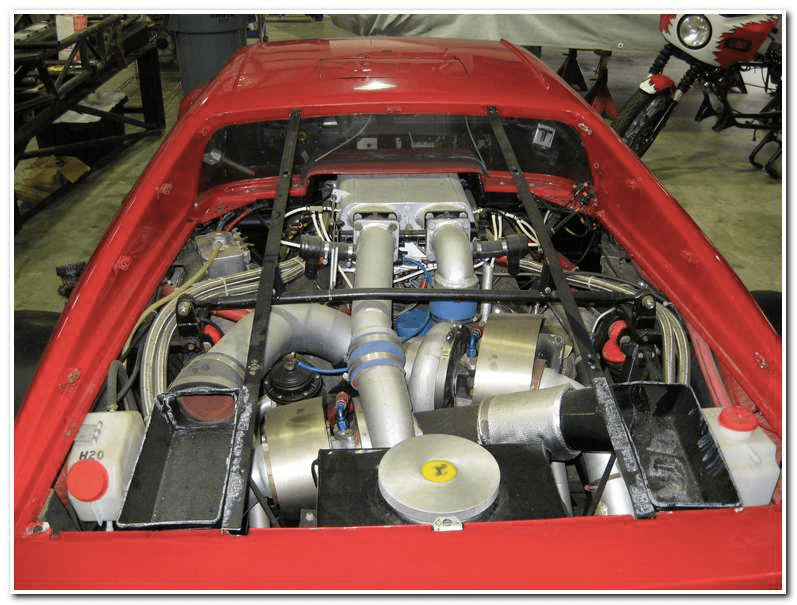
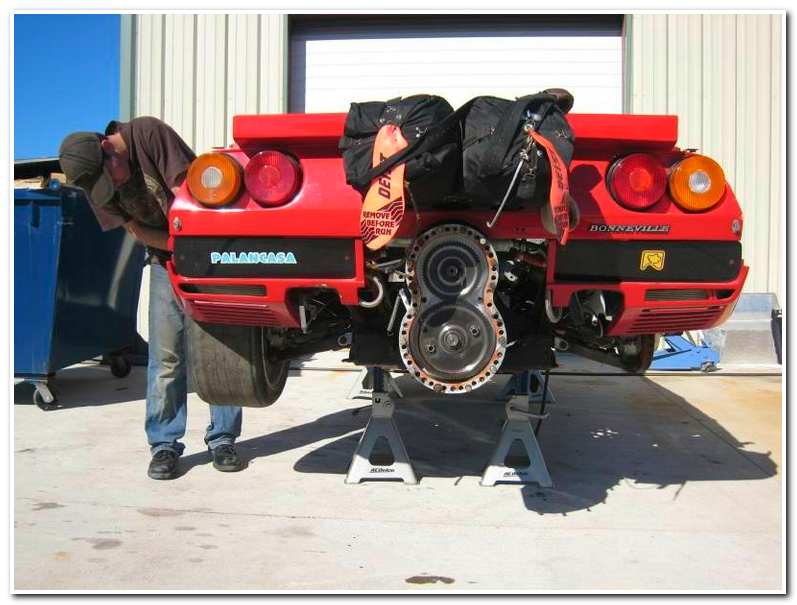
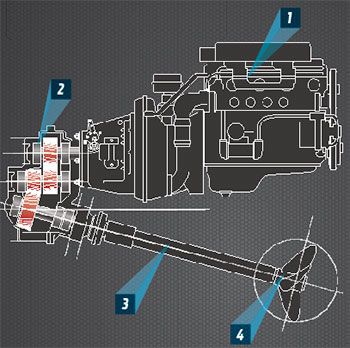
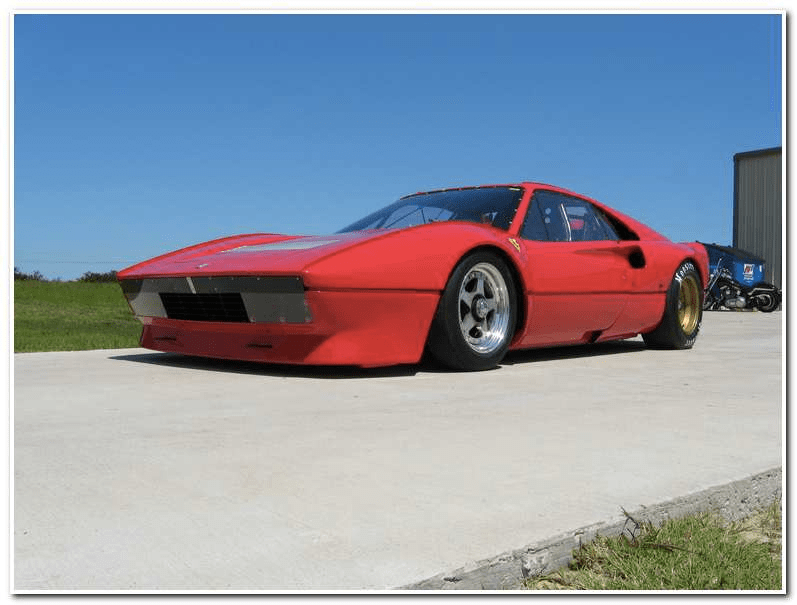
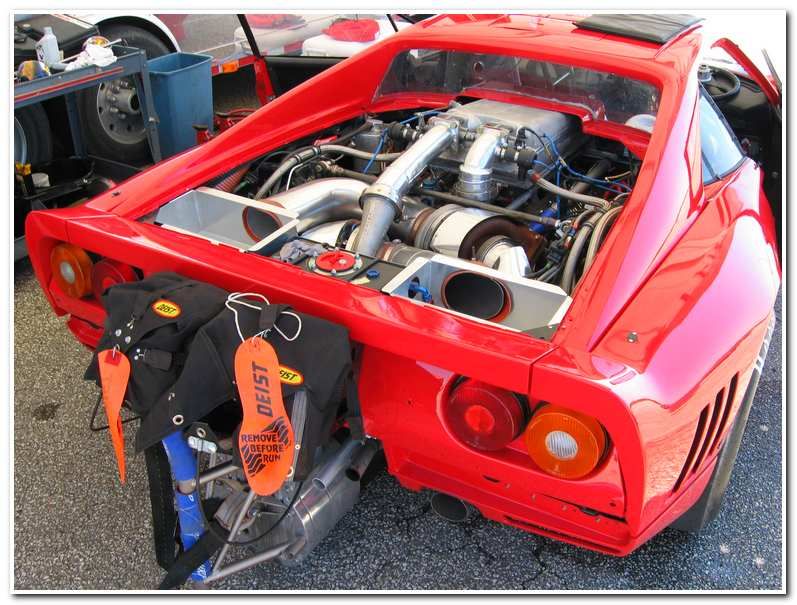
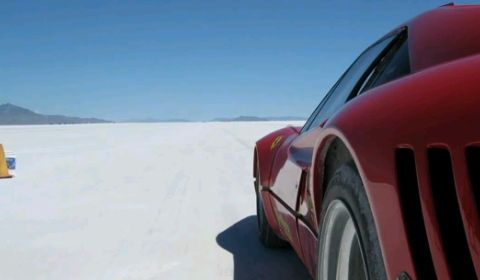
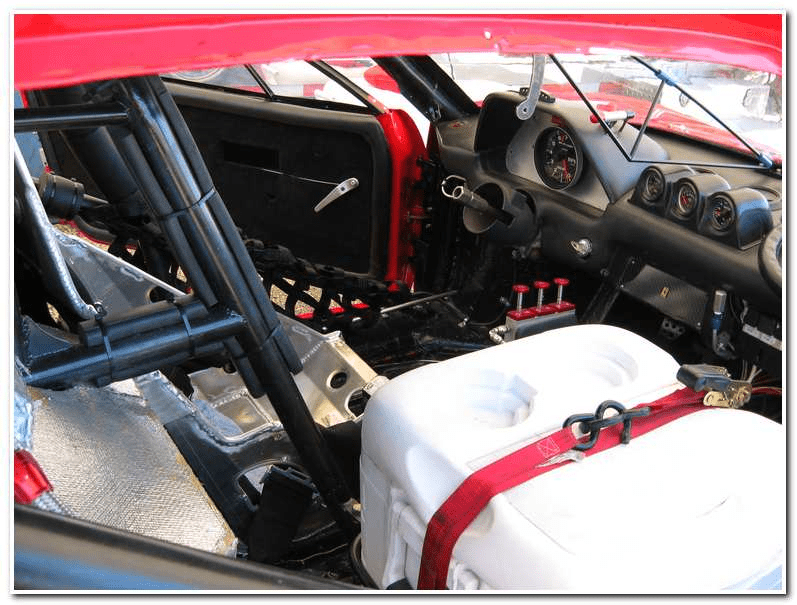
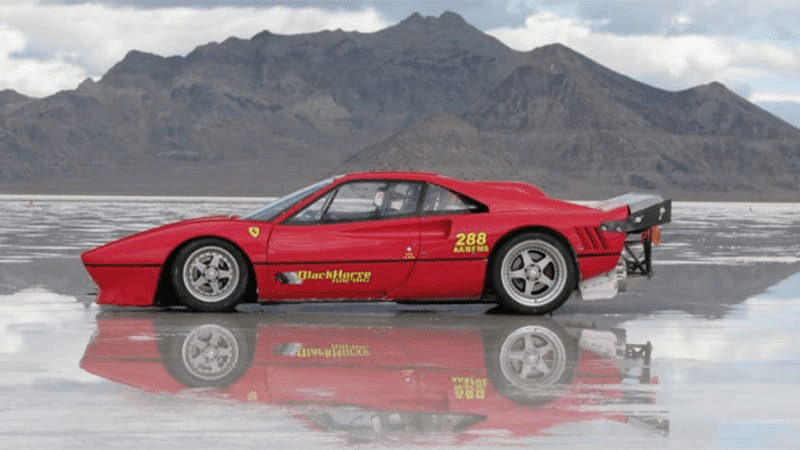
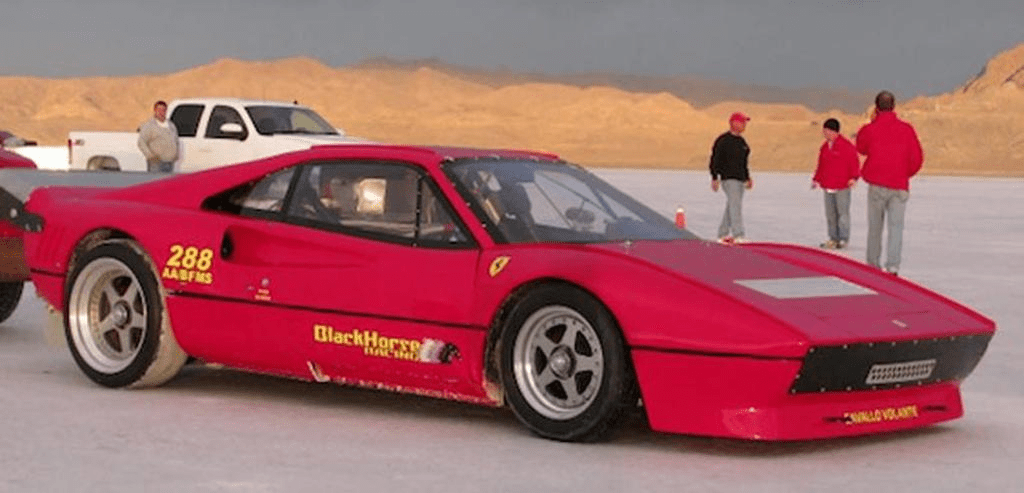
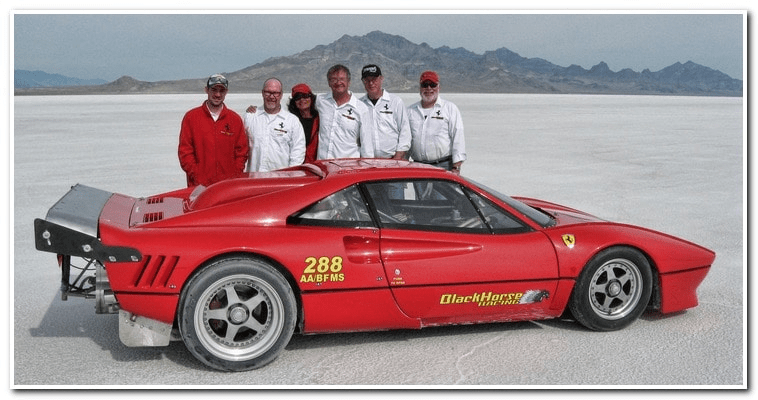

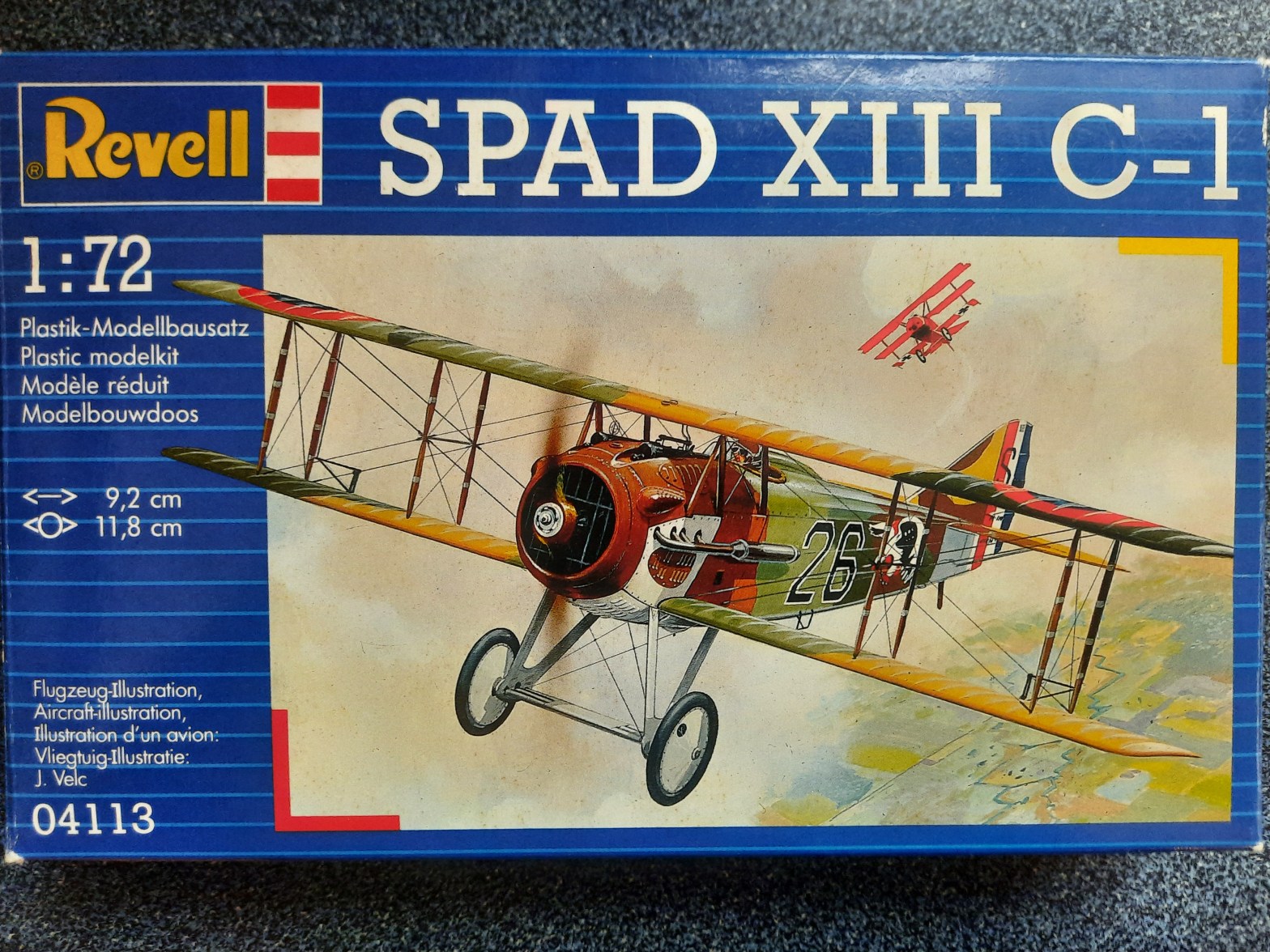

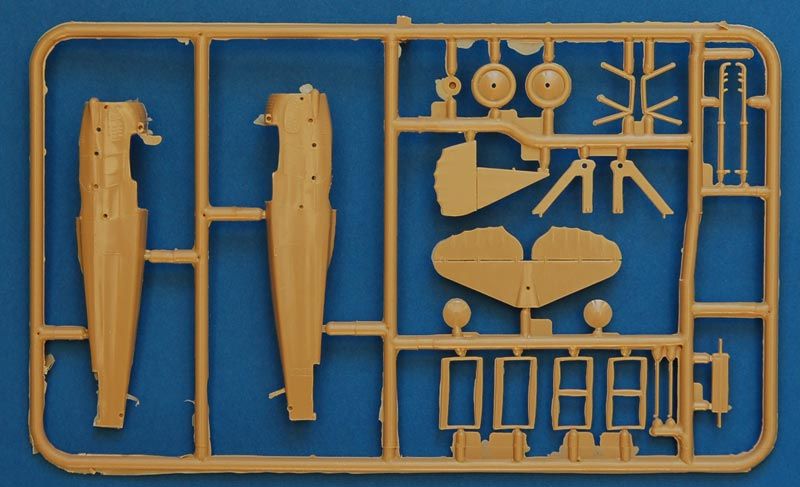
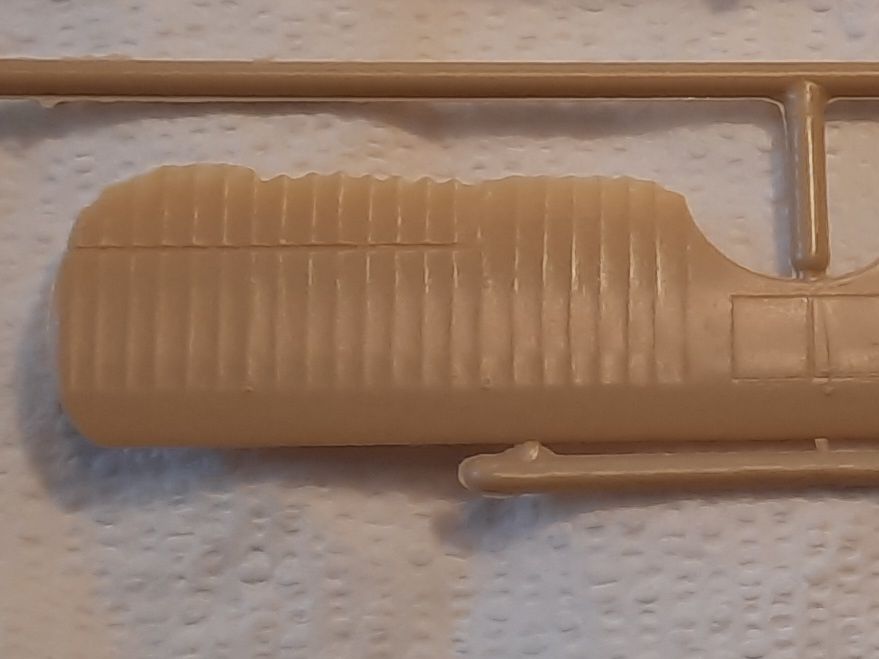


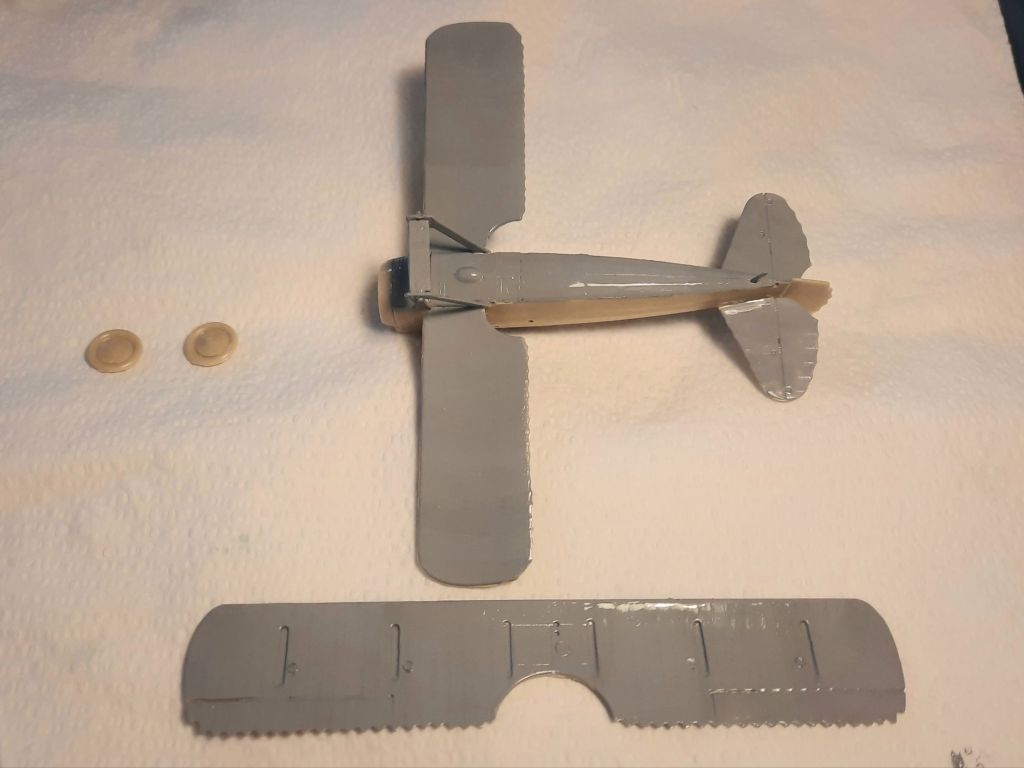
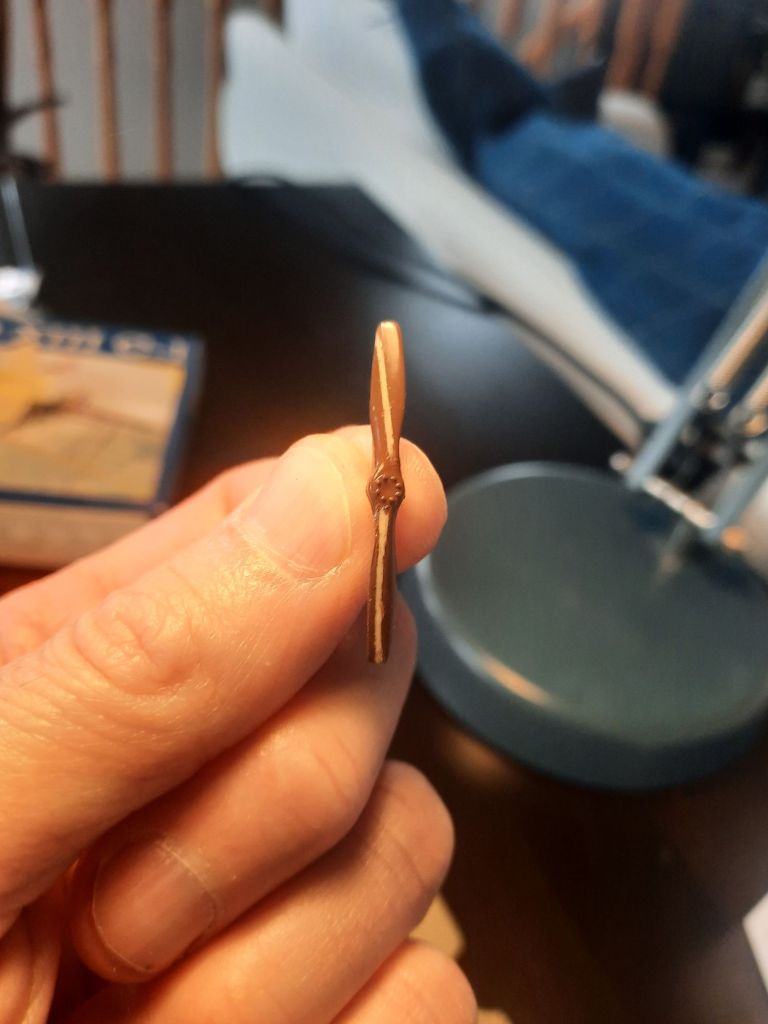

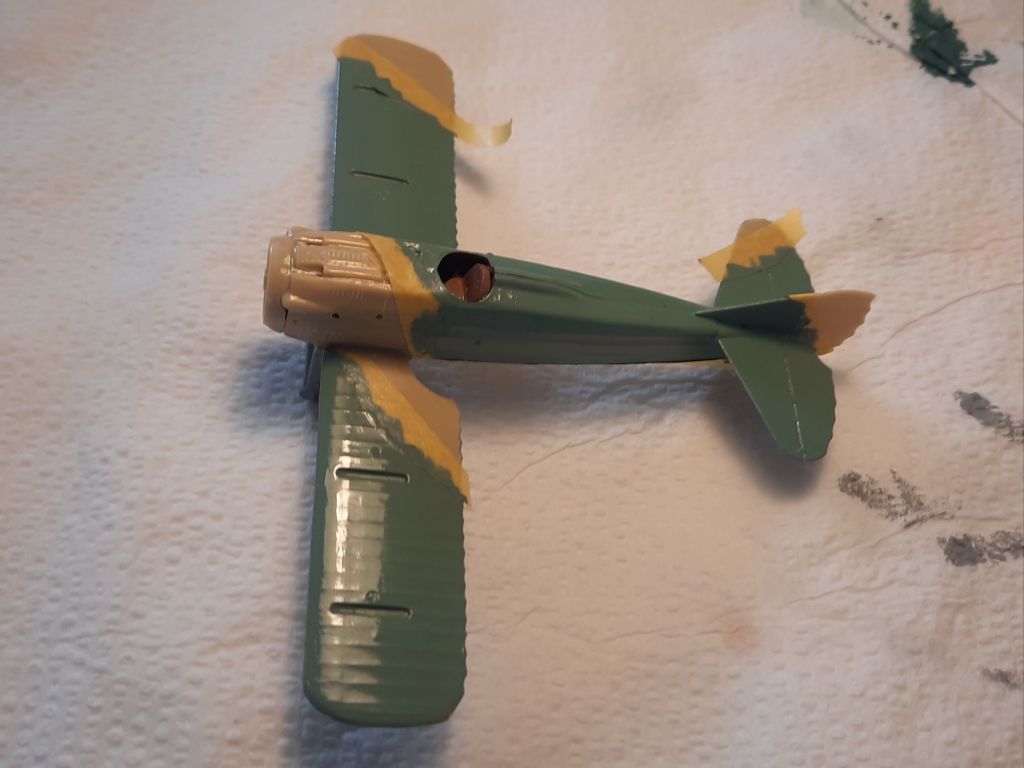
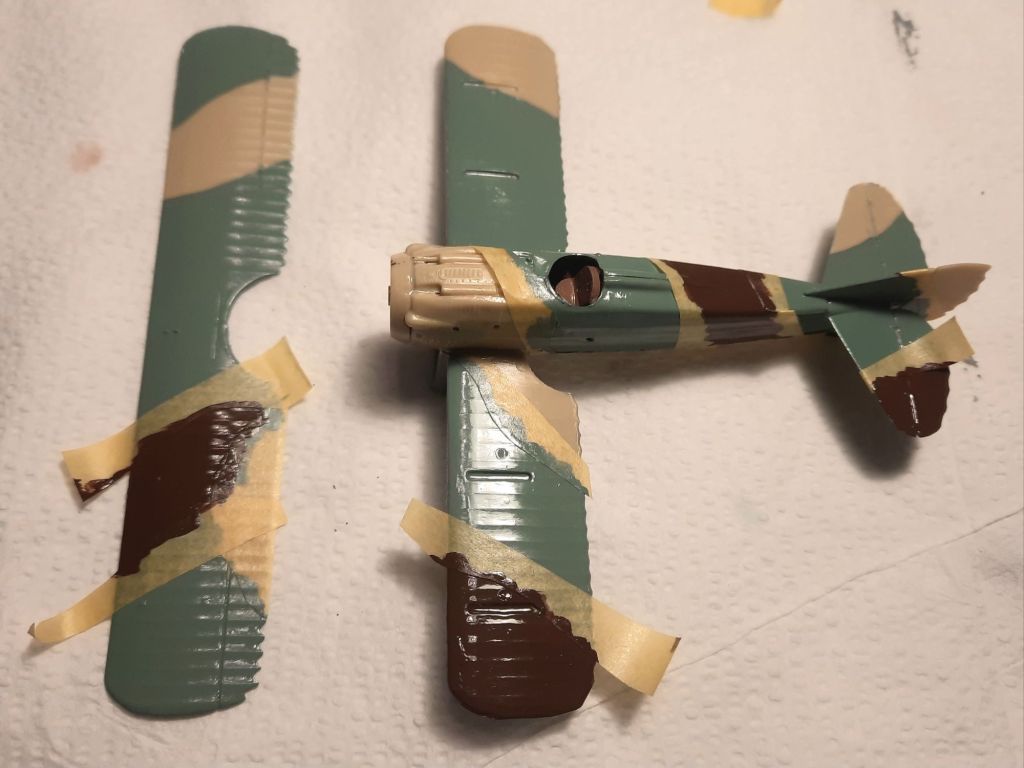

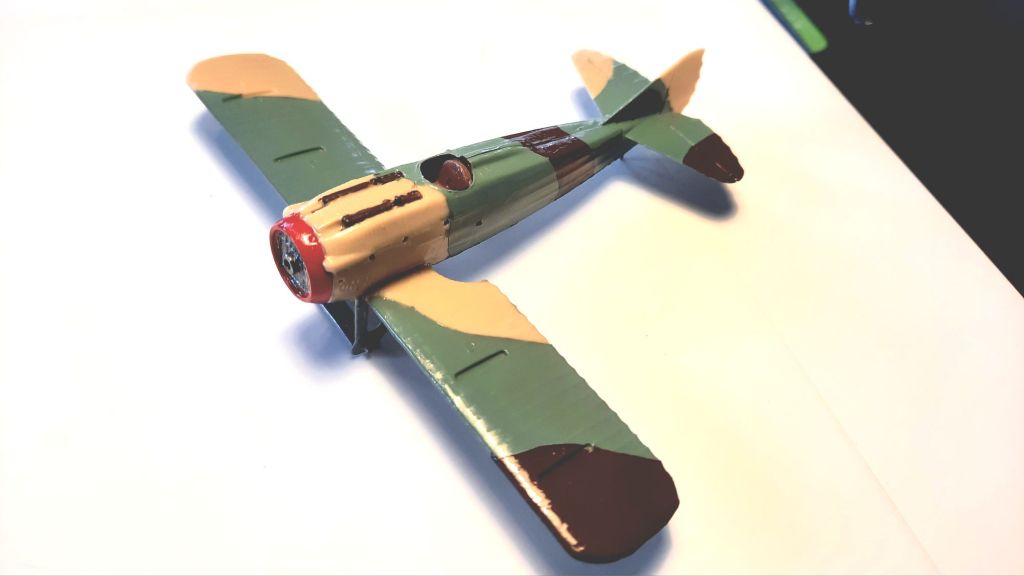

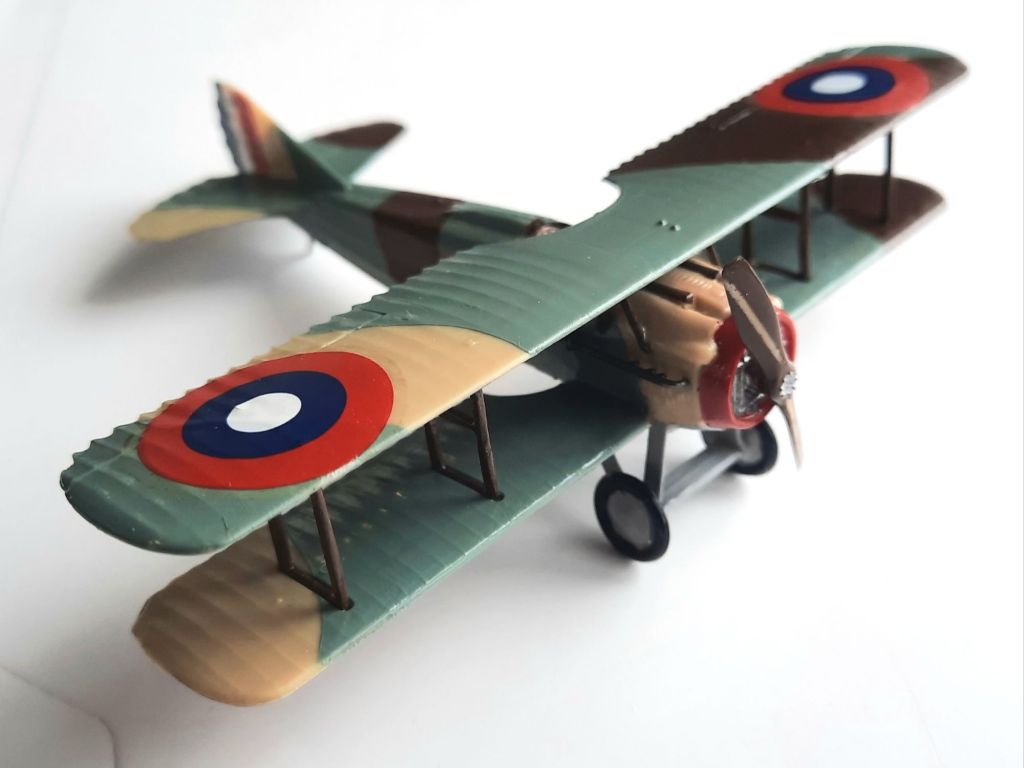


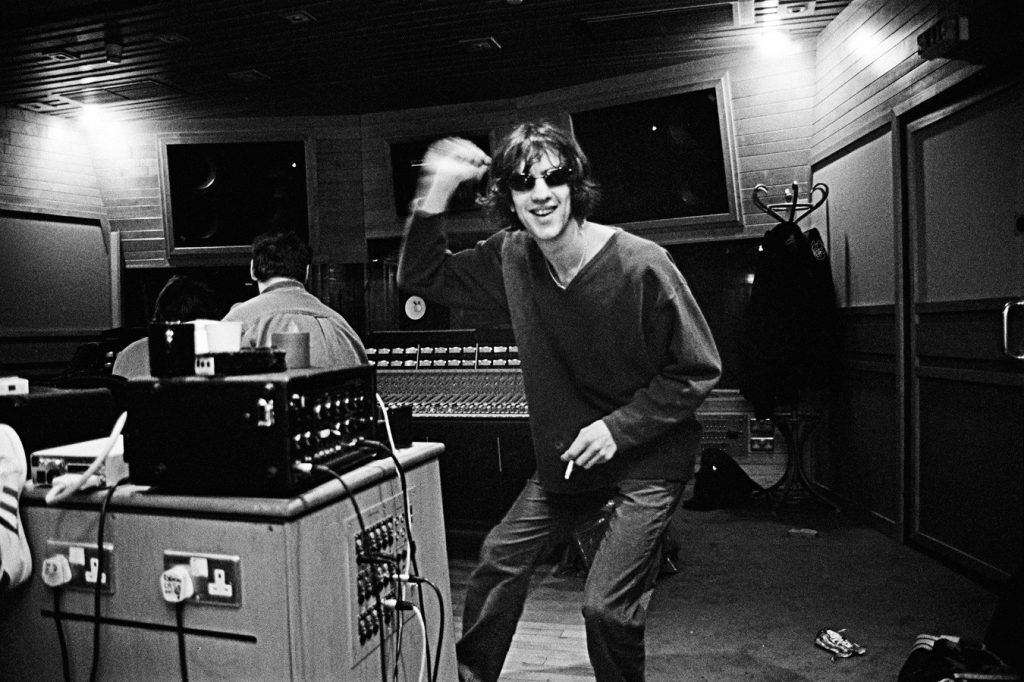



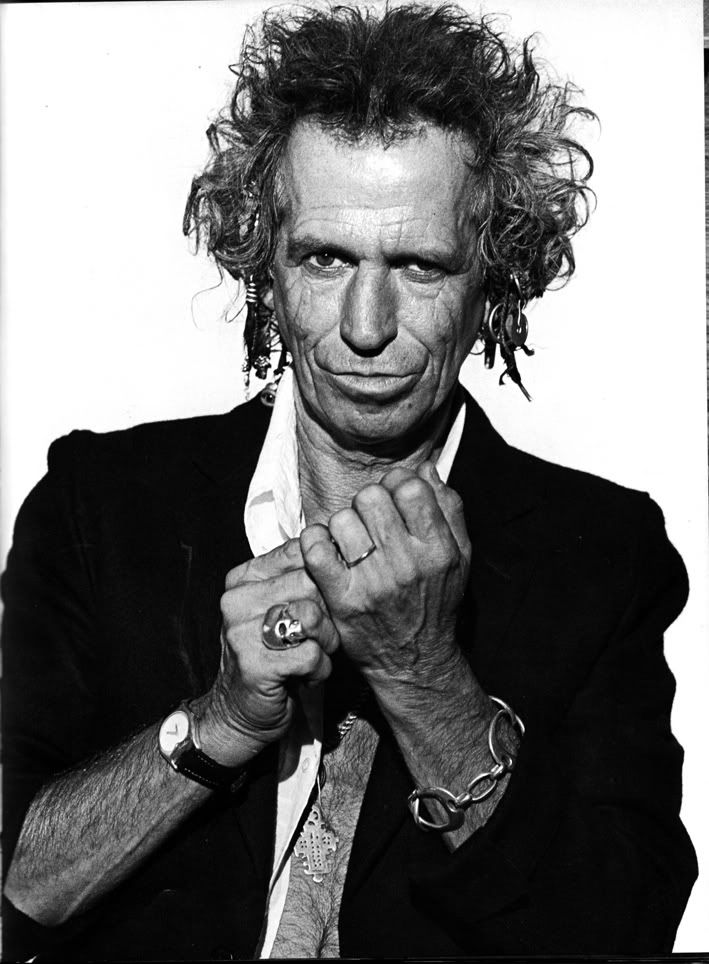



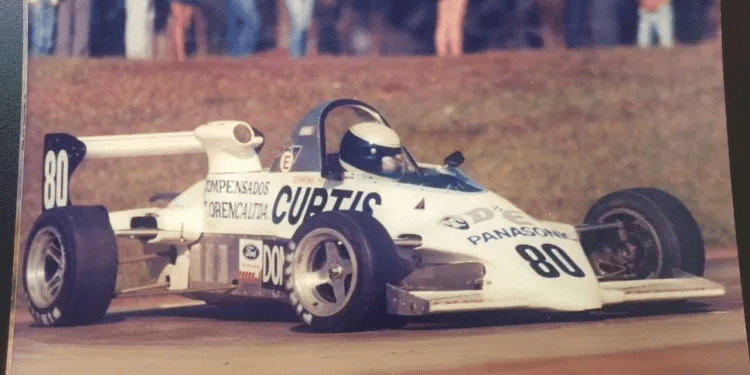
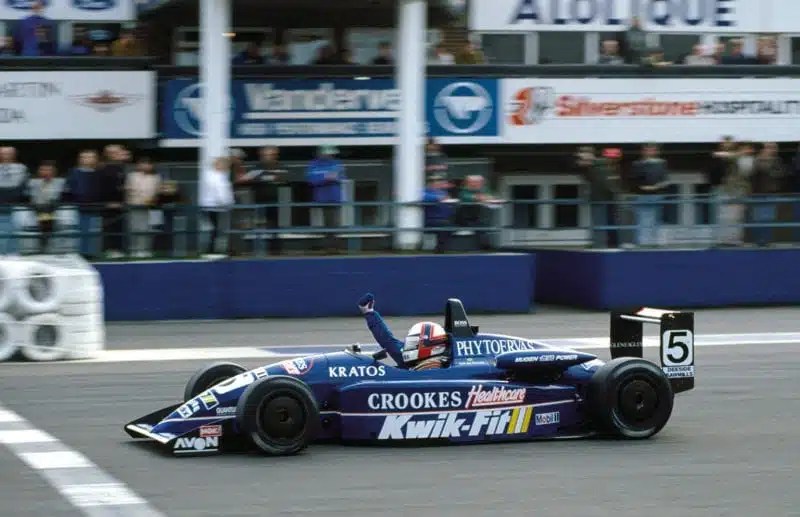
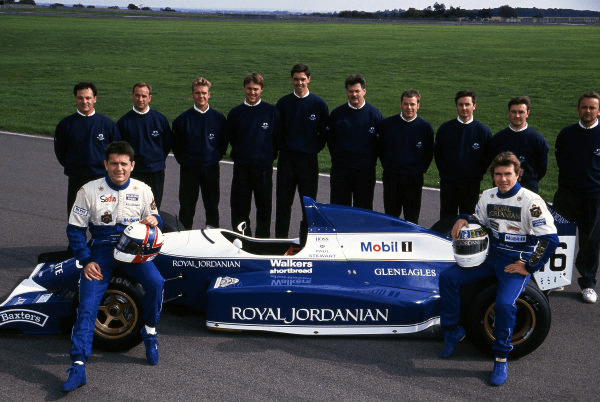

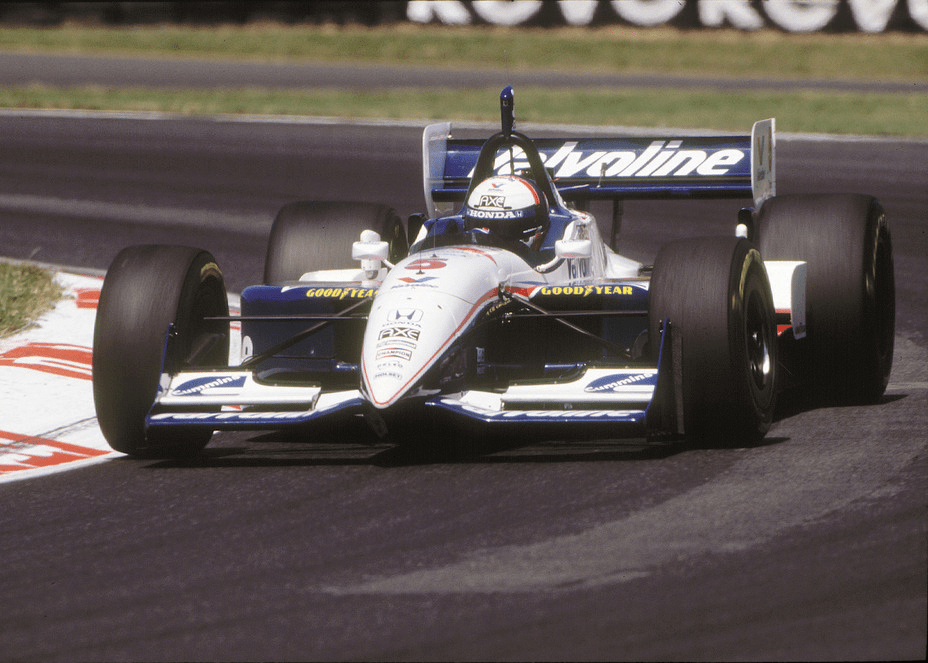

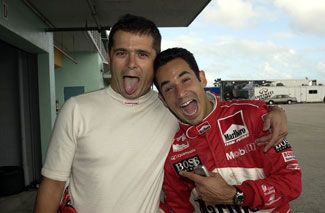


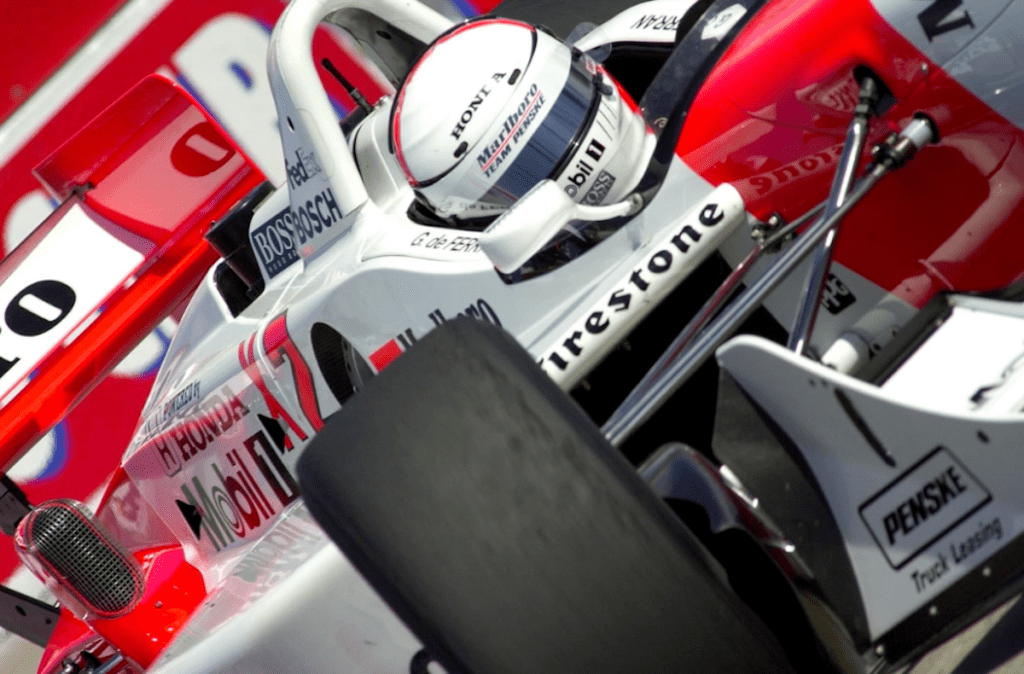



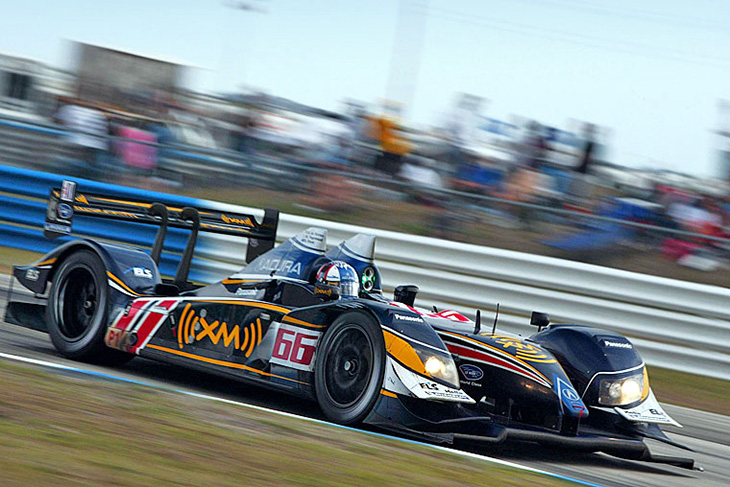

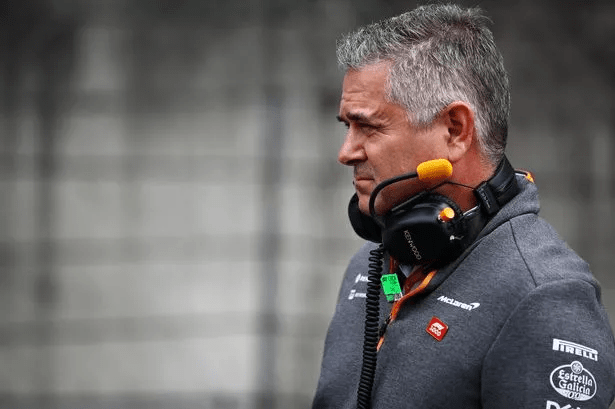


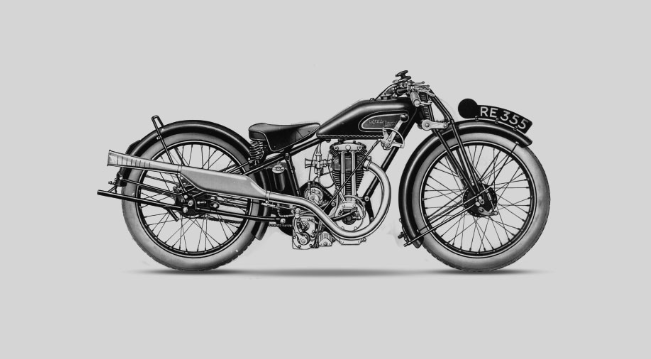

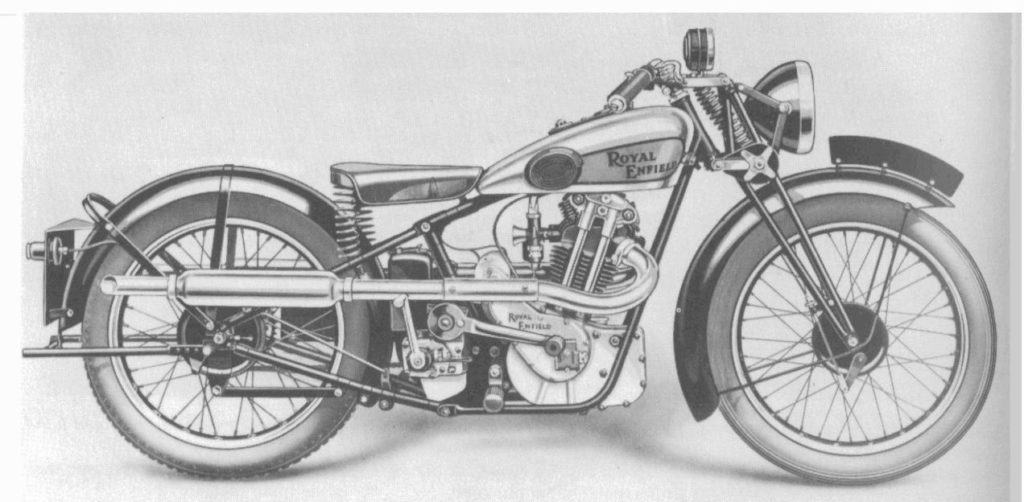



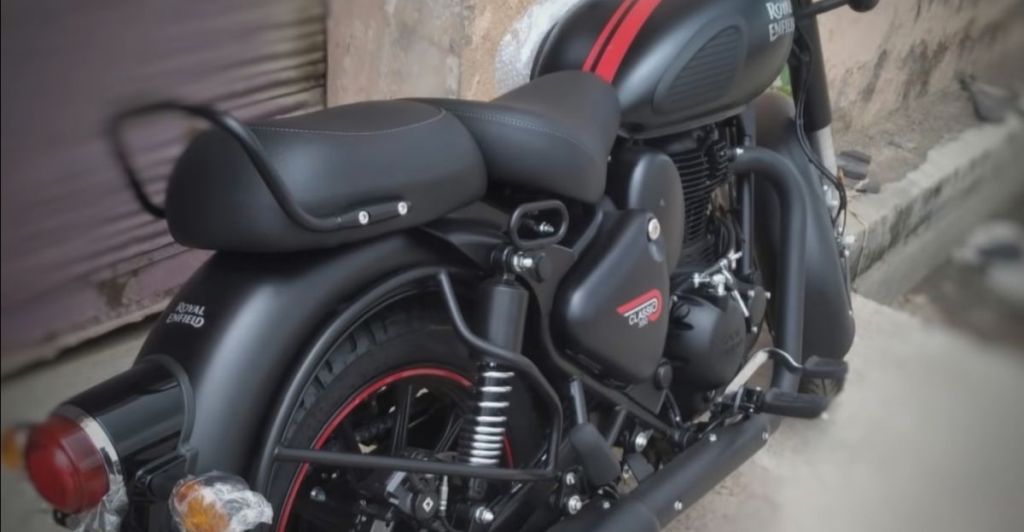



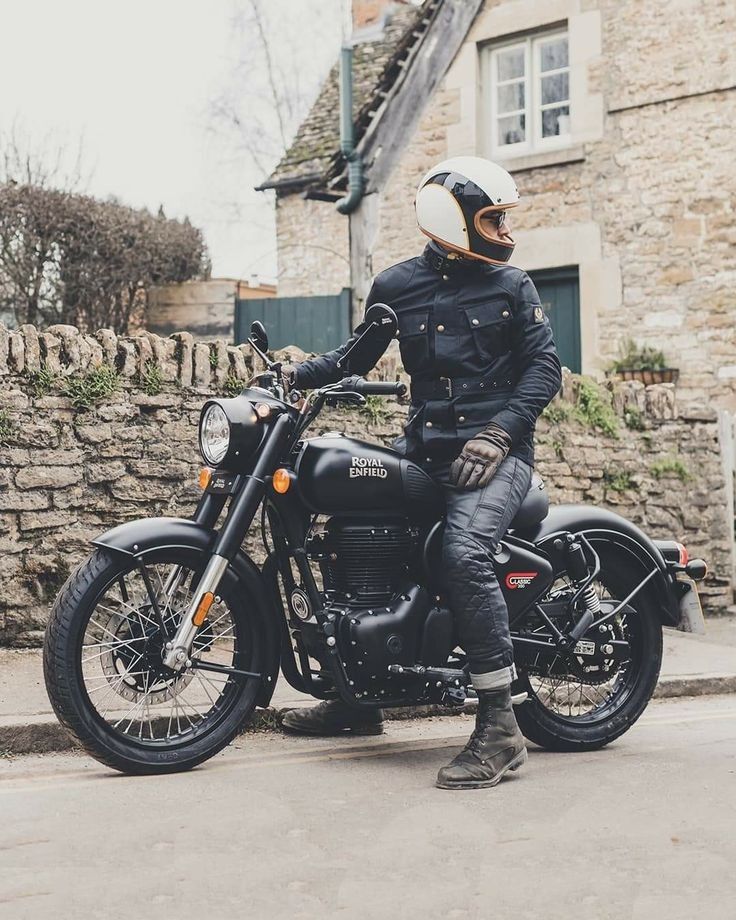


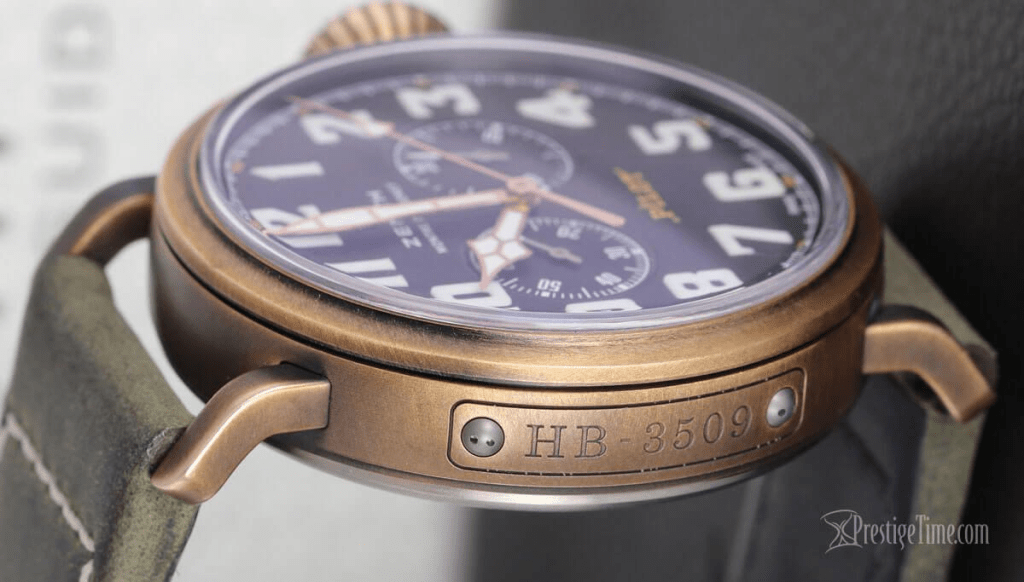


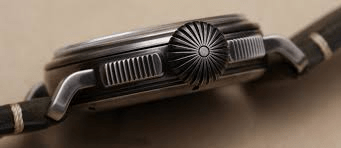

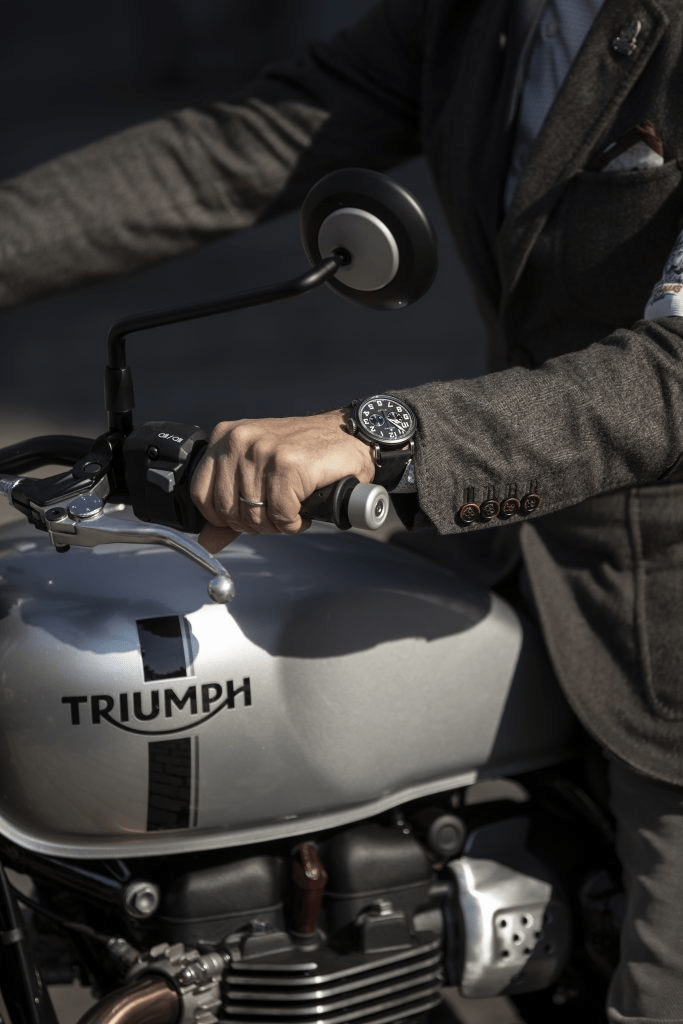


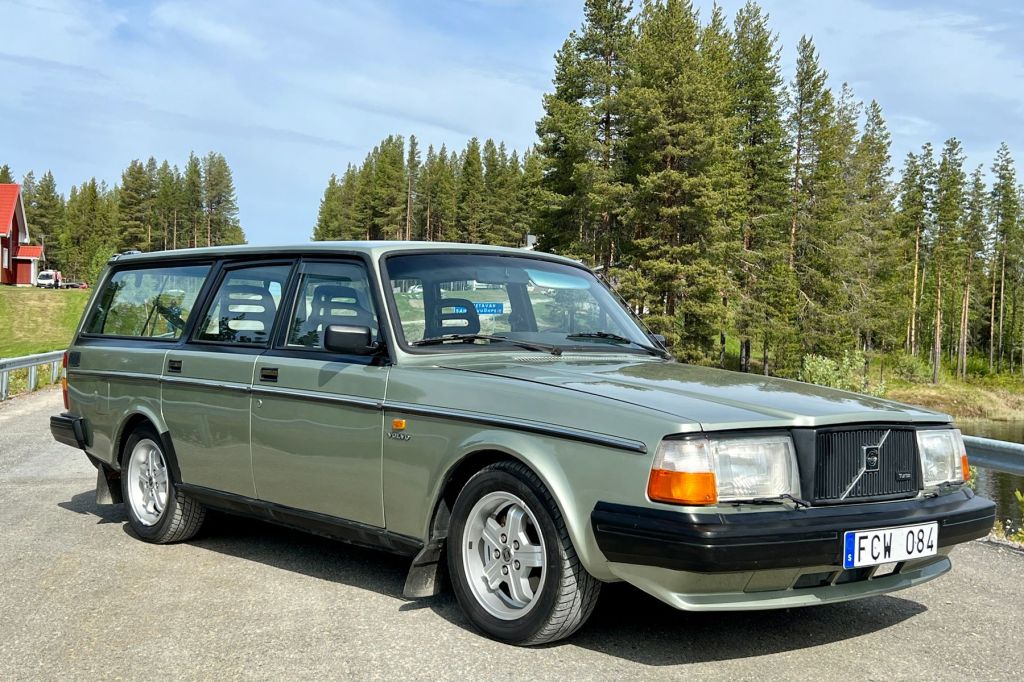
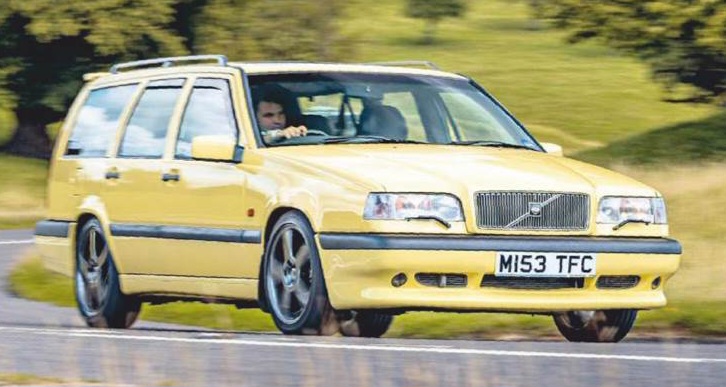
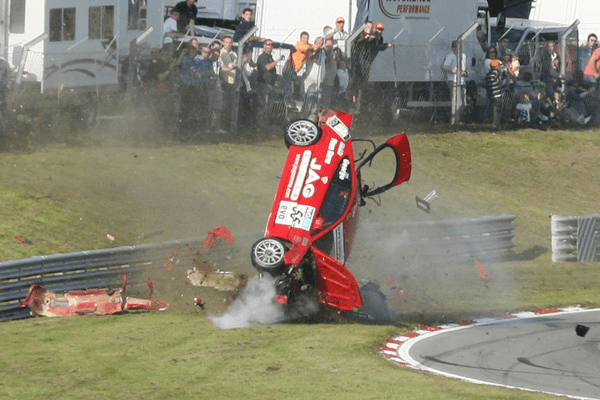


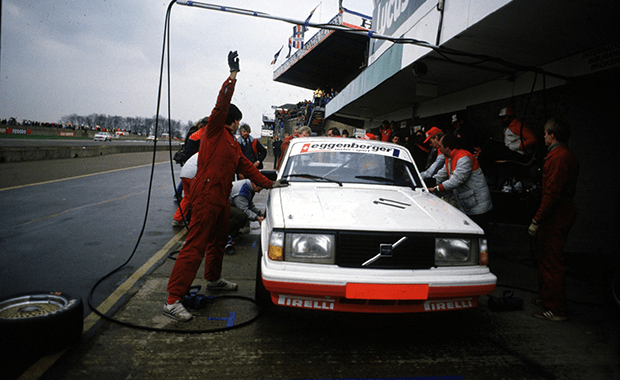
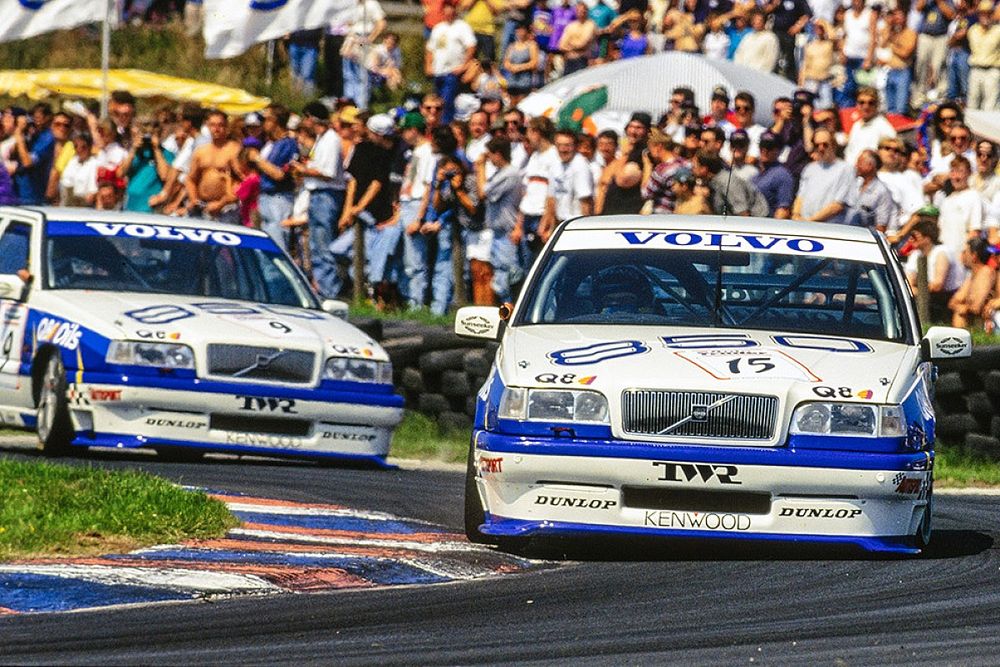
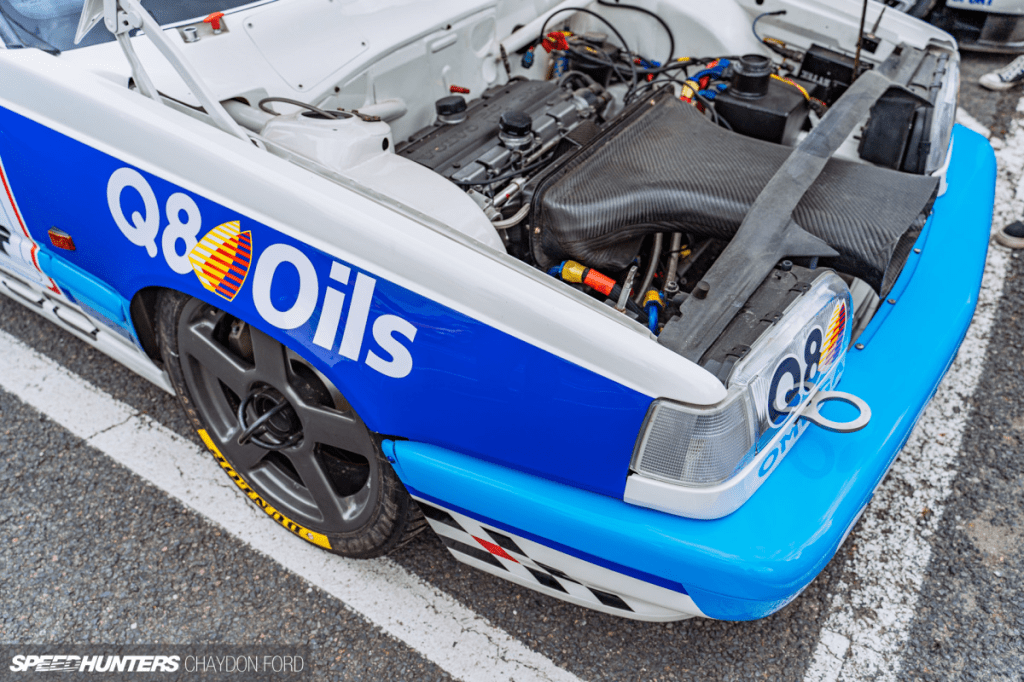


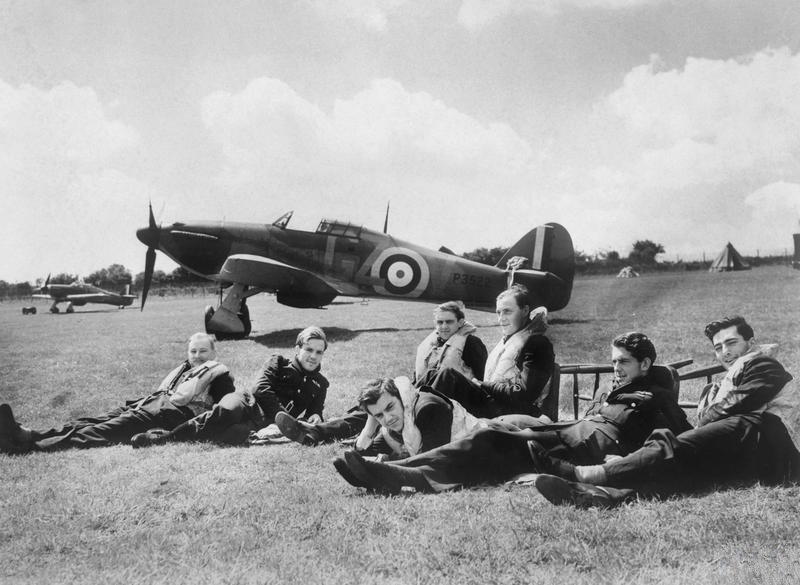


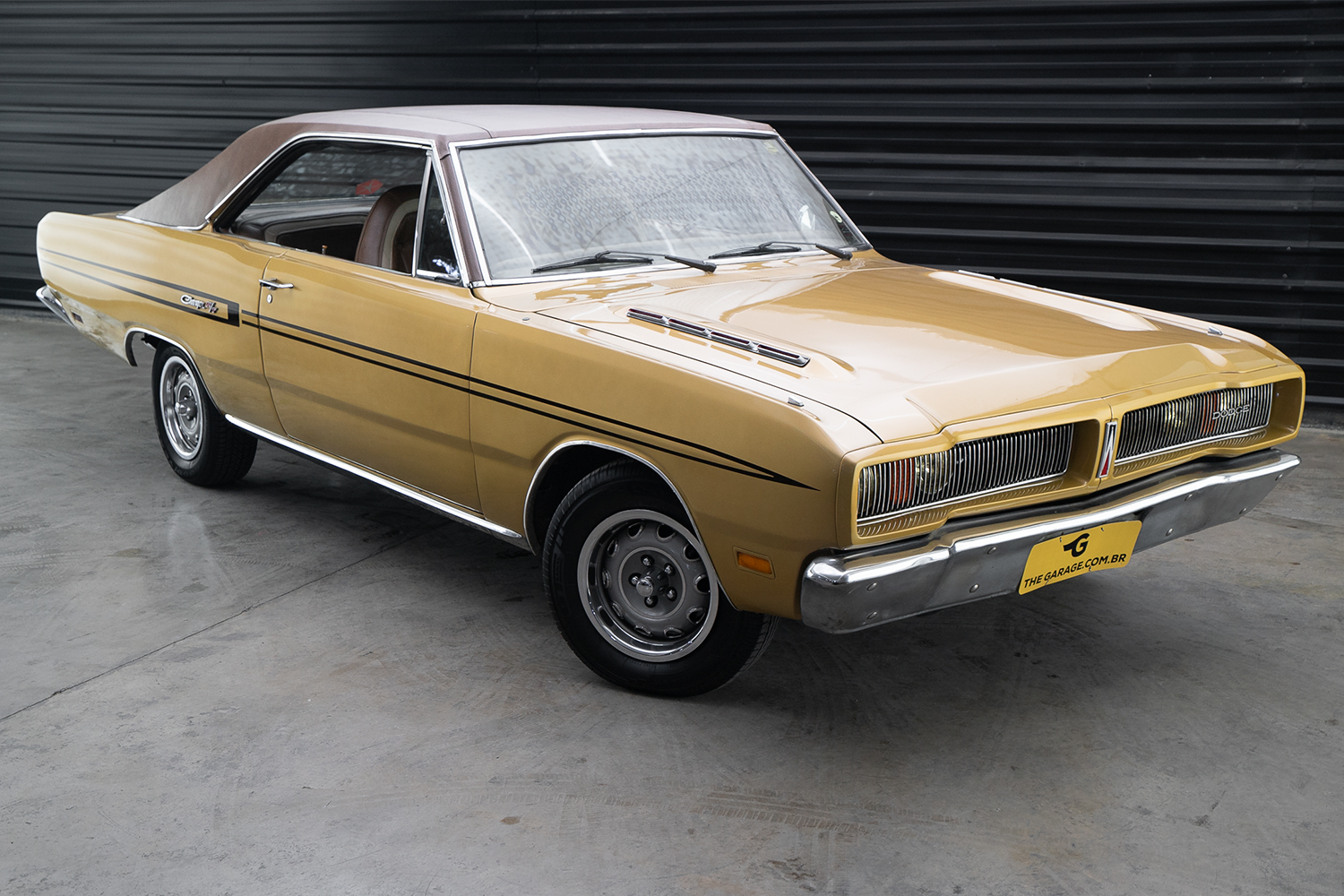
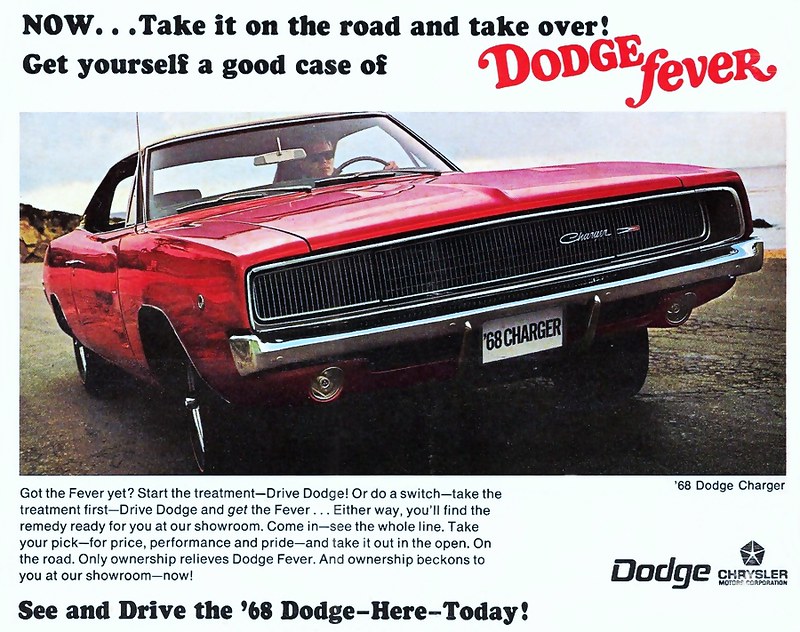

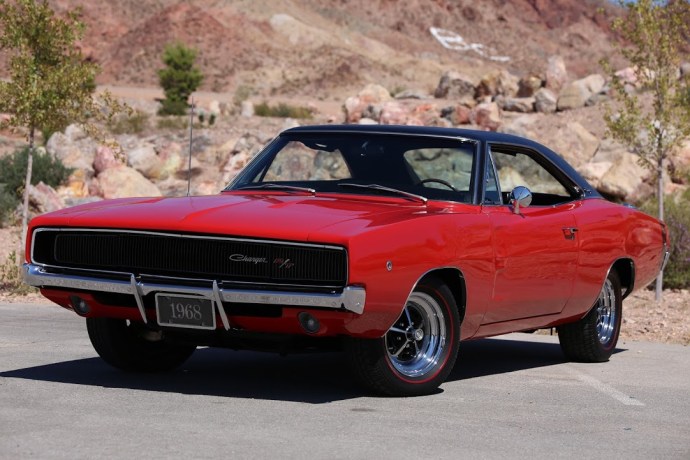


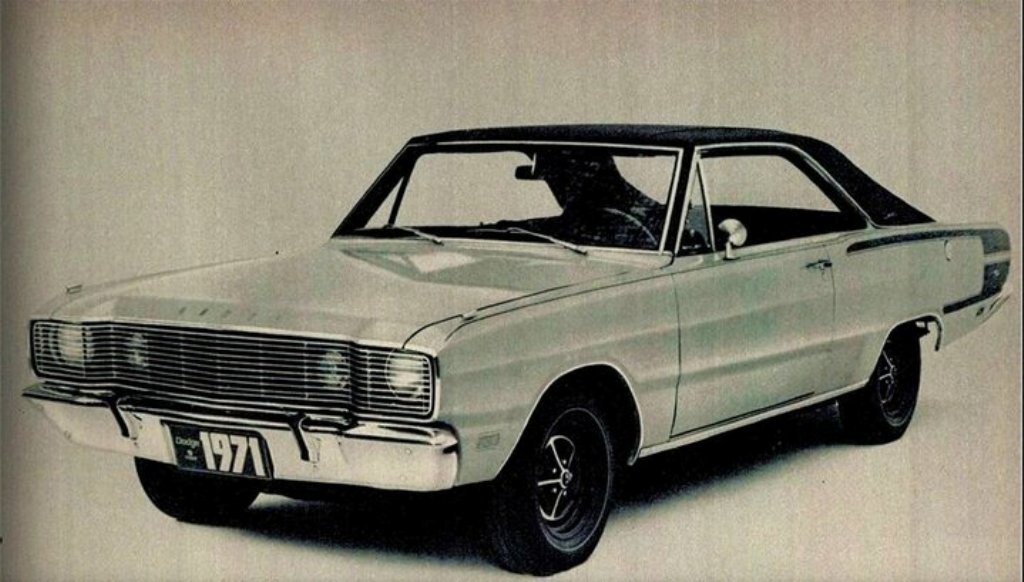

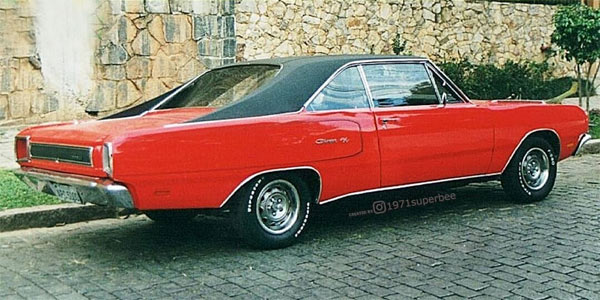


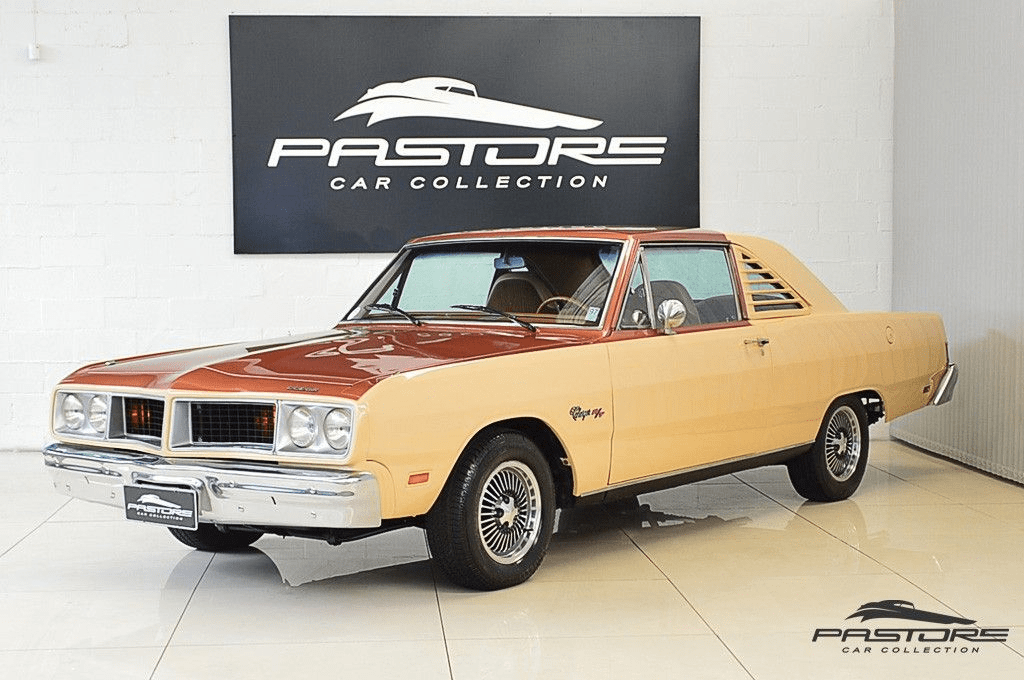
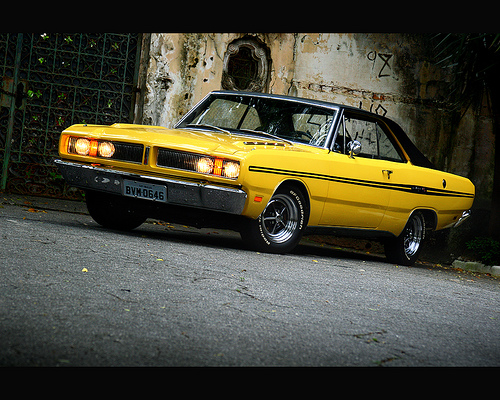
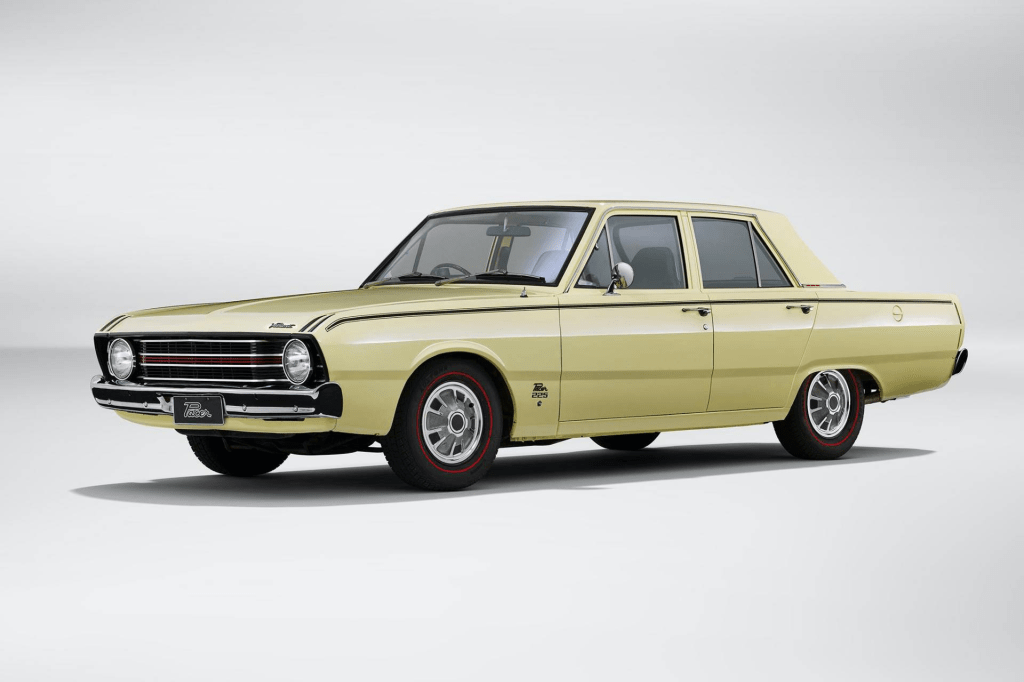


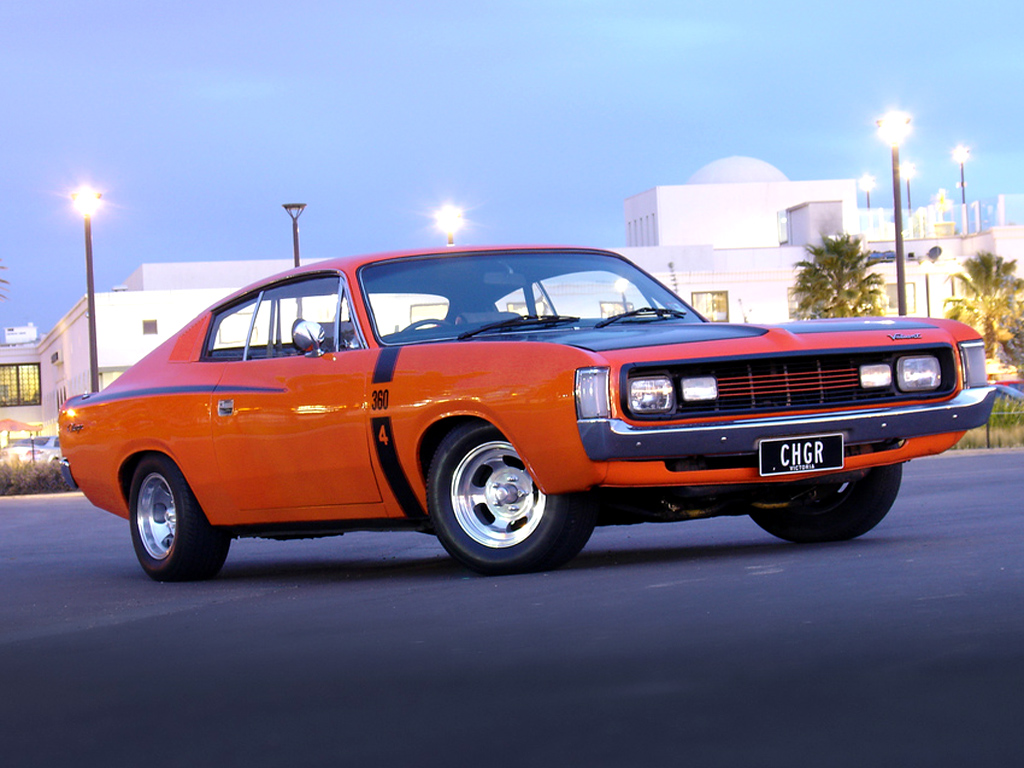
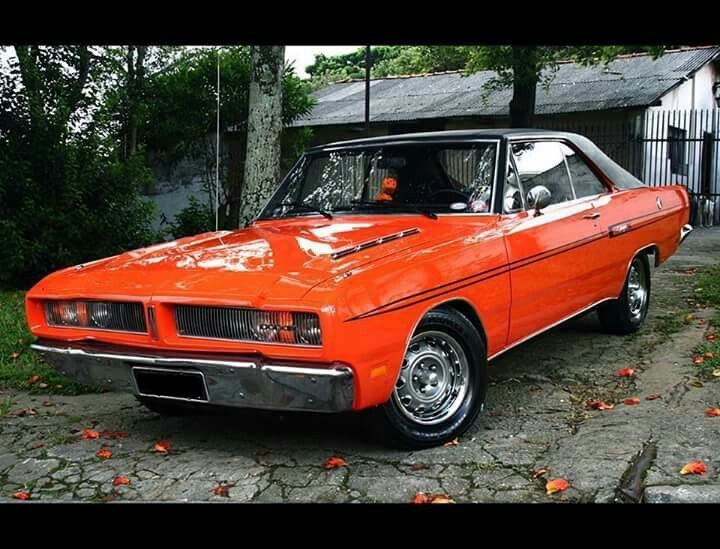


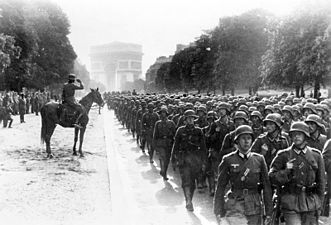

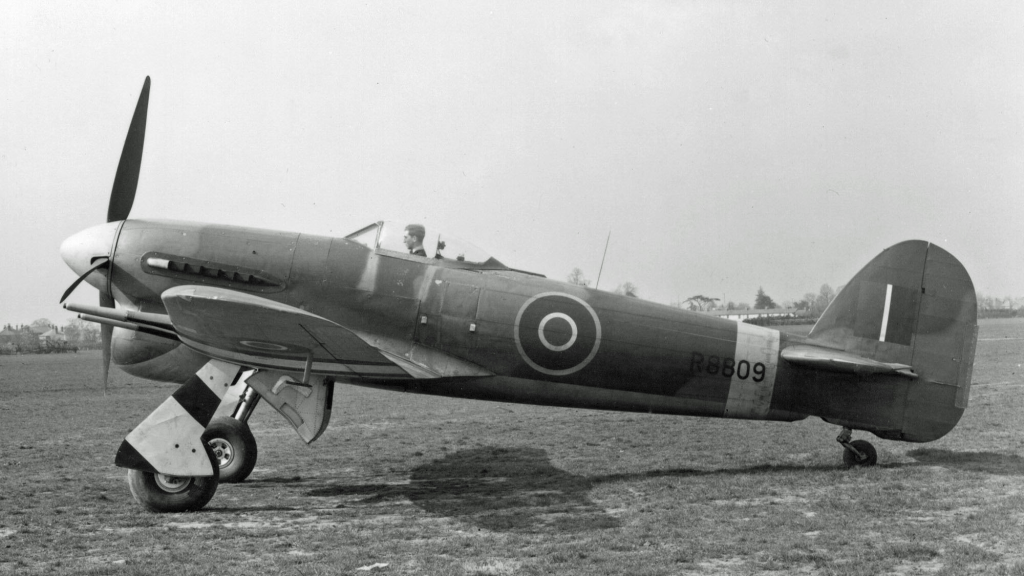

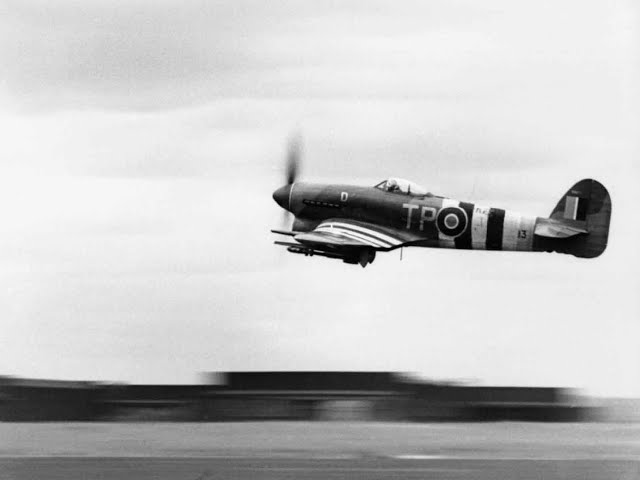


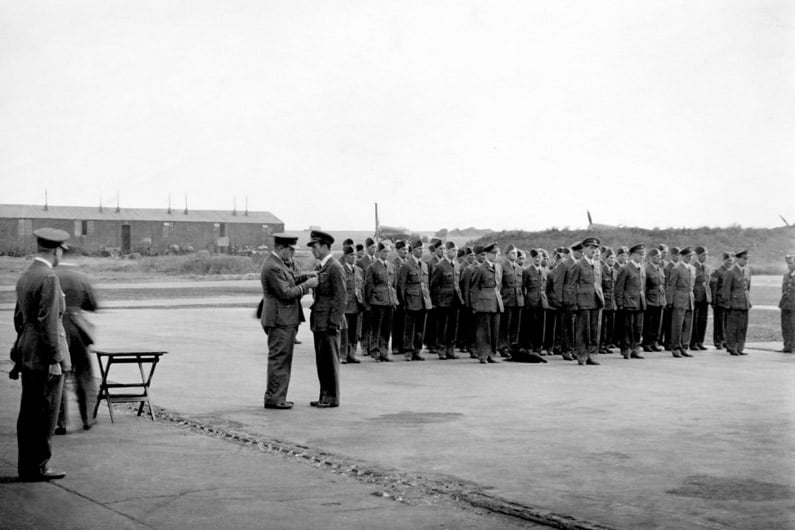
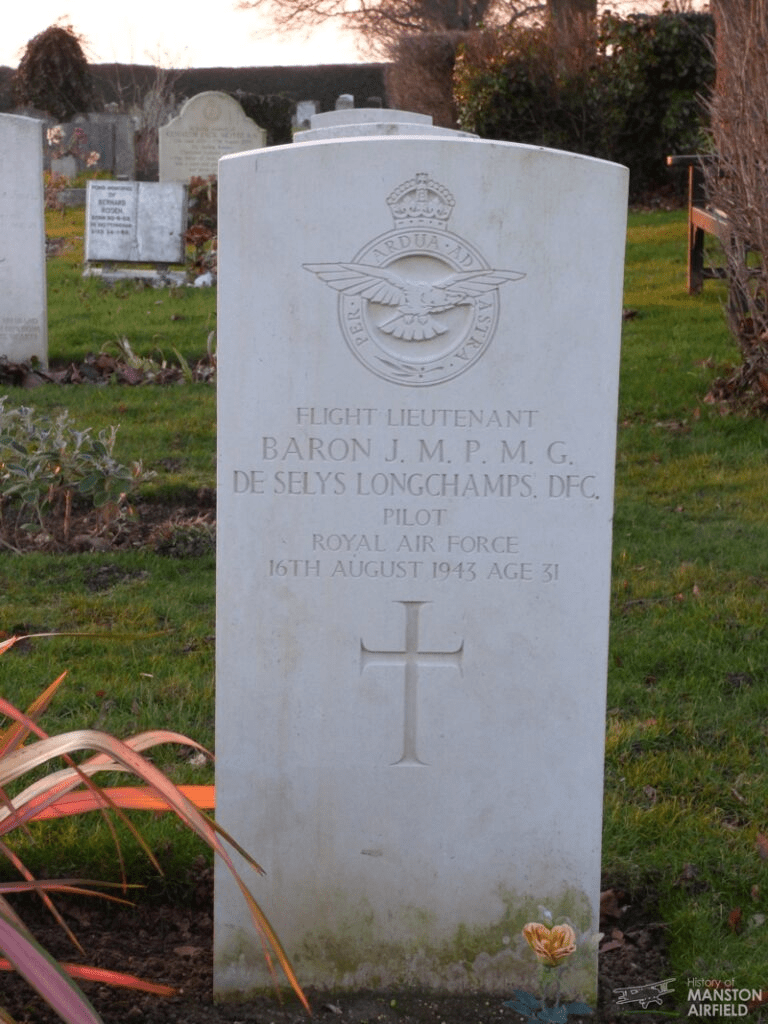


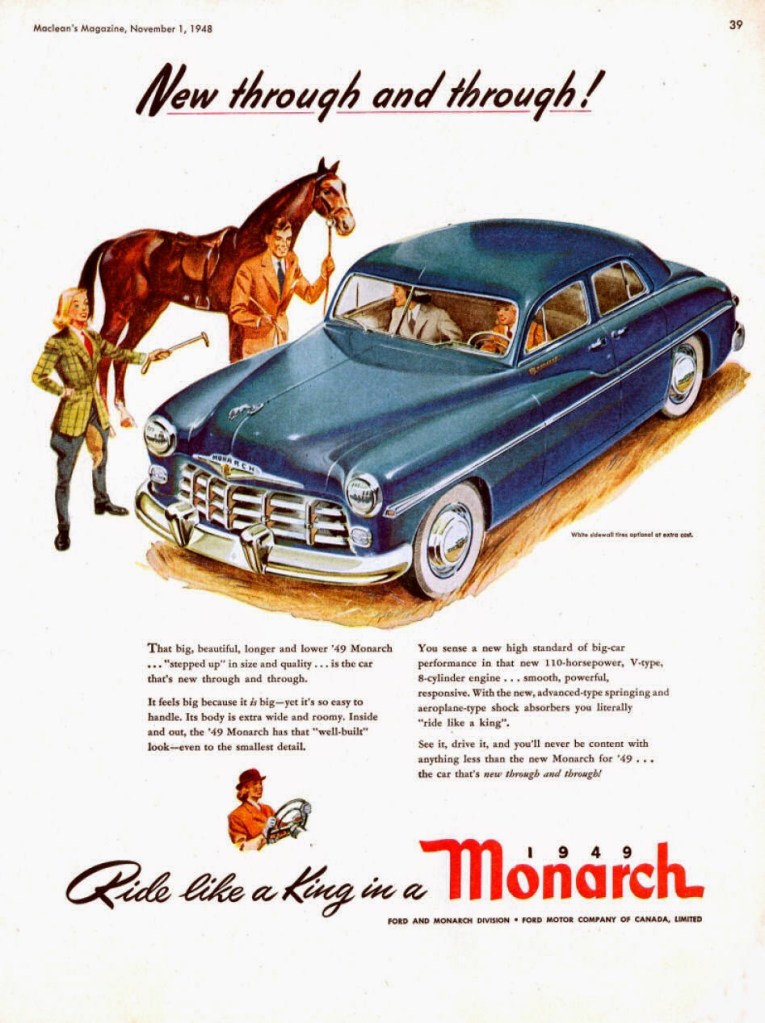
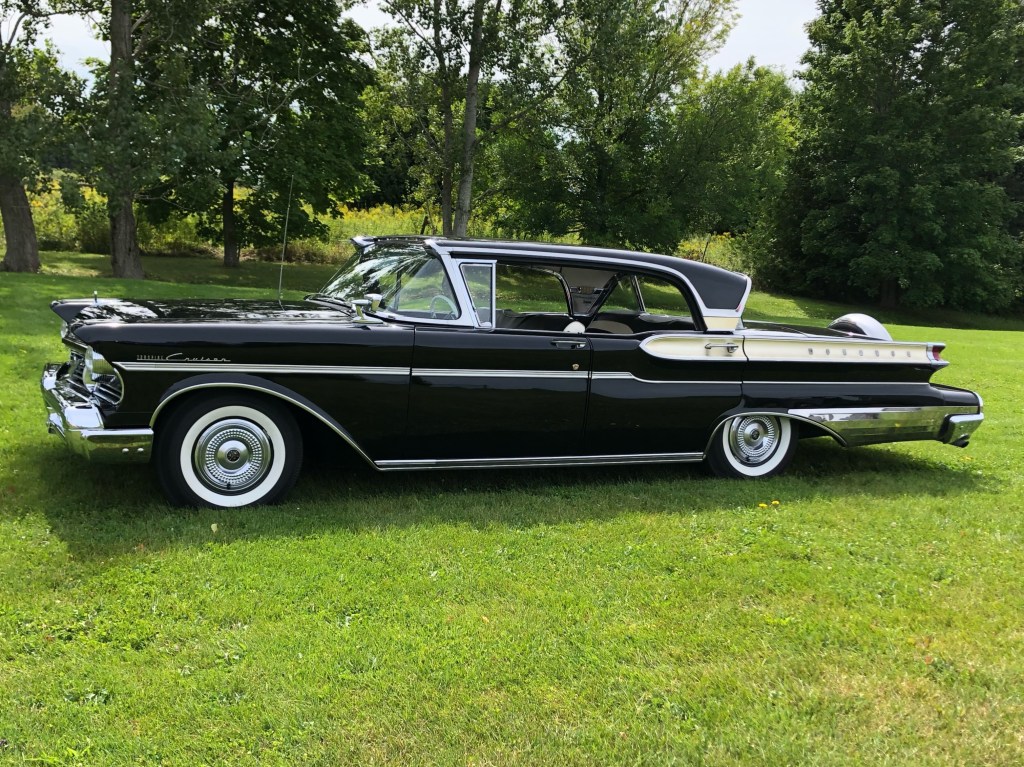
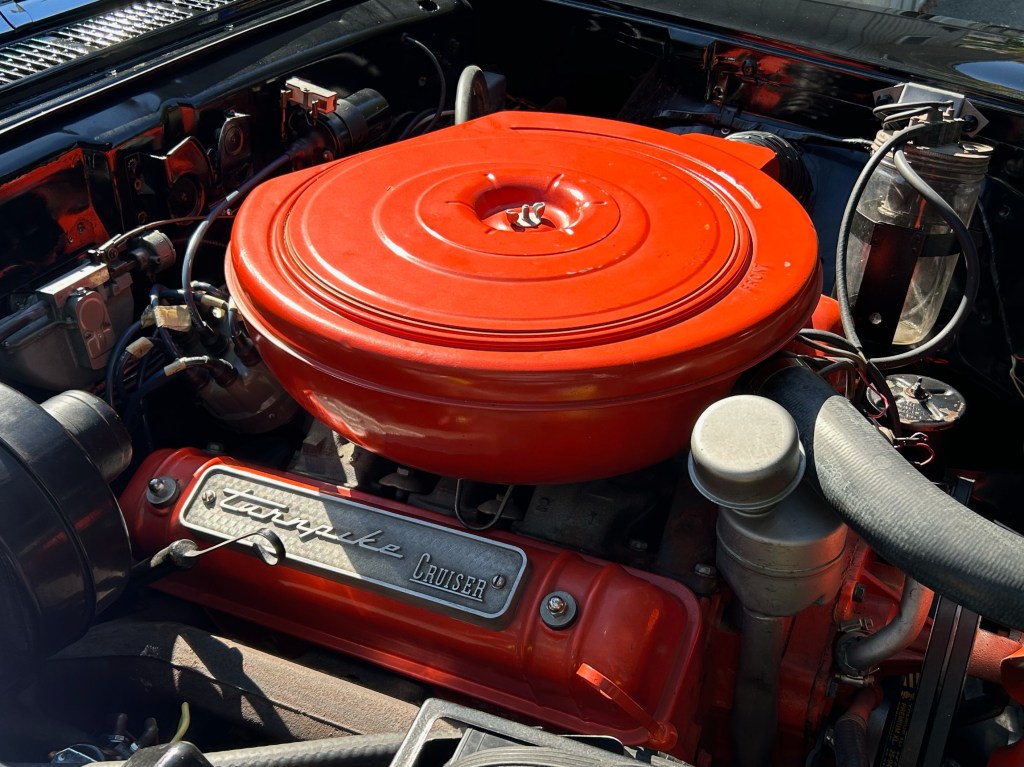



 The Classic Machines