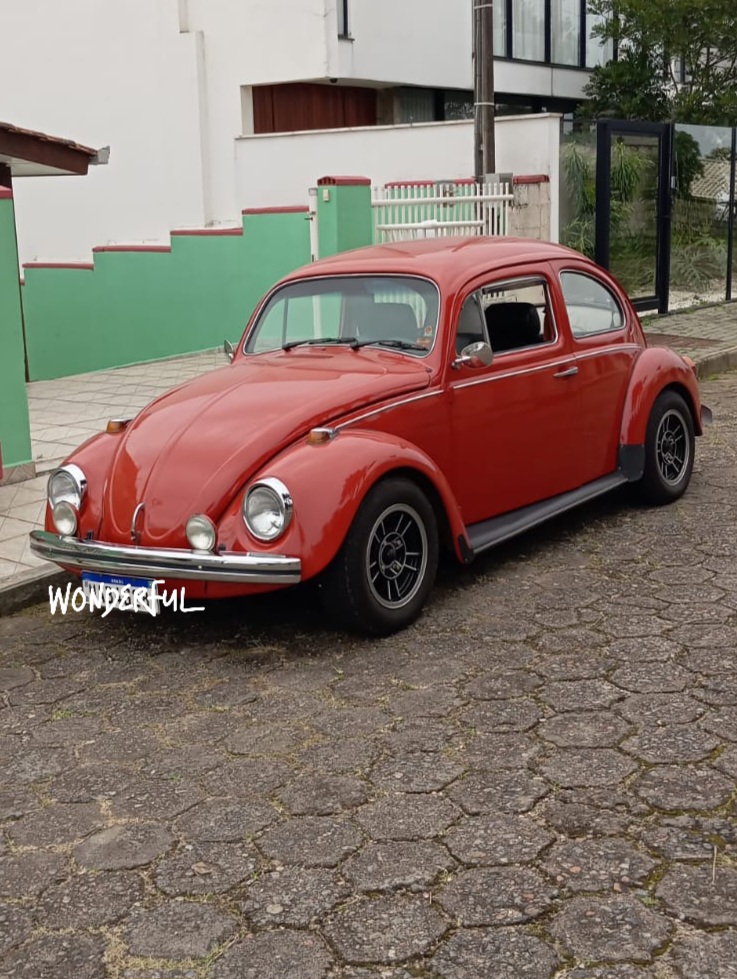
Those who follow the TCM blog know I’m an unabashed fan of the VW Beetle. I love how reliable it is and how easy it is to maintain. The car has played an important role in my family’s history, as it has in the histories of thousands of families worldwide.
All this love for the Beetle I inherited from my dad. He’s a passionate fan of the car, and after so many years and dozens of Beetles, his love hasn’t faded.
After his retirement, over a decade ago, his hobby has been buying, restoring, and selling Beetles. Even after becoming a collectible car in the classic market, the Beetle is still relatively affordable.
Stories about some of those cars are published here at TCM.
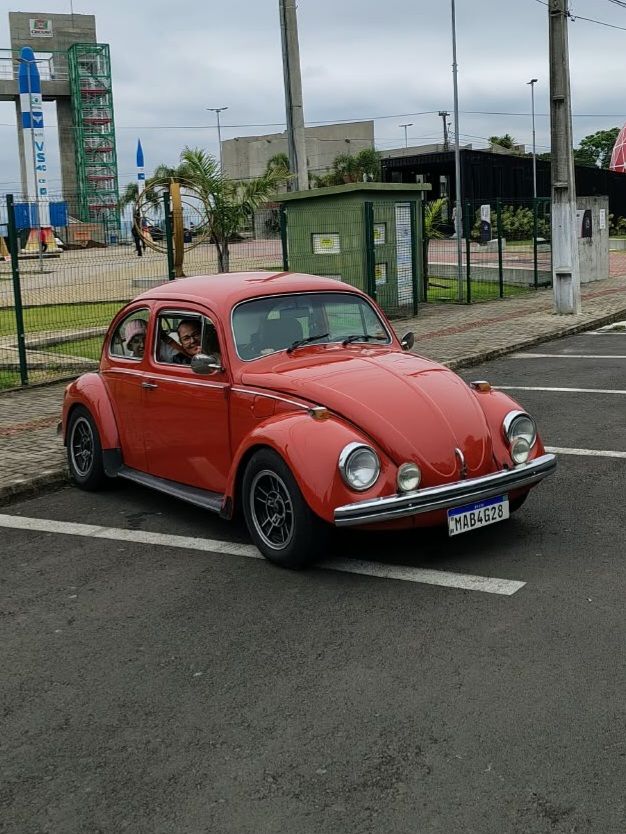
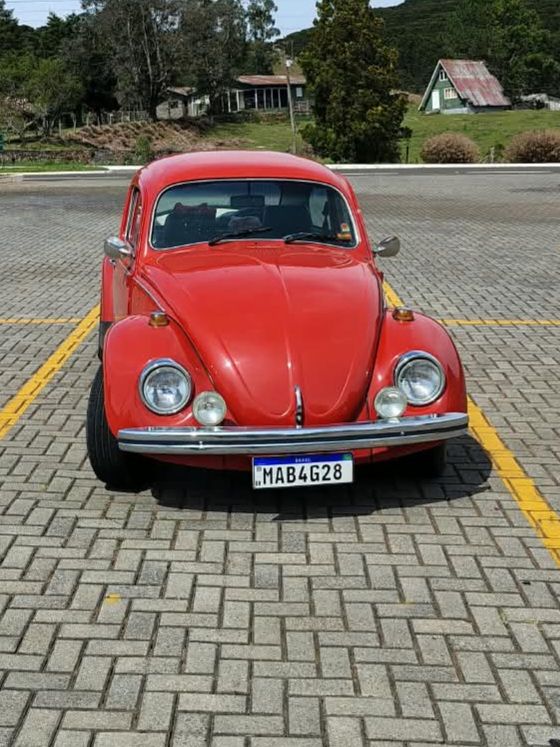
Recently, Dad finished refreshing his 1978 Beetle. He refurbished the 1.3L engine, replaced the brakes and shock absorbers, and overhauled the transmission.
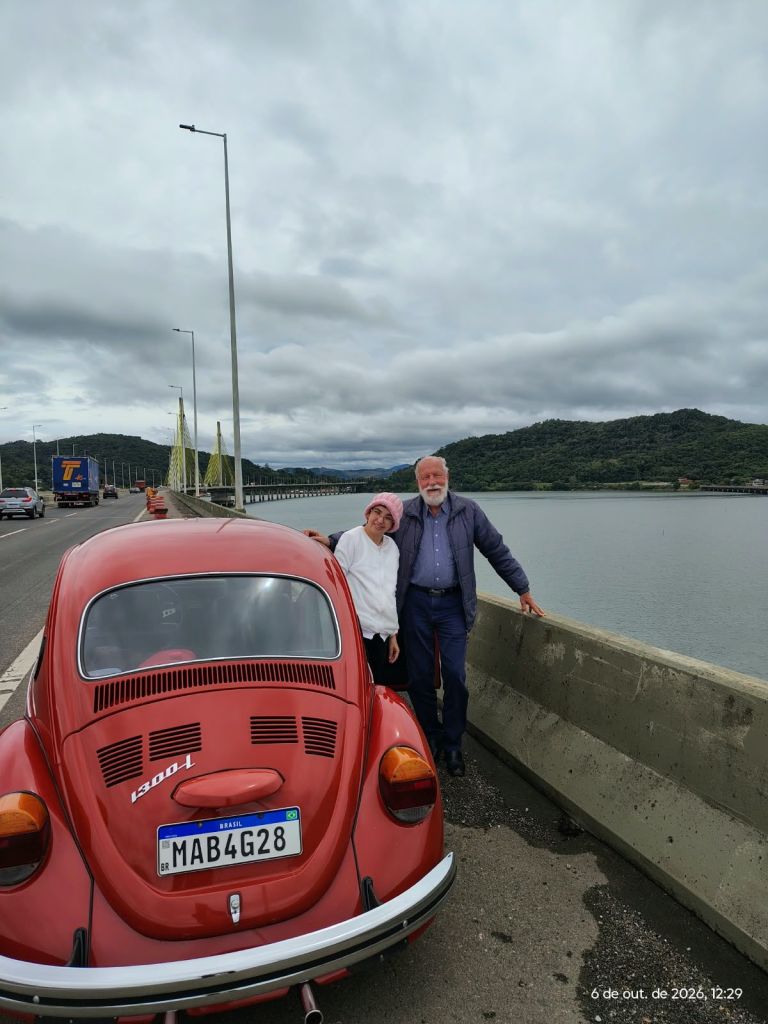
Every so often, he drives the car on a 350-km round trip between his home in Barra Velha, SC, and Curitiba, PR, to visit my brother and sister.
But for a while, Dad had been planning a bigger adventure with his beloved Beetle, and on October 06, 2026, it happened. He, his wife, Carmen, and his stepdaughter, Carolina, packed the little VW with a couple of backpacks and left Barra Velha for one of the most beautiful scenic routes in Southern Brazil.
Criciúma
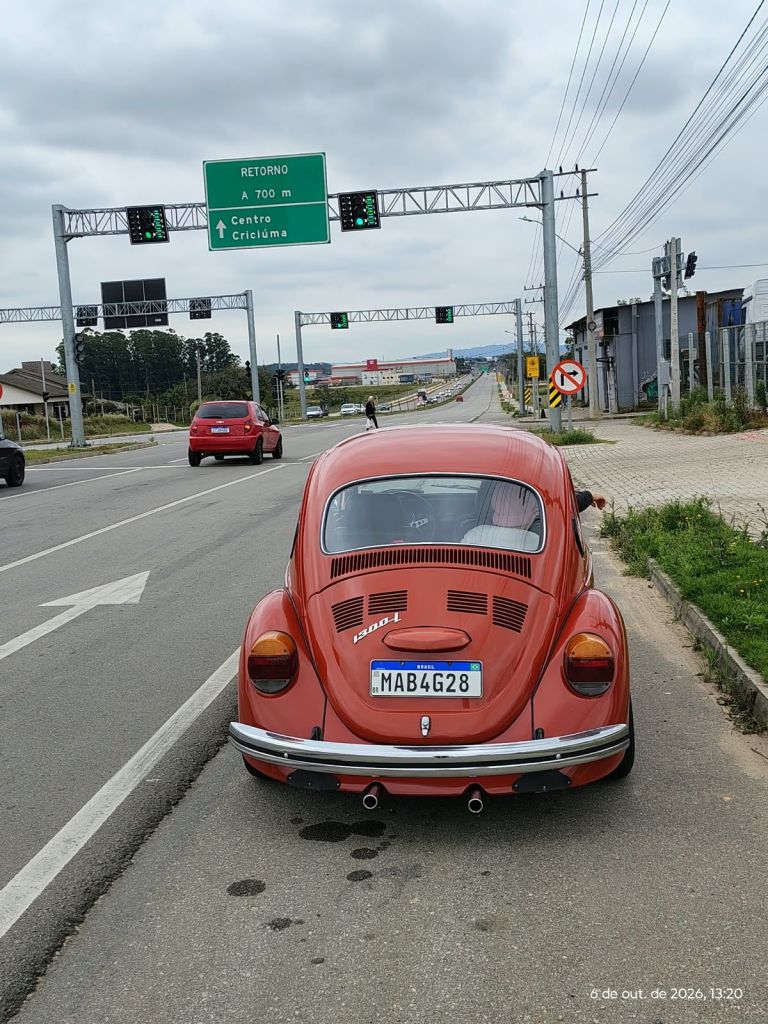
The first stop was Criciúma. The city is considered Brazil’s coal capital. There, they visited a few tourist attractions.
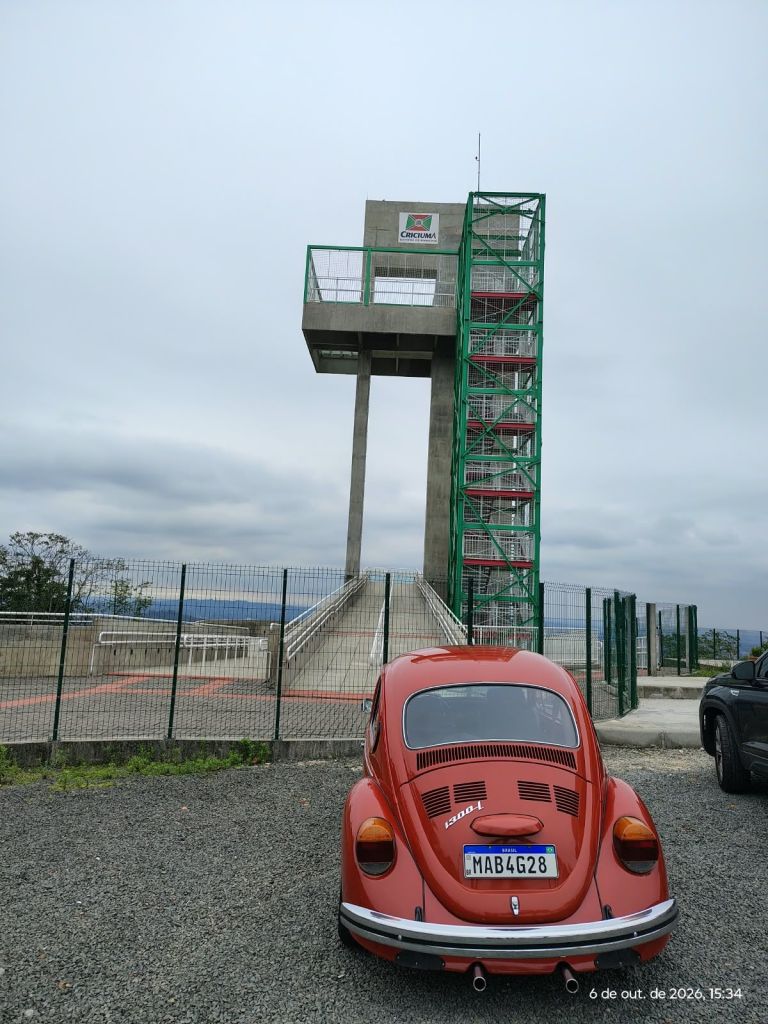
The first stop was the Realdo Santos Guglielmi Overlook, located at the top of Cechinel Hilltop.
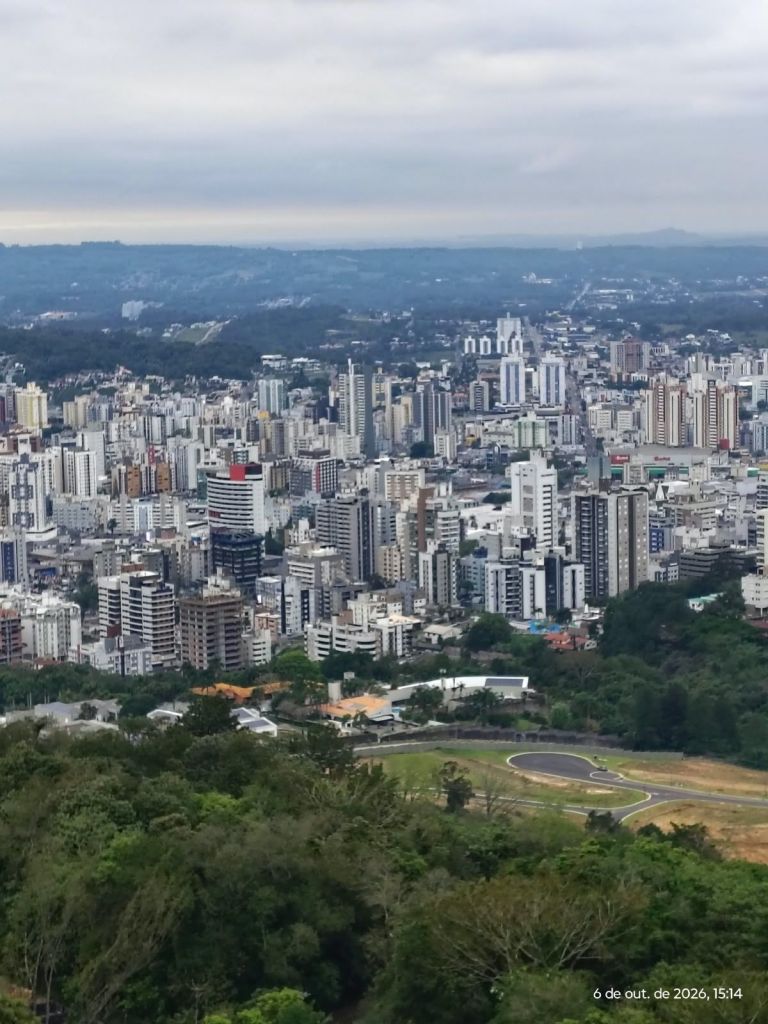
At the top of it, you have a beautiful view of the city.
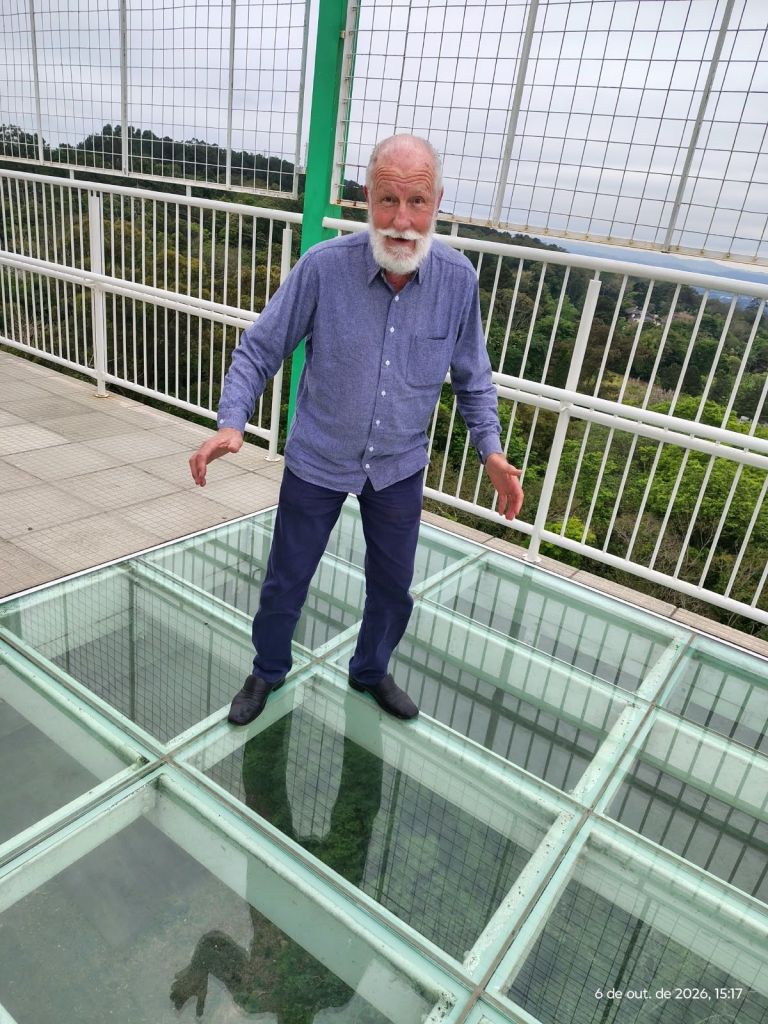
Dad surely had some fun with the glass bridge at the top of the overlook.
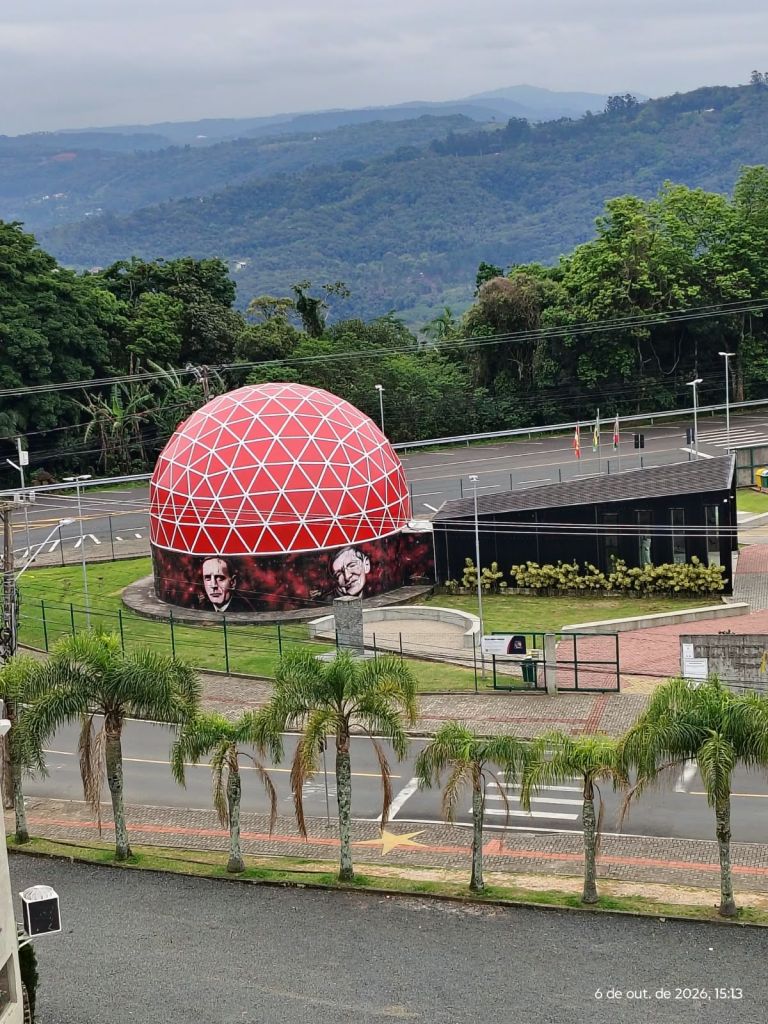
The overlook is part of Albert Einstein Park. The complex features a dedicated astronomical observatory equipped with high-powered telescopes.
The state-of-the-art dome is shaped like Mars’s surface.
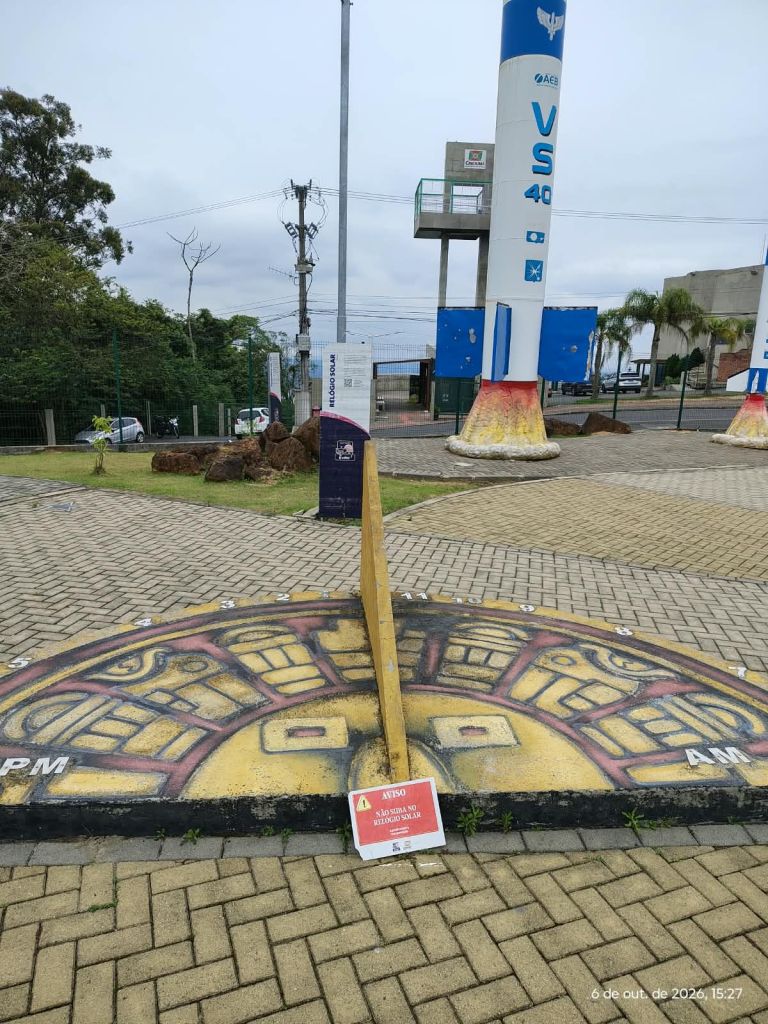
The outdoor area features full-size replicas of rockets and missiles (donated by the Brazilian Air Force), a large sundial, and statues of iconic scientists like Galileo, Newton, Einstein, and Neil Armstrong.
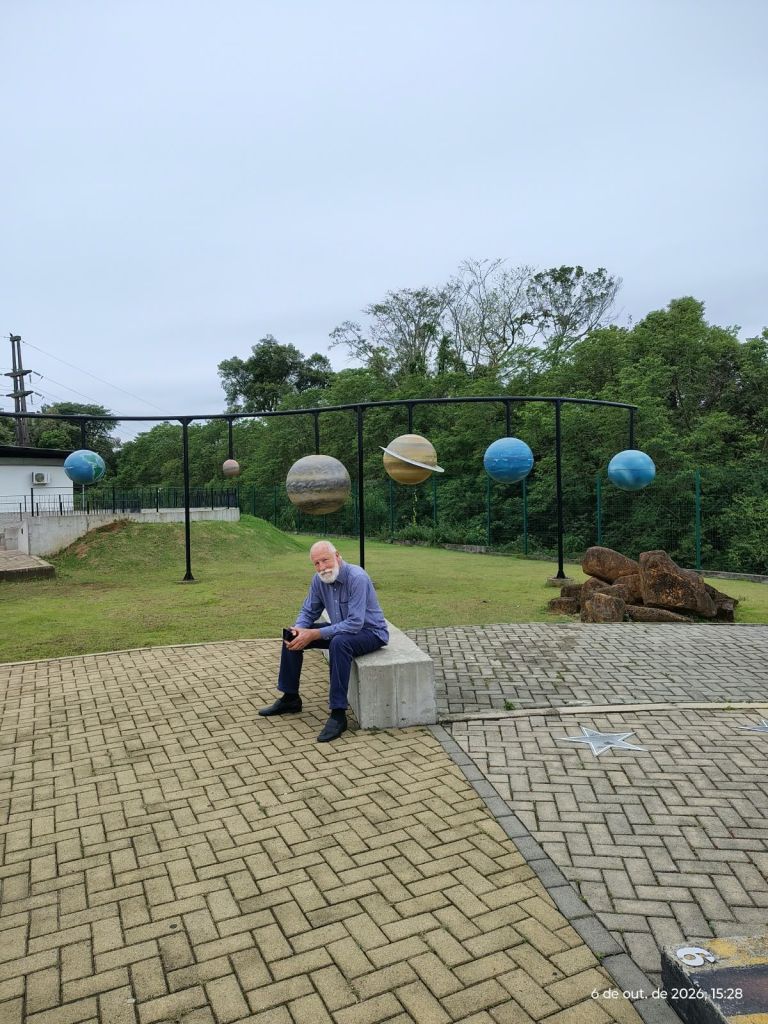
Indoor rooms hold science labs showcasing actual meteorite fragments, ancient fossils, and scale models of the solar system.
The coal mine
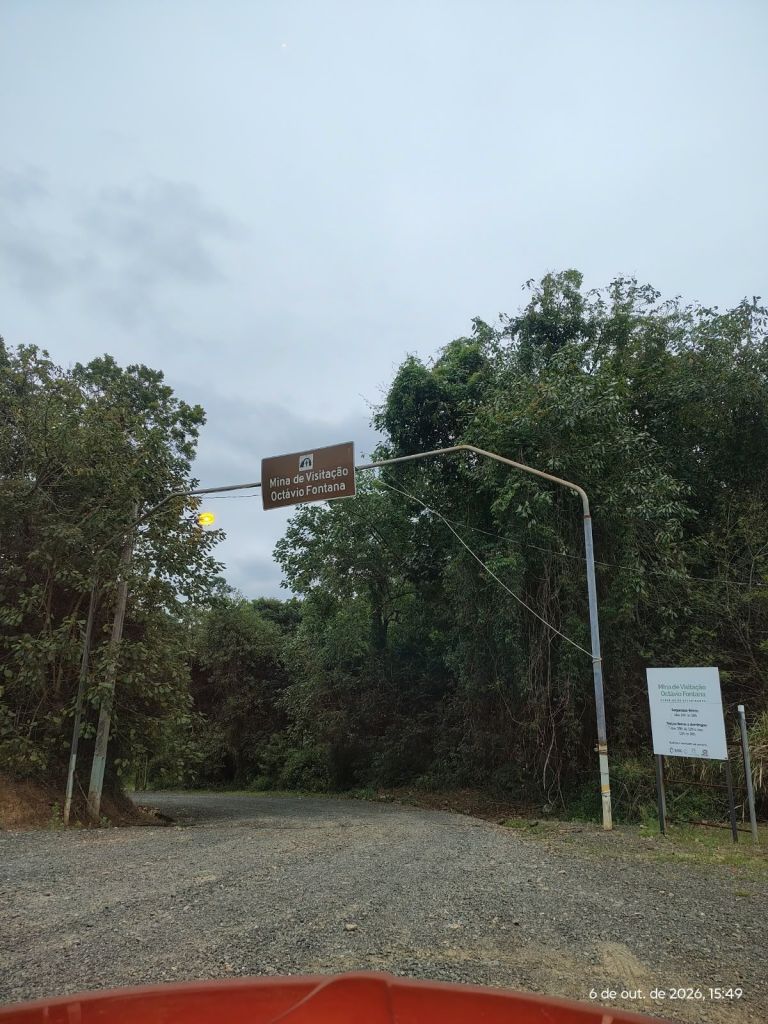
The next stop was the Octávio Mesquita coal mine.
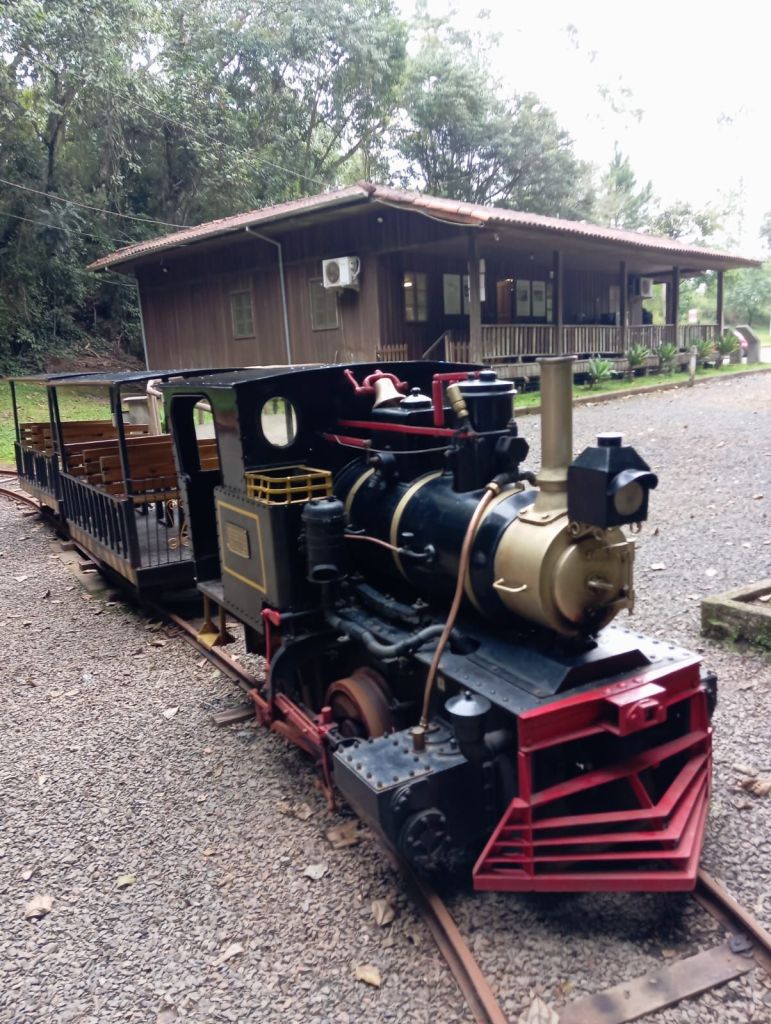
The mine was converted into a tourist attraction after its commercial operations ceased in 1995.
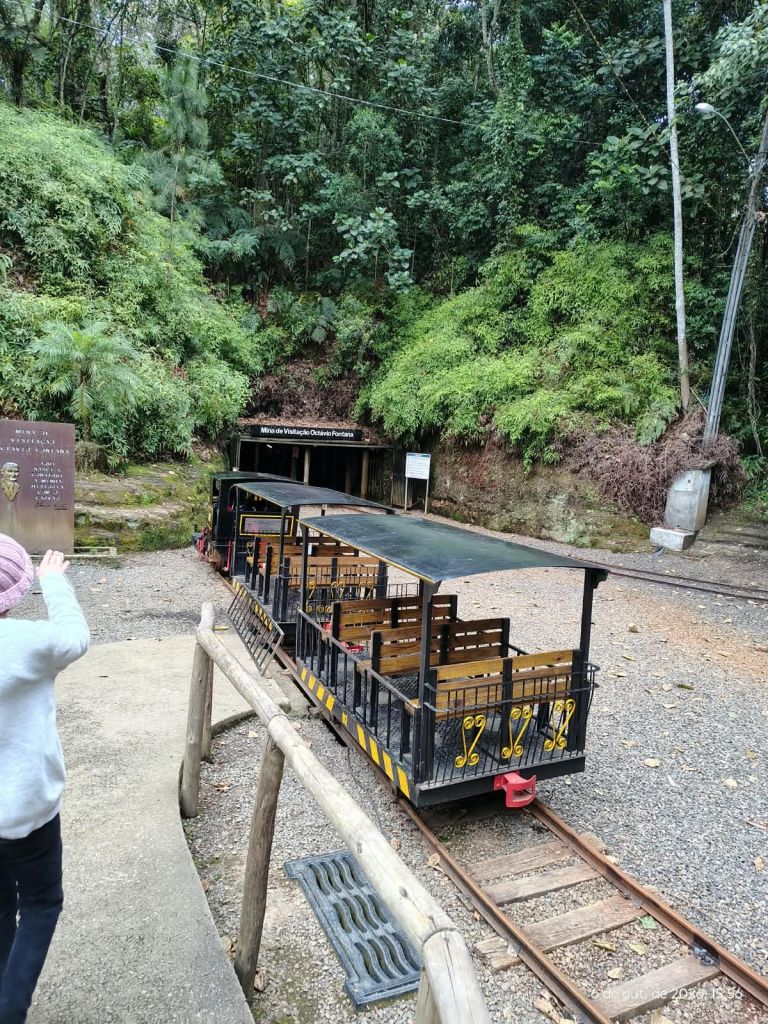
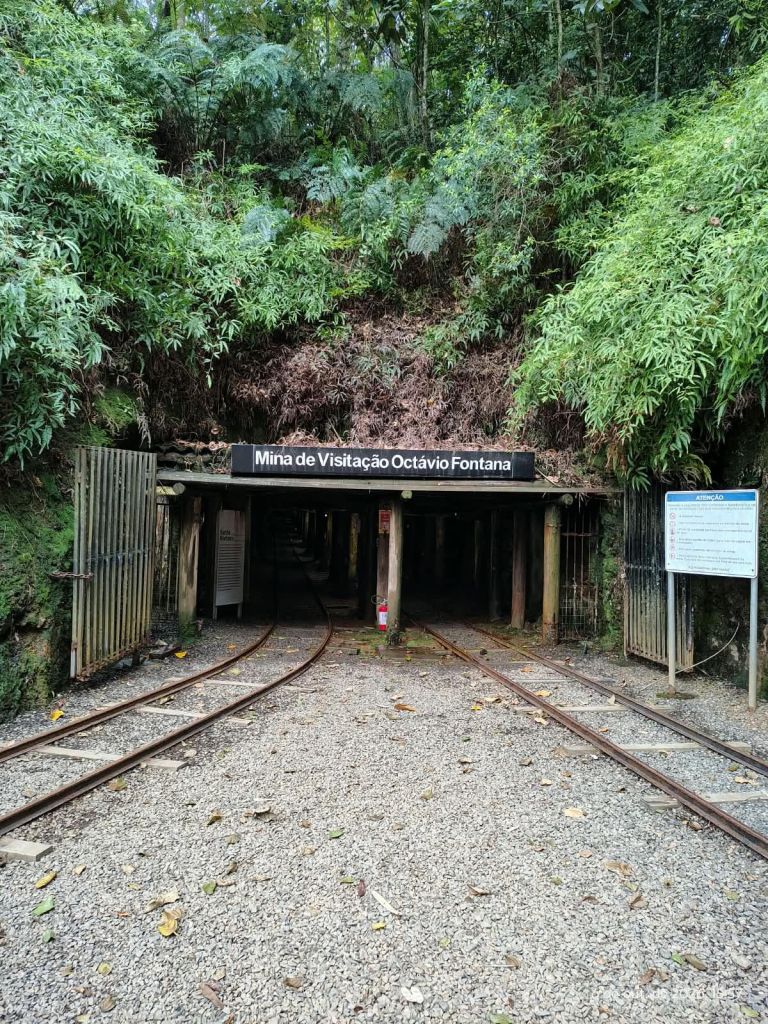
The site now provides visitors with an opportunity to learn about the history of coal extraction in the city.
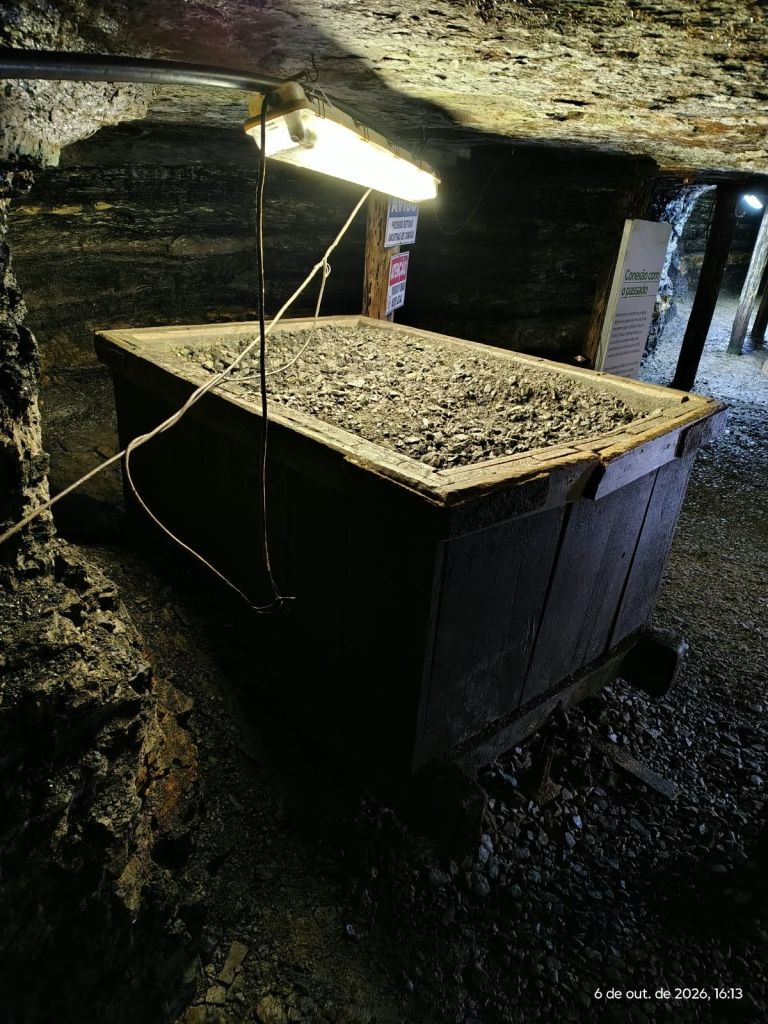
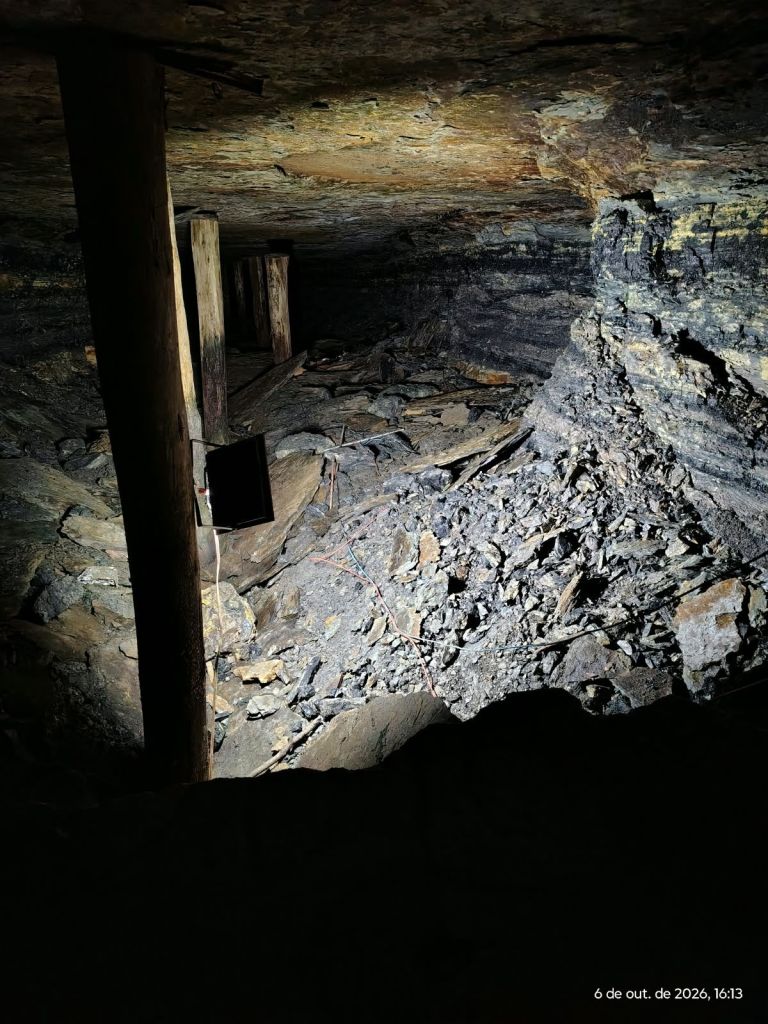
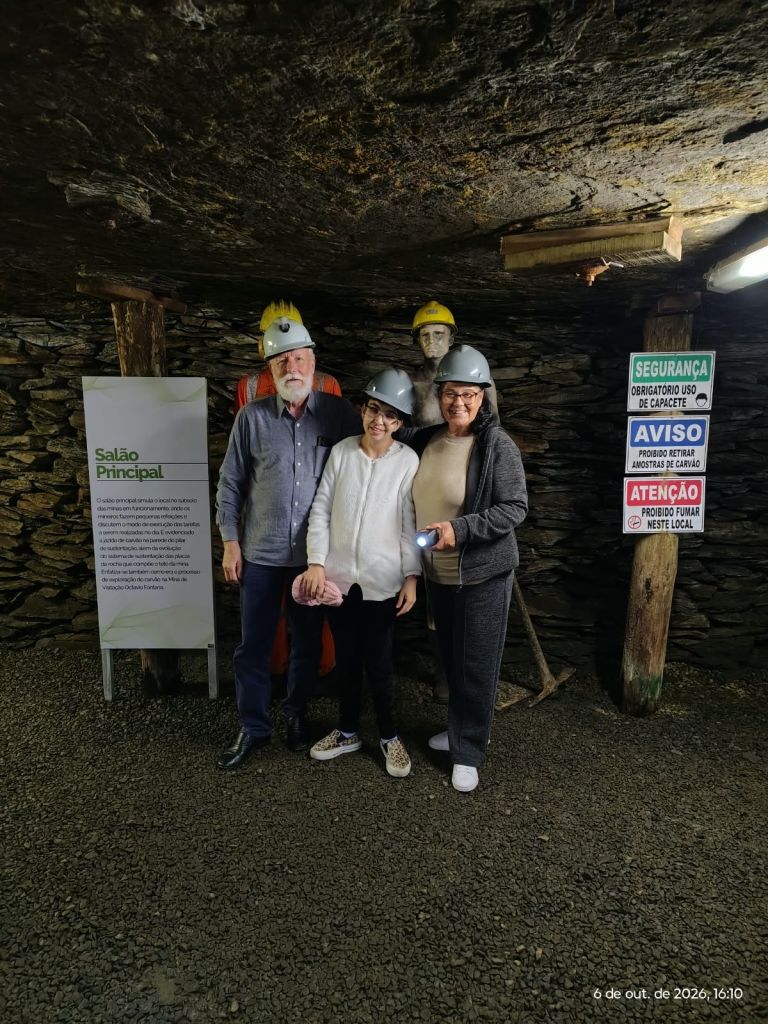
The mine offers a journey, either on foot or aboard a cute mini-train, along a 300-meter route, with stations that narrate the city’s coal heritage.
Serra da Rocinha
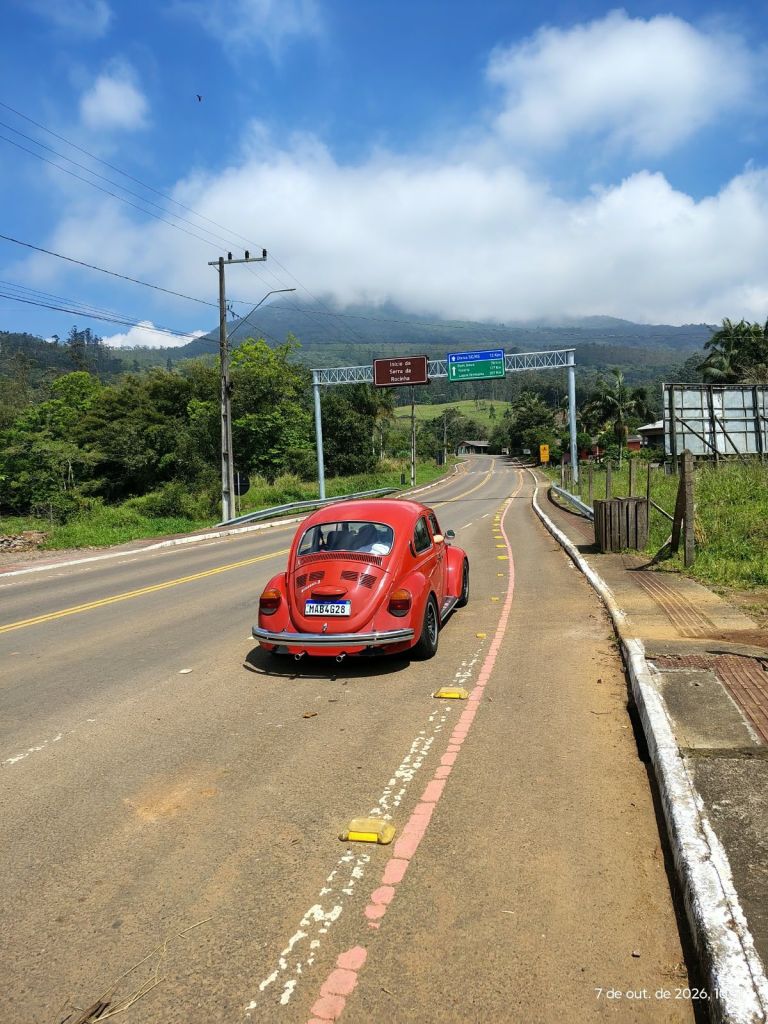
After spending the night in the city, they left towards one of the highlights of the trip, the Serra da Rocinha.
This road is a breathtaking mountain pass and scenic stretch of highway connecting the municipalities of Timbé do Sul (Santa Catarina) and São José dos Ausentes (Rio Grande do Sul).
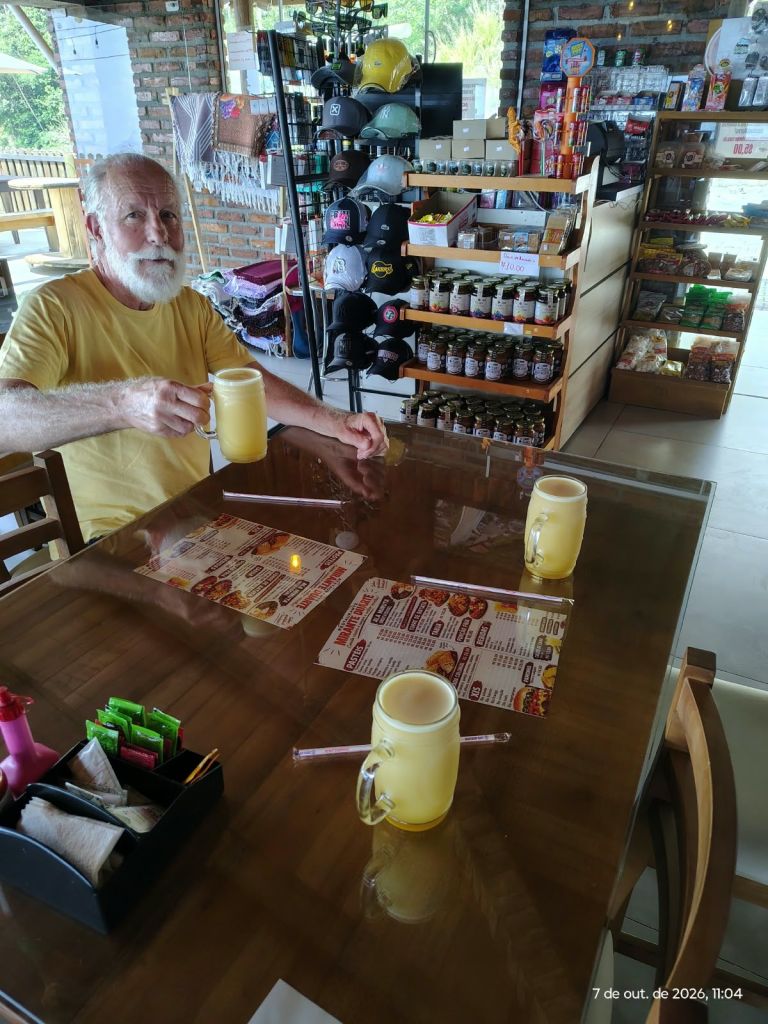
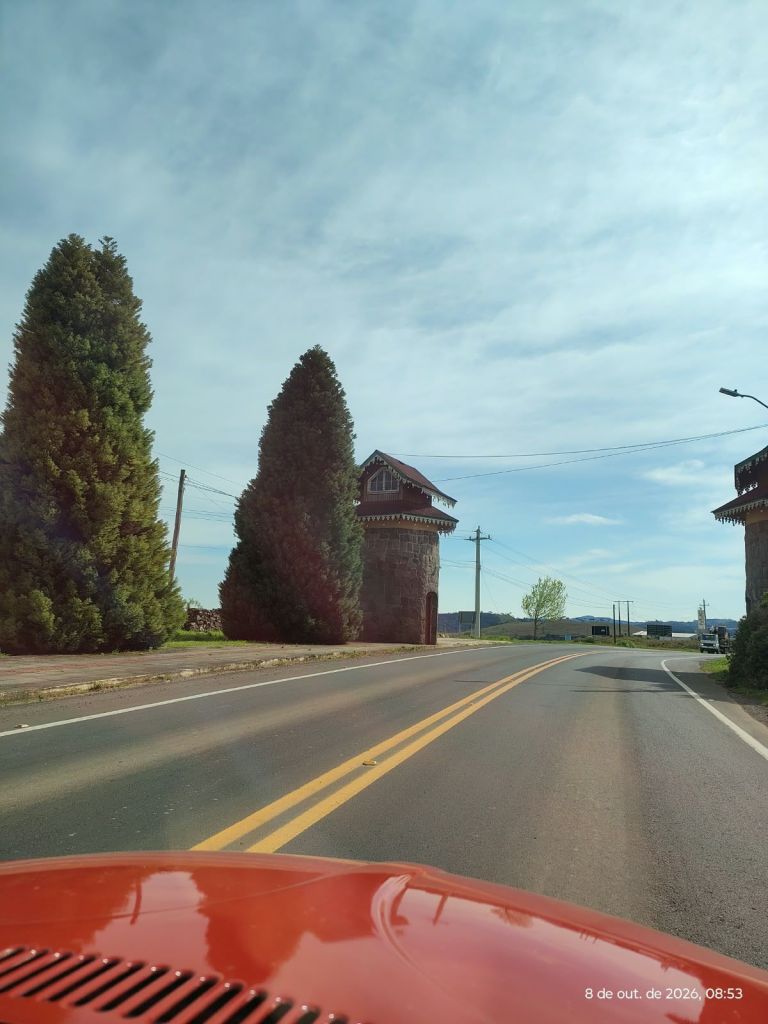
A quick pit stop before hitting the mountain road.
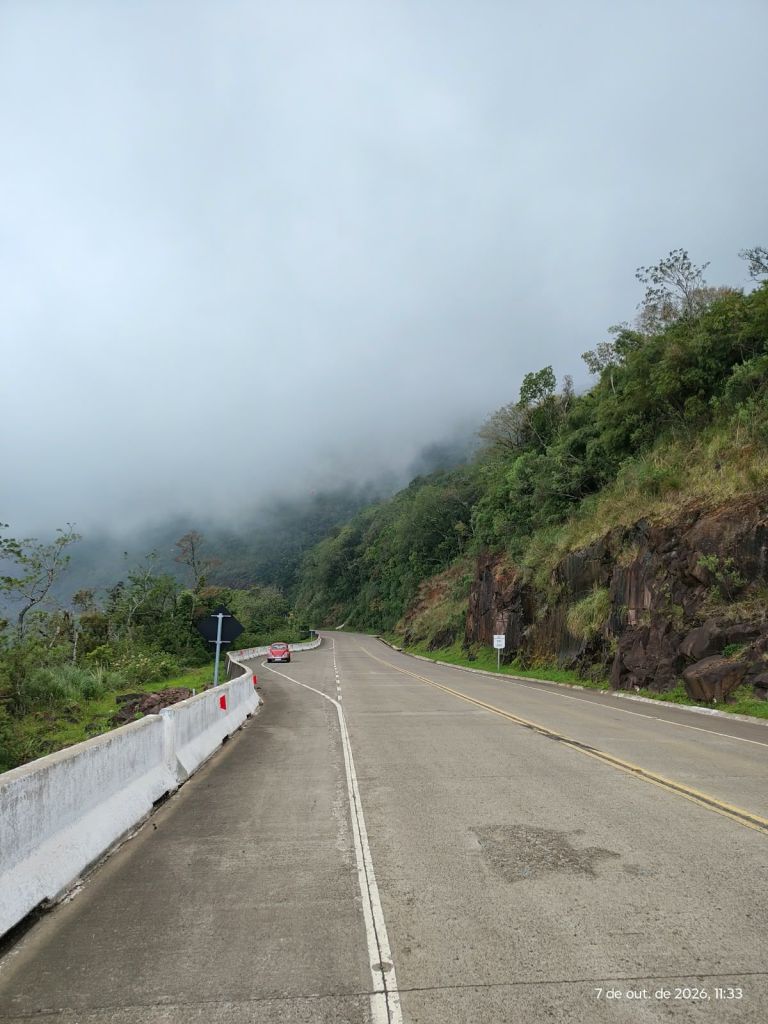
Serra da Rocinha has only recently become a tourist destination. On April 10, 2026, the Santa Catarina state government inaugurated a 22 km paved section, complete with bridges and viaducts. But this road is more than a scenic weekend drive: it offers relief to local communities that waited more than 70 years for its construction.
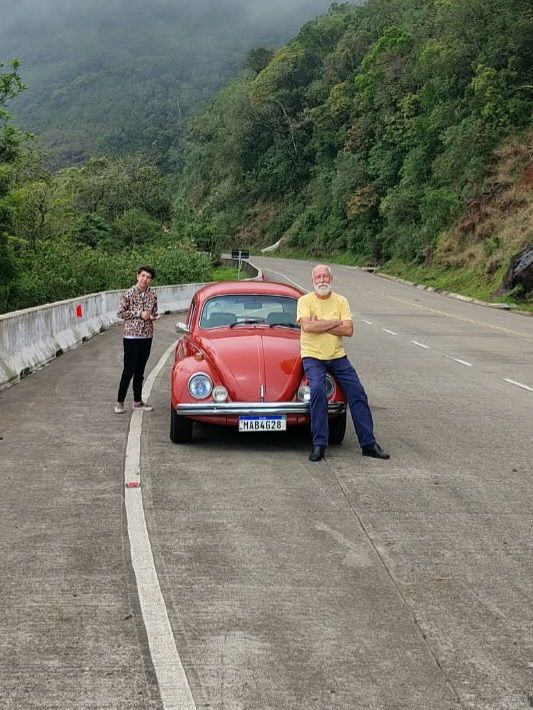
The first challenge of the trip lay ahead at the end of the 22 km paved stretch.
The section of the road that extends into the state of Rio Grande do Sul is still under construction, and to reach the top of the hill, you must take a 70 km secondary dirt road.
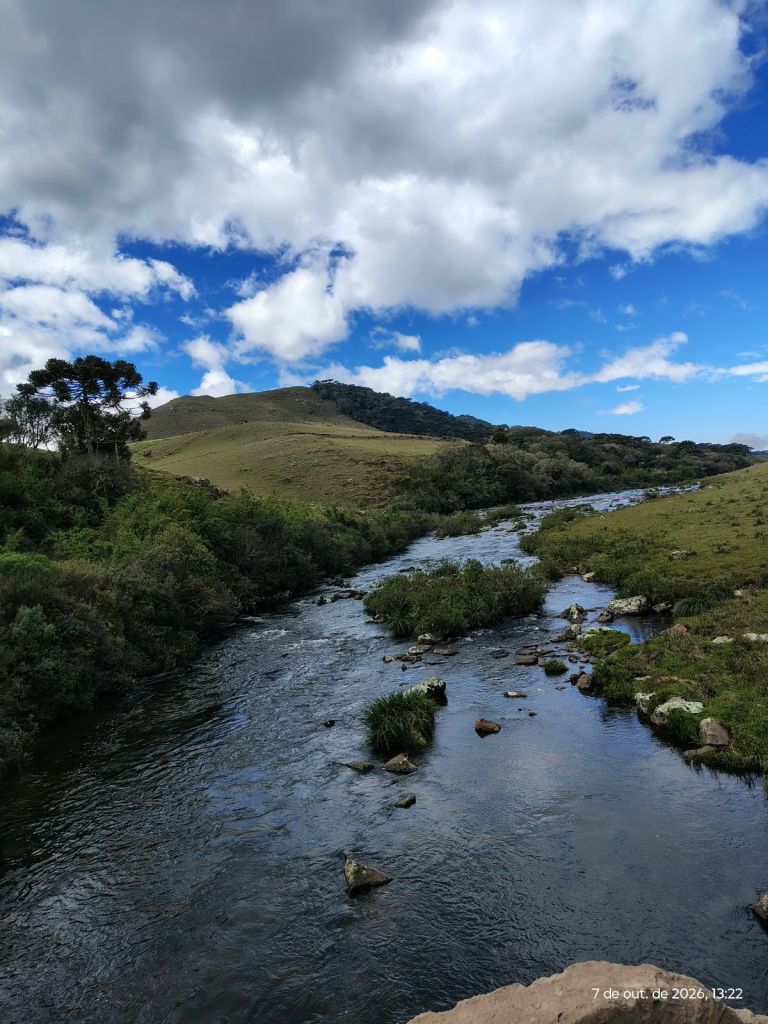
Despite the dreadful condition of this road, with potholes and loose rocks, it passes through beautiful scenery.
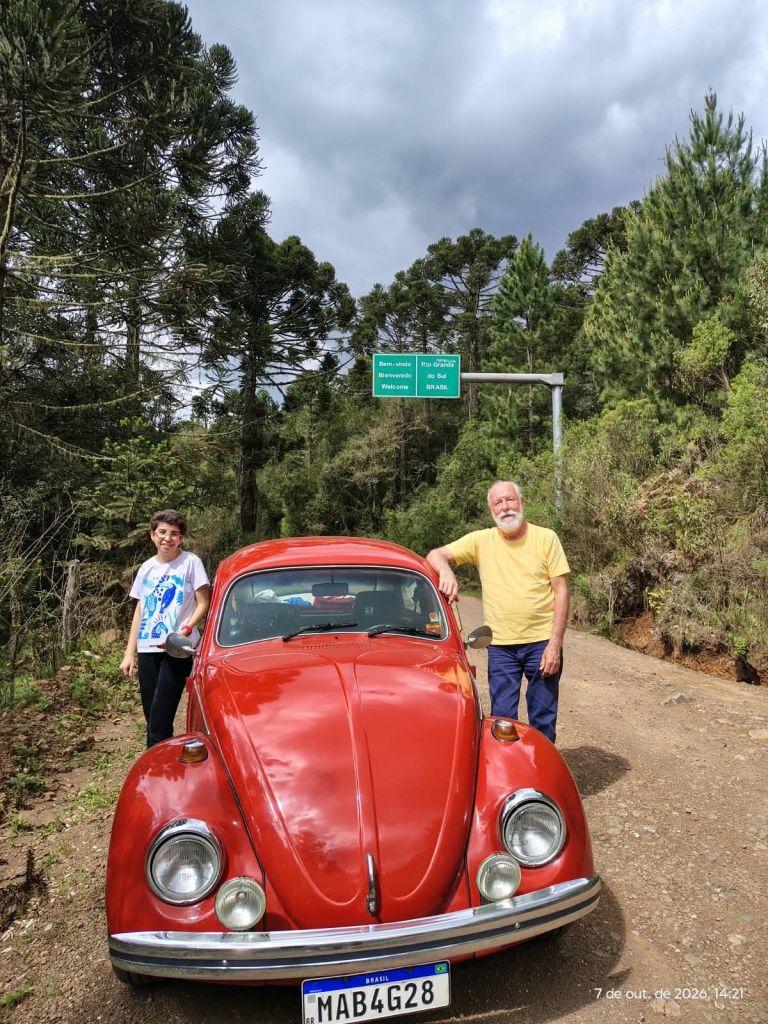
Dad said: “Imagine a bad road; now multiply it by 10-fold.”
To make matters worse, a couple of months ago, he lowered the Beetle’s front suspension to give it a sportier stance. Those familiar with old Beetles know the easiest way to lower the front suspension is to lock it.
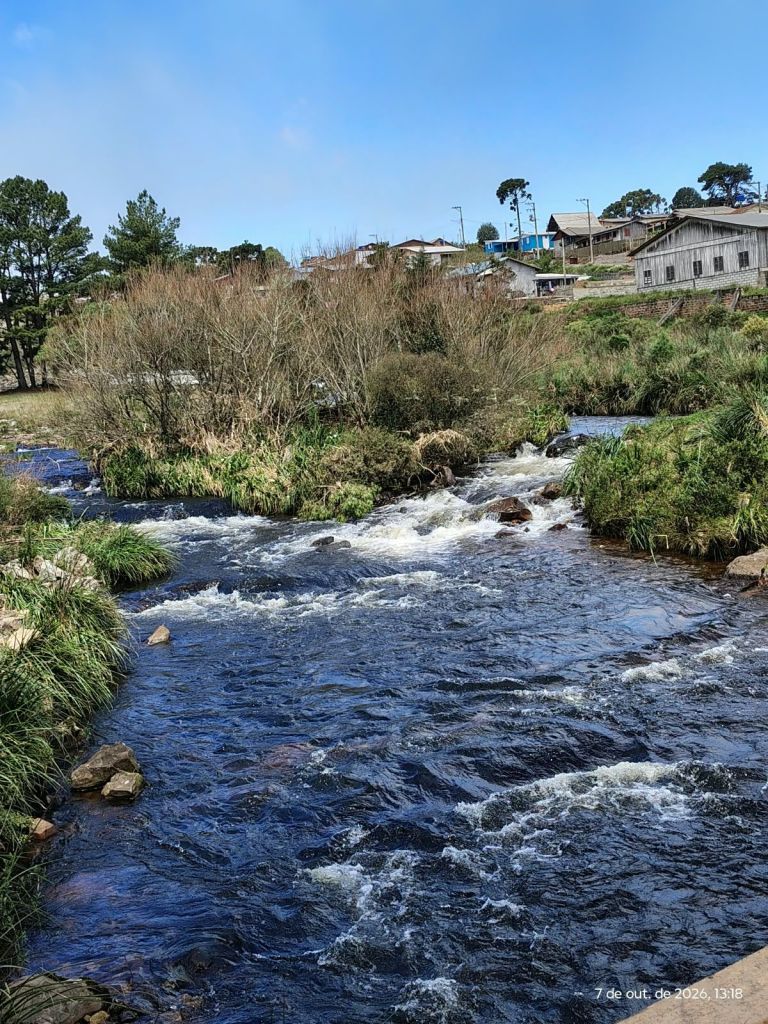
Driving 70 km on a really bad dirt road in a vintage Beetle with nonfunctional front suspension must have been a terrible punishment for both the car and its occupants.
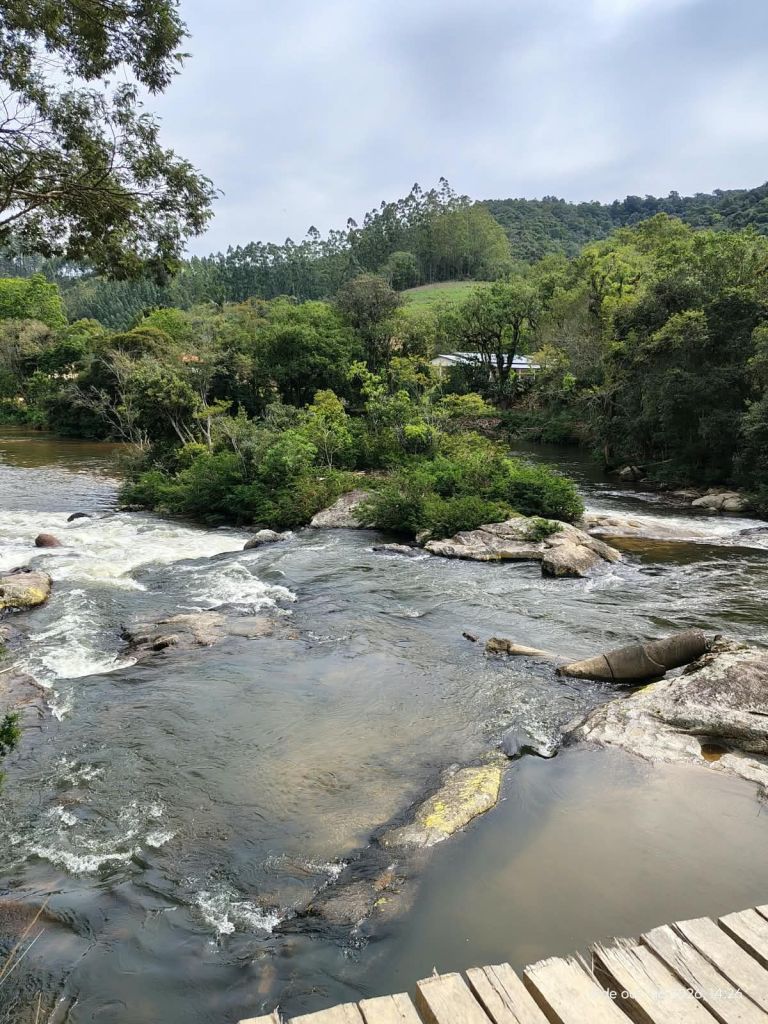
The bottom of the picture shows just how rudimentary the bridges remain along the unpaved section of the road.
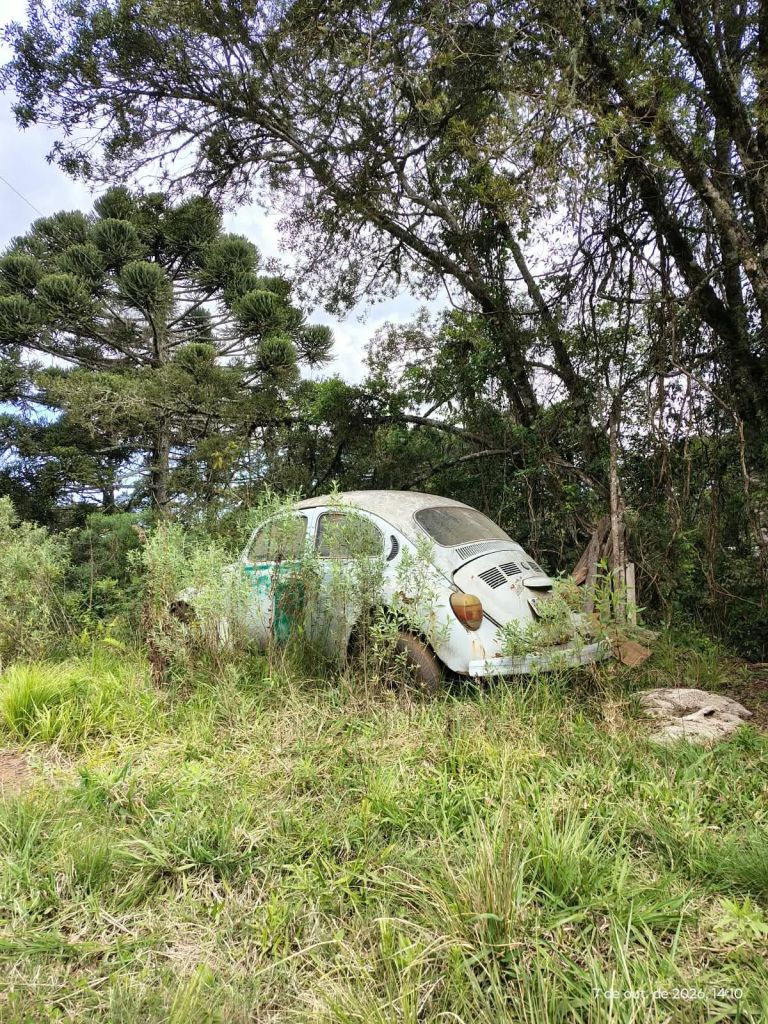
This Beetle seems to be patiently waiting for a saviour.
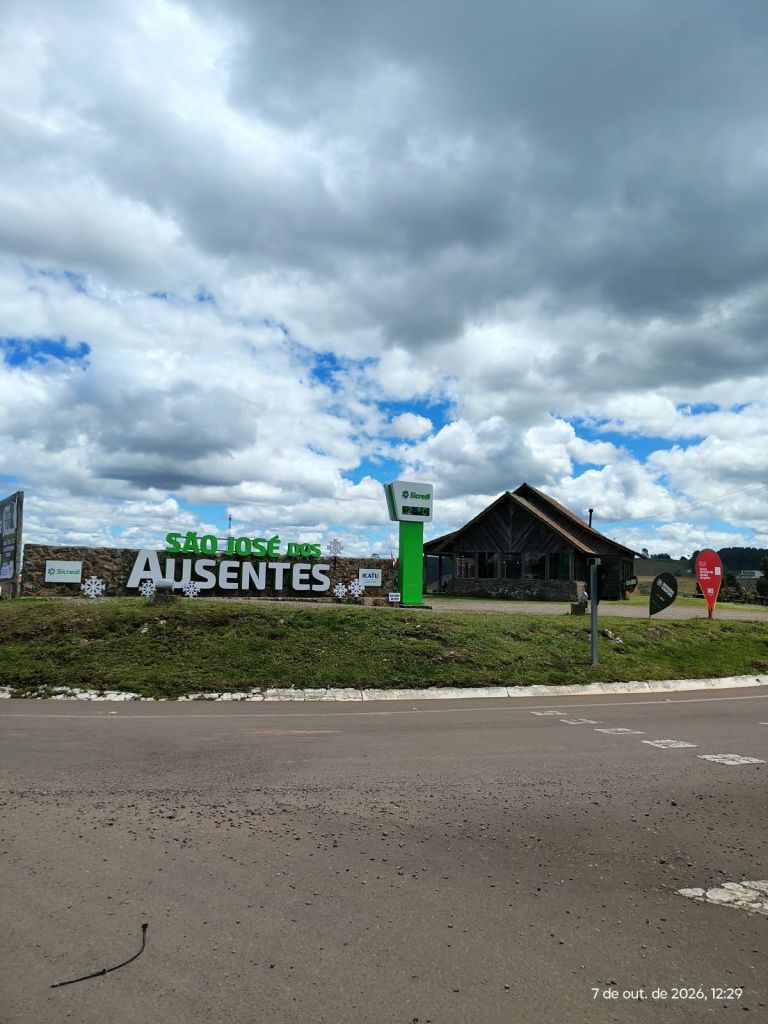
At the end of the mountain road, the team spent the night in São José dos Ausentes, a picturesque little town perched atop the hill.
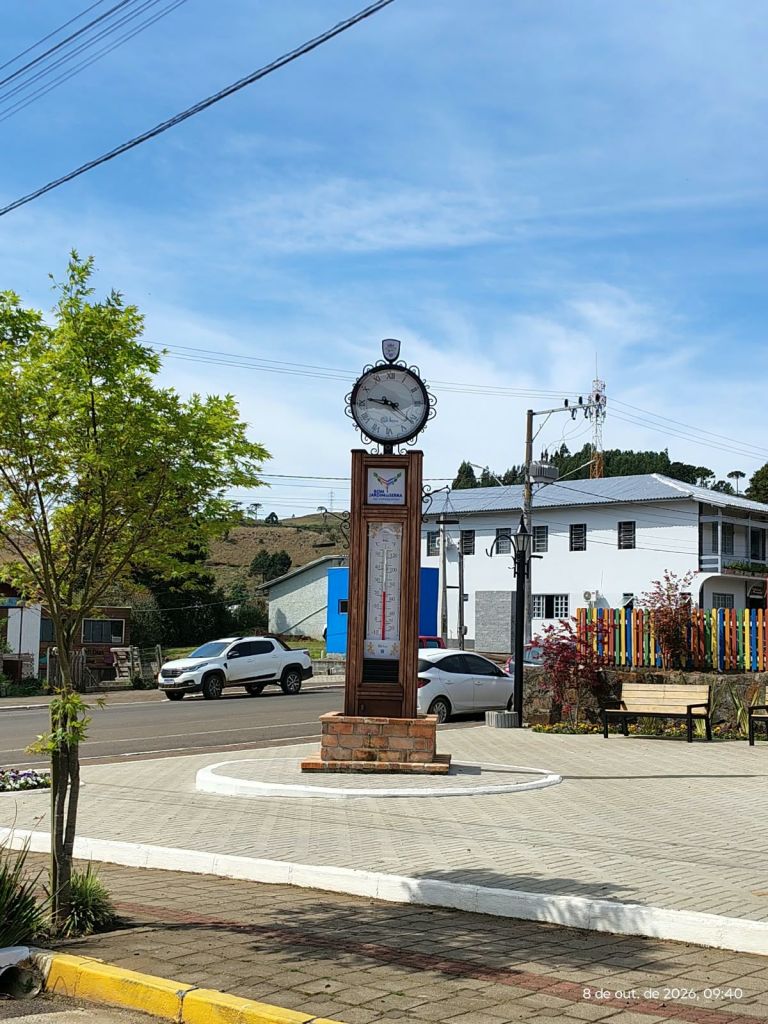
In the morning, it was time to leave the city for the next leg of this adventure.
Back in Santa Catarina state, the next important city is São Joaquin, a famous winter tourist destination because almost every year the city gets a decent snowstorm. But since October is springtime in the Southern Hemisphere, the team had no chance of seeing snow.
Serra Rio do Rastro
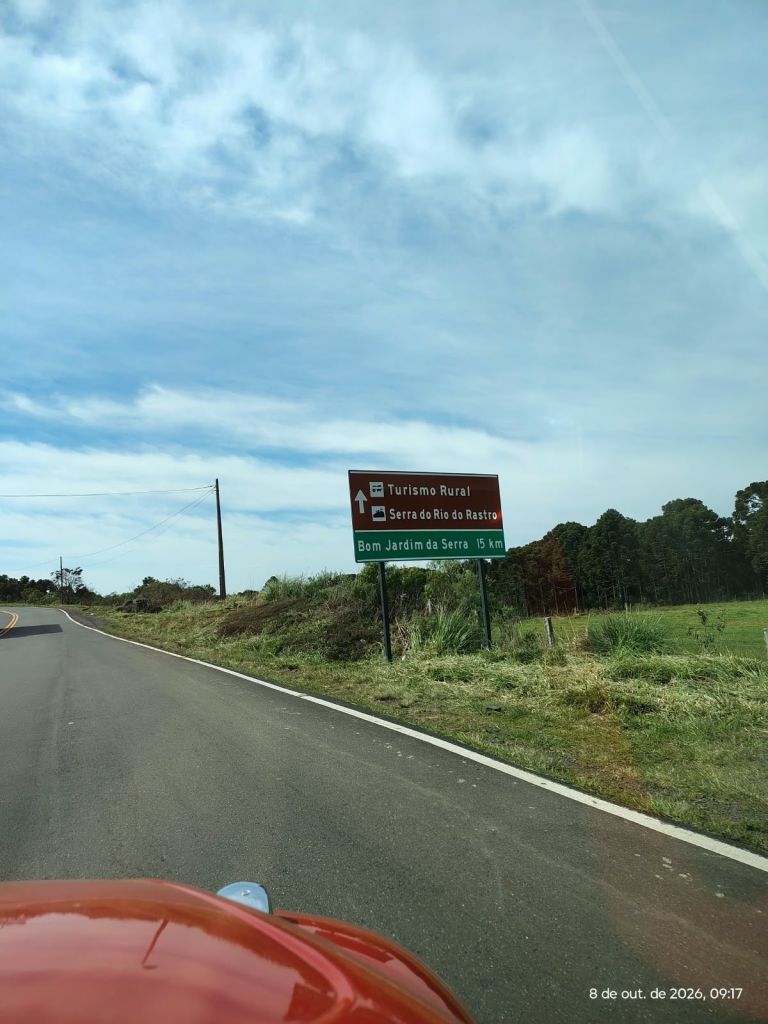
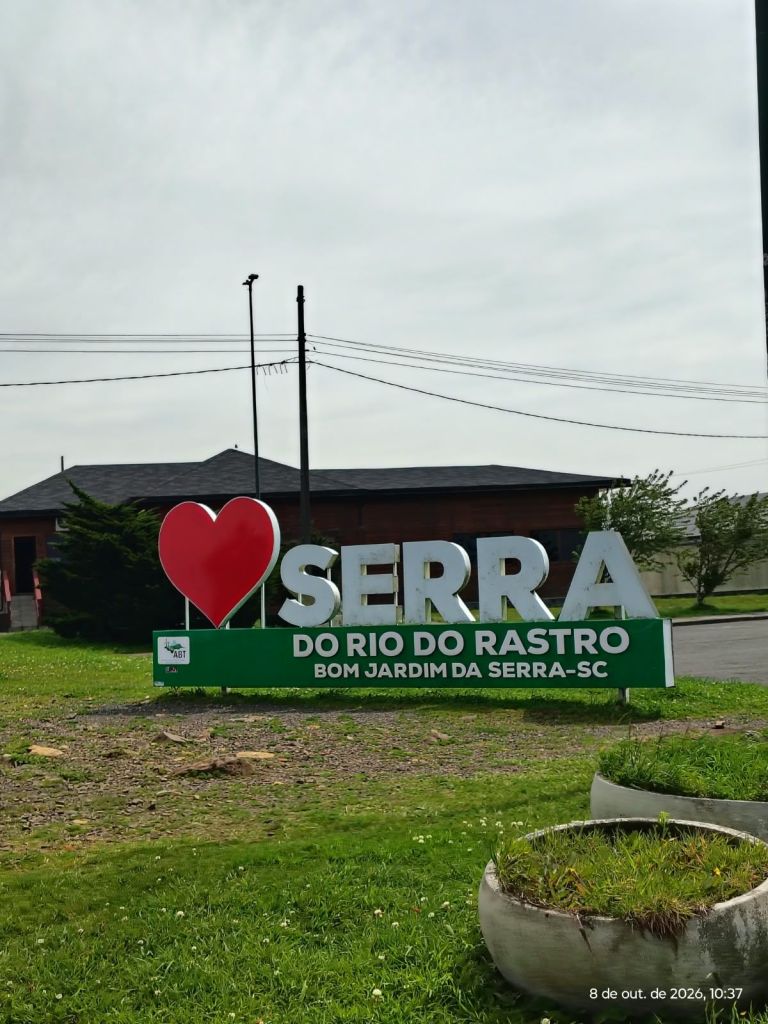
Now, the team was heading back home. From the plateau towards the coast, they will travel through the most beloved moutain road in Southtern Brazil.
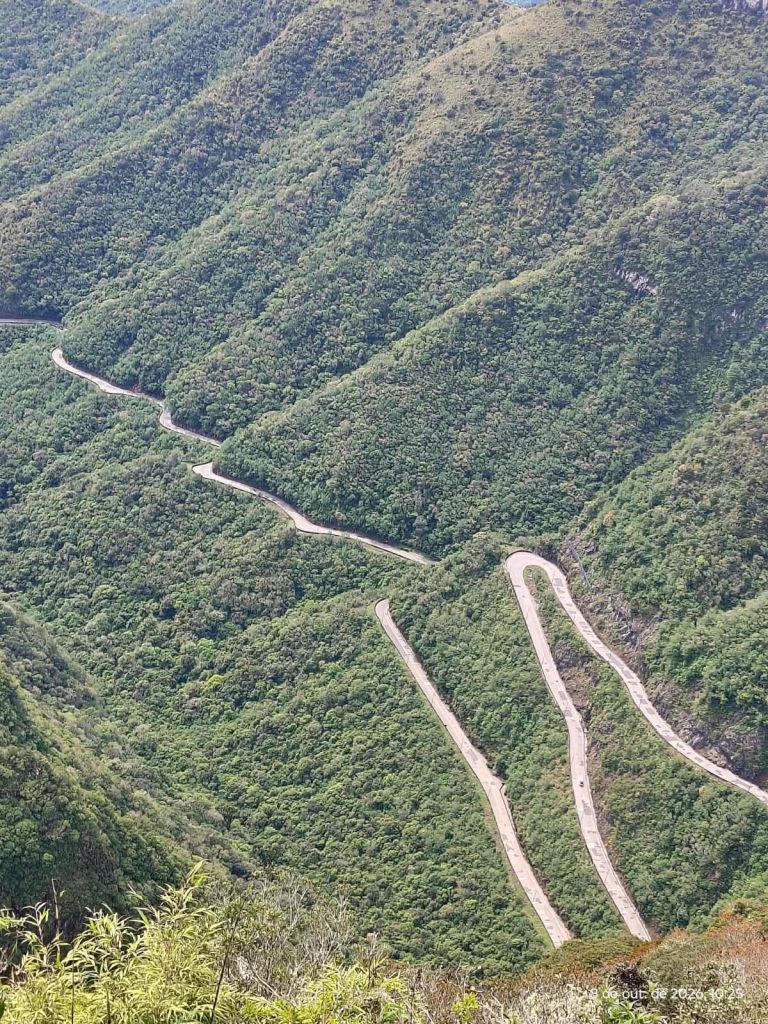
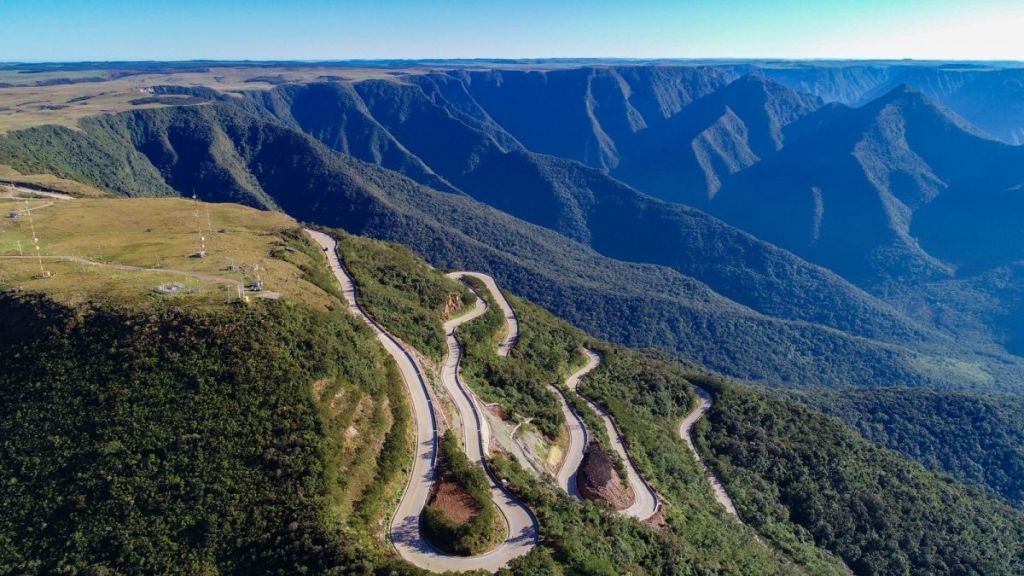
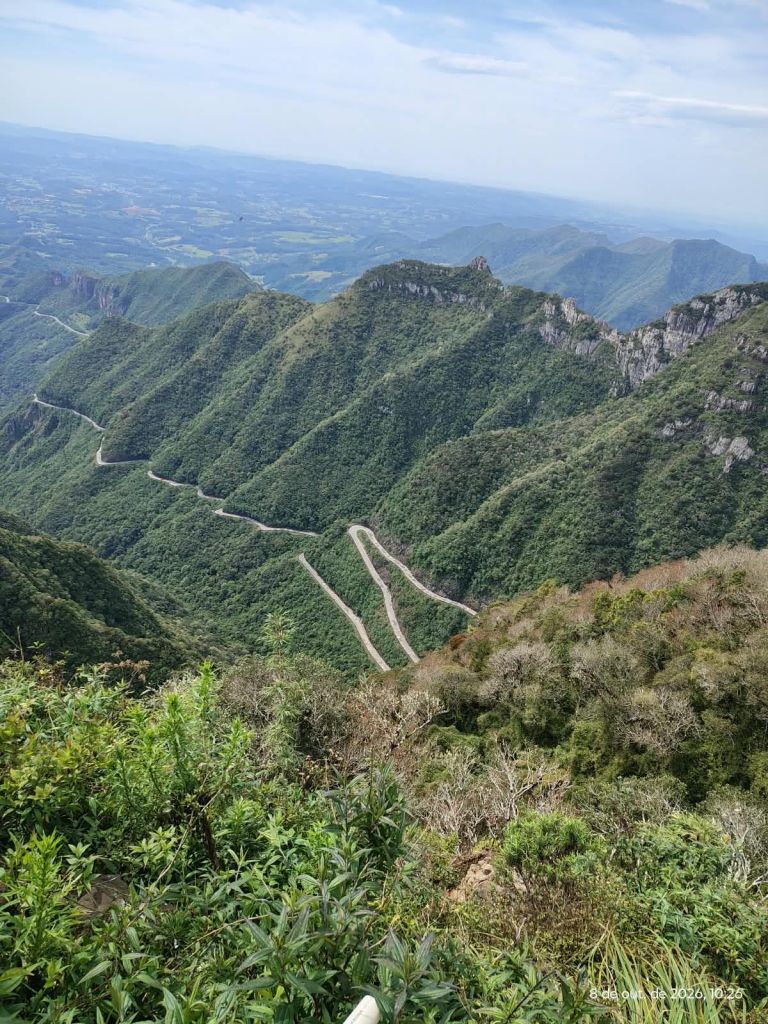
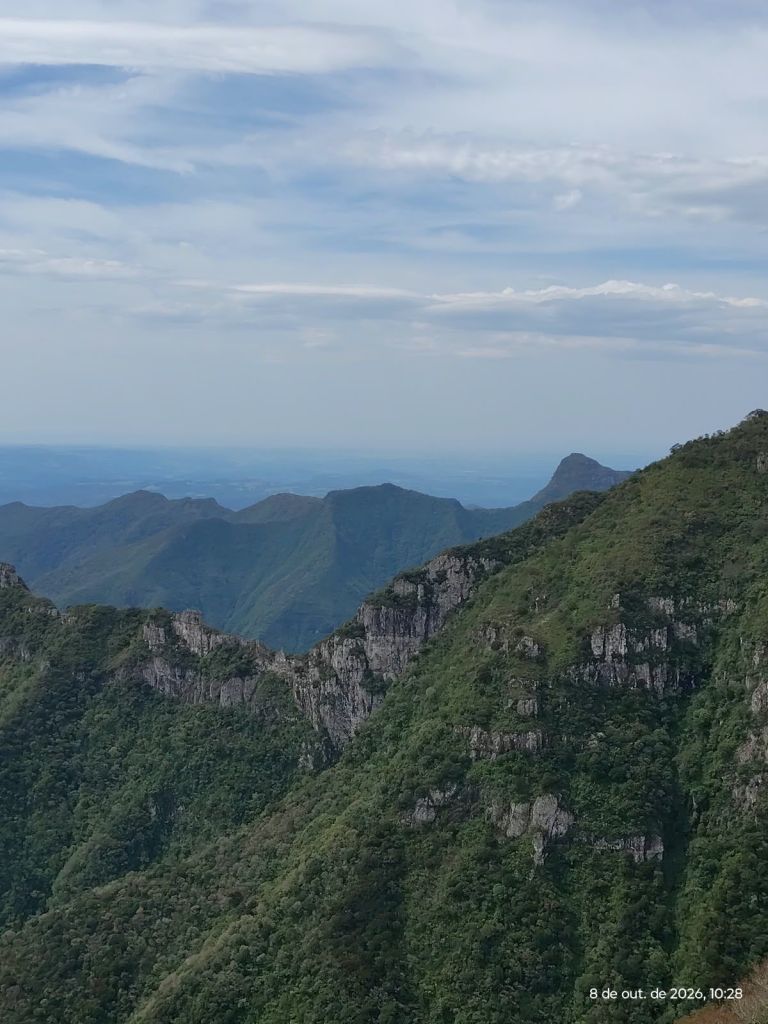
Serra do Rio do Rastro is one of the most impressive and scenic roads in the world, renowned for its winding curves that cut through the Atlantic Forest in the south of Santa Catarina.
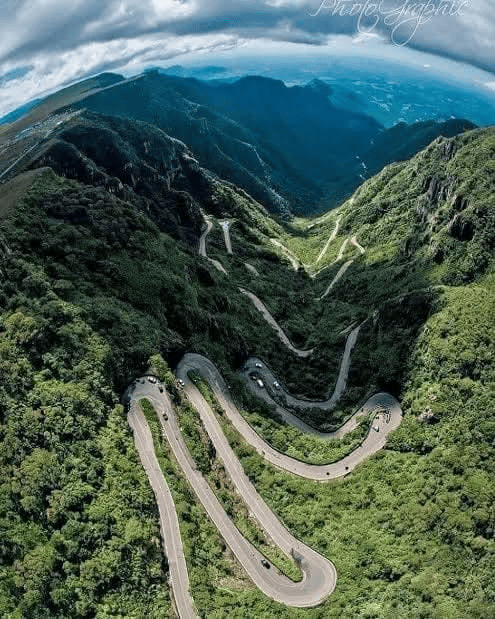
Located along the SC-390 highway, it connects the town of Lauro Müller (at the base of the mountain, at an altitude of approximately 200 meters) to Bom Jardim da Serra (at the summit, at an altitude of 1,460 meters). The most famous and challenging section spans roughly 12 kilometers, overcoming an elevation gain of over 1,200 meters through 284 sharp hairpin bends—some of which reach nearly 180 degrees.
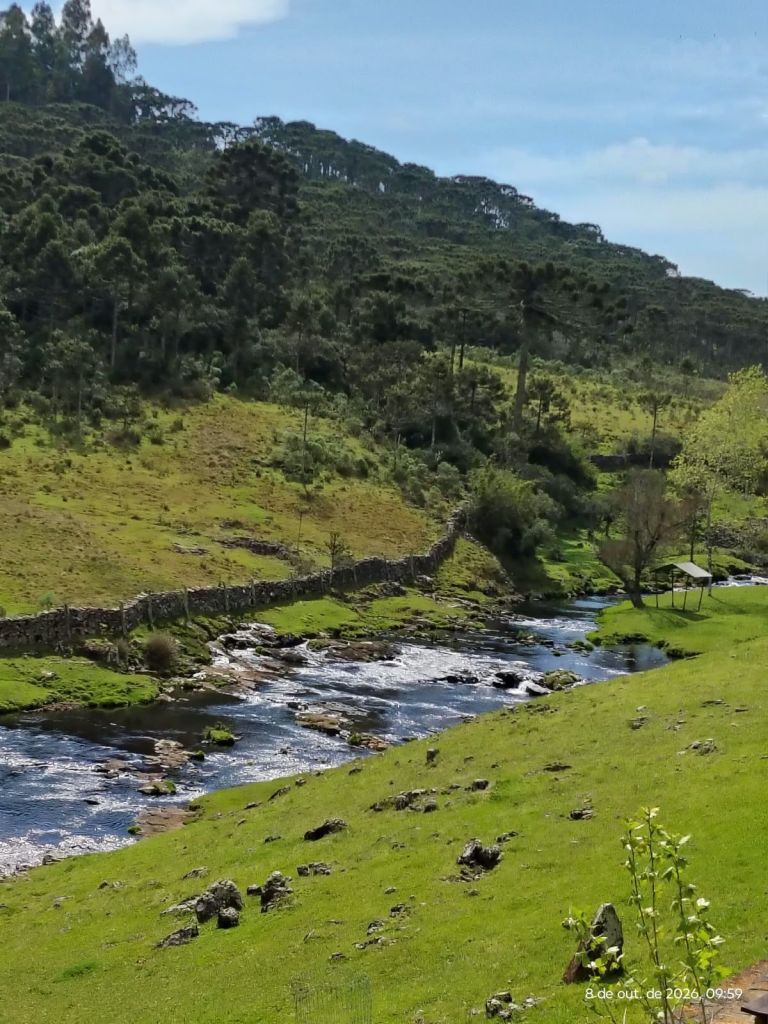
I believe it was in 2014 that my wife and I had the privilege of traveling this road, and I can assure you it is breathtaking.
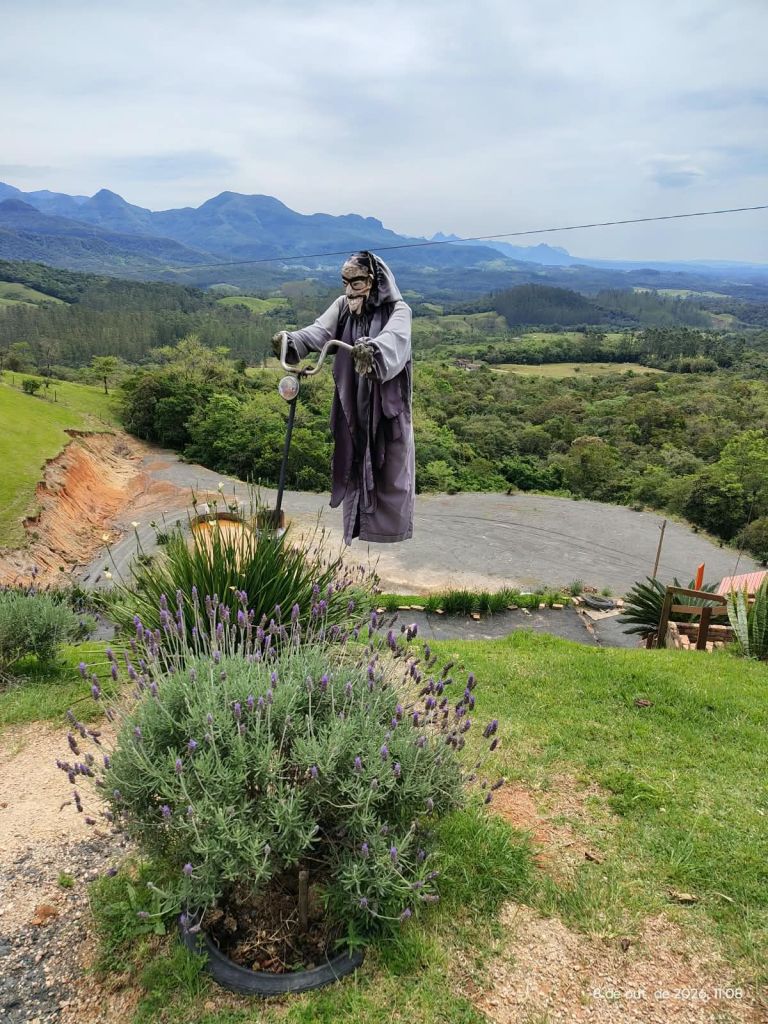
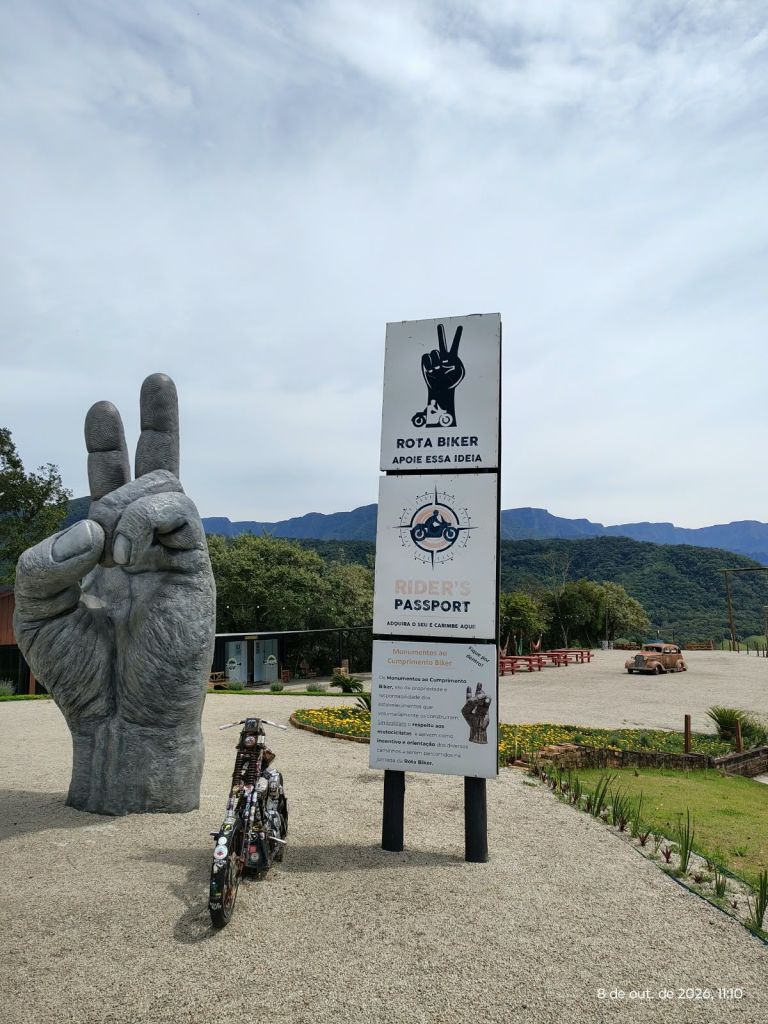
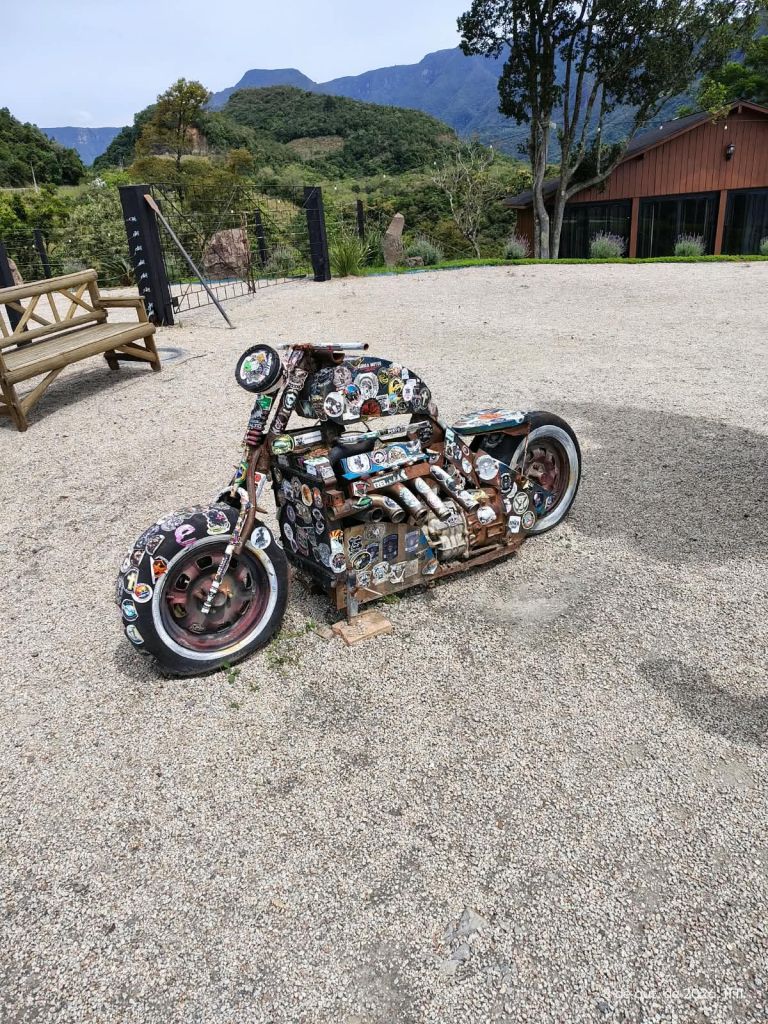
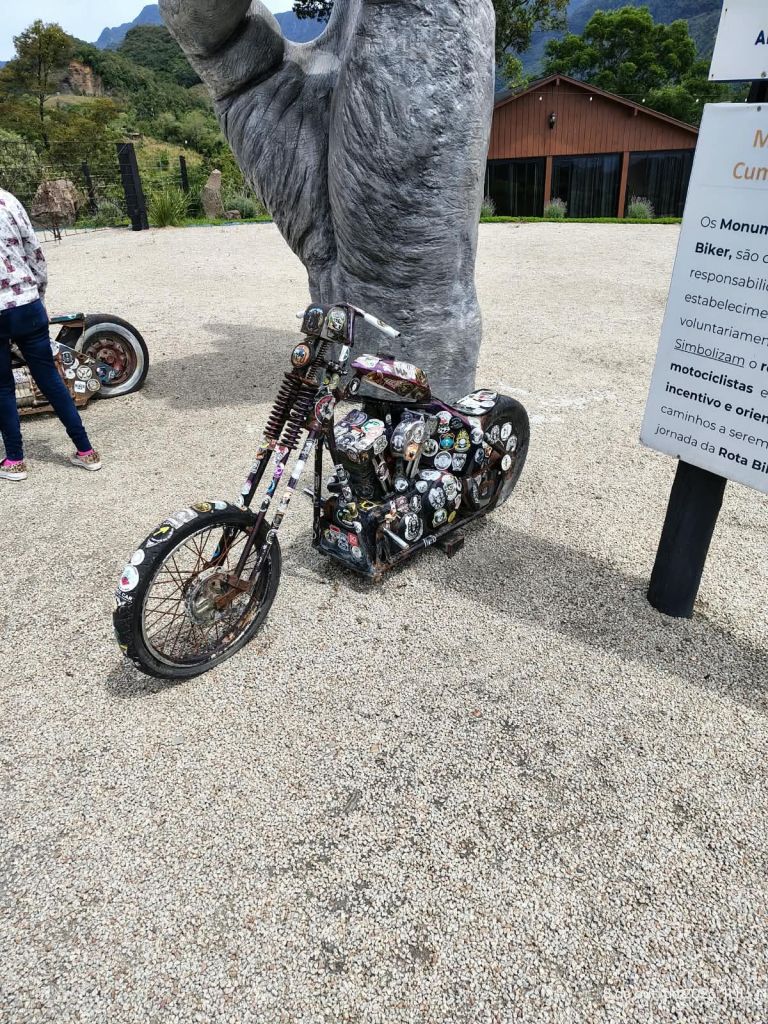
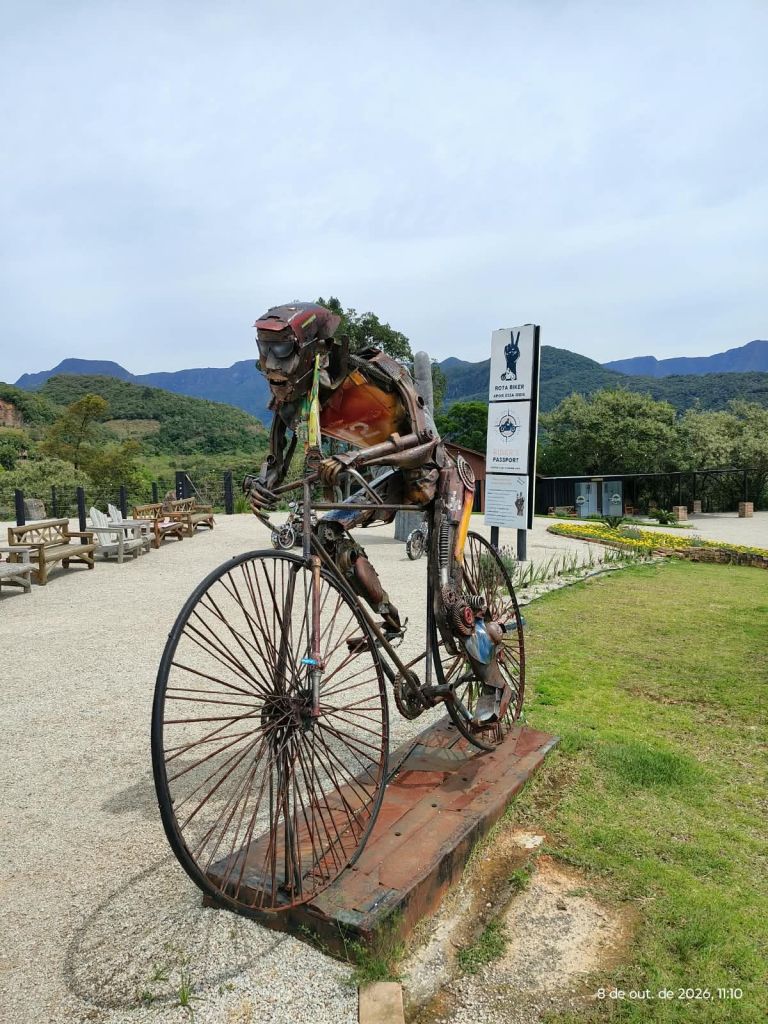
The road is considered sacred ground for bikers of all lineages. Visitors will find monuments honoring those who travel on two wheels scattered along the route. The one above is the monk biker.
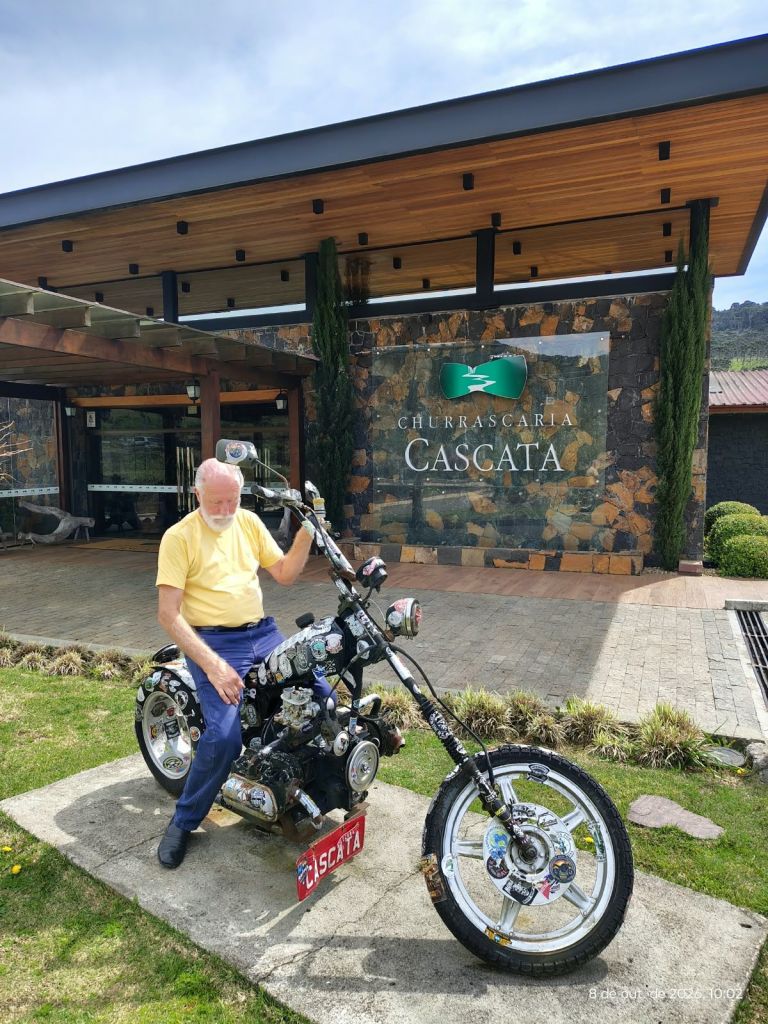
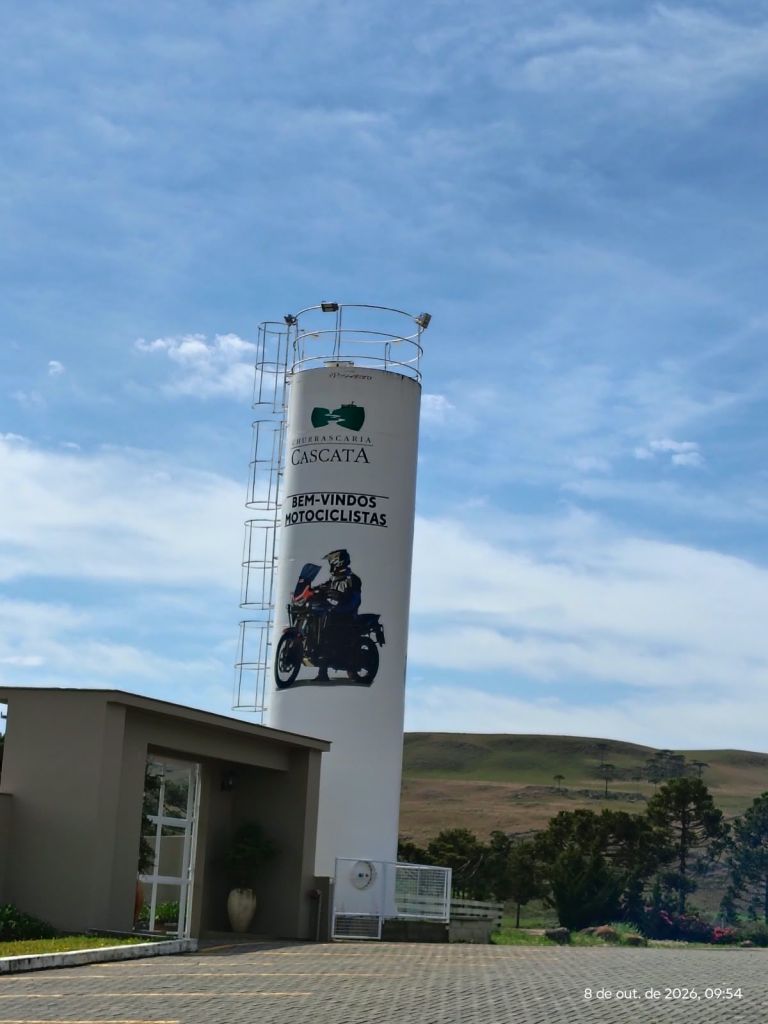
The first pit stop was at Churrascaria Cascata, a very popular steak house, famous for combining a variety of meats with local dishes.
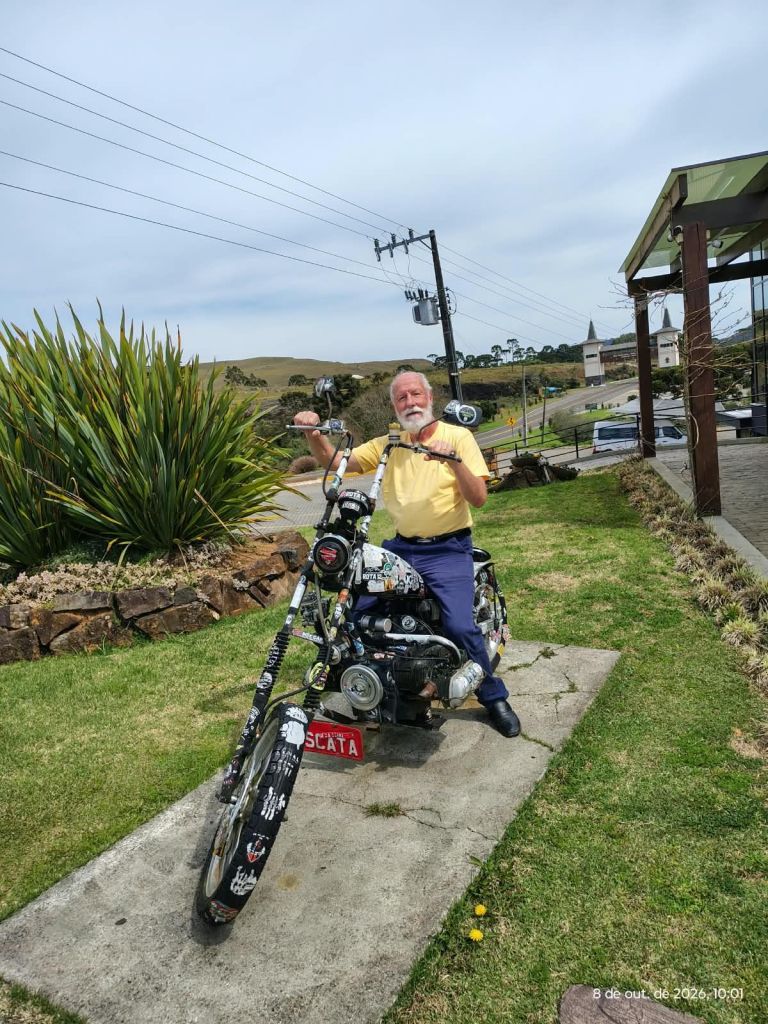
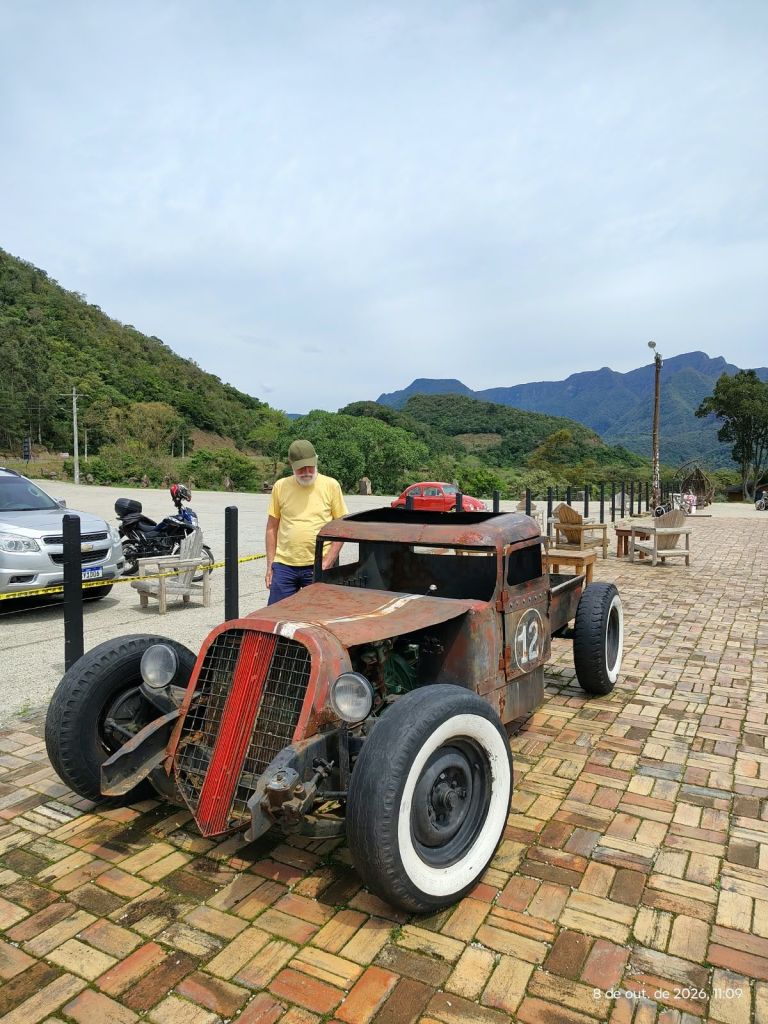
Rio do Rastro Road is also the chosen destination for several classic car and hot rod meetings, where the old machinery is challenged to tackle the steep climb and hairpin curves.
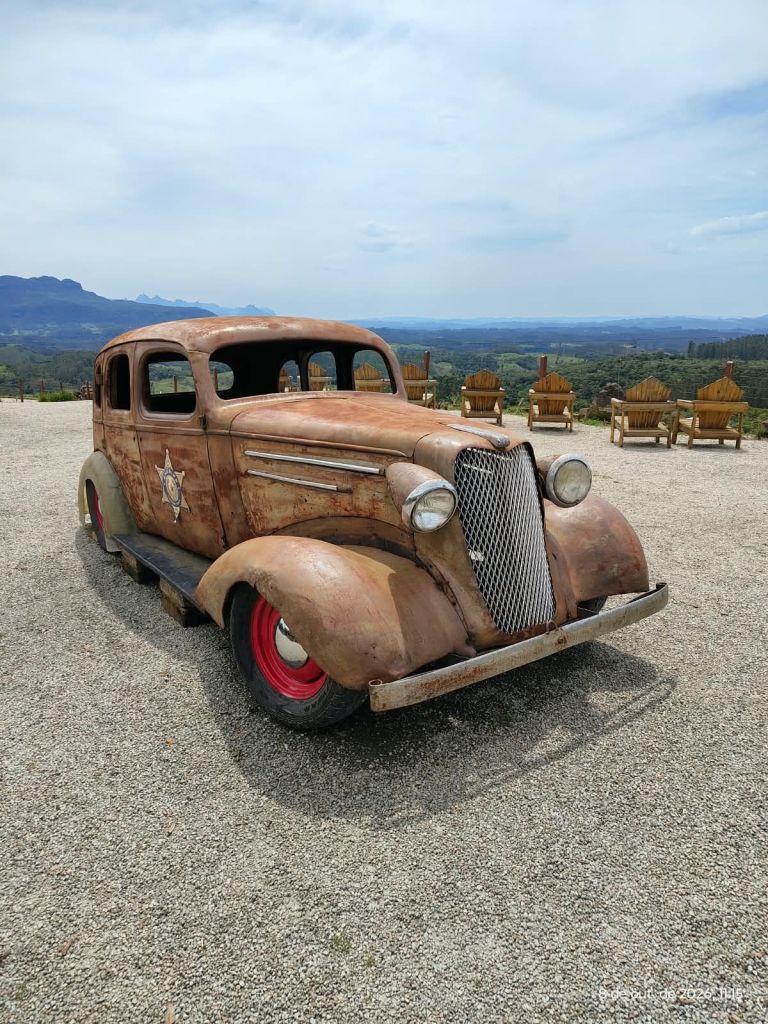
Naturally, the Hot Rods deserve monuments of their own. The two pics above show cars on static display at a road lockout.
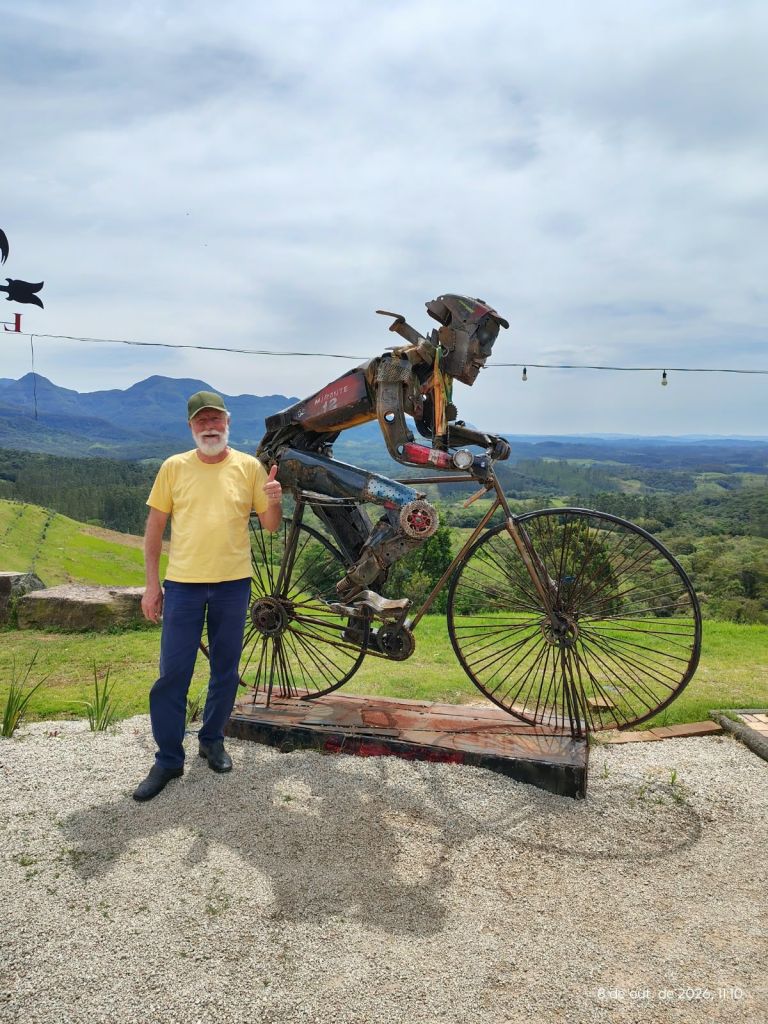
The velobikers also call Rio do Rastro their home.
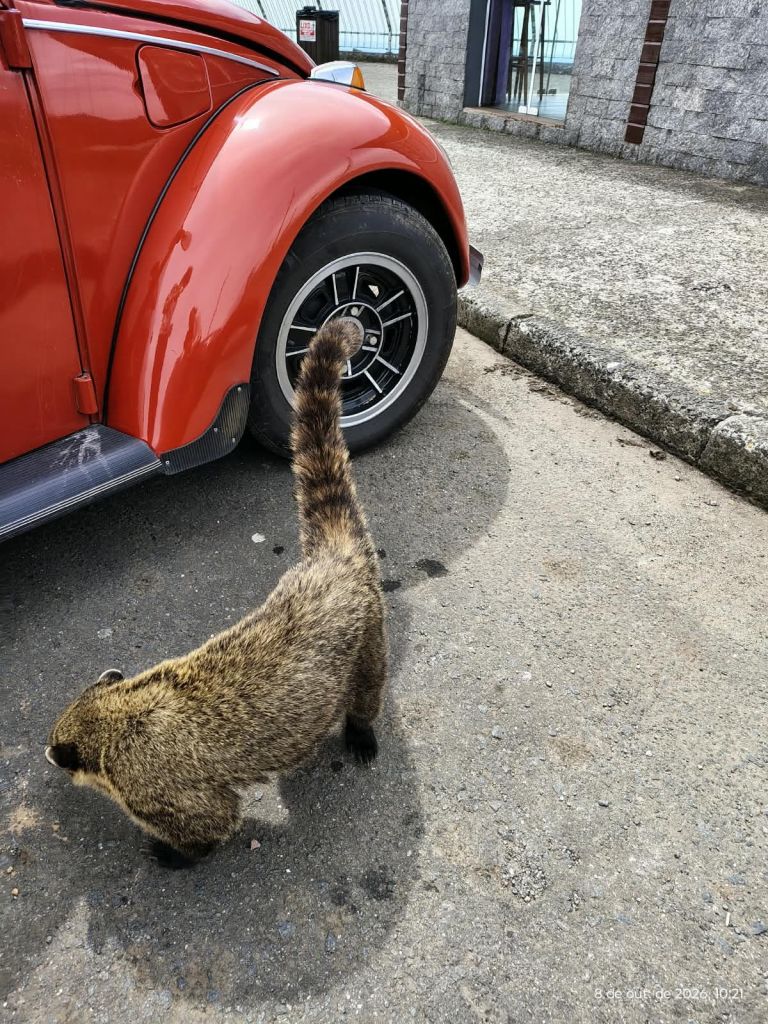
The quatis are no longer afraid of humans; they know we always have some snacks in our bags.
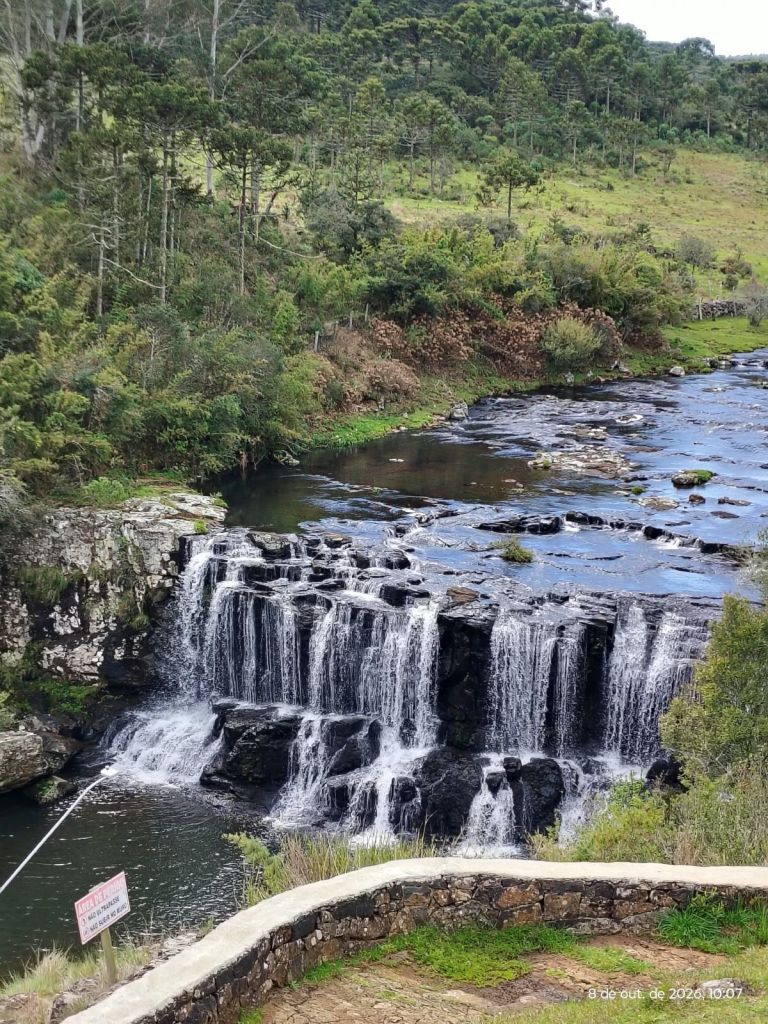
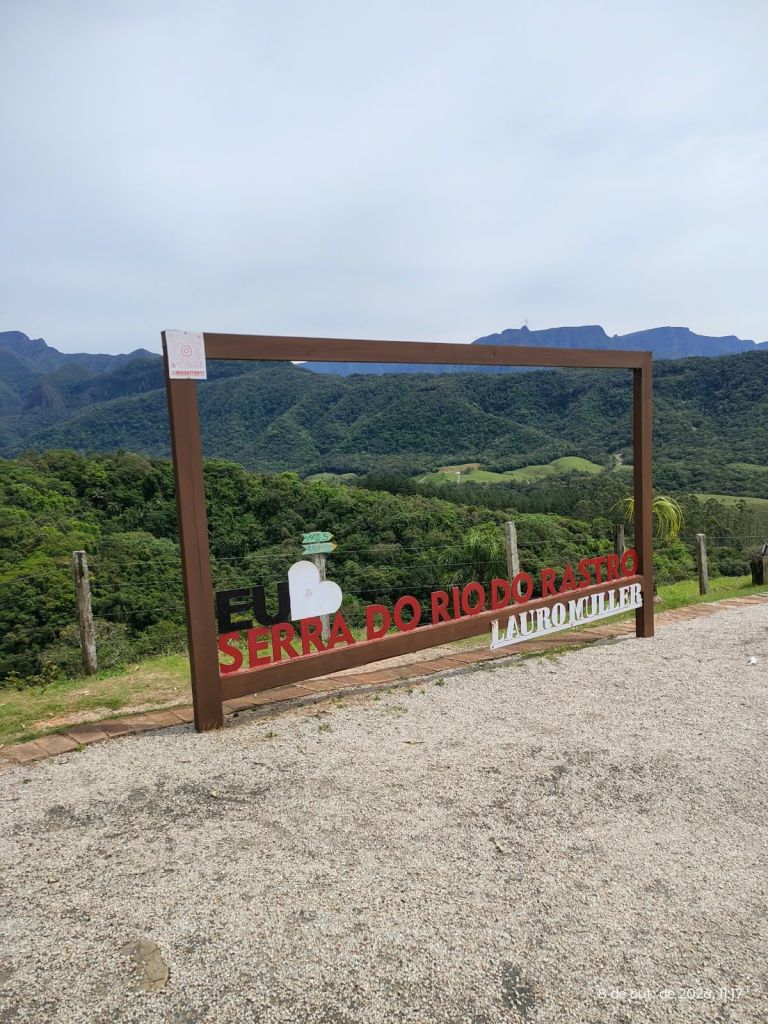
At the bottom of the road, they passed by the city of Lauro Muller.
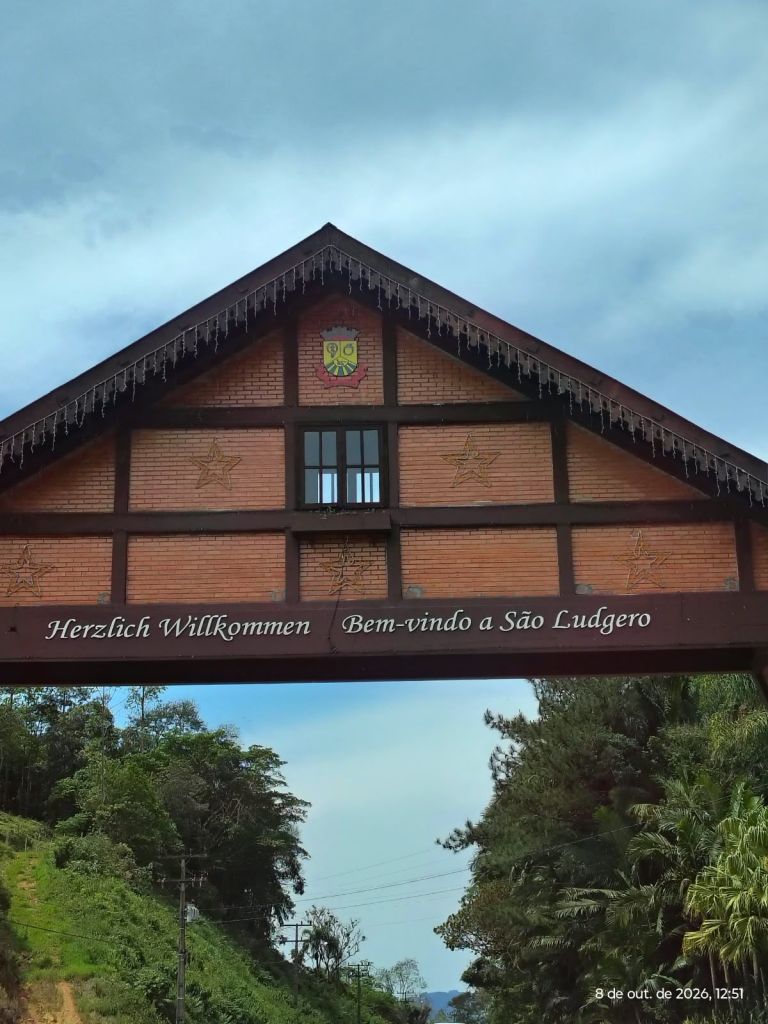
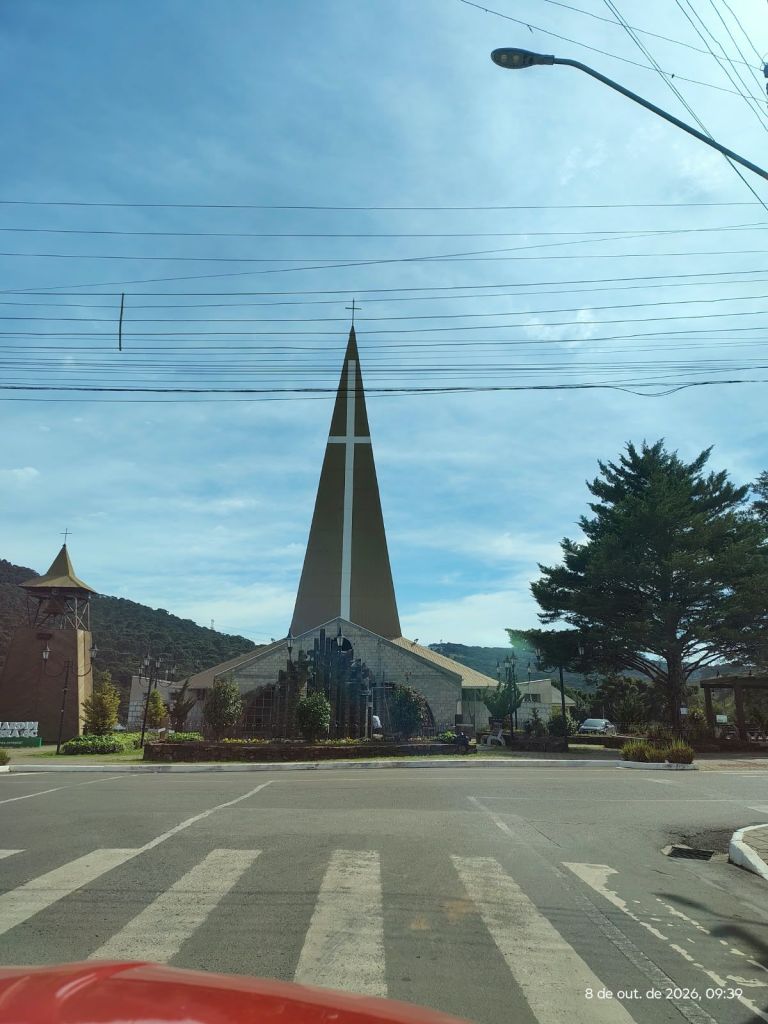
And after that, the city of São Ludgero.
Like most cities in Santa Catarina, the communities along both roads, Serra da Rocinha and Serra do Rio do Rastro, were founded by German immigrants and take great pride in their roots.
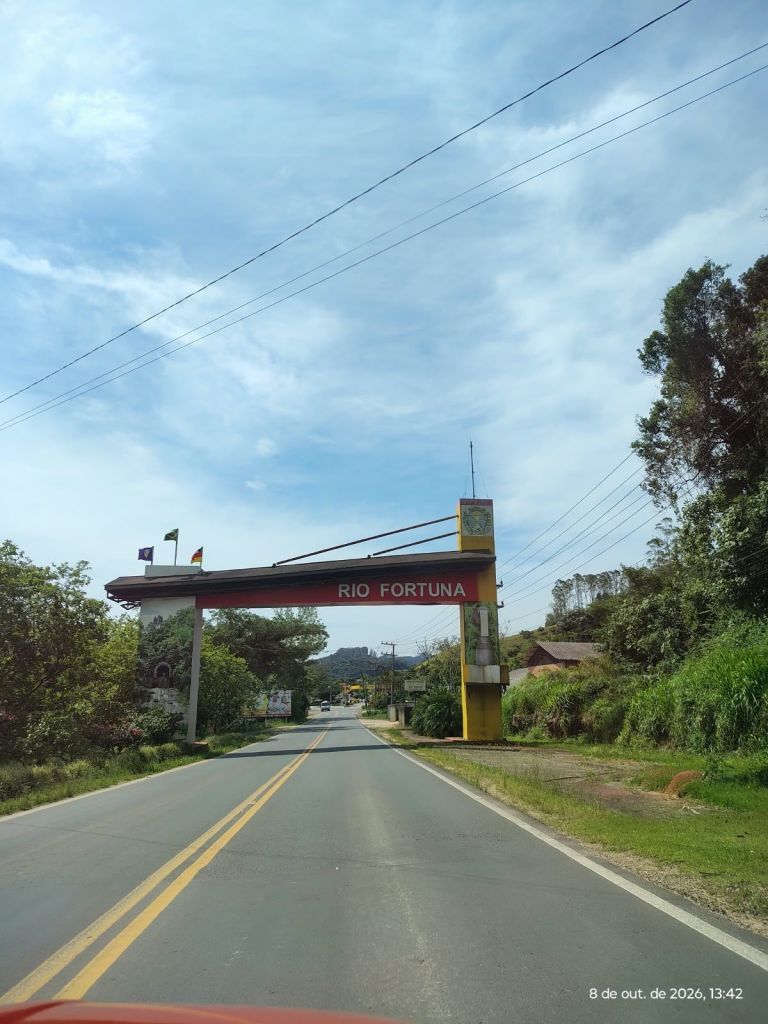
The Fortune River monument.
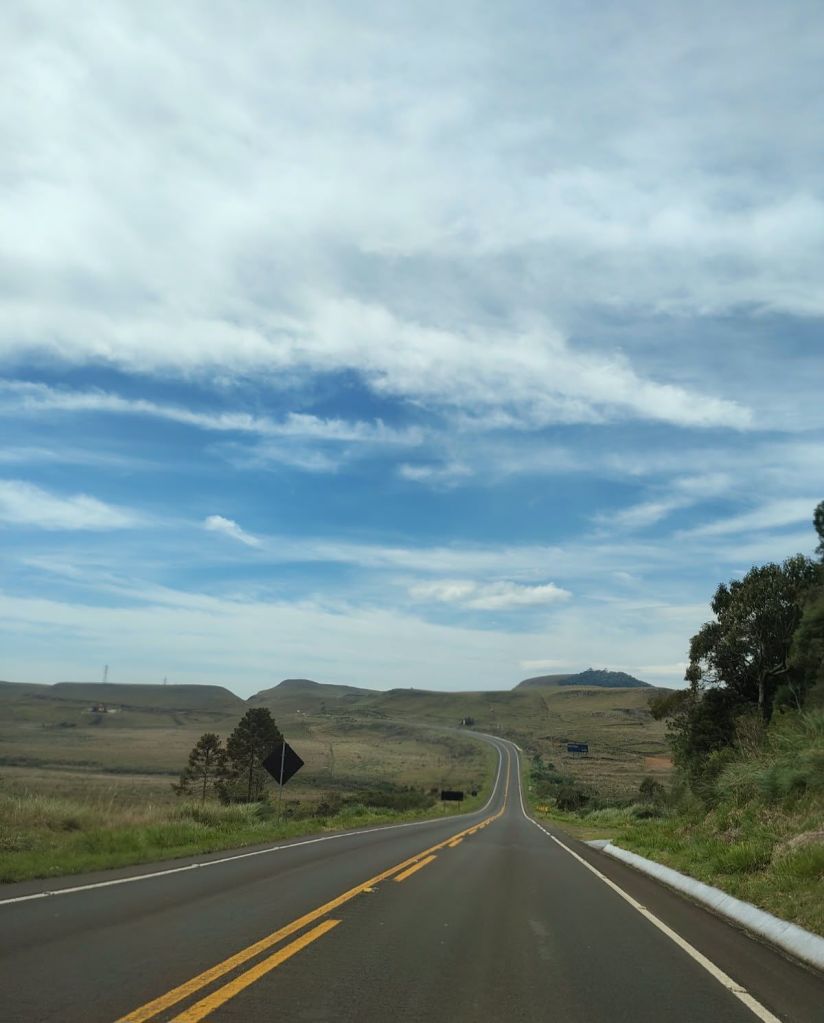
Now, it was time to head back home.
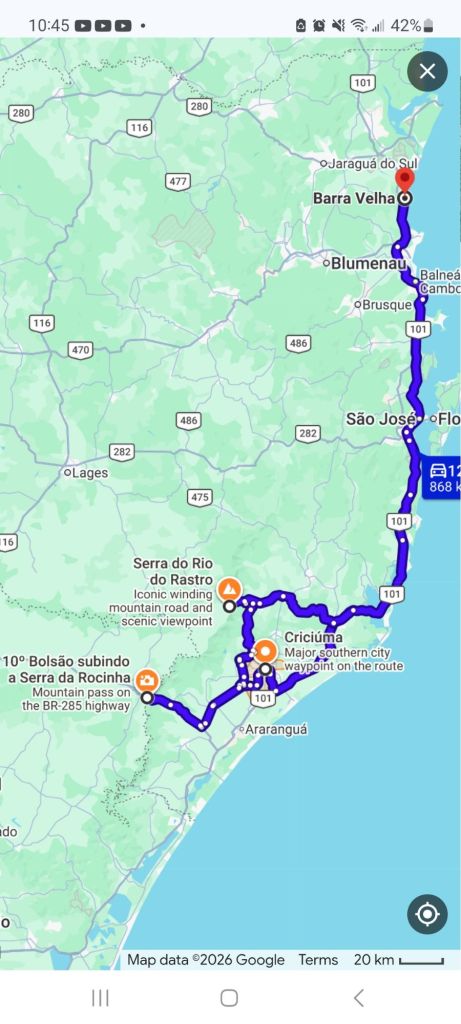
After 3 days on the road, the team was back home in Barra Velha Beach. They covered 977 km in a 1978 VW Beetle; the trip was 100% free of mechanical problems, proving Dad’s job of keeping the car in tip-top condition was well done.
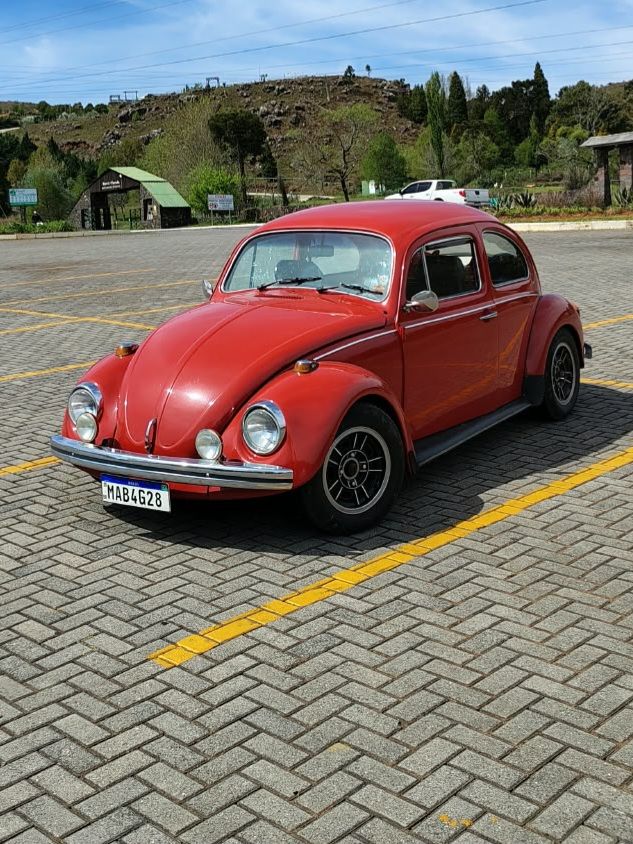
The Beetle performed surprisingly well on average. Even loaded with 3 people and baggage, the tiny 1.3-liter engine delivered a solid cruising speed of 110/120 km/h, and highway gas mileage was 14 km/liter.
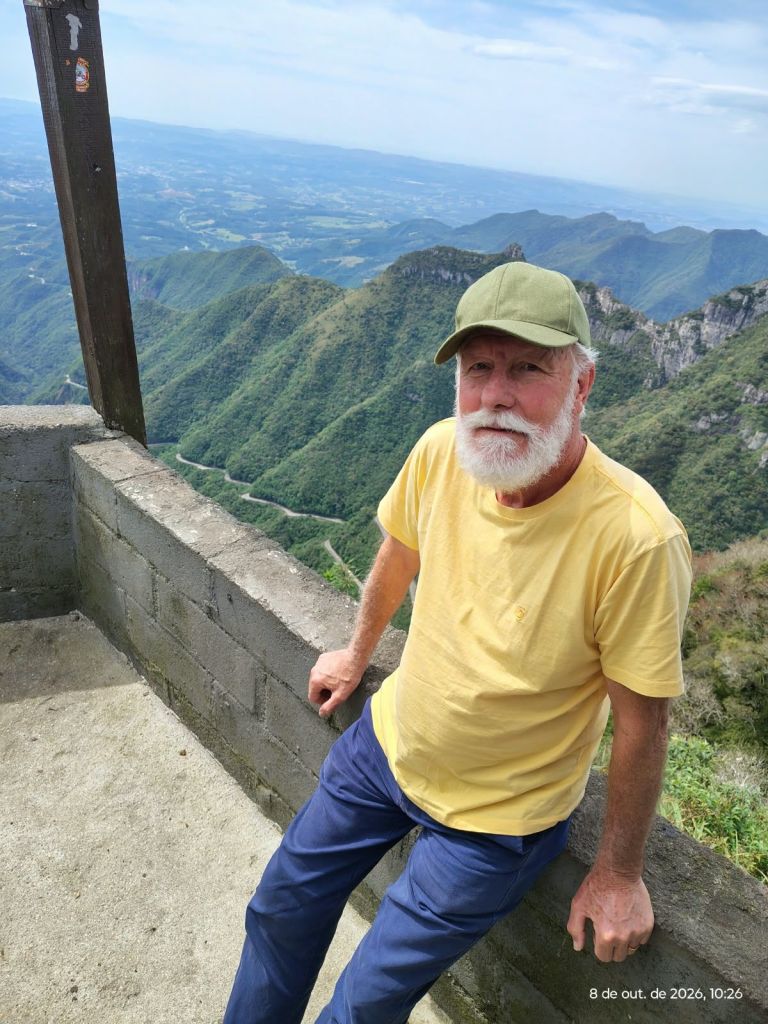
I have no words to express how happy I am to see my 77-year-old dad so active, healthy, and joyful.
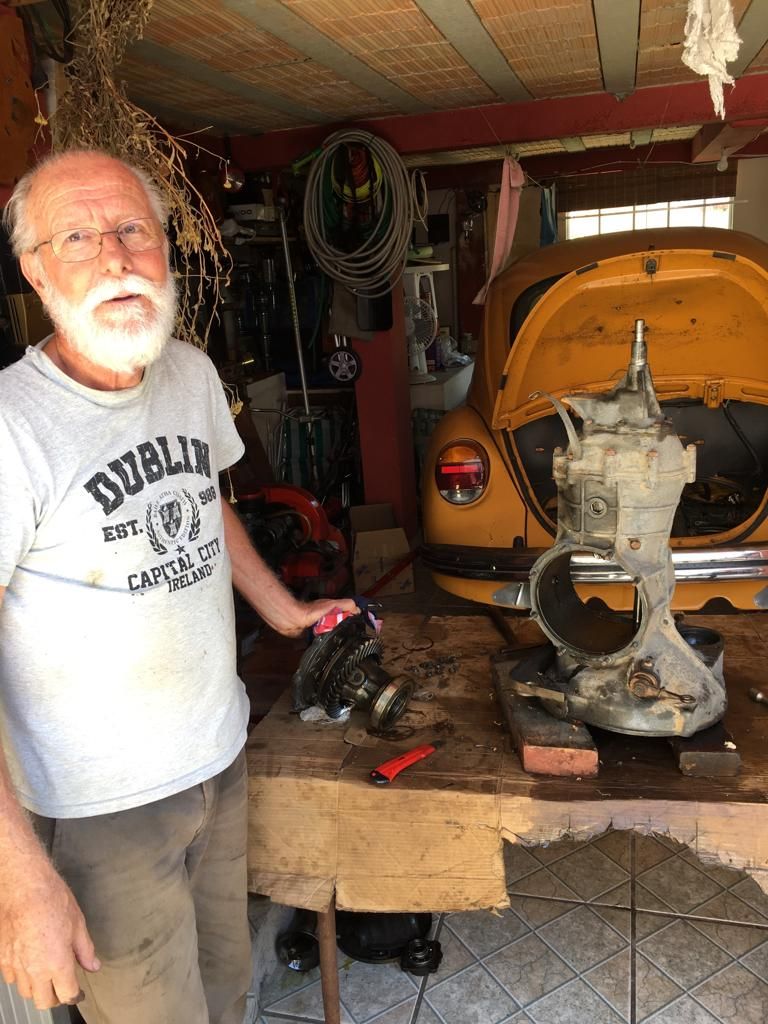
He is a traveler at heart. He has already crossed Brazil from north to south and east to west and has ventured into Argentina, Paraguay, and Uruguay, driving his beloved Hyundai HB20.
But it is so satisfying to see him put his hobby on the road and enjoy driving for almost 1000 km in a 48-year-old Beetle.
Keep on driving, Dad. God bless you.

